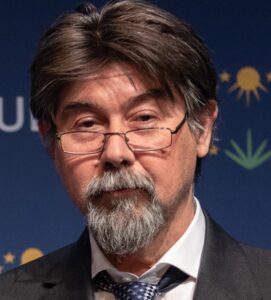
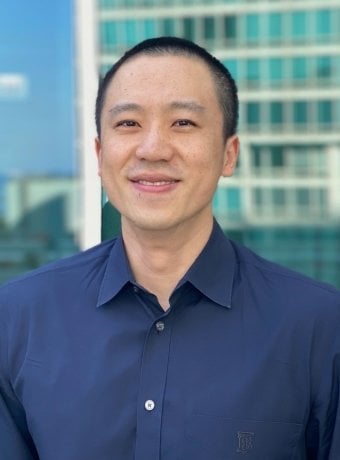
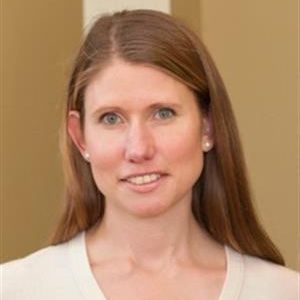
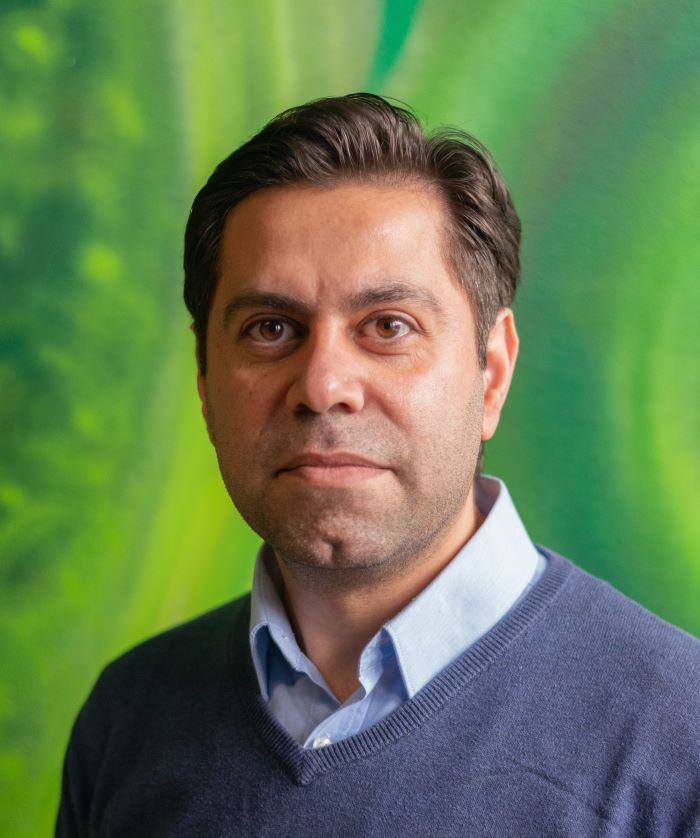
Dr. Nicholas Banovich serves as Associate Professor and Director of the Bioinnovation and Genome Sciences Division at the Translational Genomics Research Institute (TGen), while also leading the Center for Spatial Multi-Omics (COSMO). His work bridges advanced genomic technologies with clinical applications across multiple disease contexts. His research leverages single-cell and spatial transcriptomics to decode gene regulatory mechanisms in pulmonary fibrosis, neonatal lung injury, and cancer immunotherapy. The lab specializes in mapping cellular heterogeneity in diseased tissues, identifying novel biomarkers, and developing computational tools like SpatialRNA for spatial data analysis. Key collaborations with City of Hope drive translational work in CAR T-cell therapy for brain cancers. Recent publications demonstrate dominant trends in spatial multi-omics applications across pulmonary, oncological, and cardiovascular diseases, with emphasis on microenvironmental dysregulation and therapeutic resistance mechanisms. His NIH-funded pulmonary disease research program has secured over $8.2 million in grants, supporting collaborative projects with clinicians to advance precision medicine approaches. As COSMO Director, he oversees core spatial biology services for TGen and City of Hope researchers, driving innovation in high-resolution tissue mapping.
Christian Germain is a Professor of Computer Science at Bordeaux Sciences Agro, an engineering school specializing in agronomy. He focuses on information technologies and their applications to agriculture and environmental science, conducting research in image analysis at the IMS laboratory. His work spans remote sensing, embedded agricultural imaging, and digital tool development for vineyards. Key Roles: Co-holder of the AgroTIC business chair (29 corporate sponsors), Scientific Director of DigiLab (open platform for wine-growing experiments). Research Themes: Remote sensing, agricultural imaging systems, covariance pooling in machine learning, and texture analysis for material science. His recent publications highlight collaborations with industry and academic partners, emphasizing applications in vineyard health monitoring, carbon composite modeling, and vine disease detection. Germain’s team utilizes CNNs, Gaussian mixture models, and SAR imaging techniques to advance agricultural and materials engineering. He has contributed to international conferences and journals, integrating computational methods with real-world agricultural challenges, including proximal sensing for crop management and 3D microstructure simulation.
Sidiras Dimitrios is a Professor at the Department of Industrial Management and Technology within the School of Economics, Business and International Studies at the University of Piraeus . His work focuses on experimental and computational simulation of industrial processes, with emphasis on environmental and energy applications. Research Trends & Fields: His recent publications highlight expertise in hydrogen production , adsorbent development , biomass conversion , and pollutant removal . Key sub-fields include torrefaction , dye adsorption , water decontamination , biofuel production , and process optimization within circular economy and sustainable technology frameworks. Academic Context: The Department of Industrial Management and Technology addresses industrial and environmental challenges through education and research, offering programs in technology management , sustainable energy , and industrial ecology .
Dwayne Edwards, a Professor in the Biological Systems Engineering department at Virginia Polytechnic Institute and State University's College of Engineering, focuses on critical research in surface hydrology , water quality , climate change , statistical analysis , and environmental modeling . His work bridges agricultural practices with ecological impacts, particularly in nutrient management and runoff mitigation. Recent publications highlight trends in agricultural nutrient runoff , alum treatment for poultry litter , climate change effects on precipitation , and advanced hydrological modeling . His studies span from field-scale experiments to watershed-level assessments , emphasizing sustainable farming practices and pollution control .
Ayşe Armutlu, M.D. is an Attending Physician and Specialist in the Department of Pathology at Koç University since 2016. She completed her medical education and pathology residency at Gazi University Faculty of Medicine (2002–2014) and advanced training in liver pathology at Indiana University (2018). Her clinical focus includes Liver Pathology , Hepatopancreatobiliary Pathology , and Uropathology . Medical Doctorate , Gazi University School of Medicine (2002–2009) Medical Pathology Residency , Gazi University Department of Medical Pathology (2009–2014) Observer in Pathology , Indiana University Department of Pathology (2018) Her research spans prostate cancer staging , pancreatic tumor subtyping , and hepatic pathology , with over 20 publications since 2016. Key studies include PSMA PET/CT applications , duct-centric Whipple specimen analysis , and metaplastic pancreatic carcinomas . While no scientific awards are explicitly documented, her work emphasizes imaging-pathology integration and novel diagnostic protocols . She has no known part-time affiliations and no appointments are listed in the scraped data.
Kristina Põšnograjeva is a Research Fellow at the University of Tartu's Faculty of Medicine, Institute of Biomedicine and Translational Medicine, working on cancer biology and biomedical engineering projects since 2016. She is also a PhD student supervised by Tambet Teesalu and Maarja Haugas, focusing on blood-brain barrier penetrating peptides. Born: July 12, 1995 Current Role: Junior Research Fellow in Cancer Biology (University of Tartu, 2023–2026) Education: Master's Degree in Molecular and Cell Biology (University of Tartu, 2019) Her research spans Cancer Biology , Molecular Biology , and Biomedical Engineering , with a focus on peptide-based drug delivery and yeast enzyme characterization . Her work includes nanotechnology applications for glioblastoma targeting and bioinformatics analysis of yeast genomes. Selected publications highlight her contributions to organ-specific peptide discovery , tumor microenvironment interactions , and α-glucosidase research in non-conventional yeasts. She participates in large-scale projects funded by the European Commission and Estonian Research Council , including Programmable Bionanomaterials and Precision Targeting of Glioblastoma . Current projects include: Programmable Bionanomaterials with Protein-Controlled Behavior (2025–2028, €257,600) Precision Targeting of Infiltrative Glioblastoma (2023–2027, €810,000) Homing Peptides for Peripheral Nervous System Modulation (2025–2026, €151,948)
Xiang Li serves as an Assistant Professor in the Department of Geological and Mining Engineering and Sciences within the College of Engineering at Michigan Technological University, specializing in geotechnical engineering with emphasis on natural hazard analysis and geomechanics. His academic credentials include: PhD in Geotechnical Engineering from Northwestern University MS in Geotechnical Engineering from Northwestern University Dr. Li's research integrates computational modeling with field observation to address critical geohazards: Advanced analysis of slope stability and landslide dynamics Hydromechanical behavior of unsaturated soils under rainfall conditions Constitutive modeling of earthen materials and failure mechanisms Application of InSAR and data-driven techniques for hazard monitoring Finite Element modeling of progressive failure processes Natural hazard assessment and mitigation strategies His publication record (2020-2024) demonstrates consistent innovation in landslide mechanics, particularly through integration of InSAR technology with viscoplastic modeling to investigate hydro-mechanical couplings in slow-moving landslides. Recent work focuses on California Coast Ranges applications and regional-scale hazard mapping, bridging theoretical geomechanics with practical disaster prevention. No scientific awards or fellowships were documented in the provided materials. Information regarding student advising, research grants, or laboratory facilities was not specified in the source text.
Catherine E. Leimkuhler Grimes is a Professor in the Department of Chemistry and Biochemistry at the University of Delaware's College of Arts & Sciences, where she leads a research program at the chemistry-biology interface. Her laboratory develops innovative chemical tools to investigate bacterial cell wall biosynthesis and host immune recognition mechanisms. Her educational background includes a B.S. in Chemistry from Villanova University (2001), M.S. in Chemistry from Princeton University (2003), and Ph.D. in Chemistry and Chemical Biology from Harvard University (2007), followed by a Cancer Research Institute Postdoctoral Fellowship at Harvard/Massachusetts General Hospital (2007-2011). Dr. Leimkuhler Grimes' research focuses on chemical biology approaches to understand innate immune responses to bacterial pathogens, particularly through the development of synthetic carbohydrate probes that mimic peptidoglycan intermediates. Her work integrates organic synthesis, molecular biology, and biochemical techniques to study how bacterial cell wall components trigger immune responses relevant to inflammatory bowel disease and other immune disorders. The lab emphasizes interdisciplinary training and collaborative science. Analysis of her recent publications (2024-2025) reveals expanding research directions into fungal pathogenesis (particularly Candida species), advanced bioorthogonal labeling techniques for live-cell imaging, and novel approaches to model host-pathogen interactions in 3D microenvironments. Her work consistently bridges fundamental chemical synthesis with immunological applications. Her scientific contributions have been recognized through prestigious awards: Pew Biomedical Scholars Award Cottrell Scholar Alfred P. Sloan Research Fellowship American Chemical Society Infectious Disease Young Investigator Award Dreyfus Teacher Scholar Award Dr. Leimkuhler Grimes serves as co-director of an NIH-funded graduate training program at the chemistry-biology interface and mentors undergraduate STEM students through "The Scientistas" initiative. She has advised PhD candidates including Aastha, who recently advanced to candidacy. Her research program receives substantial external funding supporting innovative work in chemical immunology. The Leimkuhler Grimes Group maintains a dedicated intellectual community committed to diversity, collaboration, and professionalism. The lab environment emphasizes clear communication and supports researchers regardless of race, religion, national origin, sexual orientation, gender identity, socioeconomic status, or personal circumstances, fostering an inclusive space for scientific discovery since its founding in 2011.
Jacques Robidoux, Ph.D., is an Assistant Professor at the Department of Pharmacology & Toxicology, East Carolina University School of Medicine. His research focuses on molecular mechanisms of adipose tissue expansion and remodeling, particularly the interplay between angiogenesis and adipogenesis in metabolic health. Research spans autocrine/paracrine signaling in adipocyte precursor recruitment Investigates vascular remodeling through sprouting angiogenesis and progenitor cell differentiation Examines metabolic syndrome implications of adipose tissue dysfunction Key contributions include elucidating EGFR-IGF-1R collaboration in preadipocyte proliferation and lipogenesis, and exploring MAP kinase roles in UCP1 regulation. His work demonstrates that adipocyte number defects may drive metabolic syndrome more than total adipose mass. Laboratory members include Research Specialist Bin Luo. Studies employ human/mouse preadipocytes, adipose explants, and genetically engineered murine models to dissect molecular pathways.
Dr. Youcef Derbal is an Associate Professor in the Department of Information Technology Management at Toronto Metropolitan University's Ted Rogers School of Information Technology Management. With a Ph.D. in Electrical and Computer Engineering from Queen's University, he brings extensive industry experience from robotics, telecommunications, and software sectors to his academic work. His research focuses on Complex Adaptive Systems, particularly in modeling cancer dynamics through agent-based simulations, machine learning applications for oncology, and computational frameworks for biological processes. Key research areas include tumor dynamics, cell signaling pathways, and tumor-infiltrating lymphocyte recruitment. Dr. Derbal teaches undergraduate courses in business information systems, programming, system analysis, database design, and client-server applications, along with graduate-level advanced project management. His publication record shows consistent output in computational biology, cancer modeling, and grid computing since 2006. Professional affiliations include: Association for Computing Machinery (ACM) Institute of Electrical and Electronics Engineers (IEEE) International Society for Computational Biology (ISCB) Administrative contributions include service on University Senate, chairing multiple departmental committees, leading the Business Technology Management curriculum development (2009-2014), and serving as School Director during 2013/2014.
Marwan Azzi is a Lecturer in the Department of Mechanical Engineering at Polytechnique Montréal, where he has taught materials and manufacturing courses for over 15 years. His academic career combines extensive teaching experience with significant industry background and active research in materials science. Ph.D. in Materials Engineering, McGill University Mastère Spécialisé in Materials Engineering, Ecole Centrale de Paris Bachelor in Mechanical Engineering, Lebanese University Professor Azzi's research focuses on tribology, corrosion science, and protective coatings , with particular emphasis on materials for extreme environments. His work spans multiple areas including surface engineering, thermal barrier coatings, and advanced manufacturing methods. He has developed specialized testing equipment for evaluating material performance under harsh conditions, particularly relevant to the oil and gas industry, aerospace applications, and industrial valve manufacturing. His publication record shows consistent research output from 2005 through 2025, with recent work increasingly focused on advanced coatings for oil industry applications, additive manufacturing of aluminum alloys, and high-temperature tribological performance. The research demonstrates strong industry relevance with practical applications in materials protection and performance enhancement. Professor Azzi brings valuable industry experience to his academic role, having served as a production manager for approximately 5 years in a factory producing valves and street accessories. This practical knowledge informs both his teaching and research, ensuring real-world relevance to his academic work. He teaches courses including MTR2000: Metallic materials, MEC3520: Manufacturing processes, and MTR1035C: Materials, connecting theoretical concepts to industrial applications. His research group focuses on designing and testing protective coatings for extreme environments, with particular expertise in developing test methodologies for evaluating material performance under combined mechanical and corrosive conditions. The work has significant applications in energy, aerospace, and industrial manufacturing sectors where material durability is critical.
Prof. Dr. Ziya Esen is a full-time Professor at Çankaya University's Faculty of Engineering, Department of Materials Science and Engineering, where he has held academic ranks since 2011. He also serves as the Head of the Common Courses Department (2024–present) and was previously the Director of the Graduate School of Natural and Applied Sciences (2020–2024). His affiliations include research roles at the University of Waterloo (Canada) and advisory positions at Turkey's Defense Industry Academy. His research spans: Additive Manufacturing : Optimization of electron beam/laser melting for titanium alloys. Biomaterials : Porous titanium scaffolds for bone implants and surface treatments. Advanced Joining : Brazing techniques for superalloys and composites. Energy Materials : Nanofluids for solar thermal systems. He has received notable awards, including the TÜBİTAK Project Performance Award (2019) and departmental honors from METU. His lab advises 16+ graduate students, with recent theses on titanium processing and magnesium alloys. Funded projects include TÜBİTAK grants on aviation materials and solar collectors.
Michael Guebert is a Professor of Geology and Environmental Science at Taylor University, affiliated with the Biology, Environmental Science & Sustainable Development Department. He has held academic positions since 1991, including at Middle Tennessee State University and Wheaton College, with a focus on integrating environmental stewardship into his work. Education: PhD and MS in Geology from Pennsylvania State University, BS in Geology with Departmental Distinction from the University of Illinois. His research interests span environmental ethics, hydrogeology, geomorphology, and sustainable water resource management. He emphasizes field-based studies of karst systems, watershed diagnostics, and infiltration processes in reclaimed mining areas. Key publications highlight interdisciplinary approaches to water stewardship, landform analysis, and remote sensing applications. His work bridges geoscience with ethical and practical frameworks for environmental conservation. Scientific Awards: Distinguished Faculty Lecturer (Taylor, 2014) Hiltunen Award for Scholarship of Engagement (Indiana Campus Compact, 2011) Excellence in Teaching and Leadership (Taylor, 2007) Guebert actively engages students in hands-on research, particularly through service-learning projects addressing groundwater protection and watershed management. His career integrates academic inquiry with community-focused environmental solutions.
Professor Jennifer Denbow serves in the Department of Political Science within California Polytechnic State University's College of Liberal Arts, where she holds the position of Associate Chair. Her interdisciplinary scholarship bridges feminist political theory, law, and science and technology studies with a specialized focus on US reproductive politics. Her educational background includes a Ph.D. in Jurisprudence and Social Policy with a Designated Emphasis in Women, Gender and Sexuality from UC Berkeley (2010), a J.D. from UC Berkeley (2007), and a B.S. in Philosophy with minors in Mathematics and Physics from the University of Michigan (2003). Denbow's research critically examines the intersections of reproductive justice, political economy, and technological innovation. Her work challenges neoliberal frameworks that position technological solutions as adequate responses to systemic reproductive injustices, particularly highlighting how financialization and market logics infiltrate reproductive healthcare and genetic technologies. She analyzes how ultrasound, prenatal screening, and biometric monitoring function as affective technologies that reshape maternal subjectivity and reproductive autonomy. Her publications reveal consistent engagement with feminist critiques of reproductive governance, examining how social conservatism, disability rights, and racial politics converge in legislative battles over prenatal nondiscrimination laws and contraceptive access. The scholarship demonstrates particular attention to how ostensibly neutral technological innovations often reinforce existing power hierarchies while obscuring structural inequalities. ACLS Project Development Grant for her forthcoming book As an educator, Denbow teaches courses including Civil Rights in America, Basic Concepts of Political Thought, Judicial Process, US Reproductive Politics, and Feminist Legal Theory. Her research has been supported by institutional affiliations including a Visiting Scholar position at the Feminist Research Institute at UC Davis during the 2020-2021 academic year. She actively contributes to interdisciplinary conversations across political theory, legal studies, and feminist science and technology studies.
Dr. Ali Najafzadeh is a Researcher at the Joint Glass Centre (Vitrum Laugaricio – VILA), affiliated with Alexander Dubček University of Trenčín in Slovakia. His work focuses on advanced ceramic materials, composites, and high-temperature applications. He actively participates in multiple national and international research projects and has established collaborations with institutions across Europe. Dr. Najafzadeh's educational background includes: PhD in Materials Science and Engineering from Semnan University, Iran (2015) MSc in Composite Materials Engineering from MUT, Tehran, Iran (2009) His primary research interests center around layered ceramics, eutectic materials, mechanical characterization, and advanced processing techniques. Dr. Najafzadeh specializes in developing innovative ceramic composites with enhanced mechanical properties for high-temperature applications. His work bridges fundamental materials science with practical engineering solutions, particularly in the areas of gel-casting processes and nanoindentation-induced deformation analysis. He applies finite element simulation to understand complex mechanical behaviors in brittle materials. Dr. Najafzadeh's publication record demonstrates consistent contributions to the field of advanced ceramics, with a focus on transparent ceramics, eutectic systems, and refractory composites. His research shows an evolution from fundamental studies of W-ZrC composites toward more sophisticated multi-layer ceramic designs and high-temperature applications. Recent work emphasizes translucency, mechanical robustness, and novel fabrication techniques like spark plasma sintering. His scientific achievements include: JECS TRUST programme at Montanuniversität Leoben, Austria (2023) Short-term training at Universidad de Sevilla, Spain (2022) Research Fellow at Institute of Materials Research, Slovak Academy of Sciences (2019-2020) National Scholarship Program of the Slovak Republic (2019) Top Ph.D. student at Semnan University, Iran (2015) Dr. Najafzadeh serves as Principal Investigator for the NextGenerationEU project "Design, analysis and mechanical characterization of laminar ceramics" (2024-2026) and has contributed to numerous other significant grants including Horizon 2020, APVV, and VEGA projects. His teaching responsibilities include doctoral courses in colloidal chemistry and colloidal systems. He is an active member of several professional societies including the European Ceramic Society, American Ceramic Society, Slovak Silicate Society, and Slovak Glass Society. Dr. Najafzadeh collaborates with research teams across Europe through the FunGlass Centre, which includes partners from Friedrich-Alexander Universität Erlangen-Nürnberg, Friedrich-Schiller-Universität Jena, Consejo Superior de Investigaciones Científicas, and Università degli Studi di Padova. His work contributes to the Centre's mission of advancing functional and surface functionalized glass technologies.