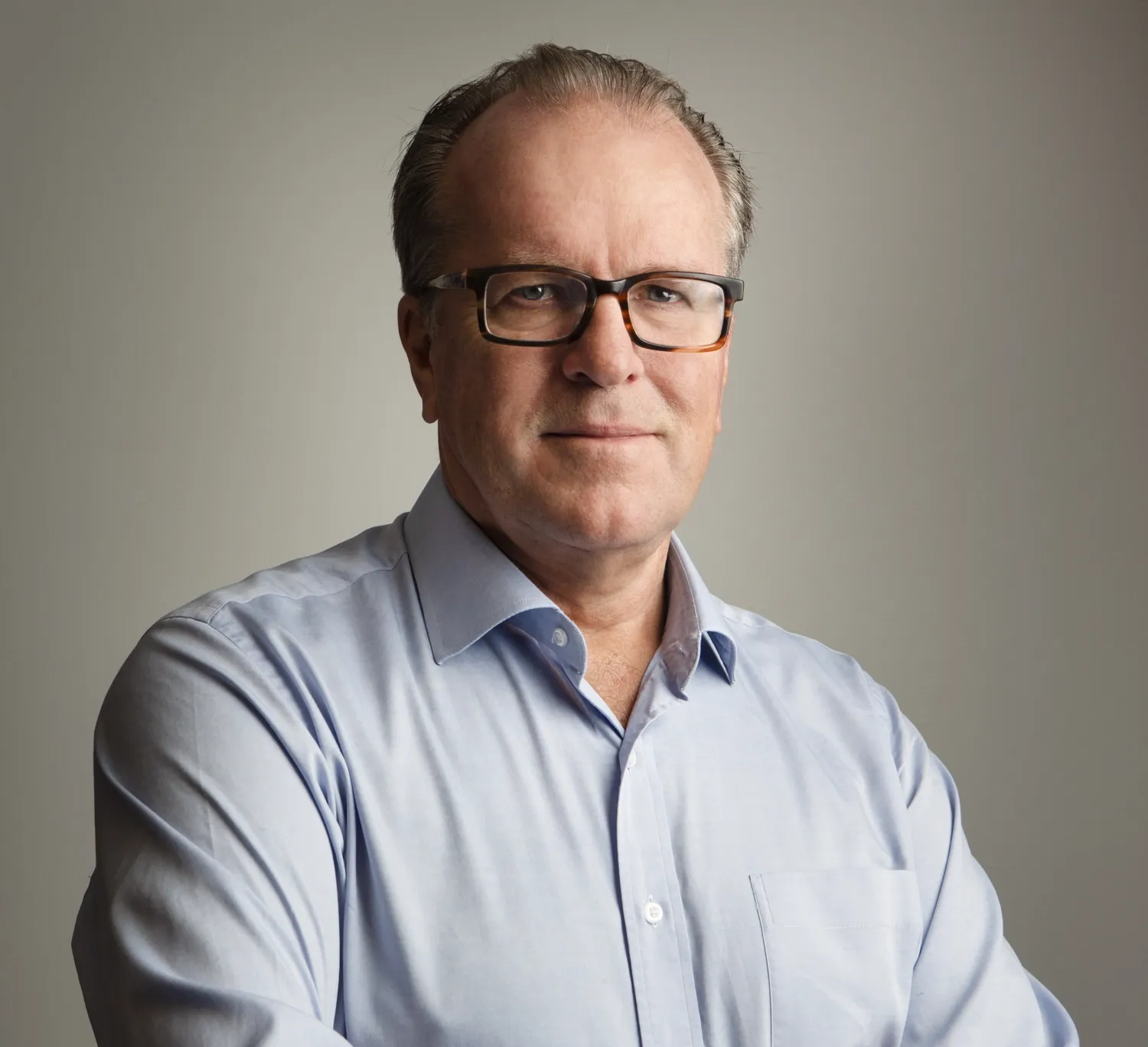
Björn Pasternak is a Research Professor leading the Pharmacoepidemiology group at the Department of Medicine, Solna, Karolinska Institutet. His team specializes in large-scale registry studies focused on adverse drug effects, with research programs in pediatric pharmacoepidemiology, safety of diabetes medications, and rapid assessment of drug safety concerns. The group leverages high-quality epidemiological methods to inform evidence-based clinical decisions. Pasternak's research interests span pharmacoepidemiology, drug safety, diabetes outcomes, cardiovascular risk, and perinatal health. His work utilizes nationwide registries to evaluate real-world drug effects, socioeconomic disparities in treatment, and long-term outcomes of chronic therapies. Key focuses include GLP-1 receptor agonists, SGLT2 inhibitors, antibiotic use in pregnancy, and opioid safety. Recent publications demonstrate strong emphasis on Scandinavian cohort studies of diabetes medications (GLP-1 agonists, SGLT2 inhibitors) and their associations with thyroid cancer, liver events, intestinal obstruction, and cardiovascular/renal outcomes. Other trends include perinatal pharmacovigilance (antibiotics, acid-suppressive drugs) and neurodegenerative risks in athletes.
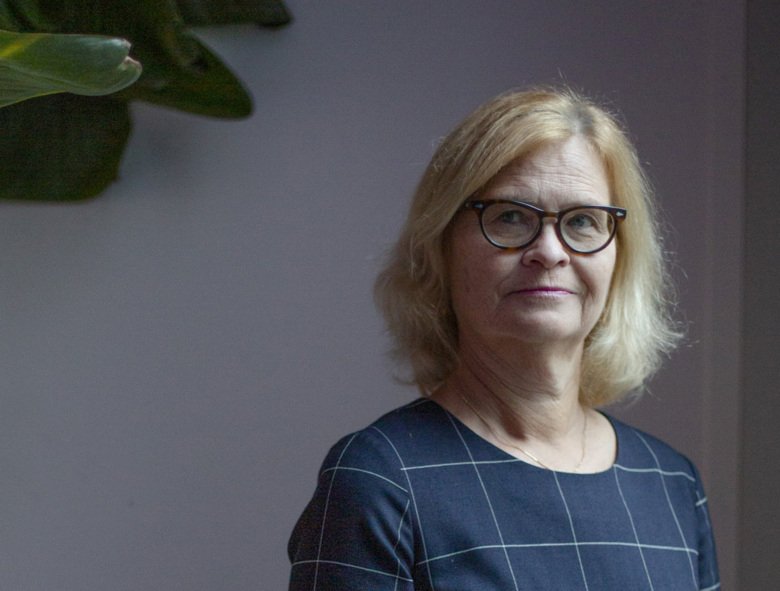
Carina Mallard is Professor of Experimental Perinatal Brain Injury Research and Pro-Vice-Chancellor at the University of Gothenburg since July 2023, where she oversees research infrastructure and chairs the Research Board. She previously served as Deputy Vice-Chancellor (2021–2023) and Head of Core Facilities (2018–2021). Her academic career began with a Physiology degree from Lund University and a PhD in Pediatrics at the University of Auckland (1995), followed by a professorship appointment in 2006. Her research focuses on perinatal brain injury , particularly in premature infants , investigating neuroinflammatory mechanisms maternal dietary interventions neurovascular unit dynamics microglia activation long-term consequences of maternal obesity . Recent publications highlight her work on neonatal rodent models , transcriptomic profiling , and anti-inflammatory therapies . Key themes include RNA degradation , mitochondrial protection , and immune-neurovascular interactions . She has supervised 20 doctoral students since 2004 and collaborates internationally with institutions like King's College London. Contact details include two institutional emails and physical addresses across Gothenburg's biomedical campuses. Her leadership roles span research strategy, doctoral education, and EU-level scientific initiatives.
Lars Engstrand is a Professor in infection control at Karolinska Institutet, heading the Translational Microbiome Research and Pandemic Preparedness group within the Department of Microbiology, Tumor and Cell Biology. His research spans multiple disciplines with a focus on translational microbiome research and pandemic preparedness. Engstrand's research interests center on understanding the human microbiome's role in health and disease, particularly in women's reproductive health and gastroenterology. His group has established multiple large-scale clinical studies including SweMaMi (Swedish Maternal Microbiome project), BASIC (associations between microbiota and preterm birth), VaMiGyn (Vaginal Microbiota in Gynaecological health), and several others investigating the vaginal microbiome's relationship to pregnancy outcomes, HPV infection, and cervical cancer. His team also conducts significant research on gut microbiome in inflammatory bowel disease and colorectal conditions through projects like PopCol and KOLBIBAKT. Analysis of Engstrand's most recent publications reveals a strong focus on the relationship between microbiome composition and women's health outcomes. His research consistently examines how vaginal, gut, and oral microbiomes influence pregnancy complications, preterm birth, HPV infection, and mental health during pregnancy. The work often employs large cohort studies with comprehensive sampling strategies across multiple body sites and time points, providing robust data for understanding microbiome dynamics in health and disease. Engstrand leads the Microbiome Exploration and Development for Intervention (MEDI) initiative and the National Pandemic Center (NPC) at Karolinska Institutet. The NPC conducted large-scale sequencing during the COVID-19 pandemic and has amassed over 1.5 million samples. His research group includes multiple specialized teams focusing on culturomics, bioinformatics, labcore operations, women's health research, and pandemic preparedness.
Matti Sällberg is a Professor in Biomedical Analysis at Karolinska Institutet's Department of Laboratory Medicine, leading the VIVAC research group focused on vaccines and immunotherapies against viruses and cancer. He earned his DDS and PhD from Karolinska Institutet (1988-1992), followed by postdoctoral research at The Scripps Research Institute (1994-1996). As a leader in infectious disease and hepatology, his research addresses chronic viral hepatitis, cancer prevention, and gene/cell-based therapies (GTMPs/ATMPs). He has directed the Department of Laboratory Medicine (2011-2022) and actively teaches in biomedical laboratory science, dentistry, medicine, and nursing programs. Key research areas include SARS-CoV-2 vaccine development (OPENCORONA consortium), hepatitis B/D/C therapies, and Crimean-Congo hemorrhagic fever vaccines. His work combines basic science with translational efforts at Karolinska's ANA Futura facility. Notable projects include a phase I clinical trial for a broad-acting SARS-CoV vaccine and preclinical testing of hepatitis therapies. Collaborations span academia and industry, with funding from the Swedish Cancer Society, EU, and VINNOVA. He oversees advanced techniques like viral propagation, flow cytometry, and adoptive cell therapy manufacturing. Grants include a 2024 Swedish Cancer Society award for hepatitis-related cancer therapies and a 2022 Swedish Research Council grant for the Doctoral Program in Advanced Therapies. His team maintains an active lab with researchers like Lars Frelin and Gustaf Ahlén. Future work emphasizes expanding vaccine platforms against emerging pathogens and optimizing immuno-therapies for solid tumors.
Olof Stephansson is a senior researcher and group leader at the Clinical Epidemiology Unit (KEP) , Karolinska Institutet , focusing on reproductive, perinatal, and pediatric epidemiology. His work utilizes Swedish healthcare registries and quality registers to investigate risk factors, interventions, and medical management during pregnancy and childbirth. Key research areas: maternal obesity, preeclampsia prediction, climate change impacts, neonatal neurodevelopment, IBD in pregnancy, and labor management Funded by: Swedish Research Council, NIH, FORTE, NordForsk, and Karolinska Institute Collaborates with: Stanford, Oregon Health, University of British Columbia, London School of Hygiene, University of Witwatersrand His group (2014-present) manages the Swedish Pregnancy Registry and conducts randomized trials like the Oneplus study on midwifery models. Recent publications (2024-2025) analyze maternal BMI effects on offspring sleep, labor duration risks, and vaccine safety in pregnancy.
Anders Backlund is Professor of Pharmacognosy at Uppsala University's Department of Pharmaceutical Biosciences, with dual institutional roles including Garden Director at Uppsala Linnaean Gardens. His work bridges pharmaceutical sciences and botanical heritage through the university's historic gardens. His research centers on pharmacognosy and natural products chemistry, with pioneering development of the ChemGPS-NP platform for chemical space navigation. This computational tool maps biological activity in chemical property space, enabling prediction of pharmacological effects and mechanisms of action. His work spans plant metabolomics, evolutionary chemography, and drug discovery from natural sources including marine organisms, fungi, and medicinal plants. Recent publications (2019-2023) demonstrate strong continuity in applying ChemGPS-NP to diverse problems: predicting membrane permeability of Alpinia galanga constituents (2022), evaluating Ononis isoflavonoids for CNS targeting (2022), and decoding multi-functional bioactivities in Maca (2021). His work increasingly integrates computational prediction with experimental validation across anti-inflammatory, anti-allergic, and antimicrobial domains. As Garden Director of Uppsala Linnaean Gardens, he maintains institutional connections to botanical heritage while advancing modern pharmacognosy. His dual roles exemplify the integration of historical plant knowledge with contemporary drug discovery methodologies.
Professor Maria Eriksdotter is a leading academic in geriatrics and dementia research at the Karolinska Institutet , holding the Department of Neurobiology, Care Sciences and Society . She also serves as a Senior Consultant in Themes Inflammation and Ageing at Karolinska University Hospital Huddinge and previously as Dean of KI South (2019–2023). Her work spans translational research, clinical trials, and national registry development, with a focus on Alzheimer's disease, cholinergic therapies, and aging. Her research group pioneered NGF cell therapy for Alzheimer's patients, demonstrating safety and cognitive stabilization in clinical trials. She chairs the SveDem registry , tracking over 100,000 dementia patients to refine diagnostics and care. Studies from SveDem revealed mortality reduction with cholinesterase inhibitors and highlighted pandemic-era diagnostic delays. Recent publications analyze dementia subtypes , comorbidities , and precision medicine in neurodegeneration. Her work intersects neuroimaging , epidemiology , and public health policy , addressing ageism and improving geriatric care systems. Collaborations span Karolinska University Hospital , NSGene Inc , and international institutions.
Linda Sandblad is Associate Professor at the Department of Chemistry, Umeå University, and Research Fellow at Molecular Infection Medicine Sweden (MIMS). She directs the Umeå Centre for Electron Microscopy and leads research into cytoskeletal organization using advanced imaging techniques. Her research investigates: FilP protein dynamics in Streptomyces coelicolor bacterial model Keratin filament assembly in epithelial tissues Microtubule dynamics and associated protein functions Advanced electron microscopy method development Recent publications demonstrate applications of cryoelectron tomography, fluorescence imaging, and structural analysis across bacterial and eukaryotic systems, with particular focus on membrane proteins, cellular division mechanisms, and host-pathogen interactions. She received the Bo and Barbro Hammarström Prize for outstanding contributions to research infrastructure development.
Anders Hofer is an Associate Professor and Docent in Medical Biochemistry at Umeå University's Department of Medical Biochemistry and Biophysics, serving as Director of Studies. His research focuses on nucleotide metabolism in pathogens and mammalian cells, with an emphasis on enzymes like ribonucleotide reductase and nucleoside kinases. His work targets pathogens such as Trypanosoma brucei (African sleeping sickness), Giardia intestinalis, and Borrelia burgdorferi (Lyme disease), aiming to develop drugs exploiting their metabolic vulnerabilities. His lab employs techniques like GEMMA analysis, mass photometry, and nucleotide quantification methods. Recent grants include a three-year strategic research grant from the Medical Faculty in 2023. Key projects include studying nucleotide salvage pathways in pathogens and developing adenosine analogues as antiparasitics. Collaborations span structural biology, enzymology, and drug discovery. His work addresses antibiotic resistance by targeting unique pathogen features.
Lars Björck is a Professor and Associate Professor in Infection Medicine at Lund University’s Faculty of Medicine, affiliated with the BMC (Clinical Sciences Lund) campus. He serves as a Project Manager for Molecular Pathogenesis and a researcher in the epIgG and Infect@LU research groups. His work focuses on bacterial pathogenesis, immune modulation, and infectious disease mechanisms. Key research areas include Streptococcus pyogenes proteinases (e.g., IdeS), antibody interactions, and bacterial evasion of host immune responses. Research interests span bacterial protein function, antibody inactivation mechanisms, and vaccine development. His projects include studying immune modulating proteins (SIC and IdeS) and developing monoclonal antibodies against streptococcal pathogens. He has contributed to over 135 research outputs, with recent work emphasizing Streptococcal proteins’ roles in immune evasion and inflammatory responses. Lars Björck has led major projects such as the Hygieia initiative, a collaborative effort to develop strategies for infectious disease prevention and treatment. His research bridges molecular biology, immunology, and clinical applications, with a focus on translating findings into therapeutic solutions for infectious diseases.
Lars Frelin is an Associate Professor in Virology at Karolinska Institutet, where he also serves as Programme Director for the Study Programme in Biomedical Laboratory Science and the Master Programme in Diagnostic Cytology. He is the Facility Manager for ANA Futura and a member of the VIVAC (Vaccines and Immunotherapies against Viruses And Cancer) research group led by Matti Sällberg at the Department of Laboratory Medicine, Division of Clinical Microbiology. Dr. Frelin's academic background includes: PhD from Karolinska Institutet (2004) Docent (Associate Professor) in Virology, Karolinska Institutet (2013) His research focuses on vaccine development against infectious diseases, particularly hepatitis viruses. Working with the VIVAC research group, he investigates novel immunotherapeutic approaches to combat viral hepatitis B, C, and D. His work spans from basic virology to translational research, with an emphasis on understanding viral immune evasion strategies and developing therapeutic vaccines that can overcome immune tolerance in chronic infections. Dr. Frelin's scientific contributions span over two decades, with recent work focusing on universal coronavirus vaccines, novel prime-boost strategies for hepatitis viruses, and understanding the immune response to viral infections. His research demonstrates a consistent trajectory toward developing immunotherapies that target viral entry mechanisms and enhance host immune responses against persistent viral infections. Dr. Frelin has secured multiple research grants from the Swedish Research Council, including: "Pathogenesis and immune evasion strategies of hepatitis viruses: New transgenic mouse models and new therapies" (2020-2022) "Pathogenesis and immune evasion strategies of hepatitis viruses: New transgenic mouse models and new therapies" (2017-2019) "Understanding the hepatitis C virus nonstructural 5A protein: A new target for antiviral therapies" (2012-2014) As Programme Director, he oversees academic programs in Biomedical Laboratory Science and Diagnostic Cytology, shaping the education of future laboratory medicine professionals. His leadership extends to serving on the Infrastructure Committee at Karolinska Institutet (2016-2019, 2019-2022) and managing the ANA Futura facility since 2020. Dr. Frelin is an active member of the VIVAC research group, which focuses on developing vaccines and immunotherapies against viruses and cancer. The group employs various approaches including DNA vaccine technology, viral vector systems, and novel delivery methods to enhance immune responses against challenging viral targets.
Ignacio Mir-Sanchis serves as Assistant Professor at Umeå University's Department of Medical Biochemistry and Biophysics and holds an affiliated position at the Wallenberg Centre for Molecular Medicine (WCMM). His research focuses on antimicrobial resistance mechanisms and phage therapy development. His primary research interests center on Mobile Genetic Elements (MGEs) in Staphylococcus aureus , particularly Methicillin-Resistant S. aureus (MRSA). His laboratory investigates how MGEs hijack host proteins for DNA replication and gene expression during horizontal transfer, identifying potential drug targets. Additional work explores bacteriophages as therapeutic tools against antibiotic-resistant infections, employing techniques from molecular biology to cryo-EM structural analysis. Recent publications reveal significant trends in bacterial defense mechanisms against viruses and protein dynamics related to antibiotic resistance spread. His 2025 discovery of bacterial viral defense systems provides new pathways for combating resistance. WCMM Fellow (2019) Swedish Research Council Grant (2023) As head of the Mir-Sanchis Lab, he leads research on antimicrobial resistance and phage therapy, with active projects in bacteriophage engineering for therapeutic applications and structural analysis of resistance mechanisms. Current work includes developing phage-like particles as biotechnology tools and investigating host protein hijacking by MGEs.
Claudia Hanson is a Senior Lecturer (Docent) at Karolinska Institutet and Professor of Implementation Science and Perinatal Epidemiology at the London School of Hygiene and Tropical Medicine. She is also a visiting researcher at the Aga Khan University in Nairobi. Her career integrates clinical expertise in obstetrics/gynecology, epidemiology, and implementation science. MD, MSc in International Health (Charité, Germany), MSc in Epidemiology, and PhD in Epidemiology (LSHTM) Specializes in maternal and newborn health in LMICs, with fieldwork in East Africa Principal Investigator for ALERT, QUALI-DEC, and SISTer’s Care projects Her research focuses on implementation science, health systems strengthening, quality of maternal care, and perinatal mortality reduction. Recent publications address vaccine confidence, stillbirth prevention, anaemia management, and climate change impacts on birth outcomes. Scientific awards include the SIGHT award (2019), WHO and FIGO advisory roles, and leadership in the Doctoral Programme in Biology of Infections and Global Health (BIGH). She has supervised 10 PhD students (4 main, 8 co-supervised) and leads the Sweden–Tanzania PhD training program in reproductive health.
Agnes Olander is a Senior Lecturer in Nursing Science at Kristianstad University's Faculty of Health Science, Department of Nursing and Integrated Health Sciences. She serves as Programmes Director for Patient Reported Outcomes - Clinical Assessment Research and Education (PROCARE) and is affiliated with Centrum för Mat Hälsa och Handel Högskolan Kristianstad (FOHRK) and Forskningsplattformen Hälsa i samverkan. Dr. Olander defended her doctoral thesis in January 2023 at the University of Borås in health care science. A specialist nurse in prehospital emergency care, she has professional experience in ambulance services, general medicine, and neurology. Her educational background includes specialized training in prehospital emergency care. Her primary research interests focus on sepsis identification and management, particularly in prehospital emergency settings. She investigates the early onset of sepsis from patient and family perspectives, examining documented symptoms, vital signs, and blood tests. Additional research areas include professional quality of life for healthcare workers, particularly in intensive care settings, and the development of person-centered health consultations to prevent empathy fatigue. Her work significantly contributes to Sustainable Development Goals related to health and wellbeing. Analysis of Dr. Olander's publication record reveals a strong focus on prehospital sepsis identification, with particular emphasis on biomarkers like lactate and glucose levels. Her research employs both quantitative observational studies and qualitative interview methods, demonstrating methodological diversity. Recent work shows increasing attention to healthcare worker wellbeing alongside her continued sepsis research, suggesting an expanding research scope that connects patient care with provider sustainability. Supervises bachelor's and master's theses in nursing and health sciences Teaches scientific theory and methodology, emergency care, and simulation Currently leads the PROLIVA project examining professional quality of life for ICU staff Serves as consultant for Sepsisfondens Insamlingsstiftelse Dr. Olander is actively involved in multiple research projects including PROLIVA (2023-2025) focused on professional quality of life for intensive care staff, and Sepsisscreening ambulanssjukvård (2023-2024) examining sepsis identification in ambulance services. Her teaching spans both Kristianstad University and previously at the University of Borås, where she taught 20% of her time during doctoral studies. She leads the PROCARE research platform and is actively engaged with the FOHRK research environment, focusing on food, health, and retail connections to healthcare. Her work bridges clinical practice with academic research, particularly in emergency care settings.
Lars I Eriksson is a Professor and head of the section of Anesthesiology and Intensive Care at the Department of Physiology and Pharmacology, Karolinska Institutet. His research focuses on the neuroinflammatory and cognitive consequences of surgical trauma and critical illness, with particular emphasis on mechanisms linking systemic inflammation to long-term brain dysfunction. He leads the research group "The brain after surgery and trauma - neuroinflammation, cognitive impairment and dementia" , which investigates postoperative neurocognitive decline, dementia risk, and immune-brain interactions. Key funding sources include the Swedish Research Council (VR Medicine), The Brain Foundation, and the Alzheimer Foundation. Research Interests : Neuroinflammation following surgery/trauma Cognitive decline mechanisms in postoperative patients Immune-brain communication in critical illness Pharmacological prevention of postoperative dementia Clinical translation of experimental immunology findings Recent Work Trends focus on: Immune profiling in critical care survivors (e.g., NeuroCOVID studies) Biomarker development for cognitive outcomes Extracellular vesicle roles in postoperative brain injury Grants & Collaborations**: Active projects include: VR Medicine grant exploring surgery-induced neuroinflammation ALF Region Stockholm funding for translational studies European Society for Anesthesiology support for clinical trials Labs/Teams**: Directly supervises a multidisciplinary team including research engineers (Anette Ebberyd) and senior specialists (e.g., Marta Gómez Galán, Souren Mkrtchian). Collaborates extensively across departments at Karolinska Institutet and internationally.