Nicole Hackman is a Professor in the Department of Pediatrics , with expertise in Breastfeeding Medicine , Antimicrobial Stewardship , and Maternal-Child Health . Her work focuses on improving breastfeeding outcomes, neonatal care, and clinical decision-making in pediatric infectious diseases. Dr. Hackman’s research includes telehealth lactation support , Cesarean section impacts on child development , and antimicrobial guidelines for otitis media . Her recent articles highlight pandemic-era healthcare adaptations and physician collaboration in Breastfeeding Medicine . She received the Dean’s Award for Excellence in Teaching (2022) and has published extensively on first-time mother support , hospital lactation policies , and neonatal abstinence syndrome . Her work aligns with UN Sustainable Development Goals in public health and maternal-child welfare.
Professor Timothy Roberts serves as Professor of Radiology at Children's Hospital of Philadelphia (CHOP), holding the Oberkircher Family Chair in Pediatric Radiology. His research focuses on the neural basis of language acquisition and impairment using magnetoencephalography (MEG) at CHOP's Lurie Family Foundations MEG Imaging Center, with recognition as a Distinguished Investigator by the Academy of Radiology Research. Roberts investigates spectro-spatio-temporal brain activity underlying language processing, particularly neural anomalies in autism spectrum disorder (ASD). His work explores modifying auditory streams to restore language abilities and examines neural sequelae of genetic alterations in auditory/language systems. Collaborations with Linguistics Chair David Embick investigate lexical access and priming neural signatures in typical development and ASD. Analysis of Roberts' publications (2010-2017) reveals consistent use of MEG to identify autism biomarkers, evolving from auditory evoked response studies to advanced research on GABA concentrations and gamma-band oscillations. This trajectory demonstrates progressive refinement in understanding altered neurodevelopmental pathways in ASD. Scientific recognition includes: Distinguished Investigator, Academy of Radiology Research Roberts has secured multiple federal research grants from NIH and DoD supporting his work. While specific students aren't listed in source materials, his publication of several hundred manuscripts indicates extensive mentorship. His research involves cross-disciplinary teams including neuroimaging specialists and linguists. Roberts leads the Lurie Family Foundations MEG Imaging Center at CHOP, directing pediatric neuroimaging research with specialized instrumentation for infant and child studies. His team maintains active collaboration with the Linguistics department to bridge neural and behavioral aspects of language processing.
Leanne Sakzewski is an Associate Professor at the Queensland Cerebral Palsy and Rehabilitation Research Centre, Faculty of Medicine, The University of Queensland. She serves as a Principal Research Fellow at the Child Health Research Centre and is affiliated with the Queensland Cerebral Palsy Rehabilitation and Research Centre. Her research is primarily focused on randomized clinical trials in cerebral palsy and childhood brain injuries, with particular emphasis on upper limb rehabilitation and motor training interventions. Dr. Sakzewski's research interests include upper limb training approaches for infants and children with unilateral cerebral palsy; intensive models of motor training to improve gross motor and manual abilities for children with bilateral cerebral palsy; participation-focused interventions to increase physically active leisure for children with cerebral palsy; and social skills group-based programs for adolescents with brain injuries. Her work demonstrates a strong commitment to evidence-based rehabilitation approaches that translate into practical clinical applications. Her recent publications show a consistent focus on intervention efficacy, with numerous randomized controlled trials examining various therapeutic approaches for children with cerebral palsy. The research spans multiple domains including motor function, social skills development, physical activity promotion, and early intervention strategies. Her collaborative work with multidisciplinary teams demonstrates the comprehensive nature of her research program. Dr. Sakzewski has received recognition for her research, including a Dean's Commendation for outstanding Research Higher Degree following completion of her PhD in 2010 from The University of Queensland. Her work has been published extensively in high-impact journals across rehabilitation science, pediatrics, and neurology. With over 100 journal articles to her name, Dr. Sakzewski has established herself as a leading researcher in pediatric rehabilitation for children with cerebral palsy. Her research bridges clinical practice and scientific investigation, with a focus on developing and testing interventions that can be readily implemented in clinical settings to improve outcomes for children with neurological conditions.
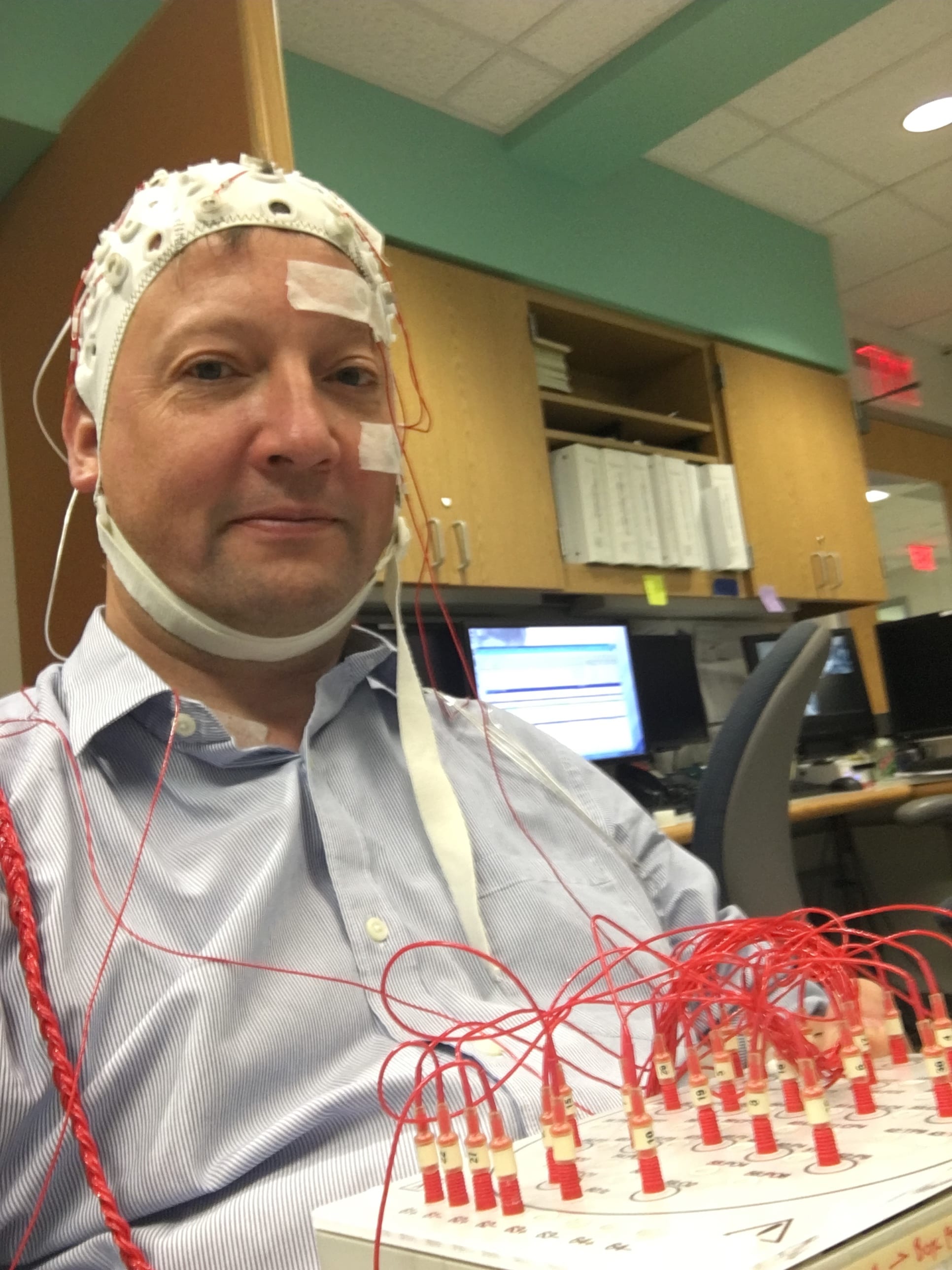
Katharina Kaduk is a Senior Research Associate in Developmental Neuroscience at Lancaster University's Department of Psychology. She works on the Impact of Children's Auditory Technology (iCAT) Longitudinal Project , funded by UKRI, and has over a decade of experience in developmental research, EEG methodology, and public engagement. PhD in Psychology (Developmental Cognitive Neuroscience) Managed the Infant and Child Development Research Unit for 9 years Former Engagement Officer at the LuCiD Centre Her research explores how early language development emerges from action interpretation in infancy, with a focus on longitudinal continuity in behavioral understanding and production. Her work combines EEG methodology with developmental psychology to study infant cognition and neural correlates of action perception. Recent publications analyze action perception-production links , ERP responses to action sequences , and longitudinal studies of giving-related behavior in infants. These span disciplines including Developmental Neuroscience, Cognitive Psychology, and Child Development. Scientific Awards: Marie Skłodowska-Curie Fellowship Apprentice of the Year - Staff Award Science and Technology Professional Services Staff of the Year She manages the Infant and Child Development Research Unit , supports visiting families, and contributes to policy/practice through hearing diagnosis tool piloting and knowledge exchange initiatives like Lab Tours for Lancashire County Council.
Sung-Yeon Park is a Professor at the University of Nevada, Reno's School of Public Health, specializing in health communication and media effects research. Her work examines healthcare advertising ethics, consumer behavior, and public health messaging to inform providers, policymakers, and marketers. Education: Ph.D. in Life Sciences Communication, University of Wisconsin-Madison M.A. in Journalism and Mass Communication, Korea University, Seoul B.A. in Korean Language & Literature, Korea University, Seoul Research Interests: Dr. Park investigates healthcare consumerism through media analysis, focusing on ethical advertising practices and public health education strategies . Her work bridges communication theory with practical applications for health policy discussions, breastfeeding support, substance use prevention, and health equity initiatives. She employs mixed-methods approaches to analyze audience perceptions and message effectiveness. Publication Trends: Recent work (2020-2025) shows concentrated focus on marijuana use among college students (6 publications), patient-provider dynamics (4 publications), and community health interventions (3 publications). Her interdisciplinary collaborations span public health, communication, gerontology, and agricultural economics, demonstrating methodological diversity from content analysis to community-based assessments. Grants and Mentoring: As Primary Investigator for USDA's $300,000 Nevada Farmers Market project (2022-2025), she leads community marketing initiatives. Funded by NSF, USDA, State Department, and Pennington Cancer Institute, her research supports student development through co-authorship opportunities. Mentees like K. Hill and C. Y. Joa contribute to publications across breastfeeding, marijuana policy, and digital health topics.
Miguel Barbosa is an Assistant Professor at the Faculty of Psychology, University of Lisbon, and Guest Assistant Professor at the Faculty of Medicine, University of Lisbon. He serves as an Integrated Researcher at the Center for Psychological Science Research (CICPSI) and Collaborator Researcher at the Institute of Environmental Health (ISAMB). His educational background includes: PhD in Psychology (Faculty of Psychology, University of Lisbon) Master’s in Psychology (ISPA) Master’s in Sociology of Health and Illness (ISCTE) Master’s in Social and Cultural Anthropology (ICS-UL) Master’s in Bioethics (FMUL) His research spans attachment theory, infant self-regulation, caregiver-infant dynamics, grieving processes, clinical communication, and university student mental health. He employs longitudinal designs and microanalytical methods to examine developmental trajectories and health outcomes, with particular focus on early childhood interventions and healthcare communication efficacy. Recent publications reveal consistent themes in infant attachment regulation using the Still-Face paradigm and clinical communication training effectiveness. His work bridges developmental psychology with health psychology, demonstrating how early regulatory patterns predict later outcomes and how communication skills training improves medical resident performance. Dr. Barbosa serves as Principal Investigator for the "lisBOND" longitudinal study (2023–present) and previously led projects on preterm infant attachment, biotechnology enhancement, and NBAS interventions. He chairs the Scientific Committee for the Master’s in Palliative Care and holds leadership roles in the Portuguese Society of Clinical Communication (SP3CS) and Inluto – Portuguese Association for Integrated Grief Care. His research integrates CICPSI’s psychological science expertise with ISAMB’s environmental health focus, creating interdisciplinary collaborations examining how psychosocial factors interact with biological systems across the lifespan.
Dr. Emily Rogers-Bradley serves as an Assistant Professor at the University of Calgary's Schulich School of Engineering with dual appointments in the Department of Mechanical and Manufacturing Engineering and Department of Biomedical Engineering. She is also a Full Member of the McCaig Institute for Bone and Joint Health and a Child Health & Wellness Researcher at the Alberta Children's Hospital Research Institute. As director of the Adaptive Bionics Lab, Dr. Rogers-Bradley leads innovative research at the intersection of precision machine design, biomechanics, and robotics for medical applications. Her educational foundation includes: PhD in Mechanical Engineering from Massachusetts Institute of Technology (2023) SM in Mechanical Engineering from Massachusetts Institute of Technology (2019) SB in Biomedical Engineering from Harvard University (2015) Dr. Rogers-Bradley's research program focuses on three interconnected domains: Prosthesis Innovation: Developing robotic prosthetic devices with variable-stiffness mechanisms that adapt to walking speeds and terrains for people with lower limb amputations, significantly improving biomechanical outcomes Exoskeleton Development: Creating wearable orthotic devices that correct gait abnormalities and enhance performance for specialized activities including rock climbing and downhill walking Biomechanical Analysis: Conducting detailed studies of human gait to optimize device functionality and assess real-world impact on users Her publication trajectory reveals a strategic focus on adaptive wearable robotics, with recent work emphasizing variable-stiffness prostheses that improve walking biomechanics across speeds. Her research spans fundamental biomechanics to practical rehabilitation applications, with notable contributions to EMG-controlled prosthetics and specialized devices for extreme activities. She has also pioneered pediatric applications through wearable technologies for developmentally delayed infants. Dr. Rogers-Bradley's scholarly excellence is recognized through multiple prestigious awards: Best Paper Award Finalist, IEEE/ASME Transactions on Mechatronics (2025) Evolve to Innovate - Best Roadmap and Financial Plans, Hunter Hub for Entrepreneurial Thinking (2025) Early Career Research Excellence and Undergraduate Teaching Excellence, Schulich Excellence Awards (2024) National Science Foundation Graduate Research Fellowship (2017) As an academic leader, Dr. Rogers-Bradley serves as Associate Editor for IEEE Transactions on Neural Systems and Rehabilitation Engineering and the IEEE RAS/EMBS International Conference on Biomedical Robotics. She teaches Biomedical Engineering Foundations (BMEN 600) and Machine Component Design (ENME 493), while her research is supported through university strategic initiatives in Child Health and Wellness (2020-2025) and One Health (2020-2025). The Adaptive Bionics Lab, located in MEB223, operates as a multidisciplinary hub where mechanical engineers, computer scientists, and clinicians collaborate to develop next-generation assistive technologies. The lab's work integrates advanced materials, control systems, and biomechanical analysis to create devices that adapt to real-world environments, with ongoing projects spanning from adult mobility restoration to pediatric developmental support.
Professor Damien Coyle is a leading academic at Ulster University , holding the title of Professor of Neurotechnology and serving as Director of the Intelligent Systems Research Centre (2017-2022) and Research Director in the School of Computing, Engineering and Intelligent Systems. He also leads the Cognitive Analytics Research Laboratory (CARL) and directs Ulster’s Spatial Computing and Neurotechnology Innovation Hub (SCANi-hub) . His research focuses on AI-driven brain-computer interface (BCI) development , translating electrophysiological signals into control signals for applications in rehabilitation, diagnostics, assistive communication, and entertainment. With over 190 publications and an h-index of 31, he pioneered wearable neurotechnology through his spinout company NeuroCONCISE Ltd (founded 2016). 2008 IEEE CIS Outstanding Doctoral Dissertation Award 2011 INNS Young Investigator of the Year 2018 IET Innovation Award Over £18m in external grants Co-investigator for Northern Ireland Functional Brain Mapping Facility As a IEEE Senior Member and founder of the International Brain-Computer Interface Society , he bridges academic research with industrial applications through projects like AI for Intelligent Neurotechnology and Smart Nano-Manufacturing Corridor .
Professor Jo Moran-Ellis serves as Head of School for Law, Politics and Sociology with specialization in Sociology and Criminology at the University of Sussex. She joined Sussex in February 2014 after previously leading the Sociology Department at the University of Surrey from 2006-2012. With academic experience spanning over three decades since her initial lectureship at Surrey in 1992, she has established herself as a leading international scholar in childhood studies and research methodology. Her research focuses on children as social actors within structural contexts and intergenerational relationships. She has made significant contributions to understanding children's agency, particularly in early childhood, with recent work examining children's experiences with sleep, flooding, vulnerability, and political participation. Methodologically, she specializes in mixed methods research, addressing challenges of integration and triangulation while maintaining rigorous theoretical frameworks. Professor Moran-Ellis's extensive publication record shows evolving thematic focus from foundational childhood studies toward critical examinations of capitalism's relationship with childhood, children's political participation, and transnational childhood policy. Her work demonstrates consistent engagement with theoretical development while maintaining practical relevance to social policy and child welfare systems across European contexts. She has played pivotal roles in building international research networks, co-founding the European Sociological Association's Sociology of Children and Childhood Research Network (RN04) in 2006 and serving as its Chair until 2012. Previously, she served as Secretary to the International Sociological Association Research Committee for Childhood Studies (2002-2006). Her leadership extends to directing research centers at Sussex, including CIRCY and C-SWIR. Her research funding portfolio includes major ESRC grants examining social care systems for vulnerable youth, restorative justice practices, and children's flood resilience. These projects demonstrate her commitment to translating theoretical insights into practical applications, as evidenced by her evaluation studies for Surrey County Council that directly influenced local Children and Adolescent Mental Health Services development. She has also developed innovative teaching modules including the Sociology of Humans and (other) Animals and Sociology of Childhood.
Silvia Iorio is a Researcher at Sapienza University of Rome, working in the Department of Medical-Surgical Sciences and Biotechnologies. She is affiliated with the Institute of History of Medicine and Bioethics and serves as Head of the Health Equity research group. Her teaching responsibilities include History of Medicine, Bioethics, Medical Methodology, and Forensic Medicine across multiple degree programs including Medicine and Surgery, Biomedical Laboratory Techniques, and Audiometric Techniques. Her research spans Medical Humanities, History of Medicine, Bioethics, and Health Equity, with a particular focus on historical medical practices, gender issues in medicine, migration and health, and disability studies. Her work bridges historical analysis with contemporary ethical and social challenges in healthcare, particularly regarding vulnerable populations. Analysis of her recent publications reveals a consistent focus on historical medical cases, bioethics in migration contexts, and the intersection of medical history with contemporary health equity issues. Her work demonstrates expertise in both ancient medical practices and modern healthcare challenges, particularly regarding refugees and disabled populations. Her scientific contributions include numerous publications in journals such as COGENT ARTS & HUMANITIES , ACADEMIC FORENSIC PATHOLOGY , MEDICINA NEI SECOLI , and INTERNATIONAL JOURNAL OF PUBLIC HEALTH , reflecting her interdisciplinary approach that spans humanities, medicine, and social sciences. Dr. Iorio maintains regular office hours Monday through Wednesday from 10:00-13:00 and is actively involved in teaching and research activities at Sapienza University of Rome, with publications continuing through 2025 indicating her current active status.
Zoe Jenkin is an Assistant Professor in the Department of Philosophy and affiliated with the Center for Cognitive Science at Rutgers University. Her research focuses on epistemology, philosophy of mind, and philosophy of psychology. PhD from Harvard University BA from Williams College Previous Assistant Professor at Washington University in St. Louis (2020-2023) Her work investigates the role of reasons in perception and cognition, with a particular emphasis on the basing relation, reasons-responsiveness, and the scope of epistemic evaluability. She explores how perceptual learning and crossmodal integration relate to epistemic norms and cognitive development. Scientific trends in her publications include epistemology, philosophy of mind, cognitive science, aesthetics, and crossmodal perception. Key subfields span basing relation, perceptual learning, reasons-responsiveness, epistemic norms, core cognition, and multimodal integration.
Madeleine Lowery is a Professor in the School of Electrical and Electronic Engineering at University College Dublin. She leads the Personal Sensing research group, focusing on engineering approaches to study the human nervous system in health and disease, with applications in therapies for impaired motor function. Her interdisciplinary research integrates neural engineering, electromyography, and biomedical signal processing. Specializes in neuromuscular systems and neural control of movement Develops myoelectric control systems for artificial limbs Designs high-density electrode systems for neural activity recording Investigates deep brain stimulation mechanisms in Parkinson’s disease models Her research spans neurodegenerative disorders (ALS, Huntington’s disease) and rehabilitation technologies , including wearable sensors for gait and sleep analysis. Key methodologies involve computational modeling , adaptive control systems , and biomedical signal analysis .
Philip Michael John Wilson is a Professor in the Department of Public Health, Section of General Practice at the University of Copenhagen's Faculty of Health and Medical Sciences. He also holds an external position as Professor of Primary Care and Rural Health at the University of Aberdeen. With a career spanning multiple medical disciplines, Wilson serves as an academic general practitioner with extensive research experience. His educational background includes: Neurochemistry, DPhil Medicine, MB BChir General practice, FRCGP Paediatrics, FRCPCH Wilson has a broad interest in the contribution of early life experience to health across the lifespan. He is currently the chief investigator for the large FamilieTrivsel trial investigating the impact of family wellbeing on early social, emotional and language development of children. His research methodologies include clinical trials, 'big data' studies, evaluations of screening strategies and qualitative research. His work primarily focuses on child health, early childhood development, and general practice, with significant contributions to understanding mental health outcomes in foster care settings. Analysis of his recent publications reveals a strong focus on children's health outcomes, particularly examining the impact of early life experiences, family wellbeing, and foster care environments on child development. His research spans multiple methodologies including clinical trials, systematic reviews, cohort studies, and qualitative investigations. Wilson frequently collaborates with researchers across disciplines, particularly in the areas of child psychology, public health, and medical services research. Wilson has served as chief investigator for the FamilieTrivsel trial and has been involved in several significant research projects including the BeST services trial focused on improving mental health outcomes for maltreated children in foster care. His research has attracted attention from news outlets and social media, with multiple publications being highlighted by news organizations and discussed across various platforms.
Rebecca Sear is Professor of Psychology in the Department of Life Sciences at Brunel University London's College of Health, Medicine and Life Sciences. She concurrently heads the Evolutionary Demography Group at the London School of Hygiene & Tropical Medicine (LSHTM), where she held a Reader position since 2012. An interdisciplinary scholar trained in zoology, statistics, and biological anthropology, she directs the Centre for Culture and Evolution and serves as President of the European Human Behaviour and Evolution Association. Her research integrates evolutionary theory with demographic methods to investigate: Evolutionary demography of kinship networks and fertility Cross-cultural family structures and reproductive health Eugenics history in contemporary academia Methodological innovations in multi-sited data collection Current projects include the ERC-funded 'Family matters: intergenerational influences on fertility' and the 'Beyond the Mother' infant feeding study using real-time app data. Recent publications demonstrate consistent focus on fertility determinants across ecological settings, with emerging critical work on eugenics in population science. Her 2024-2025 output spans high-impact journals including PNAS and Proceedings of the Royal Society B, emphasizing cross-cultural reproductive strategies and pandemic fertility disruptions. Key honors include leadership of the European Human Behaviour and Evolution Association. Her collaborative work involves extensive co-author networks across global institutions, particularly in Africa and Europe. Research funding includes the Brunel Research Initiative and Enterprise Fund (BRIEF) for the 'Beyond the Mother' project, examining real-time infant feeding support through the Baby Buddy app. She supervises interdisciplinary teams within the Centre for Culture and Evolution, focusing on evolutionary approaches to health disparities. Her laboratory infrastructure leverages digital health tools for real-time behavioral data collection, with recent work developing mobile app-based methodologies to overcome recall bias in maternal health research.
Anne Jurkutat is a Senior Lecturer and Academic Councillor at the Chair of Pedagogy and Intervention for Language and Communication Impairments, Faculty of Human Sciences, Julius-Maximilians-Universität Würzburg. She manages the speech therapy outpatient clinic, leads voice disorder prevention programs for teachers, and serves as an Equal Opportunities Officer at the Institute for Special Education. PhD in Special Education (2011, University of Würzburg) MA in Special Education – Speech Therapy (2006, University of Würzburg) MSc in Human Communication Sciences (2002, University of Newcastle upon Tyne) Her research focuses on voice disorders in adults, phonological disorders in children, Glut1 deficiency syndrome speech impairments, and orofacial cleft-related language development. She investigates speech motor disorders in neurological conditions, diagnostic tools for childhood speech sound disorders, and interdisciplinary applications of music therapy. Recent publications highlight her work on Glut1-DS speech patterns, standardized diagnostic assessments, and early music-language interaction effects. She has collaborated on studies involving ketogenic diet impacts on cognitive profiles and interdisciplinary approaches to voice hygiene for teachers. 2009: Preis für gute Lehre (Prize for Good Teaching) at Bavarian State Universities Jurkutat supervises admission theses, contributes to state exams in special education, and integrates speech physiology into music pedagogy. She leads the STRONG VOICE MAKES SCHOOL project and applies mindfulness techniques in voice training for educators.