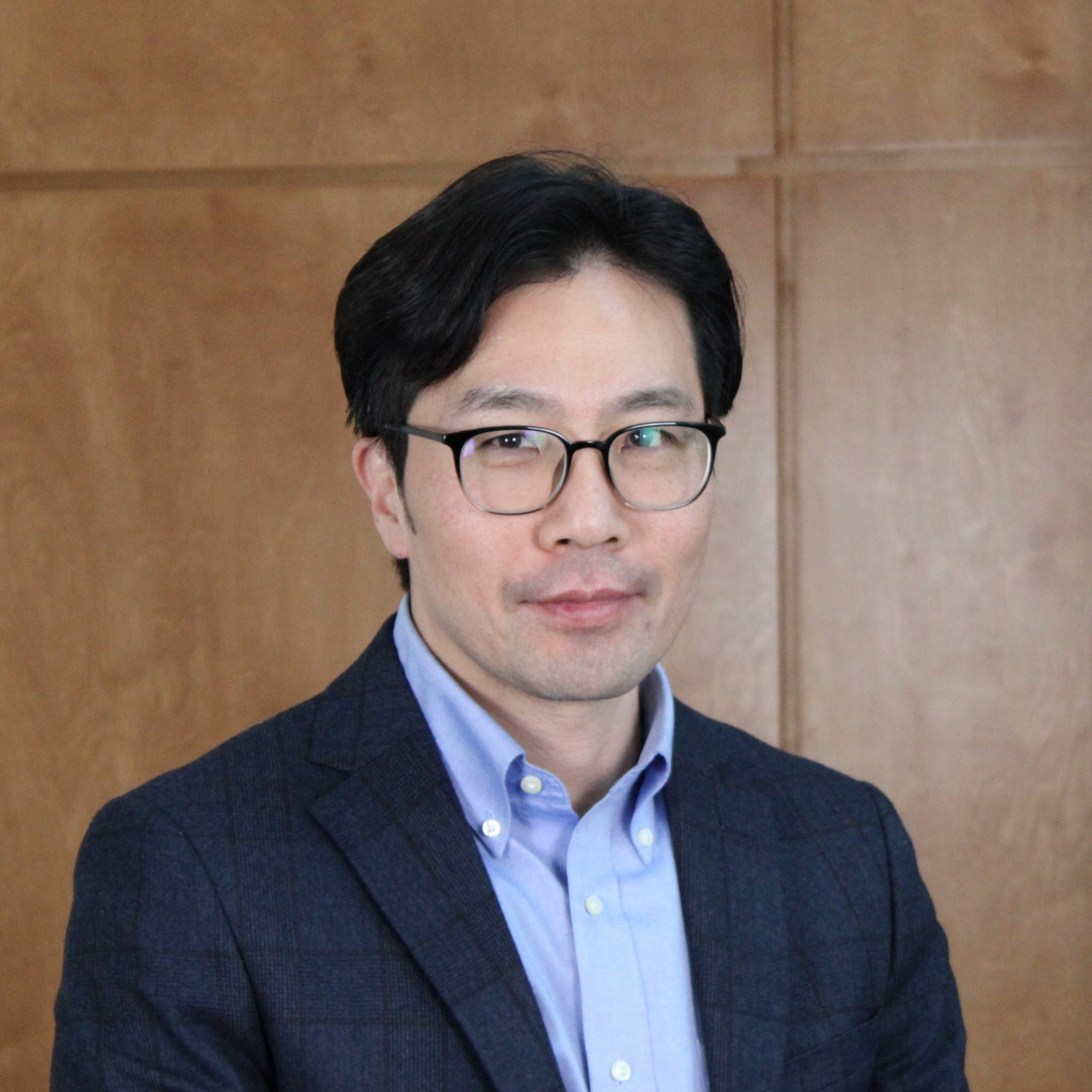
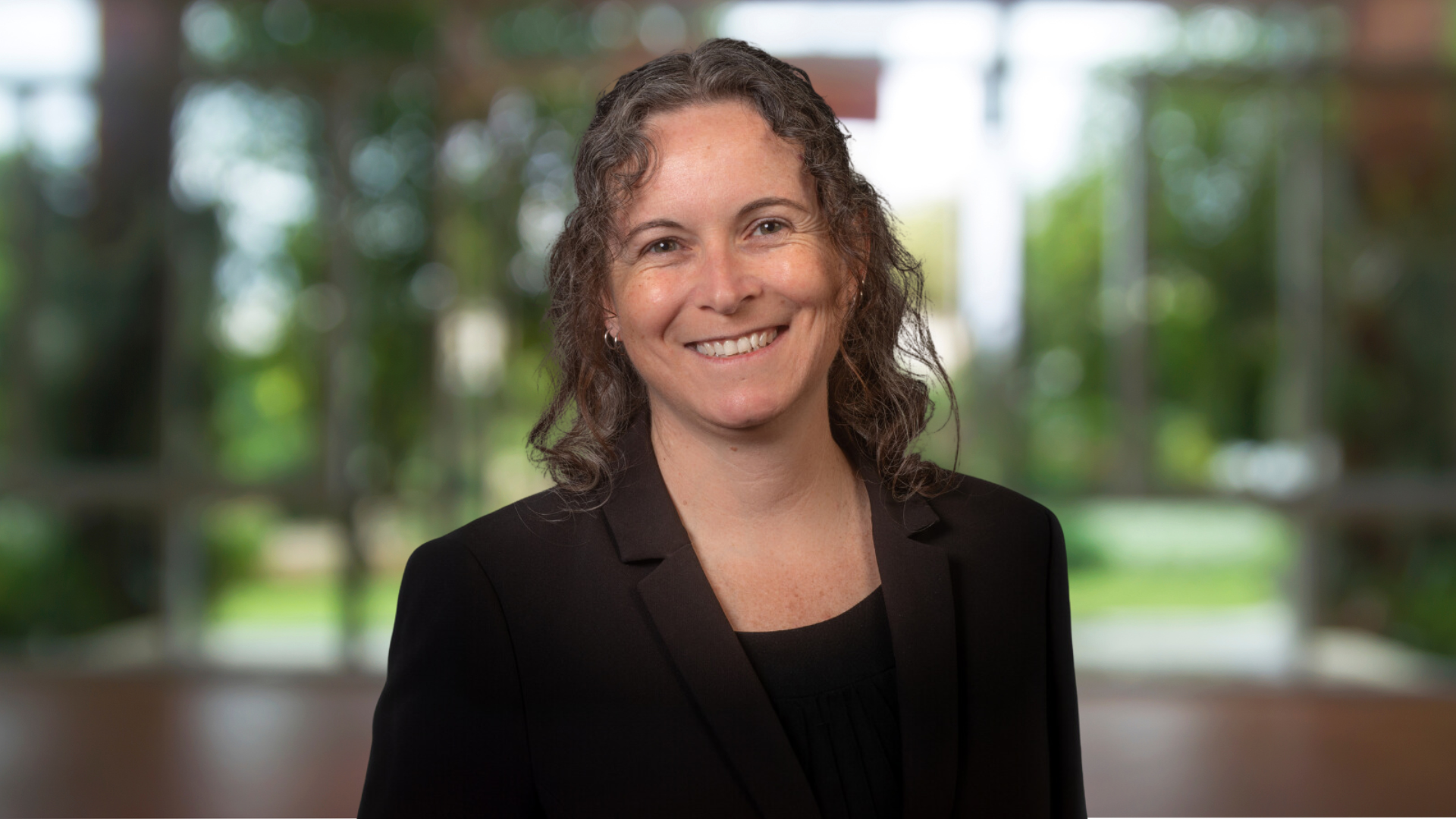
Tina Dacin is a Professor of Strategy and Organizational Behavior at the Smith School of Business, Queen's University, Canada. She holds the Stephen J.R. Smith Chair and serves as Director of the Community Impact Research Program. Her roles include former Director of the Smith School’s Centre for Social Impact, former University Senate member, and former Chair of the Principal’s Innovation Fund Committee. She co-founded the Community of Social Innovation Chair and holds affiliations with the Academy of Management and Informs. Education: Ph.D. (1993) in Business Administration from the University of Toronto and M.A. in Psychology from the University of New Brunswick. Research focuses on cultural heritage, social innovation/entrepreneurship, strategic alliances, and globalization. Key themes include custodianship, tradition preservation, place-making, and institutional dynamics. Recent work explores craft-based ventures, place-sensitive organizational practices, and institutional renewal in crises like the Detroit water wars. Awards: None explicitly listed, though her chair position reflects academic distinction. Teaching includes courses on global social impact and analytics/ethics policy. Labs/Teams: Leadership in the Community Impact Research Program and the Scotiabank Centre for Customer Analytics.
Dr. Tracy Hecht is an Associate Professor of Management and Graduate Program Director of the PhD Program in Business Administration at the John Molson School of Business, Concordia University . She earned her PhD in Industrial and Organizational Psychology from the University of Western Ontario. Her research focuses on the interplay between work, family, and other life roles, particularly how these interactions influence job search behaviors, career trajectories, and well-being. Key themes include work-family boundary management, career procrastination, and the impact of multi-role dynamics on professional outcomes. As an Associate Editor at the Journal of Organizational Behavior , Dr. Hecht contributes to advancing scholarly discourse in her field. Her work has been published in top-tier journals such as Journal of Applied Psychology and Journal of Occupational and Organizational Psychology . Recent research highlights include studies on gender differences in job search intensity and the psychological mechanisms behind career decision delays. Her teaching and supervision span the Management (MSc) and Business Administration (PhD) programs. While no specific grants or labs are explicitly noted, her research consistently addresses contemporary challenges at the intersection of work and personal life, offering actionable insights for organizations and policymakers.
Samuel Jean Bassetto is an Associate Professor in the Department of Mathematics and Industrial Engineering at Polytechnique Montréal. He serves as Director of the Continuous Improvement Laboratory (LABAC) and holds membership in multiple prestigious research groups including the Research Group on Globalisation and Management of Technology (GMT), Poly-Industries 4.0 Laboratory, Interuniversity Research Centre on Enterprise Networks, Logistics and Transportation (CIRRELT), and Institute for Data Valorization (IVADO). Dr. Bassetto's research spans multiple disciplines, focusing on continuous improvement through the integration of engineering, artificial intelligence, cognitive science, psychology, and design. His primary sphere of excellence is in New Frontiers in Information and Communication Technologies, with secondary expertise in Modeling and Artificial Intelligence and Human Health. He develops tools that place humans at the center of technology to enhance organizational performance while respecting human rhythms and cognitive limitations. His recent publication portfolio reveals a strong interdisciplinary approach, with research bridging industrial engineering, cognitive neuroscience, and AI ethics. His work addresses practical challenges in lean manufacturing assessment, racial bias in medical AI systems, cognitive data collection in natural environments, and condition monitoring for industrial machinery. The research consistently demonstrates a commitment to developing practical solutions that integrate human factors with technological innovation. NSERC Synergy Prize for Innovation recipient Principal investigator on multiple research grants from NSERC, FRQ, and MITACS Collaborations with over a dozen institutions across multiple countries Supervision of over 150 highly qualified personnel throughout his career Dr. Bassetto teaches specialized courses including CAP7011 (Creativity in Research), IND8444 (Continuous Improvement), IND8203 (Industrial Launch), and previously taught IND8178 (Production). His teaching philosophy emphasizes practical application, with courses featuring hands-on exercises, real-world scenarios, and gamification techniques to enhance learning. His supervision portfolio includes numerous Ph.D. and Master's students working on topics ranging from human-technology collaboration to reinforcement learning for production management. Through LABAC, Dr. Bassetto leads research initiatives focused on developing human-centered tools for continuous improvement in organizational settings. The laboratory conducts projects related to industrial IoT applications, cognitive aspects of process improvement, and the development of practical frameworks for organizations to enhance performance while maintaining respect for human rhythms and cognitive capabilities.
Ramona Bobocel is a Professor specializing in organizational justice and social psychology. Her work focuses on workplace fairness, employee well-being, and the mitigation of social inequalities. She leads the Fairness at Work Lab and holds fellowships from SIOP, APS, and CPA. Her research spans organizational behavior, leadership, and developmental psychology, emphasizing practical solutions for equitable workplaces. Education: B.Sc. (University of Alberta), MA and PhD (Western University). She has received multiple awards including the Ontario Premier’s Research Excellence Award (2002) and Arts Faculty Excellence awards (2019, 2022). Research interests include psychological distance effects on forgiveness, age-related justice perceptions, and gender pay gap dynamics. Her work integrates cognitive and social psychology to address real-world organizational challenges. Teaching focuses on psychological measurement, research methods, and workplace justice. She advises students on empirical projects and collaborates internationally on justice-related research. Key contributions include editing the Psychology of Justice and Legitimacy (2010) and pioneering studies on perspective-taking in conflict resolution. Her labs explore moral reasoning and leadership’s role in fostering fair environments.
Jonn Axsen is a Professor in the School of Resource & Environmental Management at Simon Fraser University (SFU), where he directs the Sustainable Transportation Research Team (START). With an academic career focused on mitigating transportation emissions, he bridges individual decision-making, social systems, technology, and public policy to advance sustainable mobility solutions. BBA, Business Administration (First Class Honours), Simon Fraser University MRM, Resource Management, Simon Fraser University PhD, Transportation Technology and Policy, University of California, Davis His research identifies solutions for decarbonizing road transportation, examining electric vehicles, alternative mobility systems, and policy frameworks. He emphasizes interdisciplinary approaches to understand consumer behavior, organizational transitions, and policy effectiveness in achieving zero-emissions vehicle adoption. Recent publications focus on policy mixes for ZEV adoption, automobility reduction, and consumer perceptions of emerging mobility technologies. Key trends include analyzing subsidy effectiveness, automaker responses to regulation, and cross-cultural differences in mobility preferences. His work appears in top venues like Nature Climate Change and Transportation Research Part D . Royal Society of Canada Fellow (2021) International Transport Forum Award (2012) Securing $2M+ in grants from SSHRC, Translink, Tesla, and PICS, Axsen collaborates with organizations including the UN, Transport Canada, and environmental NGOs. He serves as Senior Associate Editor for Energy Research & Social Science and sits on the US National Academies’ Transportation Research Board. The START team at SFU conducts applied research on sustainable transportation, integrating stakeholder insights with academic rigor. Axsen's lab focuses on bridging technical and social dimensions of mobility transitions through mixed-method studies.
Nailin Bu is an Associate Professor of International Business at the Smith School of Business, Queen's University in Canada. She holds a Ph.D. in Organizational Behavior from the University of British Columbia (1992), and prior academic positions include Assistant Professor roles at the University of Victoria (1992–1995) and the University of British Columbia (1990–1991). Her research focuses on cross-cultural management, international human resource management, and management practices in China and the Asia-Pacific region. She has received significant funding from organizations such as the Social Sciences and Humanities Research Council (SSHRC) of Canada and CGA-Canada. Education: Ph.D. in Organizational Behavior, University of British Columbia (1992) M.Sc. in Macroeconomics and Management, Shanghai Jiao Tong University (1985) B.Sc. in Computer Science, Fudan University (1983) Research Interests: Dr. Bu’s research emphasizes international business strategies, cross-cultural management dynamics, and organizational behavior in China and the Asia-Pacific. Her current projects explore networking practices among Chinese managers, determinants of voluntary turnover among professionals in China, and consumer behavior in retail contexts. Her work integrates comparative studies across cultures, with a focus on managerial practices and employee-employer relationships. Funding & Grants: Dr. Bu has secured grants from prestigious bodies including SSHRC (e.g., studies on voluntary turnover and Wal-Mart’s global retail strategies) and CGA-Canada. Notable grants include SSHRC funding for projects like “Determinants of Voluntary Turnover Among Managers in China” (2002) and “Retail Globalization: The Case of Wal-Mart” (2001). These grants support her empirical research into cross-cultural management and labor dynamics. Teaching & Advising: Dr. Bu teaches courses such as “Global Leadership Across Cultures,” “Cross-Cultural Management,” and “Doing Business in the Asia-Pacific.” Her teaching focuses on practical applications of cross-cultural theories and international business strategies. While specific advisee names are not listed, her research collaborations and conference engagements suggest active mentorship in international management studies. Collaborations: Dr. Bu collaborates extensively with scholars in China and Taiwan, contributing to cross-border research networks. Her work often involves comparative analyses across East Asian and Western business contexts, reflecting her deep engagement with regional academic and professional communities.
Lianne Lefsrud serves as Associate Professor and Risk, Innovation, and Sustainability Chair (RISC) in the Department of Chemical and Materials Engineering at the University of Alberta's Faculty of Engineering. Her interdisciplinary research bridges engineering, social sciences, and policy to transform risk management practices across energy, mining, construction, and railroading industries, directly influencing regulations, building codes, and industry operations for sustainable development. Her academic credentials include: BSc in Civil Engineering (Cooperative Program), University of Alberta (1994) MSc in Interdisciplinary Civil & Environmental Engineering and Sociology, University of Alberta (1996) PhD in Strategic Management and Organization, Alberta School of Business (2014) Dr. Lefsrud's research centers on risk management frameworks for sustainability challenges. She examines hazard identification, social license to operate, and technology adoption drivers in high-hazard industries, with emphasis on prospective risk assessment (e.g., hydrogen infrastructure design) and retrospective analysis (e.g., microplastic pollution impacts). Her work integrates circular economy principles into energy systems while addressing unintended consequences across UN Sustainable Development Goals. Recent publications (2024-2025) demonstrate heavy focus on machine learning applications for rail and construction safety, hydrogen infrastructure risk analysis, and science denial mitigation. Key patterns show cross-industry adaptation of AI for incident prediction, regulatory gap analysis for emerging energy systems, and socio-technical approaches to reconcile sustainability goals with operational realities. Scientific recognition includes: Erb Post-Doctoral Fellowship (University of Michigan) Dow Sustainability Research Fellowship (Ross School of Business) Dr. Lefsrud mentors graduate students through industry-integrated projects like her Sustainable Design course where teams generated patents and city solutions. Her research secures Alberta Innovates funding with 1:4 industrial-to-federal matching, collaborating with Suncor, Transport Canada, and Canadian Standards Association. Grants target practical implementations including railcar inspection systems and hydrogen safety protocols. She co-founded Insight Risk Systems and leads the Lefsrud Lab, prioritizing inclusive teams with under-represented groups (women, Indigenous, LGBTQ2S+, neurodiverse) to tackle 'wicked problems' in sustainability. The lab leverages interdisciplinary partnerships across engineering, computer science, psychology, and environmental sociology for real-world risk management solutions.
Katherine White is a Professor of Marketing and Behavioural Science at the Sauder School of Business, University of British Columbia, and holds the Watkinson Professorship in Sustainability. She also serves as Senior Associate Dean for Strategy and Responsible Business. Her research explores how social contexts, identities, and emotions influence ethical, prosocial, and sustainable consumer choices. She holds degrees from Simon Fraser University (BA), University of Waterloo (MA), and UBC (PhD). Her research focuses on sustainability marketing, prosocial consumption, and corporate social responsibility. Notable projects include collaborations with Lululemon, Starbucks, and the SPCA to design behavior change initiatives. She has authored over 60 articles, including 'The Elusive Green Consumer' in Harvard Business Review, and been honored as one of the world's top 5 marketing researchers by the American Marketing Association. Key awards include the Canada Clean 50 Award (2024) for sustainability thought leadership and induction into the Royal Society of Canada's College of Arts and Sciences. She serves as Associate Editor for Journal of Marketing Research and Journal of Consumer Psychology, and contributes to editorial boards for top-tier journals. Her work emphasizes bridging academic research with real-world impact through industry partnerships. Current research trends highlight behavioral nudges for sustainability, identity-based consumption patterns, and the psychological drivers behind charitable giving.
Young Ho Song is an Associate Professor in the Department of Management at the Odette School of Business, University of Windsor. He holds a Ph.D. in Human Resources and Organizational Behaviour from McGill University (2018), an M.I.L.R. from Cornell University (2011), an M.B.A. from the University of British Columbia (2010), and a B.S. in Mechanical Engineering from Yonsei University (1999). His research focuses on organizational behavior, human resources management, and the psychological and behavioral responses of employees to workplace challenges such as customer mistreatment and AI integration. He has received notable awards including the 2024 Professor of the Year and the Odette New Researcher Award (2021). Education: Ph.D., McGill University (2018) M.I.L.R., Cornell University (2011) M.B.A., University of British Columbia (2010) B.S., Yonsei University (1999) Research Interests: Employee behavior under customer mistreatment, AI adoption in workplaces, negotiation strategies in cross-cultural contexts, and the psychological mechanisms behind workplace deviance and conformity. Grants: SSHRC Insight Development Grant ($67,332) Odette Research Innovation Fund grants totaling $22,000 His recent articles explore themes such as AI tool impacts on employee learning, customer satisfaction in mobile app usage, and ethical negotiation strategies in South Asia. He has presented widely at conferences like the Academy of Management and Society for Industrial and Organizational Psychology.
Trish Ruebottom serves as Associate Professor and Director of the PhD Program in the Department of Human Resources and Management at McMaster University's DeGroote School of Business, where she holds the University Scholar designation (2024). As a full-time faculty member, she leads doctoral education while maintaining an active research agenda focused on transgressive social dynamics across stigmatized contexts. Her research interrogates the tension between societal need for norms and human desire for freedom, examining how misfits, outsiders, and dissenters create new worlds through norm transgression. Key contexts include entrepreneurship in the sex industry, gender activism in post-civil war Libya, rock concerts for social change, and voyeurism-based business models. She investigates discursive, temporal, and emotional forces maintaining status quos in media, clean tech, finance, and everyday work. Analysis of her recent publications reveals dominant themes of stigma entrepreneurship, emotional drivers of social change, and value creation through transgression. Her work bridges organizational theory, sociology, and critical management studies, with consistent focus on marginalized populations and institutional disruption across sectors like sex work, refugee entrepreneurship, and political polarization. Her scientific recognition includes: University Scholar award (2024) As PhD Program Director, Ruebottom shapes doctoral education through mentorship and curriculum leadership. While specific grant details aren't publicized, her prolific output in top journals (Academy of Management Journal, Organization Studies) indicates sustained research funding. Her media commentary on topics like reality TV's political influence and corporate voyeurism demonstrates real-world impact of her scholarship on organizational behavior and social change.
Mario Bourgault is a Full Professor in the Department of Mathematics and Industrial Engineering at École Polytechnique de Montréal. He serves as Head of Graduate Programs in Technology Project Management and holds the Pomerleau Industrial Research Chair in Innovation and Construction Project Governance. His research excellence spans Environment, Economy, and Society, with secondary focus on Industry of the Future and Digital Society, and Sustainable Transport and Infrastructures. Department of Mathematics and Industrial Engineering, École Polytechnique de Montréal Pomerleau Industrial Research Chair in Innovation and Construction Project Governance (Chairholder) Member, The Michael D. Penner Institute on ESG issues Member, Interdisciplinary Research Center for the Operationalization of Sustainable Development (CIRODD) Member, Poly-Industries 4.0 Laboratory Member, Research Group on Globalization and Management of Technology (GMT) Member, Risk & Performance Center (CRP) Bourgault's research centers on technological projects management, construction and infrastructure, innovation management, interorganizational collaborations, and epistemology of professional practice. His work bridges industrial engineering with management science and technology, focusing on practical applications in construction innovation and sustainable development. Recent research emphasizes eco-responsible behaviors in construction, wood construction for decarbonization, and occupational safety with emerging technologies like exoskeletons. His publication trends reveal a strong trajectory toward sustainable construction practices, digital transformation in construction (Construction 4.0), project resilience frameworks, and international technology adoption challenges. He has published extensively on integrated project delivery systems, interorganizational collaboration models, and earned value management implementation. His research increasingly addresses environmental sustainability and decarbonization in the construction sector, with multiple 2024-2025 publications on wood construction and eco-responsible behaviors. Mario Bourgault has supervised an extensive number of graduate students throughout his career, including 9 completed PhD theses, 28 completed Master's theses, and currently supervising 2 PhD students, 2 Master's thesis students, and 20 professional Master's students. His teaching portfolio includes courses on technology project processes and configuration, systems engineering management, resource acquisition, integrated project management, multi-project management, major projects and consulting engineering, and international project management. He actively contributes to multiple research teams and laboratories, particularly the Poly-Industries 4.0 Laboratory where he explores digital transformation in construction, and the Risk & Performance Center where he develops project resilience frameworks. His work with the Pomerleau Industrial Research Chair focuses on innovation and governance in construction projects, addressing industry challenges like productivity improvement and housing crisis solutions through industrialization and prefabrication.
Dr. Jacob Brower is an Associate Professor & Distinguished Teaching Fellow of Marketing at the Smith School of Business, Queen’s University. His research focuses on marketing strategy, corporate social responsibility (CSR), sustainability, and brand management. He holds a PhD in Marketing from the University of Texas at Austin, alongside advanced degrees in Marketing and Economics. Prior to academia, he worked as a consultant and market research analyst for Fortune 500 firms like FedEx and IBM. His research explores CSR drivers, corporate social performance (CSP) impacts on firm performance, and pro-social consumer behavior. Notable contributions include studies on top management team dynamics and innovation. He has published in journals like Journal of Management Studies and Journal of Business Ethics . Awarded the Distinguished Teaching Fellow title (2019–present), he also leads initiatives in teaching development and pedagogy. His service roles include co-organizing the Smith School Pedagogy Café and serving on Queen’s Research Ethics Board. He has supervised numerous graduate students and secured grants from SSHRC and industry partnerships.
Avi Goldfarb is Professor of Marketing at the Joseph L. Rotman School of Management, University of Toronto, where he holds the Rotman Chair in Artificial Intelligence and Healthcare. He serves as Chief Data Scientist at the Creative Destruction Lab and Research Associate at the National Bureau of Economic Research (NBER). His academic career spans 2002-2012 as Assistant and Associate Professor, becoming Professor of Marketing in 2012. Rotman Chair in Artificial Intelligence and Healthcare (2018-present) Professor of Marketing (2012-present) Research Associate, NBER (2014-present) Chief Data Scientist, Creative Destruction Lab (2015-present) Research Interests : Specializing in digital economics and the economics of artificial intelligence, his work bridges technology, marketing, and public policy. Key focus areas include: Digital economics and platform behavior AI adoption in healthcare systems Quantum computing economic implications Privacy regulation and data markets AI's impact on labor and inequality General purpose technology frameworks Publication Trends : His recent work spans AI implementation strategies across industries, digital behavior economics, and emerging technology commercialization. Key subfields include AI adoption patterns, digital privacy frameworks, quantum computing applications, and workplace health safety analytics. Scientific Recognition : INFORMS Society of Marketing Science Long Term Impact Award (2018) Roger Martin Award for Excellence in Teaching (2017) Leadership Roles : Former Senior Editor at Marketing Science (2016-2021), with editorial board memberships at Management Science, Journal of Marketing Research, and Journal of Economics and Management Strategy. He contributes to the Acceleration Consortium and Schwartz Reisman Institute for Technology and Society.
Margaret-Anne Storey is a Professor of Computer Science at the University of Victoria and holds the Canada Research Chair Tier I in Human and Social Aspects of Software Engineering. She is affiliated with the Faculty of Engineering and Computer Science and leads the Computer Human Interaction and Software Engineering Lab. Her research focuses on software engineering, human-computer interaction, information visualization, and collaborative work practices. Storey earned her PhD from Simon Fraser University (SFU). Her work bridges socio-technical systems, developer experience (DevEx), and the ethical integration of AI in software engineering. She has pioneered studies on remote work productivity during the pandemic, developer satisfaction, and the human-centered design of tools. Key research interests include understanding developer productivity through frameworks like SPACE (2021), analyzing code review strategies, and exploring the impact of generative AI on software engineering research. Her work often employs mixed-methods approaches and emphasizes empirical validation. Storey has been recognized with the Canada Research Chair Tier I (2020–present). Her contributions span keynote addresses at major conferences (e.g., ICSE), framework development (e.g., DASP for security practices), and interdisciplinary collaborations with organizations like Microsoft. Her research also addresses societal challenges, such as drug-checking technology and participatory culture in education. She advocates for human-centric AI in software engineering and critical questioning of AI’s societal impacts.
Dr. Paul Ralph is a Professor in the Faculty of Computer Science at Dalhousie University , where he leads the Dalhousie Software Engineering Lab (DalSEL) . His work bridges software engineering, human-computer interaction, and project management, with a focus on empirical research and social sustainability in software development. Education: PhD in Computer Science, University of British Columbia BSc in Computer Science, Memorial University BComm in Business, Memorial University Dr. Ralph's research centers on the sociotechnical aspects of software engineering , particularly how team dynamics, ethics, and human factors influence software success. He rejects pseudoscientific models like Waterfall and SDLC, and avoids AI/ML/data science, instead emphasizing rigorous qualitative and quantitative human-participant studies. His lab is known for its work on socially sustainable software engineering and evidence standards in computing research. His recent publications reflect a strong trend toward methodological rigor, ethical computing, and human-centered practices . Themes include empirical standards, agile methods, requirements engineering, and the social impact of technology. He publishes in top venues like IEEE TSE and ICSE , and has authored over 80 scholarly works. Scientific Awards and Recognition: Award-winning scientist (multiple unspecified awards) Editor-in-Chief, SIGSOFT Empirical Standards for Software Engineering Research Dr. Ralph is actively involved in mentoring and funding graduate students , particularly through external scholarships like NSERC, Killam, and Banting. He prioritizes applicants from underrepresented groups and emphasizes original, non-AI-generated work. His lab offers strong industry connections, professional development, and support for tenure-track aspirations among postdocs. Labs and Research Groups: Dalhousie Software Engineering Lab (DalSEL) : Focuses on empirical, human-centered software engineering research, with active projects in social sustainability and evidence standards.