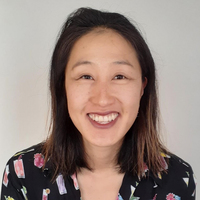
Dr Joanne Yoo is a Senior Lecturer in the School of Education within the Faculty of Arts and Social Sciences at the University of Technology Sydney (UTS). She specializes in teacher education with expertise in writing pedagogy, academic literacy, and qualitative research methodologies. Her academic profile demonstrates extensive engagement with pre-service teacher education across primary and secondary programs at UTS, where she has worked intensively in quality teacher education development. Joanne began her career teaching English and ESL to secondary students in South Korea, where she first explored autoethnography and narrative inquiry methodologies. Her educational background in teaching English and ESL formed the foundation for her current research trajectory focused on writing as inquiry and embodied practices in academic contexts. Her research centers on writing as inquiry and embodied practices in academic work, investigating how creative, poetic, and sensory-rich writing approaches can transform research and teaching. She challenges conventional academic writing norms by advocating for methodologies that bridge personal and professional knowledge through lived experience. Her book Evocative Qualitative Inquiry Writing and Research Through Embodiment and the Poetic (2022) provides a comprehensive framework for understanding writing as an aesthetic and embodied practice in academic research. Analysis of her publication record reveals consistent exploration of feminist research methodologies , time and temporality in academia , and the relationship between embodiment and knowledge production . Her work often examines the tensions between institutional demands and authentic academic practice, particularly how writing can serve as a transformative tool for both teachers and researchers navigating contemporary academic pressures. Joanne actively supervises Masters Research and PhD students and has secured significant research funding including 'A day in a life' of a child in Australia and Korea (2019-2026), the Claremont PBL project (2016-2017), and research on the Implementation of the New English K-10 Syllabus (2015-2017). Her collaborative work extends through the UTS Hub School partnership with Sydney primary schools, demonstrating her commitment to bridging theory and practice in teacher education with attention to how creative writing approaches enhance both teacher development and student learning outcomes.
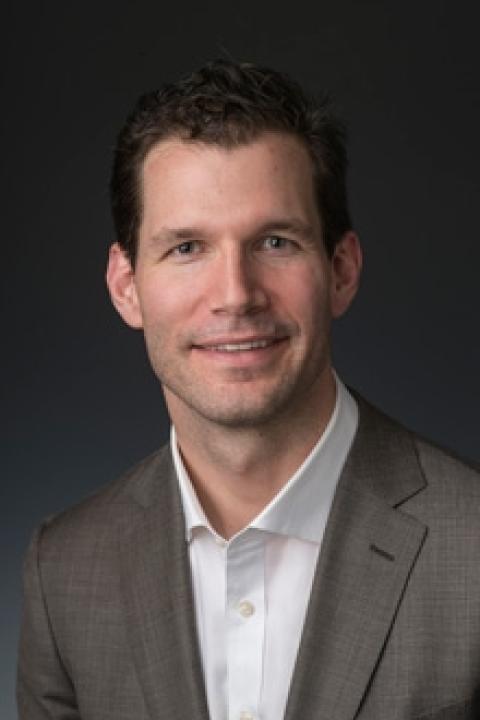
Andrew D. Coppens, Ph.D., is an Associate Professor of Learning Sciences at the University of New Hampshire, directing the Graduate Programs in Educational Studies. He holds a Ph.D. in Psychology from UC Santa Cruz, focusing on cultural and developmental psychology, learning sciences, and qualitative methods. His research examines cultural processes of learning in non-dominant communities across diverse settings, including rural, middle-class, and Indigenous-heritage communities globally. Key projects include the New Hampshire Youth Retention Initiative (YRI), addressing rural youth futures through NSF, Spencer Foundation, and NH Charitable Foundation grants. Coppens teaches courses on human development, qualitative research, and cultural perspectives in education. Education: Ph.D. in Psychology (Latin American Studies), UC Santa Cruz; M.S. Psychology, UC; B.S. Kinesiology: Outdoor Education, UNH Research interests span cultural child development, qualitative methods, rural education, and children’s prosocial learning. His work emphasizes strengths-based approaches and informal learning contexts, with publications in journals like Social Development and Frontiers in Psychology. Coppens collaborates internationally, contributing to frameworks for rural teacher residencies and youth retention strategies. Recent articles highlight outdoor recreation’s role in STEM equity, socioscientific decision-making, and cross-cultural prosocial behavior. Grants include exploring identity trajectories and STEM pathways in rural areas. The YRI’s interdisciplinary efforts aim to combat human capital extraction in rural communities through sustainable educational pathways.
Helen Martin is a Lecturer in the School of Education at the University of Aberdeen. She holds a BSc (Hons) in Mathematics from the University of St. Andrews, a PGDE(S) in Mathematics from the University of Edinburgh, and a PhD in Mathematics Education from the University of Aberdeen. Her research focuses on innovative pedagogical approaches, particularly in mathematics education, Indigenous education, Arctic pedagogy, and the integration of drama into teaching practices. She has collaborated with organizations like the Scottish Mathematical Challenge and Techfest Setpoint on initiatives such as Enterprising Maths Challenge and Royal Institution Maths Masterclass. Her work emphasizes culturally responsive teaching methods, the revitalization of minority languages (e.g., Scots and Sámi), and the intersection of education with healing and community engagement. Recent publications explore topics such as cognitive dissonance in Indigenous education, Sámi perspectives in leadership, and Arctic pedagogy through Scots language revitalization. She is also involved in editorial roles for the Education in the North journal, overseeing thematic issues on drama conventions, northern pedagogy, and vocational education. Her teaching responsibilities include courses on mathematics education for undergraduate and postgraduate programs (BEd and PGDE). She actively engages in educational collaborations, promoting inclusive and community-centered learning approaches. Her research often intersects with global educational challenges, addressing equity, cultural preservation, and the adaptation of teaching methods to diverse contexts.
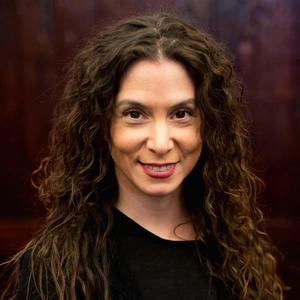
Anna CohenMiller, PhD , is a Professor at Nord University in Norway and serves as the director of the PLUS Centre for Professional Development and Learning . A multinationally recognized scholar, she is a TEDx speaker and award-winning qualitative methodologist whose work centers on social justice, equity, and inclusion in higher education through transformative research and leadership. Her research and teaching span arts-based methodologies, decolonial approaches, and inclusive pedagogies with a focus on empowering marginalized communities, particularly in Central and Southeast Asia. Education While specific degrees are not detailed in the provided text, CohenMiller holds a PhD and has extensive experience as a qualitative methodologist and pedagogical leader. Research Interests Arts-Based Research: Utilizing creative methods like photovoice, body mapping, and visual arts to amplify marginalized voices. Decolonial Methodologies: Challenging colonial frameworks in research and education, especially in post-Soviet and Asian contexts. Gender and Diversity: Investigating systemic inequities faced by women, mothers, and minoritized groups in academia. Transformative Leadership: Promoting organizational change towards inclusive and equitable practices in higher education. Motherhood Studies: Exploring the intersection of motherhood and academic identity, particularly during crises like COVID-19. Recent Research Trends CohenMiller’s recent work (2022–2025) emphasizes innovative qualitative and mixed-methods approaches applied to global challenges such as pandemic impacts on education, decolonizing research practices, and fostering inclusive pedagogies . Her publications consistently integrate social justice frameworks , often co-authored with early-career scholars, reflecting her commitment to mentorship. Notable themes include online arts-based research methods , gender audits in higher education , and collaborative autoethnography as tools for institutional and societal transformation. Scientific Awards Knowledge Foundation Prize for Open Access (2022) – for the edited book Leading Change in Gender and Diversity in Higher Education from Margins to Mainstream . American Educational Research Association (AERA) Outstanding Book Award (2021) – for Questions in Qualitative Social Justice Research in Multicultural Contexts (with N. Boivin). Grants and Projects CohenMiller leads and coordinates multiple funded initiatives, including: SEA-EU Alliance – promoting international collaboration in higher education. Nord Master's Plus – enhancing interdisciplinary graduate education. Bodø2024 – integrating research with cultural and educational development. TEDxBodø – fostering public engagement with research on equity and inclusion. Labs and Teams As director of the PLUS Centre for Professional Development and Learning , CohenMiller oversees a multidisciplinary team focused on professional development, inclusive pedagogy, and transformative research practices . She also collaborates with international networks such as SEA-EU and Horizon2020-funded projects to advance gender-sensitive curriculum development globally.
Professor Simone White serves as Dean of the School of Education at Royal Melbourne Institute of Technology (RMIT), where she leads the Design and Social Context department. With extensive leadership experience including past roles as Director of Professional Experience at Deakin University, Chair of Teacher Education at Monash, and Associate Dean (International and Engagement) at QUT, she brings significant expertise to her current position. She is a Past President of the Australian Teacher Education Association (ATEA) and maintains an active research profile focused on teacher education policy and practice. Professor White's research interests center on teacher education policy, teacher learning, professional experience, and building university-school/community partnerships, with particular emphasis on preparing teachers for rural, regional, and remote contexts. Her work consistently addresses educational equity and community engagement, especially in underserved educational settings. She has developed innovative approaches to teacher professional learning, including a Casual Relief Teacher learning module that addresses an often-overlooked workforce area. Her recent publications demonstrate strong focus on teacher shortages, career change teachers, school-university partnerships, and rural education leadership. The research output reveals consistent engagement with policy analysis, partnership development, and practical solutions to contemporary challenges in teacher education. Her work bridges theoretical frameworks with practical applications, emphasizing social justice perspectives and community-centered approaches. Professor White has secured significant research funding, including ARC Discovery and Linkage projects such as Teacher Education for Rural and Regional Australia (TERRAnova) and Studying the Effectiveness of Teacher Education (SETE). She also led an Office of Learning and Teaching federal grant focused on supporting teachers to engage with Aboriginal and Torres Strait Islander parents and caregivers. Currently, she serves as Chief Investigator on three ARC projects addressing career change teachers, hard-to-staff schools, and precariously employed teachers. As an educator, Professor White supports various teacher professional learning workshops and supervises research-based degrees. Her supervision interests include inclusive education policy impacts on students with disabilities. Through her collective work, she aims to connect research, policy, and practice while breaking down traditional borders between academics, policymakers, communities, and practitioners.
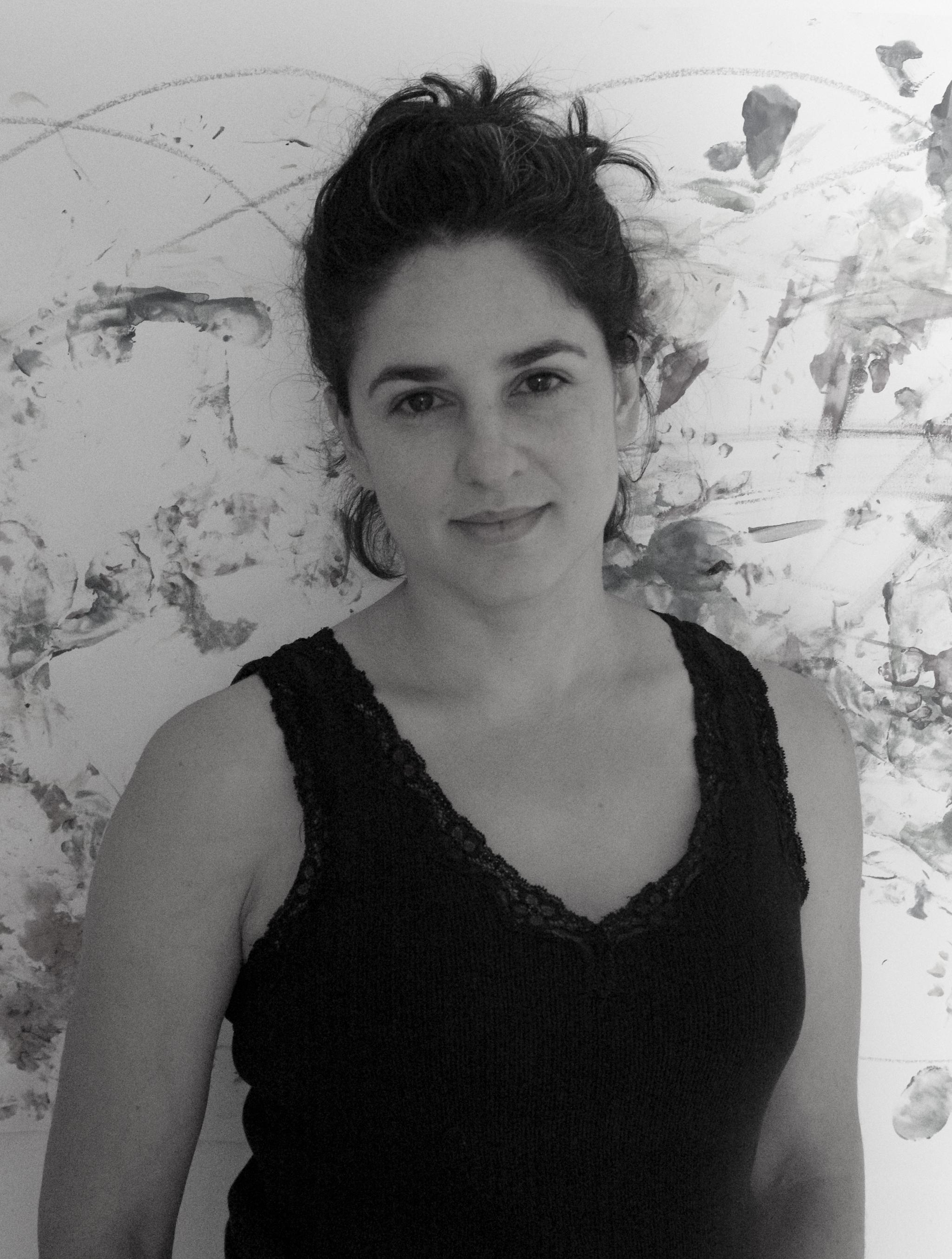
Julia F. Sauma is a Brazilian-Londoner deaf/Hard of Hearing Lecturer in Anthropology at Goldsmiths, University of London. Her work focuses on collective life within extractive structures, with a particular emphasis on Amazonian Quilombo communities in Brazil and diasporic experiences. She holds a PhD from UCL (2014) and an MA from Federal University of Rio de Janeiro (2007). Key roles include teaching modules like Approaches to Contemporary Anthropology and supervising PhD projects on ecology, embodiment, and intersectional themes. Her research interests span ecology, land rights, disability studies, and the intersections of race, gender, and kinship. She collaborates with activist groups to explore joyful collective refuges and has pioneered auto-ethnographic methods addressing deafness and academic inclusion. Notable projects include the ERC-funded Extort: Anthropologies of Extortion (PI: Lucia Michelutti) and participatory works like Antiphonic Multibeing (2019). Her publications critique academic systems through works like Performing Normal (2024) and explore decolonial methodologies in Ruptures (2019). She engages in cross-disciplinary practices including performance art and policy-oriented research on early childhood development in Brazil. Current research emphasizes multi-modal methodologies and the body as a research tool, reflecting her commitment to inclusive, embodied knowledge production.
Dr. Bill Baker is a Senior Lecturer in Drama, Visual Arts & Music Education at the University of Tasmania's School of Education, College of Arts, Law and Education (CALE). With a career spanning 35 years, he specializes in arts education, technology-enhanced learning (TELT), and the scholarship of teaching and learning (SoTL). His research focuses on youth resilience through arts participation, particularly in community youth orchestras, and the preparation of pre-service teachers in arts pedagogy. Dr. Baker holds a Doctor of Education (RMIT, 2002), a Master of Education (Arts Administration, RMIT, 1997), and a Bachelor of Music Education (University of Melbourne, 1988). He has received multiple awards, including Senior Fellow of the Higher Education Academy (2019) and Honorary Life Member of the Australian Society for Music Education (2021). His funded projects include the Tasmanian Community Fund Grant and Australia-ASEAN Council grants for youth orchestra research. His peer-reviewed publications (over 40) address arts education, online teaching methodologies, and the social impacts of music participation. Current research collaborations include partnerships with the Tasmanian Youth Orchestra and institutions like University of Southern Queensland and The University of Melbourne. Dr. Baker supervises HDR students in arts participation, leadership, and teacher education reforms. Scientific Awards: Vice Chancellor's Teaching Excellence Award Vice Chancellor’s Citation for Outstanding Contribution to Student Learning CALE Teaching Excellence Award Senior Fellow, Higher Education Academy (UK) Honorary Life Member, Australian Society for Music Education Supervision & Teaching: Dr. Baker has supervised numerous HDR students, including completed PhDs on contemporary music pedagogy and Masters theses on visual arts education. He coordinates units in the Master of Teaching and Bachelor of Education degrees, emphasizing technology integration and reflective practice.
Sharon M. Ravitch is a Professor at the University of Pennsylvania’s Graduate School of Education. She holds additional roles as a Fulbright Fellow (2023–2024), a GIAN Scholar with the Government of India, and a Social Impact Design Fellow at Anant National University in Ahmedabad, India. Her work focuses on integrating Indigenous knowledge systems with sustainable climate and livelihood innovations through strategic networks. She co-founded the Eighth Fire Collective, an Indigenous-led platform connecting businesses with Tribal teams for sustainable solutions, and leads Semillas Digitales, an education program in coffee-producing regions of Nicaragua and Guatemala emphasizing holistic pedagogy and community partnerships. Dr. Ravitch earned two Master’s degrees from Harvard University in Human Development and Psychology and Education, mentored by Dr. Carol Gilligan. She completed her doctorate at the University of Pennsylvania in an interdisciplinary program combining anthropology and education. Her research spans global leadership, organizational diagnostics, and culturally inclusive excellence, with a focus on adaptive leadership, cross-sector collaboration, and participatory methods. She teaches executives at Wharton’s Executive Education hub and designs leadership development programs across sectors. Her publications emphasize leadership mindsets, adaptive systems, and equity frameworks. She is currently finalizing books on Arab American identity and organizational designs for new workscapes. Ravitch’s awards highlight her dedication to fostering supportive educational environments and her contributions to leadership research. As a Principal Investigator, her work bridges research and practice, addressing systemic challenges through innovative educational and organizational strategies. She collaborates internationally, advocating for sustainable, trauma-informed approaches and data sovereignty in storytelling and assessment.
Kristie Dotson serves as the University Diversity and Social Transformation Professor at the University of Michigan, affiliated with the College of Literature, Science, and the Arts (LSA) and the Philosophy, Politics and Economics (PPE) program. Her work bridges institutional roles with transformative philosophical inquiry focused on systemic oppression. Her academic foundation includes: Ph.D. in Philosophy from the University of Memphis (2008) M.A. in Philosophy from the University of Memphis (2005) M.A. in Literature from the University of Illinois at Chicago (1999) B.A. in African American Studies, Business Administration, and English Literature from Coe College (1996) Professor Dotson's research centers on epistemic violence and exclusion within knowledge production systems, particularly examining how Black feminist frameworks expose mechanisms that maintain racial and gender hierarchies. Her scholarship demonstrates how epistemic practices obscure oppression through deliberate gaps in recognition and validation of marginalized perspectives. Her work critically engages metaphilosophical questions about philosophy's purpose, arguing for its role as a practice of social transformation rather than abstract theorizing. This perspective manifests in her development of concrete tools like the Faculty Epistemic Exclusion Scale and theoretical innovations such as epistemic exclusion theory. Analysis of her publication trajectory reveals increasing focus on institutional manifestations of epistemic injustice, particularly within academic evaluation systems. Her recent work combines rigorous theoretical development with personal narrative forms (love letters, apostate tales) to demonstrate how epistemic resistance operates through both scholarly and embodied practices. This dual approach challenges traditional boundaries between academic philosophy and lived experience while documenting patterns of scholar devaluation affecting faculty of color.
Shannon Leddy is an Associate Professor in the Department of Curriculum & Pedagogy at the University of British Columbia . Her work focuses on Indigenous education, art education, and decolonizing practices within teacher training programs. She previously served as a Faculty Associate at Simon Fraser University 's Faculty of Education, where she co-developed sustainability-focused teacher education modules. Research Interests span Indigenous education, decolonial literacy, relational ethics, and the role of contemporary Aboriginal art in disrupting colonial narratives. She integrates slow pedagogies and Indigenous principles to address sustainability and environmental learning, emphasizing place-based, experiential approaches. Publications reveal a focus on anti-colonial art education, Indigenous environmental education, and the use of humor as a culturally relevant pedagogy. Her recent work explores métissage and sister scholarship as tools for decolonizing academia, while earlier research includes the SEEDs (Sustainability Education in an Environment of Diversity) program, which aimed to reorient teacher education toward ecological competencies. No scientific awards or formal honors are explicitly mentioned in the provided texts.
Dr. Tanja Burkhard is an Assistant Professor in the Department of Educational Policy Studies at Georgia State University's College of Education & Human Development. Her research employs critical and anticolonial methodologies to examine intersections of racialization, immigration, and gender in educational contexts. Education: Ph.D. in Education, The Ohio State University (2017) M.A. in Applied Linguistics, Southern Illinois University (2013) B.A. in Translation Studies, Johannes Gutenberg Universität (2010) Research Focus: Burkhard specializes in transnational Black feminist frameworks, autoethnography, and decolonizing research practices. Her work critically analyzes power structures in education through qualitative lenses, emphasizing marginalized voices and social justice transformation. Primary research streams include racial equity in teacher education, ethical multilingual research practices, and liberatory pedagogies. Publication Trends: Her recent scholarship (2021-2025) demonstrates consistent focus on critical race theory, Black feminism, and narrative methodologies. Key themes include anti-racist education, teacher experiences of marginalization, decolonizing research ethics, and language politics in multilingual contexts. Her 2022 book Transnational Black Feminism in Qualitative Research establishes methodological foundations for her approach.
Douglas D. Karrow is an Associate Professor in the Department of Educational Studies at Brock University’s Faculty of Education. His research focuses on Environmental and Sustainability Education (ESE) in teacher education, curriculum design, pedagogy, and policy. He integrates continental philosophy, particularly Martin Heidegger’s work, into educational theory and practice. Karrow is affiliated with the EECOM Standing Committee on ESE-Teacher Education and has guest-edited for the Journal of the Canadian Association for Curriculum Studies. Education: PhD MEd BEd BSc Research Focus: Karrow examines ESE’s role in K-12 education and teacher training, emphasizing curriculum integration and policy analysis. His current projects include a national survey on ESE in Canadian teacher education and an international literature review. He is author of the upcoming book An Ethos of Mystery for Education Theory and Practice , exploring ‘mystery’ as a foundational concept in education. Funding & Grants: Recipient of multiple Research & Development Committee grants for data visualization, book editing, and literature review analysis. 2022: $1,700 for scoping review data analysis. 2019: $2,000 Brock Research Initiative Award for SSHRC application support. Awards & Affiliations: Member: North American Association for Environmental Education (NAAEE) Member: Canadian Network for Environmental Education and Communication (ECOom) Member: Canadian Association for Teacher Education (CATE) Teaching: Leads courses in educational research, curriculum design, and outdoor/environmental education. Supervises graduate students in M.Ed. and PhD programs.
Reakeeta Smallwood is a proud Gamilaroi woman and Senior Lecturer at the Susan Wakil Nursing and Midwifery School, University of Sydney. With a background in nursing through the NSW Health Aboriginal Cadetship program, she focuses on Indigenous research paradigms, historical trauma, and community-led health initiatives for Aboriginal and Torres Strait Islander peoples. PhD from University of Technology Sydney (UTS) on historical trauma and resilience in Aboriginal youth Recipient of Jumbunna Indigenous Postgraduate Scholarship (UTS) Advocate for Aboriginal knowledge systems in healthcare and research Her research spans Indigenous health equity, strength-based approaches, cultural safety, and cardiovascular disease prevention. Recent projects include the Strait from the Heart cardiovascular initiative and the Fishheart river restoration collaboration with Barkindji Elders. She employs yarning, poetic inquiry, and arts-informed methods to center community voices. Her 15 most recent publications (2025-2019) address historical trauma, stroke recovery, cultural safety, and cardiovascular health. Themes include qualitative research, Indigenous health equity, and decolonizing methodologies, with sub-fields focusing on Aboriginal youth, community-led interventions, and land-based healing. Jumbunna Postgraduate Research Scholarship (2020-2023) UTS Student Research Intensive Scheme (2023) She mentors Aboriginal researchers and emphasizes co-learning, cultural determinants of health, and ethical practices. Her work intersects nursing, midwifery, and Indigenous policy, aiming to transform healthcare systems through Aboriginal-led praxis.
Steven Semken is a President's Professor of Geology and Education in the School of Earth and Space Exploration at Arizona State University. He holds additional affiliations as an Affiliated Faculty member with the Humanities for the Environment Global Network, the Global Drylands Center, the Osher Lifelong Learning Institute, the Global Futures Scientists and Scholars program, and the Division of Teacher Preparation at the Mary Lou Fulton College for Teaching and Learning Innovation. Dr. Semken earned his educational credentials from prestigious institutions: Certificate in Diné (Navajo) Educational Philosophy, Diné College, 1991 Ph.D., Materials Science (Ceramics), Massachusetts Institute of Technology, 1989 M.S., Geochemistry, University of California, Los Angeles, 1984 S.B., Earth and Planetary Science, Massachusetts Institute of Technology, 1980 As an ethnogeologist and geoscience-education researcher , Dr. Semken's work spans multiple interconnected domains that bridge scientific inquiry with cultural understanding. His primary research focuses on place-based and culturally responsive geoscience teaching methods, which he has developed through extensive fieldwork in geologically and culturally diverse regions of southwestern North America and Latin America. His research specifically investigates how sense of place influences geoscience learning, particularly among Indigenous and Latina/o communities, and how teaching approaches can be modified to honor cultural connections to land. This work extends to studying geological heritage and developing virtual field geology education experiences that maintain the pedagogical value of traditional fieldwork while increasing accessibility. His scholarship also encompasses the geological evolution of southwestern North America , which informs both his research and teaching practices. Analysis of Dr. Semken's recent publications reveals several key trends in his scholarly work. His research increasingly focuses on the integration of virtual and immersive technologies in geoscience education, particularly examining how virtual field experiences compare with traditional in-person fieldwork. There is also a strong emphasis on culturally responsive pedagogy , with numerous studies exploring how Indigenous knowledge systems can inform and enhance geoscience teaching. His work consistently bridges cognitive and affective domains of learning, recognizing that emotional connections to place are as important as intellectual understanding in geoscience education. Additionally, his scholarship demonstrates growing attention to issues of accessibility and inclusion in geoscience field education, developing methods to make geological field experiences available to students with diverse abilities. Dr. Semken's scientific achievements have been recognized with numerous prestigious awards: Fellow of the Geological Society of America Past-President and former Distinguished Speaker of the National Association of Geoscience Teachers ASU President's Professor (2025) 2014-2015 Zebulon Pearce Distinguished Teaching Award in Natural Sciences Highest awards for science teaching at Diné College in 1990, 1991, 1992, and 1995 Goodwin Medal (highest award for graduate teaching assistants at MIT) in 1985 Winner of the 2020 JGE Outstanding Paper Award from the National Association of Geoscience Teachers Winner of the 2015 Best Geologic Guidebook Award from the Geoscience Information Society Dr. Semken has been deeply involved in mentoring graduate students and early-career educators through numerous professional development workshops and research collaborations. He has co-organized and led over 20 educator professional-development workshops since 2009, focusing on place-based teaching, cultural context in geoscience education, and virtual field experiences. His grant-funded work includes collaborations with NASA, the American Geosciences Institute, and the EarthScope National Office, particularly supporting teacher leadership academies and workshops for Native American science educators. As a Principal Investigator and Co-PI on multiple NSF-funded projects, he has secured significant resources to advance research on the affective domain in geoscience education, place-based learning methodologies, and culturally responsive teaching approaches. Dr. Semken's research activities are supported by multiple collaborative teams and initiatives. He is associated with the Julie Ann Wrigley Global Futures Laboratory and is a Community Member of the Science Education Resource Center (SERC). His work on the "Trail of Time" at Grand Canyon National Park represents a significant public-facing educational initiative that combines geological time education with place-based interpretation. He has also developed the "Regional Geology of the Southwest" course as a living laboratory for place-based education research. His current research group includes graduate students working on projects related to virtual field experiences, ethnogeological knowledge systems, and cross-cultural science education. Through his leadership in the Earth Educators' Rendezvous and other professional networks, he has helped establish communities of practice focused on innovative geoscience teaching methods.
Sam Scott is an Associate Professor in the Department of Computing and Software at McMaster University's Faculty of Engineering. He teaches undergraduate computer science and software engineering courses but does not supervise graduate students. His contact information includes phone number 905-525-9140 x22500 and email samscott@mcmaster.ca. Dr. Scott's research spans multiple interdisciplinary domains with primary interests in Natural Language Processing, Machine Learning, Cognitive Science, Philosophy of Language, and Computer Science Education. His scholarly work demonstrates a consistent trajectory from theoretical foundations in cognitive science and philosophy toward practical educational applications. He has made notable contributions to culturally responsive teaching approaches, particularly in incorporating Indigenous Ways of Knowing into computer science curriculum development. Analysis of Dr. Scott's publication history reveals an evolution from foundational work in natural language processing and philosophical inquiry toward innovative educational approaches. His recent publications show increasing focus on inclusive pedagogy, flexible assessment methods, and culturally relevant computing education. The interdisciplinary nature of his work bridges theoretical computer science with practical classroom applications. According to available information, Dr. Scott does not supervise graduate students. The VIVO database indicates no grants are currently listed for him, though the system note suggests this may represent only a small sample of his total professional activities. His teaching portfolio is extensive, covering core computer science and software engineering courses through 2025.