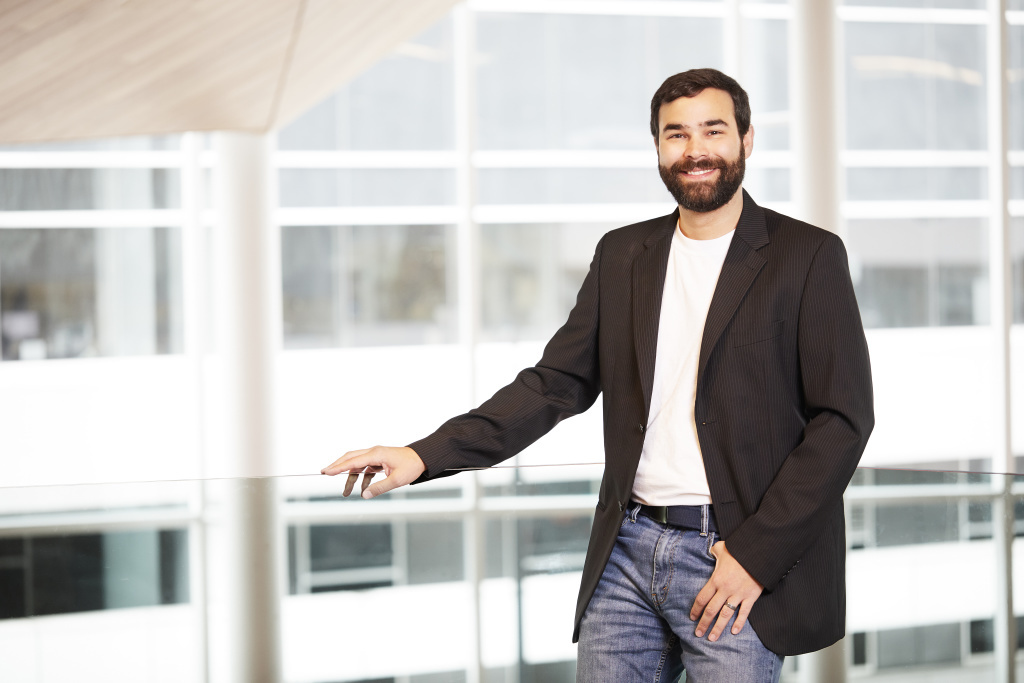
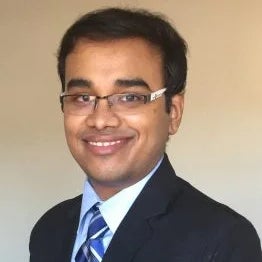
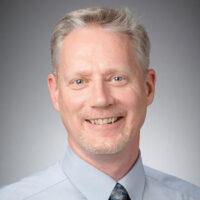
Dr Andrew Rhead is a Senior Lecturer in the Department of Mechanical Engineering at the University of Bath, specializing in aerospace composites and damage tolerance analysis. His research focuses on impact damage detection, failure mechanism modeling, and Non-Destructive Evaluation (NDE) techniques for composite structures. MSci in Mathematical Sciences (Dynamical Systems) - University of Bristol (2006) PhD in Composite Damage Tolerance - University of Bath (2009) His work develops computationally efficient analytical models for compression after impact (CAI) strength prediction in composite laminates, surpassing traditional finite element methods. Key projects include hydrogen storage systems for aircraft, cryogenic composite testing, and steered fiber manufacturing optimization. Active in 10 projects including ASPIRE and HyFIVE Collaborates with Airbus, GKN Aerospace, and EPSRC Research trends show emphasis on sustainable aviation materials, structural battery integration, and advanced testing methodologies. Current affiliations include the Institute for Mathematical Innovation (IMI) and Centre for Integrated Materials, Processes & Structures (IMPS).
Professor Chunsheng Lu is a faculty member at Curtin University's School of Civil and Mechanical Engineering within the Faculty of Science and Engineering. He currently holds the position of Professor and serves as Editor-in-Chief of Mechanical Engineering Advances . His research focuses on fracture mechanics, multi-scale modeling, energy materials, nonlinear dynamics, and natural disaster risk analysis. Lu is actively involved in HDR (Masters/PhD) supervision, offering projects on advanced materials modeling and simulations. His research interests include mechanics of energy materials, multi-scale modeling, and fracture statistics. He has contributed to over 200 publications, with recent work emphasizing piezoelectric semiconductors, nanomaterials, and energy storage systems. Lu's teaching spans materials engineering, solid mechanics, and numerical methods.
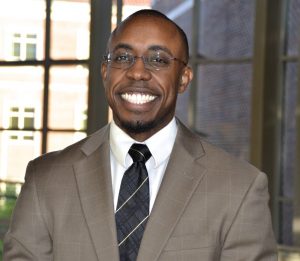
Dr. Darryl Dickerson is an Assistant Professor in the Department of Mechanical and Materials Engineering at Florida International University (FIU), part of the College of Engineering. His research focuses on mechanical characterization of biological interfaces, design of bioinspired materials, and advancing inclusive engineering education practices. He holds a Ph.D. (details not explicitly provided in text). Research Interests: Dr. Dickerson’s work bridges biomechanics and biomaterials engineering with social equity in education. Key areas include: Mechanical properties of biological interfaces (e.g., bone-cartilage junctions) Development of biomaterials for tissue repair using 3D printing and electrospinning Anti-marginalization strategies in engineering education, particularly for Black and Brown students Publications Trends: Recent work emphasizes dual themes: (1) Biomedical innovation through advanced material fabrication and (2) Inclusive pedagogy addressing systemic inequities in STEM education. Notable contributions include scaffold designs for osteochondral repair and frameworks for reducing microaggressions in team-based learning. Grants and Advising: No specific grants or advisees listed in the provided text. His work appears to be grant-funded through NIH/National Science Foundation pathways common in biomaterials and education research. Labs and Teams: While not explicitly stated, his research likely involves collaborations with FIU’s Center for Engineering and Computing’s diversity initiatives and biomaterials labs focusing on tissue engineering applications.
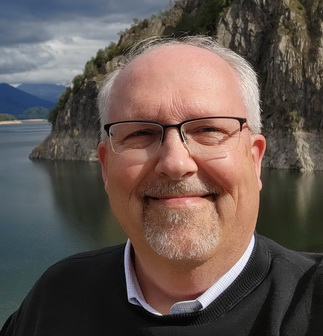
Jeffrey C. Suhling is the Quina Distinguished Professor and Department Chair of Mechanical Engineering at Auburn University . His research focuses on the mechanical and thermal behavior of lead-free solder alloys , particularly in automotive electronics and high strain rate applications . He has extensively studied the reliability of hybrid SAC-LTS solder joints under thermal cycling, vibration, and shock. Scientific awards : Quina Distinguished Professor His work integrates finite element modeling , microstructural analysis , and machine learning to predict solder joint failure and optimize material performance. Key areas include creep behavior , damage accumulation , and interfacial reliability in extreme environments.
Monica Maly is a Part-Time Associate Professor in Rehabilitation Science within the Faculty of Health Sciences at McMaster University. Her academic profile demonstrates extensive expertise in biomechanics and rehabilitation, with particular focus on knee osteoarthritis research. She maintains an active research program with numerous recent publications spanning rheumatology, biomechanics, and rehabilitation science. Dr. Maly's research interests center on understanding the biomechanical and physiological factors contributing to knee osteoarthritis progression and developing effective interventions. Her work examines knee joint mechanics, muscle strength and capacity, gait analysis, pain management strategies, and the impact of exercise interventions on OA symptoms. She has conducted significant research on sex differences in OA, racial disparities in pain experiences, and the relationship between obesity, inflammation, and joint function. Her methodological approaches include biomechanical analysis, clinical trials, systematic reviews, and innovative technologies like soft robotics for knee bracing. Analysis of her recent publications (2023-2025) reveals a strong focus on understanding knee osteoarthritis mechanisms through biomechanical and physiological lenses, with increasing attention to social determinants of health and health disparities. Her work spans multiple disciplines including rheumatology, biomechanics, rehabilitation science, and public health, demonstrating interdisciplinary collaboration. Key trends include examining racial disparities in pain experiences, developing novel interventions like soft robotic knee braces, and investigating the complex relationships between joint loading, biomarkers, and cartilage changes. Dr. Maly has collaborated extensively with researchers across multiple institutions, as evidenced by her numerous publications in high-impact journals such as Osteoarthritis and Cartilage, Arthritis & Rheumatology, and Clinical Biomechanics. Her work often utilizes data from large longitudinal studies including the Osteoarthritis Initiative and the Canadian Longitudinal Study on Aging. While specific grant information isn't detailed in the provided text, her extensive publication record suggests successful funding of multiple research projects.
Thomas G. J. Chandler is an Assistant Professor in the Department of Mathematics at the University of North Carolina at Chapel Hill, with his office located in Phillips Hall 396. Prior to joining UNC Chapel Hill, he was a Van Vleck Visiting Assistant Professor in the Department of Mathematics at the University of Wisconsin-Madison. Dr. Chandler completed his MMath and DPhil in the Oxford Centre for Industrial and Applied Mathematics at the Mathematical Institute, University of Oxford. His doctoral research, supervised by Prof. Dominic Vella, explored the mechanics of thin elastic materials and their interaction with soft matter. His postdoctoral research at Wisconsin, supervised by Prof. Saverio Spagnolie, focused on the interaction of anisotropic fluids with soft matter. Dr. Chandler's research focuses on solving physically motivated problems using applied mathematics techniques, particularly asymptotic, numerical, and complex analysis. His primary research areas include fluid dynamics (especially nematic liquid crystals and active matter), solid mechanics (particularly thin elastic materials), and mathematical biology. He investigates how active stresses in anisotropic fluids interact with deformable bodies, how geometry affects the rigidity of thin elastic sheets, and how turgor pressure influences cellular structures in biological systems. His research combines analytical methods, particularly complex variable techniques, with numerical simulations to address problems at the intersection of mathematics, physics, and biology. Dr. Chandler's work has revealed fundamental insights into phenomena such as curvature-induced rigidity in thin elastic materials, the mechanics of pressurized cellular sheets, and the interaction of deformable bodies with active nematic fluids. Dr. Chandler has published extensively in high-impact journals including Physical Review Research, Journal of Fluid Mechanics, SIAM Journal on Applied Mathematics, and Proceedings of the Royal Society A. His research demonstrates a consistent trajectory from fundamental mathematical theory to applications in materials science and biological systems. As an educator, Dr. Chandler teaches a variety of mathematics courses at UNC Chapel Hill. In Fall 2025, he will be teaching Math 383: First Course in Differential Equations. His previous teaching includes courses in Linear Algebra, Differential Equations, Applied Dynamical Systems, and The Theory of Single Variable Calculus. At the University of Oxford, he served as a Class Tutor and Teaching Assistant for graduate-level courses in Fluid Mechanics, Elasticity, and Solid Mechanics.
Ricardo Zednik is a Professor at the Department of Mechanical Engineering, École de Technologie Supérieure (ÉTS) in Montreal. Holding degrees from Rice University (BA, BS) and Stanford University (MS, PhD), he specializes in piezoelectric materials, fracture mechanics, and microelectronic systems. His research focuses on sensors, innovative materials, and health technologies. Fields of Interest: Piezoelectricity, Fracture Mechanics, MEMS, Smart Materials, Crystallography With over 36 peer-reviewed publications and extensive supervision of graduate research (including 15+ co-directed theses and projects since 2016), Zednik contributes to applied research in materials science and biomedical engineering. He collaborates with LaCIME and PULÉTS laboratories on cutting-edge projects involving ultrasonic transducers, flexible sensors, and high-temperature material characterization. Current courses include Materials Technology (MEC200) and advanced research topics in Functional and Smart Materials (SYS877). His students explore applications like terahertz quality control, piezoelectric earcanal sensors, and Kirigami techniques for wearable electronics.
Leijun Li, PhD, P.Eng., is a Professor in the Department of Chemical and Materials Engineering at the University of Alberta, where he also serves as Chair. With a career spanning institutions including Rensselaer Polytechnic Institute, University of Northern Iowa, and Utah State University, he specializes in physical metallurgy , welding metallurgy , and additive manufacturing . His research focuses on microstructure characterization, mechanical properties, and modeling of non-equilibrium phase transformations during welding and AM processes. Current affiliations: University of Alberta, American Welding Society, ASM International Research themes: Additive manufacturing of alloys, Corrosion science, Pipeline metallurgy, Phase transformations, Welding robotics He has received multiple AWS Hobart Awards (4 times) and Savage Awards (2 times) for his work on pipeline welding and metallurgy. His group has published extensively on topics including delta-ferrite retention in Grade 91 steel, inverse bainite transformations , and welding defect analysis . Recent projects include NSERC Alliance Missions Grant for rare earth mineral recovery and Alberta Innovates Ecosystem Program for advanced manufacturing. Key collaborators: Dr. Tom Lienert, Dr. Xiaoying Fang, Dr. P-Q Xu Labs: Rooms 2-158/3-133 (CME Building), Office 12th Floor DICE Building
Etienne BARTHEL serves as a CNRS Research Director at the Laboratory of Soft Matter Science and Engineering (SIMM), a joint research unit of PSL University (ESPCI Paris), CNRS, and Sorbonne University. His primary affiliations span multiple prestigious French institutions focused on advanced materials research. His research centers on the mechanical behavior of soft and brittle materials, with emphasis on surface mechanics, adhesion phenomena, fracture dynamics, and thin film behavior . Key contributions include fundamental studies on wetting/dewetting processes, plastic deformation mechanisms in glasses, and instability phenomena at interfaces. His experimental and modeling work bridges nanoscale material behavior with macroscopic mechanical responses. Analysis of his recent publications reveals strong focus on silicate glasses, soft matter fracture, microfluidics, and surface characterization techniques . His work frequently employs advanced methods like Brillouin spectroscopy, nanoindentation, and micro-photoelasticity to probe material responses under stress. As a CNRS Research Director, he leads experimental investigations in the SIMM laboratory, supervising PhD candidates and postdoctoral researchers in projects spanning materials physics, surface science, and mechanical engineering. His research program integrates experimental mechanics with theoretical modeling to address fundamental questions in material failure and interfacial phenomena. The SIMM laboratory maintains advanced facilities for soft matter characterization, including micro-mechanical testing setups, surface analysis instruments, and microfluidics platforms where his team conducts cutting-edge research on material interfaces and deformation mechanisms.
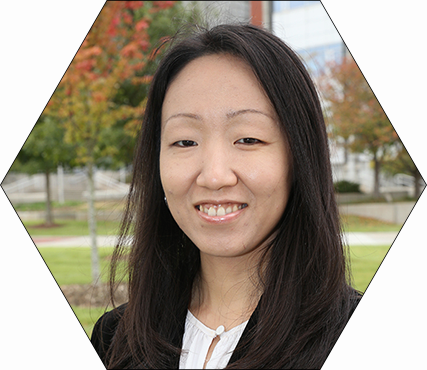
Dr. Yuhang Hu is an Associate Professor at the Georgia Institute of Technology, affiliated with the George W. Woodruff School of Mechanical Engineering and the School of Chemical and Biomolecular Engineering. Her research focuses on soft active materials, particularly hybrid systems combining solid and liquid components. She explores chemo-mechanical modeling, mechanical characterization of soft materials, and the development of dynamic multi-functional materials for applications like energy conversion and biomedical devices. Education: Ph.D. in Engineering Sciences from Harvard University (2011), M.S. in Applied Physics (Harvard, 2009), and prior degrees from Nanyang Technological University and Shanghai Jiao Tong University. She previously held positions at the University of Illinois at Urbana-Champaign and Harvard. Research Interests: Soft materials mechanics, stimuli-responsive gels, bio-inspired materials, and material characterization challenges. Her work integrates experimental and theoretical approaches to bridge mechanics and materials chemistry. Outreach: Active in STEM education through initiatives like B.T. Washington Elementary STEM Academy and the Midwest Experimental Mechanics Student Conference. Her lab emphasizes interdisciplinary innovation at the Chemomechanics of Soft Materials Lab.
Professor Craig Wheeler is a distinguished academic in the School of Engineering at the University of Newcastle, specializing in Mechanical Engineering with a focus on bulk solids handling and belt conveyor technology. As Associate Director of the Centre for Bulk Solids and Particulate Technologies and Deputy Chairman for the Australian Society for Bulk Solid Handling, he has established the university as a global leader in fundamental and applied research within this field. Wheeler's research interests primarily center on reducing the energy intensity and environmental impact of ore and mineral transportation globally. His work develops novel theoretical approaches to model and optimize belt conveyor and bulk handling systems, with significant contributions in energy-efficient transportation, dust emission control, and innovative conveying technologies like the Rail Conveyor system. His research bridges fundamental computational techniques with practical industrial applications, addressing real-world challenges in bulk material handling. His extensive publication record demonstrates trends toward increasingly sophisticated modeling techniques, combining continuum mechanics, discrete element methods, and computational fluid dynamics to solve complex problems in bulk material flow and energy consumption. Recent work shows particular emphasis on large-diameter idler rollers for energy savings, rail-running conveyor systems, and advanced dust control methodologies. 2023 Engineers Australia - Australian Society for Bulk Solids Handling 2017 Significant Contributions to Engineers Australia's Warman Design and Build Competition (Weir Minerals) 2017 Australian Council of Engineering Deans National Award for Engineering Education Excellence 2016 Innovative Technology Award (Australian Bulk Handling) 2010 Rising Star Award (Newcastle Innovation, The University of Newcastle) 2009 Pro-Vice Chancellor's Award for Research Excellence 2006 Best Research and Development Project (Australian Bulk Handling Review) 2000 A.W. Roberts Award (Australian Society for Bulk Solids Handling) Professor Wheeler has successfully led numerous Linkage Projects with major companies including Rio Tinto, Veyance Technologies, and Laing O'Rourke, securing significant cash and in-kind contributions for research projects. His industrial consulting experience, built on a 10-year engineering career with BHP, provides valuable insights that bridge fundamental research with practical applications. He actively supervises research students and contributes to professional development courses both within Australia and internationally. As a key member of the Centre for Bulk Solids and Particulate Technologies in association with TUNRA Bulk Solids, Wheeler leads research teams focused on developing eco-friendly conveying solutions. His work has resulted in new licensed technologies, internationally recognized testing methods, design guidelines, and Australian Standards that have transformed industry practices worldwide.
Dr. Sumanta Das is an Associate Professor and Graduate Director in the Department of Civil and Environmental Engineering at the University of Rhode Island. His research focuses on sustainable infrastructure materials, with particular expertise in cementitious materials, composite structures, and advanced computational modeling techniques. He directs a vibrant research group that bridges experimental mechanics with computational modeling and machine learning approaches to address challenges in infrastructure durability and performance. Dr. Das received his educational training from prestigious institutions: Ph.D. in Materials and Structures from Arizona State University (2015) M.Tech. in Structural Engineering from Indian Institute of Technology, Kanpur (2012) B.E. in Civil Engineering from Jadavpur University (2010) His research interests center around developing sustainable and durable infrastructure materials through innovative design approaches. Dr. Das investigates microstructure-property relationships in cementitious systems, with special focus on materials containing microencapsulated phase change materials for freeze-thaw durability, fiber-reinforced composites, and smart cementitious materials with self-sensing capabilities. His work integrates advanced experimental techniques like nanoindentation with computational modeling approaches including finite element analysis, molecular dynamics simulations, and machine learning algorithms to predict material behavior and optimize performance. Dr. Das's recent publications demonstrate a clear trajectory toward integrating machine learning with traditional materials science approaches. His research group has made significant contributions to understanding the behavior of cementitious composites under extreme conditions, developing multifunctional composites with embedded sensing capabilities, and creating computational frameworks that bridge multiple scales from molecular to structural levels. The work shows increasing sophistication in combining experimental validation with predictive modeling. Dr. Das has successfully secured numerous research grants as PI or Co-PI from diverse funding sources including the Office of Naval Research, Department of Defense, US Department of Transportation, and industry partners like Goetz Composites. His research portfolio spans infrastructure durability, composite materials for marine applications, and smart sensing technologies for structural health monitoring. As an educator and mentor, Dr. Das has supervised multiple doctoral and master's students who have completed theses on topics including: Multiscale simulation and machine learning-assisted performance prediction for cementitious composites Performance-based multiscale tuning of inclusion-modified and 3D printed composites Enhancing freeze-thaw durability of cementitious composites through innovative materials design Underwater explosion response of composite structures Implosion pulse mitigation using additively manufactured filler profiles
Stephen C. Veldhuis is a Professor and Director of the McMaster Manufacturing Research Institute (MMRI) , where he holds the Braley-Orlick Chair in Advanced Manufacturing Engineering . He is affiliated with the Mechanical Engineering department at McMaster University and actively accepts graduate students. Education: B. Eng and Mgmt., McMaster University (1990) M. Eng., Carnegie Mellon University (1992) Ph.D., McMaster University (1998) Research Interests focus on high-performance manufacturing , particularly precision and ultra-precision machining. His work aims to enhance machining competitiveness by optimizing productivity, quality, and cost through tooling selection, process modeling, and simulation. Additional expertise includes tribology, nano-indentation, surface engineering, and hard wear protective coatings. Laboratory & Facilities : He leads research in labs such as JHE 109, 109a, 112 and collaborates with the Material Property Assessment Laboratory (MPAL) , which specializes in material testing, coating development, and mechanical property measurements. MPAL’s equipment includes hardness testers, nano-indentation platforms, tribometers, and advanced microscopy tools for industrial and academic partnerships.
Prof. Vlado A. Lubarda holds dual roles at the University of California, San Diego: Full Professor of Teaching in the Department of Chemical and Nano Engineering and Adjunct Professor of Mechanical and Aerospace Engineering. He is a Faculty Fellow of Revelle College and a Research Affiliate at the Center for Memory and Recording Research. Lubarda's academic journey includes degrees from the University of Montenegro (Dipl. Ing., 1975) and Stanford University (M.S. and Ph.D., 1977–1979). His research spans elasticity, plasticity, biomechanics, and nanomechanics, with over 130 journal publications and five authored books. Notable awards include the Barbara and Paul Saltman Distinguished Teaching Award and multiple Tau Beta Pi Outstanding Teacher Awards. He has advised numerous graduate and undergraduate students, contributing to advancements in materials science and mechanics. Affiliations: Full Professor of Teaching, Department of Chemical and Nano Engineering Adjunct Professor, Department of Mechanical and Aerospace Engineering Fellow of Revelle College Research Affiliate, CMRR Education: Bachelor of Engineering, University of Montenegro (1975) M.S. and Ph.D. in Mechanical Engineering, Stanford University (1977–1979) Research Interests: Elasticity, plasticity, viscoelasticity, dislocation mechanics, damage mechanics, and biomechanics. Key Contributions: Author of Strength of Materials , Elastoplasticity Theory , and other seminal texts. Editorial board member of Theoretical and Applied Mechanics and Mathematics and Mechanics of Solids . His research articles explore topics like dislocation dynamics, material fracture mechanics, and biomedical applications. Lubarda’s awards reflect his dedication to teaching and research excellence. He collaborates with institutions globally and actively contributes to academic governance through roles such as Chair of the NanoEngineering Undergraduate Affairs Committee.
Gaurav Mohanty is an Assistant Professor at Tampere University's Materials Science and Environmental Engineering department within the Faculty of Engineering and Natural Sciences. His research focuses on deformation mechanisms of engineering materials at micro/nano scales using in-situ micromechanical testing in SEM environments. Key techniques include FIB-milled micropillars and cantilevers for studying mechanical properties under extreme conditions (cryogenic to ultra-high temperatures, strain rates from 0.0001 to 10,000/s). He explores transient plasticity, high-cycle fatigue, and combinatorial materials science across metals, ceramics, semiconductors, and thin films. Funding sources include the Academy of Finland, MATINE, and SAFIR. His work contributes to novel testing methodologies for small-scale materials and understanding deformation mechanisms. Research highlights include high-temperature nanoindentation systems, fracture studies in tungsten, and interfacial fracture toughness in dental prostheses. His research group emphasizes interdisciplinary collaborations, leveraging synchrotron X-ray diffraction and advanced EBSD analysis. Current projects address challenges in microscale fracture, high-rate deformation, and material design through combinatorial libraries.