Pedro Miguel Soares BrincaView profile
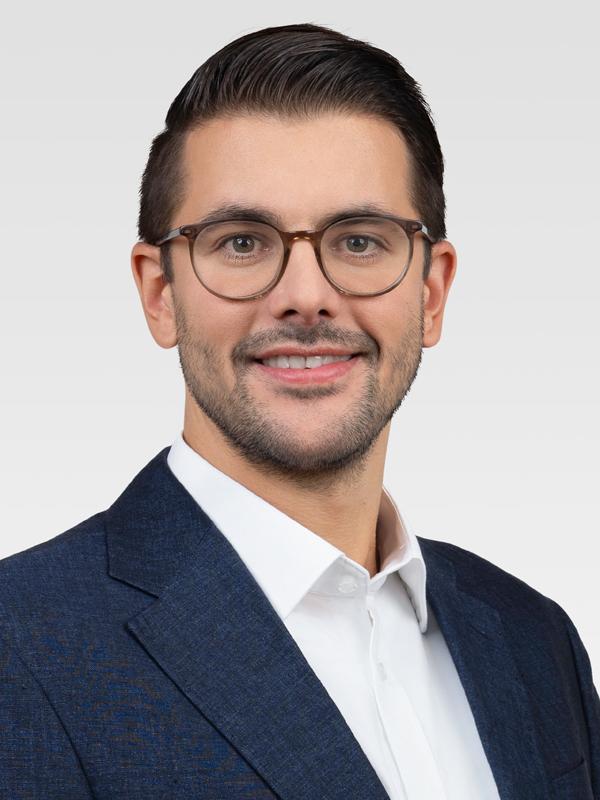
Associate Professor
Pedro Miguel Soares Brinca is an Associate Professor at the NOVA School of Business and Economics (Nova SBE), where he has been a faculty member since Fall 2015. He holds a PhD in Economics from Stockholm University and is actively engaged in research, teaching, and consultancy. He is accepting PhD students and maintains external academic affiliations. PhD in Economics, Stockholm University (2013) Master in Economics, Stockholm University Bachelor in Economics and Business, Stockholm University His research focuses on macroeconomic modeling, particularly business cycle fluctuations using dynamic stochastic general equilibrium (DSGE) models and the impact of micro-heterogeneity on macroeconomic aggregates. He has contributed significantly to the field of Business Cycle Accounting and has published in leading journals such as the Journal of Monetary Economics and Macroeconomic Dynamics . His recent work explores asset liquidity, fiscal policy, and price personalization in digital markets. The trends in his recent publications (2024–2025) reflect a continued focus on business cycle analysis, methodological reviews in macroeconomics, and emerging topics like algorithmic pricing and socio-economic inequality. His interdisciplinary approach combines theoretical modeling with empirical validation, often applied to real-world policy issues. Notable scientific contributions include: Chapter in the Handbook of Macroeconomics (2nd edition) on Business Cycle Accounting Co-authored research on Mexican business cycles and asset liquidity Contributions to understanding labor demand in sports and economic inequality Pedro Brinca has supervised PhD students, including Valter Nóbrega, and has participated in consultancy projects on consumer credit, labor market requalification, and non-performing loans in Portugal. He teaches Macroeconomics at the undergraduate level and Economics for Managers in executive education programs such as The Lisbon MBA. He has also been involved in public engagement, contributing to media discussions on economic growth forecasts and World Savings Day.