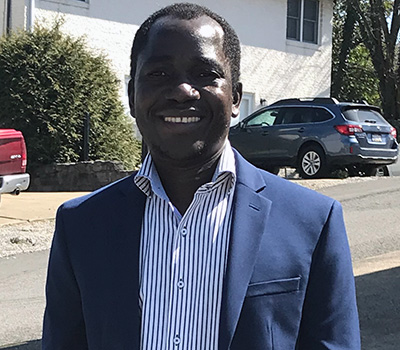
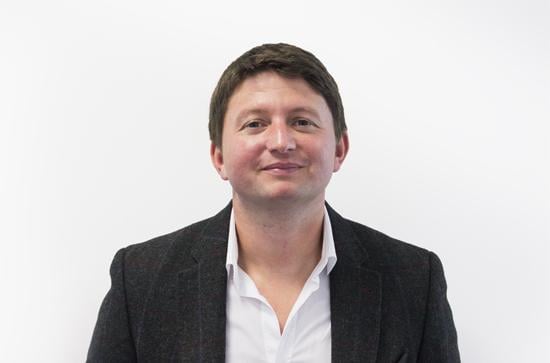
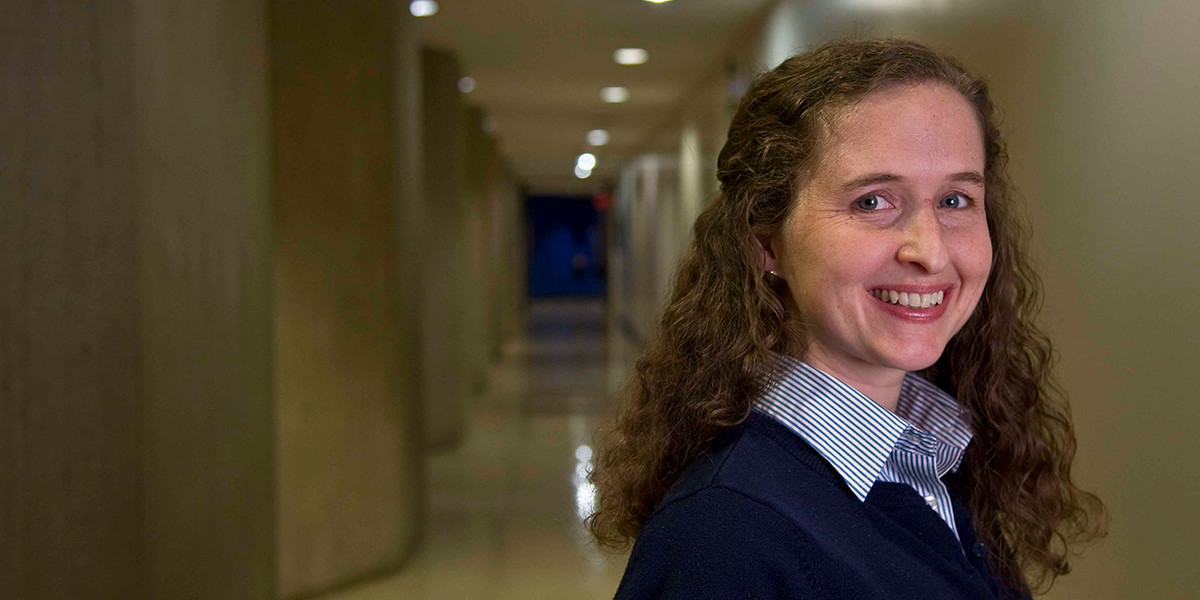
Park Muhonda is a Lecturer in the Department of Geography at Oregon State University , affiliated with the College of Earth, Ocean, and Atmospheric Sciences . His research focuses on fisheries, food security, gender norms, and climate vulnerability in Sub-Saharan Africa. Research Interests Park’s work bridges environmental science and social equity , emphasizing: Fisheries Management in small-scale systems Food Security and nutrition-sensitive policy Gender Dynamics in economic performance Climate Vulnerability Mapping and adaptation strategies Recent Publications His articles highlight interdisciplinary approaches to inland fisheries , climate resilience , and spatial analysis in African contexts. Contact Email: park.muhonda@oregonstate.edu Office: Wilkinson Hall 118, Corvallis, OR 97331
María Bastida Domínguez is a Professor at the University of Santiago de Compostela (USC), affiliated with the Department of Business Organization and Marketing within the Faculty of Economic and Business Sciences. She holds a doctoral degree from USC (2003) with a thesis on international assignments and expatriate adjustment. Her research focuses on gender equality, expatriate management, social economy, cooperative models, and sustainable entrepreneurship. She contributes to the Interuniversity Research Center in Economics and Business for Society (ECOBAS) and co-leads the POSMARK research group (People, Sustainable Organizations and Marketing). Her educational background includes advanced studies in business administration and organizational behavior. She has published extensively on topics such as expatriate effectiveness, gender representation in leadership roles, and policy frameworks for social economy initiatives. Key themes in her work include the intersection of gender with international human resource practices, cooperative entrepreneurship as a tool for economic equity, and the role of public policies in fostering sustainable development. Her recent publications (2021–2025) highlight trends in digital nomadism, AI-driven HR strategies, and gender-blindness in EU funding mechanisms. She advocates for inclusive economic models through her analyses of Galician cooperative networks and public policies like the ECOBAS-driven Rede Eusumo initiative. María’s work bridges theoretical frameworks (e.g., person-environment fit theory) with practical applications in talent management and organizational sustainability. Her research also explores subjective well-being among expatriates and the psychological dynamics of international workers. María has collaborated on multidisciplinary projects addressing labor market challenges and regional economic competitiveness. She remains a vocal proponent of leveraging social economy principles to achieve equitable economic recovery in post-pandemic contexts.
Rúben Gouveia is an Assistant Professor at the University of Lisbon's Faculty of Sciences, specializing in Human-Computer Interaction (HCI) and the design of tools for health and wellbeing. He holds a PhD from the University of Madeira, supported by a National PhD studentship from the Portuguese Foundation for Science and Technology. Previously, he served as an Assistant Professor at the University of Twente in the Netherlands. His research focuses on self-tracking technologies, wearable devices, and personal informatics, with a particular interest in how these tools mediate human behavior and cultural contexts. He has conducted studies on diverse topics including sports tracking, social robots, and navigation systems, emphasizing user-centered design principles. Recent work highlights include investigations into watchface customization preferences (CHI 2023), goal-setting mechanisms in health apps (DIS 2023), and activity tracking during life transitions (NordiCHI 2022). His research has been recognized with an Honorable Mention (Top 5%) at DIS 2023. He advises PhD students including Tina Ekhtiar, Lara Siering, and Naomi Stralen. His scholarship spans over 20 peer-reviewed articles in top-tier venues like CHI, Ubicomp, and Sensors, focusing on HCI applications in healthcare, education, and everyday life.
Karen Bailey is an Assistant Professor in Environmental Studies at the University of Colorado. Her work focuses on human-environment interactions, climate adaptation, sustainable rural livelihoods, and equity in STEM. She holds a BA in Ecology & Evolutionary Biology from Princeton University, and MS and PhD in Wildlife Ecology/Interdisciplinary Ecology from the University of Florida. Bailey's research emphasizes justice and equity, particularly in conservation and climate resilience. Current projects include climate adaptation in southern Africa, human health in east Africa, and barriers to entry in natural resource fields. She leads the WELS Group, which advocates for equitable environmental research and management. Dr. Bailey is currently not accepting new graduate or honors students. Education: BA (Ecology & Evolutionary Biology), Princeton University MS (Wildlife Ecology & Conservation), University of Florida PhD (Interdisciplinary Ecology), University of Florida Research Focus: Her interdisciplinary approach combines social science with environmental data to address climate resilience, human-wildlife conflict, and equity in conservation. Projects include household vulnerability modeling in southern Africa and energy justice in chemistry education. Teaching & Lab Ethos: Committed to equitable research and education, her lab prioritizes justice-driven methodologies and community engagement. Teaching interests include environmental policy and sustainability frameworks. Labs/Teams: The Well-being, Environment, Livelihoods, & Sustainability (WELS) Group focuses on just research of human-environment interactions, supporting sustainable natural resource management and inclusive conservation practices.
Marco Colizzi serves as Associate Professor of Psychiatry at the University of Udine, where he chairs the Postgraduate Specialization School in Psychiatry and Bachelor Degree Course in Professional Education. He concurrently directs the Unit of Psychiatry and Eating Disorders at Friuli Centrale Health University Authority and holds a Visiting Senior Lecturer position at King's College London. His editorial leadership includes serving as Editor-in-Chief of Current Social Sciences. Research interests span: Psychiatric epidemiology and intervention strategies Neurodevelopmental disorders including autism spectrum conditions Psychosis mechanisms and cannabis interactions COVID-19 mental health sequelae Eating disorder pathophysiology Endocannabinoid system therapeutics Publication analysis reveals consistent focus on longitudinal clinical studies, with recent emphasis on pandemic mental health impacts, neurodevelopmental trajectories, and cannabinoid neuropharmacology. Research methodologies incorporate neuroimaging, genetic risk profiling, and mixed-methods approaches across diverse patient populations.
Professor Paraskevopoulos Stefanos holds an academic position at the University of Thessaly, focusing on Environmental Education and related interdisciplinary areas. His research spans special education methodologies, natural resource management in ecologically sensitive regions, and accessibility of environmental spaces for marginalized groups. He has collaborated extensively on projects involving virtual environments for educational purposes and behavioral studies related to environmental awareness. His work emphasizes practical applications of ecological principles through innovative teaching methods, particularly for students with disabilities. Key contributions include studies on public perception of marine conservation, policy frameworks for sustainable tourism in protected areas, and pedagogical strategies for integrating environmental science into special education curricula. Research interests include cross-cultural environmental psychology, the role of technology in ecological education, and systemic approaches to resource allocation challenges. His publications frequently bridge social sciences with environmental management, addressing both theoretical and applied aspects of human-environment interaction.
Camilla Cripps is a Lecturer in the Editing & Publishing program at the University of Southern Queensland (USQ), affiliated with the School of Creative Arts. Her research bridges trauma-informed practices across creative arts, publishing, and education. She holds a BA and BCA from the University of Wollongong (2008) and an MEd&Pub from USQ (2023). Her work emphasizes ethical editorial practices, mental health awareness in creative industries, and trauma-sensitive frameworks for editors. Research outputs include studies on duty of care in editing distressing material, trauma-informed guidelines development, and reading resilience pedagogy. She has presented at conferences like the Institute of Professional Editors (IPEd) and Swinburne University’s Literary Industry Practice Program. Her work appears in journals like TEXT and Journal of Language, Literature and Culture . Affiliated with USQ’s Centre for Heritage and Culture and School of Education, she advocates for industry standards that prioritize wellbeing. Her teaching spans courses like PUB5001, MAR8003, and others, focusing on preparing editors for industry challenges through trauma-aware methodologies.
Manuel Rieiro Garcia is an Assistant Professor at the University of Santiago de Compostela , affiliated with the Faculty of Administration and Business Management and the Department of Financial Economy and Accounting . He holds a Doctorate from the same institution, completing his thesis in 2024 on ' Localizing' the 2030 Agenda: Analysis of the determinants of the disclosure of information on the Sustainable Development Goals by Spanish municipalities ', supervised by Dr. Cristina Aibar Guzmán and Dr. Beatriz Aibar Guzmán. His research focuses on SDG implementation in local governments , particularly exploring the roles of political ideology, gender dynamics, and institutional determinants in sustainability reporting practices. He is part of the CVSO Research Group (Creation of Sustainable Value in Organizations). Key research areas include: Analysis of SDG adoption in Spanish municipalities Gender-based factors influencing policy reporting Multivariate analysis of regional governance Recent publications (2023–2024) emphasize interdisciplinary approaches to public policy evaluation, combining quantitative methods with gender and ideological perspectives. His work bridges accounting practices with broader sustainability frameworks, contributing to both theoretical and applied governance studies.
Emily Dix is an Assistant Professor of Psychology at Lake Forest College, specializing in Social Psychology, Prejudice & Intergroup Relations, and Bias Reduction Interventions. Her research investigates the cognitive processes underlying racial bias and develops interventions to improve interracial understanding. PhD in Psychology from University of Wisconsin-Madison BS in Psychology from Haverford College Her work focuses on racial bias recognition, interracial tension reduction, and promoting effective allyship. She examines how daily experiences shape cognitive schemas about bias among White and Black individuals. Key article trends show expertise in: Implicit Bias Mechanisms Intervention Development Intergroup Communication Social Media Relationship Dynamics Academic Integrity Models Racial Awareness Metrics Scientific awards include: National Science Foundation Graduate Research Fellowship University of Wisconsin-Madison Fellowships Phi Beta Kappa Society Membership David Olton ’64 Award for Psychology Her teaching covers courses on Social Psychology, Stereotyping & Discrimination, Research Methods, and Prejudice Reduction. She has mentored undergraduate researchers in presentations at major psychology conferences.
Associate Professor Tamara Young is affiliated with the University of Newcastle through the Newcastle Business School and College of Human and Social Futures . She is a qualitative researcher in critical tourism studies , focusing on sustainable tourism futures and the intersection of travelling and travelled cultures . Education : PhD, University of Newcastle Bachelor of Business, University of Newcastle Bachelor of Social Science (Honours), University of Newcastle Research Interests revolve around sustainable tourism, Indigenous engagement, youth activism, and responsible tourism practices. She advocates for Indigenist approaches to tourism research and education, emphasizing community values and intercultural dialogue . Her work on Stockton’s cultural identity highlights the importance of place-based tourism. Recent Publications analyze topics like Indigenous research frameworks , adventure tourism ethics , and community-driven sustainability , aligning with global Sustainable Development Goals . Scientific Awards : 2024 Newcastle Tourism Industry Group Employee of the Year 2023 College Excellence Award for Work Integrated Learning 2021 College Excellence Award for Industry Engagement 2017 CAUTHE Fellows Commendation 2015 OLT Citation for Teaching Excellence 2010 Vice-Chancellor’s Research Excellence Award Teaching Leadership includes co-developing the Bachelor of Tourism, Hospitality and Events program and co-leading the Newcastle International Hotel School . She integrates industry collaboration into her pedagogy, ensuring students engage with real-world problems and global challenges . Grants highlight her involvement in projects like Hometown Holiday: Recovery and Resilience for the Newcastle Visitor Economy and Indigenist Tourism Research Framework , with funding from institutions such as the Newcastle City Council and Australia-Japan Foundation .
Dr. David Doyle is a Senior Lecturer at the School of Law and Criminology at Maynooth University, where he has been since October 2015. His expertise spans criminal law, criminology, legal history, and education law. He holds a BA and MA in History and Politics from University College Dublin, followed by a doctorate and a Bachelor of Laws (first class honours) from the National University of Ireland, Galway. His research focuses on capital punishment, criminal justice history, de-extinction, domestic abuse, human trafficking, sexual offences, and the right to education. Notable works include a book co-authored with Dr. Liam O'Callaghan, Capital Punishment in Independent Ireland: A Social, Legal and Political History (2019), and contributions to interdisciplinary topics like the legal implications of de-extinction and the rights of foreign national prisoners. Awards: Irish Research Council Doctoral Scholarship IRC Postdoctoral Fellowship (2011) IRC New Ideas Award (2011) IRC New Foundations Award (2012) IRC Research and Networking Grant (2012) IRC International Career Development Fellowship (2013) IRC Ukrainian Researcher Scheme Awards (2022–2023) IRC Coalesce Award (2021) His grants include multiple IRC New Foundations Awards (2015–2021) and IRC Ukrainian Researcher Scheme Awards (2022–2023), supporting research on human trafficking, de-extinction ethics, and education access. He previously held a Marie-Curie Co-Fund fellowship at the Oxford Faculty of Law's Centre for Criminology (2013). Teaching interests include criminal law, criminology, education law, and intellectual property law. He actively mentors research proposals in these areas and collaborates with international teams on topics like data ethics, prisoner rights, and transnational crime.
Oskar Kowalewski is a Full Professor of Finance at IÉSEG School of Management in France, where he has served since 2019 after holding academic positions at Vistula University, Kozminski University, and the Institute of Economics of the Polish Academy of Science. His expertise spans international finance, banking systems, and corporate governance with increasing focus on sustainable finance applications. His educational foundation includes: HDR in Economy and Finance from Warsaw School of Economics (2012) Master in Law from Maria Curie Sklodowska University (2004) Ph.D. in Economic and Management from Kozminski University (2003) Master in Management Sciences, Finance from Kozminski University (1999) Professor Kowalewski's research examines critical intersections between financial systems and sustainability, particularly how governance structures influence environmental outcomes and financial stability. His work demonstrates how board diversity affects carbon emissions and how fintech innovations reshape traditional banking landscapes, with notable contributions to understanding state-owned banks' role in global shock transmission. His publication pattern reveals accelerating engagement with ESG finance, evidenced by multiple 2024 studies on carbon emissions, gender diversity, and sustainable portfolios. Simultaneously, he maintains strong contributions to core finance topics including sovereign credit ratings, ICO markets, and multinational banking structures across emerging economies. His scholarly impact is recognized through significant awards: Emerald Literati Network Outstanding Author Contribution Award (2021) Asian Finance Association Best Paper Award (2019) World Business Institute Best Paper Award (2014) National Bank of Poland Presidential Prize (2014) While his supervisory board experience with institutions like BOS Bank demonstrates practical industry engagement, available documentation does not specify grant funding details or doctoral student supervision. His teaching portfolio covers entrepreneurial finance, global corporate finance, and specialized courses for luxury fashion management programs.
Hadley D. Sikes is an Associate Professor of Chemical Engineering at MIT, holding the Esther and Harold E. Edgerton Career Development Professorship. She leads the Sikes Lab, focusing on biomolecular engineering, redox biology, and clinical diagnostics. Her research develops innovative diagnostic tools and explores H₂O₂ signaling in cancer therapies. Sikes joined MIT in 2009 after postdoctoral work at the University of Colorado and Caltech. She earned a Ph.D. in Physical Chemistry from Stanford University (2003) and a B.S. from Tulane University (1997). Education: Ph.D., Stanford University, Physical Chemistry (2003) B.S., Tulane University, Chemistry (1997) Research Interests: Her lab investigates epigenetic modifications, redox-directed cancer therapies, and diagnostic technologies. Key projects include improving medical diagnostics for diseases like malaria and cancer, and developing paper-based assays for rapid disease detection. She emphasizes ethical research practices, student well-being, and fostering an inclusive lab environment. Awards & Recognition: Willard Henry Dow Professorship of Chemical Engineering (2023) MIT Committed to Caring (C2C) Award (2019) ACS Best of BIOT Award (2018) NAE Innovative Young Engineer (2017) Grants & Advising: Sikes mentors students holistically, prioritizing mental health and work-life balance. Her lab has pioneered methods to reduce student isolation and improve lab dynamics. She actively advises on career development, balancing academic rigor with personal growth. Labs & Teams: The Sikes Lab is part of MIT’s Chemical Engineering Department, collaborating with institutions globally on projects like SARS-CoV-2 antibody testing and cancer metabolism studies. Their work bridges fundamental research with clinical applications.
Dr. Tana Licsandru is a Senior Lecturer in Marketing at Queen Mary University of London and Programme Co-Director for the MSc International Marketing and Consumer Psychology. She holds a PhD (University of Manchester), MA, and BSc, and is a Fellow of the Higher Education Academy. Her research focuses on transformative consumer research, emphasizing diversity, inclusion, and wellbeing in multicultural marketplaces, particularly addressing systemic discrimination against marginalized groups like migrants and racialized minorities. Education: PhD in Business and Management (Marketing), MA in Marketing, BSc in Communication Science Her work explores marketplace racism, inclusive marketing strategies, and the impact of historical hierarchies on consumer experiences. She has published in leading journals such as Journal of Public Policy & Marketing , Journal of the Association for Consumer Research , and Industrial Marketing Management . Tana is a member of the Marketing Interactions & Digital Societies (MINDS) Research Group and the Centre for Research in Equality and Diversity (CRED). She co-founded the DIEM (Diversity & Inclusion Engaged Marketing) initiative, recognized by awards like the 2020 Women in Marketing ‘Marketing Scientist’ Award. Her teaching spans undergraduate and postgraduate courses, with a focus on digital marketing and global brand management. Recent recognitions: Highly Commended in the 2022 Marketing Scientist Award and adoption of her 2021 paper into the National Diversity Council toolkit. She supervises PhD students in areas like consumer wellbeing and inclusive marketing interventions. Her research collaborations include the Multicultural Marketplaces Network (MCMP), emphasizing co-production with non-academic partners to advance DEI in marketing practice and education.
Larissa Gebken serves as a Research Fellow in the Department of Computer Science at the University of Hamburg, affiliated with the Faculty of Mathematics, Computer Science and Natural Sciences. She is a key member of the ITG (Information Technology and Gender) work area and the WISTS research group, where she focuses on value-sensitive approaches to digital innovation. Her educational background includes a Master of Science degree. Gebken's research centers on Value-Sensitive Design, Digital Social Innovation, and Responsible Innovation, with particular attention to digital transformation in the social sector and ecosystem architecture management. She actively explores how technology can ethically support marginalized communities, especially individuals experiencing homelessness. Analyzing her recent publications from 2019-2024, a clear pattern emerges: Gebken predominantly investigates value-sensitive digital social innovations for vulnerable populations. While most work targets homelessness support systems, one 2019 publication addresses IoT integration in building information modeling. This body of work underscores her commitment to socially responsible computing and ethical design frameworks. Gebken collaborates closely with Prof. Dr. Ingrid Schirmer and Dr. Jun-Patrick Raabe within the ITG team. The available information does not indicate any scientific awards, formal student advising, or specific grant funding.