Thomas Michaels is an Assistant Professor at the Department of Biology, ETH Zürich, leading the Michaels Group . His research focuses on theoretical models of biomolecular condensates and protein aggregation in biological systems. Research Themes : Protein aggregation, liquid-liquid phase separation, membrane biophysics, and the role of condensates in neurodegenerative diseases like Alzheimer’s and Parkinson’s. Collaborative Approach : Integrates theoretical physics, control theory, and computational biology with experimental validation to design therapeutic strategies. Recent Publications highlight his work on amyloid formation mechanisms, lipid interactions, and phase-separated compartments as biochemical reactors. His group trains PhD students in systems biology and biocondensate physics.
Jaehong Kim is the Henry P. Becton Sr. Professor of Engineering at Yale University, where he serves as Professor and Chair of Chemical and Environmental Engineering in the School of Engineering and Applied Science. Prior to joining Yale in 2013, he held the Georgia Power Distinguished Professor position at the Georgia Institute of Technology. His research bridges environmental science, chemical engineering, and nanotechnology, focusing on photocatalytic materials, water quality engineering, and sustainable solutions for global health contexts. Ph.D., Environmental Engineering, University of Illinois at Urbana-Champaign (2002) M.S., Chemical and Biological Engineering, Seoul National University (1997) B.S., Chemical and Biological Engineering, Seoul National University (1995) Kim’s work addresses water treatment through advanced oxidation processes , electrochemical systems , and single-atom catalysts , with applications in nitrate removal, fluoride transport, and solar disinfection. His research emphasizes nanotechnology for environmental remediation and public health engineering in developing regions. Recent publications highlight electrified membranes for nitrate conversion, photothermal water disinfection , and single-atom catalysts for pollutant degradation. His team explores atomic-scale engineering and green chemistry approaches to enhance reaction efficiency and material durability. Georgia Power Distinguished Professor Yale Superfund Research Center investigator Kim leads interdisciplinary efforts in environmental health through collaborations with Yale School of Public Health and the School of the Environment. His lab develops monolithic catalytic membranes and nanobiochars for sustainable water treatment, balancing technical innovation with global accessibility.
Dr. V.M. (Bala) Balasubramaniam is a Professor in the Department of Food Science and Technology at The Ohio State University. He holds editorial roles in food engineering journals and is a Fellow of IFT and IUFoST. His research focuses on clean food manufacturing technologies, particularly high-pressure and nonthermal methods, emphasizing microbial inactivation and nutrient preservation. He teaches unit operations in food engineering and contributes to industry via short courses and pilot plant demonstrations. Education: B.S. (Tamil Nadu Agricultural University), M.S. (Asian Institute of Technology), Ph.D. (Ohio State University). Research Interests: Thermal/nonthermal processing, food safety/quality modeling, and innovative applications of high-pressure technologies. Recent work includes ultra-shear technology development and superheated steam sanitation. Over 100 scientific papers, 20 book chapters, and co-edited books on high-pressure processing. Awards include the 2021 IFT Research & Development Award and 2017 Calvert L. Willey Award. Advising: Supervises graduate students like Liz Astorga Oquendo and Shruthy Seshadrinathan. Industrial outreach includes a USDA consortium for ultra-shear commercialization. Labs/teams focus on pilot-scale equipment testing and microbial efficacy studies.
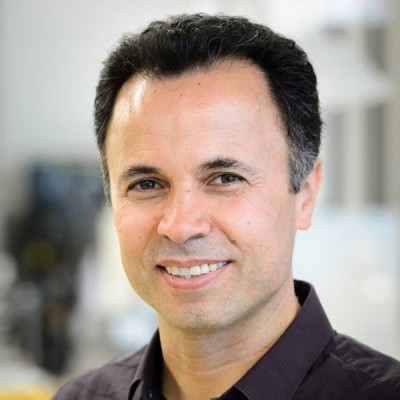
Dr. Madjid Mohseni is a Professor in the Department of Chemical and Biological Engineering at the University of British Columbia's Faculty of Applied Science. He serves as the Scientific Director of the Community Circle on Scaling Business Innovation for Humanity with his office located in CHBE 221. Dr. Mohseni leads the Water Laboratory (http://waterlab.chbe.ubc.ca/), focusing on water quality and advanced treatment technologies for drinking water applications. Dr. Mohseni earned his Ph.D. (1998) and M.A.Sc. (1994) from the University of Toronto, and his B.Sc. from Amirkabir University of Technology in Iran. His educational background has prepared him for his current research in water treatment and environmental engineering. His research program centers on developing, evaluating, and implementing advanced oxidation processes (AOPs), particularly UV-based AOPs, ion exchange, and electrochemical processes. His laboratory conducts both laboratory-scale development and pilot-scale field evaluations at partner community sites. Current work emphasizes PFAS remediation through various approaches including advanced oxidation/reduction processes, ion exchange technologies, and electrochemical methods. He also investigates novel materials like MXenes for water purification and develops practical solutions for municipal and community water systems. Analysis of Dr. Mohseni's recent publications reveals a strong focus on emerging contaminants, particularly PFAS, with significant emphasis on UV-based treatments and vacuum UV technology. His research consistently bridges fundamental science with real-world applications, developing technologies specifically tailored for small community water systems while addressing critical water quality challenges. Dr. Mohseni maintains affiliations with the Clean Energy Research Centre and the Bioproducts Institute at UBC, demonstrating his commitment to interdisciplinary research that addresses environmental challenges through innovative engineering solutions. His work aims to advance the science behind water treatment technologies while offering communities more efficient and cost-effective solutions to protect human health and the environment.
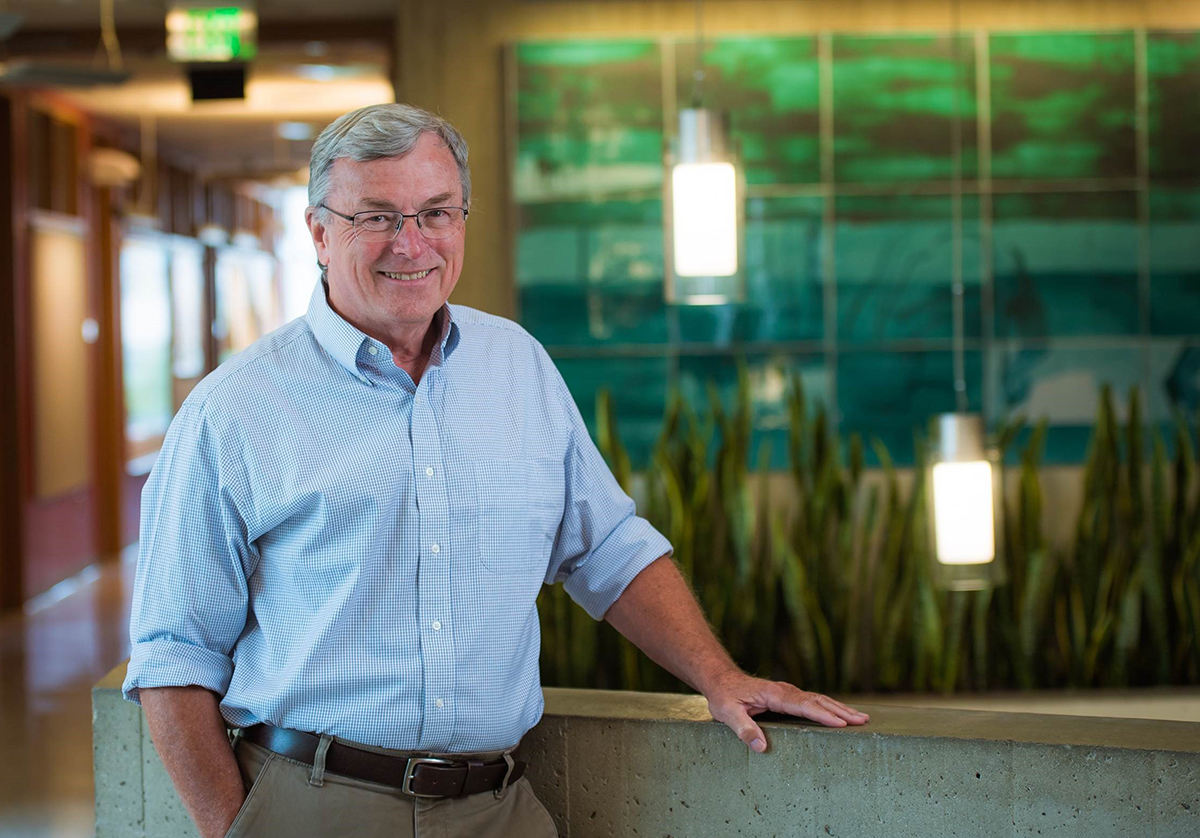
T. Alan Hatton is a distinguished Professor in the Department of Chemical Engineering within the School of Engineering at the Massachusetts Institute of Technology (MIT). His career spans over four decades with significant contributions to electrochemical separation processes and sustainable engineering solutions. Current research focuses on developing next-generation electrochemical systems for critical environmental challenges. Education: Ph.D., University of Wisconsin, 1981 M.Sc. Eng, University of Natal, Durban, South Africa, 1976 B.Sc. Eng, University of Natal, Durban, South Africa, 1972 Professor Hatton's research centers on electrochemically-mediated separation processes , specifically targeting carbon capture from diverse sources (post-combustion flue gas, ambient air, and ocean water) and advanced water purification systems. His work integrates fundamental transport phenomena with innovative electrochemical engineering to create energy-efficient solutions. Key methodologies include redox-active materials, electro-swing adsorption, and molten salt electrochemistry, with strong emphasis on scalability and real-world implementation. Recent breakthroughs involve oxygen-stable quinone systems for direct air capture and marine carbon dioxide removal technologies. Analysis of his 15 most recent publications (2024-2025) reveals a concentrated focus on electrochemical CO 2 capture and conversion , with 87% of works directly addressing carbon management. Dominant themes include redox-active material design (particularly quinones and iron complexes), process thermodynamics optimization, and novel reactor architectures like fiber sorbents and photoelectrochemical systems. The research demonstrates consistent progression toward practical implementation, with increasing attention to marine carbon removal and integration with renewable energy sources. Scientific Awards: Founding Fellow, AIMBE, 1992 Merck Faculty Development Award, 1989 Class of '22 Career Development Chair, 1988 Presidential Young Investigator Award, NSF, 1985 Everett Moore Baker Award for Excellence in UG Teaching, MIT, 1983 Professor Hatton leads an active research group developing electrochemical separation technologies with significant industry and environmental impact. His laboratory operates at the intersection of fundamental electrochemistry and applied environmental engineering, securing sustained funding for projects targeting carbon capture scalability and water purification innovation. Current efforts focus on translating electro-swing adsorption technology to commercial applications through startup ventures, while maintaining strong educational contributions through MIT's chemical engineering curriculum. The research team maintains collaborations with national laboratories and industry partners to accelerate technology deployment.
Albert M. Berghuis is a Professor in the Department of Biochemistry at McGill University's Faculty of Medicine. His research focuses on structural mechanisms of antibiotic resistance and fungal pathogenesis using advanced techniques including X-ray crystallography, electron microscopy, and computational chemistry. His primary research interests include: Structural basis of antibiotic resistance mechanisms, particularly against aminoglycosides Development of novel antimicrobials through structure-based drug design Structural studies of fungal-specific metabolic pathways for antifungal drug discovery Enzyme mechanisms involving protein-small molecule interactions Analysis of his recent publications reveals a consistent focus on structural elucidation of resistance mechanisms, with particular emphasis on aminoglycoside-modifying enzymes and fungal targets. His work bridges structural biology with therapeutic development, showing strong translational potential in combating antimicrobial resistance. Professor Berghuis maintains the Berghuis Lab with facilities in both the McIntyre Medical Sciences Building and the Francesco Bellini Life Sciences Building. His laboratory employs integrated structural biology approaches to tackle pressing problems in infectious disease treatment.
Julie M. Goddard is a Professor of Food Science at Cornell University , affiliated with the College of Agriculture and Life Sciences and the Department of Food Science . Her research focuses on Biomaterials and Biointerfaces , with emphasis on food quality, safety, and sustainability. She leads the Goddard Research Group, which develops innovative polymeric materials and coatings for food packaging, bioprocessing, and equipment. Key projects include antimicrobial/nonfouling coatings, biocatalytic materials, and active packaging to reduce synthetic additives and food waste. Dr. Goddard holds a Bachelor of Science (1999) and Ph.D. (2008) in Food Science from Cornell University. Her work is supported by grants from USDA NIFA, NIH, NSF, and FFAR. Notable awards include the National Excellence in Multistate Research Award (2019) , APLU Junior Moulton Medal (2015) , and Institute of Food Technologists Young Scientist Award (2013) . Her research spans nonmigratory active packaging (e.g., antioxidant, antimicrobial films), biofilm inhibition , and enzyme immobilization . Recent articles highlight advancements in PETase engineering for microplastic degradation and optimization of curcumin-grafted biodegradable materials. She collaborates across disciplines, including materials science, chemical engineering, and microbiology. Labs/Teams: The Goddard Group operates in Stocking Hall, Cornell. Projects include biocatalytic packaging , hydrogen sulfide formation in canned beverages , and consumer acceptance of novel food technologies . Key grants fund exploration of bio-based materials and food safety innovations.
Horst A. von Recum, PhD, is the Executive Vice Chair of the Case School of Engineering and a Professor in the Department of Biomedical Engineering at Case Western Reserve University. He is also a member of the Cancer Imaging Program at the Case Comprehensive Cancer Center. His research focuses on developing novel platforms for molecular and cellular delivery, including affinity-based systems for controlled drug release and directed stem cell differentiation. Key applications include HIV therapies, wound healing, ocular disease treatments, and tissue engineering. His work emphasizes improving drug delivery precision through molecular interactions and enhancing stem cell viability for therapeutic use. Dr. von Recum’s research interests span drug delivery systems, biomaterials science, and regenerative medicine. His lab explores cyclodextrin polymers for sustained antibiotic release, affinity-driven drug refilling mechanisms, and engineering biocompatible materials to combat implant-related infections. Recently, his team has investigated microbiome interactions with neural implants and developed polymer-based solutions for localized chemotherapy. Notable contributions include advancements in PMMA bone cement composites for drug refillable depots, cyclodextrin hydrogels for controlled release, and affinity-based systems for anti-fibrotic treatments. His work bridges materials science with clinical applications, addressing challenges in orthopedic infections, neural interfaces, and cardiovascular regeneration. Scientific achievements include over 100 peer-reviewed publications. Research funding has supported projects on antimicrobial coatings, drug delivery mechanics, and stem cell differentiation. Dr. von Recum collaborates across disciplines to translate biomaterial innovations into clinical solutions.
Hong Li is an Associate Professor at the University of California, Davis, specializing in interdisciplinary research at the intersection of food science, engineering, and biotechnology. Their work focuses on innovative food processing technologies, including infrared drying systems, catalytic thermal treatments, and microbial inactivation methods. Li's research also addresses sustainable production of alternative proteins, nutraceuticals, and optimization of agricultural by-products. Key research interests include food safety, energy-efficient processing, and the application of advanced technologies like cold plasma and mathematical modeling in food systems. Li has contributed to advancements in nut drying, fish meat quality, and fungal protein production. Their work emphasizes practical solutions for industrial applications while maintaining nutritional and sensory quality. Publications highlight Li's expertise in food physics, interdisciplinary collaboration, and bridging theoretical models with real-world processing challenges. Despite extensive contributions, no scientific awards or named grants are explicitly mentioned in the text.
Dr. Taghi Miri is an Assistant Professor in the School of Chemical Engineering at the University of Birmingham, specializing in Chemical Engineering with a focus on food processing safety, environmental engineering, and nanotechnology. He holds a PhD from the University of Birmingham, focusing on plant-based food processing. His research spans food waste valorization, novel food processing technologies, and bioremediation of heavy metals. He has collaborated with industry leaders such as Marlow Food, CSM Bakery, and P&G, and has led modules in Food Engineering, Food Safety, and Chemical Engineering education. Education: BSc, MSc & PhD in Chemical Engineering from the University of Birmingham. Research Interests: Food safety challenges in reformulation, circular economy applications, and nanocomposite development for drug delivery. His current projects include food waste valorization via supercritical CO₂ extraction and ohmic heating for food safety. Editorial Roles: Associate Editor of the Journal of Water and Environmental Nanotechnology and Guest Editor of the Journal of Sustainability (Special Issue on Food Waste). Advising: Supervises PhD/MSc projects in Food Engineering and Environmental Bioprocessing. Leads modules such as 'Food Microbiology and Safety' and 'Novel Food Processing'.
Bruno A.M. Carciofi is an Assistant Professor in the Department of Biological and Agricultural Engineering at the University of California, Davis. His research focuses on food processing engineering, predictive microbiology, and innovative food technologies. He holds multiple degrees from the Federal University of Santa Catarina, Brazil, including a Ph.D. in Food Engineering. Education: B.S. in Food Engineering (Federal University of Santa Catarina) B.S. in Chemical Engineering (Federal University of Santa Catarina) M.S. in Food Engineering (Federal University of Santa Catarina) Ph.D. in Food Engineering (Federal University of Santa Catarina) Research interests include non-thermal processing technologies, agro-industrial by-product valorization, and mathematical modeling of food systems. Recent work emphasizes cold plasma applications for food safety and sustainability, microwave drying optimization for plant-based products, and microbial growth modeling. His publications span food engineering innovations, such as plasma-activated water for pest control and advanced drying techniques for nutrient retention. He actively contributes to Sustainable Development Goals through biotechnology solutions for food waste reduction. Notable contributions include development of antimicrobial packaging systems and engineered plant-based protein structures. His research bridges food science, engineering, and biotechnology to address global challenges in food safety and resource efficiency.
Dr. Lin Wei is a Professor and Graduate Coordinator in the Department of Agricultural and Biosystems Engineering at South Dakota State University (SDSU). He holds a B.S. in Agricultural Engineering from China Agricultural University, M.S. in Mechanical Engineering (Guangxi University), and M.S./Ph.D. in Biological Engineering (Mississippi State University). His research focuses on biomass conversion, bioenergy production, smart agriculture, and food safety. He leads projects on biochar-based fertilizers, cold plasma food safety technologies, and AI-driven precision farming. Dr. Wei has authored over 80 peer-reviewed papers and secured $7M+ in grants. He chairs multiple professional committees (ASABE Renewable Energy, USDA-S1075, ISO-WG6) and serves as editor for journals like Agricultural Engineering and Transactions of the ASABE. Recent grants include biochar soil health studies ($583K USDA) and nanobubble dairy waste management ($22K SD WRI). His team develops smart sensors for crop monitoring and biopolymer nanocomposites for food packaging. Notable awards include 2024 Outstanding Researcher (College of Agriculture) and 2022 Excellence in Editing (ASABE). Ongoing work integrates thermochemical processes with AI to enhance biofuel production efficiency and environmental sustainability.
Carmen Moraru is a Professor in the Department of Food Science at Cornell University's College of Agriculture and Life Sciences (CALS). Her research focuses on enhancing food safety, quality, and shelf life through advanced processing methods such as membrane separation, light-based technologies, high-pressure processing (HPP), and microwave vacuum drying. She also studies intermolecular interactions in foods and nanoscale surface engineering to prevent microbial contamination. Dr. Moraru teaches courses like Food Processing and Engineering (FDSC 4250) and co-instructs Advanced Food and Bioprocessing Systems (FDSC 6650) . Her lab, the Moraru Lab, explores emerging technologies in food safety and processing, with recent projects addressing microbial inactivation, nanomaterials, and sustainable drying methods. She advises multiple graduate students and has supervised notable projects, including studies on pea protein functionality and antimicrobial surfaces. Education: Doctorate in Food Science (PhD details not explicitly stated in provided texts). Lab Affiliations: Moraru Lab at Cornell University. Her scientific awards include the Kosi Award in Food Science (2019) and recognition for student achievements like Andreea Beldie's 2019 ADSA Poster Competition win. Recent publications highlight innovations in UV-C light disinfection, microwave drying, and nanotopography-based antimicrobial surfaces. Research collaborations span industry and academia, addressing challenges in dairy processing, plant-based foods, and food packaging safety. Her work frequently integrates computational modeling, experimental validation, and interdisciplinary approaches to solve complex food engineering problems.
Colm O'Donnell is a Full Professor at the School of Biosystems and Food Engineering, University College Dublin (UCD). He leads the Food Quality and Processing Pillar at UCD's Institute of Food & Health and has held roles including Head of the School and Vice-Principal for Teaching & Learning in the College of Engineering & Architecture. His research focuses on Process Analytical Technology (PAT), bioprocessing, and dairy technology, with emphasis on spectroscopy, bioactive compound extraction, and food safety. He coordinates EU-funded projects like DiTECT and FreshProof, and leads the UCD team in the Dairy Processing Technology Centre (DPTC). O'Donnell is a Fellow of the Irish Academy of Engineering and has been recognized as a Thomson Reuters Highly Cited Researcher. Education: BE and PhD from University College Dublin, Chartered Engineer (CEng). Research Interests: PAT for food/bioproducts, dairy processing innovations, and bioactive extraction from seaweeds. His group develops non-destructive technologies like NIR-HSI and acoustic sensors for real-time quality monitoring in food production. Grants: Over 40 grants including EU Horizon 2020, Marie Sklodowska-Curie, and industry partnerships. Recent projects include acoustic sensor development for milk protein concentrate (2020-2022) and seaweed biorefinery processes (2018-2023). Awards: Irish Academy of Engineering Fellowship (2022), EU Comett Fellowship, and editorial roles at International Journal of Food Properties and Food Engineering Reviews . Labs/Teams: Leads the PAT-focused research group at UCD's Institute of Food & Health, collaborating with industry partners like DPTC and global academic networks.
Zeynep Atamer is an Assistant Professor at Oregon State University's Food Science and Technology Department, affiliated with the Food Innovation Center in Portland, OR. Her research focuses on dairy science and technology, particularly bacteriophage dynamics, spore inactivation, milk protein behavior, membrane processing, and food safety optimization. Primary affiliation: Oregon State University, Food Innovation Center Department: Food Science and Technology Research interests include: Dairy bacteriophages and their thermal/non-thermal inactivation Spore-forming bacteria in dairy processing Milk protein fractionation and functional properties Membrane separation technologies for dairy applications Cheese and fermentation process optimization Development of phage-free dairy products and sensitive detection systems Recent publications highlight advancements in UV-C/phage reduction strategies, casein-based material development, bitter peptide characterization in cheese, and encapsulation technologies for microbial control. Key subfields include dairy processing stressors, whey protein stability, and gut microbiota modulation via phage delivery. Her work integrates industrial-scale validation with lab-to-commercial translation, addressing critical challenges in dairy safety and functionality through interdisciplinary approaches spanning microbiology, biochemistry, and food engineering.