Western Switzerland University of Applied SciencesSwitzerland
Wilfried Andlauer is a Professor at the Institute of Life Sciences within HES-SO Valais-Wallis School of Engineering. His research focuses on bioactive compounds , non-thermal food processing , and bioavailability studies , particularly in agricultural by-products like grape cane, walnut press cake, and Spirulina algae. He has developed advanced methods for solid-state fermentation , cold plasma decontamination , and bioactives fingerprinting . Key projects include optimizing microwave-assisted extraction for stilbenoids, analyzing iron absorption from insect flour , and developing microfluidic antioxidant assays . His work integrates nutraceutical research with practical applications in food safety and sustainable processing . Collaborations span Switzerland and Asia , with expertise in analytical chemistry and bioprocessing .
Nadia Everaert is an associate professor at KU Leuven’s Department of Biosystems, affiliated with the Faculty of Bioscience Engineering and the Leuven One Health Institute. She leads the Nutrition and Animal-Microbiota EcoSystems (NAMES) Lab, focusing on microbiota-host interactions and gut health in poultry and pigs. Her research aims to improve animal resilience through nutritional manipulations. Education: BSc/MSc in Bioscience Engineering from KU Leuven (1999–2004), PhD in Avian Embryonic Development (2008). Postdoctoral work included molecular biology studies in France. She was a faculty member at Liège University (2013–2021) before returning to KU Leuven. Research Interests: Microbiota colonization, gut health, pre/probiotics, in vitro fermentation models, maternal programming, and sustainable livestock practices. The NAMES Lab investigates host-microbiota interactions to enhance animal performance and health via nutritional strategies. Recent projects include studies on earthworms in broiler diets, probiotics in piglets, and the impact of hatching methods on broiler gut health. Her work addresses antibiotic reduction and sustainable feed alternatives. Teaching: Courses on nutrition, animal welfare, poultry/pig farming, and functional biochemistry. Supervises PhD students and postdocs in her lab. Service: Member of the Animal Ethics Commission at KU Leuven and HUB-KAHO, Board Member of the Belgian WPSA, and expert for ANSES (France) on animal nutrition. Labs/Teams: NAMES Lab personnel include postdocs, PhD students, and lab technicians. Collaborations span institutions like INRAE (France) and Shandong Agricultural University (China).
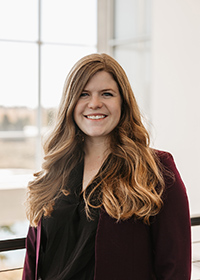
Haley Larson, Ph.D., serves as a Teaching Assistant Professor in Animal Health at Kansas State University's Olathe campus. Her career bridges academia and industry, with prior roles as a Senior Scientist at Cargill Animal Nutrition and Health where she developed the first fully automated dual-flow continuous culture system for cattle rumen simulation. Education: Ph.D. in Ruminant Nutrition from University of Minnesota (2019) B.S. in Animal Science from University of Minnesota (2014) Research Interests focus on ruminal fermentation patterns, in vitro culture systems, biological modeling, and on-farm rapid assays. She specializes in nutritional strategies to optimize cattle performance and reduce environmental impacts through feed additive evaluation and microbial analytics. Academic Contributions include designing graduate programs like the M.S. in Applied Biosciences and Regulatory Affairs in Animal Health Graduate Certificate. Her teaching spans topics such as product development research strategies, EPA regulatory affairs, and zoonotic pathogens in the food chain. Professional Affiliations include American Registry of Professional Animal Scientists, Plains Nutrition Council, American Society of Animal Science, and American Dairy Science Association.
Christophe Lacroix serves as Full Professor of Food Biotechnology at ETH Zurich's Institute of Food Science and Nutrition since 2002, leading research on gut microbiome dynamics and nutritional interventions. His work bridges food science, microbiology, and human health with significant interdisciplinary impact. He earned his Food Engineering degree from France's École Nationale Supérieure des Industries Agricoles et Alimentaires (ENSIA) in Massy (1980), establishing foundational expertise in food technology before specializing in microbial ecology. Lacroix's research centers on gut microbiota functionality across lifespan stages, particularly infant development and stress responses. Key methodologies include in vitro fermentation models , synthetic microbial consortia design , and vitamin metabolism analysis . His investigations span probiotic mechanisms, pathogen-microbiome interactions, and therapeutic applications for conditions like infant colic, emphasizing translational nutrition science. Recent publications (2022-2023) demonstrate consistent focus on microbial group functionality in infant/adult guts, toxic metabolite production (e.g., acrolein), and biotherapeutic development . His work reveals microbiome resilience patterns, nutrient-microbe interdependencies, and stress-induced dysbiosis mechanisms through integrated in vitro and animal models. As Specialty Chief Editor for Nutrition and Microbes at Frontiers in Nutrition, he shapes scholarly discourse in microbiome-nutrition interfaces. His collaborative network spans clinical, veterinary, and basic science domains, reflected in co-authorship with gastroenterologists, toxicologists, and nutritionists. Research infrastructure includes advanced gut simulation systems and germ-free animal facilities supporting mechanistic studies.
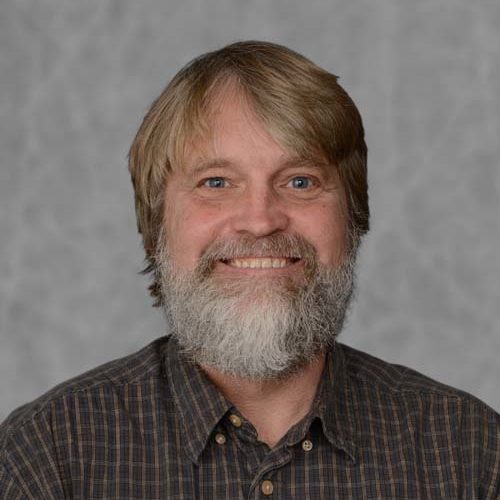
Jonathan Olson is an Associate Professor and Director of the Undergraduate Program in Microbiology at NC State University, located in the Department of Biological Sciences within the College of Sciences. His research focuses on microbial physiology, pathogenesis, and stress response mechanisms in bacteria such as Campylobacter and Helicobacter species. He investigates topics including antimicrobial resistance dissemination, oxidative stress tolerance, and respiratory pathways critical for bacterial survival and host colonization. Key research areas include understanding how Campylobacter species adapt to environmental stressors like copper toxicity and oxidative damage, as well as analyzing genomic features influencing antibiotic resistance and horizontal gene transfer. His work bridges fundamental microbiology with applied studies on foodborne pathogens and industrial biotechnology applications, such as optimizing polyhydroxybutyrate production in Alcaligenes latus using agricultural byproducts. Dr. Olson collaborates with affiliated graduate programs in Microbiology (College of Agriculture and Life Sciences) and Molecular, Cellular and Developmental Biology. His research has led to significant contributions in bacterial genomics, including complete genome sequencing of Campylobacter strains, and has produced over 30 peer-reviewed publications since 2001. His articles frequently explore Campylobacter's genetic diversity, respiratory systems, and interactions with host organisms. He currently directs undergraduate microbiology education and oversees student advising through the BioSci Student Services office in Bostian Hall. His laboratory facilities are housed in Thomas Hall, where he mentors students through experimental projects on bacterial genetics and physiology.
Miguel Morard Pedrouzo is a researcher in the Department of Genetics at the Universitat de València, where he completed his PhD in 2020. His work focuses on yeast genomics, adaptive evolution, and the application of biotechnological methods to traditional food crops. Research Interests: His research spans genetics, fermentation science, and sustainable agriculture. He investigates genomic instability, hybridization, and aneuploidy in Saccharomyces yeasts as mechanisms of adaptation. He also explores the nutritional and biochemical properties of Mediterranean landraces such as beans and sweet potatoes, integrating genomics with food biotechnology to enhance crop quality and food security. Publication Trends: His recent publications (2023–2025) show a strong focus on genome-scale modeling of fermentation processes, comparative genomics of industrial and infective yeast strains, and the biotechnological recovery of traditional crops. Themes include metabolic modeling, stress tolerance, sourdough fermentation, and virus-free propagation techniques. Scientific Awards: Advising and Grants: While no formal students or grants are listed, he was supervised by Dr. Eladio Barrio Esparducer and Dr. Christina Toft during his doctoral work. His research likely involves collaboration within the genetics department and possibly external agricultural or biotech initiatives. Labs and Teams: He is part of a research group focused on yeast genetics and biotechnology at the Universitat de València, contributing to both fundamental and applied research in genomics and food science.
Clarissa Schwab is a Professor at the Department of Bio- and Chemical Technology, Industrial Biotechnology section, Aarhus University, Denmark. She leads the Functional Microbe Technology research group, focusing on microbial interactions in food and gut ecosystems. Professor, Aarhus University Head of Section, Department of Bio- and Chemical Technology Her research spans microbial metabolite production, cross-feeding dynamics, and applications of fermentation systems to enhance food sustainability and public health. She explores how microbes interact with dietary compounds and hosts, particularly in dairy and intestinal contexts. Recent publications highlight trends in short-chain carboxylic acids , fermented dairy constituents , microbial pathogen control , and functional lipid analysis . Her work integrates molecular tools, anaerobic cultivation, and chromatography techniques. She actively collaborates on projects like: Lactose-derived lactate impact on intestinal microbiota (2024-2027) InfantAD: Gut metabolites and atopic dermatitis (2024-2026) Fucose fermentation in intestinal health (2023-2026) Her group participates in networks such as CellFood Hub (2022-2026) and has presented at institutions including Hanover Medical School and the University of Greifswald. She supervises PhD students and contributes to educational initiatives.
Tatiana Milena Marques serves as a Senior Lecturer at Örebro University's Department of Medical Sciences within the School of Medical Sciences. She leads research at the Nutrition-Gut-Brain Interactions Research Centre (NGBI) and co-directs the Food Science Sweden Graduate School LiFT. Her educational background includes a B.Sc. in Pharmacy from Universidade Federal de Minas Gerais (Brazil), a Master's in Bio-Systems Sustainability from Hokkaido University (Japan), and a PhD in Microbiology from University College Cork (Ireland, 2014). Her doctoral research examined microbiota-host interactions and bioactive compound production by intestinal microbes. Dr. Marques specializes in gut microbiota interactions with host organs, particularly how dietary components modulate microbial communities to influence health and disease. Her work focuses on butyrate metabolism, gut barrier function, and the gut-brain axis, with applications in metabolic disorders and inflammatory conditions. Recent publications demonstrate expertise in dietary fiber fermentation, microbial metabolite analysis, and systems biology approaches to gut inflammation. She has secured competitive funding including a principal investigator grant from ESPEN and co-investigator roles with Vetenskapsrådet and Formas. Her collaborative network spans academia and industry, with strong international partnerships. As an active researcher, Dr. Marques supervises graduate students through the LiFT program and contributes to editorial work including Örebro University's Nobel Day Festivities publications. Her laboratory work integrates in vitro models, clinical samples, and computational approaches to study diet-microbe-host interactions.
Ana Isabel Estevez Pintado is a Researcher at the Centre for Biotechnology and Fine Chemistry (CBQF) of the Catholic University of Portugal, where she serves as coordinator of the analytical platform within the College of Biotechnology. She is currently completing her PhD in Biotechnology (Food Science and Engineering) at the Portuguese Catholic University while maintaining active research and teaching responsibilities. Ana earned her Chemical Engineering degree from the School of Engineering of the Polytechnic Institute of Porto in 1994 and a Master's in Energy Efficiency in the Chemical Industry in 2000. Her technical expertise spans bioprocess engineering, microbiological techniques, and advanced analytical methods including chromatography, electrophoresis, and spectrophotometry. She has taught courses in chemical analysis, laboratory practices, and general chemistry. Her research focuses on two interconnected domains: development of novel bioactive molecules and valorization of industrial by-products. The fingerprint analysis of her work reveals strong specialization in dairy biotechnology (Lactose, Enterococcus, Cheeses at 75-100% relevance), amino acid chemistry, and proteolysis processes. She has developed significant expertise in converting agricultural and industrial waste streams into valuable materials through sustainable bioprocesses. Ana's publication record shows consistent output from 2018-2025 with increasing emphasis on circular economy applications. Her recent work demonstrates a clear trajectory from fundamental analytical research toward applied sustainable solutions, particularly in natural product extraction, cosmetic applications, and waste-to-value conversion. The articles show strong interdisciplinary connections between food science, materials engineering, and environmental sustainability. She has authored 18 peer-reviewed journal articles and 3 book chapters while presenting 7 oral communications and 46 conference posters internationally. Her current research involves the Circulas project (collaboration between Biorbis and ESB-UCP), following her previous work on the Alchemy project (2018-2023) with Amyris Inc. and ESB-UCP, demonstrating sustained industry-academic partnership development.