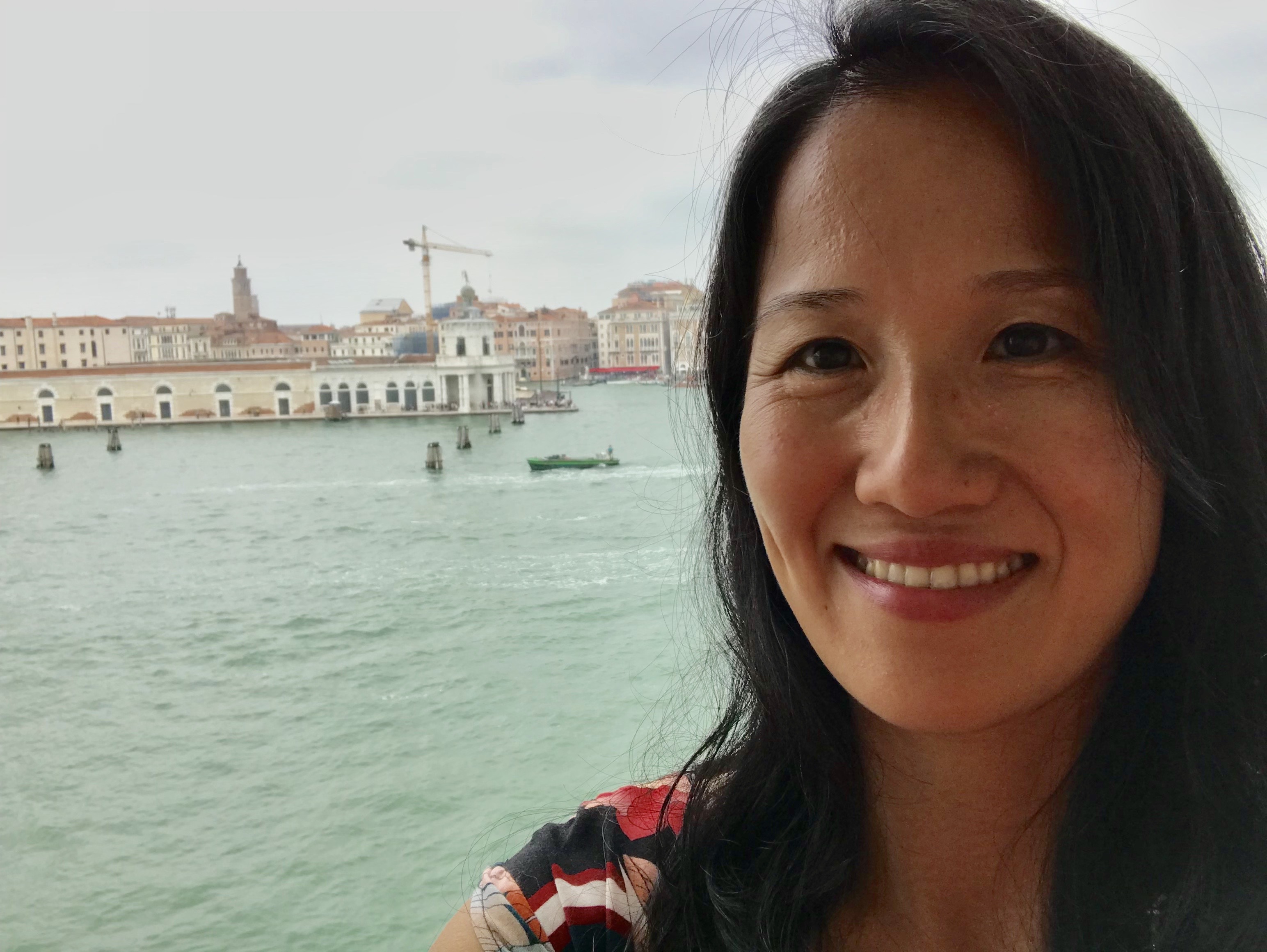
Alicia ALLEGRI is a Professor and educational researcher with expertise in Educational Sciences, currently affiliated with the Institute of School Administration (INAS). She holds a bachelor's degree in primary school teaching (2014) and a Master's degree in Educational Sciences (2017), with additional certification in Didactics of Philosophy and Citizenship (2018). Her professional experience includes teaching since 2017 across multiple educational settings: mainstream primary education, special primary education, and special secondary education. At INAS, where she has conducted research since September 2019, her work focuses on developing and validating educational tools and devices for geography education. Dr. Allegri's research examines learning regulation mechanisms, cognitive development, and educational methodologies. Her work integrates cognitive, social, and affective components of learning, with particular attention to self-regulatory strategies in educational contexts. She has developed expertise in 3D-2D representation techniques for educational games and the study of abstraction processes in student learning. Her research portfolio includes studies on decentering processes in children and adolescents, utilizing adapted educational tools like the Animo-déclic® game. Currently, her work centers on supporting teachers through the creation of validated educational resources for geography instruction. Dr. Allegri's professional development includes participation in research projects during her Master's program focused on educational psychology and learning mechanisms, establishing her foundation in evidence-based educational practices.
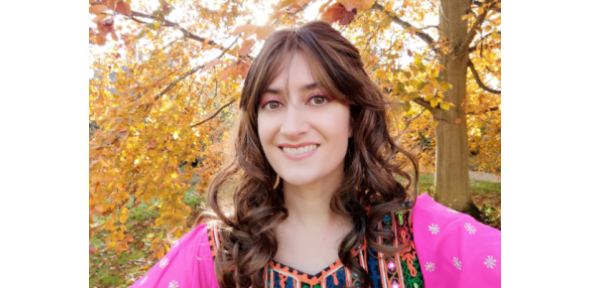
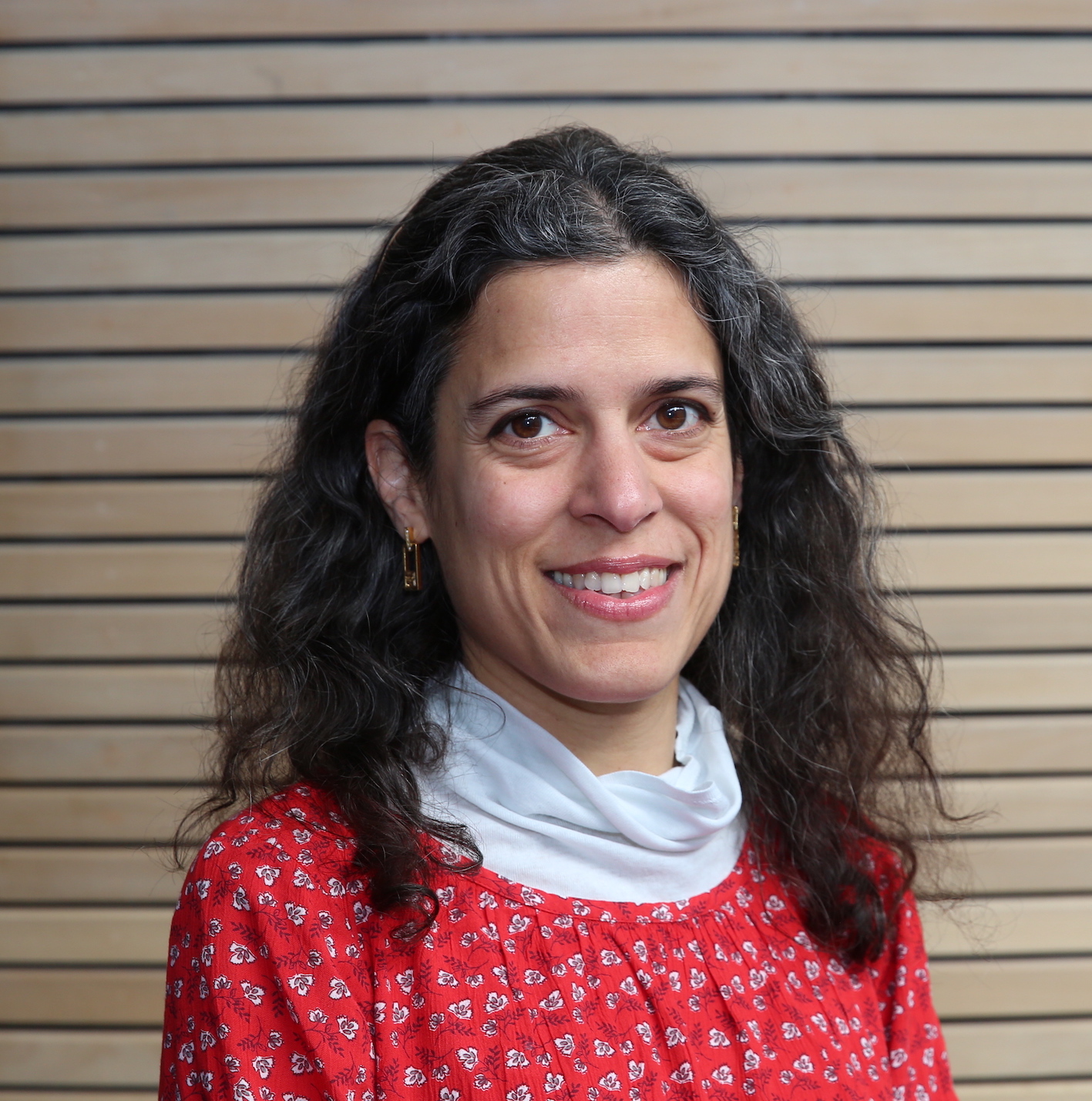
Ana Paulina Lee is an Assistant Professor of Writing and Digital Humanities in the Comparative Literature, English, and Creative Writing Department at the American University of Paris. She joined AUP in 2025 after teaching Latin American literature and culture at Columbia University for eight years and serving as a Mellon Postdoctoral Fellow at Tulane University. Her interdisciplinary scholarship bridges literature, history, law, and urban studies with particular focus on marginalized narratives in the Americas. Ph.D. from University of Southern California M.A. from New York University B.A. from Binghamton University Professor Lee's research examines how stories—archival, fictional, oral—shape legal imagination, social life, and urban experience in the Americas. She specializes in the intersections of magic, law, and literature in Latin America, with particular focus on Asian and African diasporas in Brazil. Her work traces how narrative functions as both historical record and catalyst for social transformation, exploring themes of slavery, emancipation, colonial legacies, and urban memory. She approaches these topics through interdisciplinary lenses combining literary analysis with histories of labor, migration, and performance. Lee's recent publications reveal a consistent focus on marginalized narratives and their impact on social structures. Her scholarship connects legal history with cultural production, showing how magical thinking and narrative practices shape urban spaces and social relations. Works like 'Urban Sorcery, Segregation, and Spectacle in Twentieth-Century Rio de Janeiro' and 'Black Magic City' demonstrate her innovative approach to understanding the relationship between occult logics and legal frameworks in Brazilian contexts. Her research on diasporic communities, particularly Chinese and Japanese experiences in Latin America, contributes significantly to transnational and comparative race studies. David B. Larson Fellowship in Health and Spirituality, Kluge Center, United States Library of Congress (2025-2026) National Endowment for the Humanities Fellowship (2025) Social Sciences Research Council, Inaugural Recipient of Interdisciplinary Projects in the Social Sciences (2020-2023) Institute for Ideas and Imagination Fellowship, Columbia University in Paris, France (2021-2022) Provost's Tsunoda Senior Fellowship, Visiting Scholar, Waseda University, Tokyo, Japan (2019) Heyman Center Fellow, The Heyman Center for the Humanities, Columbia University (2017-2018) Fulbright, Lisbon, Portugal (2013-2014) Professor Lee's scholarly activities have been generously supported by major research grants from the National Endowment for the Humanities, the Social Sciences Research Council, and the Library of Congress. Her work demonstrates a commitment to interdisciplinary approaches that bridge humanities and social sciences, particularly through projects examining intersections of race, migration, and cultural production in the Americas. Her publication 'Socially Engaged Oral History Pedagogy Amid the COVID-19 Pandemic' indicates a strong commitment to innovative teaching methods and community-based research. While specific details about current advisees aren't provided, her research program suggests engagement with graduate students interested in diaspora studies, urban history, and literary-cultural analysis. Though not explicitly mentioned in the available information, Professor Lee's research on urban spaces, magic, and law in Brazil likely involves collaborative work with scholars across disciplines. Her participation in centers like the Institute for Ideas and Imagination at Columbia University suggests engagement with interdisciplinary research communities focused on global cultural production and social transformation. Her work contributes to ongoing conversations about how narrative practices shape legal frameworks and social structures in the Americas, particularly regarding racial formation and diasporic experiences.
Dr Rebecca Mitchell is an Affiliated Lecturer in the French Section of the Faculty of Modern and Medieval Languages and Linguistics at the University of Cambridge, based at the Raised Faculty Building on Sidgwick Avenue. Her academic journey includes undergraduate studies in Modern and Medieval Languages at Cambridge, an MA in Translation and Interpreting from the University of Kent, and a PhD from Cambridge focused on syntactic variation in Gabonese French. Her educational background comprises: PhD in Linguistics (University of Cambridge) MA in Translation and Interpreting (University of Kent) Undergraduate degree in Modern and Medieval Languages (University of Cambridge) Dr Mitchell's research centers on the sociolinguistics of sub-Saharan Africa, examining language attitudes, endangerment, policy, planning, and healthcare communication. She also investigates traditional belief systems through Sub-Saharan African anthropology, emphasizing the intersection of language, culture, and power structures in Central and West African contexts. Her work consistently addresses decolonization themes and linguistic justice. Analysis of her publications reveals a dual trajectory: recent works (2023-2025) prioritize public engagement through initiatives like National Linguistics Day and educational advocacy, while earlier research (2004-2019) establishes foundational contributions to African linguistics, particularly Gabonese French syntax, language policy, and endangerment in Central Africa. No scientific awards are documented in the provided materials. She has supervised undergraduate courses since 2012 including Fr1 (Introduction to French Literature, Linguistics, Film and Thought), Fr2 (Structures and Varieties of French), Li14 (History of the French Language), and Li12 (History of Ideas about Language). Dr Mitchell currently cannot accept new doctoral students but maintains active engagement through curriculum development and public lectures. Her public engagement initiatives, notably National Linguistics Day launched in 2024, constitute a significant platform for promoting linguistic science through school talks, Civil Service workshops, and national events like the Language Show, positioning her as a key bridge between academic linguistics and public understanding.
Jenny Kehl is a Visiting Associate Professor in the Department of Political Science at McMaster University's Faculty of Social Sciences. Her academic work focuses on the intersection of political science, international relations, and environmental policy, with particular emphasis on resource politics and governance. Dr. Kehl's research interests span several critical areas of contemporary political science: International water security and transboundary water management Political economy of natural resources, particularly oil and water Human rights and environmental justice in the context of climate change Foreign investment and development strategies in emerging economies Theoretical frameworks addressing the resource curse phenomenon Her scholarly work demonstrates a clear trajectory examining how states and international actors manage critical resources, particularly in contexts of conflict and cooperation. Recent publications show an increasing focus on water security issues, environmental justice, and the intersection of climate change with social practice. Her research bridges theoretical political science with practical policy implications, particularly in the areas of resource governance and international cooperation. Dr. Kehl has received recognition for her work, with publications referenced in Wikipedia pages and picked up by news outlets. Her research has been shared among academic communities, with readers on platforms like Mendeley. Her teaching and scholarly activities include contributions to political science education, as evidenced by publications on teaching and learning in political science. She has been involved in initiatives for preparing future faculty, demonstrating commitment to academic development beyond her research interests.
Joanna Inglot serves as the Edith M. Kelso Associate Professor of Art History at Macalester College, where she teaches courses spanning modern and contemporary art, gender studies, and transnational art history. Her research focuses on feminist art, art in former Eastern Europe, and the intersections of art with gender politics and historical memory. Dr. Inglot's research interests encompass modern and contemporary art within global contexts, with a particular emphasis on feminist art movements and the art of Eastern Europe during and after communism. She explores transcultural dialogues, the body in performance art, and the role of art in political resistance, especially in post-communist societies. Her recent scholarly work reveals a strong focus on feminist art in Eastern Europe, examining figures like Natalia LL and Magdalena Abakanowicz, and extending to diasporic artists such as Shirin Neshat. Themes of memory, gender, and the political dimensions of art consistently thread through her publications. Dr. Inglot has received numerous prestigious awards and grants, including: Fulbright Fellowship American Council of Learned Societies Grant International Exchanges Commission Grant (IREX) National Endowment of the Humanities Grant Faculty Exceptional Performance Award (2022-23) Mellon Periclean Faculty Leadership Grant in the Humanities (2024-25) As an active researcher and curator, she has directed symposia at institutions like Tate Modern and is currently editing a volume on Abakanowicz and writing a book on feminism in the post-communist world. Her work is supported by significant grants that enable her to advance scholarship in art history and feminist studies.
Joshua Ignatius is a Professor of Business Analytics at the Aston Business School, part of the College of Business and Social Sciences at Aston University. He focuses on research areas including supply chain analytics, prescriptive analytics, electronic commerce, and operations management. His work often addresses challenges such as information asymmetry in supply chains, user recommender systems, and logistics optimization. He is currently accepting PhD students in topics like Information Asymmetry in Supply Chains, User Recommender Systems, and Supply Chain Analytics. His research interests are centered on leveraging data-driven approaches to improve decision-making in supply chain and operational contexts. This includes studying disruption risk management, dynamic data modeling, and the integration of AI in cloud services. He also explores strategic decisions in e-commerce logistics, customer segmentation strategies, and environmental sustainability. Recent publications highlight his contributions to supply chain resilience, optimal security in cloud computing, and sustainable manufacturing processes. For instance, his 2025 work on supply chain network viability addresses disruption risks through dynamic data strategies. Another key area is the analysis of customer behavior in product upgrades, utilizing online review data to inform quality differentiation strategies. Dr. Ignatius has collaborated on projects involving platform information sharing, manufacturer encroachment, and logistics sourcing for e-commerce firms. His research often bridges theoretical frameworks with real-world applications, emphasizing practical solutions for operational challenges. He holds a strong record of supervising PhD students and guiding projects that combine academic rigor with industry relevance. His work frequently appears in leading journals such as the European Journal of Operational Research and Journal of Operations Management.
Dr. Sheila Castilho is an Assistant Professor at the School of Applied Language & Intercultural Studies, Dublin City University (DCU). She holds a PhD from DCU (2016) and a Master's from the University of Wolverhampton and University of Algarve. Her expertise lies in machine translation (MT), post-editing, and translation technology evaluation. She co-leads the New Trends in Translation Technology (NeTTT’22) conference and chairs DCU's Master in Translation Studies and Master in Translation Technology programs. Education: Licenciatura em Letras Inglês/Português (UNIOESTE University, Brazil) Master in Natural Language Processing (University of Wolverhampton & University of Algarve) PhD in Translation Technologies (Dublin City University) Research: Focuses on document-level MT evaluation, post-editing strategies, and user-centric MT assessment. Leads the DELA project and contributed to TraMOOC/iADAATPA initiatives. Published over 40 articles and co-edited 'Translation Quality Assessment: From Principles to Practice' (Springer, 2018). Grants & Projects: DCU PI for DELA (Document-level Evaluation) PRINCIPLE project (EU Low-resource MT) ELE (European Language Equality) initiative Labs/Teams: Active in ADAPT Centre (DCU) and collaborates with international NLP/MT communities (ACL, EMNLP, WMT).
Bruno Echauri Galván serves as Associate Professor in the Department of Modern Philology at the University of Alcalá (UAH), Spain, teaching core translation courses including Introduction to Translation Theory and English-Spanish Translation across multiple degree programs in Alcalá de Henares and Guadalajara. His research centers on Translation Studies and Reception Theory, with significant contributions to intersemiotic translation (particularly in children's literature), healthcare interpreting, and film adaptation reception. As an active member of the Research Group on Interdisciplinary Reception Studies, he investigates cultural reception, literary reception, and translation through frameworks including cultural mediation, censorship studies, and myth reception. Recent publications (2021-2024) demonstrate consistent innovation in translation pedagogy, including color-based translation assessment tools, service-learning translation projects, and pandemic-era teaching adaptations. His work on collaborative writing projects, mental health communication, and Carver-Lish translation controversies reveals methodological diversity across literary, audiovisual, and healthcare domains. Dr. Echauri Galván has participated in multiple research initiatives including the JOB AND MOVE student network project (2018), Homopoly strategic partnership (2016), and InterMed healthcare mediation project (2011), where he contributed expertise in intercultural communication and translation standards. He maintains active research leadership through the Interdisciplinary Reception Studies group, examining reception phenomena across cultural, literary, musical, and translational contexts while addressing contemporary issues like censorship and myth criticism.
Rajesh Krishna BALAN is a Full-Time Professor at the School of Computing and Information Systems (SCIS) at Singapore Management University (SMU) . His research focuses on Human-Machine Collaborative Systems , Pervasive Sensing , and Health & Wellbeing technologies. Based in Singapore, he leverages mobile computing to address urban sustainability and quality-of-life challenges. PhD from Carnegie Mellon University (2006) Specializes in WiFi sensing , VR/AR , and health monitoring Advises PhD students in areas like urban mobility , empathetic design , and cyber-physical systems Beyond academia, BALAN's work bridges ubiquitous computing and public health , with applications in ageing populations , mental health analytics , and smart city optimization . His recent publications highlight cross-disciplinary approaches to sleep analysis , group behavior modeling , and contactless physiological sensing . BALAN actively contributes to educational technology through projects like Technology-Enhanced Learning frameworks. He is also a mentor in collaborative research areas including biomedical informatics and lifestyle monitoring , with a focus on mobile GPU optimization and low-power systems .
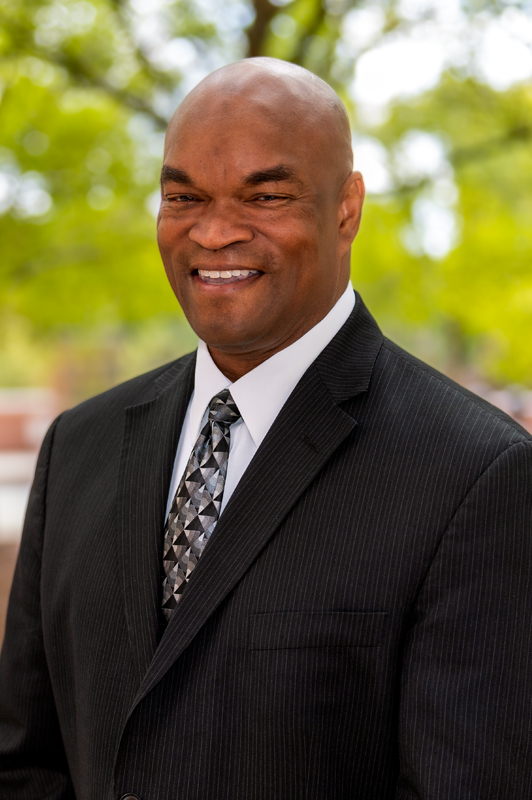
Gerry Dozier is the Charles D. McCrary Eminent Chair Professor in the Department of Computer Science and Software Engineering at Auburn University's College of Engineering. His research focuses on artificial intelligence, computational intelligence, cybersecurity, identity science, and cyber identity protection. He leads initiatives like the Center for Artificial Intelligence and Cybersecurity Engineering and contributes to Alabama's AI policy through the state commission. Dr. Dozier holds a Ph.D. from North Carolina State University and has pioneered work in adversarial machine learning, biometric security, and low-resource language NLP. Education: Ph.D. Computer Science, North Carolina State University (Raleigh) M.S. Computer Science, North Carolina State University (Raleigh) B.S. Computer Science, Northeastern Illinois University Research Themes: Combines AI with cybersecurity to address modern digital challenges. Specializes in adversarial attacks/defenses, biometric authentication systems, and ethical NLP applications in multilingual contexts. Active in developing tools for sentiment analysis in underrepresented languages and mitigating biases in automated systems. Impact: Spearheaded Auburn's AI@AU initiative with lecture series and forums. Collaborates internationally on facial recognition, malware detection, and medical AI applications like bacterial vaginosis diagnosis. His work bridges theoretical CS advancements with real-world security and ethical considerations. Labs/Teams: Directs Auburn's AI & Cybersecurity Engineering Center and contributes to interdisciplinary groups like the McCrary Institute for Cyber and Critical Infrastructure Security.
Helle Hochscheid is a University Lecturer in antiquity and heritage at University College Roosevelt, a Liberal Arts & Sciences college within Utrecht University in Middelburg. She holds an affiliation with the Humanities Research Institute for History and Art History and the Department of Ancient History and Classical Civilization. Her academic roles include coordinating the Archaeology in the Classroom project and serving on the Scientific Advisory Board of the Netherlands Institute in Athens, the Editorial Board of PHAROS: Journal of the Netherlands Institute at Athens , and the Advisory Board of Theran Press. Her research expertise spans Greek archaeology, ancient history, cultural heritage, and women’s history, with a focus on craft production (particularly sculpture and musical instruments like auloi) in ancient Greek societies. She investigates social contexts of craftsmanship, including the roles of non-elite groups and women in Athenian artistic networks. Key themes include gender diversity, migration’s societal impact, and the intersection of craft labor with early knowledge economies. Hochscheid regularly collaborates with undergraduate students, co-editing volumes such as The World on Walcheren (2024). She teaches courses including Academic Internship , Greek Art & Archaeology , and Making Society in Archaeology , emphasizing interdisciplinary education and community-engaged learning. Her work bridges academic research and public heritage through projects like Archaeology in the Classroom , which introduces transferable skills via archaeology to primary school children. Her professional contributions include organizing sessions at the EAA Annual Conference (2024) and presenting on topics like women’s work in ancient Athens. She is a member of the Engendering Ancient Economies Network (EAEN) and the TEXNH research collaboration, exploring economic and social dimensions of ancient Mediterranean crafts.
Professor Devyani Sharma is a Professor of Linguistics at Queen Mary University of London, affiliated with the Department of Linguistics within the School of Languages, Linguistics and Film. She holds a PhD from Stanford University. Her research focuses on sociolinguistics, style variation, migration, bilingualism, new varieties of English, syntax, typology, and accent bias. She has conducted extensive studies on diasporic communities, particularly Punjabi Londoners, examining dialect development and social change through projects like 'Generations of London English' and 'Accent Bias in Britain.' Her work integrates quantitative and qualitative methods, including sociolinguistic interviews, acoustic analysis, and discourse analysis. Notable contributions include studies on the role of social networks in language variation, the concept of 'lectal focusing,' and the impact of accent biases in professional contexts. She has authored/co-authored books such as From Deficit to Dialect: The Evolution of English in India and Singapore (2023) and edited volumes including English in the Indian Diaspora (2014). Professor Sharma collaborates on public engagement initiatives like Teach Real English! and Multilingual Capital , aiming to improve linguistic education and address accent bias in society. Her research has been funded by grants from the ESRC and other UK organizations, totaling over £412,000 for major projects. She serves as Associate Editor for the Journal of Sociolinguistics and contributes to international conferences and workshops.
Freda Shi is an Assistant Professor at the David R. Cheriton School of Computer Science, University of Waterloo, and a Faculty Member at the Vector Institute. She holds a Canada CIFAR AI Chair. Her research focuses on computational linguistics, natural language processing (NLP), and grounded language learning, with emphasis on multilingualism and spatial reasoning in vision-language systems. She earned her Ph.D. in Computer Science from the Toyota Technological Institute at Chicago (2024), advised by Karen Livescu and Kevin Gimpel, supported by a Google Ph.D. Fellowship. Her undergraduate degree is from Peking University (2018), with a minor in Sociology. Her academic career includes affiliations with the CompLING Lab at Waterloo and contributions to major conferences like ACL and NAACL. She has organized tutorials on NLP grounding and is actively involved in research on model robustness and cognitive insights. Awards include the Google Ph.D. Fellowship and Best Paper Nominations at ACL 2024 and EMNLP 2021, alongside her Thesis of Distinction. She teaches courses such as CS 784 (Computational Linguistics) and CS 486/686 (Artificial Intelligence), emphasizing both theoretical and applied aspects of NLP. Research trends in her articles highlight advancements in vision-language spatial reasoning, multilingualism, and model interpretability. Her work bridges cognitive science and computational methods, exploring how human language mechanisms inform the design of more trustworthy AI systems. Scientific Awards: Google Ph.D. Fellowship Best Paper Nominee (ACL 2024) Best Paper Nominee (EMNLP 2021) Thesis of Distinction (2024) Advising and Grants: As an advisor, she encourages prospective students to review her guidelines. Her grants include support from the Canada CIFAR AI Chair program and the Vector Institute. She collaborates in labs such as CompLING at Waterloo and co-organizes events at NAACL and ICLR. Labs/Teams: She leads the CompLING Lab at the University of Waterloo, affiliated with the Vector Institute. Her work integrates interdisciplinary teams focusing on grounded learning and multilingual NLP challenges.
Dr Justine Howard is an Associate Professor in Education and Childhood Studies at Swansea University's Faculty of Humanities and Social Sciences. She holds Chartered Psychologist status and is an Associate Fellow of the British Psychological Society. Her research focuses on developmental psychology, educational psychology, and the role of play in early childhood development. With over 15 years of experience in higher education, she teaches and supervises PhD students in education-related topics. Her work emphasizes play-based learning, therapeutic play, and inclusive education. Notable contributions include publications on play's developmental benefits, teacher perspectives, and the implementation of play curricula. She has presented globally on topics like play advocacy and child well-being in crisis contexts. Awards include recognition from the British Psychological Society. Current PhD supervision includes projects on social justice in Bangladesh, music education impacts, and therapeutic play in healthcare settings. Howard's research spans international collaborations and policy engagement, such as advising on Welsh educational initiatives.
Mahadev Satyanarayanan is the Jaime Carbonell University Professor of Computer Science at Carnegie Mellon University. His multi-decade research focuses on performance, scalability, availability, and trust in distributed systems spanning cloud to mobile edge computing. He pioneered foundational concepts in mobile computing and Edge Computing through his seminal work on VM-based cloudlets. His current research explores cloudlet-based Edge Computing for latency-sensitive applications, wearable cognitive assistance systems integrating augmented reality, and edge-based machine learning frameworks for efficient training data discovery. He collaborates with Dan Siewiorek, Martial Hebert, and Bobby Klatzky on transformative applications. Dr. Satyanarayanan received his PhD from Carnegie Mellon University after completing Bachelor's and Master's degrees at the Indian Institute of Technology, Madras. His honors include ACM and IEEE Fellowships recognizing his contributions to distributed systems and mobile computing. ACM Fellow IEEE Fellow