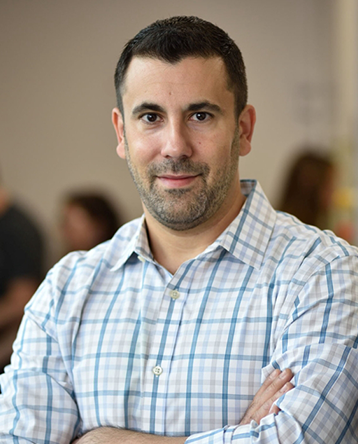
Michael McAlpine is a Professor in the Mechanical Engineering department at the University of Minnesota . He also holds affiliations with the Biomedical Engineering and Electrical and Computer Engineering departments. His research focuses on 3D printing functional materials & devices , Nanoscale inks , Biomedical devices , Bioelectronics , and Flexible Microsystems . Research Interests : 3D Printing, Biomedical Engineering, Nanotechnology, Flexible Electronics, Microfluidics Labs : ME 361/363 Contact : mcalpine@umn.edu , (612) 626-3303, ME 117 Recent Research Trends include 3D Printed Biomedical Devices , Flexible Electronics , and Bioprinting Applications . His work spans from Spinal Organoid Formation to Programmable Drug Release Capsules . Scientific Award : Circulation Research 2020 Best Manuscript Award
Kelly Arnold is an Associate Professor in the Department of Biomedical Engineering at the University of Michigan. Her research integrates systems engineering principles with immunology to investigate variability in immune responses across infection, vaccination, and injury, with a focus on computational modeling and clinical translation. Research Focus Systems-level immune response modeling Vaccination and antibody functionality Vaginal microbiome-host interactions Chronic lung disease progression Computational serology and proteomics Recent Work Her 2025 studies examine SARS-CoV-2 vaccination responses in cancer patients and computational frameworks for vaginal probiotics. Earlier works (2024-2007) span COPD progression, lupus fibrosis, HIV susceptibility, and tissue engineering for fertility preservation. Methodologies include proteomic profiling, network modeling, and microfluidic systems.
Rhenish Friedrich Wilhelm University of BonnGermany
Prof. Waldemar Kolanus leads the Molecular Immunology and Cell Biology department at the University of Bonn's Life & Medical Sciences Institute (LIMES) . His research bridges immunoregulation , stem cell dynamics , and metabolic stress responses in immune cells. Unit 2 member at LIMES Principal investigator in SFB 704 and ImmunoSensation Cluster Leads a multidisciplinary lab with postdocs, PhD students, and technical staff His work focuses on intracellular signaling pathways connecting immune activation to tissue homeostasis, particularly through: Cytohesin proteins in integrin-mediated adhesion and migration TRIM71 in stem cell regulation and congenital hydrocephalus High-salt environments affecting macrophage function Publication trends show expertise in immune cell migration , genetic models , and chemical inhibition , with frequent use of mice and zebrafish for in vivo studies. Key articles explore: TRIM71's dual role in auditory development and germ cell maintenance Cytohesin family's Golgi regulation and insulin signaling Ruxolitinib's off-target migration inhibition of dendritic cells Contact details: Address: LIMES Institute, Carl-Troll-Straße 31, Bonn Email: kolanus.sekretariat@uni-bonn.de Phone: +49 228 73-62788
Karoline Faust is an Associate Professor at KU Leuven, affiliated with the Laboratory of Molecular Bacteriology (Rega Institute) and the Faculty of Medicine . She contributes to the iSi Health and Leuven One Health institutes, and serves on senior academic councils. Her research spans microbial systems biology, focusing on community dynamics and network analysis. Education: PhD in bioinformatics (2010, KU Leuven) Affiliations: KU Leuven, ISME Journal editorial board, Belgian Society for Microbiology Her research investigates microbial community dynamics , systems biology approaches to microbiomes, and bioinformatics tool development . She specializes in modeling human gut microbiota , synthetic microbial communities , and environmental microbiomes (e.g., microplastic impacts on Daphnia microbiomes). Her work integrates metabolic modeling , network analysis , and experimental systems to understand microbial interactions. Recent publications highlight her contributions to microbial network inference , 16S rRNA sequencing protocols , microfluidics , and ecological modeling of microbiomes. She develops tools like manta , miaSim , and CoNet to analyze community structures. Teaching: Karoline co-teaches courses in microbiology, bioinformatics, and network analysis at KU Leuven, and has contributed to international workshops on microbial network inference. Scientific Engagement: She serves as Senior Editor at ISME Journal and Secretary of the Belgian Society for Microbiology .
Leibniz Institute for Zoo and Wildlife ResearchGermany
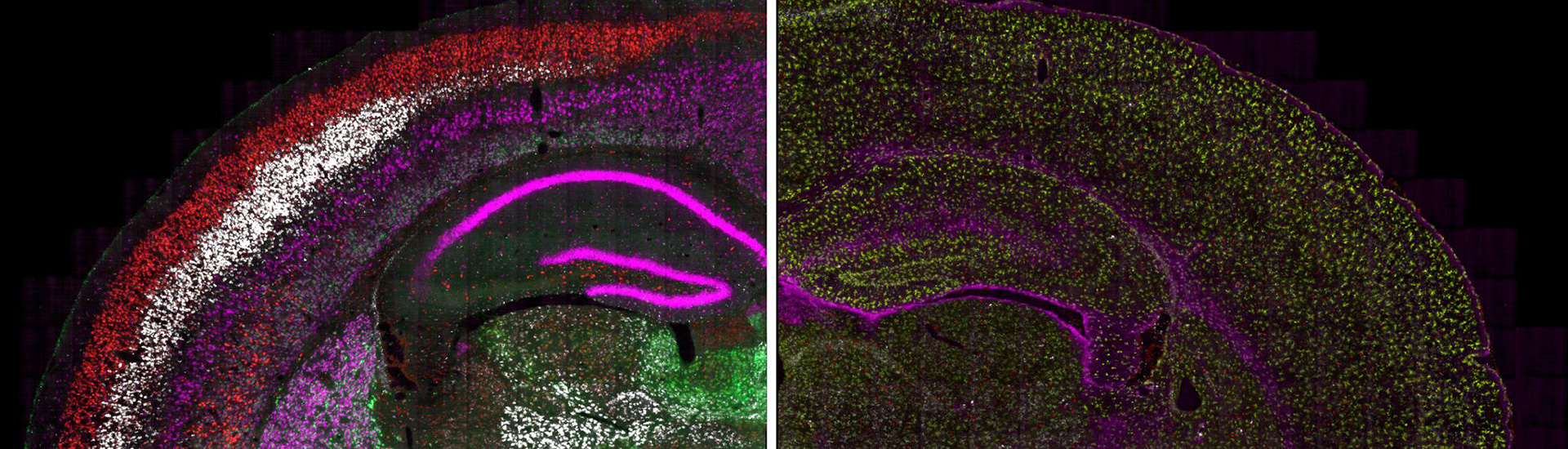
Omer Bayraktar is a Group Leader at the Wellcome Sanger Institute , leading research in the Cellular Genomics Programme. His work focuses on decoding human brain cellular diversity using spatial transcriptomics , imaging , and functional screening to study neural complexity in health and disease. Bayraktar's educational background includes a PhD from HHMI under Chris Doe, investigating neural diversity development in Drosophila , followed by postdoctoral work at University of California, San Francisco and University of Cambridge as a Life Sciences Research Foundation Fellow. He developed a spatial transcriptomic pipeline during his postdoc to analyze astrocyte heterogeneity in the cerebral cortex. His research explores neural cell type mapping , glial-neuronal interactions , and cellular pathways in neurodevelopmental disorders . Recent publications emphasize 3D tissue mapping , multi-omic integration , and computational tools like Cell2fate and WebAtlas. His work bridges neurogenetics and computational biology to advance understanding of human tissue ecosystems. Bayraktar's lab collaborates with the Human Cell Atlas initiative and develops technologies such as automated histology pipelines and highly-multiplexed smFISH for molecular cell typing. His team also investigates glia-based therapies and astrocyte functional heterogeneity in neurodevelopmental contexts. Key scientific contributions include: Discovering astrocyte layer patterns independent of neuronal laminae Developing cell2location for spatial cell mapping Characterizing Drosophila neural stem cell models with human relevance Notable awards include the Life Sciences Research Foundation Fellowship during his postdoctoral training. His current group includes a PhD student , Senior Data Scientists , and Bioinformaticians .
University of Illinois Urbana-ChampaignUnited States
Leonardo Chamorro is a Professor in the Department of Mechanical Science and Engineering at the University of Illinois at Urbana-Champaign (UIUC), with affiliations in Earth Science and Environmental Change, Aerospace Engineering, and Civil and Environmental Engineering. His research focuses on fluid dynamics, renewable energy systems, and turbulence modeling. He holds a Ph.D. in Civil Engineering from the University of Minnesota (2010) and has held academic positions at UIUC since 2013, advancing to Full Professor in 2024. Chamorro's work spans experimental and theoretical investigations of wind and hydrokinetic energy, geophysical flows, and particle dynamics. His research group, the Renewable Energy & Turbulent Environment Group (RE-TE-G), explores topics like tidal flow multifractality, vortex dynamics, and bio-inspired robotics. Key achievements include Nature and Lab on a Chip cover articles, and contributions to turbulence modeling for tidal energy systems. He has received awards such as the Best Paper Award in Energies (2018) and recognition for pandemic-related research (2021). His editorial roles include associate editorships at journals like Journal of Renewable and Sustainable Energy and Frontiers in Energy Research . Chamorro has supervised numerous graduate students and postdocs, contributing to over 150 peer-reviewed publications since 2009.
Lukas Hiendlmeier is a Researcher at the Technical University of Munich, affiliated with the Munich Institute of Biomedical Engineering (MIBE) and the Associate Professorship of Neuroelectronics led by Prof. Bernhard Wolfrum. He holds a Master of Science in Mechanical Engineering from TUM. His research focuses on advanced fabrication technologies such as 3D printing, laser micromachining, and polymer material science, with applications in neuroelectronics and biomedical devices. Hiendlmeier’s work emphasizes developing self-folding bioelectronic interfaces, flexible electrodes, and implantable neural devices for peripheral nerve interfacing. His contributions include innovations in 4D printing techniques, thermoformed materials, and origami-inspired electrode designs. He collaborates on projects involving cell manipulation, microfluidic lab-on-a-chip systems, and closed-loop neural stimulation systems. Publications span topics like self-folding bioelectronics, flexible sensor arrays, and nanorobotics, showcasing expertise in materials science and biomedical engineering. His research bridges fundamental science and translational applications, addressing challenges in neural prosthetics, wearable diagnostics, and tissue engineering. Hiendlmeier is actively involved in the neuroTUM initiative and contributes to interdisciplinary teams at TUM, focusing on advancing neurotechnology through innovative fabrication methods and biomaterials.
Hang Lu is an Associate Professor in the Department of Communication and Media at the University of Michigan's College of Literature, Science, and the Arts. He specializes in science, health, environmental, and risk communication (ComSHER), with a focus on media psychology. His research explores audience responses to media messages about sensitive topics and strategies to enhance message effectiveness. Lu holds a Ph.D. in Communication from Cornell University (2018), along with advanced degrees from Cornell, Marquette University, and Central South University in China. He directs the Media and Risk (MaR) Lab and previously served as a postdoctoral fellow at the Annenberg Public Policy Center. His research spans four main areas: 1) emotion dynamics in media responses, 2) predictors of information behaviors, 3) media effects on stigmatization, and 4) AI applications in sensitive domains. He has published in journals like Journal of Communication , Risk Analysis , and Public Understanding of Science , earning multiple top paper awards. As Vice Chair of the Environmental Communication Division at the International Communication Association, Lu contributes to interdisciplinary dialogue. His work addresses critical societal issues such as climate change communication, vaccination hesitancy, and emerging technology ethics.
University Medical Center Hamburg-EppendorfGermany
Martin Gosau is a Professor at the Clinic and Polyclinic for Oral and Maxillofacial Surgery within the Medical Faculty of the University Medical Center Hamburg-Eppendorf (UKE). His research focuses on Oral Surgery , Maxillofacial Surgery , and Regenerative Medicine , with a strong emphasis on Dental Implants , Head and Neck Cancer , and Oral Pathology . University: University Medical Center Hamburg-Eppendorf School: Medical Faculty Department: Oral and Maxillofacial Surgery Academic Rank: Professor His recent work explores: Oral Health in Genetic Disorders (e.g., hypophosphatasia) Advanced Surgical Techniques (e.g., nanosecond lasers, fluorescence angiography) Biomaterials and Tissue Engineering (e.g., silk fibroin membranes, extracellular vesicles) Cancer Prognostics (e.g., DCBLD1 overexpression in HNSCC) Key trends in his 15 most recent articles include applications of machine learning in oral diagnostics, stem cell research for bone regeneration, and biomaterials in reconstructive surgery. He frequently collaborates with Ralf Smeets and Thomas Vollkommer , with publications spanning Frontiers in Immunology , Oral Surgery , and Scientific Reports .
Mahipal Singh is a Professor of Animal Biotechnology and Coordinator of the Animal Science Undergraduate Program at Fort Valley State University (FVSU), where he is affiliated with the College of Agriculture, Family Sciences and Technology and the Department of Agricultural Sciences. He has been at FVSU since 2000 in various capacities, progressing from Adjunct Biology/MPH Graduate Faculty to his current position as full Professor since 2019. Dr. Singh earned his educational credentials in India: a B.S. (Hons) in Zoology from Meerut College (1978), an M.S. in Zoology from the Institute of Advanced Studies, Meerut University (1983), and a Ph.D. in Zoology-Microbiology from Banaras Hindu University, Varanasi (1989). His academic journey included prestigious appointments such as International Visiting Fellow at the National Institute of Child Health and Human Development, NIH (1991-1993) and Postdoctoral Fellow at the Medical University of South Carolina (1989-1991). His research focuses on cutting-edge areas of animal biotechnology, particularly in postmortem cell recovery, genome editing in livestock, and myostatin gene targeting. Dr. Singh has pioneered work demonstrating that individual cells remain viable in mammalian tissues for much longer periods after death than previously believed, with applications for cellular therapies and germplasm preservation. His work with CRISPR/Cas technology aims to reduce milk allergens and mastitis in goats, while his myostatin research seeks to enhance muscular mass in meat goats for agricultural applications. Analysis of his recent publications reveals a consistent focus on cellular viability after death across multiple livestock species (cattle, goats, sheep), with particular attention to temperature effects and storage conditions. His work bridges basic cellular biology with practical agricultural applications, demonstrating how fundamental discoveries about postmortem cellular life can translate into biotechnological advances for livestock preservation and improvement. USDA-ARS 1890 Faculty Research Fellowship Award (2017) STEM Research Excellence Award, Fort Valley State University (2014-15) Multiple student research presentation awards at FVSU Annual Research Day symposiums Best Poster Award at National Symposium on Biotechnology, CIMAP, Lucknow, India (1999) Fogarty International Visiting Fellowship at NIH (1991-93) Dr. Singh has supervised an impressive 38 students across multiple educational levels, including 4 PhD, 13 MS, 7 BS, 8 HS, and 6 middle school students. His research has been supported by USDA-ARS, USDA-NIFA programs, and various other grants. He serves on multiple editorial boards, grant review panels, and university committees, and is an active member of professional societies including the American Society of Animal Science and Society for In Vitro Biology. Based in the Stallworth Biotechnology Building at FVSU, Dr. Singh leads research projects that bridge molecular biology with practical agricultural applications, working collaboratively with researchers from USDA-ARS, University of Illinois, University of Maryland, and other institutions to advance animal biotechnology and improve livestock production systems.
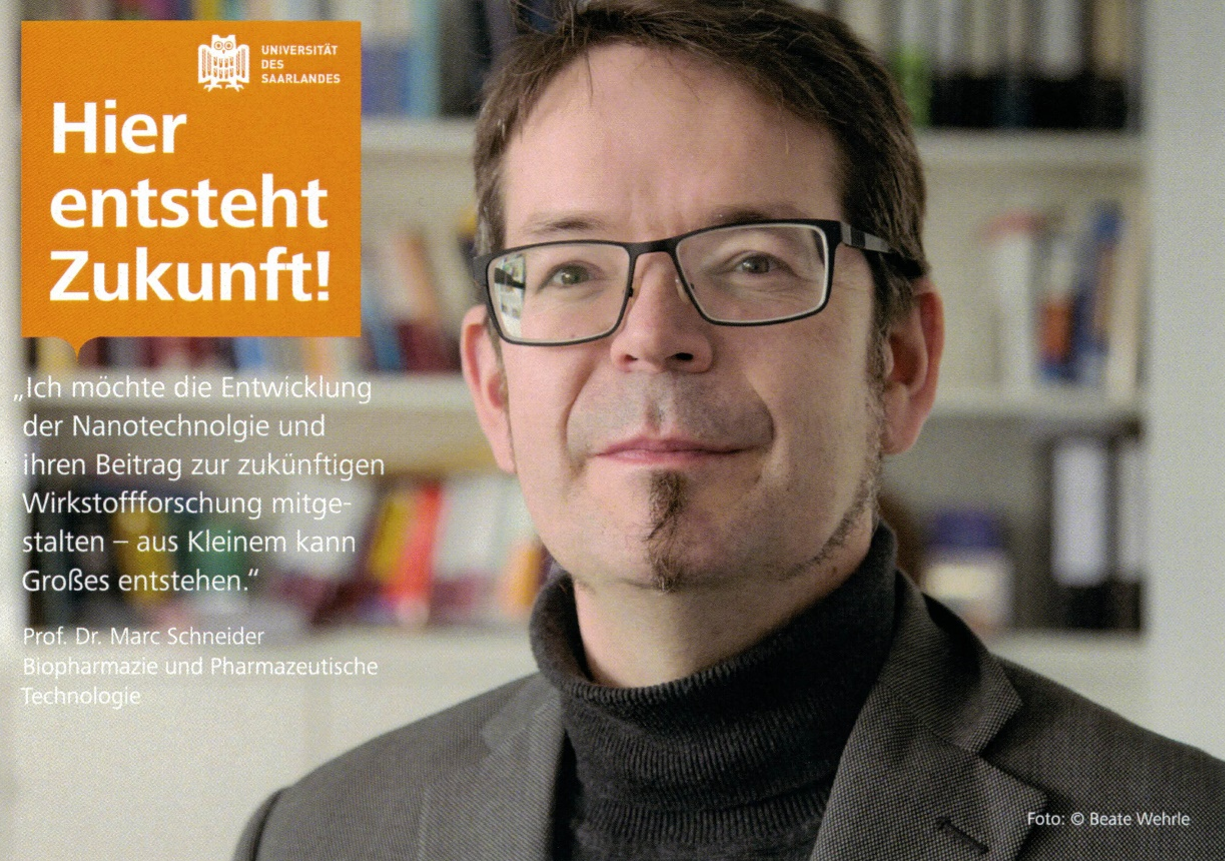
Prof. Dr. Marc Schneider holds a professorship in Biopharmaceutics and Pharmaceutical Technology at Saarland University's College of Pharmacy . His research focuses on colloidal drug delivery systems, particularly nanostructured and non-spherical particle engineering for overcoming biological barriers in pulmonary and transdermal applications. He leads an internationally recognized lab in Saarbrücken, collaborating with Helmholtz Institute for Pharmaceutical Research Saarland (HIPS) and trinational institutions. Research Highlights: Development of inhalable nano/microparticle systems Surface modification of gelatin nanoparticles Characterization of mucus-penetrating particles 3D printing for microneedle fabrication Atomic Force Microscopy (AFM) for nanoparticle analysis Selected Scientific Awards: European Journal of Pharmaceutics and Biopharmaceutics Best Paper Award (2018) for mucus-penetrating nanoparticles Recognized in 'Ausgezeichnete Orte im Land der Ideen' competition (2018) for 'Nano-Mais' drug delivery system Collaborative Networks: Co-editor for Advanced Drug Delivery Reviews special issue on biological barriers Key participant in trinational Master's program in Biomedicine with Strasbourg, Mainz, and Luxembourg Active in Controlled Release Society (CRS) conferences and local chapters
Associate Professor Khoon Lim is a biomedical engineer specializing in polymer chemistry and biomaterials, affiliated with the School of Medical Sciences at the University of Sydney. He holds a PhD in Biomedical Engineering from UNSW Sydney and has conducted postdoctoral research at the University of Otago. His research focuses on hydrogels for tissue engineering, 3D bioprinting, and regenerative medicine, with over $8M in grant funding. Lim leads the Light Activated Biomaterials (LAB) research group and is a member of prestigious organizations like the Australasian Society for Biomaterials and Tissue Engineering. Education: BE (Chemical Engineering, Hons 1) and ME (Biomedical Engineering) from UNSW Sydney, followed by a PhD in Biomedical Engineering (2014). Postdoctoral fellowship at University of Otago Christchurch (2019). Research Interests: Biofabrication, 3D bioprinting, hydrogels for tissue regeneration, cardiovascular applications, and chronic disease management. Current projects include developing bioinks for functional tissues, smart delivery systems for growth factors, and cancer models for drug screening. Key Achievements: ARC Future Fellow (2022), Rutherford Discovery Fellowship (2021), and over 170 publications in journals like Advanced Materials and Biofabrication . Holds patents in hydrogel technologies. Leadership Roles: President of ASBTE, Board Member of ISBF, and editorial board positions in journals such as RSC Biomaterials Science . Active in translational research through collaborations in Australia, New Zealand, Europe, and Asia.
Adam Feinberg is a Professor in the Departments of Biomedical Engineering and Materials Science and Engineering at Carnegie Mellon University (CMU). He leads the Regenerative Biomaterials & Therapeutics Group, focusing on cell-material interactions, 3D bioprinting, and bioengineered tissues. His work integrates nanofabrication, molecular biology, and 3D imaging to address challenges in muscle repair, corneal regeneration, and cancer. Key innovations include the FRESH bioprinting platform, enabling soft ECM gel-based constructs, and ECM shrink-wrapping techniques for cell encapsulation. Feinberg holds a Ph.D. and MS in Biomedical Engineering from the University of Florida (2004, 2002) and a BS in Materials Science and Engineering from Cornell University (1999). He has secured major grants, including ARPA-H funding for diabetes treatments and Canada’s New Frontiers Fund for heart disease therapies. His research has led to over 45 peer-reviewed articles and 20 patents. His scientific awards include the NIH Director’s New Innovator Award and NSF CAREER Award. Media highlights include breakthroughs in vascularized tissue models and biodegradable actuators. Feinberg collaborates widely, advancing clinical translation of bioprinted tissues and sustainable bio-bots.
Christos Tapeinos is a Lecturer in Pharmaceutical Sciences at the University of Manchester, specializing in pharmaceutical nanotechnology for treating brain diseases (e.g., glioblastoma, neuroinflammation) and pancreatic cancer. His research focuses on developing smart nanomedicines, advanced in vitro models (e.g., fluidic systems mimicking brain environments), and stimuli-responsive nanomaterials to overcome biological barriers like the blood-brain barrier. He leads the development of skin-mimicking models for subcutaneous drug delivery as a Co-Investigator in the HALo program. Education: Docent in Pharmaceutical Nanotechnology (2022) PhD in Materials Science (2013) MSc in Materials Science (2010) BSc in Materials Science (2006) Research Interests: Drug delivery systems, nanoparticle engineering, in vitro disease models, biomimetic materials, and translational nanomedicine. He integrates nanotechnology with precision medicine to address complex diseases. Recent Articles Trends: Focus on nanoparticle-cell interactions, phototherapy systems, graphene-cerium oxide hydrogels, and targeted theranostics. Highlights include ROS-scavenging systems and multi-stage nanovectors for CNS pathologies. Awards: Marie Skłodowska-Curie Actions Fellowship. Grants/Projects: Supported by EPSRC, The Royal Society, and Translation Manchester. Active in the Hub for Long-Acting Technologies (2024–2030). Labs/Teams: Leads research groups developing fluidic BBB models, skin-mimicking drug diffusion systems, and nanomaterial-based therapies.
Maria Manuela Pintado is Full Professor and Director of CBQF research center at Universidade Católica Portuguesa's Faculty of Biotechnology. She leads interdisciplinary research in sustainable food systems and functional ingredients. Research domains include: Valorization of agro-industrial byproducts Development of bioactive edible films Design of functional foods for chronic disease prevention Circular economy applications in food systems Recent publications (2023-2025) show strong focus on sustainable biomaterials and health-promoting ingredients, with notable increases in circular economy applications and precision nutrition studies. Key innovations include antiviral biopolymers from yeast and bioactive films for food preservation. Awards include recognition for circular economy innovations and upcycling research. Directs extensive EU-funded projects including THRIVE (€4M) and CIRCUL-A-BILITY, supervising large research teams and industrial partnerships.