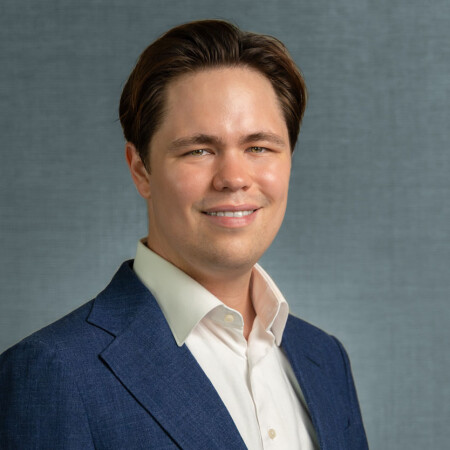
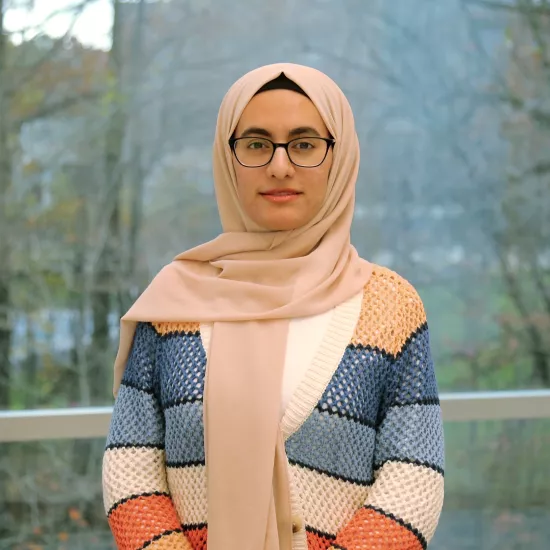
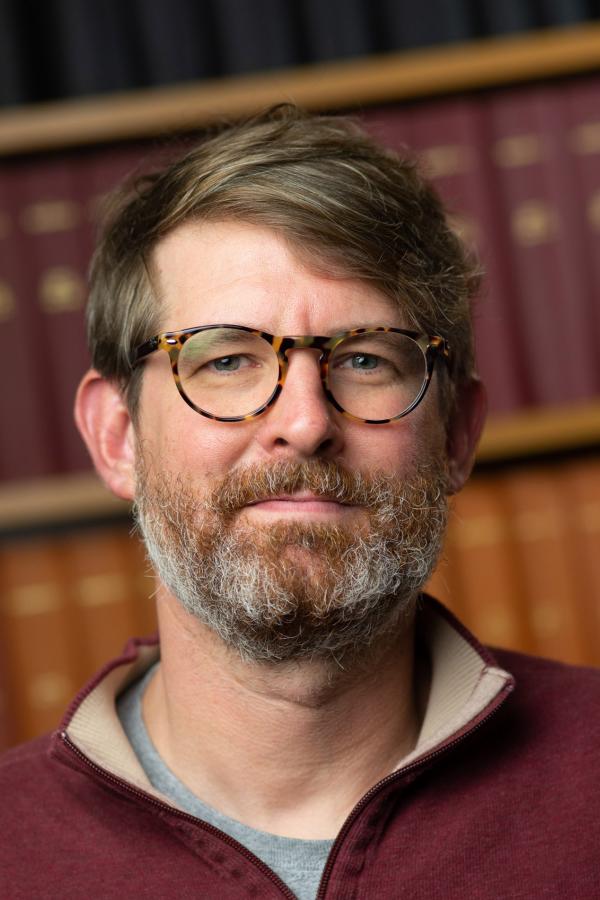
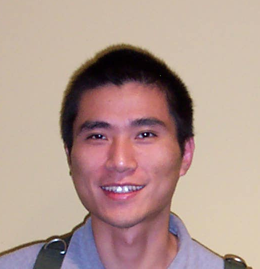
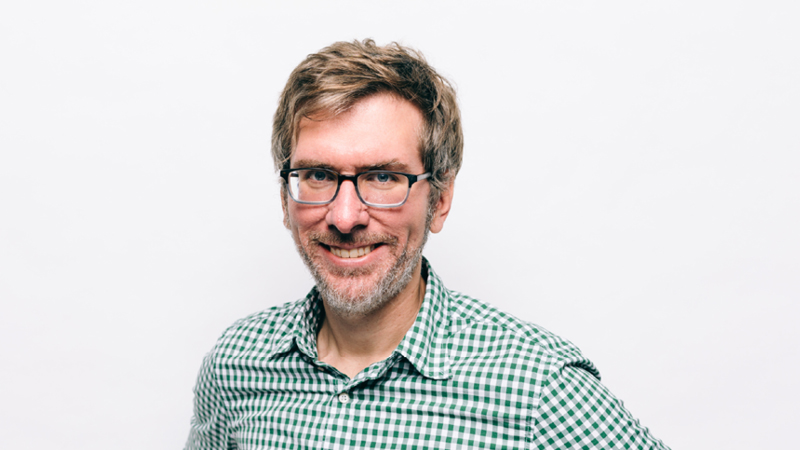
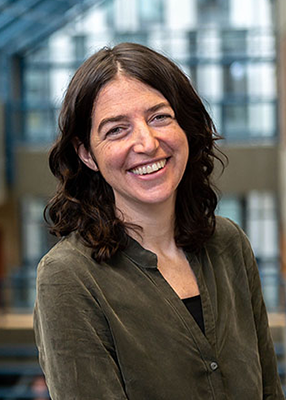
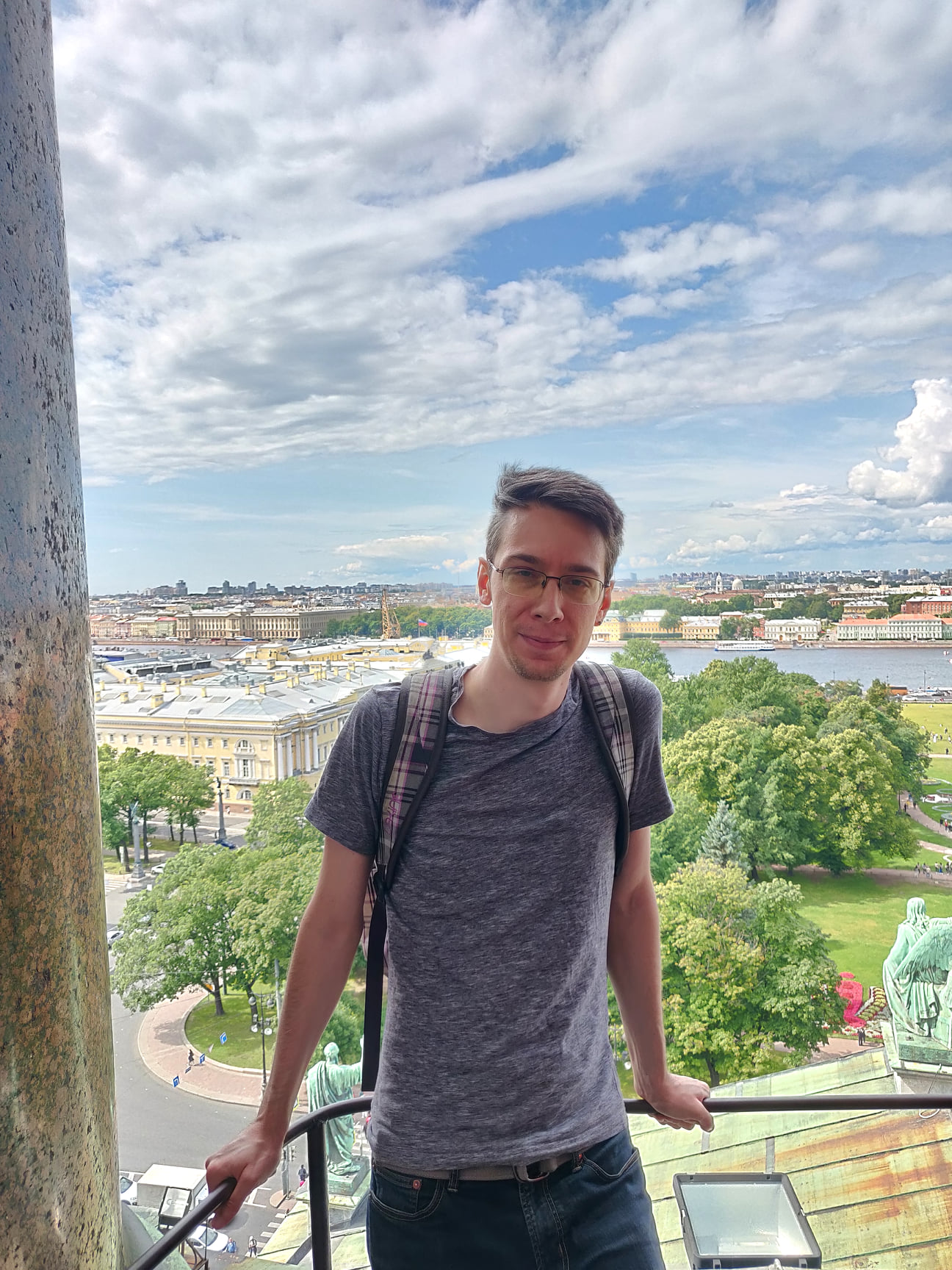
Prof. Sander Bohte is a part-time full professor of Computational Neuroscience at the University of Amsterdam (Swammerdam Institute of Life Sciences) and an honorary full professor of Bio-inspired Neural Networks at the University of Groningen. He serves as a Scientific Staff Member and Group Leader in the Machine Learning department at CWI, Amsterdam. His work bridges computational neuroscience and machine learning with a focus on continuous-time information processing. Key research interests include: Spiking Neural Networks with predictive coding and multi-compartment models Biologically Plausible Learning in recurrent and deep architectures Working Memory modeling via reinforcement learning Neuromorphic Computing for real-time systems and GPU acceleration His recent publications highlight trends in neural adaptation , predictive coding , and SNN hardware-software co-design . Awards include the Veni Innovational Research Grant (2004) and ERCIM grant (2013) . He actively supervises MSc theses and leads grants like the NWO KIC project 'Selfhealing Neuromorphic Systems' (2024).
Connor Delaney is an Assistant Professor in the Department of Chemistry and Biochemistry at the University of Texas at Dallas, part of the School of Natural Sciences and Mathematics. He joined the faculty in August 2023 after completing a Ruth L. Kirschstein NRSA Postdoctoral Fellowship at the University of California, Berkeley. Education: PhD in Chemistry, University of Illinois at Urbana-Champaign (2020) BS in Chemistry, Northeastern University (2014) His research focuses on organometallic chemistry and synthetic methodology , particularly in developing new methods for Csp3 bond formation and the synthesis of saturated heterocycles —key structural motifs in pharmaceuticals and agrochemicals. The Delaney Lab emphasizes mechanistic understanding, training students in the synthesis of sensitive organometallic compounds and strategies for elucidating reaction pathways. His recent publications in journals like Science and J. Am. Chem. Soc. reveal a strong focus on cross-coupling reactions , especially the Suzuki-Miyaura reaction , with deep mechanistic investigations into boronate pathways and alternative catalytic cycles. His work bridges fundamental organometallic principles with practical synthetic applications. Scientific Awards: Ruth L. Kirschstein NRSA Postdoctoral Fellowship (NIH F32), National Institutes of Health (2021) Denmark Group Kobayashi Student Mentorship Award (2019) J. C. Martin Memorial Student Travel Award, University of Illinois at Urbana-Champaign (2019) Dr. Delaney advises a growing research group, including PhD students and a postdoctoral scholar, preparing them for careers in both industry and academia. His lab has secured independent funding to support its research program. The Delaney Lab, launched in August 2023, is actively investigating oxidative addition reactions, C–H activation, and base-free cross-coupling methodologies. Research Lab: Delaney Lab at UT Dallas Focus: Organometallic Reactivity, Synthetic Methods, Reaction Mechanism
Samar Sabie is an Assistant Professor at the Institute of Communication, Culture, Information and Technology (ICCIT) at the University of Toronto, where she also serves as Program Director for the Technology, Coding, and Society (TCS) program. She holds a graduate appointment at the Daniels Faculty of Architecture, Design, and Landscape, reflecting her interdisciplinary work bridging technology, design, and social justice. She leads the Open Design Collaboratory, a research space focused on critical and community-centered design practices. Education: Doctor of Philosophy, Department of Information Science, Cornell University/Cornell Tech, 2022 Master of Science, Department of Computer Science, University of Toronto, 2017 Master of Architecture, John H. Daniels Faculty of Architecture, Landscape, and Design, University of Toronto, 2015 Honors Bachelor of Science (Architecture and Computer Science), University of Toronto, 2011 Her research investigates design as a socio-material practice that fosters community adaptive capacity toward sustainable change. Drawing from architecture, software engineering, ethnography, and philosophy, she explores participatory design , unmaking , and design for social justice . Her work critically engages with how communities resist, adapt, and reimagine technology in contexts of displacement, scarcity, and inequality. Her recent publications, appearing in top venues like CHI , CSCW , and DIS , reveal a strong thematic focus on unmaking as a design strategy for emancipation and agonism, mobility justice , e-waste practices , and cultural memory through design. These works collectively emphasize community agency, ethical ambiguity, and the political dimensions of design. Scientific Contributions: Director, Open Design Collaboratory Program Director, Technology, Coding, and Society (TCS) Graduate Faculty, Daniels Faculty of Architecture, Design, and Landscape Current Courses: CCT204 Design Thinking I, CCT477 Understanding Users Samar Sabie actively mentors students and collaborates on research focused on humanitarian technology, critical making, and design education. Her projects often involve community engagement, participatory methods, and interdisciplinary teams. She has collaborated with and advised early-career researchers such as Dina Sabie, Awais Hameed Khan, and Taneea Agrawal on topics ranging from IDP shelter dynamics to mobility justice advocacy. Her research is supported by her deep engagement with socio-technical challenges in marginalized contexts, and she continues to push the boundaries of how design can serve as a tool for equity, care, and resistance. Future work appears to be evolving toward deeper philosophical inquiries into destruction, care, and the limits of technology.
Wenjing Rao is an Associate Professor at the Department of Electrical and Computer Engineering, College of Engineering, University of Illinois at Chicago (UIC). Her research focuses on VLSI test, fault-tolerance, reliability, and hardware security in emerging nanoelectronic systems. Education: Ph.D. in Computer Science from University of California, San Diego (2008) B.S. in Computer Science from Peking University (2001) Her work explores novel computation paradigms through physical unclonable functions (PUFs), defect-tolerant logic implementation, and scalable fault tolerance in many-processor arrays. Publications emphasize hardware security, reconfiguration strategies, and reliability challenges in nanoscale architectures. Notable honors include the 2017 Harold A. Simon Award for Excellence in Teaching and the 2012 NSF CAREER Award. She has contributed to key journals like IEEE Transactions on Computer-Aided Design and conferences including DATE, ASPDAC, and NANOARCH.
Prof. Dr. Harald Reiterer is a leading researcher in Human-Computer Interaction at the University of Konstanz, where he has served as Professor since 2009. His academic journey includes a Ph.D. (1991) and habilitation (1995) from the University of Vienna, followed by roles including Senior Researcher at Fraunhofer FIT and Associate Professor at Konstanz. He currently holds multiple leadership roles: Dean of the Faculty of Sciences , Senator of Section 1 , and Consulting Dean . Ph.D. in Computer Science (University of Vienna, 1991) Venia Legendi (Habilitation) in HCI (University of Vienna, 1995) His research focuses on: Interaction Design for mixed reality environments Information Visualization in immersive contexts Hybrid User Interfaces combining physical and virtual elements 3D Object Manipulation in handheld AR Behavioral Analytics through mHealth interventions Recent work explores: Avatar representation in Augmented Reality (2024) Node selection efficiency in Virtual Reality (2024) Peripheral vision toolkits for Head-Mounted Displays (2023) Hybrid interface optimization for Mixed Reality (2023) Smartphone AR extensions for Spatial Memory (2023) Key scientific contributions: Landeslehrpreis 2021 for interdisciplinary exhibition design Development of Colibri cross-reality toolkit (2023) Foundational work on Re-locations for remote collaboration (2022) He leads numerous projects including: SMARTACT (Smart Mobility, 2015-2023) SFB TRR 161 (2009-2027) on XR interface measurement Blended Library (2011-2015) for future library design
Professor Tim Denison FREng holds a joint appointment in the Department of Engineering Science and Nuffield Department of Clinical Neurosciences at the University of Oxford, where he serves as the Royal Academy of Engineering Chair in Emerging Technologies and an MRC Investigator. His research focuses on the fundamentals of physiologic closed-loop systems and developing next-generation neural interface technologies for treating chronic neurological diseases. Professor Denison received his A.B. in Physics from The University of Chicago, followed by M.S. and Ph.D. degrees in Electrical Engineering from MIT. He later completed an MBA at The University of Chicago, where he was named a Wallman Scholar. His research spans neural engineering, closed-loop neuromodulation systems, and computational neuroscience, with particular emphasis on deep brain stimulation, neural oscillations, and adaptive neurostimulation techniques. His work integrates engineering principles with clinical neuroscience to develop innovative treatments for neurological disorders. Professor Denison's approach combines computational modeling with experimental validation to optimize brain stimulation parameters for individual patients. Professor Denison has received numerous prestigious awards, including membership in the Bakken Society (2012, Medtronic's highest technical honor), the Wallin leadership award (2014), election to the College of Fellows for the American Institute of Medical and Biological Engineering (2015), and recognition as a Fellow of the Royal Academy of Engineering (FREng). As a former Technical Fellow at Medtronic PLC and Vice President of Research & Core Technology for the Restorative Therapies Group, Professor Denison brings significant industry experience to his academic work. His research group focuses on developing advanced neurostimulation technologies that incorporate chronobiology principles and adaptive algorithms to improve treatment outcomes for neurological conditions.
Professor Andrew Jackson of Newcastle University is a leading researcher in neuroscience and neuroengineering, focusing on neural interfaces, optogenetics, and epilepsy. His work spans brain-computer interfaces, spinal cord stimulation, and sleep-dependent memory processes. Key research areas: closed-loop optogenetic systems, motor cortex dynamics, cerebellar-neocortical communication, and seizure pathway analysis. Collaborations with experts like Dr. Boubker Zaaimi, Professor Yujiang Wang, and Dr. Wei Xu. Develops implantable low-power platforms for real-time neural monitoring and stimulation. His recent publications highlight advancements in neuroprosthetics for motor recovery post-stroke/spinal injury, cortical chloride homeostasis in epilepsy, and mechanisms of brain self-regulation during movement and sleep. Technologies pioneered include flexible neural electrodes, temperature self-monitoring optoelectronics, and wearable bioelectrical signal systems. His work integrates computational neuroscience with clinical applications in motor disorders and epilepsy.
Xiaoning Qian is a Professor in the Department of Electrical and Computer Engineering at Texas A&M University, where he also serves on the Faculty Advisory Committee for the Texas A&M Institute of Data Science (TAMIDS) and the Executive Committee for the Texas A&M TRIPODS Research Institute for Foundations of Interdisciplinary Data Science (FIDS). He holds a joint appointment in the Applied Math group within the Computational Science Initiative at Brookhaven National Laboratory (BNL). Previously, he was an Associate Professor (2018-2022) and Assistant Professor (2013-2018) at Texas A&M, and an Assistant Professor in the Department of Computer Science and Engineering at the University of South Florida (2009-2013). Dr. Qian received his B.S.E. and M.S.E. degrees from Shanghai Jiaotong University, China, and his M.Ph. and Ph.D. degrees in Electrical Engineering from Yale University. Dr. Qian's research focuses on developing mathematical models and computational algorithms in signal processing, machine learning, and Bayesian methods, particularly in learning, uncertainty quantification, and experimental design. His work spans multiple disciplines, with applications in life sciences and materials science. His research group, the Biomedical Imaging, Sensing, and Genomic Signal Processing Group, actively applies probabilistic models and optimization algorithms to solve complex problems in interdisciplinary domains. His research has evolved from foundational work in bioinformatics and biomedical image processing to more recent applications in materials science and broader AI for science initiatives. Dr. Qian has received numerous scientific awards and recognitions including: National Science Foundation (NSF) CAREER Award Segers Family Dean's Excellence Professorship II in the College of Engineering TEES (Texas A&M Engineering Experiment Station) Senior Faculty Fellow Montague-Center for Teaching Excellence Scholar J. T. Oden Faculty Fellow at the University of Texas, Austin Finalist of the 2023 INFORMS QSR Best Paper Faculty Impact Fellow from the Department of Electrical & Computer Engineering As an advisor , Dr. Qian has mentored numerous graduate students through their PhD and MS programs, with many of his alumni securing positions at prestigious institutions and companies including NIH/NCBI, Microsoft, Baidu Research Lab, and Qualcomm. His research has been supported by multiple grants, including an NSF CAREER award and collaborative research funding from the Information Integration and Informatics program. He is actively recruiting postdoc and graduate student research assistants for projects in machine learning and optimization methods with applications in bioinformatics and materials science. Dr. Qian is involved with several research initiatives including the Objective-Based Uncertainty Quantification (ObjectiveUQ) project, which provides a mathematical framework for integrating prior knowledge and data while enabling effective operational and experimental design under uncertainty. He also co-organizes the Bio-Seminar series for the Biomedical Imaging, Sensing & Genomic Signal Processing group at Texas A&M.
Merlin Seller is a Lecturer in Design and Screen Cultures at the University of Edinburgh's Edinburgh College of Art, appointed in 2019. They teach theory and historical/cultural context across Film, Comics, Media and Game Studies. Seller co-founded the Game Worlds research cluster within the Centre for Data, Culture and Society. Education: MA from St Andrews University MSt from Oxford University PhD from University of East Anglia (UEA) on transmedia works between film, photography and painting in interwar England Seller's research interests span Game Studies, Film Studies, Horror, Non-human theory, and Queer/Trans approaches to games. Their work explores (Post-)Phenomenology, visuality in games, and the representation of nonhuman entities in screen-based media. Seller identifies as a proudly pansexual and trans academic with a background in Art History and Visual Cultural Studies. Analysis of Seller's publications reveals a strong interdisciplinary focus bridging Game Studies with critical theory. Their work frequently examines the intersection of nonhuman perspectives, queer theory, and phenomenological experience in games and film. Recurring themes include temporal mechanics, ecological consciousness, and the materiality of digital interfaces, demonstrating a consistent engagement with contemporary theoretical frameworks in media studies. Seller supervises PhD students including Yun Lu, Trina Tian (Siyu), and Danni C. Pascuma. They also teach courses such as 'Design, Play and Games,' 'Contemporary Cinema,' and 'Introduction to Queer Studies,' while supervising Honours dissertations. Seller co-organized the 'Affecting Game Space' conference through the Game Worlds research cluster. Their creative practice includes plein air paintings of videogame environments and dark comedy comics focused on speculative futures, visible through their portfolio at dearplayer.org.
Dr Fabio Pierazzi is an Associate Professor in Information Security at the Department of Computer Science, University College London. His research focuses on enhancing systems security through AI, particularly in environments where attackers rapidly adapt to defenses. He investigates adversarial attacks, concept drift mitigation, and explainability of ML-based security systems. Research emphasizes adversarial machine learning in security contexts Works on practical applications in malware analysis and network intrusion detection Explores concept drift robustness and problem-space constraints Collaborates with industry to improve real-world security solutions His publications span top-tier venues like IEEE Security & Privacy, ACM CCS, and USENIX Security. Key themes include adversarial robustness, security evaluation methodologies, and AI's limitations in practice. He supervises research degrees and provides consultancy for security projects.
Benjamin J. Delaware is an Assistant Professor of Computer Science at Purdue University. His research focuses on programming languages, formal verification, and tools for ensuring software correctness using mechanized theorem provers. He holds a Ph.D. from The University of Texas at Austin (2013), an MSc from Washington University in St. Louis (2007), and a B.S. from Truman State University (2005). His work emphasizes practical formal methods, including static enforcement of privacy policies, compiler design for oblivious computation, and automated verification techniques. Key contributions include tools like Taypsi, KestRel, and HACCLE. His research bridges theory and practice, addressing challenges in software security, correctness, and efficiency. Publications span top venues like POPL, PLDI, and OOPSLA, reflecting a strong focus on foundational programming language concepts. Collaborations with researchers like Suresh Jagannathan and Qianchuan Ye drive advancements in automated reasoning and secure computation.
Brad Sutton is a Professor of Bioengineering at the University of Illinois Urbana-Champaign and Technical Director of the Biomedical Imaging Center at Beckman Institute. He holds affiliate roles in the Neuroscience Program, Department of Electrical and Computer Engineering, and is a Health Innovation Professor at the Carle Illinois College of Medicine. His roles also include fellowship positions with the National Center for Supercomputing Applications and the CZ Biohub Chicago. Education: Ph.D. in Biomedical Engineering from the University of Michigan (2003). Research Interests: Focus on advanced MRI techniques for structural and functional brain imaging, including diffusion-weighted imaging, dynamic imaging, and neuromuscular coupling studies. His work emphasizes multi-scale bioimaging to understand brain function across interventions, aging, and disease. Publications: Over 180 peer-reviewed articles in 2025-2024 highlight innovations in MRI technology and applications in neuroscience, including breakthroughs in laminar fMRI specificity, myelin development modeling, and Alzheimer’s biomarker studies. Recent work extends to clinical applications like aortic imaging automation and mixed reality training tools. Awards: AIMBE and ISMRM Fellowships (2017/2024), Abel Bliss Scholar (2014-), and over 9 patents in imaging techniques. Labs & Teams: Leads the Magnetic Resonance Functional Imaging Lab. Collaborates with interdisciplinary teams across engineering, medicine, and computational science to advance imaging technologies and their clinical translation.
Laura Blecha is an Associate Professor in the Physics Department at the University of Florida, specializing in astrophysics. Her research focuses on supermassive black hole (SMBH) and galaxy evolution through numerical simulations and observational collaborations. PhD from Harvard University (2012) Full Member of NANOGrav pulsar timing collaboration Associate Member of the LISA Consortium Her work spans three primary areas: SMBH Formation & Evolution : Origins of SMBHs, galaxy merger-driven growth, and intermediate-mass black hole demographics AGN Fueling & Feedback : Hydrodynamic simulations of AGN activation mechanisms and observational bias in AGN detection Binary SMBH Dynamics : Gravitational wave recoil effects, three-body interactions, and pulsar timing array detection strategies Recent publications (2025) focus on dual AGN detection with Keck AO, JWST studies of primordial galaxies, and NANOGrav gravitational wave background analysis. Her group develops sub-grid models for SMBH dynamics in cosmological simulations and investigates signatures of black hole mergers in galaxy clusters. Laura's research combines computational methods (Illustris, BRAHMA simulations) with observational validation through: JWST NIRSpec spectroscopy Pulsar Timing Array analysis Multiwavelength imaging campaigns
Dr. Lauren Emberson (she/her/hers) is an Associate Professor in the Department of Psychology at the University of British Columbia, Faculty of Arts. She directs the Baby Learning Lab, which is part of UBC's Early Development Research Group, a consortium focused on infant and child development. Prior to her position at UBC, Dr. Emberson was an Assistant Professor at Princeton University where she co-founded and co-directed the Princeton Baby and Princeton Kid Labs. Education: Postdoctoral Associate, University of Rochester (PI Aslin) Ph.D, Cornell University (PIs Amso, Goldstein, Spivey) B.Sc, University of British Columbia Dr. Emberson's research focuses on learning, perception (audition, vision, crossmodal or multisensory), language development, face/object perception, and attention in infants. She investigates these capacities using behavioral and neuroimaging techniques, particularly fNIRS (functional near infrared spectroscopy), working primarily with very young infants (birth through 1 year) and preterm/premature infants. Her work examines how infants' learning capacities contribute to rapid development of perception in ecological contexts, with implications for understanding how early life experiences affect later outcomes. Analysis of Dr. Emberson's recent publications reveals a consistent focus on infant perception, learning mechanisms, and neuroimaging methodology. Her work increasingly incorporates advanced fNIRS techniques while maintaining focus on fundamental questions about how infants learn from their environment. There's a growing emphasis on individual differences, cross-cultural comparisons, and applications to infants facing developmental challenges. Dr. Emberson serves on the editorial board of Infancy (journal of the International Congress of Infancy Studies) and is a consulting editor for the Journal of Cognitive Neuroscience . Her research has been published in top journals including PNAS, Current Biology, Psychological Science, Cognition, Developmental Science, and the Journal of Neuroscience. Dr. Emberson has secured significant research funding from prestigious organizations including the Bill and Melinda Gates Foundation, James S. McDonnell Foundation, Natural Sciences and Engineering Research Council (NSERC), Canadian Institutes of Health Research (CIHR), and the National Institutes of Health (NIH). She collaborates with clinicians at BC Women's and Children's Hospitals to understand how different early life experiences impact learning and brain development. Dr. Emberson is currently accepting graduate students into her research program. The Baby Learning Lab, under Dr. Emberson's direction, is part of UBC's Early Developmental Research Group and collaborates with multiple institutions. The lab strives to provide interactive research experiences for infants and families while advancing scientific understanding of early cognitive development. The lab acknowledges that it operates on the traditional, ancestral, and unceded territory of the xʷməθkʷəy̓əm (Musqueam) people.
Trevor Brown is an Associate Professor in the Computer Science department at the University of Waterloo, affiliated with the Cheriton School of Computer Science. He leads the Multicore Lab and specializes in concurrent data structures, non-blocking algorithms, and memory management. His research bridges theory and systems, focusing on practical implementations of lock-free trees, transactional memory, and techniques for non-uniform memory architectures. Education includes a PhD in Computer Science from the University of Toronto and a B.Sc. in Computer Science and Mathematics from York University. Research interests center on concurrent systems, with recent work exploring hardware-accelerated indexing, memory reclamation techniques, and performance anomalies in microbenchmarks. His publications demonstrate consistent innovation in parallel computing, with articles frequently appearing at top conferences like PPoPP, SPAA, and DISC. Sustainable energy research includes optimizing hybrid power systems and battery storage solutions. Awards include multiple best paper/artifact recognitions at SPAA and PPoPP, teaching excellence honors, and nominations for the Governor General’s Gold Medal. Extensive advising includes 13+ graduate students and PDFs, with research grants exceeding $965K from NSERC, Huawei, and CFI. He directs the Multicore Lab, developing open-source tools like SetBench for rigorous performance benchmarking.