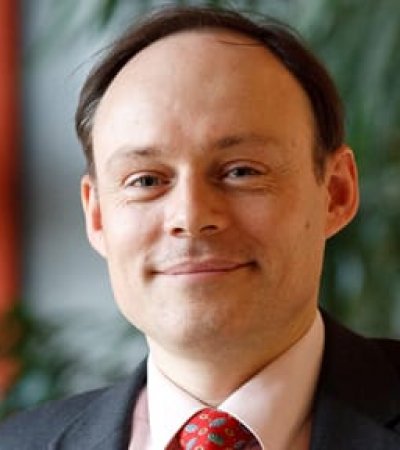
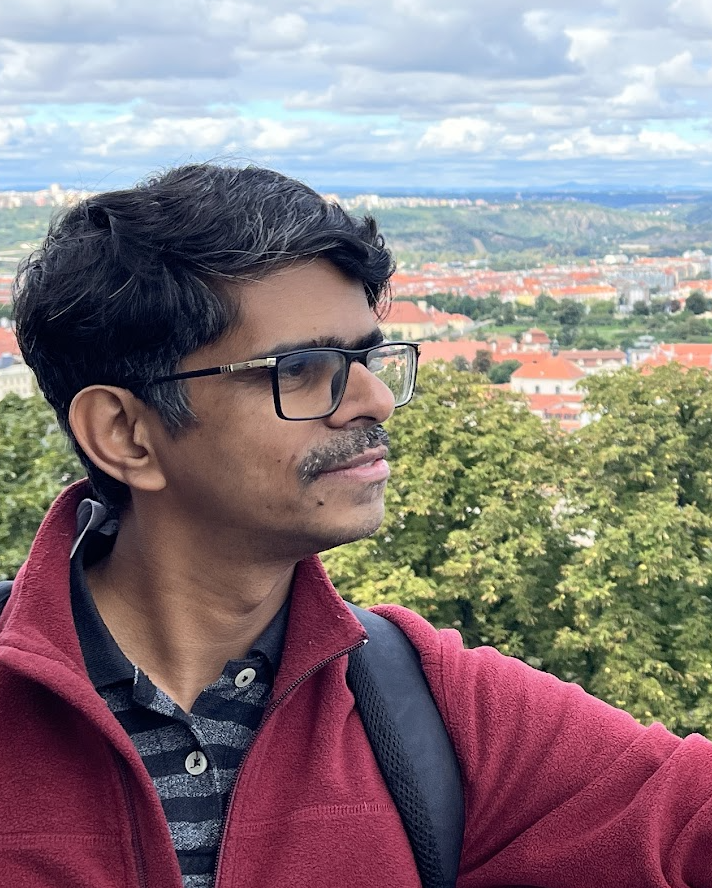
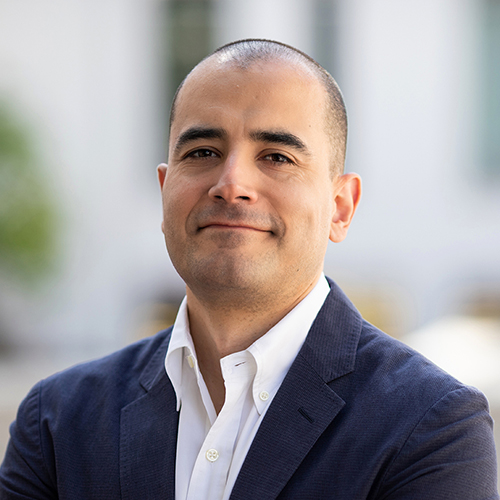
Professor Michael Pollitt is a faculty member at the University of Cambridge , holding the title of Professor of Business Economics . He serves as Director of the MPhil in Technology Policy Programme and is affiliated with the Centre for Business Research (CBR) . Additionally, he holds advisory roles on Ofwat's Water 2020 board and the National Infrastructure Commission's Regulatory Challenge Panel , and is a Joint Academic Director at CERRE Centre on Regulation in Europe . His research focuses on industrial economics , privatisation and regulation of utilities (particularly electricity), productive efficiency measurement , and the intersection of Christian ethics with business practices . He has advised numerous governmental and international bodies, including the UK Competition Commission , World Bank , and European Commission , and has consulted for major energy firms like National Grid and Eneco . His publications address critical energy and regulatory issues, with recent work exploring electricity market design , carbon pricing , net zero transitions , and infrastructure productivity . He contributes to academic governance as a member of editorial boards for journals such as The Energy Journal and Utilities Policy , and leads the Association of Christian Economists, UK .
Professor Atilla Ansal is a distinguished academic in Civil Engineering at Özyeğin University's School of Engineering, where he has served as a full-time professor since March 2012 and previously as the Founding Chair of the Civil Engineering Department from 2012-2019. With an extensive career spanning over five decades, Professor Ansal has held prominent positions at Istanbul Technical University, Bogaziçi University's Kandilli Observatory and Earthquake Research Institute, and has served as a visiting professor at numerous international institutions including Northwestern University, University of California, and Tokyo University. Northwestern University, 1978 (Doctorate) Civil Engineering, Istanbul Technical University, 1969 (Master's) Civil Engineering, Istanbul Technical University, 1969 (Bachelor's) Professor Ansal's research focuses on Earthquake Geotechnical Engineering, Soil Dynamics, Seismic Hazard Analysis, Landslide hazard analysis, Seismic Microzonation, and Laboratory and In-Situ Testing of Soil Properties. His work has significantly advanced our understanding of soil behavior under seismic loading, site response analysis, and seismic microzonation methodologies. His research has direct applications in urban planning, earthquake risk mitigation, and performance-based seismic design. Professor Ansal has pioneered approaches to site-specific earthquake characterization and developed methodologies for seismic microzonation that have been implemented in numerous Turkish cities and adopted internationally. His extensive publication record demonstrates consistent contributions to earthquake engineering, with recent work focusing on probabilistic seismic microzonation, 2D basin effects, site-specific response analysis, and performance-based design approaches. His research shows a clear evolution from fundamental soil behavior studies to practical applications in urban risk assessment and mitigation. 7th Prof.N.Ambraseys Lecturer (2024), European Association for Earthquake Engineering 15th Nonveiller Lecturer (2017), Croatian Geotechnical Society Third Prof.Dr. Rıfat Yarar Lecturer (2015), Turkish Civil Engineers Association Third Ord.Prof.Dr. Hamdi Peynircioglu Lecturer (1988) Professor Ansal has advised 15 PhD students and 27 Master's students, shaping the next generation of earthquake engineers. His leadership extends to editorial roles as Editor-in-Chief of the Springer journal 'Bulletin of Earthquake Engineering' since 2002 and Editor-in-Chief for the Springer book series on 'Geotechnical, Geological and Earthquake Engineering'. He served as Secretary General (1994-2014), President (2014-2018), and Vice President (2018-2022) of the European Association for Earthquake Engineering, significantly influencing the field internationally. His work has been supported by numerous grants from Turkish government agencies, international organizations including UNESCO, and collaborative research projects across Europe. Professor Ansal has been instrumental in establishing geotechnical monitoring systems in Istanbul, including vertical arrays for site response analysis. His leadership in the 'Earthquake Master Plan for Istanbul' and 'Seismic Microzonation for Municipalities' projects has created critical infrastructure for earthquake risk management in Turkey's most populous city. His work with GeoIst, Geotechnical Earthquake Engineering and Consultancy Inc. has translated academic research into practical engineering solutions for seismic risk mitigation.
Dr. Caitlin Wilson is a Senior Paramedic Research Fellow at the University of Hertfordshire's School of Health and Social Work, affiliated with the Centre for Applied Clinical, Health and Care Research (CACHE). Her research focuses on improving ambulance service practices through feedback mechanisms, staff wellbeing, and patient safety initiatives. Education: PhD in Psychology (2019–2023) Current Roles: Senior Paramedic Research Fellow (NHS - Yorkshire Ambulance Service NHS Trust, 2022–present); Associate Editor, British Paramedic Journal (2021–present) Wilson’s research spans clinical education frameworks, public health conversations in ambulance services, and prehospital analgesia optimization. Her recent projects include PRE-IMPACT (2023–2026) and AS USUAL (2023–2026), addressing health inequalities and pediatric trauma care. She has published extensively in paramedic science, focusing on ventilation monitoring, overdose management, and feedback systems. Key collaborations include partnerships with Yorkshire Ambulance Service NHS Trust, with network connections in clinical research, public health, and emergency medicine. Her awards include a PhD in Psychology and editorial roles advancing paramedic literature.
Cynthia Sturton serves as Associate Professor and Peter Thacher Grauer Scholar in the Department of Computer Science at the University of North Carolina at Chapel Hill. She leads the Hardware Security @ UNC research laboratory focused on developing formal verification tools for hardware security analysis. Her educational background includes a Ph.D. (2013) and M.S. from UC Berkeley, and a B.S.Eng. from Arizona State University. Her research centers on hardware security, applied formal methods, and symbolic execution techniques for identifying security vulnerabilities in processor designs before fabrication. Sturton's research demonstrates consistent innovation in hardware security verification, particularly through tools like Sylvia (symbolic execution for Verilog) and SylQ-SV (SystemVerilog analysis with query caching). Her work bridges theoretical formal methods with practical security applications, addressing critical challenges like path explosion and security property generation at scale. Nominated for Best Paper award at IEEE/ACM MICRO 2018 Intel Hardware Security Academic Award, 2nd place ($50,000) at IEEE Symposium on Security and Privacy 2020 Selected as Top Picks in Hardware and Embedded Security 2021 She advises multiple graduate students including Rui Zhang and Calvin Deutschbein, and has secured significant research funding from NSF (Grants 1816637, 651276), Semiconductor Research Corporation, Intel, Google, and UNC Chapel Hill. Her Hardware Security @ UNC lab develops critical tools for security property generation and vulnerability detection in hardware designs.
Jesualdo Cerqueira Fernandes is an Assistant Professor at ISEG - Lisbon School of Economics and Management , part of the University of Lisbon. He also serves as a researcher at the ADVANCE Centre for Advanced Research in Management, contributing to studies in information systems and management. Education: PhD in Management (ISEG, 2018), Master’s in Information Management (University of Sheffield/Universidade Minho, 1994), and Bachelor’s in Computer Science (Faculty of Sciences, University of Lisbon, 1989) His research focuses on information systems strategy , agile methodologies , gamification , and benefits management . He has explored applications of these topics in environmental sustainability, banking, and insurance sectors. His work often bridges technical implementation with organizational impact. Recent publications highlight his interdisciplinary approach, with studies on gamification for sustainability and benefits management in insurance and banking sectors. Collaborative efforts span industries such as finance, energy, and education. Scientific Award: Commendation by ISEG Dean (2022) for advisory excellence in information systems He has supervised over 40 Master’s students and contributed to curriculum development, including coordination of the Master in Information Systems Management at ISEG.
Karen Mundy is a Professor of Educational Leadership and Policy at the University of Toronto's Ontario Institute for Studies in Education (OISE), cross-appointed to the Munk School of Global and Public Affairs. She holds the distinction of being a former Canada Research Chair (2002-2012) and has served as Associate Dean of Research and Innovation (2012-2014) and Director of the Comparative, International and Development Education Centre (CIDEC) at OISE (2002-2011). Dr. Mundy's research interests focus on education in the developing world , the global politics of 'education for all', educational policy and reform in Sub-Saharan Africa, and the role of civil society organizations in educational change. Her scholarly work bridges academic research with practical policy implementation, making significant contributions to both theoretical understanding and real-world educational challenges globally. Her recent publications demonstrate a strong focus on foundational learning challenges, particularly literacy and numeracy in low-income countries, as well as responses to educational disruptions like the COVID-19 pandemic. Her influential 2021 article 'Why Do We Keep Failing to Universalize Literacy?' critically examines global education architecture and challenges prominent actors like the Gates Foundation to rethink their approaches to educational reform. Two-time winner of the Bereday award for best article in the Comparative Education Review (1998, 2015) Named among Canada's 10 best educators by Time Magazine (2002) President of the Comparative and International Education Society (2014-2015) Dr. Mundy has supervised more than two dozen PhD students to completion and has received research funding from major organizations including the Gates Foundation. Her practical policy work includes serving as Chief Technical Officer at the Global Partnership for Education (2018-2022), where she led the development of strategic frameworks and built the Education Policy and Performance Team from one person to a group of 25 technical experts. She has advised numerous international organizations including the World Bank, UNESCO, UNICEF, and the Mastercard Foundation.
Chester Rebeiro is an Associate Professor at the Department of Computer Science and Engineering within the Indian Institute of Technology Madras . His work spans hardware and software security with a focus on cryptographic implementations and microarchitectural vulnerabilities. Research interests include hardware security, applied cryptography, side channel analysis, and operating system security. He develops frameworks for automatic vulnerability detection and mitigation in cryptographic systems. Editorial Board: Associate Editor at Journal of Hardware and Systems Security (Springer, 2021-2024) Conference Leadership: General Co-Chair for SPACE 2024, Program Co-Chair for ATS 2024, and Program Co-Chair for INDOCRYPT 2023 Professional Activities: Organizer of e-CTF Embedded Capture The Flag and contributor to cybersecurity workshops across India and abroad Scientific contributions highlight two major awards: a Distinguished Paper Award at USENIX Security 2024 and a Best Paper Award at IEEE HOST 2020. His research focuses on practical security solutions for processors and cryptographic systems. Advising includes mentoring 11 PhD students and 7 MS by Research candidates, with notable co-guided projects in fault attack detection and side-channel mitigation. He actively contributes to educational initiatives through courses on Secure Processor Microarchitecture and Operating Systems.
Dr. Vera Deneer is an Associate Professor of Clinical Pharmacology at the Utrecht Institute for Pharmaceutical Research (UIPS) within the Faculty of Science at Utrecht University, specializing in the Division of Pharmacoepidemiology and Clinical Pharmacology since 2019. She also serves as a hospital pharmacist and clinical pharmacologist at the University Medical Center Utrecht (UMC Utrecht) at the Department of Clinical Pharmacy since 2017. Dr. Deneer holds significant leadership positions including Vice-Chair of the Medicines Evaluation Board (MEB-CBG) since 2019 and Chair of the Dutch Pharmacogenetics Working Group (DPWG). Dr. Deneer received her PharmD from Utrecht University in 1991 and her PhD from Groningen University in 2003, with research focused on clinical pharmacology and pharmacokinetics of antiarrhythmic drugs in atrial fibrillation. She completed clinical training in hospital pharmacy in 1994 and clinical pharmacology training in 1998. Prior to her current positions, she served as Head of the Pharmacogenetics, Pharmaceutical and Toxicological Laboratory at St. Antonius Hospital, Nieuwegein/Utrecht from 1998 to 2017. Her research focuses on personalized medicine through the study of biomarkers including genetic variants, patient characteristics, and clinical parameters to optimize drug treatment efficacy and safety. Her work primarily targets cardiovascular disease, lung cancer, and immune-mediated inflammatory diseases. She also investigates clinical reasoning and decision-making by pharmacists to improve medication management in clinical practice. Dr. Deneer serves as principal investigator for multiple research projects funded by The Netherlands Organisation for Health Research and Development. Dr. Deneer's recent publications demonstrate her leadership in pharmacogenetics guidelines development, with numerous Dutch Pharmacogenetics Working Group (DPWG) guidelines published in 2023-2025 covering gene-drug interactions for various medication classes including antidepressants, antipsychotics, anti-epileptics, and cardiovascular medications. Her work spans both clinical implementation research and educational aspects of pharmacy practice. Among her significant appointments, Dr. Deneer serves as Vice-Chair of the Medicines Evaluation Board (MEB-CBG) and Chair of the Dutch Pharmacogenetics Working Group (DPWG). She previously chaired a medical research ethics committee from 2012-2017 and serves on multiple national and hospital committees related to pharmacotherapy and drug safety. Dr. Deneer has been actively involved in mentoring pharmacy students and professionals, with recent publications focusing on clinical decision-making education for pharmacists. Her work bridges the gap between pharmacogenetic research and clinical implementation, with particular emphasis on optimizing drug treatment strategies for individual patients while minimizing adverse drug reactions.
Dr. Xiaopeng Li is the Harvey D. Spangler Professor in the Department of Civil and Environmental Engineering at the University of Wisconsin-Madison, with an affiliation in the Department of Electrical and Computer Engineering. He leads the USDOT Rural Autonomous Vehicle Program and previously directed the National Institute for Congestion Reduction. He earned his B.S. in Civil Engineering from Tsinghua University (2006), M.S. in Civil Engineering (2007), M.S. in Applied Mathematics (2010), and Ph.D. in Civil Engineering (2011) from the University of Illinois at Urbana-Champaign. His research focuses on modeling and field experiments for connected, electric, and automated vehicles (CAVs), infrastructure systems analysis, and interdependent network modeling. He has pioneered physics-enhanced machine learning frameworks for vehicle control and developed simulation tools for CAV deployment. His 2025-2024 publications highlight advancements in Connected vehicle trajectory modeling Energy consumption optimization Edge computing for autonomous operations Residual learning control systems Equity analysis in AV deployment Communication technologies for V2X Awards include: TRB Best Paper Award (2025) NSF CAREER (2015) ASCE Fellow (2024) IEEE Senior Member (2022) Multiple institution-specific fellowships He has advised 15+ graduate students, secured $35M+ in grants from NSF, USDOT, and industry partners, and chairs the IEEE ITSS Emerging Transportation Technology Testing committee. His work addresses real-world AV implementation, safety validation, and sustainable transportation systems.
Dr. Sebastian Birk is an environmental scientist and researcher at the Aquatic Ecology department within the Faculty of Biology at the University of Duisburg-Essen. His work focuses on the science-policy interface for aquatic ecosystems in Europe, emphasizing large-scale bioassessment and management under multiple stressors. He served as coordinator for the EU project MARS (2014-2018) and currently manages freshwater science initiatives at the European Topic Centre for Inland, Coastal and Marine Waters (ETC-ICM) supporting the European Environment Agency (EEA). Research Interests : Multiple stressors, ecosystem services, restoration ecology, environmental policy assessment, bioassessment methods, and climate change impacts. Teaching : Scientific writing, surface water ecology, taxonomic identification, and fieldwork in river/lake systems. Recent publications highlight integrated frameworks for freshwater restoration, stressor interactions, and policy-driven water management. Key themes include agricultural land use effects on rivers, diversification of restoration funding, and challenges in harmonizing ecological assessment across Europe. His work bridges ecological theory with practical implementation for sustainable water resource management. Projects like MARS and MERLIN reflect his leadership in addressing complex environmental issues through collaborative science and stakeholder engagement. Dr. Birk's role in the Water Framework Directive intercalibration exercises underscores his technical expertise in standardizing ecological assessment across national borders.
Lauri Heikonen is a University Lecturer at the Department of Educational Sciences, University of Helsinki, where he is affiliated with the Research and Training Group for Educational Leadership KAJO and the University of Helsinki Centre for Educational Evaluation HEA. He serves as a supervisor in the Doctoral Program in School, Education, Society and Culture and maintains an active research profile with 39 publications to date. Dr. Heikonen's research focuses on educational sciences and educational psychology, with particular emphasis on teacher education, school leadership, and educational evaluation. His work examines factors influencing teacher motivation, professional development, and the attractiveness of teaching as a profession. He has conducted significant research on teacher efficacy, school leadership practices, and educational reform implementation at various levels, often employing both qualitative and quantitative methodologies to address complex educational issues in the Finnish context and beyond. His recent publications demonstrate a strong focus on contemporary educational challenges, including the impact of the COVID-19 pandemic on teaching communities, supervisory practices in teacher education, and collaborative approaches to school development. His research consistently addresses practical educational issues while contributing to theoretical understanding in the field. Dr. Heikonen is actively involved in multiple significant research projects, including 'EDUCA: Koulutus tulevaisuutta varten' (Education for the Future, 2024-2028), 'Cornér Solveig: SFV 23672 SkolForsk' (2024-2026), 'Ahtiainen: OPH VEPO voimaa johtamiseen' (2023-2025), 'Elevating Teacher Training Programs in the UAE' (2023-2024), and 'Erasmus+ Cooperation partnerships in school education: Co-creating inclusive school communities' (2021-2024). These projects reflect his commitment to advancing educational practices through research and international collaboration. As a supervisor in the doctoral program and through his active participation in conferences and peer review activities, Dr. Heikonen contributes significantly to the development of future educational researchers and practitioners, sharing his expertise in educational leadership and evaluation.
Kristian J. Hammond is the Bill and Cathy Osborn Professor of Computer Science at Northwestern University's McCormick School of Engineering. He directs both the Master of Science in Artificial Intelligence Program and the Center for Advancing Safety of Machine Intelligence (CASMI). His research focuses on artificial intelligence, natural language generation, narrative generation, conversational interfaces, and ethical AI applications across domains like law, education, and journalism. Hammond co-founded Narrative Science, leveraging AI for automated journalism from data. Education: PhD, MS, and BA in Philosophy (all from Yale University). His work spans technical innovation and societal impact, with notable contributions to AI transparency, bias mitigation, and machine learning ethics. Hammond has authored influential articles on AI governance, conversational systems, and the future of work in an automated economy. His leadership roles emphasize interdisciplinary collaboration between computer science, business, and humanities. Research highlights include developing AI systems that enhance human capabilities, exploring ethical frameworks for machine intelligence, and advancing AI safety through initiatives like CASMI. He frequently engages in public discourse via TEDx talks and commentaries on AI's societal implications, emphasizing the need for human-centered technology design.
Miguel R. Rueda is an Associate Professor in the Department of Political Science at Emory University, specializing in electoral manipulation, civil conflict, money in politics, and political methodology. He holds a PhD from the University of Rochester (2014), an M.Sc. in Economics, and a B.Sc. in Economics and Mathematics from La Universidad de los Andes. Before Emory, he was a visiting scholar at Princeton University's Center for the Study of Democratic Politics (2013–2014). In Fall 2024, he will serve as a Visiting Associate Professor at Vanderbilt University. His research has been published in top journals like the American Political Science Review , American Journal of Political Science , and Journal of Conflict Resolution . Key themes include electoral fraud mechanisms, civil war dynamics, and the intersection of political methodology with empirical policy analysis. Rueda's work spans theoretical models of strategic behavior (e.g., foreign aid allocation, partisan poll-watching) and applied analyses of electoral systems, conflict outcomes, and governance challenges. His methodological contributions address econometric issues like post-instrument bias and omitted variable effects. Contact: miguel.rueda@emory.edu , 315 Tarbutton Hall, Emory University, Atlanta, GA 30322.
Jonathan Gruber is the Ford Professor of Economics and Department Head at the Massachusetts Institute of Technology (MIT), where he has taught since 1992. He is a leading expert in health economics, behavioral economics, labor economics, and public policy. Gruber has been deeply involved in major healthcare reforms, including architecting Massachusetts’ 2006 health reform and advising the Obama administration on the Affordable Care Act (ACA). He has held significant roles, such as former Director of the National Bureau of Economic Research’s Health Care Program and former President of the American Society of Health Economists. Served as Deputy Assistant Secretary for Economic Policy at the U.S. Treasury (1997-1998) Member of the Institute of Medicine, American Academy of Arts and Sciences, and Econometric Society Recipient of the Guggenheim Fellowship (2020) and the American Society of Health Economists Inaugural Medal (2006) His research focuses on healthcare policy, tax policy, and the economic implications of social programs. He has authored influential books like Public Finance and Public Policy and Health Care Reform: A Graphic Novel . Gruber’s work bridges academic research and practical policymaking, addressing issues like universal coverage, Medicaid expansion, and the economic impacts of healthcare reforms. His awards and honors reflect his contributions to advancing healthcare equity and economic analysis. Gruber’s policy advocacy and academic output have shaped national and international debates on health systems, taxation, and social welfare.
Trevor Brown is an Associate Professor in the Computer Science department at the University of Waterloo, affiliated with the Cheriton School of Computer Science. He leads the Multicore Lab and specializes in concurrent data structures, non-blocking algorithms, and memory management. His research bridges theory and systems, focusing on practical implementations of lock-free trees, transactional memory, and techniques for non-uniform memory architectures. Education includes a PhD in Computer Science from the University of Toronto and a B.Sc. in Computer Science and Mathematics from York University. Research interests center on concurrent systems, with recent work exploring hardware-accelerated indexing, memory reclamation techniques, and performance anomalies in microbenchmarks. His publications demonstrate consistent innovation in parallel computing, with articles frequently appearing at top conferences like PPoPP, SPAA, and DISC. Sustainable energy research includes optimizing hybrid power systems and battery storage solutions. Awards include multiple best paper/artifact recognitions at SPAA and PPoPP, teaching excellence honors, and nominations for the Governor General’s Gold Medal. Extensive advising includes 13+ graduate students and PDFs, with research grants exceeding $965K from NSERC, Huawei, and CFI. He directs the Multicore Lab, developing open-source tools like SetBench for rigorous performance benchmarking.