Thilinie D Bandaranayake, MBBS, is an Assistant Professor of Medicine (Infectious Diseases) at Yale School of Medicine. She specializes in treating bloodstream infections, soft tissue/joint infections, hospital-acquired pneumonia, and HIV-related conditions. MBBS (University of Peradeniya, 2006) Residency (Norwalk Hospital, CT, 2013) Fellowship (Yale School of Medicine/Yale New Haven Hospital, 2015) Her research focuses on age-related immune dysfunction in infections like measles, adenovirus, and cytomegalovirus. She also investigates antimicrobial resistance , vector-borne diseases , and HIV treatment innovations through clinical trials. Recent publications analyze oritavancin tolerability (2024), adenovirus outcomes in adults (2024), leishmaniasis in pregnancy (2022), and Prototheca infections in transplant recipients (2015). Her work spans Tropical Medicine , Medical Informatics , and Immunosenescence . Clinically, she treats complex infections at Yale New Haven Hospital and Saint Raphael Campus. Board certified in Internal Medicine (2013) and Infectious Diseases (2015), she speaks English and Sinhalese.
Dr. Tomokazu S Sumida is an Assistant Professor of Neurology at Yale University School of Medicine, where he leads the Sumida Lab. His research focuses on understanding the molecular mechanisms that drive T cell dysfunction, particularly regulatory T cells (Tregs), in human diseases. His work utilizes cutting-edge technologies including single-cell multi-omics, ATAC-seq, and CRISPR gene editing/regulation to investigate immune tolerance and dysfunction in autoimmune diseases. Dr. Sumida received his MD from Chiba University School of Medicine in Japan in 2004, completed residency and cardiology fellowship in Japan, and practiced as a cardiologist before obtaining his PhD in 2012 studying the interface between the immune system and cardiovascular disease. He joined Yale in 2015 as a postdoctoral fellow in Dr. David Hafler's lab and was appointed Assistant Professor in 2020. His research interests span Autoimmune Diseases, Cardiovascular System, Immune System, Nervous System, Genetics, Genomics, Epigenetics, and Immunology. The Sumida Lab specifically investigates the factors and mechanisms controlling immune tolerance with emphasis on regulatory T cells, studying how dysregulation of Tregs contributes to immunopathogenesis in conditions like multiple sclerosis. Their work explores the dynamic balance of pro- and anti-inflammatory signals necessary to decipher complex immune responses to genetic and environmental factors. Analysis of Dr. Sumida's recent publications reveals a strong focus on regulatory T cell biology, particularly in multiple sclerosis and other autoimmune conditions. His work frequently employs single-cell technologies to understand immune dysregulation, with significant contributions to understanding how genetic variants affect immune cell function. His research bridges immunology, genetics, and neurology, with particular emphasis on how immune dysfunction contributes to neurological diseases. Harry Weaver Scholar Awards (2023) Race to Erase MS Young Investigator Award (2020) MSD Life Science Foundation Research Fellowship (2016) LEGEND Study Abroad Grant (2015) Uehara Memorial Foundation Research Fellowship (2015) Dr. Sumida has established significant collaborations across Yale, particularly with Dr. David Hafler's lab, where he was a postdoctoral fellow. His research program has received support from multiple sources, including the National Multiple Sclerosis Society. As Principal Investigator of the Sumida Lab, he leads investigations into the molecular mechanisms of immune tolerance and dysfunction, with the goal of developing therapeutic approaches for autoimmune diseases. His work bridges basic immunology with clinical applications, particularly in neuroimmunological disorders. The Sumida Lab focuses on basic human immunobiology and gene regulatory programs causing autoinflammatory disease, especially multiple sclerosis. They study the interaction of genetics and epigenetics to understand pathogenic gene regulatory circuits in human T cells, with particular focus on co-inhibitory receptors and the functional roles of Foxp3+ regulatory T cells in maintaining immune homeostasis.
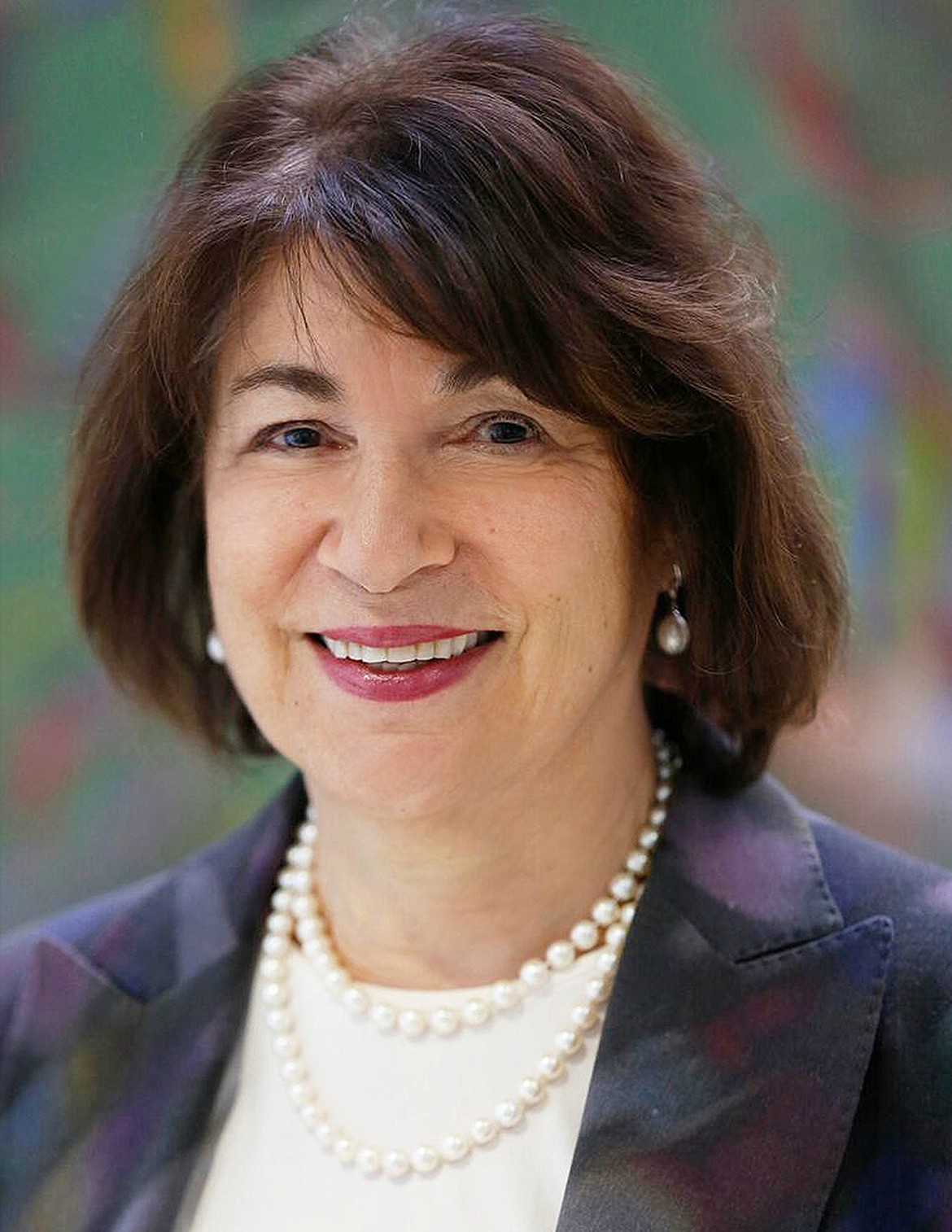
Carol Prives serves as the Da Costa Professor of Biology at Columbia University's Faculty of Arts and Sciences, where she leads groundbreaking research on the p53 tumor suppressor protein. Her work is central to understanding cancer biology, as mutation of the p53 gene represents the most frequent lesion detected in human cancer. Location: 816 Fairchild, Mail Code: 2422, Columbia University Contact: +1 212 854 2557 | clp3@columbia.edu Dr. Prives' research focuses on several critical aspects of p53 biology: the structure and function of the p53 protein, the p53/Mdm2 regulatory circuit, cellular responses to genotoxic stress, the roles of p63 and p73 homologs, and the mechanisms by which p53 promotes apoptosis. Her laboratory has made seminal discoveries, including identifying hCAS/Cse1L as a novel co-regulator of p53 target genes, demonstrating that p53 can slide on DNA, and revealing how cyclin G1 regulates the p53/Mdm2 circuit. Her extensive publication record shows a consistent focus on p53 signaling pathways with increasing exploration of connections to cancer metabolism, immune responses, and metastasis. Recent work has revealed p53's role in repressing the mevalonate pathway for tumor suppression and its connections to ferroptosis in hepatocellular carcinoma. Her 2024 publication on "p53 at the crossroads of tumor immunity" demonstrates her ongoing leadership in connecting fundamental p53 biology to cutting-edge cancer immunotherapy approaches. Among her distinguished honors are membership in the American Academy of Arts & Sciences, Fellowship in The Royal Society, and membership in the National Academy of Sciences. These prestigious recognitions reflect the profound impact of her work on the field of cancer biology. American Academy of Arts & Sciences Member Fellow of The Royal Society National Academy of Sciences Member Dr. Prives' laboratory has been instrumental in training numerous scientists in cancer research, with many of her former students and postdocs establishing successful independent careers. Her research has been consistently supported by major funding from the National Institutes of Health and other prestigious organizations, enabling her team to maintain cutting-edge facilities for molecular and cellular analysis. The Prives laboratory operates as a vibrant research community where molecular biologists, biochemists, and cell biologists collaborate to unravel the complexities of p53 signaling. Her team employs diverse methodologies including structural biology, genomics, and live-cell imaging to investigate how p53 functions as the "guardian of the genome" and how its dysfunction contributes to cancer development.
Kerith Luchins is an Associate Professor at the University of Chicago's Animal Resources Center, specializing in laboratory animal medicine and veterinary science. With extensive training in both biology and veterinary medicine, Dr. Luchins focuses on optimizing animal health monitoring systems, facility management practices, and disease prevention protocols in research environments. Dr. Luchins' educational background includes: BA in Biology and French from Washington University in St. Louis (2004) DVM from University of Illinois College of Veterinary Medicine (2008) Internship in Companion Animal Medicine and Surgery at Louisiana State University Veterinary Teaching Hospital (2009) Residency in Laboratory Animal Medicine at Tulane National Primate Research Center (2011) Her research interests center on laboratory animal health monitoring systems, with particular expertise in rodent facility management, environmental health assessment, and disease surveillance methodologies. Dr. Luchins investigates innovative approaches to animal facility operations, including alternative health monitoring techniques that replace traditional soiled bedding sentinels, cost-effective sanitation protocols, and methods to minimize stress during routine facility operations. Her work bridges clinical veterinary practice with operational efficiency in research animal facilities. Analysis of Dr. Luchins' recent publications reveals a strong focus on comparative evaluation of health monitoring systems, with increasing attention to operational efficiency and cost-benefit analysis in laboratory animal facilities. Her research spans diverse subfields including rodent parasitology, cardiovascular effects of medicated diets, environmental impact on animal behavior, and innovative diagnostic techniques for common vivarium pathogens. Dr. Luchins collaborates extensively with colleagues at the University of Chicago, particularly with George Langan, Betty Theriault, Darya Mailhiot, Allison Ostdiek, and Brian Prendergast. Her research team focuses on optimizing laboratory animal facility operations while maintaining the highest standards of animal health and welfare. Dr. Luchins is actively involved in the Animal Resources Center, where she contributes to the Laboratory Animal Veterinary Medicine Training Program. Her work directly impacts facility management practices across research institutions by providing evidence-based recommendations for health monitoring systems, sanitation protocols, and disease prevention strategies.
Jianru Yang is an Adjunct Assistant Professor in the Department of Foreign Language at Virginia Commonwealth University, specializing in Chinese language instruction. This role involves teaching within the College of Humanities and Sciences framework, though the specific school affiliation is not detailed in the source text. Professor Yang's academic profile reflects dual expertise: (1) Foreign language education with a focus on Chinese linguistics and pedagogy, and (2) Cutting-edge biomedical research in cancer biology and immunology. Their interdisciplinary research explores: Molecular mechanisms of cancer progression (e.g., MDA-9/Syntenin signaling, tumor microenvironment) Immunotherapeutic strategies (vaccine development, immune checkpoint modulation) Metabolic reprogramming in disease (fatty acid oxidation, sphingolipid pathways) Inflammation regulation (NLRP3 inflammasome, scavenger receptors) Analysis of 15 recent publications (2022-2024) reveals consistent focus on translational oncology, with themes spanning cancer immunotherapy development, metastasis biology, immune cell dysfunction, and therapeutic target validation across multiple cancer types (lung, prostate, melanoma, breast). Research methodologies frequently integrate molecular biology, preclinical models, and immunometabolism.
Milena Hasan is a Researcher at the Institut Pasteur in Paris, France, specializing in UTechS Single Cell Biomarkers unit. Her work focuses on cutting-edge single-cell transcriptomics , immune profiling , and cytometry data analysis across diverse conditions including viral infections, autoimmune diseases, and cancer immunotherapy. Lead investigator for multiple projects (TPAI, TTP, VARIANCE) involving single-cell technology training and advanced immune response analysis Key contributor to the Milieu Intérieur program studying immune system heterogeneity She actively develops tools for multi-omics data integration and leads courses on Single Cell Gene Expression and Beyond (2022, 2025) and Advanced Immunology (2025). Her research spans host-pathogen interactions , T cell dynamics , and inflammatory disease mechanisms through innovative technologies like spectral cytometry and single-cell proteomics.
Dr. Walter Dzik serves as Associate Pathologist at Massachusetts General Hospital and Associate Professor of Pathology at Harvard Medical School, where he co-directs the Blood Transfusion Service. His clinical expertise spans coagulation disorders, hematology, and transfusion medicine, with particular focus on patient safety and evidence-based transfusion practices. Dr. Dzik's research interests include: Management of coagulopathy in liver disease Clinical use of blood components Massive transfusion protocols Biologic consequences of recipient exposure to allogeneic donor leukocytes Transfusion-related acute lung injury prevention International blood banking standards His publication record demonstrates sustained scholarly activity with impactful contributions to transfusion medicine, including development of the PLASMIC score for thrombotic microangiopathies and leadership in international BEST Collaborative studies. Recent work focuses on advanced therapies like recombinant ADAMTS13 for thrombotic disorders and machine learning applications for transfusion prediction. Notable achievements include: Founding membership in the Biomedical Excellence for Safer Transfusion (BEST) Collaborative Leadership of international studies on blood grouping errors (2002) Pivotal trial on universal leukoreduction (2008) Groundbreaking research on oxygen delivery by stored blood (2016) As Co-Director of the Blood Transfusion Service at MGH, Dr. Dzik oversees an FDA-licensed, full-service blood bank supporting approximately 70,000 annual transfusions and providing specialized services for cardiac surgery, bone marrow transplantation, and trauma care. His work with the NHLBI Clinical Trials Network continues to shape evidence-based transfusion practices worldwide.
Sandra Maria Blois is a University Professor at the University Medical Center Hamburg-Eppendorf (UKE), where she holds a position in the Faculty of Medicine within the Center for Obstetrics and Pediatrics and the Department of Obstetrics and Fetal Medicine. Her research focuses on the intersection of immunology and reproductive medicine, with particular expertise in glycoimmunology and reproduction. Dr. Blois's research primarily investigates the role of galectins and glycosylation in pregnancy, placental development, and pregnancy complications such as preeclampsia and gestational diabetes. Her work has significantly advanced our understanding of how glycan-binding proteins regulate immune tolerance at the maternal-fetal interface. She has made important contributions to understanding how galectin-1 shapes the placental niche and how glycosylation patterns influence pregnancy outcomes. Her research integrates molecular immunology, glycobiology, and reproductive medicine to elucidate mechanisms underlying healthy and pathological pregnancies. Analysis of Dr. Blois's recent publications reveals a consistent focus on galectin biology in reproductive contexts, with particular attention to galectin-1, -3, and -9. Her work spans basic molecular mechanisms, animal models, and clinical applications, demonstrating translational research from bench to bedside. Recent studies have explored connections between glycoimmunology and pregnancy complications including preeclampsia, fetal growth restriction, and responses to viral infections during pregnancy. Her research on the gut-placenta axis has revealed novel pathways linking maternal metabolism to placental function. Dr. Blois leads a research group focused on Glycoimmunology and Reproduction at UKE, where she maintains an active laboratory investigating the molecular mechanisms of maternal-fetal immune tolerance. Her team employs a multidisciplinary approach combining immunological, biochemical, and advanced imaging techniques to study pregnancy-related processes. She collaborates extensively with international researchers across multiple disciplines including virology, neonatology, and cardiovascular medicine.
Carrie Down Johnston, M.D., serves as Assistant Professor of Medicine in the Division of Infectious Diseases at Weill Cornell Medical College and Assistant Attending Physician at NewYork-Presbyterian Hospital. Board-certified in Internal Medicine and Infectious Disease, she specializes in HIV care at the Center for Special Studies (HIV/AIDS) in New York City. Her academic foundation includes a B.S. from Cornell University (2008), M.D. from Virginia Commonwealth University School of Medicine (2013), and M.S. in Clinical and Translational Science from Weill Cornell Graduate School (2020). She completed residency, chief residency, and infectious diseases fellowship at Weill Cornell Medicine. Dr. Johnston's research program investigates inflammation, cellular stress, and cognitive dysfunction in older adults with HIV , seeking to improve healthy aging through biomarker discovery. Her work prominently features cell-free mitochondrial DNA as a predictor of geriatric syndromes, with significant contributions to understanding cardiometabolic risks, neurocognitive impairment, and social determinants of health in this population. Analysis of her 15 most recent publications (2020-2025) reveals three dominant research trajectories: (1) molecular mechanisms linking mitochondrial dysfunction to cognitive decline, (2) intersection of social factors (food insecurity, trauma history) with biological aging processes, and (3) comorbidity management including hepatic steatosis and cardiovascular risks. Her Nature Communications paper on SARS-CoV-2 vaccination exposing latent HIV demonstrates innovative immunological approaches. Dr. Johnston leads major NIH-funded initiatives including: Principal Investigator: Northeast/Caribbean AIDS Education and Training Centers (NICHD, 2024-2025) Principal Investigator: Cellular Immunometabolic Mechanisms in HIV-Related CVD (NHLBI, 2021-2026) Co-Investigator: Aging with HIV: Novel Biomarkers of Inflammation (NIA, 2024-2029) Co-Investigator: Weill Cornell-Rutgers Clinical Trials Unit (NIAID, 2021-2025) She maintains active industry collaborations with MedPage Today and Theratechnologies Inc., focusing on clinical education and therapeutic development for HIV management.
Slim Fourati, PhD, is an Assistant Professor in the Department of Allergy and Immunology at Northwestern University's Feinberg School of Medicine. He holds affiliations with the Center for Human Immunobiology and the Robert H. Lurie Comprehensive Cancer Center. Dr. Fourati completed his BS (2007) and PhD (2022) at Université de Montréal. Research Focus His research explores host-pathogen interactions through: Bioinformatic analysis of high-throughput data (RNA-Seq, flow cytometry) Machine learning models predicting infection severity and therapeutic responses In silico modeling for novel therapeutic target identification Primary research domains include computational immunology, systems biology, and pathogen response mechanisms. Publication Trends Recent publications (2024-2025) demonstrate strong focus on: Molecular mechanisms of allergic reactions and anaphylaxis Computational modeling of vaccine immune responses COVID-19 immunopathology in immunocompromised hosts HIV-related immune dysfunction and vaccine efficacy Professional Activities Review Editor, Frontiers in Virology (2021-Present) Member, International Society of Computational Biology (2012-Present) Research Affiliations Center for Human Immunobiology Robert H. Lurie Comprehensive Cancer Center
Nicolas Wolff is a researcher at the Pasteur Institute , focusing on structural and molecular biology with a strong emphasis on host-pathogen interactions. He leads projects such as Cell-Free System Development and Structural and functional impacts of ADGRV1 variants , often collaborating across disciplines like Neuroscience and Virology . His research explores PDZ domain interactions in diseases like Usher syndrome (hearing and vision loss) and viral infections (SARS-CoV-2, Rabies, West Nile). Notably, he investigates how viral proteins hijack host PDZ-containing proteins to disrupt cellular functions, as seen in his 2025 study on SARS-CoV-2 envelope protein mechanisms. Key publications (2021–2025) cover structural analyses of viral proteins, functional studies of PDZ-PBM binding, and phylogenetic investigations of protein domains. Teaching includes courses like Protein Structure and Function and Biochemistry of Proteins , reflecting his expertise in molecular mechanisms.
Dr. Iryna Pinchuk serves as a Professor in the Department of Medicine (Division of Gastroenterology and Hepatology) and the Department of Cell and Biological Systems at Penn State University, with significant contributions to the Penn State Cancer Institute's Mechanisms of Carcinogenesis program. Her dual appointments reflect an integrative approach bridging gastrointestinal immunology, cancer research, and stromal cell biology across institutional boundaries. Her pioneering research centers on mucosal immune dysregulation in inflammatory bowel disease (IBD) and gastrointestinal cancers, with landmark discoveries regarding CD90+ stromal cells (CMFs). She demonstrated CMFs' immunosuppressive role in maintaining mucosal tolerance under normal conditions and their pathological dysfunction in IBD and cancer. Current investigations focus on innate-adaptive immune crosstalk and microbiota-mediated modulation of these interactions, leveraging 15+ years of expertise in human/rodent mucosal immunology, cell biology, and microbiology. Recent publications (2024-2025) reveal dominant trends in targeting novel molecular pathways for IBD therapeutics, including MK2 inhibition, BRD4 epigenetic regulation, and NF-κB signaling modulation. These studies consistently employ translational approaches using animal models to dissect inflammation mechanisms, fibrosis development, and epithelial barrier integrity, with strong emphasis on clinical applicability for Crohn's disease and ulcerative colitis treatment. As Principal Investigator, Dr. Pinchuk leads active grants including U.S. Army and Congressionally Directed Medical Research Programs funding (2022-2026) for 'Targeting MK2 for Crohn's Disease,' alongside a completed NIDDK project (2014-2019) on CD90+ stromal cell regulation of Th1/Th17 responses. Her 77 publications and held patent demonstrate sustained research productivity, though specific student mentorship details remain unlisted in available materials. Her laboratory operates within the Penn State Cancer Institute ecosystem, directing a multidisciplinary team that integrates immunology, gastroenterology, and microbiology expertise. The research program utilizes advanced human tissue analysis and rodent models to investigate gastrointestinal mucosal immunity, with active collaborations spanning microbiome analysis, antimicrobial defense mechanisms, and stromal-immune interactions in disease pathogenesis.
Redwan Farooq is a Clinical Research Fellow and DPhil Student at the Nuffield Department of Clinical Neurosciences (NDCN), part of the University of Oxford's Medical Sciences Division. His research focuses on neuroimmunological diseases, particularly multiple sclerosis (MS), integrating bioinformatics and high-throughput single-cell multi-omics techniques. After earning his MB BChir and MA in Neuroscience from the University of Cambridge, he completed clinical training in London teaching hospitals, specializing in Neurology. His work is supported by a Clinical Research Fellowship funded by the Association of British Neurologists and Guarantors of Brain. His research bridges clinical neurology and computational biology, addressing immune dysfunction in MS and auditory neuroscience mechanisms through projects like ITD-specific adaptation studies and frequency following response analysis. His publications span neurology, hematology, and auditory science. Scientific Awards: Clinical Research Fellowship (Association of British Neurologists, Guarantors of Brain)
Professor Owen J Sansom serves as the Director of the Institute of Cancer Sciences at the CRUK Scotland Institute, affiliated with the University of Glasgow. His research primarily focuses on colorectal cancer, particularly the role of the Apc gene and Wnt signalling in intestinal tumorigenesis. He employs inducible mouse models to study early neoplastic changes, aiming to identify novel therapeutic targets and biomarkers. Key research interests include: colorectal cancer mechanisms, Wnt pathway dysregulation, tumor suppressor functions, pancreatic and liver malignancies, cancer metabolism, and the tumor microenvironment. His work integrates molecular biology, genetics, and preclinical modeling to address therapy resistance and metastasis. Professor Sansom leads several research groups at the Beatson Institute, specializing in Pancreatic, Colorectal/Lower GI/Intestinal/Gut Microbiome, and Liver cancers. His team collaborates extensively on projects involving cancer heterogeneity, immune modulation, and precision oncology.
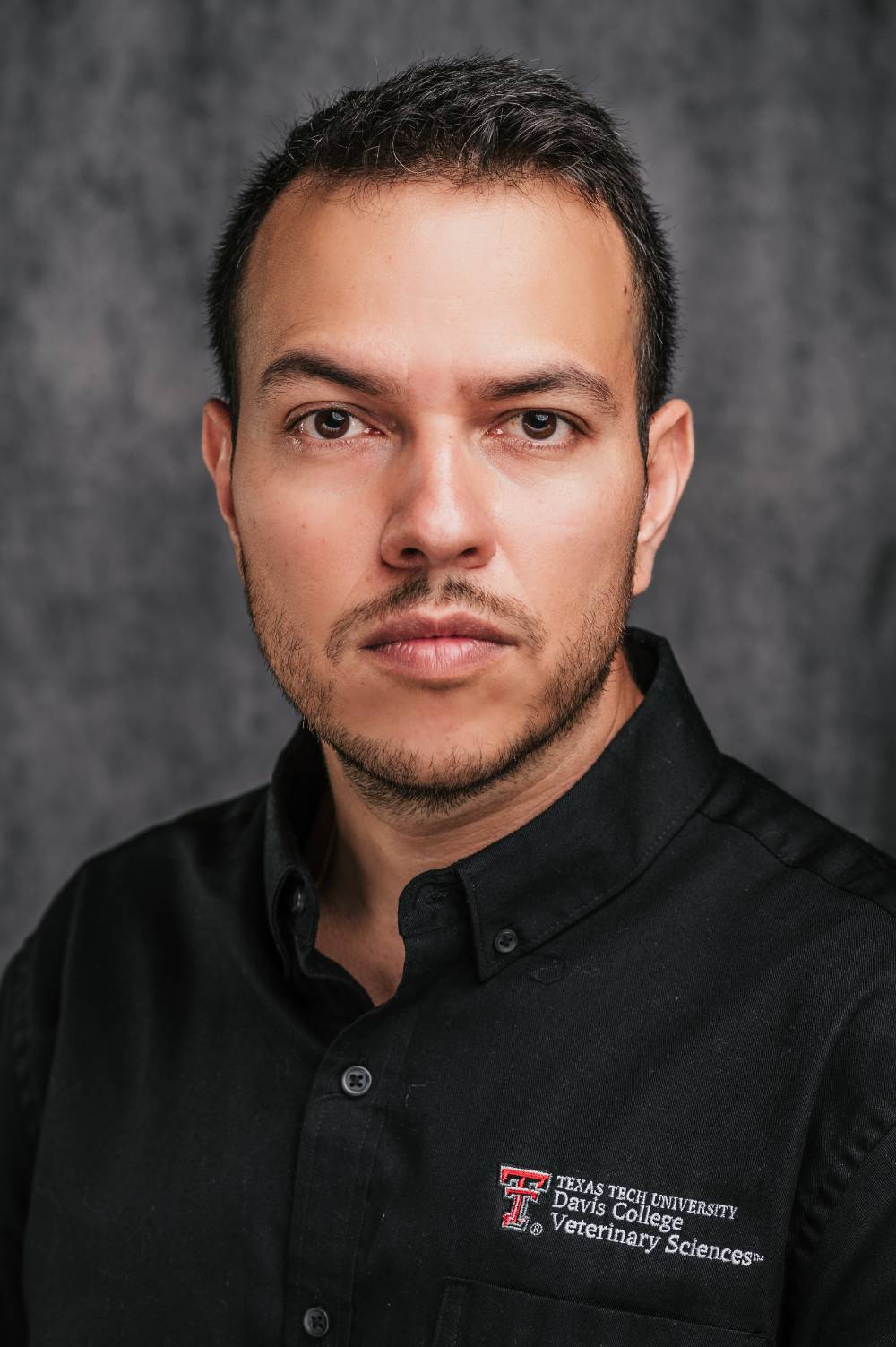
Dr. Oscar Javier Benitez serves as an Assistant Professor with dual appointments in the Department of Veterinary Sciences at Texas Tech University's Davis College of Agricultural Sciences & Natural Resources (Lubbock campus) and the School of Veterinary Medicine (Amarillo campus). His research program integrates epidemiology, cellular biology, immunology, and molecular techniques to address critical infectious disease challenges impacting cattle health, productivity, and welfare across the United States livestock industry. Education: Ph.D. from Michigan State University Postdoctoral Training at Texas Tech University Postdoctoral Training at Wayne State University Dr. Benitez's research focuses on three primary disease mechanisms: immune dysfunction in bovine leukemia virus infections, gastrointestinal health impacts of dietary xylo-oligosaccharides from sorghum stover in dairy calves, and liver abscess pathogenesis in cattle. He employs advanced methodologies including transcriptomic analyses, immune cell assays, epithelial cell culture systems, and molecular characterization of host-pathogen dynamics to develop cellular adhesion models that elucidate complex pathogen interactions and inform disease prevention strategies. Scientific Recognition: 2024 Outstanding Research Award from Davis College for excellence in veterinary science research As an active mentor, Dr. Benitez guides graduate students and serves on numerous doctoral and master's committees while leading multiple federally funded research projects. He teaches foundational graduate courses in pathophysiology and immunology with emphasis on translational research applications. His work operates within Texas Tech University's Institute for One Health Innovation framework, addressing interconnected animal, human, and environmental health challenges. Professional engagements include membership in the American Association of Bovine Practitioners, the Board of Veterinary Medicine (COMVEZCOL, Colombia), and collaborative networks focused on advancing sustainable livestock production systems through innovative cellular and molecular research approaches.