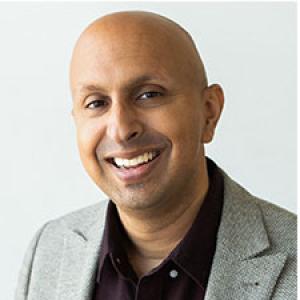
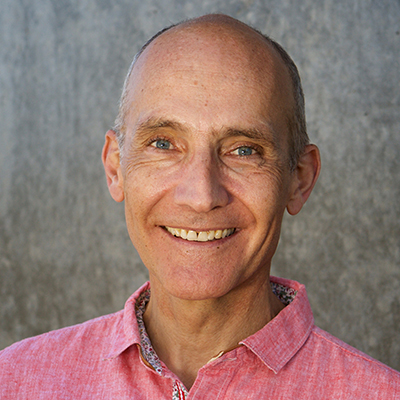
Honglei Chen is the MSU Foundation Professor in the Department of Epidemiology and Biostatistics at Michigan State University . With a career spanning over two decades, Dr. Chen specializes in neuroepidemiology with a focus on Parkinson's disease, dementia, and healthy aging. His research leverages large prospective cohorts to investigate environmental risk factors and prodromal stages of neurodegenerative diseases. Key methodologies include assessing olfactory dysfunction, REM sleep behavior, and inflammatory mechanisms as early markers of disease progression. Recent publications highlight his work on Environmental triggers in Parkinson's disease Genetic risk scores for neurodegeneration Inflammatory pathway modulation in macrophages Olfactory dysfunction as aging biomarker
Som G Nanjappa is an Associate Professor in the Department of Pathobiology at the University of Illinois. His academic background includes a Ph.D. in Immunology from the University of Wisconsin-Madison (2009). He specializes in T cell biology, fungal infections, and vaccine development, with a focus on CD8+ T cells, Tc17 cells, and their roles in combating fungal pathogens like Blastomyces dermatitidis and Cryptococcus neoformans. His research explores mechanisms of vaccine-induced immunity, particularly in immunocompromised hosts, and investigates how T cell responses contribute to protection against fungal pneumonia. Recent work highlights the role of GM-CSF+ Tc17 cells in vaccine efficacy and the importance of molecules like sialophorin in CD8+ T cell activation. Collaborations span immunology, oncology, and microbiology, with studies on 27-hydroxycholesterol’s impact on breast cancer progression and T cell dysfunction. Publications emphasize fungal vaccine strategies, immune memory persistence, and the interplay between innate and adaptive immunity. His findings have been featured in journals like Cell Reports, PLoS Pathogens, and Frontiers in Immunology, with impactful contributions to understanding antifungal immunity and T cell plasticity.
Pierre Maechler is a Professor at the University of Geneva's Faculty of Medicine in the Department of Cell Physiology and Metabolism. His research focuses on mitochondrial metabolism in pancreatic beta cells and its critical role in diabetes pathogenesis, with particular emphasis on glutamate dehydrogenase function and regulation. His laboratory investigates the molecular mechanisms of insulin secretion and beta-cell failure in Type 2 diabetes. Maechler's research interests span mitochondrial metabolism, energy homeostasis, and the molecular pathways linking nutrient sensing to insulin secretion. His work has established crucial connections between glutamate metabolism, beta-cell function, and diabetes development. He investigates how metabolic stressors like glucotoxicity and lipotoxicity impair beta-cell function through mitochondrial dysfunction. His research has expanded to include the role of glutamate dehydrogenase in multiple organs including brain, liver, and muscle, revealing systemic metabolic implications. Analysis of Maechler's publication record shows a sustained focus on beta-cell metabolism with evolving scope. Early work established fundamental mechanisms of glutamate signaling in insulin secretion, while recent publications demonstrate expansion into multi-organ metabolic regulation. His research has identified novel biomarkers for beta-cell mass, explored therapeutic targets for diabetes, and revealed unexpected roles for glutamate dehydrogenase in diverse physiological processes from muscle regeneration to brain function. The consistent thread through his work is understanding how mitochondrial metabolism governs cellular and systemic energy homeostasis. Professor Maechler has mentored numerous PhD students and postdoctoral fellows who have gone on to publish significant work in diabetes research. His laboratory collaborates extensively with clinical researchers to translate basic findings into potential therapeutic approaches for diabetes. Funding for his work likely comes from Swiss National Science Foundation and other European research agencies, supporting investigations into metabolic diseases. Maechler leads the Mitochondria and Energy Metabolism research group at the University of Geneva. His team employs a multidisciplinary approach combining molecular biology, metabolomics, and physiology to investigate metabolic regulation in health and disease. The laboratory maintains strong connections with clinical diabetes researchers, facilitating translational applications of their findings. Current work focuses on identifying novel therapeutic targets for preserving beta-cell function in diabetes.
David Walker is a Professor and Vice Chair of Academic Personnel in the Department of Integrative Biology and Physiology at the University of California, Los Angeles. He leads a research lab focused on understanding the molecular and cellular basis of aging, utilizing Drosophila melanogaster to investigate mechanisms such as mitochondrial dysfunction, autophagy, and intestinal barrier integrity. His work aims to identify therapeutic targets for age-related diseases. Education: B.S., Genetics, Queen's University Belfast (1995) MRes, Molecular Biology, University of Manchester (1996) Ph.D., Genetics, University of Manchester (2000) Walker's research interests center on the biological processes driving aging, with emphasis on mitochondrial dynamics, neurodegeneration, and gut-microbiota interactions. His lab employs genetic, molecular, and physiological approaches in Drosophila to dissect how cellular deterioration impacts lifespan and healthspan, bridging insights to human aging pathologies. Key themes include the role of autophagy adaptors (e.g., p62/SQSTM1), mitochondrial fission, and intestinal homeostasis in longevity. His recent publications (2014–2024) reveal a consistent focus on brain aging, mitophagy, and gut-brain axis disruptions, with trends toward identifying midlife interventions for healthspan extension. Articles frequently integrate cellular stress responses, metabolic regulation, and neurodegeneration, highlighting Drosophila as a versatile model for translational aging research. No scientific awards, prizes, or fellowships are mentioned in the provided text. While specific grants or student advisees are not detailed, Walker's lab actively mentors researchers and contributes to collaborative projects on aging mechanisms. Future directions may involve exploring mitochondrial-immune interactions and novel longevity pathways. Walker directs a Drosophila-focused laboratory at UCLA, emphasizing genetic screens and mechanistic studies to uncover evolutionarily conserved aging pathways. The team investigates tissue-specific aging cascades, including neuronal and intestinal systems, to develop strategies for mitigating age-related decline.
Dr. Ali Nazmi is an Assistant Professor in the Department of Animal Sciences and the Food for Health Discovery Theme at The Ohio State University. He holds affiliations within the College of Food, Agricultural, and Environmental Sciences (CFAES). His research focuses on nutritional immunology, host-pathogen interactions in poultry and pigs, and the metabolic roles of intestinal immune cells. Nazmi obtained his B.Sc. in Poultry Production and M.Sc. in Poultry Breeding from Ain Shams University (Egypt), followed by a Ph.D. in Animal Biology from UC Davis (2017). He completed postdoctoral training in mucosal immunology at Vanderbilt University Medical Center before joining OSU in 2021. His recent work includes studies on intraepithelial lymphocytes in intestinal health, enteric disease resistance in poultry, and swine T cell biology. Key publications address mechanisms of necrotic enteritis in chickens, unconventional T cell subsets, and cytokine regulation in colitis models. Collaborations span avian immunology, swine immunology, and semen cryopreservation techniques. Education: B.Sc. (Ain Shams), M.Sc. (Ain Shams), Ph.D. (UC Davis) Postdoc: Vanderbilt University Medical Center (mucosal immunology) Key Research Themes: Nutritional Immunology, Mucosal Immunity, Avian/Porcine Health
Professor Sir Peter Barnes is a leading figure in respiratory science at Imperial College London's National Heart and Lung Institute (NHLI) . As Professor of Thoracic Medicine , his work focuses on Asthma, COPD, and cellular senescence in lung disease , with over four decades of contributions to understanding inflammatory pathways and therapeutic innovations. Research Interests Mechanisms of chronic airway inflammation in Asthma and COPD Cellular senescence in lung aging and disease progression MicroRNA transfer via extracellular vesicles in COPD pathogenesis Targeted drug delivery for respiratory conditions Global health implications of lung disease Recent Publications highlight trends in: MicroRNA regulation of senescence and inflammation Extracellular vesicle dynamics in lung disease Biologics and corticosteroid efficacy in respiratory conditions Environmental factors influencing COPD and asthma Scientific Recognition Knighthood (2023) for services to respiratory science Fellow of the Royal Society (FRS) and Academy of Medical Sciences (FMedSci) Collaborative Leadership at NHLI has mentored numerous postdocs and researchers. His work intersects with global initiatives like GOLD (Global Initiative for COPD) , influencing clinical guidelines and public health policy.
Francesca Chiodi is a Senior Professor in the Department of Microbiology, Tumor and Cell Biology at Karolinska Institutet, Sweden. Her research focuses on HIV pathogenesis, host-microbe interactions, and immune responses in infectious diseases. She holds a Docent title from Karolinska Institutet (1991) and has been continuously employed there since 2004. Her work spans virology, immunology, and clinical trials, with emphasis on HIV prevention strategies, mucosal immunity, and translational research. Research highlights include studies on HIV pre-exposure prophylaxis (PrEP), host gene expression in foreskin tissue, and viral surface protein epitope profiling. She has led projects evaluating SARS-CoV-2 responses in mucosal tissues and contributed to global initiatives like the CHAPS study in sub-Saharan Africa. Her division, the Division of Host-Microbe , investigates microbial pathogenesis and immune mechanisms in chronic infections. Key collaborations include studies on B-cell dysfunction in HIV and TB co-infections, as well as vaccine design for immunocompromised populations. Publications (2020–2024) reflect her focus on clinical trials, transcriptomic analyses, and translational models. She has advised numerous collaborative studies but no formal student advisees are listed. Research funding includes grants for mucosal HIV prevention and SARS-CoV-2 pathogenesis studies. Ongoing work explores immune reconstitution in early antiretroviral therapy and correlates of protective immunity in mucosal tissues.
Vanessa Nomellini, MD, PhD is an Associate Professor in the Division of Burn, Trauma, Acute and Critical Care Surgery at UT Southwestern Medical Center. She joined UT Southwestern in 2023 as the director of research for her division and leader in the Critical Care Outcomes Research Translation (CORT) group. Education: Dr. Nomellini earned her MD and PhD in Cellular and Molecular Biochemistry from Loyola University. She completed her general surgery residency at the University of Wisconsin and Surgical Critical Care fellowship at the University of Pennsylvania. Research Interests: Her work focuses on immune dysfunction in critically ill patients, particularly sepsis and trauma-induced immunosuppression. She leads studies on immune recovery mechanisms and develops the ICU Recovery Program for long-term patient management. Her NIH-funded research (R35 NIGMS) investigates immune suppression through both animal models and human observational studies. Publications Trends: Her recent work emphasizes sepsis pathophysiology, coagulopathy management, and clinical improvements in critical care. Key areas include immunomodulatory therapies, biomarker utility, and optimizing ICU protocols. Scientific Awards: Recipient of NIGMS R35 grant (2019-current) Advising & Grants: Leads a multi-institutional research team and holds leadership roles in CORT. Her grants focus on translational immunology and critical care outcomes. Labs & Teams: Directs research at UT Southwestern's Critical Care Division, collaborating with Drs. Levi and Carlson in CORT initiatives.
Helen Suh is a Professor at Tufts University, jointly appointed in the departments of Civil and Environmental Engineering and Community Health . As an internationally-recognized expert in air pollution health effects, she combines environmental epidemiology , exposure science , and data analytics to investigate how pollutants impact human health. Sc.D. , Harvard University (1993) M.S. , Harvard University (1990) S.B. , Massachusetts Institute of Technology (1985) Her research focuses on three areas: air pollutant impacts on cognitive performance and child development , multi-pollutant health effects , and GIS-based spatio-temporal modeling for epidemiological studies. Recent publications highlight her work on PM2.5 measurement error correction , hormonal disruptions in pregnancy , and machine learning applications in environmental health analysis. Current trends include: Advanced statistical methods for exposure assessment Multi-omics approaches to cardiometabolic health International comparative studies (e.g., Tehran, Puerto Rico) Long-term mortality analysis in Medicare populations Pollution-immune system interactions in vulnerable groups Policy-relevant modeling for air quality standards Helen Suh has served as an Associate Editor for the Journal of Exposure Science and Environmental Epidemiology and advised major U.S. and international health organizations. Her work spans over 150 publications and integrates multidisciplinary team leadership in environmental health science. Her laboratory develops large-scale data analytics tools and spatio-temporal exposure models to support population-level health research. Current projects include air pollution and aging cohorts , urban environmental noise measurement , and epigenetic responses to pollutants .
Dr. Oluwabunmi (Bunmi) Olaloye is an Assistant Professor of Pediatrics in the Division of Neonatology at Yale School of Medicine. She holds appointments in Neonatal-Perinatal Medicine and is affiliated with the Janeway Society. Her academic background includes an MD from Rutgers New Jersey Medical School, pediatrics residency at University of Texas Medical Branch, and neonatology fellowship at University of Pittsburgh Medical Center. Dr. Olaloye's research focuses on immune dysfunction underlying neonatal intestinal diseases such as necrotizing enterocolitis (NEC) and spontaneous intestinal perforation (SIP). Using cutting-edge techniques like single-cell RNA sequencing and mass cytometry, her work identifies biomarkers and therapeutic targets to improve outcomes for premature infants. Key research areas include fetal immune system maturation, placental immune interactions, and gestational age-specific inflammatory responses. Her publication record spans 12 peer-reviewed articles between 2019-2025, emphasizing translational immunology and neonatal pathophysiology. Notable contributions include defining immune cell trajectories in preterm infants and developing gating guidelines for high-dimensional cytometry data. Current projects involve constructing immune cell atlases across human lifespans and investigating nutritional interventions for intestinal disorders. Laboratory affiliations include the Laboratory for Surgery, Obstetrics & Gynecology where she explores neonatal mucosal immunity. Her work integrates clinical observations with systems immunology approaches to address critical gaps in understanding prematurity-associated gastrointestinal pathologies.
Joel Blanchard, PhD, is an Associate Professor in the Departments of Neuroscience and Cell, Developmental & Regenerative Biology at the Icahn School of Medicine at Mount Sinai. He is also an Investigator at the Black Family Stem Cell Institute and the Ronald Loeb Center for Alzheimer’s Disease. His research focuses on developing human brain models using induced pluripotent stem cells to study and treat neurodegenerative diseases. Education: BS, St. Lawrence University MLA, Harvard University PhD, The Scripps Research Institute & MIT Research Interests: Dr. Blanchard’s lab is dedicated to understanding the genetic and environmental vulnerabilities that lead to neurodegeneration. His team develops cutting-edge 3D brain organoids and blood-brain barrier models to investigate diseases like Alzheimer’s, Parkinson’s, and ALS. A major focus is on the role of APOE4 in myelination, cholesterol metabolism, and vascular dysfunction. Scientific Awards: Friedman Brain Institute Scholar Award (2021) ISSCR Merit Award (2019) Glenn Foundation Postdoctoral Fellowship (2018) California Institute for Regenerative Medicine Pre-doctoral Fellowship (2011) Funding & Grants: Dr. Blanchard’s lab is currently funded by NASA, NIH, and the Cure Alzheimer’s Fund. Active projects include the development of miBrain (multicellular integrated brain tissue), blood-brain barrier modeling, and APOE4-mediated mechanisms of neurodegeneration. Lab & Team: The Blanchard Lab is a multidisciplinary team of postdocs, graduate students, and research associates. The lab is actively recruiting postdoctoral fellows and is known for its collaborative, innovative environment focused on translational neuroscience.
Craig Morrell is a Professor at the University of Rochester School of Medicine and Dentistry , with joint appointments in the Departments of Medicine , Microbiology and Immunology , and Pathology and Laboratory Medicine . He serves as Associate Director of the Aab Cardiovascular Research Institute . Education: Sc.B. in Biology, Brown University (1995) D.V.M. , Tufts University School of Veterinary Medicine (2000) Ph.D. in Pathobiology, Johns Hopkins University (2005) His research examines the interface between platelets, vascular biology, and immune cells , focusing on platelet roles in thrombosis, inflammation, and immune regulation. Using advanced mouse models , his lab investigates platelet-derived mediators like β2M and PF4 in diseases such as malaria, stroke, and myocardial infarction. Article trends highlight platelets' dual roles in thrombosis and immune modulation , with recurring themes in vascular inflammation , ERK5 signaling , and age-related immune dysfunction . Scientific Awards: Kenneth M. Brinkous Young Investigators Prize (2008) Deans Gift research award (2006) Multiple travel scholarships and fellowships (2003-2005) Pathology Award-Excellence in Pathology (2000) Mentoring and Teaching : He has mentored 8 doctoral students , 7 undergraduates , and 6 postdoctoral fellows , with a focus on diversity. He serves on thesis committees and the URMC MSTP (MD/PhD) admissions committee . Labs and Collaborations : Leads the Morrell Lab at the Aab Cardiovascular Research Institute, collaborating with institutions like Johns Hopkins and Medical College of Wisconsin.
Rana K. Gupta, PhD , is the W. David and Sarah W. Stedman Distinguished Professor of Medicine and Cell Biology at Duke University School of Medicine and serves as Section Chair of Basic Sciences within the Duke Molecular Physiology Institute . Previously, he spent ten years on the faculty at the University of Texas Southwestern Medical Center. His laboratory investigates the developmental biology and molecular regulation of adipose tissue, with the goal of translating insights into therapies for obesity and metabolic diseases. Education & Training: PhD, University of Pennsylvania (2006) Research Fellow, Dana-Farber Cancer Institute, Cell Biology (2006–2012) Research Interests: Dr. Gupta’s work centers on two inter-related themes: (1) the transcriptional networks that establish and maintain white, brown, and beige adipocyte lineages, with a spotlight on the zinc-finger factor ZFP423 ; and (2) the heterogeneity and functional specialization of adipocyte progenitor cells during healthy versus pathological adipose-tissue expansion. Using single-cell multi-omics, lineage tracing, and metabolic phenotyping in mice and humans, his team deciphers how distinct progenitor pools orchestrate adipogenesis, angiogenesis, and immune remodeling in obesity. Key Publications: Across 78 peer-reviewed papers (2010-2025), Dr. Gupta has defined ZFP423 as a molecular brake on adipocyte thermogenesis, uncovered PDGFRβ+ progenitor subpopulations that drive hyperplastic adipose growth, and demonstrated that inducible Zfp423 deletion can convert white adipocytes into energy-burning beige cells to reverse diet-induced obesity. Recent single-cell atlases further reveal sex- and depot-dependent progenitor heterogeneity, providing a roadmap for targeted metabolic therapies. Scientific Awards & Honors: W. David and Sarah W. Stedman Distinguished Professorship Funding & Training Leadership: Principal Investigator on 13 active NIH, ADA, and foundation grants (2021-2029) Director, Endocrinology and Metabolism Training Program (NIDDK T32) Co-Investigator, Medical Scientist Training Program (NIGMS T32) Mentor to 6 postdocs, 4 graduate students, and numerous undergraduates and research technicians Lab Teams & Collaborations: The Gupta Lab at Duke is a multi-disciplinary team of postdoctoral fellows (Pablo Morales, Wenxin Tong), graduate students (Ashley Truong), instructors (Jessica Cannavino), and research analysts (Krissy Campbell, Lavanya Vishvanath) collaborating closely with the Duke Molecular Physiology Institute to integrate genomics, physiology, and translational medicine.
Jinhong Meng is a Senior Research Fellow at the Department of Genetics & Genomic Medicine, University College London (UCL), focusing on neuromuscular disorders and gene therapy. He earned his PhD and Bachelor’s degrees from the Fourth Military Medical University. Education: Doctor of Philosophy, Fourth Military Medical University (2000) Bachelor, Fourth Military Medical University (1995) Research Interests: Jinhong Meng’s work centers on Duchenne Muscular Dystrophy (DMD), Spinal Muscular Atrophy (SMA), and gene therapy techniques including CRISPR, lentiviral vectors, and antisense oligonucleotides. His studies explore immune responses to dystrophin, vascular defects in SMA, and dystrophin correction via viral and non-viral delivery systems. Publication Trends: Over the past eight years, Jinhong Meng has published extensively on DMD and SMA, with a focus on gene editing, dystrophin restoration, and cellular therapies. His collaborative work spans lentiviral vectors, foamy virus transduction, and necroptosis mechanisms in muscle degeneration. Labs & Collaborations: He works within UCL’s Genetics & Genomic Medicine Department, collaborating on projects involving dystrophic muscle engraftment, circadian signaling, and RNA editing for genetic mutations.
Felix Schweizer is Professor of Neurobiology at the David Geffen School of Medicine, University of California, Los Angeles, and concurrently serves as Interim Director of the Brain Research Institute and Chair of the Graduate Interdepartmental Program for Neuroscience, reflecting his leadership in both research and graduate training. Education Ph.D. in Biochemistry (summa cum laude), University of Basel, 1989 Research Interests Schweizer’s laboratory focuses on the molecular mechanisms of synaptic transmission and neuronal communication. Using electrophysiology, optical imaging, and quantitative proteomics, his group investigates how protein ubiquitination dynamically regulates neurotransmitter release and neuronal excitability. Recent projects explore microbial metabolite sensing by vagal afferents, the synaptic impact of environmental toxicants linked to Parkinson’s disease, and how gravitational load alters vestibular synaptic architecture. Collaborations with Drs. James Wohlschlegel (multiplexed SILAC proteomics), David Krantz (pesticide neurotoxicology), and Larry Hoffman (vestibular biology in altered gravity) extend the lab’s reach from molecular mechanisms to systems-level neuroscience. Scientific Awards No specific awards are listed in the provided text. Advising & Grants As Chair of the Graduate Interdepartmental Program for Neuroscience, Schweizer oversees interdisciplinary Ph.D. training across UCLA. The laboratory continuously hosts post-doctoral fellows and graduate students, and recent funding supports work on ubiquitin-mediated synaptic modulation, pesticide-induced neurodegeneration, and spaceflight-induced synaptic plasticity in the vestibular system. Labs & Teams The Schweizer laboratory, located in the Center for Health Sciences at UCLA, integrates electrophysiology, advanced imaging (serial EM and EM tomography), and biochemical approaches to dissect synaptic function across rodent, Drosophila, and human tissue models.