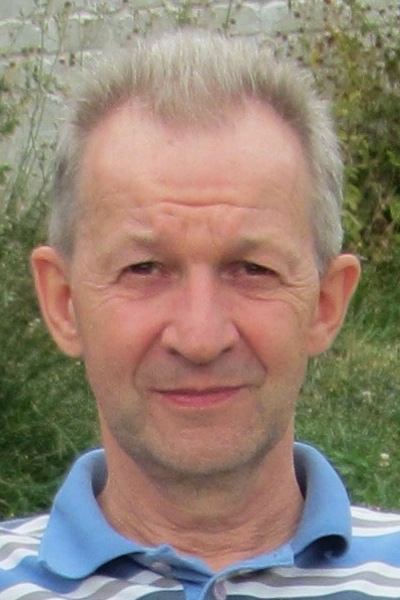
Alex Chortos is an Assistant Professor of Mechanical Engineering at Purdue University's School of Mechanical Engineering. His research focuses on bio-inspired electronics, mechanically adaptive materials, and advanced manufacturing techniques. He leads the Chortos Lab, which explores innovations in soft actuators, wearable haptics, and polymer design. Chortos holds a B.A.Sc. from the University of Waterloo (2011), a Ph.D. from Stanford University (2017), and completed a postdoctoral fellowship at Harvard University (2020). His academic work bridges fundamental material science with practical applications in robotics, biomedical devices, and human-machine interfaces. Key research areas include: Multimaterial additive fabrication for soft robotics Stretchable sensors and transistors for e-skin applications Design of durable and adaptive polymer systems His publications emphasize advancements in 3D printing techniques, bioinspired sensor systems, and the development of mechanically robust electronic components. Recent work explores photodynamic polymers and machine learning-driven optimization of soft actuators.
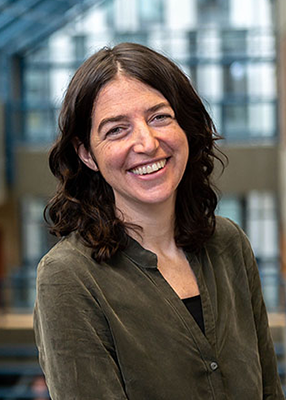
Dr. Jing Wang is a Professor in the Department of Bioinformatics at Southern Medical University's School of Medicine, with extensive research at the intersection of artificial intelligence and biomedical applications. Her work demonstrates strong cross-disciplinary collaboration across medical institutions, engineering departments, and computer science research groups. Her primary research interests include Artificial Intelligence in Healthcare , Biomedical Engineering , and Traditional Chinese Medicine Informatics , with recent publications showing particular expertise in medical imaging analysis, diagnostic assistance systems, and clinical decision support. Her work spans both theoretical algorithm development and practical clinical implementations. Analysis of her 15 most recent publications (2025-2026) reveals a strong trend toward clinically applicable AI systems, with approximately 60% of publications focused on medical diagnostics and treatment support systems. The remaining publications demonstrate expertise in industrial applications of computer vision and fundamental AI research. Her work shows consistent collaboration with both domestic Chinese institutions and international research groups. Notable scientific contributions include: Development of 'Tianyi', a traditional Chinese medicine language model for clinical practice Innovations in bionic soft robotics for rehabilitation assistance Novel approaches to medical image analysis for cancer diagnostics Her research program appears well-funded with consistent publication output across high-impact journals in biomedical engineering, AI, and medical informatics. Current work suggests strong emphasis on translating AI research into clinical practice, particularly in diagnostic support systems and rehabilitation technology.
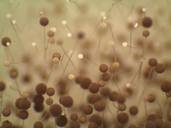
Prof. Vera Meyer is a Professor in the Department of Applied and Molecular Microbiology at Technische Universität Berlin’s Faculty III - Process Sciences. Her research focuses on optimizing fungal production systems for bioactive compounds, antifungal agents, and secondary metabolites. She leads projects such as the MY-CO SPACE exhibition, exploring fungal-based materials in architecture and sustainability. Notable contributions include work on Aspergillus niger morphology, pyomelanin synthesis for radiation shielding, and co-authoring over 150 publications. Meyer holds patents on fungal biosynthetic processes and collaborates internationally on interdisciplinary bioeconomy initiatives. Contact: vera.meyer@tu-berlin.de . Education details are not explicitly listed, but her career includes leadership roles in TU Berlin’s biotechnology programs and UniCat collaborations. Research emphasizes systems biology approaches to microbial engineering, combining microbiology, mathematics, and engineering for predictive models of cellular processes. Recent projects include the MY-CO SPACE exhibition at Bundeskunsthalle Bonn (2025-2026), showcasing fungal-based construction materials.
Dr. Kelley Gabriel is a Professor and Associate Dean in the School of Public Health at the University of Alabama at Birmingham (UAB), with a primary appointment in the Department of Epidemiology. She holds additional roles as a Senior Scientist in multiple UAB research centers, including the Nutrition Obesity Research Center (NORC) and the Integrative Center for Aging Research. Her research focuses on optimizing physical activity and sedentary behavior measurement in large epidemiological studies, with a particular emphasis on cardiorespiratory fitness, chronic disease prevention, and life-course health trajectories. Dr. Gabriel earned her PhD in Public Health (Epidemiology) from the University of Pittsburgh, an MS in Exercise Physiology from Northeastern University, and a BS in Athletic Training and Sports Medicine from Ithaca College. Her research interests include developing methodological strategies for precise physical activity measurement, examining the timing of physical fitness and disease risk, and leveraging cohort studies like CARDIA and SWAN. She has secured grants from NIH, NHLBI, and other agencies to support studies on the 24-hour movement paradigm, cognitive health, and cardiovascular outcomes. Key collaborations involve large-scale epidemiological cohorts such as the Coronary Artery Risk Development in Young Adults (CARDIA) and the Multi-Ethnic Study of Atherosclerosis (MESA). Her over 200 peer-reviewed publications and four book chapters reflect expertise in physical activity epidemiology and translational research. Grants include NIH-funded projects on cognitive resilience to Alzheimer’s disease, cardiovascular health trajectories, and the role of activity patterns in aging populations. Her work emphasizes translational strategies to improve public health through evidence-based lifestyle interventions. Dr. Gabriel leads multidisciplinary teams at UAB, contributing to initiatives like the Osteoporosis in Men (MrOS) Study and the Cooper Center Longitudinal Study. Her research integrates wearable technologies, biomarker analysis, and advanced statistical methods to address global health challenges related to physical activity and chronic disease.
Teresa Cheung is an Adjunct Professor in the Department of Engineering Science at Simon Fraser University’s Faculty of Applied Sciences. Her research focuses on neuroimaging techniques, particularly magnetoencephalography (MEG), and their applications to understanding brain networks in health and disease. She holds a Ph.D. in Physics from SFU (2012) and completed a postdoctoral fellowship at the University of Cambridge (2012–2013). Research interests include: MEG instrumentation and optically pumped magnetometers (OPM) Cortical-cerebellar networks and cerebellar activity localization Neuroimaging of neurological disorders like major depressive disorder and epilepsy Functional and structural connectome analysis across the human lifespan Multimodal integration of MEG, MRI, fMRI, and DTI data Recent work emphasizes the relationship between cardiovascular health, brain aging, and cognitive resilience. Her studies span clinical applications (e.g., depression biomarkers) and technical advancements in neuroimaging systems. Collaborations include multi-site studies on depression and aging cohorts like the Cam-CAN project. Publications highlight innovative methods in MEG system design, neural network dysfunction analysis, and lifespan brain dynamics. Her work bridges engineering, neuroscience, and clinical research to advance non-invasive brain imaging and neurophysiological understanding.
Michael J. Mitchell is an Associate Professor in the Department of Bioengineering at the University of Pennsylvania. His research focuses on overcoming biological barriers to drug delivery through biomaterials science, nanotechnology, and cellular engineering. Key areas include mRNA lipid nanoparticle development for cancer therapy, immunotherapy, genome editing, and regenerative medicine. His lab has pioneered placental-targeted drug delivery for in utero treatments and developed scalable microfluidic manufacturing processes for vaccines. Education: PhD in Bioengineering (University of Pennsylvania) Postdoctoral Training in Nanomedicine Research Interests: Dr. Mitchell’s work integrates biomaterials with biological systems to improve drug delivery efficiency. Current projects include: Design of lipid nanoparticles for mRNA and CRISPR delivery Targeted therapies for cancer metastasis and cardiovascular disease Placenta-specific drug delivery systems for maternal-fetal health Bioengineered immune cell therapies using mRNA Recent Achievements: In 2021, his lab published breakthrough work on lipid nanoparticles improving mRNA vaccine stability, featured in Penn Today and MIT Technology Review . Collaborations with CHOP and Penn Medicine have advanced in utero mRNA delivery for congenital diseases. Awards & Grants: Recipient of NIH grants for nanomedicine research and industry partnerships for vaccine development. Active in translational projects with startup companies for clinical nanotechnology applications. Labs & Teams: Lead of the Mitchell Lab at Penn Engineering, which includes over 20 researchers focusing on nanomedicine, biomaterials, and clinical translation.
Sveta Zinger is a Full Professor in context-informed dynamic image analysis for clinical decision support at Eindhoven University of Technology (TU/e). She holds affiliations with the Biomedical Diagnostics Lab, NeuroPlatform, and EAISI Health. Her research focuses on medical image/video analysis, temporal data analysis, and machine learning for clinical applications. She has led projects funded by ZonMw, NWO, Philips, and others. She is also Co-Editor-in-Chief of Computer Methods and Programs in Biomedicine and serves on the Vidi committee for NWO. Education: MSc (2000) from Dnepropetrovsk State University; PhD (2004) from École Nationale Supérieure des Télécommunications, France. Postdoctoral roles at the French Atomic Agency and University of Groningen. Research Projects: Includes FORSEE (video monitoring for adverse events in healthcare) and NEUROTREND (fMRI biomarkers for depression). Awards: Second place in the CAMELYON17 challenge for metastases detection. Her teaching includes courses on DSP fundamentals, medical image processing, and cognitive neuroscience. She collaborates with clinical and industrial partners to advance biomedical diagnostics and healthcare technology.
Dr. Chad J. Brenner is an Associate Professor in the Department of Otolaryngology-Head and Neck Surgery and Pharmacology at the University of Michigan Medical School. He also directs the U-M Program in Cellular and Molecular Biology, the Otolaryngology Clinical Laboratory (CLIA), and the Head & Neck Oncology Program. His research focuses on developing liquid biopsy tools for cancer detection and precision therapy, particularly in HPV-driven head and neck cancers. Key roles include membership in the Rogel Cancer Center, Kresge Hearing Research Institute, and Center for Computational Medicine & Bioinformatics. Education: B.S. in Biomedical Engineering, M.S. in Bioelectrical Engineering, and Ph.D. in Cellular and Molecular Biology from the University of Michigan, with doctoral work on prostate cancer mechanisms. Research Interests: HPV integration and cancer heterogeneity Urine- and blood-based liquid biopsies for real-time cancer monitoring Combination immunotherapy strategies for improving checkpoint inhibitor responses Genetic engineering to identify cancer vulnerabilities Clinical trial innovation for adaptive therapies Recent Work Highlights: Development of the MyHPVscore blood test for HPV-related head and neck cancer detection, and exploration of tumor-immune interactions through PD-L1 and T-cell profiling. Ongoing projects include PET-guided radiotherapy optimization and multi-omics analyses of tumor heterogeneity. Labs & Teams: Leads the Michigan Otolaryngology and Translational Oncology (MiOTO) lab and collaborates with interdisciplinary teams across computational medicine, immunology, and clinical oncology.
Dr. Laura Zizka is a Professor at the EHL Hospitality Business School, part of the HES-SO university network. She specializes in higher education strategies, crisis communication, and sustainability in hospitality and STEM sectors. Her research bridges academic theory with industry practice, focusing on organizational resilience during crises, digital education transformation post-pandemic, and embedding sustainability literacy in curricula. Education**: BSc HES-SO in Hospitality and Tourism Management Research Themes**: Crisis communication strategies in tourism and hospitality Digital transformation in higher education Pro-environmental behavior in hospitality operations Sustainability integration in STEM and business programs Her work emphasizes bridging educational practices with real-world challenges, such as pandemic communication, stakeholder engagement in sustainability, and employability skills for STEM graduates. Recent studies include analyzing Swiss hoteliers' pandemic communication evolution and exploring AI's role in academic writing through Microsoft Copilot case studies. Grants & Projects**: HES-SO Rectorate-funded project (2019–2020) on destination image and pictorial content impact (CHF 99,000) Longitudinal studies on student/faculty perceptions of digital education (2020–2023) Dr. Zizka collaborates with industry partners like KITRO (food waste tech) and actively contributes to conferences on topics ranging from trauma-informed pedagogy to blended learning models. She advocates for holistic sustainability education and has advised on CSR communication strategies for airlines and hospitality firms.
Pierre Flener is a Professor at the Department of Information Technology, Division of Computing Science at Uppsala University. He leads the Optimisation Group and is a member of the Centre for Interdisciplinary Mathematics. His work focuses on constraint programming and discrete optimization, addressing complex scheduling, routing, and resource allocation challenges. Flener is an Officer of the Order of Merit of Luxembourg and co-founder of NordConsNet, the Nordic Network for Constraint Programming researchers. Research Interests: Flener’s research spans constraint programming, combinatorial optimization, and algorithm design. He develops models and tools for automated decision-making in domains like air traffic management, sensor networks, and industrial robotics. His work emphasizes practical applications, leveraging constraint satisfaction techniques to solve real-world puzzles such as vehicle routing and personnel allocation. Key Contributions: Flener has authored over 100 publications on constraint solving, symmetry breaking, and CP-based approaches to industrial problems. Notable projects include airspace sectorization optimization, energy-efficient sensor networks, and financial portfolio design. He has led initiatives like Auto-Tabling for MiniZinc and collaborated on CP applications in bioinformatics and image processing. Labs & Teams: He heads the Optimisation Group at Uppsala, fostering research in CP and its applications. NordConsNet, co-founded by Flener, connects Nordic researchers and practitioners in constraint technology.
Brad Sutton is a Professor of Bioengineering at the University of Illinois Urbana-Champaign and Technical Director of the Biomedical Imaging Center at Beckman Institute. He holds affiliate roles in the Neuroscience Program, Department of Electrical and Computer Engineering, and is a Health Innovation Professor at the Carle Illinois College of Medicine. His roles also include fellowship positions with the National Center for Supercomputing Applications and the CZ Biohub Chicago. Education: Ph.D. in Biomedical Engineering from the University of Michigan (2003). Research Interests: Focus on advanced MRI techniques for structural and functional brain imaging, including diffusion-weighted imaging, dynamic imaging, and neuromuscular coupling studies. His work emphasizes multi-scale bioimaging to understand brain function across interventions, aging, and disease. Publications: Over 180 peer-reviewed articles in 2025-2024 highlight innovations in MRI technology and applications in neuroscience, including breakthroughs in laminar fMRI specificity, myelin development modeling, and Alzheimer’s biomarker studies. Recent work extends to clinical applications like aortic imaging automation and mixed reality training tools. Awards: AIMBE and ISMRM Fellowships (2017/2024), Abel Bliss Scholar (2014-), and over 9 patents in imaging techniques. Labs & Teams: Leads the Magnetic Resonance Functional Imaging Lab. Collaborates with interdisciplinary teams across engineering, medicine, and computational science to advance imaging technologies and their clinical translation.
Vivek Boominathan is an Assistant Research Professor in the Department of Electrical and Computer Engineering at Rice University. He is affiliated with the GLEE lab (Geometry, Light, & Imaging lab). His research focuses on computational imaging, combining computer vision, machine learning, applied optics, and nanofabrication to develop innovative imaging systems for applications such as robotics, medical sensing, and virtual/augmented reality. He has contributed to projects like PhlatCam (a lensless camera) and NeuWS (neural wavefront shaping). His work bridges optics, algorithms, and materials science to overcome traditional limitations in imaging systems. Boominathan's research interests include lensless imaging, optical meta-devices, turbulence mitigation, and bio-inspired imaging systems. He has developed systems like Foveated thermal imaging prototypes and real-time lensless microscopes. His lab emphasizes interdisciplinary approaches, integrating hardware design with machine learning. Key projects include: NeuWS: Neural wavefront shaping for imaging through scattering media CoIR: Compressive implicit radar for sensing applications FlatCam and PhlatCam: Ultra-thin lensless imaging devices Bioluminescence imaging in marine species His work has been published in top venues like Science Advances, Optica, and IEEE TPAMI. He collaborates with institutions like NASA JPL and industry partners on applied imaging solutions. Current research trends emphasize sensor-algorithm co-design and high-speed imaging systems for AR/VR applications. Boominathan holds a PhD in Electrical Engineering and has extensive postdoctoral experience in computational imaging. He advises projects in the GLEE lab and mentors students in hardware-software co-design for imaging systems. His lab focuses on translating theoretical innovations into practical devices with commercial potential.
Dr. Lauren Emberson (she/her/hers) is an Associate Professor in the Department of Psychology at the University of British Columbia, Faculty of Arts. She directs the Baby Learning Lab, which is part of UBC's Early Development Research Group, a consortium focused on infant and child development. Prior to her position at UBC, Dr. Emberson was an Assistant Professor at Princeton University where she co-founded and co-directed the Princeton Baby and Princeton Kid Labs. Education: Postdoctoral Associate, University of Rochester (PI Aslin) Ph.D, Cornell University (PIs Amso, Goldstein, Spivey) B.Sc, University of British Columbia Dr. Emberson's research focuses on learning, perception (audition, vision, crossmodal or multisensory), language development, face/object perception, and attention in infants. She investigates these capacities using behavioral and neuroimaging techniques, particularly fNIRS (functional near infrared spectroscopy), working primarily with very young infants (birth through 1 year) and preterm/premature infants. Her work examines how infants' learning capacities contribute to rapid development of perception in ecological contexts, with implications for understanding how early life experiences affect later outcomes. Analysis of Dr. Emberson's recent publications reveals a consistent focus on infant perception, learning mechanisms, and neuroimaging methodology. Her work increasingly incorporates advanced fNIRS techniques while maintaining focus on fundamental questions about how infants learn from their environment. There's a growing emphasis on individual differences, cross-cultural comparisons, and applications to infants facing developmental challenges. Dr. Emberson serves on the editorial board of Infancy (journal of the International Congress of Infancy Studies) and is a consulting editor for the Journal of Cognitive Neuroscience . Her research has been published in top journals including PNAS, Current Biology, Psychological Science, Cognition, Developmental Science, and the Journal of Neuroscience. Dr. Emberson has secured significant research funding from prestigious organizations including the Bill and Melinda Gates Foundation, James S. McDonnell Foundation, Natural Sciences and Engineering Research Council (NSERC), Canadian Institutes of Health Research (CIHR), and the National Institutes of Health (NIH). She collaborates with clinicians at BC Women's and Children's Hospitals to understand how different early life experiences impact learning and brain development. Dr. Emberson is currently accepting graduate students into her research program. The Baby Learning Lab, under Dr. Emberson's direction, is part of UBC's Early Developmental Research Group and collaborates with multiple institutions. The lab strives to provide interactive research experiences for infants and families while advancing scientific understanding of early cognitive development. The lab acknowledges that it operates on the traditional, ancestral, and unceded territory of the xʷməθkʷəy̓əm (Musqueam) people.
Mohammad F. Islam is a Professor in the Department of Materials Science and Engineering at Carnegie Mellon University (CMU), affiliated with the College of Engineering. His research focuses on soft materials, nanomaterials, and their applications in energy, healthcare, and manufacturing. He holds the National Science Foundation CAREER Award, Alfred P. Sloan Research Fellowship, Kavli Frontiers Fellowship, and the George Tallman Ladd Research Award. His work spans advanced materials processing, sustainable energy systems, and self-healing materials. Education: Ph.D. in Physics, Lehigh University (2000) Research Interests: Additive manufacturing and nanofabrication techniques Development of smart materials with self-healing and shape-memory properties Energy storage systems using carbon nanotube aerogels Applications in biomedicine and environmental sustainability Grants & Recognition: Recipient of multiple grants from the Wilton E. Scott Institute for Energy Innovation Co-founder of Watson Nano, commercializing carbon nanotube technologies Labs & Teams: Islam Group at CMU investigating soft matter, nanomaterials, and interdisciplinary applications
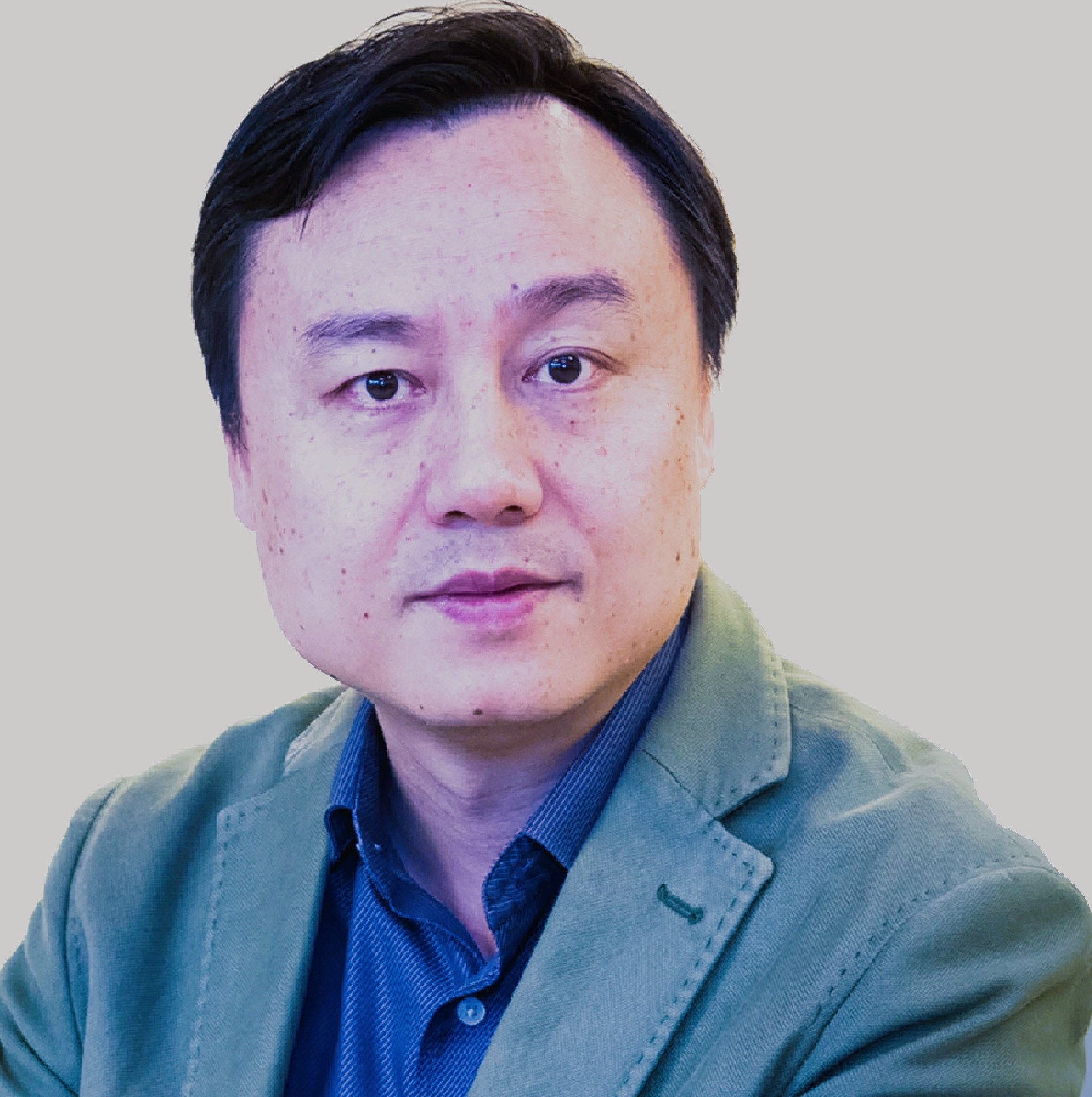
Professor Liu Xiaogang is a Distinguished Professor in the Department of Chemistry at the National University of Singapore (NUS). He holds a B. Eng from Beijing Technology and Business University, M.Sc. and Ph.D. degrees in Chemistry from East Carolina University and Northwestern University (USA), respectively, and completed postdoctoral research at MIT. His research focuses on supramolecular coordination chemistry, catalysis, chemical sensors, optogenetics, photon upconversion, and X-ray photonics. Key achievements include pioneering work on metal-organic complexes for optoelectronics and developing advanced X-ray scintillators for medical imaging. Education: B. Eng, Beijing Technology and Business University, China M.Sc. Chemistry, East Carolina University, USA Ph.D. Chemistry, Northwestern University, USA Postdoctoral Associate, Massachusetts Institute of Technology, USA Research Highlights: Professor Liu’s lab has produced groundbreaking advancements in luminescent materials, including directive giant upconversion via supercritical bound states and real-time single-proton counting scintillators. His work bridges chemistry, materials science, and biomedical applications, with notable contributions to photon upconversion, X-ray imaging technologies, and nanotheranostics. Awards: RSC Centenary Prize (2024) President’s Science Award (2016) Advising & Grants: As Principal Investigator of the Liu Lab at NUS, he oversees a dynamic research group focused on cutting-edge nanomaterials and their applications in healthcare and photonics. His grants include support for projects on X-ray luminescence imaging and optogenetic tools. Labs & Teams: The Liu Lab operates within NUS’s Department of Chemistry, collaborating with interdisciplinary teams to advance materials innovation for biomedical and environmental challenges.