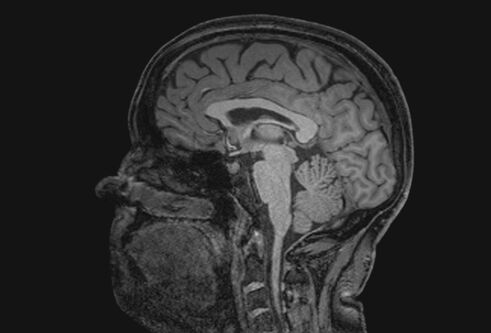
Professor Guy Williams is a leading academic at the University of Cambridge with a focus on imaging science and clinical neurosciences, affiliated with Downing College and the Wolfson Brain Imaging Centre . Holding a PhD in Physics from his initial Natural Sciences degree, he specializes in nuclear magnetic resonance (NMR) and MRI techniques for brain imaging. Education: BA, PhD in Physics His research centers on non-invasive imaging of brain structure and function, particularly in traumatic brain injury (TBI) and dementia. His work involves developing novel MRI pulse sequences and advanced data analysis algorithms, including AI-based diagnostic tools. He leads studies on white matter integrity post-trauma, longitudinal dementia assessment, and applications of MRI in disorders of consciousness and addiction. Recent publications highlight collaborations in traumatic brain injury outcomes, AI-guided dementia prediction, and neuroimaging of post-COVID cognitive deficits. His team's work on ultra-high field laminar fMRI and distortion correction methods has advanced clinical neuroscience applications. Key techniques include diffusion tensor imaging (DTI), 7 Tesla MRI, and positron emission tomography (PET/MR). His research spans from basic NMR physics to clinical translation, with a strong emphasis on multi-site studies and real-world diagnostic implementation.
Professor Emanuele (Manuel) Trucco is the NRP Chair of Computational Vision in the Department of Computing, School of Science and Engineering, at the University of Dundee. He holds additional roles as an Honorary Clinical Researcher at NHS Tayside and formerly served as an Adjunct Professor at the Chinese Academy of Sciences from 2018 to 2021. He earned his MSc and PhD in Electronic Engineering from the University of Genoa, Italy, in 1984 and 1990, respectively. His research focuses on medical image and data analysis, particularly in retinal imaging, using machine and deep learning techniques. He is co-director of VAMPIRE, a major international initiative in retinal image analysis, which supports biomarker studies in cardiovascular disease, diabetes, dementia, and neurodegenerative disorders. His recent work includes AI-driven tools for predicting dementia from brain scans and cardiovascular risk from retinal images. The latest publications reflect strong trends in applying deep learning to retinal and brain imaging for early disease detection, with themes centered on AI in healthcare, precision medicine, and non-invasive diagnostics. FRSA (Fellow of the Royal Society of Arts) FIAPR (Fellow of the International Association for Pattern Recognition) Professor Trucco has led and co-led significant research projects funded by EPSRC, NIHR, and EU programs. He has supervised PhD students through industry-sponsored studentships (e.g., OPTOS, NIDEK, Toshiba) and collaborated with institutions such as the Universities of Edinburgh and Liverpool. His research is supported by extensive industrial partnerships including Canon Medical, Epipole plc, and NIDEK. He is a key member of the UK Biobank Eye and Vision Consortium and co-director of the VAMPIRE initiative, a collaborative effort between the Universities of Dundee and Edinburgh focused on retinal image analysis. His work also involves participation in major research networks such as the Academic Health Science Partnership in Tayside.
Oreet Ashery is Professor of Contemporary Art at the Ruskin School of Art, University of Oxford, where she serves as Director of the MFA programme and Director of Studies in Fine Art at Exeter College. A visual artist whose practice navigates both institutional and grassroots contexts, Ashery's work engages with bodies, worldbuilding, autoethnography, gender and technology through multiplatform projects spanning video, 2D image-making, performance and assemblage. Her research focuses on the intersection of digital culture and mortality, speculative fiction, and gender politics. Characterized by the use of speculative fiction and humor, her work often occupies utopian, discursive and incongruous spaces. She has developed significant projects exploring digital death, grief, and the politics of representation, particularly through her award-winning web-series Revisiting Genesis and her film Dying Under Your Eyes which documents her father's passing. Her practice bridges academic research and public engagement through projects like Death Cafés that bring conversations about mortality into community spaces. Ashery's artistic output shows a consistent trajectory from early performance works exploring identity and cultural politics to more recent projects examining digital legacy and mortality. Her work increasingly engages with medical humanities and the representation of illness, as evidenced by the Wellcome Collection-commissioned Misbehaving Bodies: Jo Spence & Oreet Ashery exhibition (2019-2020) which examined illness representation through collaborative work with the late photographer Jo Spence. Oxford- UdK Berlin Award (2022) Turner Prize Bursary (2020) 10th Jarman Film Award (2017) As a supervisor, Ashery guides doctoral students working at the intersections of performance, visual art, and critical theory. She has secured significant commissions from institutions including KW Institute for Contemporary Art, Wellcome Collection, and Stanley Picker Gallery. Her leadership of the MFA program at the Ruskin School of Art demonstrates her commitment to developing the next generation of artists while maintaining an active studio practice that informs her pedagogical approach.
Professor Craig Sale holds the position of Professor of Human Physiology and Nutrition at Manchester Metropolitan University (MMU) and previously led research initiatives at Nottingham Trent University (NTU). He specializes in investigating exercise and nutrition interventions, particularly focusing on bone and muscle adaptations. His roles include Co-Lead of NTU’s Health & Wellbeing Strategic Research Theme, Director of the SHAPE Research Centre, and REF Unit of Assessment Coordinator for UoA C24. His research spans bone metabolism, muscle performance, genetics, sports nutrition, biomechanics, and environmental physiology, with a commitment to impactful real-world applications. His research has addressed topics such as beta-alanine supplementation for exercise performance, diet/exercise interventions for bone health in athletes, and the biological actions of carnosine. He has supervised 17 completed PhD students and currently guides 8 more. His awards include Fellowship in the American College of Sports Medicine (ACSM) and a Section Editor role at the European Journal of Sports Sciences. Recent work emphasizes bone biomarker responses to exercise, myocardial carnosine roles, and pregnancy’s legacy on athletic performance.
Torsten Lauschmann is a Senior Lecturer in Contemporary Art Theory and Practice (Post-Media) at the University of Edinburgh's Edinburgh College of Art. He holds an ORCID iD (0000-0003-3733-6985) and has taught across Fine Art, Intermedia, and Photography programs since 2002. His academic journey includes a BA in Fine Art from Glasgow School of Art (1993-1997) and a Medienkunst degree from Karlsruhe's ZKM (1999). Biography Education: BA (Fine Art), Medienkunst Teaching: Contemporary Art Theory and Practice Lauschmann's research explores intersections of digital and analogue technologies, focusing on human-machine relationships and the nature of the moving image. His works span installation, performance, and experimental film, often combining DIY aesthetics with high-tech elements. Research themes include technological mediation, embodied experience, and the philosophical dimensions of artistic practice. Recent artistic outputs include collaborative multimedia works like Untitled (Puppy) (2024) and explorations of generative AI in contemporary art (2023). His fingerprint in Edinburgh Research Explorer shows active engagement with audio-visual arts, Glasgow-based art communities, and experimental formats. Scientific Awards Paul Hamlyn Award (2013) Samsung Art+ Prize (Shortlisted, 2012) Derek Jarman Award (Shortlisted, 2011) Scottish BAFTA Award (Best Soundtrack, 2000) As advisor and assessor, Lauschmann has guided PhD students and participated in academic activities including symposia, residency panels, and research network involvement. His professional engagements extend to board memberships at Collective Gallery and contributions to new media research collectives.
Emanuele (Manuel) Trucco is a Professor of Computing and holds the NRP Chair of Computational Vision in the School of Science and Engineering at the University of Dundee. He is also an Honorary Clinical Researcher at NHS Tayside and previously served as an Adjunct Professor at the Chinese Academy of Sciences (2018–2021). His research is centered on computational vision and medical image analysis, particularly in retinal imaging and its applications in systemic disease detection. PhD, Electronic Engineering, University of Genoa (1990) MSc, Electronic Engineering, University of Genoa (1984) Manuel Trucco's research focuses on computer vision and medical image analysis , with a strong emphasis on retinal image analysis for early detection of diseases such as diabetes, cardiovascular conditions, stroke, dementia, and neurodegenerative disorders. He co-directs the VAMPIRE (Vessel Assessment and Measurement Platform for Images of the Retina) initiative, a collaborative effort between the Universities of Dundee and Edinburgh. This platform enables automated, multi-modal analysis of retinal images and has been used in biomarker studies across the UK and internationally. His work integrates deep learning , artificial intelligence , and biomedical engineering to develop non-invasive, scalable diagnostic tools. Industrial collaborations include Canon Medical, OPTOS plc, NIDEK, and Epipole plc, while institutional partners include the Royal College of Ophthalmologists and the UK Biobank Eye and Vision Consortium. Recent publications highlight a strong trend in using AI and deep learning to extract clinical insights from retinal images, including predicting cardiovascular outcomes in diabetic patients, estimating biological age, and analyzing retinal vasculature changes under physiological stress. His work bridges computer science, ophthalmology, and public health, contributing to precision medicine and health equity. His scientific contributions have been recognized through fellowships: FRSA (Fellow of the Royal Society of Arts) FIAPR (Fellow of the International Association for Pattern Recognition) Trucco has led or co-led major research projects, including a £7M NIHR grant on precision medicine for diabetes (Dundee-Chennai), a £1.1M EPSRC grant on vascular dementia biomarkers (PI), the 3M-Euro ITN "REVAMMAD", and several PhD studentships sponsored by OPTOS, NIDEK, SINAPSE, and Toshiba. He has served on the organizing and program committees of major international conferences such as MICCAI and the European Conference on Computer Vision. He is a key member of the VAMPIRE research team and the UK Biobank Eye and Vision Consortium , contributing to large-scale data analysis efforts in vision and systemic disease. His work is at the forefront of AI-driven healthcare innovation, with real-world applications in early disease detection and personalized medicine.
Dr. Shabnam Sadeghi Esfahlani is an Associate Professor in Robotics at the School of Engineering and the Built Environment, Anglia Ruskin University , where she serves as Deputy Leader of the BORI research group and leads the Automation & Robotics MSc program. Her interdisciplinary expertise spans mechatronics, artificial intelligence, virtual reality, and serious games , with a focus on applications for rehabilitation, medical training, and autonomous systems . As a Chartered Engineer and Senior Fellow of the Higher Education Academy , she has secured significant funding from Innovate UK, Horizon 2020, and GCRF , with grants exceeding £3 million. Education PhD in Mechanical Engineering, Anglia Ruskin University BSc (First Class) in Statistics & Mathematical Science, Shahid Beheshty University Her research integrates AI with robotics for societal impact, exemplified by the open-source SROBO ground robot and projects like Rehabgame and the Assistive Feeding Robot . She has published over 45 peer-reviewed articles and contributes to academic communities as a journal guest editor and conference organizer . Key collaborations include IET, IMechE, and the Nuffield Foundation as a mentor for young students. Scientific Awards & Recognitions: Chartered Engineer (CEng), Engineering Council UK Senior Fellow (SFHEA), Higher Education Academy Student-Voted 'Made a Difference Award' (2018) Post-Graduate Certificate in Higher Education
Kawal Rhode is a Professor in Biomedical Engineering and the Head of Education at the School of Biomedical Engineering & Imaging Sciences , King’s College London. His work bridges engineering, clinical practice, and education, with a focus on image-guided interventions, medical robotics, and 3D printing in healthcare. He leads the educational strategy for multiple taught programs, including the BEng/MEng in Biomedical Engineering and MSc programs in Healthcare Technologies and Clinical Sciences. His educational background includes a BSc in Basic Medical Sciences and Radiological Sciences from Guy's & St. Thomas' Hospitals Medical School (1992) and a PhD in arterial blood flow analysis from University College London (2006). He joined King’s in 2001 as a postdoctoral researcher and progressed through academic ranks to full Professor in 2016. Prof. Rhode’s research centers on image-guided interventions , medical robotics , and innovative pedagogy . His team develops intelligent systems for catheter-based procedures, robotic ultrasound, and simulation platforms using 3D printing. His work integrates AI, biomechanics, and translational engineering to improve clinical outcomes. His recent publications (2024–2025) reflect a strong trend in autonomous robotic systems , AI-driven image analysis , and simulation-based training , particularly in cardiac and interventional applications. These works span journals and conferences in medical imaging, robotics, and biomedical engineering, showcasing interdisciplinary innovation. Wellcome EPSRC Centre for Medical Engineering (Co-Investigator) Three-Dimensional Hybrid Guidance System for Cardiac Interventional Procedures (PI, EPSRC-funded) SIE CDT: Haemodynamics of complex aortic aneurysms (Co-I, Artivion Inc) He leads the Success for Black Engineers initiative, funded by the Royal Academy of Engineering, to improve diversity and inclusion in engineering education. This includes outreach, mentoring, industry engagement, and wellbeing support for Black students. He has supervised numerous students and collaborators, many of whom appear as co-authors on recent publications. His lab is part of a broader network within the School of Biomedical Engineering & Imaging Sciences, collaborating with clinicians at St Thomas’ Hospital and industry partners.
Dr. Nadja Heym is an Associate Professor in Personality Psychology and Psychopathology at the School of Social Sciences, Nottingham Trent University. She specializes in dark personality traits (e.g., psychopathy, narcissism), reinforcement sensitivity theory, and virtual reality (VR) interventions for mental health. Her research spans neurobiological mechanisms, trauma recovery, and cyberpsychology. Roles: Module leader for advanced courses in personality, psychopathology, and cyberpsychology. Education: Ph.D. in Psychology from the University of Nottingham (2009). Research focuses on empathy deficits in dark traits, neuropsychophysiological mechanisms, and VR applications for anxiety disorders. She co-leads the Affect, Personality, and Embodied Brain (APE) research group and collaborates internationally on projects like VR exposure therapy, biophilic design, and child abuse interventions. Awards include the 2021 NTSU SLTA Outstanding Postgraduate Research Supervisor Award. Supervises 7 current PhD students and has secured grants from Road Safety Trust, Royal Society of New Zealand, and EU Erasmus+. Active in professional societies like BPS and ISSID.
Asha Venkatesh is a Senior Lecturer at the University of Aberdeen, School of Medicine, Medical Sciences and Nutrition, where she plays a key role in anatomy education and academic leadership. She serves as Course Coordinator for Year 2 MBChB Anatomy, Assessment Lead for Anatomy (MBChB), and Co-lead for Equality, Diversity, and Inclusion (EDI) and the Athena Swan Self-Assessment Team within her School. Her work focuses on enhancing medical education through innovative teaching methods, inclusive curriculum design, and digital assessment strategies. Her research interests lie at the intersection of anatomy education, clinical application, and pedagogical innovation. She is particularly known for integrating radiology into anatomy teaching, developing e-learning tools, and promoting inclusive and ethical anatomy education. Her work emphasizes student engagement, curriculum reform, and the use of technology to enhance learning outcomes in medical and biomedical sciences. Dr. Venkatesh's recent publications reflect a strong trend toward inclusive, technology-enhanced, and clinically relevant anatomy education. Themes include online assessment, gamification of learning, decolonisation of curricula, and addressing neurophobia in medical students. Her scholarly output spans journals such as Journal of Anatomy , Medical Teacher , and Biomedical Visualisation , with increasing focus on equity, ethics, and innovation in anatomical sciences. AUSA and University of Aberdeen Best Undergraduate Lecturer 2020 AUSA and University of Aberdeen Best Undergraduate Supervisor 2021 AUSA and University of Aberdeen Best Undergraduate Supervisor 2022 Dr. Venkatesh actively supervises undergraduate research projects in Biomedical Sciences and MBChB electives, and has contributed to curriculum development with funded initiatives in e-learning and assessment reform. She has served on numerous university and national committees, contributing to academic governance and quality assurance. Her external roles include being an External Examiner at the Universities of Glasgow, Dundee, and Manchester, and leadership in the Anatomical Society and TEPARG. She is a member of the Trans European Pedagogic Anatomical Research group (TEPARG), the Anatomy Associations Advisory Committee, and was Lead Organiser of the Scottish Anatomists Group (2014–2021). She also serves as Membership Officer of the Anatomical Society (2022–2024) and reviews for major journals and textbooks in anatomy and medical education.
Shuang Qian is an active academic researcher specializing in cardiac electrophysiology and computational medicine. Her work focuses on developing advanced digital twin technologies for heart disease analysis, leveraging machine learning and medical imaging (e.g., MRI) to model cardiac functions and arrhythmias. She contributes to the UN Sustainable Development Goals related to health and well-being through her research. Her research interests include optimizing anti-tachycardia pacing therapies, non-invasive localization of ventricular tachycardia exit sites, and improving treatment strategies for ischemic heart disease and repolarization abnormalities. She collaborates extensively with global teams on porcine heart models and has pioneered computational platforms using ECG and intracardiac data to guide clinical interventions. Shuang Qian’s publications highlight innovative approaches in cardiac modeling and virtual studies, with notable contributions to Nature Cardiovascular Research , EP Europace , and Computers in Biology and Medicine . While no specific scientific awards are listed, her work has been cited 24 times and garnered significant attention from news outlets and academic platforms like Mendeley. No information on advising students or grants is explicitly provided in the text. She is part of collaborative networks exploring cardiac electrophysiology, involving researchers like Mark Bishop, Santiago Monaci, and collaborators from the UK Biobank project. Her studies often integrate in-silico simulations, deep learning, and clinical device data to advance heart disease treatment methodologies.
Dr. Nicole Paraskeva is a Senior Research Fellow at the Centre for Appearance Research (CAR) within the Faculty of Health and Applied Sciences at the University of the West of England. She holds a Professional Doctorate in Health Psychology from UWE (2016) and an MSc in Health Psychology from the University of Bath (2011). Her research specializes in body image dynamics across clinical and community settings, with a focus on vulnerable populations including adolescents, cancer survivors, and individuals considering cosmetic procedures. She leads a multinational project evaluating body acceptance interventions in partnership with the World Association for Girl Guides and Girl Scouts and Unilever's Dove Self-Esteem Project. Methodologically, she employs: Randomized controlled trials Systematic reviews Qualitative analysis of patient experiences Shared decision-making tool development Her work integrates partnerships with NHS England, Breast Cancer Now, British Association of Aesthetic Plastic Surgeons, and Department of Health. She frequently presents on body image, psychosocial oncology, and cosmetic surgery ethics.
Dominic King is an Honorary Clinical Lecturer at the Department of Surgery & Cancer, Faculty of Medicine, Imperial College London. He transitioned from a full-time NIHR Clinical Lecturer role in 2016 to focus on executive leadership in AI healthcare sectors, including roles at Microsoft AI (Health), DeepMind, Google Health, and UnitedHealth Group. His expertise spans behavioral economics, digital health innovation, and clinical informatics. Education & Research: King holds a PhD in Behavioral Economics, co-authoring the influential Mindspace Report on public policy design. His research focuses on Public Health, Clinical Sciences, and Applied Economics, with contributions to the HELIX Centre (a hospital design initiative) and co-founding Hark, a clinical task management platform acquired by Google. Professional Contributions: He pioneered early digital health programs, leading to numerous products and collaborations with Imperial College. His work bridges clinical practice with AI-driven solutions, emphasizing patient safety and healthcare optimization. Notable projects include AI systems for breast cancer screening and frameworks for esports athlete wellness. Key Themes in Publications: Recent articles explore barriers in healthcare access, biologic therapy efficacy in IBD, AI diagnostic tools, and musculoskeletal interventions. His work consistently integrates behavioral insights with technological innovation to address clinical challenges. Advising & Grants: As a startup founder and academic collaborator, King has secured funding for digital health ventures and co-authored studies on health informatics. His affiliations include the Centre for Health Policy and Patient Safety Translational Research Centre , reflecting his commitment to systemic healthcare improvement. Labs & Teams: Key affiliations include the HELIX Centre (Imperial/Royal College of Art collaboration) and the Behavioural Insights Team , leveraging multidisciplinary approaches to healthcare innovation.
Dr. Mihailo Ristic is a Senior Lecturer in the Department of Mechanical Engineering at Imperial College London, part of the Faculty of Engineering. He holds a First Class Honours Degree in Mechanical Engineering from University College London (1981), an M.Sc. in Control Systems (Imperial College London, 1982), and a Ph.D. in Robotics (Imperial College London, 1986). His research spans control systems, CAD/CAM, robotics, and medical engineering, with recent focus on Magnetic Resonance Imaging (MRI) systems and mechatronic devices for clinical applications. Dr. Ristic is a Chartered Engineer and Fellow of the Institution of Mechanical Engineers. He co-founded Turbo Power Systems, specializing in high-speed electric machines and power electronics. His work integrates robotics, medical imaging, and advanced manufacturing, addressing challenges in distributed power generation and biomedical device design. Key projects include novel MRI magnet configurations, intraoperative MRI tools, and robotic systems for MRI-guided interventions. Education: B.Sc. (First Class Honours) Mechanical Engineering, University College London (1981) M.Sc. Control Systems, Imperial College London (1982) Ph.D. Robotics, Imperial College London (1986) Affiliations: Robotics Forum CAD/CAM Research Group Mecheatronics in Medicine His research interests include medical engineering innovations, such as MRI system design, collagen fiber analysis, and robotic-assisted surgery. He has contributed to over 50 publications in journals and conferences, focusing on imaging technologies, robotics, and mechatronics. His work bridges academic research and industrial applications, particularly in energy systems and biomedical devices. Dr. Ristic’s awards include the Fellowship of the Institution of Mechanical Engineers. His grants and projects involve collaborations with industry partners to advance MRI hardware, teleoperated surgical systems, and energy-efficient power solutions.
Professor Zachary Walker is Head of the Department of Psychology and Human Development at University College London's Institute of Education (IOE). He holds a BSc in Health and Human Development, an MBA in International Business, an MA in Education (ESL), and a PhD in Exceptional Education. His research focuses on inclusive leadership, educational neuroscience, and innovative pedagogy, with emphasis on cross-cultural policy analysis and technology integration in education. Walker has led over 40 international projects on diversity, inclusion, and high-performance leadership. He serves as Academic Director of the Laidlaw Scholarship Programme and chairs the Global Perspectives Strategic Advisory Group. His work emphasizes marginalized populations and transformative education policies. Notable contributions include advancing access for students with disabilities and developing frameworks for culturally responsive teaching. Walker is a sought-after speaker and has authored Teaching the Last Backpack Generation , a guide for leveraging mobile technology in secondary education. Education: BSc in Health and Human Development, Penn State University MBA in International Business, Pittsburgh State University MA in Education (English as a Second Language), University of Alabama-Birmingham PhD in Exceptional Education, University of Central Florida Research & Leadership: Head of Department: Psychology & Human Development (2021–2026) Former Academic Head of Learning and Teaching at IOE Former Assistant Professor at National Institute of Education, Singapore Awards & Affiliations: Advance HE Principal Fellow Member of Council for Exceptional Children (CEC) Editorial Board Member: Multiple Academic Journals Impact: His initiatives include empowering educators to address neurodiversity in workplaces and advocating for equitable access to higher education. Walker’s speaking engagements span five continents, focusing on Generation Z pedagogy and organizational leadership.