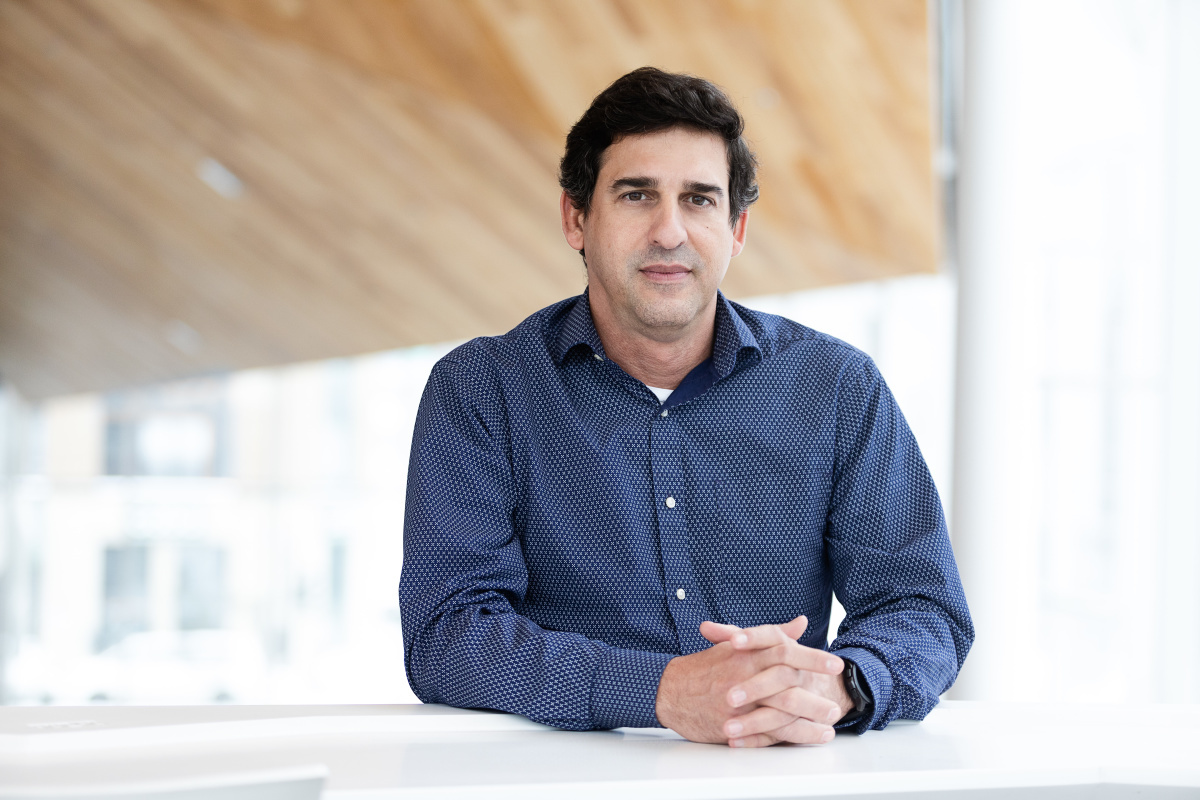
Carlos Vázquez is a Professor at the Department of Software Engineering and IT, École de technologie supérieure (ÉTS). He holds a B.Eng. and M.Sc. from ISPJAE, Cuba, and a Ph.D. from INRS, Montreal. His research focuses on computer vision, medical imaging, 3D reconstruction, and immersive video technologies. He co-leads the Summit Tech Research Chair in Immersive and Interactive Video and is affiliated with the Multimedia Research Laboratory (LABMULTIMEDIA) and the Open Innovation Laboratory in Health Technologies (LIO-ÉTS). His expertise includes stereoscopic imaging, multi-view video coding, and GPGPU programming. Notable research axes are software systems, multimedia, cybersecurity, and health technologies. He has supervised numerous doctoral and master’s theses, including works on 3D spine reconstruction, personalized femur modeling, and immersive video compression. Key contributions include advancements in medical imaging analysis, 3D reconstruction from biplanar radiographs, and efficient video coding for virtual reality. His work bridges clinical applications and engineering, with implications in surgical planning, patient rehabilitation, and multimedia systems optimization.
Javier Cabrera is a Professor in the Department of Statistics at Rutgers University with a joint affiliation at the Cardiovascular Institute. He holds a Ph.D. from Princeton University and is recognized as a Fulbright Scholar. His office is located at Hill Center 471, 110 Frelinghuysen Road, Piscataway, NJ. His research focuses on: Biostatistics and clinical trial methodology Data mining for functional genomics and DNA/protein arrays Statistical computing, machine vision, and high-dimensional data analysis Cardiovascular health applications using statistical modeling Recent publications (2022-2025) demonstrate strong emphasis on: Novel statistical methods for medical/biological data Machine learning applications in diagnostics and genomics Clinical risk modeling and epidemiological studies Big data reduction techniques and computational efficiency He frequently publishes in interdisciplinary collaborations at the intersection of statistics, biomedicine, and computational science. Awards: Fulbright Scholar He collaborates extensively with the Cardiovascular Institute, contributing statistical expertise to research on cardiovascular outcomes, disease risk modeling, and clinical data analysis.
Gonzalo Navarro is a Full Professor at the Department of Computer Science (DCC) , within the Faculty of Physical and Mathematical Sciences at the University of Chile . His academic roles include coordinating the PhD Program , serving as Research Coordinator , and being a member of the Department Council . Co-created the Pizza&Chili site for compressed text indexes Co-authored two books: Compact Data Structures and Flexible Pattern Matching in Strings Research Interests: He focuses on algorithm design , compressed data structures , text/graph databases , and information retrieval . His work bridges theoretical and practical efficiency in problems like approximate pattern matching, regular expression searching, and dynamic data structure optimization. Recent Publications Trends: His 2025-2024 works emphasize space-time optimal data structures , graph database joins , trajectory compression , and regular expression indexing , often combining algorithmic theory with real-world implementation benchmarks. Scientific Awards: 7 Best Paper Awards in conferences 4 Google Research Awards Highest Cited Paper Award (Elsevier) Scopus Chile Award ACM Fellow (2022) Advising: He has advised 8 postdocs, 22 PhD students, 17 MSc students, and 29 undergraduate theses. His Algorithmic Wednesdays Group fosters collaborative research in algorithms. Labs & Projects: He participates in the Milennium Institute for Foundational Research on Data (IMFD) and the Basal Center for Biotechnology and Bioengineering (CeBiB) , advancing compressed data structures for biological and web-scale applications.
Dr. Mahdi Barhoush is a Postdoc researcher and teaching assistant at RWTH Aachen University since 2023. His work focuses on applying machine learning to medical domains, particularly in distributed learning systems and signal processing. PhD (2023): "Using machine learning in the medical field: speaker signal processing and distributed learning systems" MSc (2015): Communication Engineering, RWTH Aachen University BSc (2013): Telecommunication Engineering, Arab American University His research spans medical machine learning, edge computing, and IoT optimization, with recent publications on federated learning, split learning architectures, and privacy-preserving ECG classification systems. He contributes to advancements in energy-efficient AI for resource-constrained environments and speaker localization in hospitals. Scientific achievements include: Best Paper Award at RADAR 2024 He collaborates with the INDA Institute in Aachen, contributing to active research projects in distributed learning, 6G technologies, and biomedical AI applications.
Professor Ali Gur is affiliated with Gaziantep University , where he works in the Faculty of Medicine across the Department of Internal Medicine and Physical Medicine and Rehabilitation . He holds a Professor academic rank and has published extensively in both medical and social science domains. Education : Doctorate in Basic Islamic Sciences (2019-2024) at Gaziantep University Institute of Social Sciences Licence in History (2015-2019) from Anadolu University Faculty of Open Education Medical Specialization in Physical Medicine and Rehabilitation (1995-2009) from Dicle University Faculty of Medicine Research Interests span Physical Medicine and Rehabilitation , Rheumatology , and Fibromyalgia . His work focuses on musculoskeletal disorders , neuropathic pain , ankylosing spondylitis , and osteoarthritis , with recent publications addressing both clinical interventions and social science critiques of radicalism. Article Trends reflect a dual emphasis: medical research on chronic pain and rehabilitation (e.g., fibromyalgia, osteoarthritis) and social science analysis of terrorism and religious extremism. His 2024 publications include a self-critical examination of Islamophobia and a clinical study on fibromyalgia in psoriatic arthritis patients. Co-Author Networks include researchers like Mazlum Serdar Akaltun , Özlem Altindağ , and Savaş Gürsoy , with collaborative work in clinical trials , rehabilitation programs , and inflammatory disease analysis .
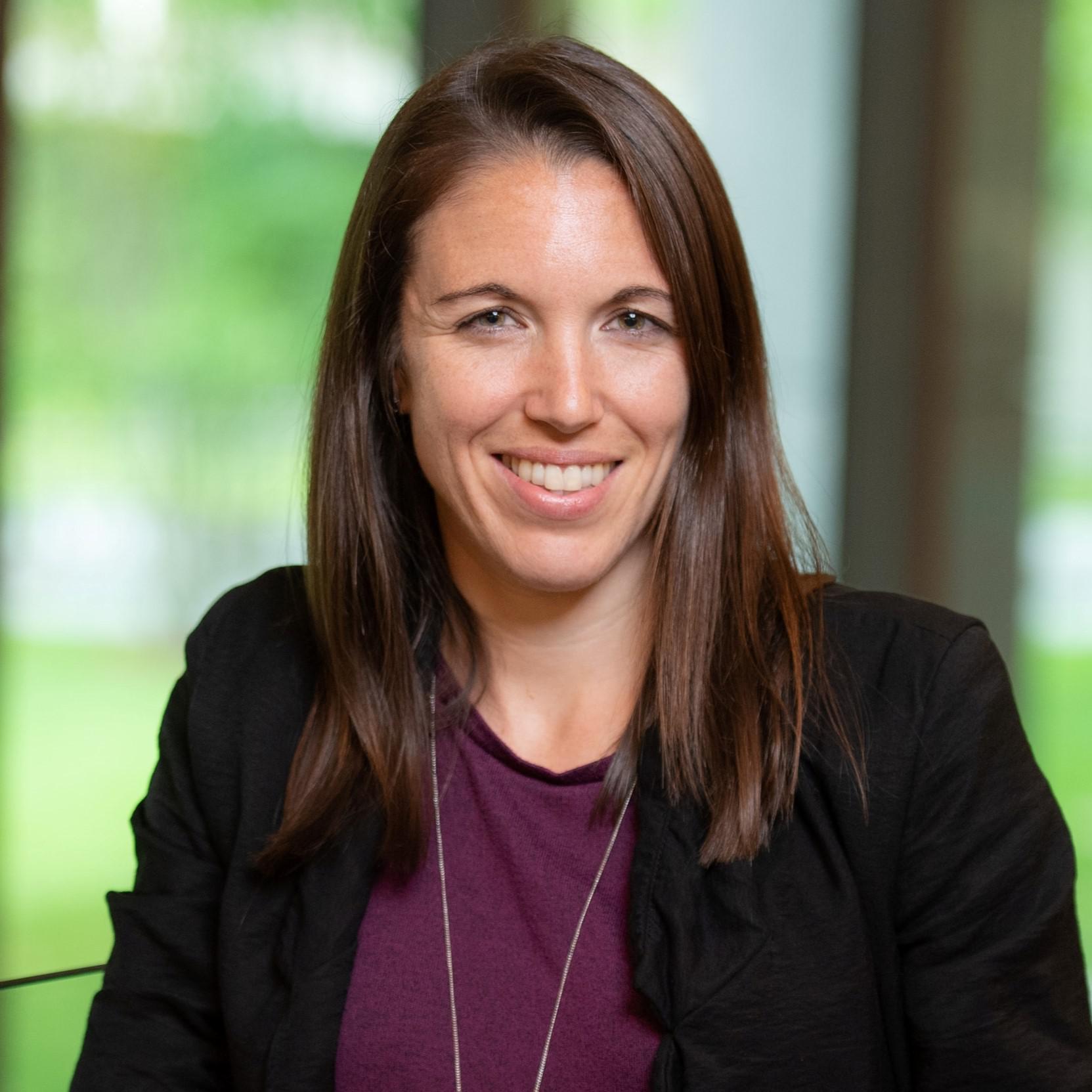
Marissa Lynne Gray serves as an Assistant Professor (Research) in Brown University's School of Engineering and directs the Biomedical Engineering Master's Program. She joined Brown in January 2019 after serving as Teaching Assistant Professor and Associate Chair of Graduate Programs at Stevens Institute of Technology, bringing expertise in clinical engineering and wearable sensor systems. Her educational background includes a PhD (2014) and ME (2011) in Biomedical Engineering from Stevens Institute of Technology, and a BS in Biomedical Engineering with Electrical and Computer Engineering minor from Worcester Polytechnic Institute (2009). Dr. Gray's research bridges electrical engineering principles with clinical applications through wearable sensor technology. Her work spans military-funded projects like dry EEG electrode headsets for the Army Research Laboratory and smart flotation devices for U.S. Special Operations Command, to current cancer care applications monitoring anxiety through physiological sensors. She emphasizes translational engineering solutions for real-world healthcare challenges. Recent publications (2022-2025) reveal dual research trajectories: advancing biomedical engineering education through curriculum innovation and industry partnerships, while developing wearable sensor applications for mental health monitoring in clinical populations. Her work consistently connects pedagogical development with practical clinical implementations. Her research has secured Department of Defense funding for military medical technology development. As Director of the Biomedical Engineering Master's Program, she shapes graduate curriculum and oversees student training in engineering design and innovation. Dr. Gray maintains active collaborations across Brown's ecosystem, particularly with Radiation Oncology, Computer Science, and Psychiatry departments, leveraging interdisciplinary approaches to advance wearable sensor applications in clinical settings.
JESUS GARCIA HERRERO is a Full Professor at the Department of Computer Science , Carlos III University of Madrid , and serves as Director of the Postgraduate School of Engineering and Basic Sciences and the Master's Degree in Applied Artificial Intelligence. His research focuses on Artificial Intelligence , Data Fusion , and Maritime Surveillance , with applications in UAV navigation , sensor integration , and fuzzy systems . Key Research Areas: Machine Learning, Trajectory Analysis, Contextual Data Fusion, Robotics, Maritime Security, and Smart Grids. Notable Projects: ASPID (2024-2027), MARVISION (2024-2025), SIMBAT (2021-2024), and HADA (2023-2024). Contact: jesus.garcia@uc3m.es , jgherrer@inf.uc3m.es
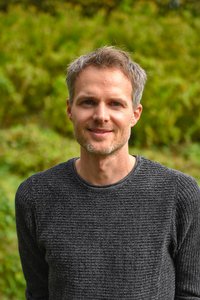
Prof. Dr. Tobias Windisch is a Professor at the University of Applied Sciences Kempten, where he serves as head of the Institute for Machine Vision within the Faculty of Mechanical Engineering. He leads the Optical 3D Measurement and Computer Vision Laboratory (3D visionlab) and oversees research activities focused on machine learning applications for industrial automation. Dr. Windisch received his PhD in mathematics from OvGU Magdeburg under the supervision of Thomas Kahle, and holds an Honors Master's degree in mathematics from TU Munich within the elite TopMath program. Prior to his academic career, he worked on machine learning projects for Robert Bosch GmbH and Daimler TSS GmbH (now Mercedes-Benz Tech Innovation). His research spans machine learning, computer vision, and optical sensing with a strong focus on industrial applications. Windisch's work primarily explores how reinforcement learning can be combined with optical sensing to develop intelligent control strategies for manufacturing processes. His team develops mechanical processes built around machine learning models to further automate industrial applications using data from optical sensors. The research has practical applications in automotive production, quality control, and precision manufacturing. Analysis of his recent publications reveals a strong trend toward practical implementations of machine learning in industrial settings, with particular emphasis on reinforcement learning for process optimization, drift detection in high-dimensional data, and causal structure learning for manufacturing analytics. His work bridges theoretical machine learning with real-world industrial challenges. As a dedicated educator and research leader, Windisch maintains high standards for academic integrity and excellence. He believes in creating an environment where students can focus deeply, think boldly, and innovate through meaningful research. Dr. Windisch leads a dynamic research group with numerous Master's and Bachelor's students working on cutting-edge projects including reinforcement learning for active alignment, drift detection in sensory data, latent drift detection with Autoencoders, and representation learning for industrial processes. His laboratory, the 3D visionlab, serves as the physical hub for this research. The Institute for Machine Vision under his leadership develops practical tools and frameworks such as relign, lineflow, and driftbench that are openly available on GitHub, demonstrating his commitment to reproducible research and practical applications.
Raf Van de Plas is a researcher at Delft University of Technology specializing in mass spectrometry imaging and data analysis. His work focuses on developing advanced techniques for molecular analysis of biological tissues, particularly in kidney research and lipidomics. With a PhD in Mechanical Engineering, he bridges engineering principles with biomedical applications. His research interests include: Mass Spectrometry Imaging MALDI Imaging Techniques Lipid Analysis and Mapping Kidney Tissue Molecular Profiling Computational Data Analysis Biomolecular Imaging Algorithms Dr. Van de Plas has published extensively in high-impact journals with multiple 2025 publications in Science Advances, Nature Communications, Kidney International, and Analytica Chimica Acta. His work demonstrates a clear trajectory toward developing innovative computational workflows for mass spectrometry data while applying these techniques to solve critical biomedical problems, particularly in kidney pathology and lipid metabolism. His scientific contributions include: Development of advanced MALDI matrices for high spatial resolution imaging Creation of msiFlow automated analysis workflows Comprehensive lipid mapping of human kidney tissues Integration of mass spectrometry with immunofluorescence microscopy Dr. Van de Plas actively supervises research work and collaborates internationally across biomedical and engineering disciplines, with significant contributions to both methodological development and clinical applications of imaging mass spectrometry.
Renju Kuriakose, MD, is an Assistant Professor in the Division of Neurology under the Department of Medicine at Dalhousie University's Faculty of Medicine. He practices at Saint John Regional Hospital and has contributed to research on Parkinsonism, neuroimaging, and movement disorders. Education: MD with a Certificate in Indian Neurology. Contact: Phone 506-648-7556; Mailing Address: 600 Main Street, Suite 200 Building C, Saint John, NB E2K 1J5. Research Focus: Dr. Kuriakose's work examines dopaminergic imaging, cortical activation patterns post-subthalamic stimulation, and rare neurological conditions like Perry syndrome and Holmes tremor. His studies also explore atypical presentations of dystonia and psychogenic movement disorders. Article Trends: His research spans neuroimaging applications (SPECT, DBS), Parkinsonism subtypes (PLA2G6-related, genetic), and cortical-motor interactions. Additional work includes scleredema diabeticorum and brainstem infarction localization. Scientific Awards: No awards mentioned in the provided data. Advising & Grants: No students or grants explicitly cited in the available records. Labs & Teams: Affiliated with Dalhousie University's Faculty of Medicine and Saint John Regional Hospital's neurology division.
Assistant Professor Mahmut Aykaç is affiliated with Gaziantep University, Faculty of Engineering, Department of Electrical and Electronics Engineering. He holds a Doctorate (2010-2018), Master's (2006-2009), and Licence (2001-2006) in Electrical and Electronics Engineering from Gaziantep University, specializing in Circuits and Systems Theory. His research spans Image Processing , Machine Learning , and Wireless Communication Systems , with a focus on RFID localization ZigBee-based navigation Chaos theory in cryptography Edge computing for neural networks Legacy textile system modernization Scientific contributions include 7 refereed journal articles and participation in 7 international conferences. Notable projects: ZigBee Campus Navigation System (2013-2017) Jacquard Loom Control System Modernization (2007-2009) Supervised master's theses on: Single-band GSM RF energy harvesting Automatic power factor correction systems Received certification as expert witness in Expropriation and Electrical Engineering fields.
MEHMET SAİT MENZİLCİOĞLU is an Associate Professor at Gaziantep University, Faculty of Medicine, Department of Internal Medicine, specifically working in the Department of Radiodiagnostics. He serves as the Dean's Assistant (2023-2026) and previously held the position of Hospital Deputy Director (2021-2023). His academic journey began with a medical degree from Gaziantep University (1996-2005), followed by medical specialization in Radiodiagnostics (2006-2011). Dr. Menzilcioğlu's research primarily focuses on ultrasound elastography applications across various medical specialties. His work spans kidney disease imaging, thyroid assessment, musculoskeletal applications, and pediatric radiology. He has made significant contributions to understanding tissue stiffness measurement in conditions ranging from Duchenne Muscular Dystrophy to hydatid cyst disease. His research demonstrates a consistent pattern of exploring quantitative ultrasound techniques to improve diagnostic accuracy and disease monitoring. His publication trend shows a strong emphasis on comparative studies between different imaging modalities and the development of reference values for healthy populations. The research spans multiple organ systems but maintains a consistent methodological approach centered on elastography techniques. Recent work has expanded into obstetric applications and ultra-low-dose CT protocols, reflecting an ongoing commitment to radiation dose reduction while maintaining diagnostic quality. GAZİ ÜNİVERSİTESİ REKTÖRLÜĞÜ YAYIN ÖDÜLÜ (2016) GAZİ ÜNİVERSİTESİ TEŞEKKÜR BELGESİ (2015) GAZİ ÜNİVERSİTESİ REKTÖRLÜĞÜ YAYIN ÖDÜLÜ (2015) Dr. Menzilcioğlu has supervised two theses to completion in 2022, focusing on renal elastography in diabetic children and CT evaluation of paranasal sinus variations. He has led two national research projects, one on pediatric lung X-ray radiation doses (2021-2024) and another on shear wave elastography in renal transplant patients (2019-2020). His editorial work includes contributions to Journal of Pediatric Neuroradiology, Radiology Open Journal, ClinMed International Library, and Spine Research. He maintains active membership in numerous professional organizations including the European Society of Radiology and Turkish Radiology Association, reflecting his commitment to advancing the field through both research and professional engagement.
Sudhanshu Shekhar Singh is an Associate Professor in the Department of Materials Science & Engineering at the Indian Institute of Technology Kanpur (IIT Kanpur), where he conducts cutting-edge research in materials characterization and mechanical behavior of alloys. Education: PhD (2015) from Arizona State University, Tempe, Arizona, USA B.Tech (2008) from IIT Kharagpur Dr. Singh specializes in 3D/4D Materials Science and Mechanical Metallurgy, with a particular focus on nanoindentation, micro-mechanical testing, lightweight alloys, deformation behavior of alloys, and powder metallurgy. His research employs advanced characterization techniques including X-ray synchrotron tomography to investigate the microstructural properties and mechanical behavior of materials at unprecedented resolution. His work has significant implications for understanding corrosion mechanisms, stress-strain relationships, and failure analysis in advanced metallic materials, particularly aluminum alloys used in aerospace and other critical applications. His recent publications demonstrate a consistent research trajectory focused on the application of 3D X-ray synchrotron tomography and nanoindentation techniques to study aluminum alloys, particularly the Al 7075 system. His work bridges the gap between microstructural characterization and mechanical property determination, providing valuable insights into how microstructural features influence material performance under various conditions. Scientific Awards: Outstanding Dissertation Award, ASU (2015) Student Travel Award, ASU (2014, 2015) Institute Silver Medal, IIT Kharagpur, India (2008) Best B. Tech Project Work Award, Metallurgical and Materials Engineering Department, IIT Kharagpur, India (2008) Indranil Award for Metallurgy, The Mining, Geological & Metallurgical Institute of India, India (2008) Ramneek Sodhi Award, IIT Kharagpur, India (2008) Before joining IIT Kanpur as faculty, Dr. Singh worked as a Manager at Tata Steel (2008-2011) and completed a postdoctoral fellowship at Arizona State University (Aug 2015-Dec 2015). His industry experience at Tata Steel provides him with practical insights that complement his academic research. Dr. Singh maintains his laboratory in room WL303B at IIT Kanpur, where he conducts advanced materials characterization research using specialized equipment for micro-mechanical testing and 3D/4D materials science investigations.
Irene Rocchi is an Associate Professor in the Department of Environmental and Resource Engineering, specializing in Geotechnics & Geology at the Technical University of Denmark (DTU). Her research integrates experimental soil mechanics with innovative engineering solutions, focusing on ground characterization, soil behavior across scales, and sustainable geotechnical practices. She leads key projects such as SoIA (Soil is alive) and B-test, contributing to advancements in geotechnical instrumentation and interdisciplinary soil science. PhD, City University of Hong Kong (2010–2014) MSc in Civil Engineering, Politecnical School of Turin (2007–2009) Bachelor in Civil Engineering, University of Bologna (2004–2007) Her research interests center on experimental soil mechanics, with a strong focus on laboratory and field characterization, unsaturated soils, micro-scale analysis, and the influence of biological factors on soil behavior. She emphasizes innovation and the translation of research into practical engineering applications, particularly in flood protection, ground improvement, and sustainable infrastructure. The recent publications reflect a consistent trend in advanced geotechnical testing, probabilistic modeling, and interdisciplinary biogeotechnics. Her work spans from fundamental soil behavior studies to applied technologies like digital twins and energy storage in geomaterials, demonstrating a strong integration of mechanics, sustainability, and innovation. Semper Ardens Excellence Grant (Carlsberg Foundation) InnoExplorer Grant (B-test project) Irene Rocchi actively supervises PhD students and contributes to major research projects at DTU. She has been involved in industrial collaborations and has led funded projects focusing on sustainable underground construction, soil swelling, and infrastructure performance. Her work bridges academic research and real-world engineering challenges. She is involved in the SoIA research group and contributes to DTU’s Sustainable Geotechnics initiative, where she develops new sensing technologies and promotes interdisciplinary approaches to soil science. Her lab focuses on advanced soil testing, NMR-based homogeneity assessment, and biologically influenced soil mechanics.
Prof. Dr.-Ing. Robert Fischer has been a full professor for Communications and Signal Theory at the University of Ulm, Germany, since 2011. He specializes in fast digital transmission techniques, including single- and multicarrier modulation, with a focus on precoding and shaping methods for high-rate systems. Research Interests: His work spans Precoding and Signal Shaping , Equalization Algorithms , OFDM Transmission Systems , Low-Complexity Receivers , MIMO and Multiuser Communications , Ultra-Wideband , Information Theory , Channel Coding , Physical-Layer Security , and Compressed Sensing . Recent publications emphasize applications in THz communication, MIMO systems, and compressed sensing. Scientific Recognition: He has received multiple awards, including the Promotionspreis der Technischen Fakultät (1997) Literaturpreis der ITG (2000) Wolfgang-Finkelnburg-Habilitationspreis (2002) Philipp-Reis-Preis (2005) Christian Doppler Laboratory Industrial Award (2007) Best Paper Award at International OFDM Workshop (2012) Teaching: At Ulm University, he teaches Signals and Systems , Communications Engineering , and MIMO Systems . Previously, he taught courses like Kanalcodierung (Channel Coding) at University Erlangen (1998–2010) and short courses at ETH Zürich and TU Berlin.