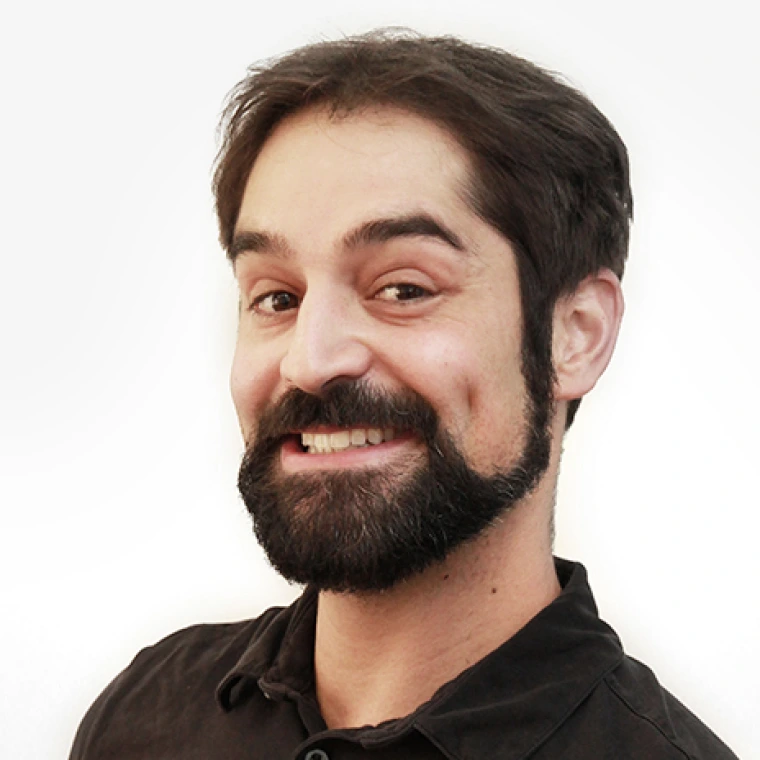
Stephen Adamo is an Assistant Professor in the Department of Psychology at the University of Arizona and directs the Attention Detection And Medical Observation (ADAMO) Lab. He holds a joint appointment in Radiology and Imaging Sciences and is a member of the UA Cancer Center. Education: B.S. in Psychology from the University of Arizona, M.A./Ph.D. in Psychology and Neuroscience from Duke University. His research focuses on visual perception, attention, and medical image perception, utilizing behavioral studies, eye-tracking, and EEG to explore topics like satisfaction of search in virtual mammograms, the impact of AI on diagnostic imaging, and differences between 2D and 3D visual search. He investigates attentional limitations such as "subsequent search misses" and "self-induced attentional blink" in radiology and cognitive science contexts. His recent publications examine the intersection of AI, 3D imaging, and cognitive errors in diagnostic workflows, emphasizing human-AI collaboration in visual search tasks. Scientific Awards: NIH National Cancer Institute Grant 5K99CA267163-02. He collaborates with radiologists and cognitive scientists, integrating interdisciplinary methods to improve medical diagnostics through human factors research.
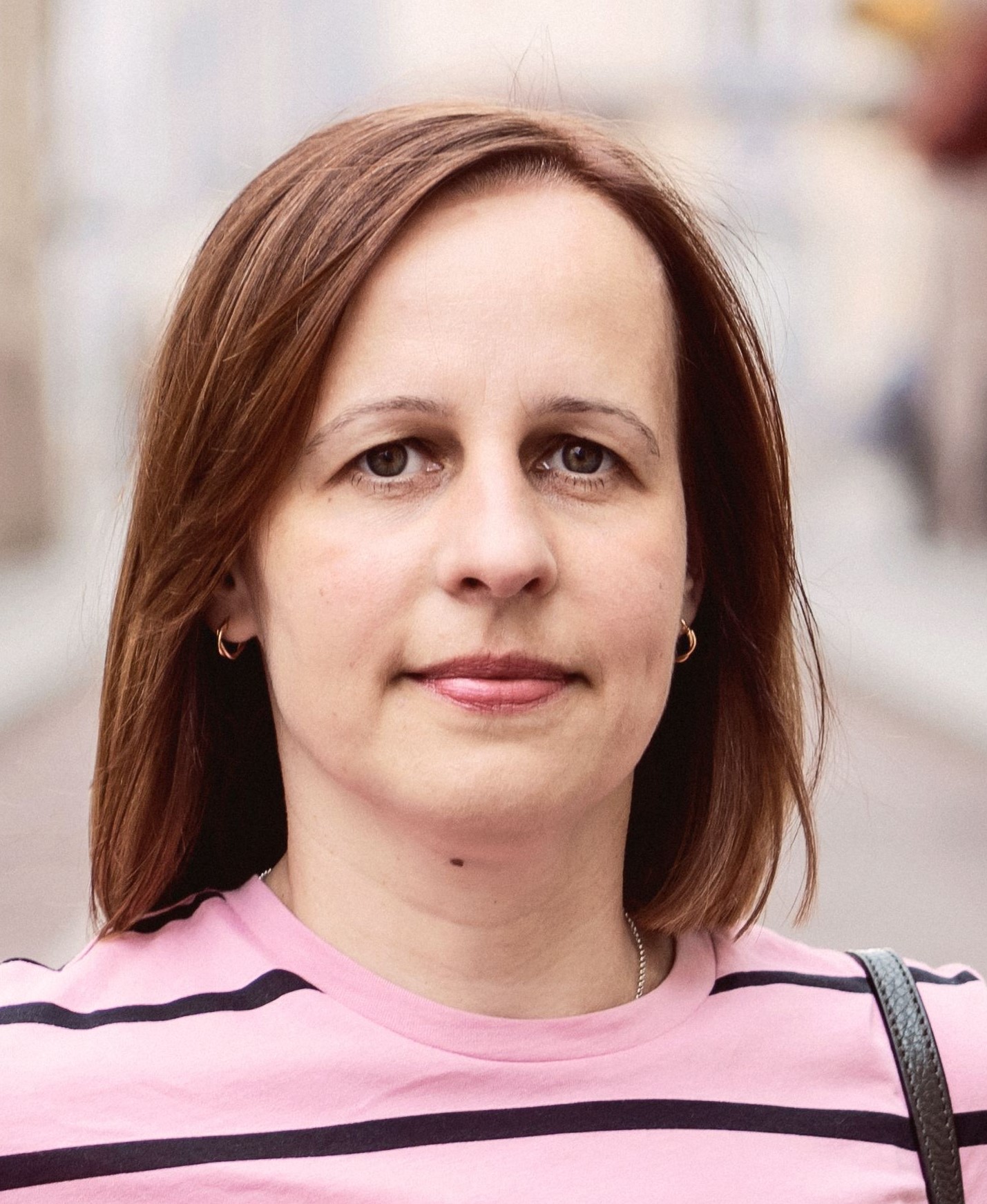
Dr. Olga Kurasova is a Professor and Senior Researcher at Vilnius University's Institute of Data Science and Digital Technologies, where she leads research in the Cognitive Computing Group. Her work focuses on developing advanced computational methods for real-world applications. Her primary research explores machine learning paradigms including deep learning for cybersecurity (keystroke dynamics, adversarial attacks), medical image analysis (pancreatic cancer detection), industrial monitoring, and explainable AI. She maintains strong collaborations across disciplines, particularly in healthcare and security domains. Analysis of her recent publications (2023-2025) reveals three dominant themes: (1) Advanced biometric authentication systems using behavioral analysis and deep learning, (2) Medical AI applications focusing on pancreatic cancer detection through CT image analysis, and (3) Theoretical advancements in explainable AI methodologies for high-stakes domains. Significant scientific recognition includes: 2021 Lithuanian Science Prize for the cycle 'From Data Science to Artificial Intelligence Technologies' 2024 Vilnius University Rector's Science Prize She has led multiple national research projects, including a 2024-2027 LMT-funded initiative on 'adversarial machine learning for cybersecurity' and coordinated interdisciplinary teams for projects on cognitive computing capabilities and optimal data mining solutions. She directs research within the Cognitive Computing Group, focusing on developing intelligent systems for data analysis, visualization, and decision support across healthcare, cybersecurity, and industrial applications.
Kobus Barnard is a Professor in the Department of Computer Science at the University of Arizona, with his office located in GS 708. His research bridges computer vision, machine learning, and interdisciplinary scientific applications across diverse domains. Education: Ph.D. from Simon Fraser University (1999) His research interests focus on extracting meaningful insights from complex data through computer vision and probabilistic modeling. Key areas include machine learning for environmental monitoring (flood detection, plant disease analysis), social dynamics (interpersonal coordination, emotional coregulation), astronomy (transient classification), and multimodal learning (visual-linguistic integration). His work consistently applies deep learning to real-world problems requiring high-resolution data interpretation. Analysis of his 2022-2025 publications reveals three dominant trends: (1) Environmental applications using satellite imagery for flood mapping and agricultural monitoring, (2) Cognitive modeling of human teams and emotional dynamics through probabilistic frameworks, and (3) Astronomical data analysis leveraging host galaxy properties for transient classification. These threads demonstrate his commitment to solving practical scientific challenges through computational innovation. While scientific awards aren't documented in available sources, his leadership in projects like FloodPlanet and ToMCAT indicates significant contributions to data infrastructure. His advising and grant activities remain unreported in the source material, though his extensive interdisciplinary collaborations suggest substantial mentorship impact. Barnard's work operates at the intersection of multiple scientific communities, evidenced by applications spanning neuroscience, agriculture, astronomy, and social science. His current focus on high-resolution data fusion and multimodal modeling positions him at the forefront of real-world AI deployment.
Nishchal K. Verma is a Professor at the Department of Electrical Engineering, Indian Institute of Technology Kanpur. He holds a PhD from IIT Delhi (2007), an M.Tech from IIT Roorkee (2003), and a B.Tech from DEI Agra (1996). His postdoctoral research includes work at the University of Tennessee (2009) and Louisiana Tech University (2008). Specialization: Fuzzy Logic, Health Monitoring, Intelligent Informatics Current Research Interests: Intelligent Data Mining, Computer Vision, Smart Grids, Biomedical Applications His research focuses on Fuzzy Systems , Machine Learning , and Health Monitoring with applications to power systems, biomedical data, and wireless sensor networks. He has developed technologies like the Transducers and Instrumentation Virtual Laboratory and Brain Computer Interface Laboratory , emphasizing predictive modeling and fault diagnosis. Key sponsored projects include DST-funded Fuzzy Rule-Based Image Prediction and DRDO-supported Visual Surveillance Systems . His work spans 15+ years of interdisciplinary publications in journals and conferences. Scientific Awards : Devendra Shukla Young Faculty Research Fellowship (2013-16) He has served as Associate Editor for journals and Chairman of IEEE chapters, with leadership roles in academic administration at IIT Kanpur.
Sylvain Faisan is a permanent Assistant Professor at ICube - MIV (University of Strasbourg, France). His research focuses on image processing, statistical modeling, and geometry, with applications in medical imaging and neuroscience. He works on advanced methodologies integrating machine learning and mathematical frameworks. Key Research Areas: Polarimetric image processing, retinal image registration, 3D statistical model comparison, topology-preserving image deformation, and fMRI brain mapping Technical Expertise: Bayesian inference, non-local means filtering, reversible jump MCMC algorithms, causal modeling, and constrained optimization His publications demonstrate interdisciplinary applications in optics, biomedical imaging, and computational anatomy. He contributes to developing algorithms that maintain physical admissibility and topological integrity in complex imaging problems.
Sung Kyung Hong is a Professor in the Department of Intelligent Drone Convergence at Sejong University , specializing in autonomous flight control systems, UAV technology, and sensor applications. He has held leadership roles including Director of the Autonomous Unmanned Vehicle Research Center since 2017 and served as an Advisory Member of South Korea's Presidential Advisory Council on Science and Technology (2019-2021). Education : Ph.D. (1998) from Texas A&M University, M.S. (1989) and B.S. (1987) from Yonsei University. His research focuses on autonomous flight control , inertial sensor integration , and HILS testing for UAVs, with notable achievements in robust fault diagnosis, collision avoidance algorithms, and adaptive filtering in high-vibration environments. Recent publications highlight applications of deep reinforcement learning, fixed-time attitude control, and drone-view image dehazing techniques. The scientific awards section includes: Advisory Member, Presidential Advisory Council on Science and Technology (2019-2021) As advisor, he has mentored researchers in UAV dynamics and simulation, while leading the Autonomous Unmanned Vehicle Research Center to develop advanced drone technologies and hardware-in-the-loop testing frameworks.
Joakim Lindblad is a Professor at the Department of Information Technology, Uppsala University , and holds affiliated roles as Senior Research Associate at the Mathematical Institute of the Serbian Academy of Sciences and Arts, and Head of Research at Topgolf Sweden AB. With over two decades of expertise in image analysis and machine learning , his work bridges computational methods with biomedical applications. Key affiliations: Uppsala University, Serbian Academy of Sciences, Topgolf Sweden Specializations: Deep Learning, Multimodal Image Registration, Quantitative Microscopy His research focuses on reliable image processing frameworks that integrate intensity and spatial information , particularly for biomedical applications . Recent publications highlight innovations in autofluorescence-based cancer detection , self-supervised one-class learning for sparse instance identification, and rotation-equivariant CNNs for robust analysis of cytology images. Recent article trends demonstrate expertise in multimodal image analysis (2024: 3 papers), oral cancer detection (2025: 2 papers), and multiscale biomedical imaging . His 2025 work on the Uppsala Storytelling Dataset introduces novel frameworks for multimodal dataset creation in AI research. While no scientific awards are explicitly mentioned, his extensive publication record (2000-2025) across top venues like Pattern Recognition , PLOS ONE , and IEEE Transactions indicates significant academic impact. His methodological contributions span stochastic distance transforms , fuzzy set defuzzification , and multimodal image registration techniques. Collaborative work with researchers like Nataša Sladoje and interdisciplinary teams has produced innovations in automated cytology analysis , TEM image enhancement , and AI-driven medical diagnostics . His 2021-2022 projects introduced contrastive learning approaches for multimodal image registration and explainable AI frameworks for infant engagement analysis.
Dr. Albert J. Sinusas is a Professor of Medicine (Cardiology) , Radiology & Biomedical Imaging , and Biomedical Engineering at Yale University . He serves as Director of the Yale Translational Research Imaging Center (Y-TRIC) and Advanced Cardiovascular Imaging at Yale New Haven Hospital. Education: BS from Rensselaer Polytechnic Institute (1979), MD from University of Vermont (1983), Internal Medicine training at University of Oklahoma (1986), Cardiology/Nuclear Cardiology at University of Virginia (1989) Dr. Sinusas specializes in non-invasive cardiovascular imaging with expertise in PET/CT, SPECT/CT, echocardiography, and MR imaging . His research focuses on molecular imaging of myocardial injury , angiogenesis , post-infarction remodeling , and deep learning applications in cardiac diagnostics. He has pioneered multimodality imaging approaches for cardiovascular pathophysiology assessment. Recent publications highlight his work in AI-driven cardiac imaging , novel PET tracers , and medical robotics . His team's 15 most recent articles (2024-2025) span topics from ARDS diagnostics to cardiovascular risk stratification using CT and PET technologies. Scientific Awards: SNMMI Hermann Blumgart Award (2008) Best Doctor in America (2001-2002, 2005-2015) M.A. Privatim from Yale (2006) Robert Wilkinson Lectureship (2014) Interurban Clinical Club membership (2017) As Principal Investigator on multiple NIH grants, Dr. Sinusas directs the NHLBI-funded T32 training program in multimodality cardiovascular imaging. His lab (Y-TRIC) houses state-of-the-art imaging resources including hybrid SPECT/CT , microCT , and 3D ultrasound systems for translational research from animal models to clinical applications.
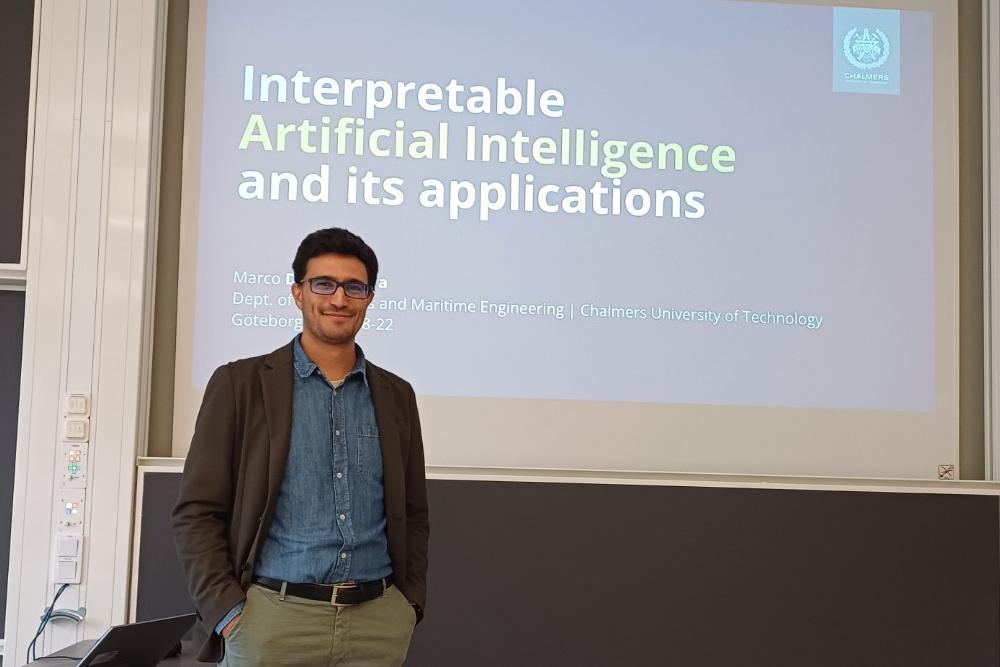
Marco L. Della Vedova is a Senior Lecturer in Applied Artificial Intelligence at Chalmers University of Technology, Sweden. He works in the Vehicle Engineering and Autonomous Systems division within the Department of Mechanics and Maritime Sciences, as part of Prof. Mattias Wahde's research group. Since 2025, he has served as Director of the Data Science and AI master's programme (MPDSC) at Chalmers, where he teaches courses including Introduction to Artificial Intelligence and Digitalization in Sports. Dr. Della Vedova earned his academic foundation at the University of Pavia, Italy, where he completed his BSc (2006), MSc (2009), and PhD (2013) in Computer Engineering. His doctoral research focused on "Real-Time Physical Systems and Electric Load Scheduling" under Prof. Tullio Facchinetti. During his PhD studies, he spent a year at U.C. Berkeley hosted by Prof. Francesco Borrelli at the Model Based Predictive and Distributed Control Lab. His research spans multiple AI domains with a strong emphasis on interpretability. Dr. Della Vedova develops interpretable methods for conversational AI, naturalness evaluation of forests using canopy height models, and geospatial applications. His work bridges theoretical AI with practical societal benefits, particularly in environmental monitoring, transportation systems, and orienteering. He has previously contributed to cloud computing, hate speech detection, and cyber-physical energy systems, demonstrating his interdisciplinary approach to AI research. Dr. Della Vedova's publication record reveals a consistent trajectory of impactful research across multiple domains of artificial intelligence. His recent work shows a strong focus on interpretability in AI systems, with significant contributions to natural language processing, geospatial analysis, and causal inference. The research demonstrates both theoretical depth and practical applications, particularly in environmental monitoring and social media analysis. His methodology often combines traditional machine learning approaches with novel interpretability techniques, creating bridges between complex AI systems and human understanding. Dr. Della Vedova has received several prestigious recognitions for his work: Best PhD thesis award from the Order of the Engineers of Bergamo (2013) Italian champion of Il Cervellone (2012) Top Italian performer in IEEEXtreme 6.0 programming competition (148th overall globally, 2012) Premio Arturo Schena award from Fondazione Credito Valtellinese (2010) With over 50 students supervised through bachelor's and master's theses, Dr. Della Vedova has established himself as a dedicated mentor in the AI community. His current PhD students include Minerva Suvanto working on interpretable NLP and Vivien Lacorre developing AI for railway infrastructure inspection. His supervision spans diverse topics from forest naturalness evaluation to hate speech detection and transportation optimization. Beyond formal supervision, he actively contributes to educational initiatives including serving as Director of Chalmers' Data Science and AI master's program and developing innovative teaching methods that connect theoretical concepts with real-world applications. Dr. Della Vedova is deeply embedded in both academic and professional communities. He leads the Applied Artificial Intelligence research group at Chalmers while maintaining strong connections with European research networks through projects like the ERASMUS+ EUrienteering initiative. His interdisciplinary approach is reflected in collaborations across computer science, environmental science, and social sciences. Notably, he applies his AI expertise to orienteering both as a researcher developing localization methods and as a licensed Event Advisor for the International Orienteering Federation, demonstrating how his professional and personal interests converge in innovative ways.
Danijel Skočaj is Full Professor at the University of Ljubljana, Faculty of Computer and Information Science , and serves as Head of the Visual Cognitive Systems Laboratory . He is an internationally recognized researcher in computer vision, machine learning, and cognitive robotics , with a strong focus on deep-learning solutions for real-world visual perception tasks and their ethical implications. Education: While specific degrees are not listed in the text, Professor Skočaj’s 2002 “Best PhD paper award” confirms he holds a PhD in the relevant field. Research Interests: His work spans Computer Vision & Pattern Recognition Deep Learning & Neural Networks Cognitive Robotics & Autonomous Navigation Visual Anomaly & Surface-Defect Detection AI Ethics & Societal Impact of AI These interests manifest in both theoretical advances and practical systems deployed in industry and public infrastructure. Publication Trends: Recent papers (2020-2024) emphasize deep-learning architectures for defect detection, robotic grasping, autonomous navigation, traffic-sign recognition, and 3-D anomaly detection , demonstrating a clear trajectory toward robust, real-time, and data-efficient visual intelligence. Awards & Honors: Prometheus of Science Award 2021 (Slovenian Science Foundation) Golden Plaque, University of Ljubljana 2020 ARRS National Award for Exceptional Scientific Achievement 2011 & 2022 Multiple Best-Paper awards at ERK conferences (2013, 2017, 2019) Top-downloaded paper recognition, Journal of Intelligent Manufacturing 2020 Grants & Projects: He currently leads or co-leads five major 2025-2028 national and EU projects (RTFM, SMASH, COMET, RoDEO, MUXAD) totaling several million Euros, focusing on advanced computer vision, machine learning for science & humanities, autonomous systems, and explainable AI. Past leadership includes EU FP7 CogX, GOSTOP, ViLLarD, and many ARRS programmes. Laboratory & Team: The Visual Cognitive Systems Laboratory hosts a dynamic group of doctoral and master’s students working on cutting-edge perception systems. The lab’s open-source low-cost robotic platform and datasets are widely adopted for education and research.
Saptarashmi Bandyopadhyay is a Tenure-Track Assistant Professor of Computer Science at the City College of New York and the Graduate Center at the City University of New York (CUNY). Her research focuses on Artificial Intelligence Agents and Autonomous Decision Making, with special emphasis on Multi-Agent Reinforcement Learning, Multi-Agent Imitation Learning, and related paradigms. She has established significant collaborations with leading institutions including Google DeepMind, Carnegie Mellon University, Oxford University, and MIT. Dr. Bandyopadhyay received her PhD from the University of Maryland, College Park, where she was advised by Professor John Dickerson and Professor Tom Goldstein. Prior to that, she graduated from Penn State in 2020 with a thesis on Multimodal Computer Vision in Medical Domain advised by Prof. William Evan Higgins. Her research expertise spans multiple domains of AI including Multi-Agent Systems, Reinforcement Learning, Imitation Learning, and Multimodal Perception. She specializes in developing AI agents for applications in climate conservation, economic systems, and AI safety. Her work integrates techniques from computer vision, natural language processing, and robotics to create more robust and explainable AI systems that can operate effectively in complex, real-world scenarios. Current work includes improving explainable AI, developing Multimodal LLM/VLM/Robotic Agents, and creating libraries to speed up Multi-Agent evolutionary training with JAXMARL. Analysis of Dr. Bandyopadhyay's publication record reveals a clear progression from foundational work in medical imaging and natural language processing toward increasingly sophisticated multi-agent AI systems. Her recent publications demonstrate a strong focus on Multi-Agent Reinforcement Learning frameworks like JAXMARL, with applications spanning from supply chain orchestration to climate conservation. The interdisciplinary nature of her work is evident in publications spanning computer vision, NLP, and multi-agent systems conferences including AAAI, NeurIPS, AAMAS, EMNLP, and ACL. DoGood Fellow (2022) UMD Dean's Summer Fellow (2021) Dr. Bandyopadhyay has been actively involved in securing research funding from major agencies including NSF, NIH, DoD, and ARL. She served as the lead PhD student RA in a DoD project for Multi-Agent Explainable AI to improve AI trustworthiness. Her service to the academic community includes membership on program committees for major conferences including IJCAI 2024, KDD 2024, ACL 2024, and AAMAS 2023-2024. She has also created the AI Agents Seminar Series at UMD in 2022 with over 1,000 participants from six continents. Currently, Dr. Bandyopadhyay leads research on improving explainable AI, developing Multimodal LLM/VLM/Robotic Agents, and creating libraries to speed up Multi-Agent evolutionary training with JAXMARL. Her lab collaborates prominently with researchers from Google DeepMind, Carnegie Mellon University, Oxford University, University of Sheffield, Waymo, Meta AI, and MIT, with special focus on Dr. Jakob Foerster's and Dr. Robert Loftin's groups.
Despina Kontos, PhD is the Herbert and Florence Irving Professor of Radiological Sciences at Columbia University Irving Medical Center (CUIMC), with appointments in the Department of Radiology and the Herbert Irving Comprehensive Cancer Center. She serves as the Chief Research Information Officer for CUIMC, Vice Chair of Artificial Intelligence and Data Science Research in the Department of Radiology, and Director of Biomarker Imaging at NewYork-Presbyterian Hospital. Additionally, she holds appointments in the Departments of Biomedical Informatics and Biomedical Engineering. Dr. Kontos received her educational training from prestigious institutions: BS in Engineering from the University of Patras, Greece MSc and PhD in Computer and Information Sciences from Temple University Postdoctoral training in Radiology at the University of Pennsylvania Certificates in Biostatistics and Epidemiology from UPenn, Cancer Biology from Harvard, and AI for Decision Making from Wharton As a computer scientist with expertise in artificial intelligence and machine learning, Dr. Kontos focuses on developing computational methodologies to leverage imaging as quantitative biomarkers for personalized disease prediction, particularly in cancer. Her research program investigates how imaging data can be mined to extract sophisticated phenotypic signatures with diagnostic, prognostic, and predictive value. While her primary focus has been on breast cancer, her lab also pursues related research in lung cancers, evaluating the integration of CT radiomic features with liquid biopsy data to characterize tumor heterogeneity. Dr. Kontos founded and directs Columbia University's Center for Innovation in Imaging Biomarkers and Integrated Diagnostics (CIMBID), a multidisciplinary center dedicated to developing and integrating quantitative imaging and non-imaging biomarkers for personalized disease prediction. Through CIMBID, she has built a vibrant scientific ecosystem that brings together expertise across Columbia's campuses, linking basic science, engineering, clinical medicine, public health, and health services research. Analysis of Dr. Kontos's publication record reveals a strong focus on applying AI and machine learning to biomedical imaging, particularly for cancer risk prediction and personalized treatment. Her work demonstrates a progression from foundational methodological development to clinical translation, with increasing emphasis on multi-modal biomarker integration. Recent publications show expansion into new disease areas including Alzheimer's disease prediction, while maintaining her strong focus on breast and lung cancer applications. Dr. Kontos has received significant recognition for her contributions to the field: Academy for Radiology and Biomedical Imaging Research Distinguished Investigator Award (2020) Eastern Cooperative Oncology Group - American College of Radiology Imaging Network ECOG-ACRIN Young Investigator Award of Distinction for Translational Research (2014) Dr. Kontos has been highly successful in securing research funding, with numerous grants from federal agencies including the National Institutes of Health (NIH) and the Department of Defense (DOD), as well as private foundations such as the American Cancer Society (ACS) and the Radiological Society of North America (RSNA). Her leadership extends to mentoring students and postdoctoral researchers through her roles at CIMBID and the Department of Radiology. As the founding director of CIMBID, Dr. Kontos leads a multidisciplinary team that includes the Computational Imaging Biomarker Group (CBIG), the Laboratory of AI and Biomedical Science (LABS), and several other affiliated research labs. The center leverages Columbia's institutional strengths in engineering, data science, and clinical medicine to advance personalized healthcare through AI and imaging technologies.
Yali Jia, PhD is Professor of Ophthalmology and Biomedical Engineering and Jennie P. Weeks Professor of Ophthalmology at Oregon Health & Science University (OHSU). She serves as associate director of the Center for Ophthalmic Optics & Lasers and co-founded the International Ocular Circulation Society. Recognized as a world-leading expert in advanced ophthalmic imaging, Dr. Jia pioneered functional optical coherence tomography (OCT) and OCT angiography (OCTA) technologies with over 180 peer-reviewed publications, 13,000+ citations (h-index=48), and six co-edited books. Her research centers on Optical Coherence Tomography, OCT angiography, retinal imaging, and artificial intelligence applications for ophthalmic diagnostics. Dr. Jia's revolutionary SSADA technique enabled clinical deployment of OCTA across 1,000+ international centers. Current work integrates AI with multimodal imaging for automated pathology detection, widefield pediatric applications, and quantitative perfusion analysis. Recent breakthroughs include OCT oximetry (PNAS, 2020) and deep learning models for diabetic retinopathy classification (PRER, 2021). Analysis of her 15 most recent publications (2023-2025) reveals dominant trends in AI-enhanced OCT/OCTA systems, with 80% incorporating machine learning for vascular segmentation and pathology detection. Research spans pediatric applications (Retinopathy of Prematurity), neuro-ophthalmology (MS/glaucoma differentiation), and widefield imaging, demonstrating consistent focus on clinical translation of imaging biomarkers. Dr. Jia's scientific honors include: Special Scholar Award from Research to Prevent Blindness Carl Camras Translation Research Award from ARVO Fellow of the American Institute for Medical and Biological Engineering Senior Member of the National Academy of Inventors As principal investigator on federal, foundation, and industry-sponsored grants, she has secured funding for clinical translation of OCTA with over 10 licensed patents. Her NIH-funded projects focus on AI-driven diagnostic systems and handheld pediatric OCT devices, emphasizing real-world clinical implementation. Leading the imaging research arm of OHSU's Center for Ophthalmic Optics & Lasers, Dr. Jia directs a multidisciplinary team developing next-generation OCT systems. Her lab specializes in projection-resolved angiography, oximetry, and multimodal platforms for neuronal-vascular imaging, with active collaborations across neurology, pediatrics, and biomedical engineering departments.
Prof. Hermann Hellwagner is a Full Professor at the Department of Information Technology, University of Klagenfurt. He has held roles such as Vice President (Natural and Technical Sciences) at the Austrian Science Fund (FWF) and Vice Dean of the Faculty of Technical Sciences. His research focuses on multimedia communication, network engineering, and future internet architectures. Notable projects include work on adaptive streaming, edge computing, and drone networks. He holds a Ph.D. in Systolic Architectures from the University of Linz (1988). Research interests span distributed multimedia systems, information-centric networking (ICN), and optimizing video streaming quality-of-experience (QoE). Recent work emphasizes edge computing solutions for low-latency streaming and dynamic codec adaptation. His contributions include frameworks like ALPHAS and MEDUSA for bitrate optimization, and studies on point cloud streaming in augmented reality. Publications (2021–2025) highlight advancements in edge-assisted streaming, hybrid P2P-CDN architectures, and transcoding techniques. His work often bridges theoretical models with real-world implementations, addressing challenges in latency, cost, and device adaptability. Current projects involve 6DoF video streaming and multi-robot system optimization. Labs/Teams: Part of the Institute of Information Technology (ITEC), Klagenfurt. Collaborates on EU-funded projects and industry partnerships in 5G edge computing and drone networks. Active in standards groups for HTTP adaptive streaming protocols.
Prof. Alfred Stein is a Full Professor in Spatial Statistics and Image Analysis at the Department of Earth Observation Science, Faculty ITC, University of Twente. He earned his MSc in Mathematics and Information Science from Eindhoven University of Technology and a PhD in Spatial Statistics from Wageningen University. His career spans roles at Wageningen University (1988–2002), ITC (2002–present), including leadership positions as department head, vice-rector research, and portfolio holder for education. Education: MSc (Eindhoven University of Technology), PhD (Wageningen University) Leadership: Department Head (Earth Observation Science), Vice-Rector Research (2008–2012), Portfolio Holder Education (2012–) His research focuses on Spatial and Spatio-Temporal Statistics , emphasizing Bayesian inference , data quality , image analysis , and fuzzy techniques . Key application domains include agriculture, health, urban land use, coastal systems, hazards, and wildlife. He has mentored over 30 PhD students since 1998, with 11 currently under supervision. Recent research trends highlight AI-driven remote sensing for glacier mapping, urban livability, and disease modeling. Publications span Deep Learning for SAR tomography, Bayesian hierarchical models for health data, and multitemporal SAR analysis for environmental monitoring. Awards include the Best Paper Award (2019) and ISARA Founder's Award (2020) . Scientific Awards Best Paper Award (2019) ISARA Founder's Award (2020) As Editor-in-Chief of Spatial Statistics and associate editor for multiple journals, he leads academic discourse. Collaborations include the University of Cape Town and University of Pretoria as Honorary Professor. His work contributes to UN Sustainable Development Goals, particularly in climate action and sustainable cities.