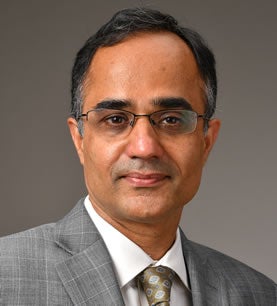
Rajnikant Patel is a Distinguished University Professor and Tier-1 Canada Research Chair in the Department of Electrical and Computer Engineering at Western University, with a cross-appointment in the Department of Surgery at the Schulich School of Medicine & Dentistry. He is the Director of Engineering at Canadian Surgical Technologies & Advanced Robotics (CSTAR), a $20M research initiative focused on robotic systems for medical and space applications. PhD in Electrical Engineering, University of Cambridge (1973) Registered Professional Engineer (Ontario) Dr. Patel’s research spans robotics/mechatronics (including surgical robotics, rehabilitation, and space applications), haptics and teleoperation , and control systems . His work addresses challenges in force feedback , teleoperation latency , and AI-driven surgical training , with applications in stroke rehabilitation , neurological disorders , and minimally invasive surgery . Recent publications emphasize deep learning , scattering techniques for stability , and adaptive control in robotics. He has received numerous honors, including: Fellow of the Royal Society of Canada (FRSC) Fellow of the Canadian Academy of Engineering (FCAE) Life Fellow of IEEE (LFIEEE) Fellow of ASME, IET, and EIC Dr. Patel’s collaborations include clinicians at CSTAR and the London Health Sciences Centre (LHSC). His teaching covers robot manipulators and surgical robotics courses.
Ayşenur Dostbil is an Associate Professor at Atatürk University Faculty of Medicine , Department of Anesthesiology and Reanimation. With over 166 publications, her work spans Anesthesiology , Pain Management , and Perioperative Medicine . Academic Career: 2010–Present: Associate Professor, Atatürk University Education: 1991–1999: MD, Atatürk University; 2001–2006: Medical Expertise, Atatürk University Research Focus: Specializes in spinal anesthesia techniques , postoperative pain management , and maternal hemodynamic stability during cesarean sections . Her studies include systematic reviews on regional anesthesia and clinical trials evaluating local anesthetic dosages and adjuvant drugs . Article Trends: Recent 2023–2025 publications emphasize: Comparative efficacy of Serratus Anterior Plane Block vs other regional techniques in thoracic surgery Optimizing Bupivacaine dosing for spinal anesthesia in obstetrics Hydatid cyst management in thoracic surgery Preoxygenation at different altitudes Family anxiety in surgical settings Grants: 2021–2025: Led 7 funded projects, including studies on nociception-guided analgesia , artificial intelligence in bone cement implantation syndrome , and ultrasound assessment of gastric aspiration risk . Conference Presence: Active in national and international conferences like the International Hippocrates Congress and Palandöken Anesthesia Days , presenting on topics such as pulmonary hydatid cysts and regional anesthesia techniques .
Maruti Kumaran, MD, MBBS, FRCR, is a Professor of Clinical Radiology at the Lewis Katz School of Medicine, Temple University, specializing in Diagnostic Radiology. His clinical interests include Head and Neck Imaging, Cardiothoracic Imaging, Abdominal Imaging, and Non-Vascular Image-Guided Interventions. Education: MD, MBBS from Subhash Chandra Bose Medical College, Jabalpur, India. Training: Fellowship in Cardiothoracic Imaging at Brigham and Women’s Hospital, Boston, MA; Residency in Diagnostic Radiology at the Royal College of Radiologists, London, England. Certifications: Board Certified by the American Board of Radiology. Dr. Kumaran has contributed extensively to diagnostic imaging through peer-reviewed publications, case studies, and presentations. His work spans rare pathologies, vascular anomalies, oncology, and post-surgical complications. He has authored/co-authored books on chest ultrasound and chest X-ray diagnostics. Notably, he received the runner-up prize for best presentation at the 2003 Leicester annual research meeting. His recent research trends focus on ultrasound-guided procedures, lymph node analysis, and thoracic/abdominal imaging. Scientific awards include recognition for excellence in radiology presentations.
Dr. Todd Alamin is a Professor in the Department of Orthopaedic Surgery at Stanford University School of Medicine. He serves as director of the Spine Surgery Fellowship Program and the Minimally Invasive Spine Center at Stanford Health Care Orthopaedics and Sports Medicine. As a board-certified, fellowship-trained orthopaedic surgeon and spine specialist, Dr. Alamin has established himself as a global leader in innovative spine surgery techniques with decades of clinical experience. Dr. Alamin earned his medical degree from Yale School Of Medicine (1995), completed his Surgery Residency at UCSD (1996), Orthopaedic Surgery Residency at UCSD (2000), and a specialized Spine Fellowship at Stanford University (2001). He is board-certified by the American Board of Orthopaedic Surgery (2003) and holds fellowship status with the American Academy of Orthopaedic Surgeons. Dr. Alamin's research program focuses on developing effective treatments for vertebral fractures, spinal deformities, scoliosis, herniated discs, and spondylolisthesis. His work explores nerve ablation techniques for chronic low back pain and motion-preserving lumbar fusion approaches. He has published over 65 peer-reviewed articles and written multiple book chapters on spine conditions. A recognized innovator, he has invented dozens of medical devices and techniques for spine surgery, holding numerous patents that have revolutionized back pain treatments worldwide. Analysis of Dr. Alamin's recent publications (2022-2025) reveals a strong research trajectory across multiple dimensions of spine care: optimizing surgical decision-making through understanding patient preferences, improving pain management protocols particularly regarding opioid use, advancing measurement technologies for spinal assessment, developing classification systems for spinal conditions, and refining surgical techniques including anterior approaches. His work consistently bridges clinical practice with rigorous scientific investigation to improve patient outcomes. Fellow of the American Academy of Orthopaedic Surgeons (FAAOS) As director of the Spine Surgery Fellowship Program, Dr. Alamin mentors the next generation of spine specialists, overseeing comprehensive training in both traditional and innovative surgical techniques. His leadership extends to the Minimally Invasive Spine Center, where he guides clinical practice and research initiatives. Dr. Alamin serves as principal investigator for multiple clinical trials exploring novel treatments for spinal conditions, with his patented innovations being adopted by physicians worldwide. His clinical practice focuses on minimally invasive approaches for spinal stenosis, scoliosis, degenerative disc disease, and traumatic injuries, emphasizing personalized care that combines extensive expertise with cutting-edge technology. Dr. Alamin leads a multidisciplinary team at the Minimally Invasive Spine Center, collaborating with specialists across departments to advance less invasive approaches to spinal surgery. His clinical focus spans minimally invasive spine surgery, cervical spine procedures, spinal tumor treatment, and correction of complex spinal deformities, with an emphasis on evidence-based approaches that maximize patient recovery while minimizing surgical trauma.
Professor Jonathan Howse holds the Polymer Engineering chair at the University of Sheffield within the School of Chemical, Materials and Biological Engineering and Department of Chemical and Biological Engineering . He obtained his Chemistry BSc, MSc in Analytical Science (University of Hull), and PhD in Reflectivity studies of non-critical interfaces in binary liquid mixtures (University of Sheffield, 1999). 1999-2001: Postdoctoral research at TU-Berlin/Hahn-Meitner-Institute 2001-2007: Postdoctoral research with Professors Tony Ryan (Chemistry) and Richard Jones (Physics) at Sheffield 2007-: Lecturer → Professor in Chemical & Biological Engineering His research focuses on nanoscale propulsion systems , spin-coating dynamics , and polymer blend phase separation with applications in block copolymer self-assembly and neutron reflectivity techniques . Key technologies include stroboscopic microscopy , neutron scattering , and colloidal synthesis . Recent work examines roll-to-roll coating optimization , electrodialysis flow maldistribution , and deep learning analysis of polymer/graphene microstructures . He explores pH-responsive nanoswimmers , electrochemical actuation , and self-assembled Janus colloids through interdisciplinary collaborations. Professor Howse's laboratory develops synthetic microswimmers and process monitoring systems with expertise in thin film fabrication , polymer brush interactions , and in situ characterization techniques . His team investigates applications in energy systems , biomaterials , and soft robotics .
Rachel Rabinovitch, MD, is a Professor in the Department of Radiation Oncology at the University of Colorado Anschutz Medical Campus School of Medicine. She holds memberships in prestigious organizations including ASTRO, RTOG, and the NCI's Breast Oncology Local Disease Task Force. Her clinical practice focuses on breast cancer, Hodgkin and Non-Hodgkin lymphoma, and total body irradiation. Education: BS, University of California–Los Angeles (1985) MD, Albert Einstein College of Medicine (1989) Training: Internship, Staten Island University Hospital (1990) Residency, Memorial Sloan-Kettering Cancer Center (1993) Her research spans breast cancer radiotherapy (including accelerated partial breast irradiation and post-mastectomy protocols) and lymphoma treatment optimization . Notably, she co-PI for NSABP B39/RTOG 0413 and NSABP B43, integrating genomic biosignatures with clinical decision-making. Google Scholar highlights her contributions to DCIS risk stratification and radiation pneumonitis prediction. Scientific recognition includes multiple 'Top Doctor' awards (5280 Magazine, US News & World Reports) and the ASTRO Clinical Poster Recognition Award (2008). She chairs RTOG's Quality Control Committee and contributes to NCCN Guidelines® for lymphomas and chronic lymphocytic leukemia. Clinical practice locations include the University of Colorado Cancer Center and UCHealth Radiation Oncology, with expertise in 3D conformal radiation therapy and brachytherapy . Her work emphasizes patient education and access to clinical trials.
Mostafa Mehdipour Ghazi is an Assistant Professor at the Department of Computer Science , University of Copenhagen , and a member of the Pioneer AI (P1AI) research group. His work bridges machine learning, medical imaging, and neuroscience to address challenges in healthcare. Education : PhD in Medical Imaging with Deep Learning from University College London. Languages : Azerbaijani, Turkish, Persian, English, Danish. Research Interests : Machine Learning and Deep Learning Medical Imaging Analysis (MRI, CBCT) Robust Representation Learning for Heterogeneous Data Bias, Fairness, and Privacy in Generative Models Domain Adaptation and Transfer Learning Brain Disease Modeling (Alzheimer's, Stroke, Tumors) Article Trends : Recent work focuses on multimodal AI for disease prediction, deep generative models in neuroimaging, and domain adaptation techniques. Applications span Alzheimer's diagnosis, cerebral microbleeds in COVID-19, and adaptive segmentation tools like RARE-UNet and FAST-AID.
Lena Kristine Bugge Nordberg is an Associate Professor at the University of Oslo's Faculty of Medicine, with affiliations at the Skills Training Centre and the Department of Respiratory Medicine. Her work focuses on rheumatology research, particularly in the areas of rheumatoid arthritis and osteoarthritis management. Dr. Nordberg's primary research interests span across Rheumatology , with specific focus on Rheumatoid Arthritis , Osteoarthritis , Ultrasound Imaging applications in rheumatic diseases, and Treatment Strategies for arthritis conditions. Her work emphasizes patient-centered outcomes, disease flare management, and the integration of imaging techniques in clinical decision-making for rheumatic conditions. She has contributed significantly to understanding the differences between seronegative and seropositive rheumatoid arthritis, as well as the role of occupational therapy and ultrasound-guided interventions in arthritis management. An analysis of Dr. Nordberg's publication record reveals a consistent focus on clinical rheumatology research, particularly examining treatment strategies for rheumatoid arthritis using the treat-to-target approach. Her work frequently incorporates imaging modalities like ultrasound and MRI to assess disease activity and treatment response. A notable trend in her research is the investigation of patient-reported outcomes alongside clinical measures, with particular attention to disease flares and fatigue in rheumatoid arthritis patients. She has been actively involved in several clinical trials including the ARCTIC and PICASSO studies, demonstrating her commitment to evidence-based approaches in rheumatology care. Dr. Nordberg collaborates extensively with researchers across multiple institutions, as evidenced by her numerous multi-author publications in high-impact rheumatology journals. While specific grant information isn't detailed in the available text, her participation in multiple clinical trials suggests successful grant acquisition for research projects focused on improving rheumatoid arthritis management and outcomes.
Ashkan Bavnbæk Eftekhari is a Clinical Associate Professor at Aalborg University and Senior Physician at Aalborg University Hospital Clinical Institute . He is affiliated with the Faculty of Health Sciences and works within the Department of Cardiology in Aalborg, Denmark. His research focuses on interventional cardiology , particularly: Coronary artery disease and stenosis mechanisms Percutaneous coronary intervention (PCI) techniques and outcomes Revascularization strategies in acute and chronic coronary syndromes Fractional flow reserve and physiological assessment In-stent restenosis and vascular healing dynamics Recent publications (2025) include pivotal work on: 10-year outcomes for deferred vs conventional stent implantation in STEMI patients Microvascular resistance and its impact on perfusion after revascularization Guiding catheter interactions with physiological assessments Symptom-disease severity correlations in coronary artery disease He has contributed to 66 publications , including 2 research datasets , and his work has been highlighted in 2 media outlets regarding mortality risks associated with specific diagnostic methods.
Sarah Heilbronner serves as Associate Professor of Neurosurgery at Baylor College of Medicine and Adjunct Professor of Electrical and Computer Engineering at Rice University. Her research program centers on decoding primate brain connectivity to advance understanding of neural circuitry and develop neuromodulation therapies for neurological disorders. Her academic foundation includes a Psychology undergraduate degree from Harvard University and a Neurobiology PhD from Duke University under Dr. Michael Platt, followed by neuroanatomy training with Dr. Suzanne Haber at the University of Rochester. She established her independent laboratory at the University of Minnesota in 2017 before relocating to Baylor College of Medicine in March 2023. Dr. Heilbronner's research investigates the structural and functional organization of primate brain networks using multimodal approaches including tract-tracing, diffusion MRI, and PS-OCT imaging. Her lab specifically targets mesoscale connectomics to bridge microscopic neuronal properties with macroscopic brain systems, with applications in psychiatric and neurological disorder treatment. Key focus areas include orbitofrontal cortex subdivisions, posterior cingulate circuitry, and translational mapping of cross-species neural networks. Analysis of her recent publications reveals a cohesive trajectory in primate connectomics methodology development, with increasing emphasis on clinical translation. Her work integrates ultra-high-field imaging (10.5T MRI), chemogenetic circuit manipulation (DREADDs-fMRI), and computational modeling to create comprehensive brain wiring diagrams. Significant collaborative efforts address conservation applications (oxytocin in felids) and surgical neuromodulation targets through population-averaged tractography. Dr. Heilbronner actively mentors trainees across career stages, having guided multiple PhD graduates including Adriana Cushnie (addiction neuroscience), Jessica Burkhart (lion behavior), and Zhe (Maya) Wang (orbitofrontal cortex). Her lab participates in major initiatives including the BRAIN CONNECTS consortium (UM1 grant) and the Center for Mesoscale Connectomics, with collaborations spanning 20+ institutions and clinical departments. The Heilbronner Lab operates from the Bioscience Research Collaborative at Baylor College of Medicine, maintaining strong ties with Rice University's engineering programs. The team employs specialized techniques like PS-OCT and ultra-high-field MRI while contributing to large-scale projects such as the BRAIN Initiative's circuit-mapping goals. Current efforts focus on translating mesoscale connectivity data into clinical applications for brain disorders through partnerships with neurosurgeons and psychiatrists.
Nitin Tandon is a Professor at the Vivian L. Smith Department of Neurosurgery, UTHealth , and serves as Director of the Epilepsy Surgery Program at Memorial Hermann Texas Medical Center. He is also Co-Director of the Texas Comprehensive Epilepsy Program and the Texas Institute for Restorative Neurotechnologies . Education : MD from Armed Forces Medical College, Pune; Neurosurgery residency at UT Health Science Center San Antonio Research : Focuses on epilepsy surgery , brain mapping , language processing , memory mechanisms , and neuro-oncology Scientific Contributions include 15+ years of peer-reviewed publications in journals like Neuron , Human Brain Mapping , and Brain , emphasizing functional MRI , diffusion tensor imaging , and intracranial EEG for mapping language and motor networks. His work bridges clinical neurosurgery and cognitive neuroscience , particularly in epileptogenic network identification and minimally invasive epilepsy therapies . Awards : Recipient of the AANS/CNS Joint Section Resident Award and CNS Resident Award Leadership : Vice President of Strategy and Development for UTHealth Houston Neurosciences; active roles in organizations like the American Epilepsy Society and Society for Neuroscience
Gunnstein Bakland is an Associate Professor at the Department of Clinical Medicine , UiT The Arctic University of Norway. His research focuses on rheumatology, particularly inflammatory arthritis, biologic therapies, and clinical trial design. University: UiT The Arctic University of Norway Department: Department of Clinical Medicine Academic Rank: Associate Professor Email: gunnstein.bakland@uit.no Research Interests: Bakland's work investigates treatment outcomes in rheumatoid arthritis and spondyloarthritis, including TNF inhibitor tapering, biologic therapies, and comorbidities like cardiovascular disease. He contributes to real-world evidence generation through the NOR-DMARD register and explores digital health applications for remote monitoring in axial spondyloarthritis. Publications: Recent research spans Modic changes in low back pain, biosimilar effectiveness in psoriatic arthritis, and long-term remission strategies in rheumatoid arthritis. His studies often involve multicenter randomized trials and population-based cohort analyses. Collaborations: Collaborates with Nordic rheumatology networks, including projects with Oslo University Hospital, Karolinska Institute, and Norwegian clinical centers. Involves interdisciplinary teams for microbiome studies (ReSScue trial) and cardiovascular risk assessments in inflammatory joint diseases.
Vilma Reunanen is a Clinical Instructor in Veterinary Diagnostic Imaging at the Department of Equine and Small Animal Medicine, Faculty of Veterinary Medicine, University of Helsinki. Her role focuses on clinical teaching and research in veterinary radiology and orthopedics. Her research interests center on veterinary diagnostic imaging , particularly in small animals, with emphasis on: Orthopedic conditions (e.g., intervertebral disc degeneration, elbow dysplasia) Genetic disorders affecting canine skeletal structures Advanced imaging techniques (radiography, MRI, CT) Breed-specific health issues in dogs She also leads a research project on bone health in wild rabbits . Her publications (14 articles, 2007–2025) predominantly explore canine orthopedics and imaging diagnostics . Recent works show increased focus on genetic associations with spinal disorders, clinical trials for orthopedic treatments, and innovative imaging applications in veterinary medicine. Reunanen actively supervises graduate students, having guided 13+ Licentiate/Master's theses on topics including: Diagnostic imaging of orthopedic conditions Canine genetic disorders Small animal surgery and radiology techniques
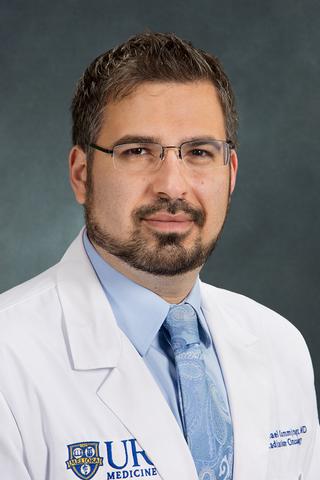
Dr. Michael A. Cummings serves as an Associate Professor in the Department of Radiation Oncology at the University of Rochester School of Medicine and Dentistry. He is a board-certified Radiation Oncologist specializing in prostate, bladder, head and neck, and gynecologic cancers, with expertise in brachytherapy and daily-adaptive radiation therapy. Dr. Cummings leads the first program for daily-adaptive radiation therapy in New York outside the New York City metro area. His educational background includes an MD from SUNY Upstate Medical University College of Medicine (2013), an Internal Medicine internship at SUNY Upstate Medical University (2013-2014), and a Radiation Oncology residency at the University of Rochester Medical Center (2014-2018). He also completed graduate studies in Cancer Genetics at Roswell Park in Buffalo, NY. Dr. Cummings' research focuses on advanced radiation techniques, particularly adaptive radiotherapy for pelvic cancers and prostate cancer treatment optimization. His clinical trials investigate genomic-risk stratified therapy for prostate cancer and non-invasive treatments for radiation-induced xerostomia. His extensive publication record demonstrates expertise in online adaptive radiotherapy, stereotactic body radiation therapy, and treatment outcomes for various cancer types. He has been recognized with membership in Alpha Omega Alpha, the Medical Honor Society. Patient reviews consistently rate him 5 stars for his communication skills, compassion, and clinical expertise, with numerous comments highlighting his thorough explanations and patient-centered approach. Dr. Cummings maintains active clinical practice at the Ann and Carl Myers Cancer Center and Noyes Memorial Hospital, accepting new patients and focusing on personalized cancer treatment that integrates clinical trial data with individual patient circumstances.
Michael T. Milano, M.D., Ph.D. is a Professor in the Department of Radiation Oncology at the University of Rochester School of Medicine and Dentistry. He is affiliated with the University of Rochester Medical Faculty Group (URMFG) and Accountable Health Partners (AHP), providing specialized care for cancer patients at the Wilmot Cancer Institute. Dr. Milano is a native Rochesterian who attended McQuaid Jesuit High School and completed his medical training at the University of Rochester. Dr. Milano earned his MD from the University of Rochester School of Medicine/Dentistry in 2000, completed an Internal Medicine internship at the University of Rochester Medical Center (2000-2001), and a Radiation Oncology residency at the University of Chicago, Pritzker School of Medicine (2001-2005). His research focuses on advanced radiation therapy techniques, particularly stereotactic body radiation therapy (SBRT) and stereotactic radiosurgery (SRS) for complex cancers. Dr. Milano's expertise includes thoracic tumors, central nervous system tumors, and oligometastatic disease. His work addresses critical questions about radiation dose-volume relationships, clinical practice guidelines, and the integration of radiation therapy with systemic treatments. He has made significant contributions to understanding radiation effects in pediatric patients through the Pediatric Normal Tissue Effects in the Clinic (PENTEC) initiative. Analysis of Dr. Milano's recent publications reveals a strong emphasis on precision radiation therapy for brain and spinal tumors, oligometastatic disease, and complex thoracic malignancies. His work frequently appears in high-impact journals and involves multi-institutional collaborations. A notable trend is his contribution to developing clinical practice guidelines through organizations like ASTRO and the American Radium Society. His research increasingly integrates molecular biomarkers with radiation treatment outcomes to personalize therapy. Outstanding Reviewer in 2018 from Int J Radiat Oncol Biol Phys (2019) Rubin-Mitchell Teaching Award (2008) Teacher of the Year Award (2008) Simon Kramer New Investigator Award (2009) George V. Metzger Award (1999) Patient- and Family-Centered Care Award (2012) Dr. Milano has been actively involved in mentoring trainees and collaborating on numerous research projects. His work with the PENTEC initiative demonstrates his commitment to understanding and minimizing radiation effects, particularly in vulnerable populations. He has contributed to multiple clinical practice guidelines that help standardize radiation therapy approaches for various cancer types, particularly in neuro-oncology and oligometastatic disease. At the Wilmot Cancer Institute, Dr. Milano provides compassionate, personalized care recognizing that 'every patient and every cancer is unique.' His clinical practice focuses on using cutting-edge radiation technology to treat cancer patients, with particular expertise in thoracic and central nervous system tumors. He treats conditions including benign and malignant brain tumors, spine tumors, lung cancer, and oligometastases.