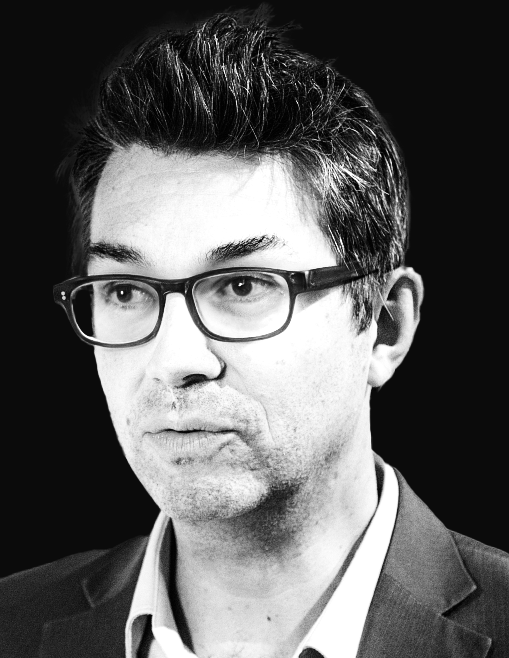
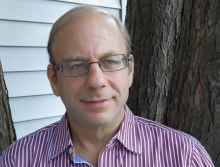
Stephane Cotin is a Research Director at Inria and leader of the MIMESIS team, specializing in real-time physics-based medical simulations. His work focuses on surgical training, planning, and image-guided therapy, with over 200 scientific articles and the development of the open-source SOFA framework. He co-founded InSimo, Twinical, and EVE, and previously held roles at Harvard Medical School and Mitsubishi Electric Research Lab. Cotin’s research bridges imaging, robotics, and medicine to improve healthcare outcomes, emphasizing patient-specific biophysical modeling and real-time computation. His awards include the Academy of Sciences Award (2018) and Dirk Bartz Medical Prize (2015). He has advised numerous PhD students and led projects like MediTwin and PREMYOM, advancing digital twin technologies for precision medicine.
Associate Professor Ernest Ekpo is affiliated with the University of Sydney's Sydney School of Health Sciences, within the Discipline of Medical Imaging Sciences. He holds academic roles as a Scholarly Teaching Fellow and Co-Director of the Medical Image Optimisation and Perception Group (MIOPeG). He is also an Associate Editor of the Journal of Medical Imaging and Radiation Sciences and a member of the Sydney Southeast Asia Centre and Cancer Research Network. Education: Earned BSc (Hons) in Radiography/Sonography from the University of Calabar, Nigeria, and a PhD from the University of Sydney. His research focuses on breast density, cancer biomarkers, medical image perception, radiation dose optimization, and radiology education. He explores applications in low-resource settings and emerging technologies like AI for diagnostic accuracy. Research interests include breast cancer treatment outcomes, image-based phenotypes, and improving imaging pathways for acute abdominal pain. Key themes are Cancer and Medical Imaging, with an emphasis on Women's Health and Chronic Disease. His work combines clinical practice, public health strategies, and technological advancements to enhance diagnostic efficacy and reduce unnecessary procedures. Articles from 2021–2024 highlight his contributions in mammography optimization, radiographer training, and AI-driven diagnostic tools. Recent grants include a 2024 project on CT examination education and a 2023 initiative to streamline breast cancer screening pathways. His awards recognize peer review excellence, early-career teaching, and research leadership. He supervises multiple students investigating breast density biomarkers, imaging modalities for dense breasts, and radiation dose management. His educational efforts aim to improve radiographers' capabilities in identifying urgent findings across CT and X-ray modalities, leveraging blended learning approaches.
Professor Bing Chu is an academic at the University of Southampton, actively contributing to research in control systems, robotics, and machine learning. They are a member of the Vision, Learning and Control Centre for Internet of Things and Pervasive Systems and the Centre for Robotics, focusing on interdisciplinary approaches that combine control theory with data-driven methodologies. Current research interests include: Iterative learning control Human-robot interaction Wind farm power optimization Robot behavior modeling Control system architectures Collaborative learning systems Recent publications highlight trends in data-driven control systems, human-robot interaction datasets, and optimization techniques for both continuous-time systems and wind energy applications. Professor Chu supervises multiple PhD students across robotics and electronic engineering, including Balint Gucsi, Haonan Shen, and Aleksander Wolski, while leading projects funded by Zhengzhou University and the Royal Society.
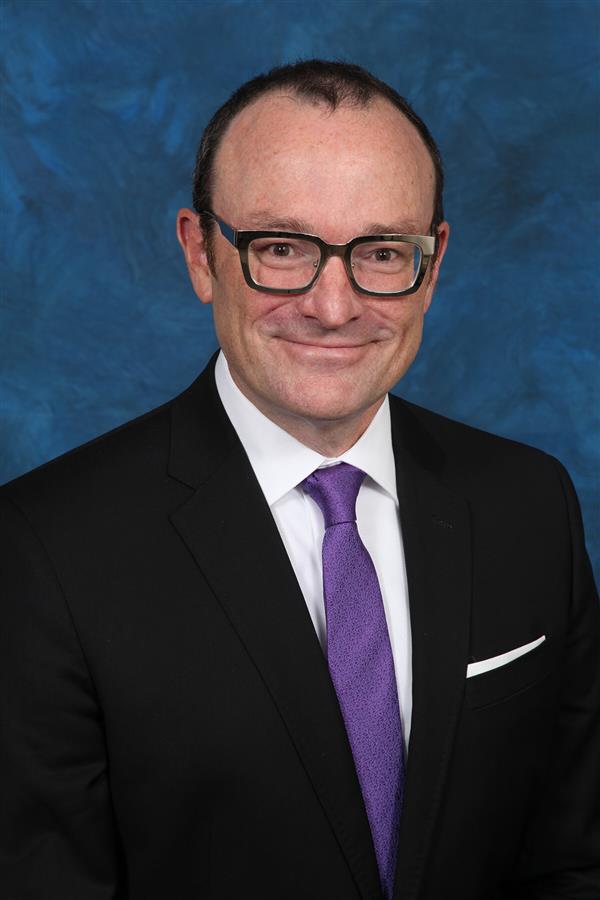
Francesco Maisano, MD , is Full Professor of Cardiac Surgery at Vita-Salute San Raffaele University (Milan) since 2021, where he also serves as Director of the Cardiac Surgery Clinic and of the Valve Center at IRCCS San Raffaele Hospital. From 2014 to 2020 he held the Chair of Cardiac Surgery and directed the Department at University Hospital Zurich. Education & Training 1990 – MD, Catholic University of Rome 1994 – Clinical Fellowship, University of Alabama at Birmingham 1995 – Specialization in Cardiac Surgery, La Sapienza University of Rome Research Interests Professor Maisano’s work centres on innovative therapies for heart-valve disease, spanning surgical reconstruction, catheter-based interventions (TAVI, MitraClip, transcatheter tricuspid devices), and hybrid approaches. He leads translational programmes in biomedical engineering, multimodality cardiac imaging, and artificial-intelligence-guided interventions, with emphasis on the multidisciplinary “Heart Team” model for complex cardiovascular disease. His recent publications (2024-2025) demonstrate intense activity in transcatheter mitral and tricuspid repair, long-term durability of surgical mitral repair, AI-driven procedural guidance, and renal protection strategies during mechanical circulatory support. A dominant theme is translating imaging innovations and device concepts into first-in-human studies and large-scale registries. Scientific Awards & Recognitions European Society of Cardiology Silver Medal (2018) ICI Lifetime Achievement in Research & Teaching (2018) ICI Best Technology Parade Presentation (2010) C. Walton Lillehei Young Investigator Award (1999) Leadership & Grants He directs multiple postgraduate programmes, including Certificate of Advanced Studies (CAS) tracks at the University of Zurich in multimodality imaging, aortic valve, and mitral–tricuspid interventions. He is principal investigator on investigator-initiated grants, coordinates industry-partnered device trials, and mentors numerous doctoral and post-doctoral researchers. His team has filed >24 patents and spun off several cardiovascular start-ups. Labs & Teams At IRCCS San Raffaele he leads the Valve Science Center , a multidisciplinary hub integrating cardiac surgeons, interventional cardiologists, imaging specialists, biomedical engineers, and data scientists focused on next-generation valve repair/replacement technologies and personalised cardiovascular medicine.
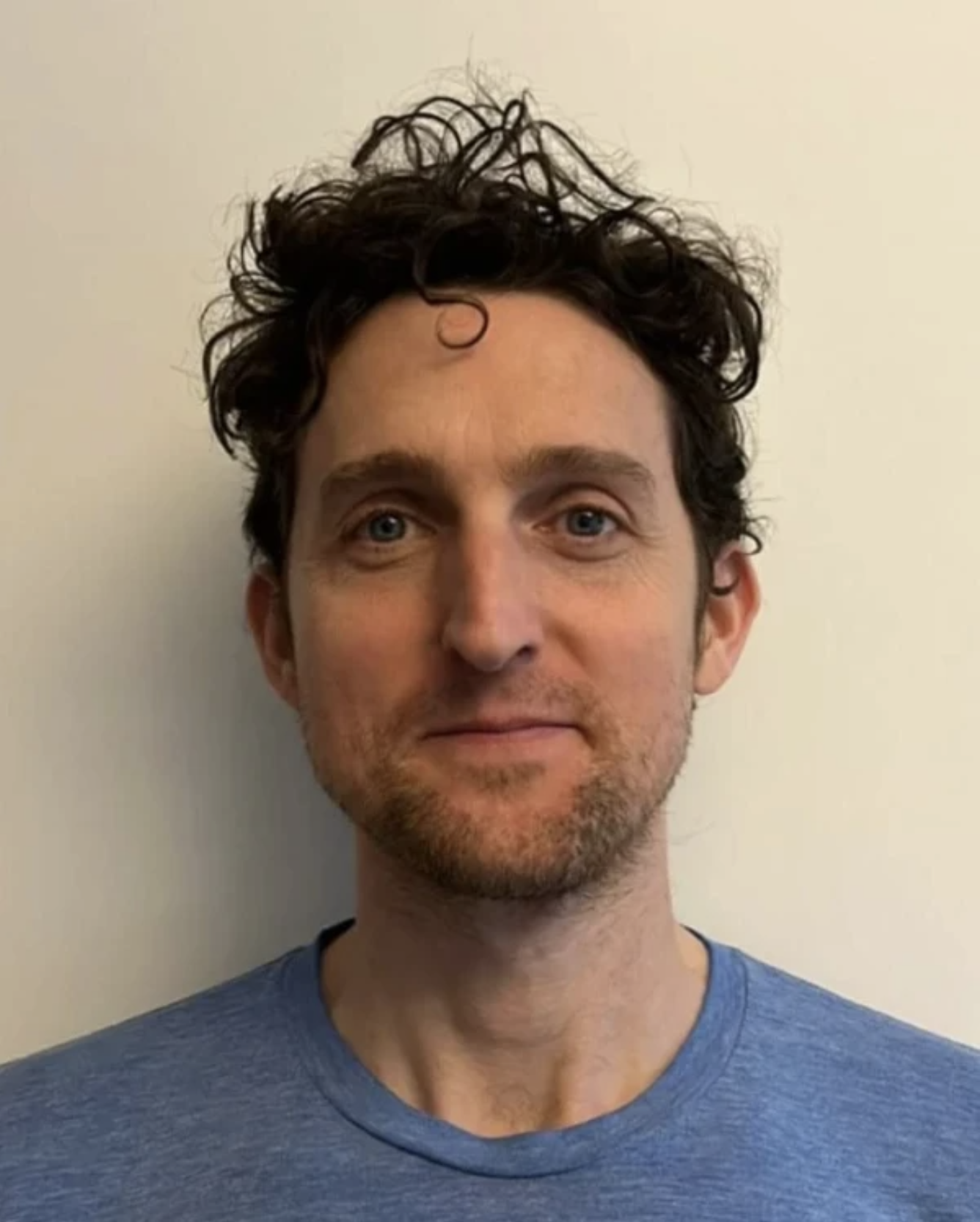
Michael Harrison is an Assistant Professor in the Department of Cell and Developmental Biology at Weill Cornell Medicine, where he leads the Regeneration and Development Lab within the Graduate School of Medical Sciences. His research focuses on vascular development and regeneration using zebrafish as a model organism, with emphasis on coronary and cerebral vasculature. Education: B.Sc. in Genetics, University of Edinburgh (2005) Ph.D. in Developmental Genetics, University of Sheffield (mentor: Vincent Cunliffe) Postdoctoral Fellowship, Saban Research Institute, Children’s Hospital Los Angeles (CIRM Fellow) Harrison's research centers on understanding how blood and lymphatic vessels form and regenerate, particularly in the heart and brain. His lab investigates coronary vessel development, the role of lymphatic systems in inflammation and regeneration, and revascularization after injury. By leveraging zebrafish genetics and advanced imaging, his work aims to uncover pathways that could be harnessed for regenerative therapies in humans. His recent publications reveal key signaling mechanisms such as Cxcr4-Cxcl12 in coronary development and the two-step formation of cardiac lymphatics. The 15 most recent articles demonstrate a strong, consistent research trajectory in vascular biology and regeneration, with increasing use of advanced techniques like single-nuclei multiomics, fluidic imaging devices, and CRISPR-based genome editing. His work spans developmental mechanisms, functional imaging, and translational applications in cardiac repair. Scientific Awards: No awards explicitly mentioned in the provided text. Harrison actively mentors a team of postdoctoral fellows, research assistants, and students, several of whom have progressed to medical school or research careers. His lab collaborates extensively, particularly with Ching-Ling Lien's group. He has secured research space and funding to support ongoing projects in cardiac and cerebral vasculature. The lab is actively recruiting rotation students from BCMB, PBSB, IMP, and Tri-Institutional programs, as well as postdoctoral researchers and research assistants, indicating an expanding research team and active grant support. Labs and Teams: Regeneration and Development Lab, Weill Cornell Medicine Collaborations with Ching-Ling Lien Lab Member of Tri-Institutional PhD Programs Active participation in BCMB, PBSB, and IMP training programs
Chao Liu is a Research Scientist at CNRS (French National Center for Scientific Research) since 2008, affiliated with the DEXTER team and the Department of Robotics, LIRMM at University of Montpellier, France. He earned his Ph.D. in Electrical & Electronic Engineering from Nanyang Technological University, Singapore (2006). Current research focuses on surgical robotics , haptics , teleoperation , and nonlinear control theory with applications in computer vision. His work addresses challenges in robotic-assisted telesurgery, including: Stable and transparent human-robot interaction through wave variable compensators and passivity filters Physiological motion compensation using spatio-temporal LSTM and dual Kalman filters EMG-based motion recognition for surgical skill assessment 3D soft-tissue reconstruction with stereo-endoscopes and deep learning Dr. Liu leads European and French projects like: TS2RT (CNRS-funded): Safer teleoperation with motion compensation ROBACUS (ANR-funded): Needle positioning with MPC control HaTUMoCo (CNRS-funded): Haptic teleoperation with uncertainty handling ARAKNES (EU-funded): Microrobotic systems for endoluminal surgery Scientific honors include Senior Member of IEEE and Member of Sigma Xi . He supervises Ph.D. and Master's students working on topics such as concentric tube robot optimization, haptic teleoperation, and EMG-based force estimation. Dr. Liu serves on IEEE Technical Committees for Telerobotics and Haptics , and as Technical Editor of IEEE/ASME Transactions on Mechatronics.
Brian Kavanagh, MD, MPH is a Professor and Department Chair of Radiation Oncology at the University of Colorado Anschutz Medical Campus School of Medicine. He serves as Department Chair and maintains clinical practice at multiple UCHealth locations including the University of Colorado Cancer Center, Cherry Creek Medical Center, Longs Peak Medical Center, and the Rocky Mountain Gamma Knife Center. His leadership extends to serving as Chair of the American Society for Radiation Oncology since 2017. MD, Tulane University School of Medicine (1988) MPH, Tulane University (1988) BSE, Tulane University (LA) (1984) Internship: Tulane University Program (1989) Residency: Duke University Hospital Program, Radiation Oncology (1993) Dr. Kavanagh's research primarily focuses on stereotactic body radiation therapy (SBRT), functional lung avoidance radiation therapy using 4DCT-ventilation imaging, and treatment of brain metastases from oncogene-driven lung cancers. His work bridges clinical practice, medical physics innovation, and outcomes research, with particular emphasis on optimizing radiation therapy techniques while minimizing toxicity. Recent publications demonstrate his leadership in developing novel approaches to image-guided radiation therapy, including antiscatter grid technology for CBCT imaging and functional avoidance techniques for lung cancer treatment. Analysis of Dr. Kavanagh's recent publications (2019-2024) reveals a strong focus on precision radiation therapy for lung cancer and brain metastases. His research spans technical innovations in medical physics (such as 2D antiscatter grid development), clinical trials evaluating functional avoidance radiation therapy, and studies examining outcomes for patients with oncogene-driven cancers. A significant portion of his work addresses the integration of radiation therapy with targeted therapies for lung cancer with brain metastases, reflecting the evolving treatment paradigms in this field. Top Doctor, 5280 Magazine (2023) Dr. Kavanagh has been instrumental in developing national radiation oncology curriculum frameworks through stakeholder consensus processes. His leadership in the American Society for Radiation Oncology has positioned him to influence practice guidelines and educational standards in the field. His research has been supported through multi-institutional clinical trials and collaborations with major cancer centers across the United States. Dr. Kavanagh leads research efforts in the Rocky Mountain Gamma Knife Center and contributes to the University of Colorado Cancer Center's radiation oncology program. His work with 4DCT-ventilation imaging has established a clinical research program focused on functional avoidance radiation therapy, which aims to preserve lung function while effectively treating tumors.
Silvia Cavagnero is a Professor in the Department of Chemistry at the University of Wisconsin–Madison, with a research focus on protein folding and misfolding in cellular contexts. Her work integrates biomolecular spectroscopy, chemical biology, and computational methods to address fundamental questions in structural biology. B.S., First University of Rome ‘La Sapienza’ (1988) M.S., University of Arizona (1990) Ph.D., California Institute of Technology (1996) Her research explores the role of molecular chaperones like Hsp70 in protein biogenesis, the development of laser-driven NMR techniques for enhanced sensitivity, and the implications of protein aggregation in neurodegenerative diseases. Key projects include cotranslational folding studies at ribosomal exit tunnels and hyperpolarization methods for low-concentration NMR analysis. The 15 most recent publications highlight interdisciplinary advances in NMR spectroscopy optimization Protein folding kinetics Cryo-EM structural analysis Chaperone-client interactions Hsp70 antimicrobial design Hydration dynamics in folding Scientific contributions include A Prize for Going in Vivo (2017) Recognition for Diversity and Inclusion Efforts Students from the Cavagnero Group have pursued careers in academia, pharmaceutical industries, and national laboratories. Her lab emphasizes interdisciplinary training, blending physical chemistry, biology, and computational analysis.
Audrey Bowden is an Associate Professor at Vanderbilt University in both the Department of Biomedical Engineering and Department of Electrical and Computer Engineering . She is also the Dorothy J Wingfield Phillips Chancellor Faculty Fellow . Education: PhD in Biomedical Engineering (2007) from Duke University BSE in Electrical Engineering (2001) from Princeton University Research Interests: Bowden's work focuses on biomedical optics and point-of-care diagnostics , with a strong emphasis on addressing healthcare disparities through low-cost technologies. Key areas include: Biomedical Imaging Biophotonics Image Processing Machine Learning in Medical Imaging Optical Coherence Tomography (OCT) Functional Near-Infrared Spectroscopy (fNIRS) Publication Trends: Recent work combines machine learning with endoscopic imaging to differentiate cancer from inflammation, develops low-cost OCT systems for smartphones, and improves fNIRS accessibility for diverse patient populations. Her lab also focuses on 3D reconstruction algorithms for urological applications and specular reflection removal in endoscopic videos. Lab & Clinical Collaborations: The Bowden Biomedical Optics Laboratory (BBOL) collaborates with clinical departments including urology , dermatology , otolaryngology , and women's health . The lab integrates optics , microfluidics , and computer science to create hardware/software tools for resource-constrained environments.
Dr. Joanna Deaton Bertram is an Assistant Professor in the Thomas Lord Department of Mechanical Engineering and Materials Science at Duke University’s Pratt School of Engineering. She concurrently holds an Assistant Professor appointment in Surgery, underscoring her interdisciplinary commitment to advancing medical robotics. Dr. Bertram leads a research laboratory devoted to the design, modeling, and control of robotic systems for surgical and interventional applications, working closely with Duke’s clinical and engineering communities. Education Ph.D. in Robotics, Georgia Institute of Technology, 2024 M.S. in Mechanical Engineering, Georgia Institute of Technology, 2024 B.S. in Biomedical Engineering, Georgia Institute of Technology, 2018 Research Interests Dr. Bertram’s research program is centered on medical robotics , with particular emphasis on continuum robotics and image-guided interventions . Her work integrates novel mechanical design with advanced control algorithms and smart materials to create robotic systems capable of navigating complex anatomical pathways. A hallmark of her approach is the incorporation of real-time fiber-optic shape and force sensing (using Fiber Bragg Grating technology) to provide surgeons with unprecedented feedback during procedures. Application domains include steerable needles for brachytherapy , robotic guidewires for endovascular surgery , and pediatric neuroendoscopy . Publication Themes Across more than fifteen peer-reviewed articles, Dr. Bertram has systematically advanced the state of the art in surgical robotics , fiber-optic sensing , and robotic system modeling . Her 2024 tutorial on Nitinol and Tungsten tendon attachment techniques provides practical guidance for building highly articulated continuum robots, while her 2023 series on the COAST guidewire robot demonstrates model-based design and simultaneous shape/force sensing for large-deflection medical devices. Earlier work explored 3D-printed patient-specific robotic tools and carbon-nanotube flexible sensors, illustrating a trajectory from fundamental sensor research to full robotic system integration. Scientific Recognition & Collaboration Although no major external awards are explicitly listed, Dr. Bertram’s publications in top-tier venues such as IEEE Robotics and Automation Letters , IEEE Transactions on Medical Robotics and Bionics , and IEEE/ASME Transactions on Mechatronics attest to strong peer recognition. She actively invites motivated graduate students, post-docs, and research staff to join her lab, fostering an open and interdisciplinary environment. Advising & Grants Dr. Bertram’s lab is presently recruiting trainees at all levels. While specific funded grants are not enumerated, her dual departmental appointments and extensive publication record suggest active federal or foundation support. Prospective students and collaborators are encouraged to contact her directly at joanna.d.bertram@duke.edu . Laboratory & Teams Dr. Bertram directs a laboratory within Duke University’s Pratt School of Engineering that collaborates closely with clinicians in the School of Medicine. The group focuses on rapid prototyping of medical devices, in-vitro and ex-vivo validation, and translation of robotic technologies to the operating room.
Laurie Wilcox is a Full Professor in the Department of Biology at York University, affiliated with the Faculty of Science. Her research focuses on stereopsis, binocular vision, and depth perception, particularly exploring how the visual system processes binocular disparity signals. She leads a laboratory investigating cortical systems for fine and coarse disparities, with studies on amblyopia and applied collaborations with companies like Christie Digital and IMAX. Her work bridges basic neuroscience and applied research, addressing depth perception in 2D/3D displays and VR environments. Key interests include stereoscopic volume representation, perceptual grouping, and the impact of monovision on depth judgments. Recent studies examine lightness constancy in virtual reality, depth magnitude errors in 3D displays, and neural activation patterns in object-selective visual cortex. Wilcox has published extensively on binocular vision mechanisms, including coarse stereopsis in strabismus patients and the role of motion parallax in depth perception. Her applied projects evaluate visual fidelity in stereoscopic content, compression algorithms, and ergonomic considerations for XR devices. She also investigates how environmental context (e.g., familiar size, natural scenes) modulates depth perception accuracy across real and virtual environments. Her research emphasizes translational applications, aiming to optimize display technologies through insights from human visual processing. Ongoing work explores perceptual integration of binocular and monocular cues, attention modulation by depth, and the neurophysiological underpinnings of stereoscopic vision.
Dr. Guangliang Cheng is an Associate Professor in the Department of Computer Science at the University of Liverpool. His research focuses on deep learning, computer vision, and perception algorithms with applications in remote sensing, medical imaging, and autonomous systems. Prior to his current role, he served as a vice research director in the Autonomous Driving Group at SenseTime and completed postdoctoral research at the Aerospace Information Research Institute, Chinese Academy of Sciences. Ph.D. in Pattern Recognition from the National Laboratory of Pattern Recognition (NLPR), Institute of Automation, Chinese Academy of Sciences (CASIA) Postdoctoral Researcher at Aerospace Information Research Institute, Chinese Academy of Sciences (2017–2019) Dr. Cheng’s research integrates computer vision and deep learning to address challenges in semantic segmentation, domain adaptation, and robust detection. Recent work explores wavelet-based multimodal fusion for remote sensing and attention-guided architectures for medical imaging. His 2025 publications span journals like GIScience & Remote Sensing and Knowledge-Based Systems , emphasizing scalable solutions for geospatial and biomedical applications. In 2025, Dr. Cheng’s article trends highlight remote sensing semantic segmentation, cross-domain medical imaging, and drone-based fire detection. His collaborations span institutions such as SenseTime, Chinese Academy of Sciences, and University of Liverpool teams, focusing on frequency-domain fusion, attention mechanisms, and GPU optimization. As a supervisor, Dr. Cheng seeks highly motivated PhD students to join projects supported by scholarships including the Centres for Doctoral Training (CDT) and Duncan Norman Scholarship. He serves as Module Co-ordinator for COMP338: Computer Vision (2024–2025) and actively reviews for top-tier journals and conferences.
Dr. Richard Y. Zhao is a tenured Professor in the Department of Pathology and Microbiology-Immunology at the University of Maryland School of Medicine. His research combines molecular biology, fission yeast genetics, mammalian biology, and virology to study virus-host interactions, particularly for HIV and Zika virus. He previously held academic positions at Northwestern University and Columbia University and has contributed to over 120 peer-reviewed articles. B.S., China Oceanography University (1981) M.S., Oregon State University (1995) Ph.D., Oregon State University (1991) Postdoctoral Training, Columbia University (1991-1992) Dr. Zhao's research focuses on: Virus-host interactions and pathogenicity High-throughput drug screening for antivirals Role of viral proteins in neuroinflammation and cancer Translational genomics in precision medicine His recent publications highlight SARS-CoV-2 ORF3a, Zika envelope proteins, and HIV protease inhibitors, emphasizing host-pathogen mechanisms across species. He has served on NIH panels and editorial boards for journals like Cell Research and Retrovirology . Scientific awards include: Fellow, American Academy of Microbiology (2019) Bernard L Mirkin Endowed Chair (2001-2004) Honorary Director, Shandong Gallo Institute (2009) Distinguished Service from SCBA (2015) Outstanding Service from CBA-USA (2016) Dr. Zhao also contributes to clinical diagnostics and personalized medicine through molecular testing and pharmacogenetics programs.
David W. Jacobs is a Professor in the Department of Computer Science at the University of Maryland, with a joint appointment in the University of Maryland Institute for Advanced Computer Studies (UMIACS). He holds a Ph.D. from MIT (1992) and has expertise in computer vision, machine learning, and deep learning. His research focuses on object recognition, lighting analysis, and applications like electronic field guides (e.g., Leafsnap and Birdsnap). He has been recognized with awards including the Honda Initiation Grant (2007) and the Edward O. Wilson Biodiversity Technology Pioneer Award (2011). Jacobs has taught courses such as CMSC 422 (Machine Learning) and CMSC 828L (Deep Learning), and advised multiple Ph.D. students. His work spans theoretical advancements and practical applications, including collaborations with institutions like the Smithsonian and Columbia University. Education: B.A. Yale, M.S./Ph.D. MIT Positions: Interim Director of UMIACS (2018), Program Co-Chair CVPR Key Projects: Leafsnap (1M+ downloads), Birdsnap Awards: CVPR Best Paper Honorable Mention (2000), Eurographics Best Paper (2016)
Dr. Gary Glover is a Professor of Radiology (Radiological Sciences Lab) at Stanford University , with courtesy appointments in Psychology and Electrical Engineering. His work focuses on the physics and mathematics of MRI, particularly rapid scanning methods using spiral k-space trajectories for functional brain imaging and multimodal neuroimaging (fMRI/EEG/fPET/fNIRS) combined with neuromodulation techniques like TMS and transcranial ultrasound. Academic Appointments: Radiology, Psychology, Electrical Engineering Professional Affiliations: Bio-X, Stanford Cancer Institute, Wu Tsai Neurosciences Institute Research Interests include: Development of blood oxygen level-dependent (BOLD) and viscoelastic contrast in MRI Functional MR Elastography for brain activation mapping Optimization of MR-ARFI for transcranial ultrasound guidance Automated spinal cord segmentation (EPISeg) using machine learning Scientific Awards : National Academy of Engineering (2013) Gold Medal, ISMRM (2000) Steinmetz Award, General Electric (1985) Lauterbur Lecture, ISMRM (2018) Recent Publications analyze: Fast fMRI sampling and spurious signal correction Dissociated patterns in default mode network anti-correlations Neural correlates of collaborative behavior in triadic fMRI Salience network contributions to depression pathophysiology