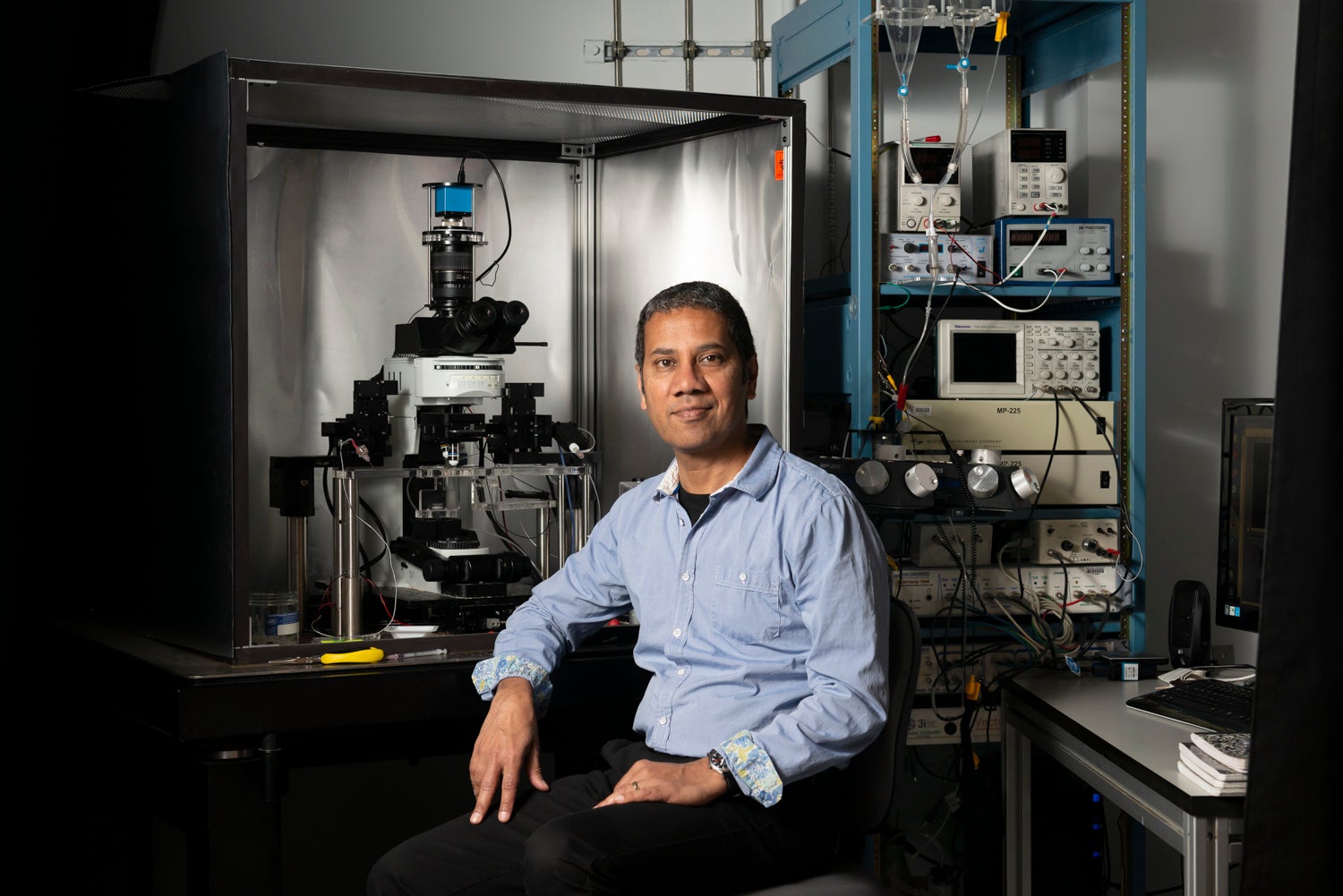
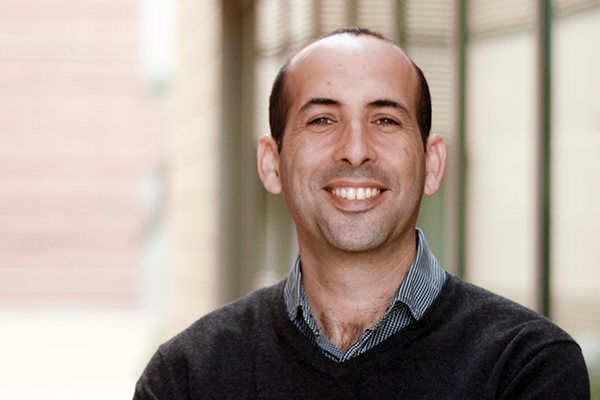
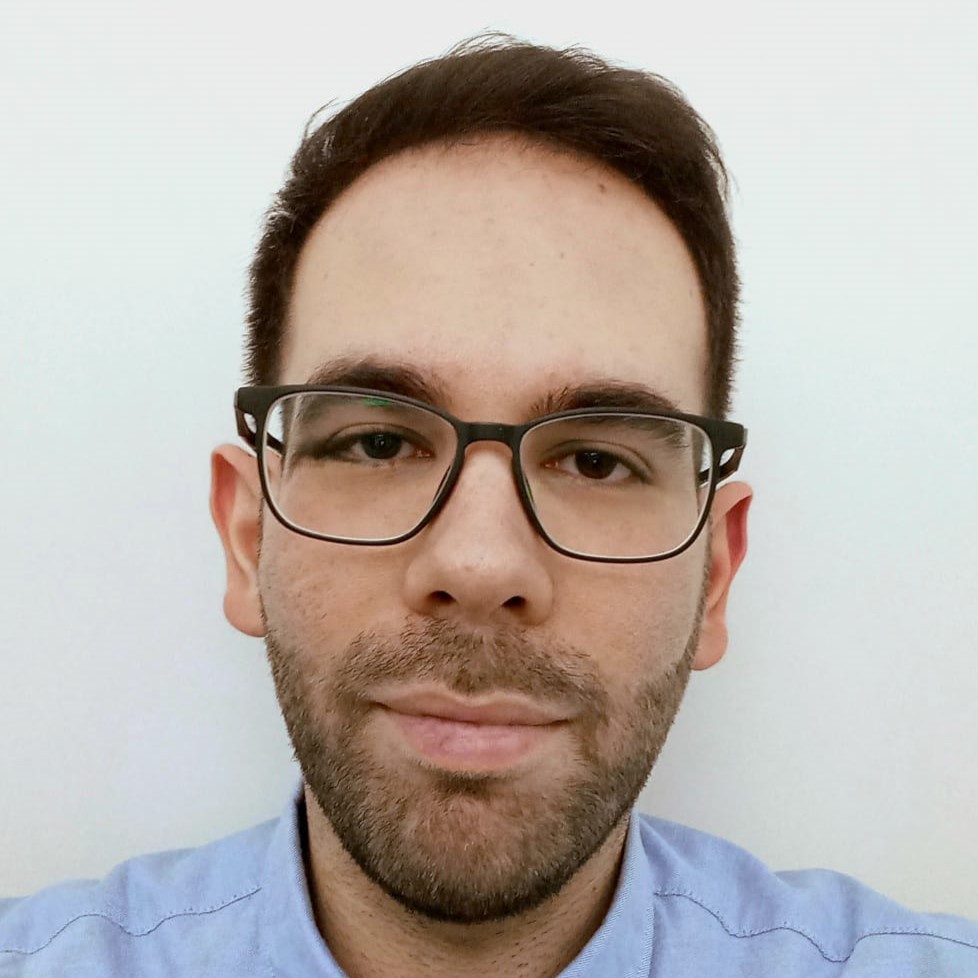
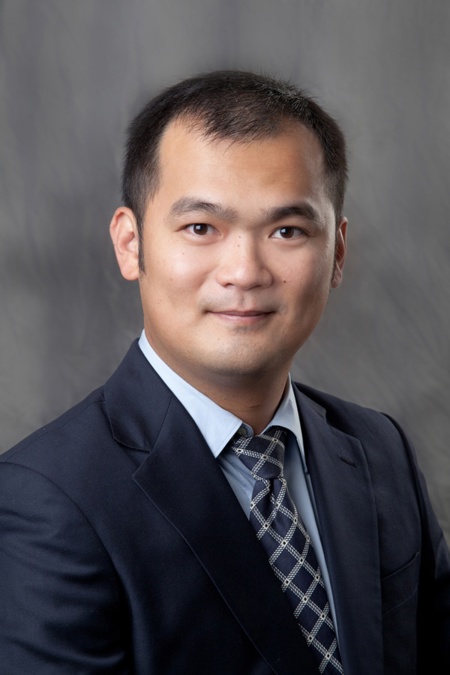
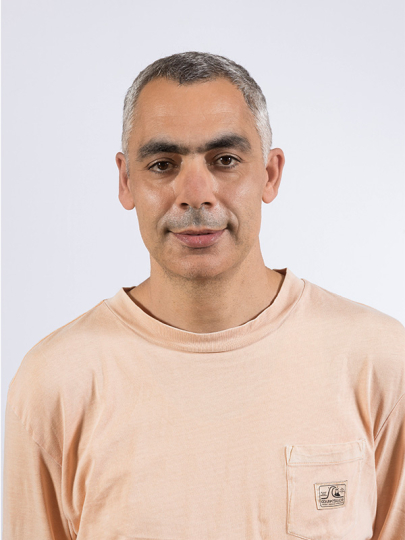
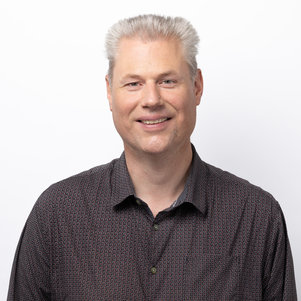
Jan Huisken is a Humboldt Professor for Multiscale Biology at the Georg-August-Universität Göttingen, affiliated with the Johann Friedrich Blumenbach Institute of Zoology and Anthropology. His research focuses on advanced light sheet microscopy techniques for biomedical and developmental biology applications. Role: Humboldt Professor University: Georg-August-Universität Göttingen Department: Johann Friedrich Blumenbach Institute of Zoology and Anthropology Research interests include light sheet microscopy , biomedical imaging , and developmental biology with a strong emphasis on zebrafish models. He develops tools for tissue clearing , image processing , and 3D microscopy . The 15 most recent publications analyze innovations in light sheet microscopy, tissue clearing protocols, and computational methods for image restoration. These works span fields such as optical imaging , developmental cardiology , computational biology , and biomedical instrumentation . Huisken contributes to open-source microscopy systems like 'Flamingo' and 'BigFUSE,' aiming to democratize access to advanced imaging technologies. His work integrates engineering, computer science, and biology to solve complex imaging challenges.
Venkatesh Murthy serves as the Raymond Leo Erikson Life Sciences Professor of Molecular & Cellular Biology at Harvard University and co-directs the Harvard Brain Science Initiative. His laboratory is housed within the Faculty of Arts and Sciences at Harvard's Biological Laboratories in Cambridge, Massachusetts. His research investigates the neural and algorithmic basis of odor-guided behaviors in terrestrial animals, primarily using mouse models. The Murthy Lab develops naturalistic behavioral paradigms that enable simultaneous electrophysiological recordings, high-resolution optical imaging, and optogenetic manipulation. Key research areas include neural circuit dynamics in the olfactory system, modification of circuits through behavioral state and learning, and development of computational models to explain neural observations. The lab maintains strong interdisciplinary collaborations with theoretical neuroscientists. Recent publications (2023-2025) reveal consistent focus on olfactory navigation mechanisms, neural signal processing algorithms, circuit-level analysis of social behaviors, and biomimetic applications for electronic sensing systems. Work spans experimental techniques including multi-animal pose estimation (using DeepLabCut), neural deconvolution methods, and analysis of fluctuating odor environments. The Murthy Lab operates within Harvard's Department of Molecular & Cellular Biology as part of the broader Harvard Brain Science Initiative ecosystem, contributing to research in Cognitive and Behavioral Neuroscience, Theory and Computation, and Sensory and Motor Systems.
Dr. Eran Halperin is a Professor at the University of California, Los Angeles, affiliated with the School of Engineering (Computer Science Department) and the School of Medicine (Human Genetics, Computational Medicine, Anesthesiology). His research bridges computational biology, genomics, and machine learning, with a focus on developing statistical methods to analyze big medical data for disease prediction and treatment. Developed open-source software tools like FEAST, ReFACTor, and Bisque Recipients of prestigious awards including Rothschild Fellowship and ISCB Fellow (2021) Research Interests: Computational Genomics: Applying machine learning to genomic data (methylation, RNA expression) for disease understanding. Machine Learning in Medicine: Creating deep learning architectures for ophthalmology, anesthesiology, and acute care applications. Medical Data Science: Integrating electronic health records with genomic datasets for predictive modeling. Scientific Recognition: Rothschild Fellowship Technion-Juludan Research Prize Krill Prize in Science Elected ISCB Fellow (2021) Dr. Halperin's lab collaborates across disciplines, utilizing software platforms such as GLINT (methylation analysis) and MTV-LMM (microbiome prediction). His work has received funding from NIH, NSF, and international foundations.
Prof. Dr. Gurkan Ozden is a Professor at the Department of Civil Engineering, Istanbul Technical University. He specializes in Coastal Sciences and Engineering, Soil Mechanics, and Geotechnics. His research focuses on seismic risk assessment, earthen dam stability, and geotechnical applications of unmanned aerial vehicles. Ozden holds a PhD from Wayne State University (1993–1999) and has served at institutions like Dokuz Eylul University. He received the 1997 Excellence in Teaching Award from Wayne State University. Education: PhD in Civil Engineering, Wayne State University (1993–1999) MSc in Marine Structures, Nine September University (1990–1992) BSc in Civil Engineering, Istanbul Technical University (1983–1989) Research Interests: Earthquake engineering, slope stability, dam safety, geotechnical risk assessment, and UAV-based topographic modeling. Notable Projects: Geotechnical analysis of deep foundation excavation shoring systems (2017–2023) Seismic behavior modeling of soil in İzmir (TÜBİTAK-funded) Application of digital image processing for slope modeling (TÜBİTAK-funded) His recent work includes analyzing the 2023 Kahramanmaraş earthquake's impact on bridges and developing fuzzy algorithms for seismic risk assessment. Ozden has authored/co-authored over 30 publications and contributed to international conferences on geotechnical engineering.
Salvatore Ivan Trapasso is a Fixed-term Assistant Professor at the Department of Mathematical Sciences "GL Lagrange" (DISMA) , Polytechnic University of Turin , and a member of the SmartData@PoliTO - Big Data and Data Science Laboratory . His research focuses on Applied Harmonic Analysis , Fourier Analysis , Machine Learning , and Quantum Theory , with expertise in Mathematical Analysis (MATH-03/A) and Theoretical PDEs (PE1_11). Education : Implied PhD in Mathematics. Research Areas : Phase Space Analysis, Time-Frequency Methods, and Applications to Quantum Mechanics. His recent publications investigate phase space techniques for Feynman Path Integrals , Twisted Laplacian , Compressed Sensing , and Stability of Scattering Transforms . His work bridges Harmonic Analysis with Machine Learning and Quantum Dynamics . Notable scientific awards include the Axioms Young Investigator Award (2022) , Best Paper Award (ICGF 2020) , and the Quality Award 2019 from Polytechnic University of Turin. He serves on the Editorial Board of Advances in Operator Theory and as Associate Editor for University Texts in the Mathematical Sciences . Teaching roles include Lecturer for Mathematical Principles in the College of Architecture and Design , Collaborator for Mathematical Analysis I/II in Biomedical and Aerospace Engineering, and Contributor to advanced mathematical methods in Computer Science Engineering.
Yuying Xie is an Associate Professor holding dual appointments in the Department of Computational Mathematics, Science and Engineering and the Department of Statistics & Probability at Michigan State University. Her research bridges statistical theory, machine learning innovation, and biological discovery, with a focus on developing computational frameworks for high-dimensional biological data analysis. Education: B.S. in Biology, Fudan University, China (2005) Ph.D. in Genetics and Molecular Biology, University of North Carolina at Chapel Hill (2010) Ph.D. in Statistics, University of North Carolina at Chapel Hill (2015) Research Interests: Dr. Xie pioneers methodologies in single-cell data analyses , spatial transcriptomics , and statistical machine learning for biological applications. Her work addresses critical challenges in high-dimensional data analysis through graphical models and QTL/eQTL mapping , with emphasis on biological interpretability and computational efficiency. Current projects integrate deep learning with immunology and cancer biology to decode complex disease mechanisms. Recent Publications: Her 2023-2025 output reveals a strategic focus on transparent single-cell analysis tools (DANCE 2.0), tumor microenvironment modeling (MARVEL, SpatialCTD), and immune-microbiome interactions in disease. Key themes include graph neural networks for spatial data, generative models for biological imaging, and mechanistic studies of immune responses in Crohn's disease, food allergy, and cancer immunology, demonstrating consistent innovation at the statistics-biology interface. Academic Service: Dr. Xie contributes to computational biology through software development (DANCE framework) and large-scale dataset curation (SpatialCTD), enabling reproducible research in immuno-oncology and single-cell genomics.
Benedikt Ehinger is a Tenure-Track Professor for Computational Cognitive Science at the Stuttgart Center for Simulation Science (SC SimTech) and the Institute for Visualization and Interactive Systems (VIS) at the University of Stuttgart. His research bridges cognitive neuroscience, computational modeling, and visualization techniques to understand visual perception and decision-making processes. Education 2018: PhD in Cognitive Science from University of Osnabrück with thesis "Predictions, Decisions and Learning in the visual sense" 2013: Master of Science in Cognitive Science from University of Osnabrück with thesis "Filling in Blind-Spots: A psychophysical and an EEG study" 2011: Bachelor of Science in Cognitive Science from University of Osnabrück with thesis "Electrophysiological Correlates of Category Learning" Research Interests Ehinger's research focuses on the intersection of visual cognitive science, computational modeling, and neuroimaging techniques. His work primarily investigates predictive coding mechanisms in visual perception, statistical learning in visual scenes, eye movement control, method development for combined EEG and eye-tracking analyses, visual completion phenomena like the blind spot, and category learning and neural plasticity. His approach combines behavioral experiments, EEG recordings, eye-tracking, and advanced statistical modeling to uncover the computational principles underlying human visual cognition. Publication Trends Ehinger's publication record shows a clear evolution from foundational work on visual perception and category learning toward methodological innovations in neuroimaging analysis. His early work focused on visual completion phenomena, category learning, and melanopsin modeling. More recently, he has pioneered techniques for analyzing combined EEG and eye-tracking data, developing toolboxes like "unfold" that address critical challenges in temporal overlap correction and regression-based analysis. His research demonstrates a consistent thread of applying computational approaches to understand visual cognition while simultaneously advancing the methodological toolkit of cognitive neuroscience. Scientific Contributions Development of the "unfold" toolbox for overlap correction and regression-based EEG analysis Creation of the EEGVIS toolbox for EEG visualization Establishment of comprehensive eye-tracking test batteries for validating mobile eye-tracking devices Innovative approaches to modeling fixation durations and eye movement patterns Research Environment Ehinger leads the Computational Cognitive Science group within the Institute for Visualization and Interactive Systems at the University of Stuttgart. His work is situated at the intersection of cognitive science, neuroscience, and computer science, collaborating with researchers across these disciplines. His lab utilizes behavioral experiments, EEG, eye-tracking, and computational modeling to investigate visual cognition, with emphasis on open science practices and methodological transparency.
Kashif Rajpoot is a Professor of Medical AI and Deputy Head of the School of Computer Science at the University of Birmingham Dubai. He is actively engaged in research at the intersection of artificial intelligence and medicine, with a focus on medical image analysis, cardiac electrophysiology, computational pathology, and data science. His educational background includes a PhD in Engineering Science from the University of Oxford (2009) and an MSc in Digital Signal & Image Processing from De Montfort University (2003). His research interests span the development of AI-driven solutions for medical diagnostics and analysis. Key areas include automated interpretation of whole slide images in pathology, signal processing in cardiac electrophysiology, and biomarker discovery for neurological and metabolic disorders. His work combines computational modeling with experimental validation in biomedical contexts. The recent publications reflect a strong trend toward integrating deep learning and signal processing in healthcare, particularly in digital pathology and cardiovascular imaging. His contributions include software tools like ElectroMap for high-throughput cardiac data analysis and methodological advances in NMR and histology image analysis. Unleashing the potential of AI for pathology: challenges and recommendations (2023) Validation of plasma protein glycation and oxidation biomarkers for autism (2023) Automated analysis of NMR spectra (2023) Handcrafted histological transformer for whole slide images (2023) High-resolution optical mapping in preclinical models (2022) Kashif Rajpoot has published over 60 papers in top-tier journals and conferences. His scientific contributions include interdisciplinary collaborations in AI for healthcare, cardiac imaging, and biomarker research. While specific grant details are not listed, his publication record suggests active funding and research leadership. He has contributed to open-source software development and methodological innovation in medical AI. He is involved in research teams focusing on medical AI, cardiac electrophysiology, and computational pathology, often collaborating with experts in pathology, cardiology, and biochemistry. His lab likely supports projects in AI-driven diagnostics, image analysis, and biomedical data science.
Professor Sergio Rutella is a licensed haematologist and Director of the John van Geest Cancer Research Centre at Nottingham Trent University . With over 230 peer-reviewed publications and an H-index of 67, his work bridges translational immunology and cancer biology to advance antibody-based therapies and haematopoietic stem cell transplantation . PhD in Experimental Haematology (Catholic University Medical School, Rome) Specialisation in Haematology ( summa cum laude , Rome) Full Registration with Italian Medical Council GMC Specialist Registration in Haematology (UK) Rutella's research focuses on AML immunotherapy , dissecting how IFN-gamma signaling and TP53 mutations drive immune evasion. His team uses single-cell RNA sequencing , spatial transcriptomics , and bioinformatics to identify predictive biomarkers and tailor precision immunotherapy clinical trials . His 2020–2025 publications reveal trends in immune landscape analysis , checkpoint modulators , and AML microenvironment . Notable findings include the role of IFN-stimulated genes in chemotherapy resistance and the 3-gene signature predicting AML outcomes. Fellow, Royal Society of Biology (2022) Vice Chancellor's Outstanding Researcher Award (2019) Scientific Advisory Board, DFG Collaborative Research Centre Editorial Roles: Journal of Clinical Medicine , Frontiers in Immunology As Principal Investigator for >£12M in grants (Wugen, MacroGenics, Sheffield Charity, Kura Oncology), Rutella collaborates with institutions in Germany, Italy, USA, and Qatar. His lab's work on flotetuzumab and memory-like NK cells has been featured in Blood , Science Translational Medicine , and Blood Cancer Discovery .
Annette Molinaro is a Research Professor at the University of California San Francisco (UCSF) School of Medicine, serving as Director of Biomedical Statistics and Informatics for the Department of Neurological Surgery. She leads biostatistical cores for the Brain SPORE and Program Project, specializing in machine learning and statistical modeling for cancer research, including imaging, genetics, and immunology applications. Education: BS in Statistics from Florida State University, MA/PhD in Biostatistics from UC Berkeley, and National Cancer Institute fellowship in Cancer Prevention. Her research focuses on developing AI-driven risk prediction models for gliomas, analyzing immune profiling, DNA methylation, and high-dimensional data. She has contributed to over 150 publications and created open-source software for genomic data analysis. Recent work highlights applications in glioma subtyping, drug delivery optimization, and equity-focused AI tools. Her grants include NIH funding as co-PI for brain tumor SPORE projects and PI roles in genomic risk prediction studies. Scientific Awards: Evelyn Fix Prize, Chin Long Chiang Biostatistics Student of the Year, Teacher of the Year at Yale, Diane D. Ralston Clinical Neuroscience Teaching Award, and election to the International Statistical Institute. Molinaro co-leads the 'Series on Biostatistics for the Practicing Clinician' in Neuro-Oncology Practice and contributes to diversity initiatives in neuro-oncology, emphasizing equitable research practices.
Jalal Fadili is a Professor at the National School of Engineers of Caen (ENSICAEN) and conducts research at the Research Group in Computer Science, Image, Automation and Instrumentation of Caen (GREYC - CNRS/ENSICAEN/Université Caen Normandie). He serves as director of the AISSAI center and was appointed as a junior member of the Institut Universitaire de France from 2013-2018. His educational background includes: Engineering Degree in Signal Processing from ENSI Caen (1996) MSc in Signal and Image processing from the University of Caen (1996) PhD in Signal and Image processing from the University of Caen (1999) Habilitation in Signal and Image processing from the University of Caen (2010) Professor Fadili's research focuses on signal and image processing, with particular emphasis on inverse problems, variational approaches, and optimization techniques. His work has significant applications in medical and astronomical imaging, including fMRI analysis where he developed wavelet-based methods for structural noise modeling and hypothesis testing. He has created numerous software tools for image processing tasks such as decomposition, inpainting, denoising, and deconvolution. His professional progression shows steady advancement from Assistant Professor at the University of Caen (2000-2001), to Associate Professor at ENSICAEN (2001-2011), and currently Full Professor at ENSICAEN since 2011. His research has resulted in innovative methodologies including MCALab for morphological component analysis and various image restoration techniques. His laboratory work centers around the GREYC research group, where he leads projects related to sparse representation-based image processing techniques and their applications across scientific domains.
Aya Khalaf is an Associate Research Scientist at the Yale School of Medicine, affiliated with the Blumenfeld Lab and the Janeway Society. Her research focuses on understanding neural mechanisms of consciousness, brain-computer interfaces, and machine learning applications in healthcare. She collaborates with leading institutions and researchers globally on studies involving EEG, fTCD, and neuroimaging techniques. Key research interests include auditory and visual perception networks, impaired consciousness in epilepsy, and hybrid BCI systems. Her work bridges cognitive neuroscience with engineering, aiming to translate findings into clinical tools. Notable collaborations include projects with Hal Blumenfeld, Dennis Spencer, and international teams testing consciousness theories. Publications highlight advancements in neural activity analysis, BCI calibration optimization, and multimodal signal processing. Her contributions span theoretical neuroscience frameworks and applied biomedical engineering solutions.
Robert R Clarke serves as Executive Director and Director of The Hormel Institute, and holds a Professor position in the Chemical and Structural Biology department at the University of Minnesota Medical School. His research focuses on breast cancer mechanisms, drug resistance, and systems biology approaches to understanding hormone receptor signaling. Dr. Clarke's research interests center on breast cancer biology with specific emphasis on drug resistance mechanisms, hormone receptor signaling pathways, and systems biology approaches to cancer. His work integrates molecular biology, computational approaches, and structural analysis to understand cancer progression and treatment resistance. He has developed several computational tools including CAM3.0 for cell type deconvolution and DDN3.0 for network analysis, demonstrating his interdisciplinary approach spanning wet lab and computational biology. His recent publications demonstrate a strong focus on breast cancer mechanisms, particularly TXNIP's anti-tumor role and antiestrogen resistance. His research increasingly incorporates computational biology approaches for analyzing complex biological data, including RNA-seq analysis, network rewiring in cancer, and cellular composition determination from bulk tissues. The work spans basic molecular mechanisms to translational applications, including nanoparticle-based cancer therapies. Dr. Clarke leads multiple significant research projects including 'Novel functions of ESRRB in glioblastoma' funded by NIH (2024-2026), 'CryoEM Support Technology' from NIST (2023-2025), 'Cell communication in antiestrogen resistance' from the Department of Defense (2021-2023), 'Development of a Cancer Immune Therapy Paradigm with Iron Oxide Nanoparticles' from Johns Hopkins University (2020-2023), and 'Integrative analysis of exitrons in metastatic prostate cancer' from the Department of Defense (2019-2024). As Executive Director of The Hormel Institute, Dr. Clarke leads a major cancer research center focused on understanding cellular mechanisms of cancer. His team employs diverse approaches including molecular biology, structural biology, computational analysis, and animal models to investigate cancer progression and treatment resistance. The institute has produced significant research output with over 360 publications attributed to Dr. Clarke's work.
Sjoerd Stallinga is a full Professor in the Department of Imaging Physics within the Faculty of Applied Sciences at Delft University of Technology (TU Delft). He joined TU Delft in 2009 as an associate professor and was promoted to full professor in 2018. His academic journey began at the University of Nijmegen where he obtained both his graduate degree (1993) and PhD (1995) in theoretical liquid crystal physics. Stallinga's research focuses on computational optical imaging systems, with particular emphasis on biomedical applications. His primary research interests include computational imaging, super-resolution microscopy, digital pathology, optical nanoscopy, and general microscopy techniques. His work bridges theoretical physics, optical engineering, and biomedical applications, with a strong focus on developing novel imaging technologies for biological and medical research. His recent publications demonstrate a consistent focus on advancing imaging techniques, particularly in structured illumination microscopy, deconvolution algorithms, single-molecule localization microscopy, and image quality assessment. These works collectively contribute to pushing the boundaries of optical resolution and image processing in biological imaging. ERC Advanced Grant (2022) for making super detailed 3D images of proteins in living cells Zwaartekracht funding for living cells consortium (2022) Professor Stallinga has secured significant research funding including an ERC Advanced Grant and Zwaartekracht funding for a living cells consortium. His research group has developed innovative approaches in computational imaging and microscopy, with applications in biomedical research. The lab has produced numerous high-impact publications and has made significant contributions to the field of super-resolution microscopy and digital pathology. The ImPhys/Stallinga group at TU Delft focuses on the analysis, design, and realization of computational optical imaging systems. The team collaborates extensively with other researchers in the Netherlands and internationally, as evidenced by their numerous co-authored publications. Their work has practical applications in biomedical imaging, particularly in optical nanoscopy and digital pathology.
Eric L. Grinberg is a Professor in the Department of Mathematics at the University of Massachusetts Boston, affiliated with the College of Science and Mathematics. He holds a Ph.D. in Mathematics from Harvard University. His research focuses on integral geometry, geometric analysis, and their applications, with notable contributions to Radon transforms, X-ray transforms, and geometric inequalities. Education: Ph.D. in Mathematics, Harvard University Research interests include: Integral transforms (Radon, X-ray) Geometric analysis (Busemann-Petty problems, convex bodies) Applications in discrete mathematics and algebra Recent work explores matrix theory, geometric puzzles, and finite field geometry. His articles often bridge theoretical mathematics with applied problems in imaging and signal processing. No awards listed. Advising and grants details are not explicitly provided in the text. He collaborates with researchers like Mehmet Orhon on geometric projects. Office: Wheatley 3-154-10.