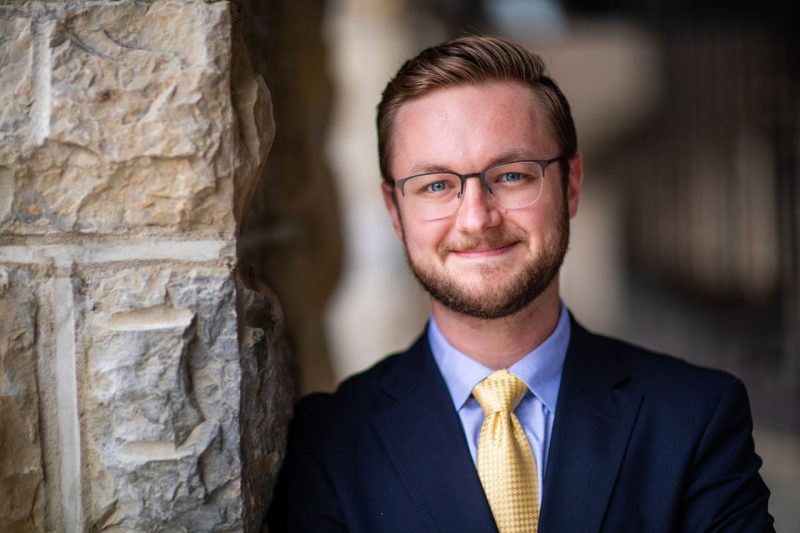
Laurence Perreault-Levasseur is an Associate Professor at Université de Montréal and an Associate Member of Mila. She specializes in applying machine learning methods to cosmology, with affiliations at the Flatiron Institute and Perimeter Institute. Her research focuses on gravitational lensing, dark matter, and precision cosmology. She holds a Canada Research Chair in Computational Cosmology and Artificial Intelligence. Education: PhD (University of Cambridge, 2015), M.Sc. and B.Sc. (McGill University). Research Interests: Machine learning for cosmological inference, strong gravitational lensing, galaxy cluster characterization, and dark matter studies. Affiliations: CRAQ (Québec Astrophysics Research Centre), Mila (Quebec AI Institute). Her work includes developing Bayesian methods for inverse problems and neural networks for astrophysical data analysis. Key projects involve precision cosmology via machine learning and reconstructing early-universe conditions using generative models.
Ahmet Tekalp is a Professor in the Department of Electrical and Computer Engineering at Koc University's College of Engineering since 2001. He holds dual citizenship in Turkey and the USA, with prior academic roles at the University of Rochester (1986-2005) and research positions at Eastman Kodak (1984-1987) and Rensselaer Polytechnic Institute (1981-1984). He chairs the Electronics and Informatics Group at TUBITAK since 2004 as a part-time position. B.S. (1980) in Electrical Engineering & Mathematics, Bogaziçi University M.S. (1982) and Ph.D. (1984) in Electrical, Computer, and Systems Engineering, Rensselaer Polytechnic Institute His research focuses on digital image and video processing, including video compression, motion-compensated filtering for high-resolution applications, video segmentation, object tracking, content-based video analysis, multi-camera surveillance processing, and digital content protection. He has led numerous European and U.S. grants, including FP7 STREP projects and NSF awards, emphasizing applications in sensor networks, visual databases, and medical imaging. His scholarly work spans diverse areas such as superresolution reconstruction, head gesture animation, 3DTV streaming, and reversible data hiding. He has played pivotal roles in editorial boards, including serving as Editor-in-Chief of Signal Processing: Image Communication, and has contributed to major standards bodies like ISO MPEG and ANSI NCITS. Member, Turkish Academy of Sciences (TUBA) Fellow, IEEE Fulbright Senior Scholarship (1999) TUBITAK Science Award (2004) IEEE Signal Processing Society Distinguished Lecturer (1998) He has led multiple international research collaborations and projects, including European FP6/FP7 networks and NATO programs, with substantial grant funding from NSF, NYSTAR, and industry partners like Eastman Kodak, Xerox, and Siemens.
Raji Susan Mathew is an Assistant Professor at the School of Data Science, Indian Institute of Science Education and Research Thiruvananthapuram (IISER TVM). Her research focuses on regularization techniques, compressed sensing, and deep learning for medical image reconstruction, particularly in magnetic resonance imaging (MRI) and quantitative susceptibility mapping (QSM). Current affiliation: School of Data Science, IISER TVM Prior appointments: C. V. Raman Postdoctoral Fellow and Research Associate III at Indian Institute of Science, Bangalore Education: Ph.D. in MR image reconstruction from IIIT-Kerala, M.Tech in Signal Processing from Cochin University of Science and Technology, B.Tech in Electronics and Communication Engineering from Mahatma Gandhi University Her recent publications highlight expertise in AI-driven medical imaging solutions, including QSM optimization , vision transformers for nerve tracking , and unsupervised learning for corrosion analysis . She has also contributed to book chapters on parallel MRI theory and regularization frameworks. Scientific awards include the C. V. Raman Postdoctoral Fellowship and Maulana Azad National Fellowship , supporting her work on efficient algorithms for medical image processing. Dr. Mathew advises Ph.D. and BS-MS students on topics like spiking neural networks in imaging , uncertainty-aware QSM reconstruction , and lightweight AI models for disease classification . She actively reviews for journals like IEEE Transactions on Medical Imaging and conferences like ISBI and ICASSP.
Ciaran Seath is an Assistant Professor of Chemistry at Scripps-UF (The Wertheim Scripps UF Institute) in Jupiter, Florida, where he leads the Seath Research Chemistry Lab. His research focuses on using chemical biology methods to discover new therapeutically relevant protein-biomolecule interactions that contribute to disease. Dr. Seath completed his PhD in chemistry from the University of Strathclyde in 2017 under the supervision of Dr. Allan Watson, studying chemoselective transition-metal catalysis. He then conducted postdoctoral research at Emory University with Professor Nathan Jui, developing novel reductive photoredox methodologies, and at Princeton University with Professors David MacMillan and Tom Muir, exploring photocatalytic methods for proximity labeling in cancer biology. His research interests span several critical areas in chemical biology: New Therapeutic Strategies: Using proximity labeling methods to understand how mutations and post-translational modifications lead to diseased phenotypes Understanding Transcription in Disease: Investigating "undruggable" proteins that control transcriptional activation with the goal of finding new cancer therapies PhotoChemical Biology: Developing new chemical reactions in cells driven by visible light irradiation to modify proteins and biomolecules Dr. Seath's laboratory focuses on using state-of-the-art methods in chemical biology to discover new protein-biomolecule interactions relevant to disease, with particular interest in pediatric brain tumors, biochemistry and cell biology, and clinical and translational science. His recent work demonstrates a strong trend toward developing and applying proximity labeling techniques, particularly photoproximity labeling methods with varying activation wavelengths and spatial resolution, to study protein interactions in complex biological systems. His research bridges chemistry, biology, and medicine, with a clear translational focus on developing new therapeutic approaches for challenging diseases. Dr. Seath has secured multiple research grants as Principal Investigator from prestigious sources including Pfizer Inc, the National Institutes of Health (NIGMS, NCI), and the American Chemical Society Petroleum Research Fund. These grants support his innovative work in chromatin chemical biology, photocatalysis, and epigenetic drug discovery. He is actively involved in translational research at Scripps-UF to understand human disease, with his laboratory (The Laboratory of Subcellular Technologies) focusing on developing new chemical tools to address fundamental biological questions with therapeutic implications.
Daniel W. Apley is Professor of Industrial Engineering and Management Sciences at the McCormick School of Engineering and Applied Science, Northwestern University, where he has served since 2003. He is Editor-in-Chief-Elect of Technometrics and previously Editor-in-Chief of the Journal of Quality Technology . He is also affiliated with Northwestern’s Master of Science in Machine Learning and Data Science Program. Education PhD Mechanical Engineering, University of Michigan, Ann Arbor MS Electrical Engineering, University of Michigan, Ann Arbor MS Mechanical Engineering, University of Michigan, Ann Arbor BS Mechanical Engineering, University of Michigan, Ann Arbor Research Interests Professor Apley is an industrial statistician whose work sits at the intersection of engineering modeling, statistical analysis, and predictive analytics. His major thrusts include statistical modeling of complex engineering and enterprise systems, machine learning for manufacturing data, quality engineering and Six Sigma methodologies, and computer-experiment–based design optimization under uncertainty. Recent applications span healthcare risk modeling, credit-risk analytics, materials microstructure prediction, and autonomous process control. Scientific Awards NSF CAREER Award IIE Transactions Best Paper Award (Quality & Reliability) Wilcoxon Prize for best practical application paper in Technometrics Teaching & Advising At Northwestern he teaches undergraduate courses in Statistical Methods for Quality Improvement, Introductory Statistics, and Statistical Tools for Data Mining, as well as graduate courses in Predictive Analytics, Engineering Applications of Data Mining, and Intermediate Statistics. His research has been supported by numerous industrial partners and federal agencies, underscoring a strong record of funded graduate and post-doctoral advising. Leadership & Service Beyond editorial roles, Professor Apley has chaired the Quality, Statistics & Reliability Section of INFORMS and served as Director of the Manufacturing and Design Engineering Program at Northwestern, shaping interdisciplinary curriculum and research initiatives.
Ammar Hoori, PhD, is a Research Assistant Professor in the Department of Biomedical Engineering at Case Western Reserve University, affiliated with both the Case School of Engineering and School of Medicine. His research focuses on cardiac image analysis, leveraging advanced techniques like image registration, deep learning, and survival analysis. He leads NIH-funded projects involving CT calcium scoring, IVOCT, and chest CT imaging, collaborating with cardiologists from University Hospitals Cleveland and engineers from CWRU. His work emphasizes developing calcium-omics and fat-omics features to improve cardiovascular disease prediction. His research team employs cutting-edge methods such as deep learning segmentation for epicardial adipose tissue analysis, aiming to optimize patient care through AI-driven risk stratification. Hoori’s contributions include the development of the DeepFat algorithm for automated fat quantification and collaborations on stent under-expansion prediction using OCT imaging. He is also involved in the Biomedical Imaging Laboratory (BMIL), contributing to advancements in cryo-imaging and 3D visualization techniques. Key areas of innovation include AI-enabled risk prediction for heart failure, MACE (Major Adverse Cardiovascular Events), and coronary artery disease using opportunistic data from routine CT scans. His work bridges clinical and engineering expertise to advance non-invasive diagnostic tools and personalized medicine strategies.
Professor Steven Lee is a leading figure in biophysical chemistry at the University of Cambridge , where he leads the TheLeeLab in the Yusuf Hamied Department of Chemistry . His research focuses on developing advanced single-molecule fluorescence and multidimensional super-resolution imaging techniques to probe fundamental biological processes at unprecedented spatial precision. Developed novel super-resolution microscopy approaches for 2D/3D visualization of T-cell membrane proteins and histone assembly in fission yeast nuclei Pioneer of 15-20nm resolution imaging strategies through fluorophore kinetics and image reconstruction algorithms Recipient of the 2017 Marlow Prize in Physical Chemistry , Lee's lab produces cutting-edge tools with applications in immunology , neurodegeneration , and cellular biophysics . His team maintains active collaborations with Prof Klenerman (FRS MedSci) and Prof Moerner (Nobel Chemistry 2014). Research Highlights : Molecular origins of immunity through T-cell membrane protein interactions 3D histone dynamics during DNA replication/repair Amyloid aggregate quantification for neurodegenerative disease diagnosis Volumetric imaging innovations via vLUME virtual reality platform
Jasmine Foo serves as Associate Head and Distinguished McKnight University Professor at the University of Minnesota-Twin Cities' School of Mathematics, holding the Northrop Professorship and co-directing the Therapy Modeling and Design Center. Her leadership spans academic administration and interdisciplinary research initiatives in mathematical oncology. Foo's research pioneers stochastic evolutionary modeling of cancer dynamics, integrating mathematical theory with clinical data to understand tumor initiation, progression, and treatment resistance. Her group focuses on five interconnected themes: plasticity and epigenetics in tumor evolution; drug resistance optimization; data-driven precision oncology; spatial carcinogenesis; and tumor-microenvironment interactions using organoid models. This work bridges probability theory, systems biology, and clinical oncology to develop novel therapeutic strategies. Analysis of her 15 most recent publications reveals a consistent emphasis on quantitative approaches to cancer evolution, with growing integration of machine learning and high-resolution experimental data. Key trends include modeling phenotypic plasticity in resistance development, optimizing dosing schedules using evolutionary principles, and translating spatial tumor dynamics into clinical applications. Scientific recognition includes: Honorable Mention, Feldman Prize for theoretical contributions to tumor evolution modeling Foo actively mentors graduate students and postdoctoral researchers through the School of Mathematics, with research supported by multiple grants (though specific funding sources aren't detailed). Her group maintains strong collaborations with experimental oncology labs and clinical researchers, facilitating data-driven model validation. She co-leads the Therapy Modeling and Design Center and organizes the UMN MathBio Group Meetings, fostering cross-disciplinary collaboration between mathematicians, biologists, and clinicians in cancer research.
Prof. Dr. Ben Jeurissen is an Associate Research Professor at the Department of Physics, University of Antwerp , Belgium, specializing in Medical Image Computing , Quantitative MRI , and Diffusion MRI . He received an ERC Consolidator Grant (2023) and FWO Senior Postdoctoral Fellowship (2018–2021) , with a focus on data-driven approaches to study brain microstructure. Education : MSc in Computer Science (2004), Biomedical Imaging (2006), PhD in Science (2012) from University of Antwerp. Research : His work bridges Neuroscience , Medical Imaging , and Computational Methods , particularly in Diffusion MRI and Quantitative MRI for applications in Alzheimer’s disease , spaceflight effects on the brain, and knee imaging . Awards : ERC Consolidator Grant (2023) Australian Museum Eureka Prize Finalist (2024) Multiple Magna/Summa Cum Laude Merit Awards at ISMRM conferences Prize Robert Oppenheimer (2015) Publications span NeuroImage , Human Brain Mapping , Journal of Alzheimer's Disease , and Investigative Radiology , with key contributions to super-resolution MRI , fiber tracking , and brain microstructure analysis . He serves as a contributor to MRtrix and advisor for PhD theses in Computational Anatomy and Medical Imaging .
Prof. Piya Pal is a Professor in the Department of Electrical and Computer Engineering at the University of California, San Diego. Her research focuses on high-dimensional statistical signal processing, energy-efficient sampling techniques, and covariance-driven inference. She previously held an Assistant Professor position at the University of Maryland, College Park, and was affiliated with the Institute for Systems Research. Education: Ph.D. in Electrical Engineering from California Institute of Technology (2013). Notable achievements include the NSF CAREER Award (2016) and the 2014 Charles and Ellen Wilts Prize for her thesis on sparse sampling and estimation. Her work emphasizes structured sampling and robust algorithms for undersampled data analysis, with applications in sensor arrays, compressive sensing, and optical imaging. Research Interests: Energy-efficient sparse array design Correlation-aware sparse estimation Covariance compression and statistical inference Tensor methods in machine learning High-resolution imaging systems Publications highlight advancements in sparse array geometries (nested/coprime samplers), Cramér-Rao bound analysis, and hybrid beamforming. Recent work explores super-resolution imaging and millimeter-wave channel sensing with learned empirical priors. Her contributions address fundamental trade-offs between sample size, resolution, and domain knowledge integration. Scientific Awards: NSF CAREER Award (2016) 2014 Charles and Ellen Wilts Prize (Caltech) Advising & Grants: Current research is supported by NSF CAREER funding. Her lab focuses on interdisciplinary projects combining signal processing with medical imaging and wireless communication challenges.
Kimberlee Kearfott, Sc.D., is a Professor in the Department of Nuclear Engineering and Radiological Sciences at the University of Michigan. Her primary affiliation is with the College of Engineering, and she holds an additional role as Affiliate Faculty in Biomedical Engineering (BME). Her research focuses on radiation protection, nuclear medicine, medical physics, and biomedical imaging. Key areas include radon gas dynamics, dosimetry techniques, environmental radiation monitoring, and the development of radiation-aware technologies like drones and weather stations. Her work spans theoretical and applied domains, including algorithm development for anomaly detection in radon time series data, advanced imaging systems, and radiation source mapping. She has contributed to the design of cost-effective radiation measurement instruments and systems for real-time environmental monitoring. Notable projects include the creation of an Intelligent Radiation Awareness Drone and a Low-cost Radiation Weather Station. Dr. Kearfott’s expertise also extends to radiation safety protocols, quality control in dosimetry calibration, and the application of machine learning to thermoluminescent dosimeter analysis. Her research has addressed critical issues such as earthquake prediction through radon gas analysis and sterilization techniques for SARS-CoV-2-contaminated equipment. Her laboratory focuses on interdisciplinary projects at the intersection of nuclear engineering, biomedical sciences, and environmental science. Collaborations involve both academic and industrial partners, emphasizing practical solutions for radiation-related challenges in healthcare, environmental safety, and homeland security.
Paul E. Hand is an Associate Professor of Mathematics and Computer Science at Northeastern University, affiliated with both the College of Science and the Khoury College of Computer Sciences. He holds a Bachelor of Science in Applied and Computational Mathematics from the California Institute of Technology (2004) and a PhD in Mathematics from the Courant Institute at New York University (2009), where he received the Kurt O. Friedrichs Prize for outstanding dissertation. PhD in Mathematics, Courant Institute, NYU (2009) BS in Applied and Computational Mathematics, Caltech (2004) His research focuses on developing theoretical frameworks and algorithms for machine learning and artificial intelligence, particularly in signal recovery, phase retrieval, and vision/imaging. He also explores intersections of deep learning with convex optimization and has contributed to bilinear recovery problems. Recent publications emphasize generative models, inverse problems, and robust optimization techniques. Key themes include deep learning with provable recovery guarantees , convex programming for signal inversion , and manifold-based optimization . Kurt O. Friedrichs Prize for Outstanding Dissertation (2009) NSF CAREER Grant DMS-1848087 He has taught courses on Deep Learning, Machine Learning, and Signal Processing at Northeastern University since 2016, previously holding academic roles at Rice University (2016-2018) and MIT (2009-2016). He directs educational outreach initiatives and developed the educational resource Leading Lesson for multivariable calculus problem-solving.
Marcelo Pereyra is a Professor in Statistics at the School of Mathematical & Computer Sciences of Heriot-Watt University and the Maxwell Institute for Mathematical Sciences in Edinburgh, UK. His academic journey began with a double M.Eng. degree from ITBA (Argentina) and INSA Toulouse (France), followed by a M.Sc. from INSA Toulouse in 2009. He earned his Ph.D. in Signal Processing from the University of Toulouse in 2012, after which he served as a Research Fellow in Statistics at the University of Bristol from 2012 to 2016. In 2017, he joined Heriot-Watt University as an Assistant Professor in Statistics, was promoted to Associate Professor in 2019, and subsequently to Professor in Statistics in 2023. His educational background includes: Ph.D. in Signal Processing, University of Toulouse (2012) M.Eng. (double degree) from ITBA (Argentina) and INSA Toulouse (France), with M.Sc. from INSA Toulouse (2009) Professor Pereyra's research advances the statistical foundations of quantitative and scientific imaging. He has made important contributions to Bayesian imaging sciences and developed significant connections between statistical, variational, and machine learning approaches to imaging. His specific interests include robust uncertainty quantification in imaging inverse problems, automatic calibration and verification of statistical image models, scalable Bayesian computation algorithms derived from stochastic diffusion processes, and applications of imaging with high social or environmental value. His work sits at the intersection of statistics, computational mathematics, and imaging science, with a strong emphasis on developing mathematically rigorous methods that provide reliable uncertainty quantification alongside point estimates. His recent publications demonstrate a clear trajectory toward integrating modern machine learning techniques, particularly diffusion models and generative approaches, with traditional Bayesian statistical methods for imaging problems. The research spans applications from medical imaging to astronomical observations and industrial inspection, with consistent emphasis on uncertainty quantification. His work increasingly focuses on developing scalable computational methods that can handle the high-dimensional nature of modern imaging problems while maintaining statistical rigor. Professor Pereyra has received numerous prestigious awards throughout his career: SIAM SIGEST Award in Imaging Sciences for contributions to proximal Markov chain Monte Carlo methodology Marie Curie Intra-European Fellowship for Career Development (2013) Brunel Postdoctoral Research Fellowship in Statistics (2012) Postdoctoral Research Fellowship from French Ministry of Defence (2012) Leopold Escande PhD Thesis award from the University of Toulouse (2012) INFOTEL R&D award from the Association of Engineers of INSA Toulouse (2009) ITBA R&D award from the Buenos Aires Institute of Technology (2007) Professor Pereyra is deeply committed to developing early career talent, currently supervising five PhD students and two Postdoctoral Research Associates (PDRAs), having previously supervised four PhD students and three PDRAs to completion. His research has received significant support from Heriot-Watt University and the UK Engineering and Physical Sciences Research Council (EPSRC). He is known for fostering multidisciplinary collaboration, having organized eleven international interdisciplinary research meetings in the UK since 2012 and chaired the IMA Conference on Inverse Problems in Edinburgh (2022). As a leader in his field, Professor Pereyra has held Invited Professor positions at prestigious institutions including Institut Henri Poincaré (Paris, 2019), Ecole Normale Supérieure Lyon (2023), and Université Paris Cité (2024). He frequently delivers invited talks at leading mathematical centers worldwide (CIRM, BIRS, IHP, Flatiron, Hausdorff School, INI, and ICMS) to promote multidisciplinary collaboration in imaging sciences.
Jichun Li is a Professor in the Department of Mathematical Sciences at the University of Nevada Las Vegas, with a prolific research career spanning computational mathematics, image processing, and computer vision. His work bridges theoretical mathematics with practical applications in medical imaging, environmental science, and biometrics. Li's research interests center on computational mathematics with particular focus on partial differential equations and finite element methods, alongside significant contributions to image processing and computer vision. His work demonstrates a unique integration of mathematical theory with practical applications, particularly in medical imaging where his techniques enable improved early cancer diagnosis through advanced lesion segmentation. In environmental science, his research on land surface albedo dynamics provides critical insights into climate change impacts in sensitive regions like the Tibetan Plateau. His recent work on face recognition with synthetic data addresses contemporary challenges in biometric security systems. Analysis of Li's publication trends reveals a strategic evolution from foundational mathematical research toward interdisciplinary applications. While maintaining strong theoretical contributions in computational mathematics, particularly in PDEs and finite element methods, he has increasingly focused on medical imaging applications since 2020, developing novel techniques for cancer diagnosis and ultrasmall object detection in CT scans. His 2022-2025 publications show growing emphasis on synthetic data applications, particularly in face recognition challenges, demonstrating adaptability to emerging AI trends. Professor Li maintains an extensive collaborative network, with frequent co-authorship patterns suggesting mentorship relationships with researchers like Bo Yan, Weimin Tan, Guannan Chen, and Encai Zhang across multiple publications. His work appears in leading journals including IEEE Transactions on Neural Networks and Learning Systems, IEEE Transactions on Multimedia, and Computational Mathematics and Applications, reflecting both the theoretical depth and practical relevance of his research.
Riley M. Fitzgerald serves as an Assistant Professor in the Kevin T. Crofton Department of Aerospace & Ocean Engineering at Virginia Tech. He earned his Ph.D. (2021) and S.M. (2018) from MIT's Aeronautics and Astronautics department, preceded by a B.S.E. (2016) in Mechanical and Aerospace Engineering from Princeton University. His research focuses on orbital mechanics, guidance systems, and space mission design, with particular expertise in spacecraft navigation, planetary system analysis, and atmospheric measurement technologies. Ph.D., 2021 - MIT Aeronautics and Astronautics S.M., 2018 - MIT Aeronautics and Astronautics B.S.E., 2016 - Princeton Mechanical and Aerospace Engineering His research spans multiple domains including: Orbital mechanics and trajectory optimization Spacecraft guidance, navigation, and control Multi-planet system orbit determination Atmospheric measurement and remote sensing Space mission design and implementation Spacecraft safety and proximity operations Research trends in his 15 most recent publications focus on: 1) celestial mechanics and trajectory optimization, 2) planetary system analysis, 3) atmospheric measurement technologies, and 4) spacecraft navigation systems. His work integrates aerospace engineering principles with astrophysics applications, particularly in characterizing planetary systems and developing space instrumentation. Scientific recognition includes: Ryan and Krista Frederic Junior Faculty Fellowship Draper Doctoral Fellowship Draper Masters Fellowship Professional service includes membership on the AIAA Space Systems Technical Committee and peer review activities for aerospace engineering journals.