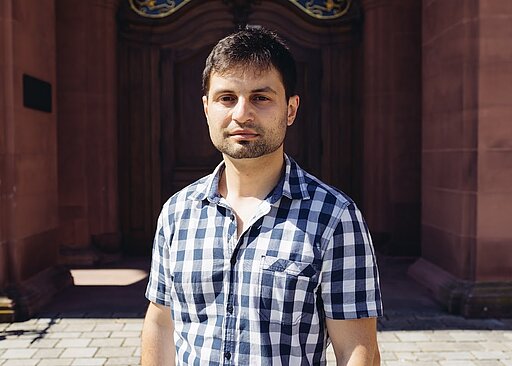
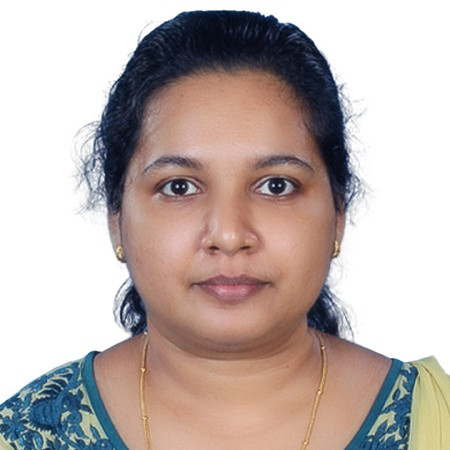
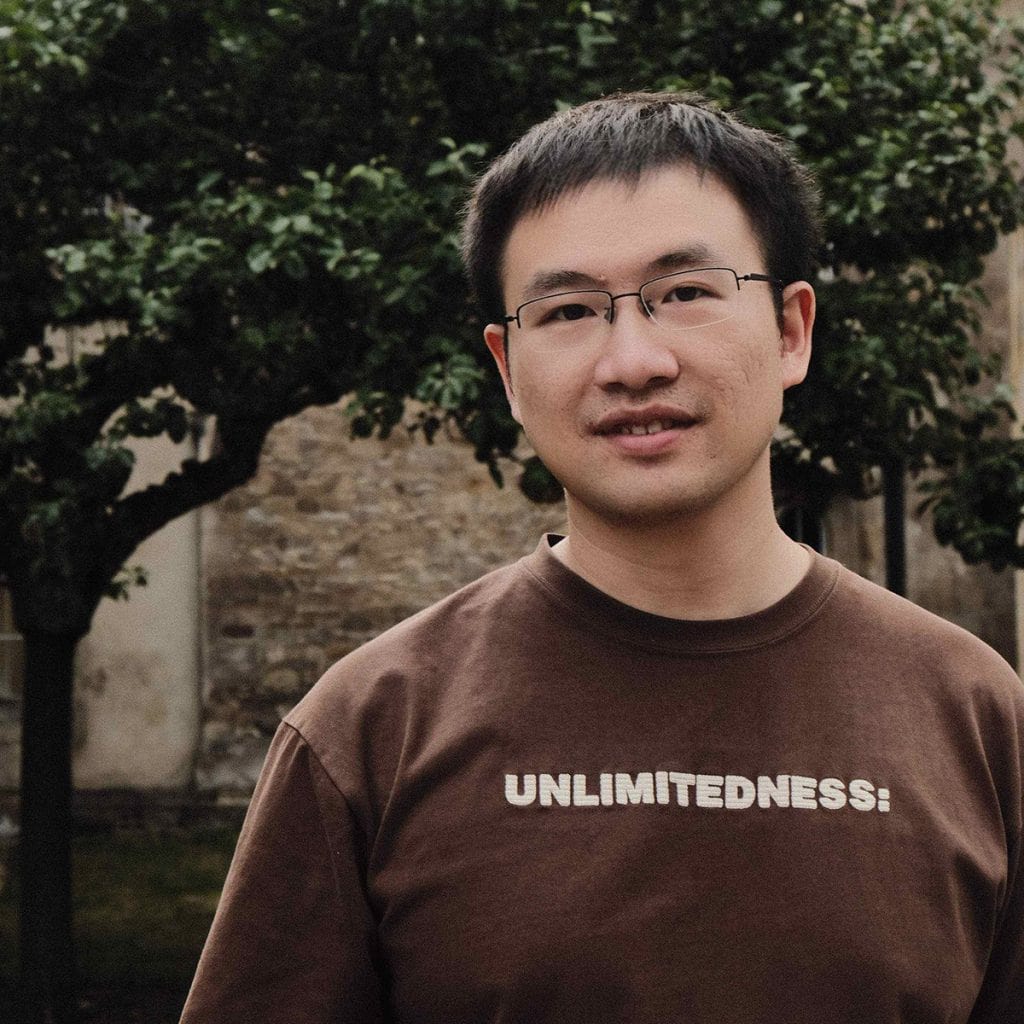
Goran Glavaš is a Professor at the University of Würzburg's Faculty of Mathematics & Computer Science, holding the Chair for Natural Language Processing (Computer Science XII) and affiliated with the Center for Artificial Intelligence and Data Science (CAIDAS). His research focuses on computational semantics, multilingual/low-resource representation learning, and democratizing language technologies through fairness and sustainability. Former Assistant Professor at University of Mannheim (2017-2021) Interim Associate Professor at LMU Munich (2021-2022) Doctorate in 2014 at University of Zagreb under Jan Šnajder Recent research trends emphasize cross-lingual learning, multilingual knowledge integration, and ethical AI frameworks. His group contributes to robust multilingual models, vision-language systems, and sustainable NLP applications in social sciences. Outstanding Paper Award at ACL 2024 (IRCoder) Outstanding Paper Award at EACL 2024 (Kardeş-NLU) Extensive publications in EMNLP, ACL, NAACL, EACL, and TACL Advises a team of researchers at the University of Würzburg's NLP Chair, including Benedikt Ebing, Gregor Geigle, and Fabian David Schmidt. Leads the WüNLP group within CAIDAS, focusing on democratizing language technologies.
Raja Shaikh, MBBS, DNB, MD, serves as an Attending Physician at the Vascular Anomalies Center and Director of Pediatric Interventional Oncology at the Division of Vascular and Interventional Radiology. He is an Assistant Professor of Radiology at Harvard Medical School, specializing in minimally invasive, image-guided treatments for pediatric patients. Education Medical School: Jawaharlal Nehru Medical College (1999) Internship: KLE Hospital/Jawaharlal Nehru Medical College (2000) Residency: Jawaharlal Nehru Medical College (2005) Fellowship: Body MRI at University of Arkansas Medical Sciences (2010) Fellowship: Vascular and Interventional Radiology at Beth Israel Deaconess Medical Center (2011) Fellowship: Pediatric Interventional Radiology at Boston Children's Hospital (2012) Research Focus Dr. Shaikh's research concentrates on vascular anomalies and interventional oncology, including: Endovascular approaches for arteriovenous malformations Minimally invasive treatments for aneurysmal bone cysts Cryoablation applications in vascular anomalies Pediatric interventional oncology for relapsed solid tumors Scientific Contributions His publications span: Pediatric lymphatic interventions MRI-based vascular anomaly analysis Cryoablation techniques Post-operative lymphatic leak management Image-guided tumor biopsies and treatments Contact Information Phone: 617-355-6286 Fax: 617-730-0541 Email: Raja.Shaikh@childrens.harvard.edu NPI: 1477888204
Karsten Plamann is a Professor at ENSTA Paris, affiliated with the Applied Optics Unit (LOA). His research focuses on biomedical optics, femtosecond laser surgery, and optical coherence tomography (OCT) for corneal imaging and diagnostics. Education: Physics degree from University of Göttingen, PhD at ESPCI/UPMC Paris Research: Investigates corneal transparency quantification, SD-OCT artifact correction, and laser-tissue interactions. His work integrates machine learning with clinical SD-OCT to classify healthy and pathological corneas, develops full-field OCT for histology-like corneal graft analysis, and establishes quantitative metrics for stromal scattering and transparency. Collaborations include institutions like Université Paris-Saclay and Laboratoire Biotechnologie et Œil. Recent publications highlight advancements in femtosecond laser keratoplasty wavelength optimization, OCT-based diagnostics, and hyperglycemia-induced corneal abnormalities using second harmonic generation microscopy. No scientific awards are explicitly mentioned in the provided data.
Simone Bianco is an Associate Professor at the Department of Informatics, Systems and Communication (DISCo) of the University of Milano-Bicocca, Italy. His academic and research contributions span computer vision, artificial intelligence, machine learning, and optimization algorithms applied to multimodal and multimedia systems. His educational background includes a PhD in Computer Science (2010) and BSc/MSc degrees in Mathematics (2003/2006), both from the University of Milano-Bicocca. Bianco’s research focuses on color constancy, deep learning for video restoration, neural architecture search, and computational color imaging, with a strong emphasis on practical applications like biometric recognition, medical imaging, and environmental monitoring. The 15 most recent articles (2025–2020) highlight trends in computer vision, including uncertainty estimation in color constancy, portable material appearance modeling, temporal consistency in low-light videos, and advanced deep learning architectures for image and video processing. His work often integrates photogrammetry, sensor technology, and multimodal data analysis. Scientific accolades include recognition on Stanford University’s World Ranking Scientists List for achievements in artificial intelligence and image processing. Bianco also serves as R&D Manager for the University of Milano-Bicocca spin-off Imaging and Vision Solutions and contributes to international conferences and workshops.
Leon Bungert is a Professor of Mathematics of Machine Learning at the University of Würzburg, working in applied analysis and numerics with a particular focus on data science and machine learning. His research investigates PDEs and variational models on graphs, adversarial robustness of machine learning, variational regularization, and nonlinear optimization. Dr. Bungert serves as a guest editor for the European Journal of Applied Mathematics, an associate editor for Advances in Continuous and Discrete Models: Theory and Applications, and is a member of the program committee at SSVM 2025. He is also an ELLIS member and actively organizes conferences and workshops, including "MIA'25" at IHP in Paris (January 13-15, 2025), "Synergies of Machine Learning and Numerics" in Osaka (March 11-13, 2025), and "Mathematical Analysis of Adversarial Machine Learning" in Oaxaca (August 17-22, 2025). Research Interests Dr. Bungert's primary research areas include: PDEs on graphs Adversarial robustness in machine learning Inverse problems Optimization Variational problems in L-infinity Nonlinear eigenvalue problems Image reconstruction with structural priors His work bridges theoretical mathematics with practical applications in machine learning, particularly focusing on the mathematical foundations of deep learning and developing robust algorithms that can withstand adversarial attacks. He has made significant contributions to understanding the connections between partial differential equations and machine learning algorithms. Research Trends Analysis of Dr. Bungert's recent publications reveals a strong focus on the intersection of machine learning and mathematical analysis. A key theme is the application of variational methods and partial differential equations to machine learning problems, particularly in understanding and improving the robustness of neural networks against adversarial examples. His work on Lipschitz learning on graphs has established important theoretical foundations for graph-based semi-supervised learning. Additionally, his research on the infinity Laplacian and p-Laplacian equations provides deep insights into the mathematical structure of machine learning algorithms. The development of Bregman learning frameworks for sparse neural networks represents a significant contribution to efficient deep learning model training. Professional Activities Dr. Bungert is actively involved in the academic community through editorial roles and conference organization. His current professional activities include: Guest editor for the European Journal of Applied Mathematics Associate editor for Advances in Continuous and Discrete Models: Theory and Applications Member of the program committee at SSVM 2025 ELLIS member Co-organizer of multiple international conferences and workshops Technical Contributions Dr. Bungert has developed several open-source software packages that implement his theoretical contributions, including: Code for convergence rates of Lipschitz learning on graphs A Bregman training framework for sparse neural networks CLIP: Cheap Lipschitz Training of Neural Networks Nonlinear Power Method for Proximal Operators and Neural Networks Robust Image Reconstruction with Misaligned Structural Information These implementations are primarily in Python and MATLAB, demonstrating his commitment to making theoretical advances accessible for practical applications.
Jérôme Yerly serves as a Research Staff Scientist at the Translational MR Imaging Section of the Center for Biomedical Imaging (CIBM), jointly affiliated with Lausanne University Hospital (CHUV) and the University of Lausanne (UNIL). His work focuses on translating advanced MRI methodologies into clinical diagnostics and therapeutic assessment. His academic credentials include: Bachelor in Electronic Engineering from University of Applied Sciences of Western Switzerland, Fribourg (2004) MSc and PhD in Electrical and Computer Engineering from University of Calgary Dr. Yerly specializes in developing nonlinear reconstruction techniques to enhance cardiac and neuroimaging applications. His research leverages compressed sensing and parallel imaging to accelerate scan times while improving spatial and temporal resolution. Current projects target coronary artery disease assessment through coronary endothelial function imaging, extending his doctoral work on stroke neuroimaging where he pioneered sparse acquisition strategies for rapid MRI. No information is documented regarding student supervision or research grant funding. He operates within CHUV's Department of Diagnostic Radiology and Interventional Radiology as part of CIBM's collaborative network, which integrates École Polytechnique Fédérale de Lausanne (EPFL), University of Lausanne, CHUV, and Geneva University Hospitals to advance biomedical imaging innovation.
Raji Susan Mathew is an Assistant Professor at the School of Data Science, Indian Institute of Science Education and Research Thiruvananthapuram (IISER TVM). Her research focuses on regularization techniques, compressed sensing, and deep learning for medical image reconstruction, particularly in magnetic resonance imaging (MRI) and quantitative susceptibility mapping (QSM). Current affiliation: School of Data Science, IISER TVM Prior appointments: C. V. Raman Postdoctoral Fellow and Research Associate III at Indian Institute of Science, Bangalore Education: Ph.D. in MR image reconstruction from IIIT-Kerala, M.Tech in Signal Processing from Cochin University of Science and Technology, B.Tech in Electronics and Communication Engineering from Mahatma Gandhi University Her recent publications highlight expertise in AI-driven medical imaging solutions, including QSM optimization , vision transformers for nerve tracking , and unsupervised learning for corrosion analysis . She has also contributed to book chapters on parallel MRI theory and regularization frameworks. Scientific awards include the C. V. Raman Postdoctoral Fellowship and Maulana Azad National Fellowship , supporting her work on efficient algorithms for medical image processing. Dr. Mathew advises Ph.D. and BS-MS students on topics like spiking neural networks in imaging , uncertainty-aware QSM reconstruction , and lightweight AI models for disease classification . She actively reviews for journals like IEEE Transactions on Medical Imaging and conferences like ISBI and ICASSP.
Arnab Kumar-Mondal is a Machine Learning Researcher at Apple Inc., with a Ph.D. in Deep Learning from McGill University and Mila – Quebec Artificial Intelligence Institute. His work bridges theoretical and applied research in computer vision, language modeling, robotics, and AI for science. Ph.D. from McGill University (2025 completion) Internships at Microsoft Research and Apple Visiting Researcher at ServiceNow Research and Huawei Noah’s Ark Lab B.Tech in Electronics and Electrical Engineering from IIT Kharagpur His research focuses on equivariant learning , state space modeling , and generative adversarial networks (GANs) , with applications in medical imaging, human motion analysis, and vector graphics generation. Key contributions include canonicalization frameworks for symmetry-aware modeling and spectral analysis of representation quality in self-supervised learning. Collaborations span institutions like ServiceNow, Huawei, and Mila. Recent publications (2023–2025) explore symmetry-aware generative modeling , efficient dynamics modeling in interactive environments, and rotation-invariant visual representation learning. His work on ternary language models at ICLR 2025 demonstrates scalable pretraining techniques. Arnab maintains active contributions to open-source software, including PyTorch implementations for semi-supervised segmentation via CycleGAN. His technical depth extends to VLSI engineering, embedded systems, and free-form lens design from undergraduate research. Professional activities include patents on video-language foundation models, internships at leading tech firms, and cross-institutional research roles.
Dr. Bogdan Roman is a Senior Researcher in the Centre for Mathematical Imaging in Healthcare at the Pure Mathematics department and a Visiting Research Fellow at the Computer Science and Technology department, both at the University of Cambridge. He chairs the Computer Science Admissions Test (CSAT) and coordinates the Cambridge Imaging Clinic. Research Areas : Compressed Sensing, Signal Processing, Sampling Theory, Inverse Problems, Computational Mathematics, Medical Imaging, Wireless Networks His work on compressed sensing has driven advancements in MRI resolution and sub-50nm Scanning Helium Microscopy (SHeM), funded by EPSRC. Collaborations include Siemens (MRI validation), Cambridge Radiology, and industrial partners. He has contributed to breaking the coherence barrier in imaging and developed scalable wireless access control systems. Scientific Awards : Rosetrees Interdisciplinary Prize 2016 nomination, 2nd Place at Microsoft Research Workshop 2007 He lectures Part IA Numerical Analysis and co-lectures Part III courses on Sampling and Compressed Sensing. His tools include a high-speed C++ MEX Hadamard transform and MacOH stress-testing software. His publications span mathematics, physics, and computer science disciplines.
Zihao Fu is a Research Assistant Professor at The Chinese University of Hong Kong (CUHK), specializing in Large Language Models (LLMs) and Natural Language Processing (NLP) . His work bridges computational methods with social sciences, focusing on model instability, repetition, hallucination, and algorithmic fairness. He has held research positions at the Oxford Internet Institute and the Language Technology Lab at the University of Cambridge. Education Ph.D. in Systems Engineering and Engineering Management (2017–2021), CUHK M.Eng. in Aeronautics and Astronautics (2012–2015), Beihang University B.Eng. in Automation Science (2008–2012), Beihang University His research explores the theoretical foundations of LLMs, addressing challenges like repetition , instability , and hallucination . He integrates linguistics , cognitive science , and fairness frameworks to enhance both foundational understanding and real-world applications of language technologies. Recent work includes biomedical NLP applications ( BAND dataset ), parameter-efficient model adaptation, and fairness toolkits ( OxonFair ). Zihao leads projects like BioCaster (disease outbreak monitoring) and CAM-Tool (cloud task distribution). He is actively mentoring postdoctoral researchers at CUHK and CUHK (Shenzhen), with expertise in machine learning , knowledge base integration , and parallel computing systems . His industry experience includes developing distributed algorithms at Alibaba Cloud’s PAI platform.
Zhao Zhigang is an Associate Professor at the School of New Materials and New Energy, Shenzhen University of Technology, where he has been employed since May 2017. Previously, he served as a Lecturer at the School of Optoelectronic Engineering, Shenzhen University (2013-2017) and completed postdoctoral research at Shenzhen University (2010-2012) after earning his PhD from Huazhong University of Science and Technology. His academic journey began with undergraduate and master's studies at PLA Ordnance Engineering College (now Army Engineering University). His educational background includes: PhD in Optical Engineering, Huazhong University of Science and Technology (2005-2010) Master's in Optical Engineering, PLA Ordnance Engineering College (2002-2005) Bachelor's in Military Optoelectronic Engineering, PLA Ordnance Engineering College (1995-1999) Zhao's research focuses on hyperspectral imaging systems and machine learning applications for material classification. His work emphasizes embedded image data acquisition and processing using ARM and FPGA platforms, with significant contributions to micro-hyperspectral imaging technology. His research spans three primary areas: hyperspectral image processing on ARM/FPGA systems, machine learning applications in spectral analysis, and embedded AI implementations on FPGA/Zynq platforms. This interdisciplinary work bridges optical engineering, computer vision, and hardware design. Analysis of his recent publications reveals a strong emphasis on hyperspectral data compression techniques , machine learning applications for spectral analysis , and embedded system implementations . His work demonstrates a consistent focus on practical applications of hyperspectral imaging in fields ranging from food quality assessment to battery health monitoring, with increasing incorporation of deep learning techniques in recent years. His scientific recognition includes: Multiple teaching awards at Shenzhen University of Technology (2019-2024) Shenzhen City high-level professional talent designation (2016) Numerous national competition awards as student supervisor (2016-2023) Outstanding Paper Award at Shenzhen Optical Society (2010) Zhao has secured substantial research funding as Principal Investigator, including horizontal projects (2023-2024), Shenzhen Postdoctoral Research Funding (2019-2020), and Shenzhen Basic Research Projects. He has successfully guided students in academic competitions, resulting in five national first prizes. His research group maintains strong industry connections through multiple school-enterprise cooperation projects focused on practical applications of hyperspectral imaging technology. His laboratory work centers on FPGA-based embedded systems for hyperspectral imaging, with recent projects developing micro-hyperspectral spectrometers for UAV platforms, real-time video processing systems, and specialized hardware for spectral data acquisition and compression. These efforts demonstrate a clear trajectory from fundamental optical engineering toward practical applications of machine learning in spectral analysis.
Scott Mahlke is a Professor and Associate Chair in the Department of Electrical Engineering and Computer Science at the University of Michigan's College of Engineering. He is affiliated with both the Advanced Computer Architecture Laboratory and the Software Systems Laboratory. Dr. Mahlke joined the University of Michigan in 2001 after completing his Ph.D. at the University of Illinois and working at HP Laboratories. Ph.D., University of Illinois Former Researcher, HP Laboratories Dr. Mahlke's research spans compilers, computer architecture, and high-level synthesis, with particular focus on overcoming challenges in performance, power consumption, and reliability for next-generation computer systems. His work integrates hardware and software co-design approaches to address fundamental limitations in modern computing platforms. His research has evolved from traditional compiler and architecture topics toward increasingly incorporating machine learning acceleration, autonomous systems, and reliability engineering. Analysis of his recent publications (2021-2025) reveals a strong trend toward hardware-software co-design for emerging workloads, particularly in autonomous systems, neural network acceleration, and reliability-aware computing. His work demonstrates consistent innovation in bridging compiler technology with architectural innovations to solve real-world performance and efficiency challenges. Dr. Mahlke has received significant recognition for his contributions to the field: National Science Foundation CAREER Award (2003) for "Compiler-Directed Synthesis of Application Specific Processors" Morris Wellman Faculty Development Assistant Professor appointment (2004) ISCA Most Influential Paper Award (2006) for the 1991 paper "IMPACT: An Architectural Framework for Multiple Instruction Issue Processors" Young Alumni Award from the University of Illinois ECE Department (2007) As an educator, Dr. Mahlke has taught core computer systems courses including EECS 370 (Introduction to Computer Organization), EECS 483 (Compiler Construction), and EECS 583 (Advanced Compilers) since joining Michigan. His teaching philosophy follows Yale Patt's 10 commandments for teaching, emphasizing understanding over memorization, genuine respect for students, and taking responsibility for course content. He has received mixed but generally positive student evaluations, with students noting both his deep subject matter expertise and areas for improvement in lecture delivery. Dr. Mahlke maintains active research leadership through his affiliations with the Advanced Computer Architecture Laboratory and Software Systems Laboratory, where his team continues to explore innovative approaches to compiler and architecture challenges in modern computing systems.
Gurunath Gurrala serves as an Associate Professor in the Department of Electrical Engineering at the Indian Institute of Science (IISc), Bangalore. His research focuses on power systems dynamics, high-performance computing applications, and renewable energy integration. He maintains active collaborations with international institutions including Oak Ridge National Lab and Texas A&M University. His research interests center on Power Systems Analysis and Control , with specialization in High Performance Computing Applications, Nonlinear and Intelligent Control, Weak Grid Integration of Renewables, Microgrid Protection, and Smart Grid Stability. His work bridges theoretical control systems with practical power grid challenges, particularly for renewable-rich grids. His recent publications demonstrate a strong interdisciplinary trend, spanning power systems (35%), control theory (25%), renewable integration (20%), and emerging applications in biomedical engineering and environmental systems (20%). Key recurring themes include grid stability under high renewable penetration, advanced protection schemes for microgrids, and computational methods for power system analysis. IEEE Power and Energy Society (PES) Outstanding Engineer Award 2018 Young Engineer Award 2015, Indian National Academy Engineers Best Conference Paper, IEEE PES General Meeting 2015 Best Ph.D Thesis Award (Prof.D.J.Badkas Medal) 2010 Elevated to Senior Member IEEE (2016) Professor Gurrala has secured competitive research funding including the Young Scientist Grant from DST (2015) and International Travel Support from SERB (2017). He actively mentors students through PhD and Master's programs while teaching advanced courses including Power System Dynamics and Control (E4 231), Computer Control of Power Systems (E4 233), and Selected Topics in Integrated Power Systems (E4 237). His research group collaborates with power utilities and international research labs on grid modernization challenges.
Dr. Rory Cooper is an Independent Research Fellow in the School of Biosciences at the University of Sheffield. His work bridges evolutionary developmental biology and biophysics , focusing on skin appendage morphogenesis across diverse vertebrates including sharks, chickens, and crocodiles. Formerly a 5-year postdoc in the LANE lab at University of Geneva, he earned his PhD at Sheffield under Dr. Gareth Fraser and Dr. Nicola Nadeau. Current position: Research Fellow (Sheffield) Alumni: Geneva postdoc (2020-2025), Sheffield PhD Expertise: EvoDevo, mechanochemical patterning, volumetric imaging His research investigates how molecular signals and mechanical forces interact to shape complex patterns in embryonic development. Key findings include: Discovery of compressive forces in crocodile scale sculpting Experimental induction of mechanical skin folding in chickens Identification of dual chemical/mechanical patterning in tortoise headscales Recent publications highlight mechanical forces as fundamental to pattern robustness across species. His 2024 Nature paper demonstrated physical sculpting of crocodile cranial scales, followed by 2025 Open Biology and Cell Reports iScience studies on avian/tortoise systems. Scientific recognitions include: Independent Research Fellowship Three major journal cover features (Nature, Open Biology, PLOS Biology) As a PhD advisor for Alex Liu at UC San Diego, he continues fostering next-generation EvoDevo researchers. Current work explores cross-species mechanosensitive development using advanced imaging and multiscale modeling.
Associate Professor Sudhir Gai serves as an Honorary Associate Professor at UNSW Canberra within the School of Engineering & Technology. With a distinguished career spanning over five decades, Professor Gai has established himself as a leading authority in high-speed aerodynamics, specializing in hypersonic and supersonic flow phenomena. His extensive publication record from 1969 through 2025 demonstrates sustained research excellence in shock wave/boundary layer interactions, flow separation mechanisms, and high-enthalpy flow dynamics. Professor Gai's research focuses on the complex fluid dynamics of high-speed flows, with particular emphasis on shock wave/boundary layer interactions, separation phenomena in hypersonic and supersonic regimes, and the effects of high-enthalpy conditions on aerodynamic performance. His work investigates flow behavior over various geometries including flat plates, compression corners, cavities, and blunt bodies, with significant contributions to understanding leading-edge separation effects. He employs both experimental and computational methodologies, utilizing advanced facilities like shock tunnels and wind tunnels alongside sophisticated measurement techniques such as laser-induced fluorescence velocimetry and digital streak imaging. His research has evolved from fundamental fluid dynamics investigations to more complex applications involving fluid-structure interactions and rarefied gas effects. Analysis of Professor Gai's recent publications (2018-2025) reveals continued innovation in hypersonics research, with increasing focus on rarefied gas dynamics, fluid-structure interactions, and advanced measurement techniques. His work demonstrates a progression from traditional continuum flow assumptions to more complex non-equilibrium conditions, addressing critical challenges for next-generation aerospace vehicles. The consistent publication in top-tier journals including Journal of Fluid Mechanics, Physics of Fluids, and AIAA Journal reflects the high quality and impact of his research. Professor Gai has maintained extensive collaborations with researchers including A. Khraibut, D. Exposito, A.J. Neely, S. O'Byrne, V. Sridhar, and H. Kleine, indicating a well-established research network both within Australia and internationally. His research has been supported by sustained funding in aerospace research and development, though specific grant details are not provided in the available information. Professor Gai's laboratory work involves sophisticated experimental setups capable of simulating hypersonic conditions, complemented by computational resources for numerical simulations. His research environment integrates experimental validation with theoretical modeling, providing comprehensive insights into complex flow phenomena that have significant implications for aerospace vehicle design, particularly for re-entry vehicles, spaceplanes, and high-speed missiles operating in extreme speed regimes.