Professor Christian F. Doeller is a leading cognitive neuroscientist serving as Director of the Department of Psychology at the Max Planck Institute for Human Cognitive and Brain Sciences (MPI CBS) in Leipzig and Vice President of the Max Planck Society (since 2023). His roles include honorary professorships at the University of Leipzig (2019) and TU Dresden (Cognitive Neuroscience of Learning and Memory). He holds a PhD in Psychology from Saarland University (2005) and has held positions at institutions such as UCL (London), Radboud University (Nijmegen), and NTNU (Trondheim). His research focuses on spatial navigation, memory systems, and cognitive mapping in the human brain, leveraging neuroimaging (fMRI, EEG) and computational modeling. Key areas include hippocampal/entorhinal cortical function, grid cells, and the neural basis of spatial and conceptual representations. Recent work explores non-Euclidean spatial cognition, value-based decision making using grid-like maps, and hormonal influences on navigation. His lab combines experimental psychology, neuroimaging, and theoretical neuroscience to understand how brains build predictive models of environments and concepts. Publications emphasize cognitive maps, neural representations of space/value, and memory formation mechanisms. Over 100 journal articles span high-impact journals like Nature Neuroscience , Neuron , and Current Biology . His work bridges basic research and translational applications in neurodegenerative disorders and spatial cognition deficits.
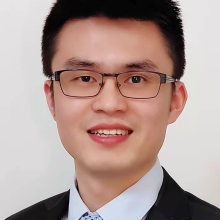
Dr. Kezhi (Ken) Li is an Associate Professor of AI in Healthcare at the Institute of Health Informatics, University College London (UCL). He leads the AI for Health research group and has established himself as a leading expert in applying artificial intelligence to solve complex problems in healthcare, with over 130 publications in leading journals (total impact factor greater than 400). Dr. Li earned his Doctor of Philosophy from Imperial College of Science, Technology and Medicine in 2013, followed by research positions at the Medical Research Council (2015-2017), University of Cambridge (2014-2015), and Royal Institute of Technology (KTH) (2013-2014). His academic journey reflects a consistent trajectory from technical AI research toward increasingly healthcare-focused applications. Dr. Li's research focuses on solving physiological, medical, clinical, and operational problems in healthcare using AI techniques. His specific expertise includes AI in healthcare using electronic health records (EHR), biomedical time series analysis using monitors/wearables, diabetes management, large language models (LLM) in healthcare (especially mental health), patient flow optimization, and digital health with federated learning. His work bridges the gap between cutting-edge AI methodologies and practical healthcare applications, with a strong focus on improving patient outcomes and healthcare system efficiency. Analysis of Dr. Li's publication history reveals a strong emphasis on diabetes management technologies, particularly blood glucose prediction systems using advanced neural network architectures. More recently, his work has expanded into mental health applications of large language models, blockchain-based federated learning for healthcare data, and mortality prediction in critical care settings. His research demonstrates a clear evolution from purely technical AI development toward increasingly clinically impactful applications, with growing emphasis on explainability, privacy preservation, and real-world implementation challenges. Dr. Li has received numerous prestigious awards recognizing his contributions to healthcare AI: Best Application Award of IEEE Global Blockchain Conference (2025) Fellow of British Computer Society (2025) Fellow of the Royal Society for Public Health (2024) Healthcare Partnership of the Year category at the London Higher Awards (2024) ECR Promising Project Award (2023) Gallivan Award finalists (2022) Stylianos Kalaitzis PhD Award Winner (2022) HDR UK Team of the Year (COVID-19) Award (2021) As an educator, Dr. Li serves as the Director of MRes study (AI-enabled Healthcare Systems) at UCL. He leads multiple key modules including Healthcare Artificial Intelligence Journal Club, Dissertation in Artificial Intelligence Enabled Healthcare, and Advanced Machine Learning for Healthcare. His supervision extends across dissertation projects and junior researchers in his AI for Health group. His research has been supported by various grants, including those from HDR UK, focusing on translating AI innovations into practical healthcare solutions. Dr. Li leads the AI for Health research group (https://ai4hucl.github.io/ai4h_webs/), which comprises researchers with diverse expertise in machine learning, healthcare systems, and clinical domains. The group maintains strong collaborations with healthcare providers and industry partners to ensure their research addresses real-world healthcare challenges and can be effectively translated into clinical practice.
Prof. Dr. Rudolf Amann serves as Managing Director at the Max Planck Institute for Marine Microbiology in Bremen, Germany, and leads the Department of Molecular Ecology. His work pioneers molecular methods for studying marine microorganisms, with a focus on fluorescence in situ hybridization (FISH) to identify and quantify microbial cells. Managing Director, Max Planck Institute for Marine Microbiology (since 2018) Department Head, Molecular Ecology Research Center, Bremen, Germany Research Interests: Marine microbial diversity and ecology Carbon cycle dynamics in coastal and deep-sea environments Phytoplankton-bacterioplankton interactions Microbial taxonomy and phylogenetics Single-cell identification techniques (FISH, CARD-FISH) Integration of metagenomics and proteomics Publication Trends: Recent work focuses on microbial interactions in extreme environments (hydrothermal vents, Arctic waters), carbohydrate cycling in oceanic systems, and ecological differentiation of bacterial populations through advanced imaging and omics technologies. Contact: ramann@mpi-bremen.de
Olga Fernández López is an Associate Professor at the Department of History and Theory of Art, Universidad Autónoma de Madrid, and holds a PhD in Geography and History (History of Art) from Universidad Complutense de Madrid (UCM). She collaborates with institutions including Intermediae (Matadero Madrid), CA2M Madrid, and Andalusian Center for Contemporary Art Seville. PhD Curating Contemporary Art, Royal College of Art (2017) PhD in History of Art, UCM Master’s in Cultural Management, Fundación Ortega y Gasset Her research focuses on: History of exhibition models and curatorial practice Contemporary art in Spain and Latin America Visual culture and political philosophy Museum decolonization Recent publications explore: Urban curatorial practices (2016-2021) Postwar European visual culture (2019) Decolonial exhibition strategies (2020) Scientific awards include: Salvador de Madariaga grant (2020) for research at Columbia University Key projects: PUBLISHERS: Publics of Contemporary Art (2019-2021) European Forum for Advanced Practices (2019-2022) Decentralized Modernities: Cold War Art (2018-2020)
Sara Green is an Associate Professor at the Department of Science Education, University of Copenhagen, specializing in the Section for History and Philosophy of Science . Her work bridges philosophy, biology, and biomedical ethics, focusing on the epistemic and social implications of datafication in healthcare and the ethical challenges of precision medicine and consumer health technologies. Green holds a PhD in Science Studies from Aarhus University and was a postdoctoral fellow at the University of Pittsburgh’s Center for Philosophy of Science. She leads the PROMISE and COPE projects and contributes to EU-funded initiatives like DataSpace , TRANSCEND , and REDESIGN . Research Themes: Philosophy of precision medicine and data-driven healthcare Ethics of patient-derived organoids and organ-on-chip technologies Epistemic standards in consumer medicine Interdisciplinary integration in systems biology Article Trends: Recent publications explore organoid ethics , datafication in medicine , and philosophical frameworks for emerging health technologies . Key sub-fields include biobanking, cross-border data governance, and temporal dimensions of personalized medicine. Scientific Recognition: DFF Research Project 1 (2020) Semper Ardens Accellerate Grant (2023) Silver Medal, Royal Danish Society of Science and Letters (2024) Werner Callebaut Prize (2015) EU SwafS-Horizon stipend (2020) Teaching & Supervision: She teaches philosophy of science to students in biology, chemistry, and sports science, supervising projects on philosophy of biology and medicine and co-supervising science communication research. Collaborative Networks: Green collaborates across Denmark, the EU, and the U.S., particularly on cross-border health data infrastructure and reduction of animal models through organoid technologies.
Dr. Stephanie Archer is an Associate Professor and Senior Research Associate at the University of Cambridge, jointly affiliated with the Department of Psychology and the Department of Public Health and Primary Care. Her work bridges psychological science with clinical applications, particularly in cancer risk assessment and digital health interventions. Dr. Archer holds a BSc, MSc, and PhD, though specific institutions are not mentioned in available sources. Her educational background has prepared her for interdisciplinary research at the intersection of psychology, public health, and clinical medicine. Her research focuses on three primary areas: designing multifactorial cancer risk prediction tools for clinical settings; exploring patient and staff experiences of health and social care; and developing/testing digital health interventions. She employs qualitative methods extensively while also engaging with quantitative approaches for comprehensive health services research. Her work demonstrates strong translational focus, moving from theoretical frameworks to practical clinical applications. Analysis of Dr. Archer's recent publications reveals a consistent trajectory in cancer risk prediction tools (particularly CanRisk), patient experience research across multiple conditions, and implementation science for digital health interventions. Her work spans breast, ovarian, prostate, and other cancers while also addressing mental health in autistic populations and patient safety in surgical settings. The interdisciplinary nature of her research connects psychology with oncology, primary care, and public health. Dr. Archer actively contributes to clinical guidelines development, as evidenced by her involvement in the Joint ABS-UKCGG-CanGene-CanVar consensus regarding CanRisk implementation. Her research methodology combines qualitative depth with mixed-methods approaches to address complex healthcare challenges. As a Senior Research Associate and Associate Professor, Dr. Archer likely supervises PhD students and early-career researchers, though specific advisees are not documented in available sources. Her teaching interests include health psychology, health services research, qualitative methods, and intervention development. Dr. Archer collaborates across multiple research units at Cambridge, including the Primary Care Unit and likely the Centre for Cancer Genetic Epidemiology, reflecting her interdisciplinary approach to improving cancer risk assessment and patient care pathways.
Gedas Bertasius is an Assistant Professor in the Department of Computer Science at the University of North Carolina at Chapel Hill. Previously, he served as a postdoctoral researcher at Meta AI (Facebook AI) and earned his PhD in Computer Science from the University of Pennsylvania. His academic journey began with a bachelor’s degree in Computer Science from Dartmouth College. Dr. Bertasius specializes in computer vision and machine learning with specific interests in: Video understanding First-person vision (egocentric vision) Human behavior modeling Multimodal deep learning Transfer learning Computer vision for sports analytics Video+robotics integration His research produces practical frameworks like Video ReCap for hierarchical captioning of long videos, SiLVR for language-based video reasoning, and BASKET for fine-grained skill estimation. He focuses on developing models that can process videos across multiple temporal granularities while maintaining computational efficiency. Key research themes in his work include: Recursive video processing architectures Space-time attention mechanisms Generative video modeling LLM integration with vision systems 3D-aware representation learning Continual learning for video QA He has received notable recognition, including: CVPR 2024 Egocentric Vision (EgoVis) Distinguished Paper Award CVPR 2020 Best Paper Award Nomination First Place at CVPR 2025 Multi-Discipline Lecture Understanding Workshop Dr. Bertasius collaborates with prominent researchers like Mohit Bansal and Lorenzo Torresani . His recent publications demonstrate expertise in advancing video-language models, with applications in semantic alignment, temporal grounding, and cross-modal reasoning. For detailed information about his research, publications, and ongoing projects, please visit his official website .
Riccardo Raheli is a Full Professor at the University of Parma , Department of Engineering and Architecture, with a career spanning over three decades in Information and Communication Technologies (ICT). He has served as Chair of the Councils for Telecommunications and Communication Engineering programs, and as representative of the University of Parma in CNIT and its Members' Assembly. Education: Laurea in Electronic Engineering (University of Pisa, 1983), M.Sc. in Electrical and Computer Engineering (University of Massachusetts, 1986), Postgraduate Diploma (Scuola Superiore Sant'Anna, 1987) Key Roles: President of Degree Councils (2002-2018), CNIT Committee Member (2000-2005), Editorial Board member for IEEE Transactions, Springer and MDPI journals His research bridges telecommunications , digital signal processing , and healthcare applications , producing extensive international publications and industrial patents. He has co-authored monographs including Detection Algorithms for Wireless Communications (Wiley, 2004) and LDPC Coded Modulations (Springer, 2009). Recent article trends show interdisciplinary work in automotive stress monitoring (IoT/Matlab-based systems), video processing for healthcare (neonatal seizures, respiratory monitoring), and acoustic field control (microphone virtualization, personal sound zones). His work spans machine learning applications in automotive systems, stochastic acoustic modeling , and power-line communications . Scientific Leadership : Co-Chair for IEEE conferences (ICC 2010, GLOBECOM 2011, ISPLC 2020) Editorial roles in 7+ international journals Grants & Collaborations : Led industrial patents in communications systems Coordinated CNIT Technical Reports series (2025) He teaches Wireless Communications and Digital Signals Laboratory , emphasizing Matlab/Simulink proficiency. His laboratory sessions focus on practical implementation of signal processing algorithms, requiring full software installation on personal devices.
Xiang Yin is a Research Associate at the Department of Computing in Imperial College London , affiliated with the Computational Logic and Argumentation group (CLArg) . His work bridges Explainable AI (XAI) and Computational Argumentation (CA) , focusing on the explainability of Quantitative Bipolar Argumentation Frameworks (QBAFs) through attribution and counterfactual explanations. Research Interests: Explainable AI (XAI) Computational Argumentation Quantitative Bipolar Argumentation Frameworks Model Interpretability Human-AI Interaction Logical Reasoning for AI Publication Trends reveal a focus on argumentation-based explainability, with 2025-2024 works addressing large language models for claim verification, truth-discovery frameworks, and counterfactual explanations. Earlier works (2023-2022) explore random forest explanations, faithfulness criteria, and QBAF analysis. His 2018 publications on aircraft prediction systems demonstrate applied machine learning expertise. Education PhD in Artificial Intelligence under Prof. Francesca Toni and Dr. Nico Potyka Pre-PhD: Machine Learning R&D Engineer at Baidu Labs & Teams Xiang is part of the CLArg group at Imperial College London, focusing on integrating computational argumentation with AI explainability and contestability.
Amy Vaughan Van Hecke serves as Assistant Chair and Professor in Marquette University's Department of Psychology, leading research on autism spectrum disorder (ASD) and social development across the lifespan using neuroimaging and psychophysiological methods. She directs community initiatives to improve autism services access for underserved Milwaukee populations through the Next Step Clinic. Her academic foundation includes: B.A. in Psychology from Smith College Ph.D. in Developmental Psychology from the University of Miami Dr. Van Hecke's research centers on brain activity, heart rate regulation, and social behavior in individuals with and without ASD, utilizing high-density EEG and MRI to examine neural responses to interventions like PEERS ® . Current projects investigate pandemic impacts on social interaction in autistic adults and neural mechanisms of social isolation remediation. Her work bridges laboratory neuroscience with community-based clinical applications. Publication analysis reveals consistent focus on intervention efficacy (particularly PEERS ® ), neural plasticity measurement, and comorbid conditions across developmental stages. Recent work emphasizes gender-specific outcomes, family impacts, and pandemic-related mental health, demonstrating methodological diversity from EEG asymmetry to community-based participatory research. Her distinguished scientific recognition includes: Kirschstein National Research Service Award (NRSA) from the National Institute of Mental Health Dr. Van Hecke mentors students through her Marquette Autism Project lab and the Next Step Clinic training program while securing major grants from Marquette University, Johnson Controls Foundation, and the Greater Milwaukee Funders’ Collaborative. She teaches undergraduate/graduate courses in developmental psychology and statistics. Advising: Clinical psychology graduate mentorship (excluding 2025 intake); undergraduate research supervision Grants: $500k+ secured for Next Step Clinic serving underserved Milwaukee children She co-directs the Marquette Interdisciplinary Autism Initiative and the Next Step Clinic, which employs a Family Navigation model in Milwaukee's Metcalfe Park neighborhood to provide autism screening, diagnosis, and therapy for children aged 15 months-10 years facing systemic barriers to care.
Prof. Dr. Wolfgang Nejdl is a Professor at the Institute for Data Science within the Faculty of Electrical Engineering and Computer Science at Leibniz University Hannover. He serves as Executive Director of the L3S Research Centre and Leibniz Forschungszentrum Inclusive Citizenship. Web Science Information Retrieval Artificial Intelligence Deep Learning His recent research focuses on AI applications in medicine , multimodal data fusion , and ethical AI systems . Projects include CAIMed (AI in Causal Medicine) and DAISEC (AI & Cybersecurity). His publications span conferences like AAMAS, WWW, and SIGIR. Notable awards include membership in the National Academy of Science and Engineering (acatech) . Former students hold positions at institutions like Stanford, TU Dresden, and ETH Zürich. Current projects involve climate resilience AI , federated learning for healthcare , and quantum-inspired data science .
SangHyung Ahn is a Lecturer at the School of Civil Engineering , University of Queensland (UQ), since 2017. He joined UQ as a postdoctoral research fellow in 2015 after earning his PhD in Civil Engineering (Construction Engineering and Management) from Purdue University, USA. Prior to his academic career, he worked as an assistant manager at Hyundai Engineering and Construction Co., Ltd. (2003-2007) and holds an MBA in international business from Hanyang University and a B.Sc in Civil Engineering from Korea University. Research Focus: Construction process modelling with virtual reality, decision support systems for construction, automation of data-driven simulation modelling, sensor-based operations analysis, and integration of Building Information Modelling (BIM). Teaching: Coordinates undergraduate courses Introduction to Project Management (CIVL3510) and Construction Engineering Management (CIVL4522) . Research Trends: His recent publications highlight interdisciplinary work in transportation engineering, structural design, and AI-driven simulation tools. Key themes include application of machine learning to car-following models, drone-based vehicle identification, and optimization of public transport systems using agent-based simulations. Supervision: Available for supervision, with completed supervision of PhD and Master’s theses on topics such as BIM-LCA integration, pedestrian trajectory analysis, and AI-driven driving behavior models.
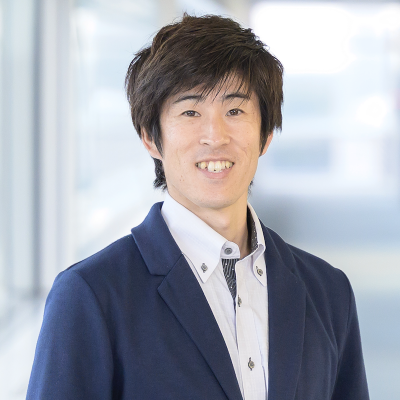
Hirokatsu Kataoka serves as Chief Senior Researcher at the National Institute of Advanced Industrial Science and Technology (AIST) in Japan, with multiple academic affiliations including Academic Visitor at the Visual Geometry Group (VGG) at University of Oxford, Visiting Associate Professor at Keio University, and Adjunct Associate Professor at Tokyo Denki University. He is Principal Investigator of both cvpaper.challenge and LIMIT.Lab, and serves as Research Advisor for SB Intuitions. Dr. Kataoka earned his Ph.D. in Engineering from Keio University (April 2011 - March 2014), where he received the Fujiwara Prize in 2014 as valedictorian equivalent. His research primarily focuses on innovative pre-training methodologies that eliminate dependency on natural image datasets, with his Formula-Driven Supervised Learning (FDSL) framework being particularly influential in the field. Kataoka's research interests center around representation learning with limited data resources, including zero-shot, unsupervised, and synthetic learning approaches. His work explores how visual/multimodal models can be effectively trained with minimal real-world data, addressing critical ethical concerns related to large-scale datasets. He has pioneered methods using fractal geometry, mathematical formulas, and procedural generation to create effective pre-training frameworks that rival traditional ImageNet-based approaches. His publication record shows a clear trajectory toward solving the challenges of learning with limited resources, with recent work expanding FDSL to audio processing, microfossil analysis, and visible-to-infrared translation. His papers consistently address the core challenge of building robust visual recognition systems without relying on massive annotated datasets, with increasing focus on practical applications across diverse domains. Scientific Awards & Recognition ACCV 2020 Best Paper Honorable Mention Award for 'Pre-training without Natural Images' AIST Best Paper Award (2019, 2022) BMVC 2023 Best Industry Paper Finalist Featured in MIT Technology Review His 3D ResNets paper ranks among the top 0.5% most-cited CVPR papers over a five-year period Dr. Kataoka actively advises numerous researchers across multiple institutions, with his research team comprising Ph.D. and Master's students from various universities. He has served as Area Chair for CVPR 2024 and 2025, will serve as IEEE TPAMI Associate Editor beginning in 2025, and organizes the LIMIT Workshop series at major computer vision conferences. His LIMIT.Lab, established in June 2025, serves as a collaboration hub focused on building multimodal AI models under constrained resources including compute, data, and labels.
Guojun Chen is an Assistant Professor at the Department of Biomedical Engineering and a member of the Rosalind & Morris Goodman Cancer Institute (GCI) at McGill University . His research focuses on engineering intelligent biomaterials for precision medicine , with emphasis on non-viral genome editing , cold atmospheric plasma (CAP) therapy , and biomaterials-mediated immunotherapy . The lab operates in a multidisciplinary environment , integrating principles from materials science , chemistry , biology , and health sciences . Education : Ph.D. from University of Wisconsin-Madison (2017), Postdoc at UCLA (2020) Research Themes : Genome Editing Delivery : Designing non-viral vectors for efficient CRISPR/Cas9 delivery in vivo. CAP-mediated Immunotherapy : Developing portable cold plasma devices to synergize with immune checkpoint blockade and study CAP’s immunological mechanisms. Biomaterials-based Immunotherapy : Reprogramming tumor microenvironments using bioresponsive materials to enhance immune responses. Publication Trends : Recent work spans responsive nanomaterials , genomic editing systems , and plasma oncology , with a focus on cancer immunotherapy , diabetes diagnostics , and bioinspired medical devices . Scientific Awards : Canada Research Chair (2024, 2025) McGill's President's Prize for Emerging Researchers (2025) FRQS Chercheurs-boursiers (2022) Chinese Association for Biomaterials Young Investigator Award (2022) NSERC Discovery Grant (2021) Advising & Grants : Supervises 14 current graduate and undergraduate students. Secured $5M+ in funding from CIHR , NSERC , CCS , and CFI , including multi-institutional collaborations with Dr. Morag Park , Dr. Réjean Lapointe , and Dr. Ian Watson .
Benedikt Günther is a research scientist at the Technical University of Munich (TUM) working within the Chair of Biomedical Physics led by Prof. Dr. Franz Pfeiffer. His research focuses on the Munich Compact Light Source (MuCLS), a laboratory-scale inverse Compton X-ray source that provides synchrotron-like radiation for biomedical applications. Günther plays a key role in developing, optimizing, and characterizing this innovative technology, contributing to both its fundamental physics and practical medical applications. His primary research interests center around X-ray physics and imaging techniques, particularly laser enhancement cavities for inverse Compton X-ray sources, X-ray microscopy, dynamic phase-contrast imaging, and X-ray spectroscopy. Günther's work bridges fundamental physics with practical medical applications, developing instrumentation that brings synchrotron-quality imaging to conventional laboratory settings. His research has significant implications for improving medical diagnostics while making advanced imaging techniques more accessible. Analysis of Günther's publication record reveals a consistent focus on advancing compact X-ray source technology and its applications. His work demonstrates expertise in both theoretical modeling and experimental implementation, with publications spanning instrument development, imaging techniques, and specific medical applications. The research shows progression from fundamental source characterization to increasingly sophisticated biomedical applications, particularly in breast imaging, dental diagnostics, and materials science. 2019 Best Poster Award at the combined meeting of the 68th Denver X-ray Conference (DXC) & 25th International Congress on X-ray Optics and Microanalysis (ICXOM) for 'Full-Field Structured Illumination Super-Resolution X-ray Transmission Microscopy' Günther regularly presents his work at major international conferences including the International Particle Accelerator Conference, High-Brightness Sources and Light-driven Interactions Congress, and specialized X-ray imaging meetings. His research is conducted within the Munich Compact Light Source facility, a collaborative project involving physicists, engineers, and medical researchers working to develop laboratory-scale synchrotron technology for widespread biomedical use.