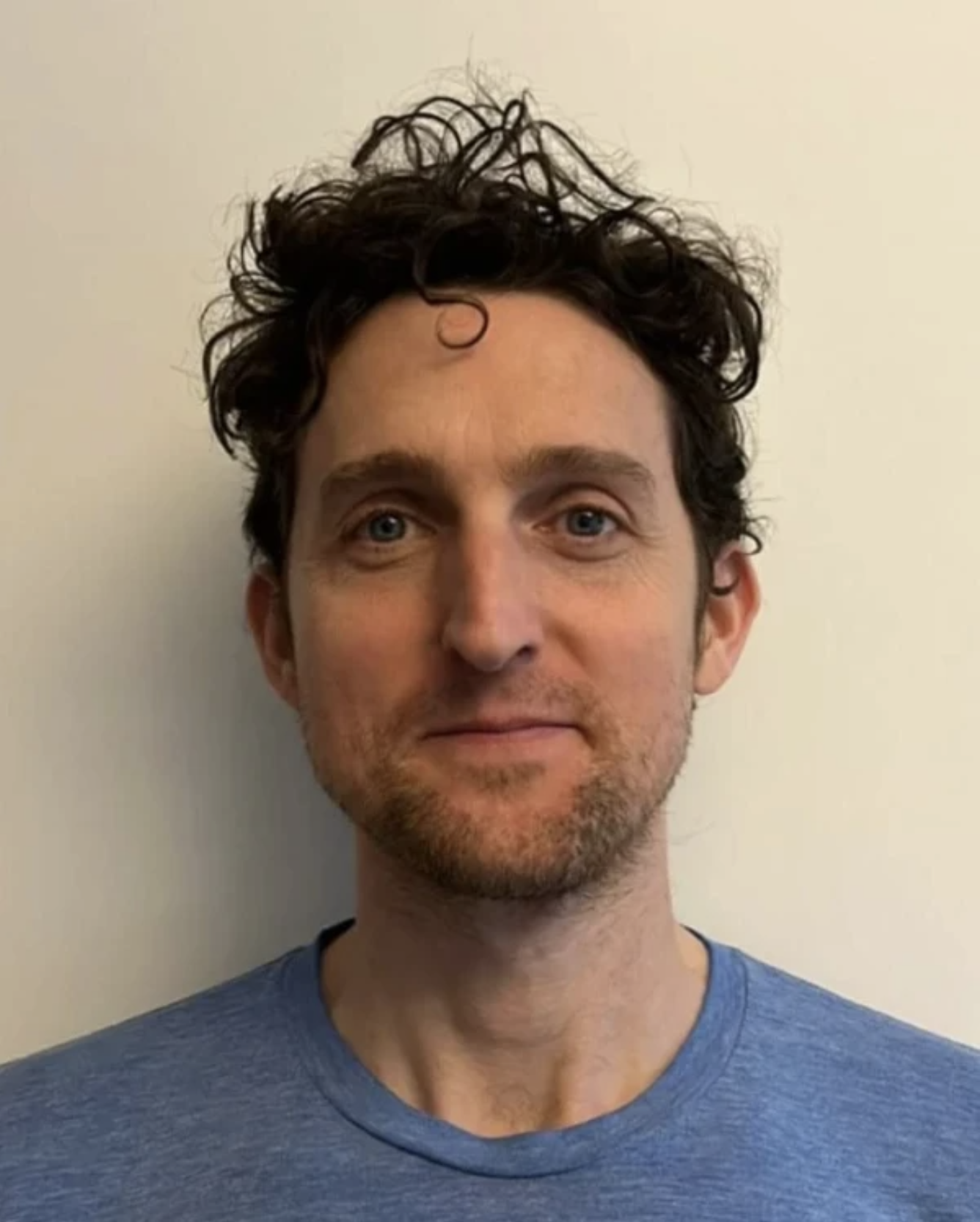
Lars-Olof Johansson is a Senior Lecturer at Halmstad University's School of Information Technology, specializing in Informatics. His research focuses on digital service innovation from a learning perspective, emphasizing collaboration between diverse stakeholders and knowledge exchange in innovation processes. He is actively involved in the LeaDS research program (Learning in a Digitalized Society) and teaches in the bachelor's program 'Digital Business Development' and the master's program 'Digital Learning'. His work bridges educational methodologies and technological innovation, particularly in fostering environments where interdisciplinary learning drives successful digital service creation. Notably recognized as an 'Excellent Teacher in Informatics,' he integrates practical experience with academic rigor, contributing to both scholarly discourse and pedagogical advancements. Key projects include SESMA (2019-2021), exploring sustainable mobility solutions, and ongoing collaborations in boundary practices for ICT innovation. His publications span topics like knowledgeability in digital service innovation, ethics in autonomous systems, and collaborative learning frameworks. His awards highlight his pedagogical impact, while his research addresses systemic challenges in innovation through interdisciplinary approaches.
Professor Nir Oren is a faculty member at the School of Natural and Computing Sciences , University of Aberdeen. His research focuses on multi-agent systems , formal argumentation , computational trust theory , and norm-based reasoning . He currently supervises PhD students in Computing Science and serves as Dean for Research Performance. Research Specialisms: Artificial Intelligence, Operational Research Contact: n.oren@abdn.ac.uk Research Trends (2022–2025): Nir Oren's publications span argumentation theory , BDI agent modeling , resilience in autonomous systems , and human-machine collaboration . His recent work addresses responsibility-aware AI , medical explainability , and environmental sensor networks . Key methods include probabilistic reasoning , game theory , and logical formalisms .
Stavros G. Vougioukas is a Professor and Vice Chair in the Department of Biological and Agricultural Engineering at the University of California, Davis. His research focuses on agricultural robotics, mechanization, and automation for specialty crops, with particular emphasis on robotic harvesting systems and precision agriculture technologies. He leads initiatives in developing actuator systems, perception, and control mechanisms to optimize crop management. Key areas of expertise include robotic fruit harvesting, autonomous vehicle navigation in orchards, and site-specific pest management strategies. His work integrates mechanical engineering principles with advanced automation to address labor shortages and improve agricultural efficiency. Recent projects emphasize data-driven solutions for yield estimation, worker activity analysis, and economic viability of robotic systems. Academic contributions span over 50 peer-reviewed publications (2023-2025), with a focus on robotic orchard platforms, crop transport systems, and sensor-based automation. Notable innovations include vacuum suction end-effectors for fruit harvesting and GNSS-free navigation systems for autonomous vehicles. He also explores sustainable agricultural machinery through techno-economic analyses of electric/hybrid tractors. Current research bridges robotics and agricultural economics, addressing labor cost optimization and precision irrigation. His lab collaborates with industry partners to translate prototypes into field-ready solutions, emphasizing practical applications for specialty crop production systems.
Alan Hunter is a Professor in Autonomous Systems at the University of Bath's Department of Mechanical Engineering. He serves as Deputy Head of Department for Workload and Wellbeing and is affiliated with the Water Innovation & Research Centre (WIRC) and the UKRI CDT in Accountable, Responsible and Transparent AI. His research focuses on underwater acoustics, signal processing, imaging, and machine intelligence, with applications in sonar-based remote sensing and marine robotics. Education: B.E. (Hons I) in Electrical and Electronic Engineering from the University of Canterbury (2001), PhD in Synthetic Aperture Sonar (SAS) from the same institution (2006). Career highlights include roles at the University of Bristol (2007-2010), TNO Netherlands (2010-2014), and NATO CMRE (2014). He has led projects on sub-sediment imaging, autonomous mine-hunting systems, and precision navigation algorithms. Research Interests: • Underwater Acoustics & Sonar Imaging • Autonomous Underwater Vehicles • Machine Learning for Acoustic Data Analysis • Non-Destructive Inspection via Ultrasound • Sustainable Coastal Protection (via UN SDG contributions) Active Projects (2023-2025+): - Noise Network Plus : Engineering a Quieter Future (EPSRC) - TESSMEX SR 4 : Naval Mine-Hunting Technology (Defence Lab) - Decision-Making with Ambiguities : Legal AI for Robotics (EPSRC) Professional Affiliations: • Senior Member, IEEE • Associate Editor, IEEE Journal of Oceanic Engineering • Collaborations with NATO, TNO, and UK Defence Orgs. Labs & Teams: • Robotics and Autonomous Systems Lab • Centre for Space, Atmospheric and Oceanic Science • WIRC @ Bath (Water Innovation Hub)
Esa Rahtu is a Professor in the Department of Computer Science at Aalto University, Finland. His research focuses on computer vision, machine learning, and deep learning applications. He leads projects in image coding, neural networks, 3D reconstruction, object pose estimation, and anomaly detection. Rahtu has contributed to over 98 research outputs since 2017, with recent work emphasizing Gaussian splatting for SLAM, neural radiance fields, and hybrid video codecs for human-machine compatibility. His expertise spans visual-inertial odometry (e.g., ADVIO dataset), LiDAR-based place recognition, and manufacturing quality control systems. Key areas include: 3D scene reconstruction using Gaussian splatting techniques Deep learning models for anomaly detection in industrial processes Hybrid video codecs optimizing human perception and machine processing Multi-sensor fusion for robotic navigation and indoor mapping Notable datasets include ADVIO for visual-inertial odometry and FIORD for 3D reconstruction benchmarking. His research aligns with UN SDG 9 (Industry, Innovation & Infrastructure) and SDG 4 (Quality Education) through advancements in smart manufacturing and educational technology. Rahtu has received continuous research funding, including a grant period from April to June 2018. His work emphasizes practical applications, collaborating on real-world challenges like paper manufacturing quality control and smartphone-based 3D reconstruction.
Chicheng Zhang is an Assistant Professor in the Computer Science Department at the University of Arizona, where he conducts research in the theory and applications of interactive machine learning. He earned his Ph.D. in Computer Science from the University of California, San Diego (UCSD) in 2017 under the supervision of Professor Kamalika Chaudhuri, and was previously an undergraduate student at Peking University working with Professor Liwei Wang. From 2017 to 2019, he was a postdoctoral researcher at the Machine Learning Group at Microsoft Research NYC. His research lies at the intersection of learning theory and practical algorithm design, focusing on interactive machine learning paradigms such as reinforcement learning, contextual bandits, active learning, and imitation learning. He aims to develop algorithms that are data-efficient, computationally tractable, and robust, with applications in healthcare, wireless communication, and fair AI systems. His work emphasizes principled algorithm design with theoretical guarantees and empirical validation. The most recent publications reflect a strong trend in developing efficient, theoretically grounded methods for sequential decision-making and interactive learning. Key themes include sample efficiency, robustness to noise, fairness in algorithmic decisions, and application-driven research in domains like oral cancer detection and mmWave network optimization. His work frequently bridges theoretical analysis with real-world deployment considerations. While no scientific awards are mentioned in the provided text, Dr. Zhang actively mentors prospective PhD students and encourages collaboration. He has contributed to interdisciplinary projects involving fairness-aware bandit algorithms for network coexistence, interpretable classifiers for cancer detection, and LLM-based initialization for reinforcement learning. His lab focuses on developing intelligent agents that actively learn from environments and human experts. He can be reached at chichengz@arizona.edu .
Ana Serrano is an Associate Professor at Universidad de Zaragoza, Spain, where she is affiliated with the Graphics & Imaging Lab in the EINA (Edificio Ada Byron) school. She earned her PhD at the same institution under the supervision of Prof. Diego Gutierrez and Prof. Belen Masia, and completed a postdoctoral fellowship at the Max-Planck-Institute for Informatics under Prof. Karol Myszkowski. Her research focuses on visual computing , particularly in computational imaging , material appearance perception and editing , and virtual reality . She is especially interested in developing perceptually-driven methods that leverage knowledge of the human perceptual system to enhance user experiences and assist content creation in immersive environments. Her recent publications (2023–2025) span top-tier venues such as SIGGRAPH, CVPR, IEEE TVCG, and Eurographics. These works explore topics like saliency prediction in 3D and 360° video, crossmodal perception in VR, gloss modeling, radiance fields, and perceptual evaluation of immersive content. The research demonstrates a strong integration of machine learning, human perception, and computer graphics to solve real-world problems in visual computing. She has received several prestigious awards, including: Eurographics 2023 Young Researcher Award VGTC VR 2024 Significant New Researcher Award Eurographics 2020 PhD Award Adobe Research Fellowship (honorable mention, 2017) NVIDIA Graduate Fellowship (2018) Ana Serrano actively supervises PhD and Master’s students and has taught courses such as Virtual Reality, Computational Imaging, and Deep Learning applications. She serves as an Associate Editor for Computer Graphics Forum , ACM Transactions on Applied Perception , and Computers and Graphics , and has held leadership roles in major conferences including Eurographics (Tutorials co-chair, 2023), ACM SAP (Program co-chair, 2022), and CEIG (Program co-chair, 2022). Her professional service includes extensive program committee and reviewer roles for SIGGRAPH, IEEE VR, ISMAR, and others. She leads a vibrant research group focused on human perception in virtual environments, with current projects on computational models of attention and perception, integrated with physiological signals. Her lab, the Graphics & Imaging Lab, fosters interdisciplinary collaboration and innovation in visual computing.
Marco Raiola is an Associate Professor at the Department of Aerospace Engineering , Universidad Carlos III de Madrid (UC3M). His research focuses on fluid dynamics, turbulence, and aerodynamics, with applications in flow diagnostics, heat transfer, and control systems. Research Interests: Turbulent flows, data-driven modeling, particle image velocimetry (PIV), convective heat transfer, and bio-inspired aerodynamics. Projects: Principal researcher in INFLUENTIA-CM-UC3M (2024-2026) and Diagnóstico del ruido de chorro (2022-2025). Collaborator in EU-funded initiatives like HumanIC and ODE4HERA . Contact: Email mraiola@ing.uc3m.es | ORCID: 0000-0003-2744-6347
Filippo Maria Bianchi is an Associate Professor in the Department of Mathematics and Statistics at UiT The Arctic University of Norway, where he conducts research at the intersection of machine learning, dynamical systems, and complex networks. He is also a Senior Researcher at NORCE Norwegian Research Centre and actively contributes to the IEEE Task Force on Learning for Structured Data and the ELLIS Society. Department: Department of Mathematics and Statistics School: Faculty of Science and Technology University: UiT The Arctic University of Norway Adjunct Position: Senior Researcher, NORCE Education: Bachelor’s in Computer Engineering, Sapienza University of Rome Master’s in Artificial Intelligence & Robotics, Sapienza University of Rome (cum laude, 2012) PhD in Machine Learning, Sapienza University of Rome His research focuses on graph machine learning, time series analysis, reservoir computing, and probabilistic forecasting , with applications in energy analytics and remote sensing. He has led and contributed to numerous projects involving Arctic power grids, satellite-based environmental monitoring, and deep learning for sustainability. The recent publications reflect a strong trend in graph neural networks —particularly pooling mechanisms, spatiotemporal modeling, and explainability—alongside applications in energy forecasting, avalanche detection, and remote sensing . His work combines theoretical innovation with real-world impact, especially in Arctic and remote environments. Scientific Affiliations and Leadership: Vice-Chair, IEEE Task Force on Learning for Structured Data Member, ELLIS Society Co-founder, Northernmost Graph Machine Learning group Member, IEEE Task Force on Reservoir Computing Visiting Professor, Politecnico di Milano (2024–2025) He actively mentors students and collaborates on interdisciplinary research. He has led projects in power grid reliability, solar fault detection, and unsupervised change detection in satellite imagery . His work is supported by open-source implementations and reproducible research practices. Laboratories and Research Groups: Northernmost Graph Machine Learning group (co-founder) ARC Research Group, UiT Graph Machine Learning Group, Lugano
Dr. David Sewell is a Senior Lecturer and Deputy Head of School (Teaching & Learning) at the School of Psychology, The University of Queensland. His research focuses on attention, learning, memory, and decision-making, with a strong emphasis on formal mathematical models of human cognition. He is affiliated with the Centre for Perception and Cognitive Neuroscience within the Faculty of Health, Medicine and Behavioural Sciences. Education: Bachelor (Honours) of Arts and Doctor of Philosophy, both from the University of Western Australia. David's research explores the intersection of cognitive psychology and computational modeling. Key areas include perceptual decision-making, attentional mechanisms, and the application of diffusion models to understand cognitive processes. His work also extends to sustainability and collective self-regulation through cognitive frameworks. The 15 most recent articles highlight his contributions to modeling decision thresholds in memory prioritization, analyzing gaze cueing effects, and investigating neural correlates of confidence in multisensory decisions. Collaborative projects frequently involve interdisciplinary approaches, combining neuroscience, psychology, and computational methods. He has supervised multiple PhD candidates, serving as Principal or Associate Advisor, with research topics ranging from visual categorization to metacognition in children. Current and past funding includes ARC Discovery Projects on collective self-regulation and category learning constraints.
Björn Ross is a Lecturer in Computational Social Science at the University of Edinburgh's School of Informatics, where he is affiliated with the Institute for Language, Cognition and Computation. He serves as Director of the SMASH research group and is part of the management team for the Centre for Doctoral Training in Natural Language Processing (CDT in NLP). His educational background includes: PhD (2019) from the University of Duisburg-Essen MSc in Computer Science (2016) from the University of Münster Exchange year (2014-2015) at the University of Strasbourg BSc in Information Systems (2013) from the University of Münster Ross's research focuses on computational social science, particularly using natural language processing, social network analysis, and agent-based modeling to study social media phenomena. His work examines misinformation, hate speech, bot activity, and the ethical implications of computational methods. He also investigates how social media can be leveraged for social good, especially in crisis communication contexts. A significant portion of his recent research addresses bias and fairness issues in AI systems, particularly regarding marginalized communities and LGBTQ+ identities. His work spans both technical development of computational methods and critical examination of their societal impacts. Analysis of his recent publications reveals a strong trend toward examining bias in AI systems, particularly regarding marginalized communities. His work spans multiple methodologies including computational analysis of social media data, development of NLP techniques, and critical examination of AI ethics. He frequently collaborates across disciplines, working with researchers in computer science, social sciences, and healthcare domains. His professional recognition includes: Best Paper Award at the Hawaii International Conference on System Sciences (HICSS) in 2018 Associate Editor for Business & Information Systems Engineering Active membership in professional organizations including AIS, ACL, and ACM Ross currently supervises multiple PhD students including Agostina Calabrese, Eddie Ungless, Sandrine Chausson, Wendy Zheng, Seraphina Goldfarb-Tarrant, and Mahmoud Ibrahim. At the University of Edinburgh, he teaches courses such as 'Text Technologies for Data Science' and 'Evidence, Argument and Persuasion in a Digital Age,' reflecting his expertise at the intersection of computational methods and social implications.
Jessica J. Walsh, PhD is an Assistant Professor in the Department of Pharmacology at the University of North Carolina at Chapel Hill School of Medicine and a member of the UNC Neuroscience Center. She leads the Walsh Lab, which focuses on understanding neural circuit mechanisms underlying motivated social behavior using a multi-level approach to elucidate the molecular and circuit mechanisms that govern social interactions and their alterations in disease states. Dr. Walsh earned her B.A. in Neuroscience & Behavior from Columbia University, where she began her research journey volunteering in Dr. Gerald Fischbach's laboratory. During her graduate work, she explored neural circuit mechanisms underlying social stress susceptibility at the Icahn School of Medicine at Mount Sinai under Dr. Ming-Hu Han. Prior to joining UNC, she completed her postdoctoral fellowship at Stanford University with Dr. Robert Malenka, investigating neural circuit mechanisms in genetic mouse models with social deficits. Her research focuses on neural circuit mechanisms underlying motivated behavior, neurodevelopmental and psychiatric disorders, and functional/anatomical brain mapping. The Walsh Lab specifically uses genetic mouse models to investigate how genetic mutations and experience lead to circuit adaptations that govern impaired behavior seen in autism spectrum disorders. They combine whole brain optical clearing methods, light sheet microscopy, in vivo imaging, and machine learning based behavioral analysis to elucidate neural adaptations responsible for motivated behavior. Her publication record demonstrates a strong focus on neural circuits related to social behavior, with particular emphasis on autism spectrum disorders, serotonin and dopamine signaling, and the neural basis of prosocial behaviors. She has published extensively in high-impact journals including Nature, Nature Neuroscience, PNAS, and Neuropsychopharmacology, with research spanning from molecular mechanisms to circuit-level analyses of behavior. Dr. Walsh mentors several trainees in her lab, including a postdoctoral fellow, multiple graduate students, and numerous undergraduate researchers. Her lab team includes researchers with diverse interests spanning from molecular biology to machine learning applications in neuroscience. The lab actively recruits postdocs and graduate students interested in joining their research on motivated behavior and psychiatric disorders. The Walsh Lab employs a comprehensive research approach including genetic manipulation, whole brain activity mapping, viral tracing, slice physiology, optogenetics, chemogenetics, fiber photometry, and machine learning based behavioral classification to gain a nuanced understanding of neural circuits involved in motivated social behavior.
Dr. Ed E. Moret is an Associate Professor of Computational Medicinal Chemistry at Utrecht University, where he serves as Managing Director of the Utrecht Institute for Pharmaceutical Sciences. He is a member of the Departmental Executive Board and Chair of the Board of Examiners of the School of Pharmacy. His academic career spans over three decades with significant contributions to pharmaceutical sciences. Utrecht University, Utrecht Institute for Pharmaceutical Sciences School of Pharmacy, Department of Chemical Biology and Drug Discovery Managing Director since January 2010 Dr. Moret's educational background includes completing Gymnasium-b at Gymnasium Camphusianum in Gorinchem in 1979, followed by pharmacy studies at Utrecht University until 1988. He earned his PhD in 1993 with research on calculations and simulations of DNA-alkylating cytostatics under supervision of Prof. L.H.M. Janssen and Prof. J.P.A.E. Tollenaere. He also conducted postdoctoral research at the Scripps Research Institute with Prof. A.J. Olson. His primary research interests focus on molecular recognition, particularly in auto-immune diseases, with expertise spanning computational medicinal chemistry, computer-aided drug discovery, cheminformatics, and bioinformatics. Dr. Moret's work bridges the gap between theoretical calculations and experimental validation in drug design. His research portfolio demonstrates a consistent trajectory from fundamental molecular interactions to applied drug discovery, with particular emphasis on enzyme inhibitors, carbohydrate-protein interactions, and molecular recognition processes. Analysis of his publication record reveals a strong focus on structure-based drug design, with significant contributions to the development of inhibitors for enzymes like β-glucocerebrosidase, NNMT, and neuraminidase. His work spans multiple therapeutic areas including lysosomal storage disorders, cancer metabolism, and infectious diseases. The interdisciplinary nature of his research is evident in the integration of computational approaches with experimental validation across biochemistry, pharmacology, and medicinal chemistry. Teacher of the Year (awarded three times by Pharmacy students) Member of editorial boards for Medicines and Conceptuur journals Secretary of Board of FIGON (2016) Secretary of Raad voor de Farmaceutische Wetenschappen (2024) Member of Board of Stichting Farmaceutische Erfgoed (2024) Dr. Moret has been actively involved in educational innovation, developing and coordinating the master's programme Drug Innovation, the profile Drug Regulatory Sciences, and the Honours programme Pharmaceutical Sciences. He has taught courses for pharmacy, chemistry, UCU and medical sciences students, as well as PhD courses in bioinformatics and computer-aided drug discovery. His educational contributions include developing an inquiry-based elective course on drug discovery, for which he published educational research. He holds BKO and SKO teaching qualifications and participated in the Centre of Excellence in University Teaching program. As Managing Director of the Utrecht Institute for Pharmaceutical Sciences, Dr. Moret leads research initiatives across chemical biology, drug discovery, and pharmaceutical sciences. His leadership extends to multiple advisory and editorial roles within the pharmaceutical research community, reflecting his significant contributions to both academic and professional spheres of pharmaceutical sciences.
Michael Harrison is an Assistant Professor in the Department of Cell and Developmental Biology at Weill Cornell Medicine, where he leads the Regeneration and Development Lab within the Graduate School of Medical Sciences. His research focuses on vascular development and regeneration using zebrafish as a model organism, with emphasis on coronary and cerebral vasculature. Education: B.Sc. in Genetics, University of Edinburgh (2005) Ph.D. in Developmental Genetics, University of Sheffield (mentor: Vincent Cunliffe) Postdoctoral Fellowship, Saban Research Institute, Children’s Hospital Los Angeles (CIRM Fellow) Harrison's research centers on understanding how blood and lymphatic vessels form and regenerate, particularly in the heart and brain. His lab investigates coronary vessel development, the role of lymphatic systems in inflammation and regeneration, and revascularization after injury. By leveraging zebrafish genetics and advanced imaging, his work aims to uncover pathways that could be harnessed for regenerative therapies in humans. His recent publications reveal key signaling mechanisms such as Cxcr4-Cxcl12 in coronary development and the two-step formation of cardiac lymphatics. The 15 most recent articles demonstrate a strong, consistent research trajectory in vascular biology and regeneration, with increasing use of advanced techniques like single-nuclei multiomics, fluidic imaging devices, and CRISPR-based genome editing. His work spans developmental mechanisms, functional imaging, and translational applications in cardiac repair. Scientific Awards: No awards explicitly mentioned in the provided text. Harrison actively mentors a team of postdoctoral fellows, research assistants, and students, several of whom have progressed to medical school or research careers. His lab collaborates extensively, particularly with Ching-Ling Lien's group. He has secured research space and funding to support ongoing projects in cardiac and cerebral vasculature. The lab is actively recruiting rotation students from BCMB, PBSB, IMP, and Tri-Institutional programs, as well as postdoctoral researchers and research assistants, indicating an expanding research team and active grant support. Labs and Teams: Regeneration and Development Lab, Weill Cornell Medicine Collaborations with Ching-Ling Lien Lab Member of Tri-Institutional PhD Programs Active participation in BCMB, PBSB, and IMP training programs
Professor David Taubman is a distinguished academic serving as Professor and Deputy Head of School (Research) at the School of Electrical Engineering and Telecommunications (EE&T) at the University of New South Wales (UNSW) in Sydney, Australia. He is also co-director of Kakadu Software Pty. Ltd. and its affiliates Kakadu R&D and Kakadu GPU. With a career spanning over three decades, Professor Taubman has made significant contributions to the field of image and video compression, most notably as the author of the EBCOT coding algorithm adopted in the JPEG2000 international standard. Professor Taubman earned his B.Sc. in Mathematics and Computer Science (1986) and B.E. (Medal) in Electrical Engineering (1988) from the University of Sydney, followed by an M.Sc. (1992) and Ph.D. (1994) in Electrical Engineering from the University of California at Berkeley. His professional journey includes engineering work at the Electricity Commission of N.S.W. (1988-1990), research positions at Hewlett-Packard Laboratories in Palo Alto (1994-1998), and an academic career at UNSW where he progressed from Senior Lecturer (1998-2003) to Associate Professor (2004-2009) and finally to Professor (2009-present). He has held various leadership roles including Head of the EE&T Telecommunications Research Group (2003-2014), Head of the EE&T Signal Processing Research Group (2014-present), Director of Research for the School of EE&T (2011-2016), and Deputy Head of School (Research) since 2017. Professor Taubman's research interests center on image and video compression, with particular expertise in JPEG2000 standards and implementations. His work spans signal processing, wavelet transforms, scalable video coding, motion modeling, and multimedia systems. He has pioneered numerous compression algorithms and frameworks, including the EBCOT coding algorithm that became central to the JPEG2000 standard. His recent research focuses on efficient motion modeling with cuboidal partitioning, learned lifting-based transform structures, and high-throughput implementations of JPEG2000 for video applications. His work bridges theoretical foundations with practical implementations, as evidenced by the commercially successful Kakadu Software tools that have garnered around 500 commercial licensees. Analysis of Professor Taubman's recent publications reveals a consistent focus on advancing compression technologies with particular emphasis on scalability, efficiency, and adaptability. His work spans traditional image compression (JPEG2000 extensions), video coding (cuboid-based partitioning for UHD/360-degree video), and emerging applications (nanopore sequencing data compression). A notable trend is the integration of machine learning techniques with traditional compression frameworks, as seen in his work on learned lifting-based transform structures. His research maintains strong connections to real-world applications across diverse domains including medical imaging, astronomical data processing, and genomic sequencing. IEEE Fellow Engineers Australia Fellow (by invitation) Professor Taubman has served as Associate Editor for the IEEE Transactions on Image Processing for two four-year appointments (2003-2005 and 2010-2013). He has been actively involved in numerous research grants focused on image and video compression technologies, particularly those related to the JPEG2000 standard and its extensions. His work has received significant industry support, reflected in his consultancy with various U.S., Japanese, and Australian corporations. He has also contributed to international standards development as a member of Standards Australia Technical Committee MS-065 (mirroring ISO TC42 on Digital Photography) and as a constitutional member of Standards Australia Technical Committee IT-029 (Coded Representation of Picture, Audio and Multimedia/Hypermedia Information). Professor Taubman co-directs Kakadu Software Pty. Ltd. and its research affiliates Kakadu R&D and Kakadu GPU, which have developed the commercially successful Kakadu Software tools for JPEG2000. His research group at UNSW focuses on advanced image and video compression techniques, with particular expertise in wavelet-based methods, scalable coding, and motion modeling. The group maintains strong industry connections and has contributed significantly to the development and standardization of image compression technologies worldwide.