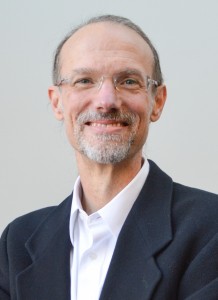
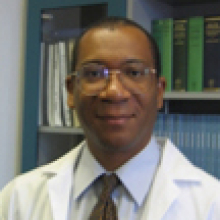
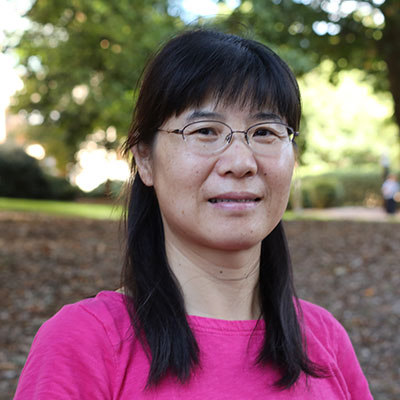
Mark W Grinstaff is a Professor at Boston University, leading the Grinstaff Group, which focuses on interdisciplinary biomaterials and biomedical engineering research. His work addresses healthcare challenges through innovations in diagnostics, devices, and therapeutics. He holds a B.A. from Occidental College (1987) and a Ph.D. from the University of Illinois at Urbana-Champaign (1992). Research interests include designing biodendrimers for tissue engineering, interfacial biomaterials, and conducting polymer-based sensors. Key areas span cartilage repair, drug delivery systems (e.g., anticancer, DNA), and biodegradable scaffolds. He explores nanoparticle-based imaging agents for osteoarthritis diagnosis and biomechanical assessments using computed tomography. Recent publications highlight advancements in machine learning-driven osteoarthritis classification, dual-contrast agents for cartilage imaging, and synthetic biolubricants for equine models. His group emphasizes translational research, with a focus on nanotechnology, regenerative medicine, and therapeutic delivery platforms. Grinstaff’s work is supported by grants and collaborations, though specific grants are not detailed in the text. He advises students through the Grinstaff Group, though no student names are listed here. His lab develops novel materials and devices, including polymeric adhesives and biosensors, with applications in orthopedics, oncology, and infectious diseases.
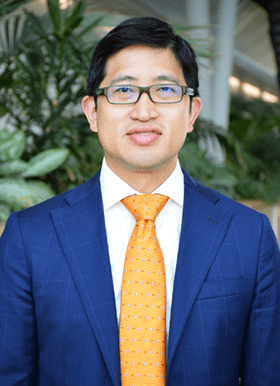
Hongfu Sun is a Senior Lecturer at the School of Engineering, University of Newcastle. His research focuses on innovating MRI mechanisms for clinical and research applications, particularly in Quantitative Susceptibility Mapping (QSM). He is internationally recognized as a pioneer in QSM and integrates MR physics, signal processing, and AI for medical imaging advancements. Sun holds a Ph.D. in Biomedical Engineering from the University of Alberta, Canada. Professional Experience: Senior Lecturer at University of Newcastle (current) ARC DECRA Research Fellow at University of Queensland (2021–2023) Postdoctoral Researcher at University of Calgary (2015–2019) Research Interests: Focuses on MRI innovation, including QSM, deep learning for medical imaging, and AI-driven reconstruction techniques. His work addresses challenges like sub-millimeter resolution and artifact reduction in MRI. Recent projects involve generative AI models for MRI analysis and accelerated quantitative imaging methods. Grants and Funding: AU$1.69M in grants, including a 2021 ARC DECRA for microscopic MRI techniques 2024 NHMRC grant for Parkinson’s disease MRI diagnostics Teaching: Course coordinator for Medical Imaging and Signal Processing at University of Newcastle Focus on biomedical imaging, computational methods, and signal analysis Labs/Teams: Leads research in MRI innovation, collaborating on QSM, deep learning applications, and translational imaging techniques. Active in interdisciplinary projects combining physics, AI, and clinical medicine.
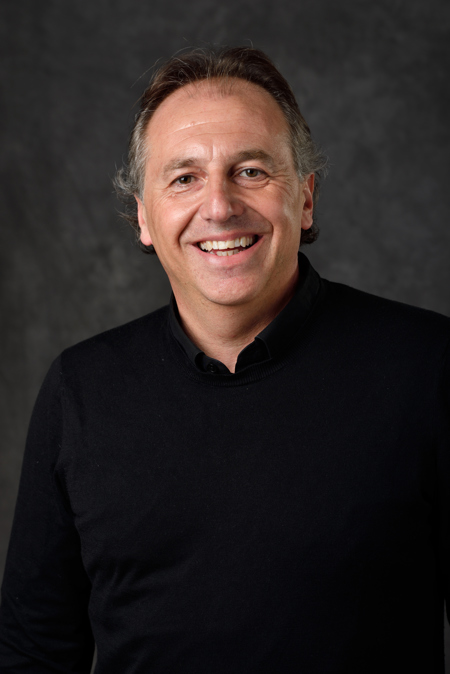
Albert M. Lai, PhD, is a Professor of Medicine and Computer Science & Engineering at Washington University in St. Louis, serving as Chief Research Information Officer (CRIO) for the School of Medicine and Deputy Director of the Institute for Informatics, Data Science and Biostatistics (I²DB). He leads WashU Medicine's data warehousing and informatics services, driving innovation in clinical research infrastructure. His expertise spans biomedical informatics, natural language processing (NLP), and telemedicine. Dr. Lai is also Deputy Faculty Lead for WashU’s Digital Transformation initiative, focusing on secure AI integration with sensitive healthcare data. He holds affiliations with the Institute for Public Health, Siteman Cancer Center, and the Center for Applied Health Informatics (CAHI). Research Interests: Dr. Lai develops informatics infrastructure to support clinical trial prescreening, leveraging NLP and machine learning for phenotype extraction from EHR data. He also explores telemedicine, mobile health applications, and EHR-driven cardiovascular health interventions for cancer survivors. His recent work addresses AI ethics in healthcare, including responsible data sharing and bias mitigation in generative AI models. Key Contributions: Over 77 peer-reviewed publications across clinical informatics, AI in healthcare, and pandemic response strategies. His projects include EHR-based cardiovascular health tools, SARS-CoV-2 surveillance in schools, and machine learning models for predicting transplant outcomes. Active mentorship of PhD/MSTP students in translational informatics and data science. Labs/Teams: Leads the Informatics Services Core and collaborates with the CRITICAL consortium for intensive care analytics. Engages in multi-institutional initiatives like the Greater Plains Collaborative for cancer data integration.
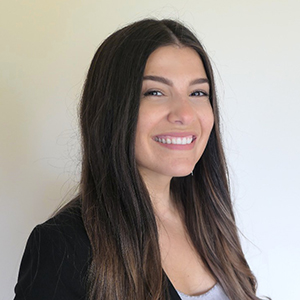
Dr. XiaoYue Cathy Liu is an Associate Professor in the Department of Civil & Environmental Engineering at the University of Utah. She holds a PhD in Transportation Engineering from the University of Washington and advanced degrees in Transportation Planning and Electronics Engineering. Her research focuses on sustainable transportation systems, shared mobility, public transit optimization, managed lanes, and intelligent transportation systems. She actively serves on committees including the Transportation Research Board's Highway Capacity Quality of Service (HCQS) Committee and chairs its Technology Transfer Subcommittee. She also advises the Utah Model Advisory Committee and previously served on Salt Lake City’s Transportation Advisory Board. Dr. Liu is a licensed professional engineer in Utah. Education: PhD, Transportation Engineering, University of Washington (2013) MA, Transportation Planning & Management, Texas Southern University BS, Electronics & Electrical Engineering, Beijing Jiaotong University Graduate Certificate, Global Trade & Logistics, University of Washington (2011) Research Interests: Electric vehicle infrastructure and charging networks Smart transportation systems and agent-based modeling GIS-based asset management for transportation infrastructure Snowplowing operations optimization and winter maintenance Managed lanes and high-occupancy toll (HOT) lane analysis Public transit equity and accessibility Her recent publications emphasize data-driven approaches to transportation challenges, including EV demand forecasting, drone delivery networks, and resilience in interdependent transit systems. She collaborates on projects addressing Utah’s unique transportation needs, such as optimizing snowplow routes and integrating renewable energy into public transport systems. Professional Contributions: Board member, Utah Model Advisory Committee Former Chair, Salt Lake City Transportation Advisory Board (2013-2016) TRB Managed Lane Committee member TRB Transit Capacity & Quality of Service (TCQS) Committee member (2016-2019) Dr. Liu’s work bridges transportation engineering with computational methods, focusing on equity, sustainability, and operational efficiency. She leads research initiatives involving large-scale modeling, geospatial analytics, and interdisciplinary solutions for modern mobility challenges.
Bruno Basso serves as the Hannah Distinguished Professor in the Department of Earth & Environmental Sciences at Michigan State University, based in 307A Natural Science Building. He teaches GLG 446: Water and Food and maintains active research in sustainable agricultural systems, with contact via 517-353-9009 or basso@msu.edu. His work bridges academic research with practical farm applications across the US Midwest. His core research interests include: Food Security and Plant Resilience mechanisms Soil Science with emphasis on organic carbon dynamics Precision Agriculture technologies (drones, remote sensing) Climate-Smart Agriculture practices Nitrogen and phosphorus use efficiency Yield stability analysis through spatial-temporal modeling Regenerative agriculture impacts on greenhouse gas emissions Ecosystem services valuation in crop-livestock systems Analysis of his 2023-2025 publications reveals a dominant focus on quantifying climate benefits from regenerative practices using multi-model ensembles. His work consistently addresses scalability for farmer adoption, with strong emphasis on N₂O emissions mapping, soil carbon durability, and yield stability zones. Key methodological innovations include hybrid SAR-remote sensing integration and AI-driven nutrient prescription systems, primarily applied across Midwest corn-soybean systems. No scientific awards were documented in the provided materials. While specific advising details are absent, his leadership in the LTAR cropland common experiment and Soil Inventory Project indicates active mentorship of graduate researchers. His research likely attracts significant USDA and NSF funding given the scale of field experiments and modeling initiatives focused on decarbonizing agriculture. Dr. Basso co-leads the Soil Inventory Project at Kellogg Biological Station, developing integrated sampling, data repository, and modeling frameworks for regenerative agriculture. His team combines ground observations, remote sensing, and biophysical modeling to quantify soil carbon and greenhouse gas fluxes, collaborating with farmers, industry partners, and international researchers to translate science into on-farm practices.
Dr. Sheila Castilho is an Assistant Professor at the School of Applied Language & Intercultural Studies, Dublin City University (DCU). She holds a PhD from DCU (2016) and a Master's from the University of Wolverhampton and University of Algarve. Her expertise lies in machine translation (MT), post-editing, and translation technology evaluation. She co-leads the New Trends in Translation Technology (NeTTT’22) conference and chairs DCU's Master in Translation Studies and Master in Translation Technology programs. Education: Licenciatura em Letras Inglês/Português (UNIOESTE University, Brazil) Master in Natural Language Processing (University of Wolverhampton & University of Algarve) PhD in Translation Technologies (Dublin City University) Research: Focuses on document-level MT evaluation, post-editing strategies, and user-centric MT assessment. Leads the DELA project and contributed to TraMOOC/iADAATPA initiatives. Published over 40 articles and co-edited 'Translation Quality Assessment: From Principles to Practice' (Springer, 2018). Grants & Projects: DCU PI for DELA (Document-level Evaluation) PRINCIPLE project (EU Low-resource MT) ELE (European Language Equality) initiative Labs/Teams: Active in ADAPT Centre (DCU) and collaborates with international NLP/MT communities (ACL, EMNLP, WMT).
Dr. Sonya Hanna is a Lecturer in Marketing at Bangor Business School, Bangor University. She holds a PhD in Strategic Place Brand Management (2011), an MBA in General Management, and an LLB (Hons) in Law. Her academic roles include Director of Postgraduate Marketing Programmes, Exam Board Chair, and membership in university committees like Athena SWAN. She developed the MA Management for Climate Change programme launching in 2025/2026. Her research explores place branding through interdisciplinary lenses, focusing on: Sustainable tourism and climate change impacts on geographical entities UNESCO World Heritage Sites management Destination image perception and brand personality Digital-era place branding strategies She serves on the management board of Bangor's 'Places of Climate Change' Research Centre and contributes to journal editorial boards. Her publications demonstrate consistent focus on place branding evolution, with recent work emphasizing sustainability and climate communication. Research trends show progression from theoretical brand models (2011-2013) to applied sustainability contexts (2020-2025). Awards & Recognition: Emerald Literati Outstanding Reviewer (2017) Best Paper in Track Award, Academy of Marketing (2012) Top downloaded article in European Management Review (2019-2022) CELT Associate Award (2016) Nominated for Teacher of the Year (2020) Supervision & Projects: Supervised PhD candidate Surbhi Jain to completion. Leads £19,446 BU-IIA project on sustainable tourism development at UNESCO World Heritage Sites. Secured multiple grants including £10,000 for plastic pollution research and £3,000 for destination image studies. Active in professional networks: Fellow of Higher Education Academy, Fellow of Academy of Marketing Science, and Scientific Committee member for International Place Branding Association.
Rajesh Krishna BALAN is a Full-Time Professor at the School of Computing and Information Systems (SCIS) at Singapore Management University (SMU) . His research focuses on Human-Machine Collaborative Systems , Pervasive Sensing , and Health & Wellbeing technologies. Based in Singapore, he leverages mobile computing to address urban sustainability and quality-of-life challenges. PhD from Carnegie Mellon University (2006) Specializes in WiFi sensing , VR/AR , and health monitoring Advises PhD students in areas like urban mobility , empathetic design , and cyber-physical systems Beyond academia, BALAN's work bridges ubiquitous computing and public health , with applications in ageing populations , mental health analytics , and smart city optimization . His recent publications highlight cross-disciplinary approaches to sleep analysis , group behavior modeling , and contactless physiological sensing . BALAN actively contributes to educational technology through projects like Technology-Enhanced Learning frameworks. He is also a mentor in collaborative research areas including biomedical informatics and lifestyle monitoring , with a focus on mobile GPU optimization and low-power systems .
Ueli Grossniklaus is an Ordinary Professor at the University of Zurich within the Faculty of Mathematical and Natural Sciences , affiliated with the Department of Plant and Microbiology . His work focuses on plant developmental biology, particularly epigenetic and genetic mechanisms governing reproduction and adaptation. Key Courses: Epigenetics, Plant Biology Workshop, Group Seminars on Current Research Laboratory Techniques: Advanced methods in plant cell mechanics, transcriptomics, and genome editing Research Interests span plant epigenetics, reproductive biology, and the interplay between environmental stress and genetic regulation. He investigates: Mechanistic control of gametogenesis and fertilization Epigenetic contributions to plant adaptation Evolutionary implications of asexual reproduction Biophysical forces in plant cell growth Publication Trends (2025–2018) reveal expertise in: Arabidopsis and fern model systems Epigenetic regulation (DNA methylation, histone dynamics) Apomixis and hybrid seed failure mechanisms Biomechanics of pollen tubes and carnivorous plants Genome editing tools (CRISPR) and long-read sequencing Scientific Collaborations include interdisciplinary projects on: Microfluidic devices for plant cell analysis Gene drive ecology and ethics 3D imaging of plant reproductive structures Advising and Grants focus on mentoring through research internships in developmental biology, genetics, and systems biology. His lab engages in: Epigenetic response to environmental stress Cell wall mechanics in reproduction Computational modeling of plant growth Laboratory Teams integrate plant biologists, bioengineers, and computational scientists to study: Mechanistic gene regulation Evolutionary developmental biology Microrobotics for cellular force measurement
Bertrand Jean-Claude serves as a Senior Scientist at the Research Institute of the McGill University Health Centre (RI-MUHC) at the Glen site and holds a Professorship in the Department of Medicine within McGill University's Faculty of Medicine and Health Sciences. His primary affiliation lies with the Metabolic Disorders and Complications Program under the Centre for Translational Biology. His research centers on innovative anticancer drug development, specifically focusing on the design and synthesis of multitargeted drug candidates engineered to simultaneously block multiple pathways in tumor cells. Key methodologies include kinase inhibitor development , molecular modeling , and pharmacokinetic analysis of combi-drugs—hybrid molecules designed for dual mechanisms of action such as EGFR receptor inhibition coupled with DNA damage. His publication history reveals consistent contributions to molecular oncology, with recent work emphasizing EGFR and DNA repair pathway dual targeting Fluorescence-based drug distribution tracking Overcoming P-glycoprotein-mediated drug resistance Stable combi-molecule fragmentation mechanisms His work bridges medicinal chemistry and translational cancer research, aiming to develop more effective tumor-selective therapies. Jean-Claude maintains active laboratory operations within the RI-MUHC's Centre for Translational Biology, where his team investigates combi-targeting strategies for oncology applications. His research program receives support through institutional frameworks of McGill University and the RI-MUHC, with emphasis on translating molecular discoveries into preclinical therapeutic candidates.
Privatdozent Dr. Andreas Faust is a leading researcher at the European Institute for Molecular Imaging (EIMI) at the University of Münster, where he heads the Chemical Targeting Lab. His work focuses on developing innovative imaging agents for medical diagnostics, particularly in radiopharmaceutical chemistry and molecular imaging. He maintains strong affiliations with the Department of Nuclear Medicine at the University Hospital Münster and participates in the "Cells in Motion" excellence cluster, contributing to cutting-edge research at the intersection of chemistry, medicine, and imaging technology. Dr. Faust completed his chemistry studies at the University of Münster, earning his Diploma in 1999, followed by his doctoral degree (Dr. rer. nat.) in 2003 with research on artificial caffeine receptors. His academic journey continued with positions at the Department of Organic Chemistry and the Department of Nuclear Medicine before becoming head of the chemistry group at EIMI in 2011. Dr. Faust's research centers on organic and medicinal chemistry with specialization in radiopharmaceutical chemistry . His team develops novel tracers for diagnostic molecular imaging using positron emission tomography (PET), single-photon emission computed tomography (SPECT), optical imaging, and photoacoustic imaging. A significant portion of his work focuses on creating specific ligands for the alarmins S100A8/S100A9 and bacteria-specific tracers based on complex carbohydrates or siderophores. His research has important applications in inflammation imaging, infection diagnostics, and cancer theranostics, with emphasis on improving metabolic stability and target specificity of imaging agents. His publication record demonstrates consistent contributions to molecular imaging, with recent work emphasizing bacteria-specific PET tracers, inflammation imaging targeting S100 proteins, and novel optical imaging probes. The research shows a clear trajectory toward developing clinically applicable imaging agents with improved specificity and metabolic stability, particularly in the areas of infection diagnostics and inflammation monitoring. 2017: Best Poster Award at Symposium "Molecular Imaging Agents in Medicine," Groningen 2009: Young Investigator Award at Deutscher Röntgenkongress, Berlin 2005: Best Scientific Poster Award at 4th Annual Meeting of the Society of Molecular Imaging, Köln Dr. Faust leads multiple significant research projects, including as Coordinator of a project on immune cell distribution imaging (2019-2024) and as Principal Investigator for CRC-project A03 "Targeting of S100A8/A9 for imaging of inflammatory disorders" and research on vascular graft infections (both 2021-2024). His Chemical Targeting Lab comprises a multidisciplinary team working at the intersection of chemistry, microbiology, and medical imaging, securing substantial funding from the Innovative Medicines Initiative and DFG Collaborative Research Centre. The Chemical Targeting Lab maintains state-of-the-art facilities for chemical synthesis, radiochemistry, and biological testing. The lab collaborates extensively with microbiologists, clinicians, and imaging specialists to translate basic research into clinical applications. Current research directions include optimizing bacterial imaging probes for clinical diagnostics and developing new inflammation-specific tracers for early disease detection, with particular focus on S100A9-targeted imaging and siderophore-based bacterial detection systems.
Wayne Springer is a Professor in the Department of Physics & Astronomy at the University of Utah, with a career spanning over 25 years. He has been actively involved in experimental particle astrophysics, ultra-high-energy cosmic ray (UHECR) physics, and gamma-ray astronomy. Ph.D. in Physics from University of Maryland (1991) B.S. in Physics from University of Maryland (1985) Postdoctoral training at University of Maryland and University of Alberta His research focuses on particle astrophysics, cosmic ray detection, and gamma-ray astronomy. He has made significant contributions to the development of the HiRes and Telescope Array cosmic ray observatories, as well as the HAWC and SWGO gamma-ray observatories. His recent work includes deployment of the Trinity neutrino detector prototype and serving as SWGO project manager for Chile site infrastructure. Article trends show strong emphasis on TeV gamma-ray observations (HAWC, SWGO), cosmic ray diffusion mechanisms, dark matter searches, and high-energy astrophysical source characterization (pulsars, microquasars, supernova remnants). He has secured multiple NSF grants for particle astrophysics research and leads detector working groups in international collaborations. Professor Springer actively participates in astronomy outreach, co-developing observatories and implementing computational physics teaching tools with Gradescope auto-graders for enhanced pedagogy. His work bridges experimental high-energy physics, detector development, and multiwavelength astrophysical studies.
Gül Varol is a permanent researcher at École des Ponts ParisTech's IMAGINE group, an ELLIS Scholar, and Guest Scientist at Max Planck Institute. She holds a PhD from Inria Paris/ENS with awards from ELLIS and AFRIF. Her academic service includes Program Chair at ECCV'24 and Area Chair roles at major conferences. Current affiliations: IMAGINE group (École des Ponts ParisTech), Max Planck Institute Previous roles: Postdoctoral researcher at University of Oxford Her research focuses on vision-language applications, particularly in 3D human motion synthesis, sign language technology, and audio description generation. Key techniques include text-conditioned diffusion models, temporal context modeling, and synthetic data utilization. Scientific contributions recognized through: Google Research Scholar award (2023) ELLIS PhD Award (2020) AFRIF PhD thesis award (2020) Best application paper at ACCV'20 Recent publications demonstrate expertise in: Text-driven 3D motion editing (MotionFix, 2024) Cross-dataset generalization studies (TMR++, 2024) Temporal action composition frameworks (TEACH, 2022) Sign language dense annotation methods (BOBSL, 2022) Zero-shot audio description generation (AutoAD-Zero, 2024) She actively contributes to dataset development including BOBSL (British Sign Language corpus) and SURREACT synthetic action dataset, while pioneering new evaluation metrics for audio description quality and motion retrieval benchmarks.
Xiaodong Wang is a Professor at the Center for Integrative Chemical Biology and Drug Discovery within the Eshelman School of Pharmacy at the University of North Carolina at Chapel Hill. His research program focuses on developing innovative drug leads and candidates targeting novel protein kinases and other molecular targets identified by UNC faculty and external investigators. Dr. Wang's research interests center on structure- and ligand-based drug design approaches for developing therapeutic compounds, particularly kinase inhibitors targeting the TAM family (TYRO3, AXL, MERTK). His laboratory has successfully applied these methodologies to deliver compounds to clinical trials, including MerTK inhibitors and IDH1 inhibitors developed in collaboration with NCATS. Current research continues to focus on structure-based drug design for novel targets, with particular emphasis on cancer therapeutics and molecular imaging agents. Analysis of Dr. Wang's recent publications (2023-2025) reveals a strong focus on developing selective kinase inhibitors, particularly targeting the TAM receptor family (TYRO3, AXL, MERTK) for various cancer types including leukemia, Ewing sarcoma, and melanoma. His work spans multiple disciplines including medicinal chemistry, cancer biology, immunology, and molecular imaging, with recent publications appearing in high-impact journals such as Journal of Medicinal Chemistry, Nature Communications, and Leukemia. Dr. Wang maintains active collaborations across UNC-Chapel Hill and with external institutions, working with researchers in pharmacology, oncology, immunology, and structural biology. His laboratory develops both small molecule inhibitors and imaging agents, with several compounds progressing toward clinical applications. Contact information: xiaodonw@email.unc.edu | Wang Lab website
Nabeel Nabulsi is a Senior Research Scientist in the Department of Radiology & Biomedical Imaging at Yale School of Medicine. He serves as Associate Director of the Yale PET Center, Deputy Director of the PET Center Chemistry Section, and Director of Regulatory Affairs and Quality Control at the Yale PET Center. His research focuses on developing radiopharmaceuticals for PET imaging in CNS disorders and oncology, particularly targeting Alzheimer's disease, pancreatic cancer, and FAAH inhibition. BA in Chemistry (pre-Medicine), University of Texas at Arlington (1980) MS in Organic Chemistry, Texas Tech University (1984) PhD in Organic/Bioorganic Chemistry, Louisiana State University (1991) Dr. Nabulsi specializes in synthetic methodologies for radiopharmaceuticals with short half-life radionuclides (C-11, F-18). His work explores: Synaptic density imaging via SV2A radioligands in Alzheimer's and schizophrenia Neuroimmune mechanisms in PTSD and alcohol use disorder Pancreatic cancer detection through PepT1 transporter-targeted radiotracers Endocannabinoid system analysis in psychiatric disorders HDAC6 imaging for neurodegenerative research Key collaborations include Richard Carson, Jean-Dominique Gallezot, and Yiyun Huang. He contributes to clinical trials on synaptic density in Alzheimer's disease and cortisol metabolism imaging.