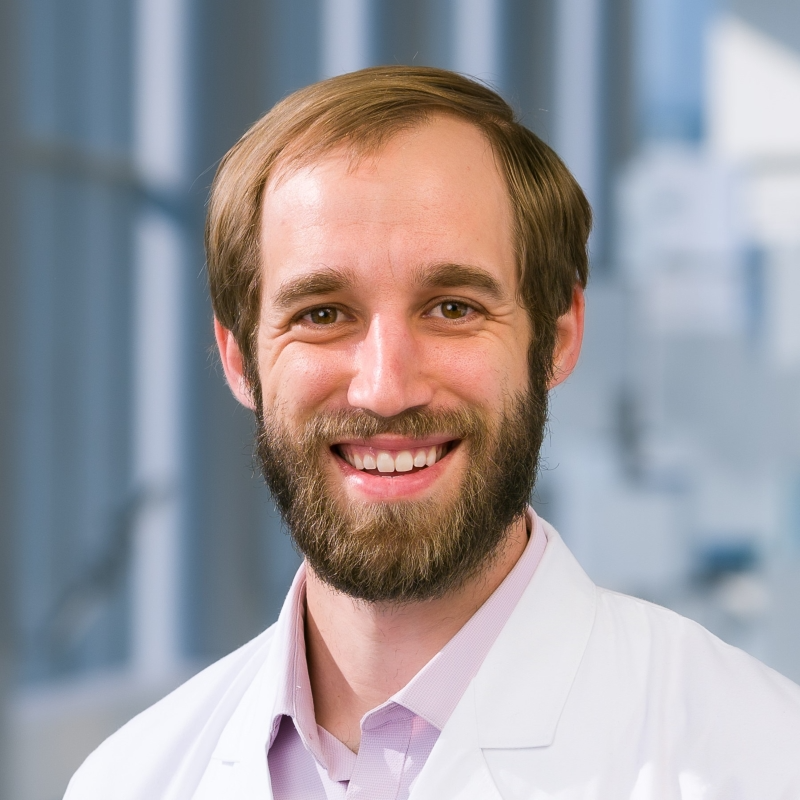
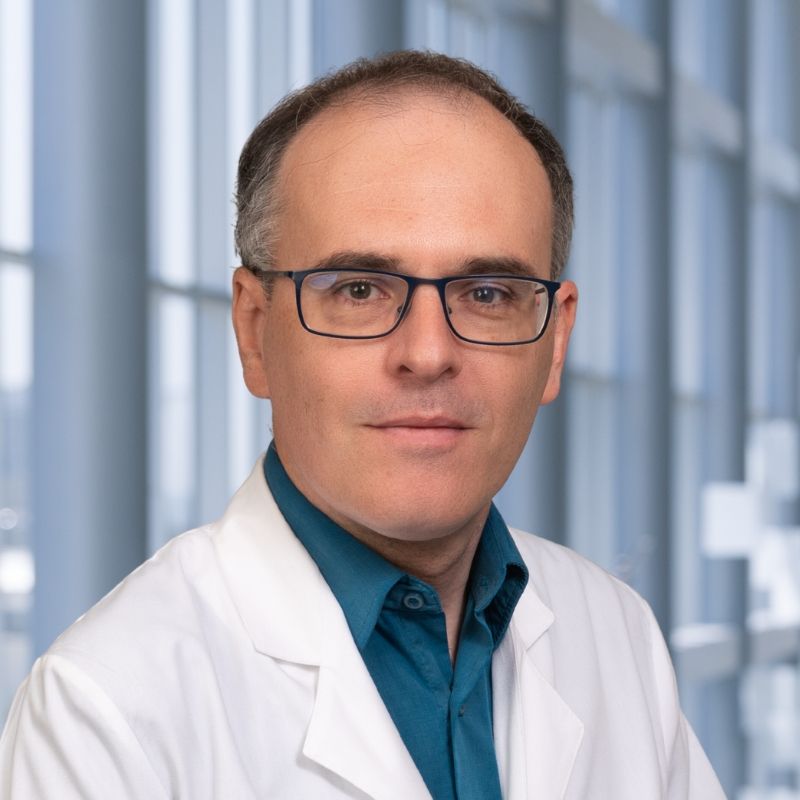
William Clyde GriffinView profile
Associate Professor
William Clyde Griffin PhD serves as an Associate Professor in the Department of Psychiatry and Behavioral Sciences at the Medical University of South Carolina (MUSC) College of Medicine. His academic focus encompasses the Neurobiology of Tinnitus, Drug Abuse, and Clinical Chemistry, with primary research conducted within addiction neuroscience frameworks. Dr. Griffin's research centers on molecular mechanisms of alcohol and drug dependence, with particular emphasis on: Neuroadaptations in glutamate and neuropeptide signaling during addiction Stress-induced relapse pathways and comorbid PTSD-alcohol use disorders Kappa opioid and oxytocin systems as therapeutic targets Sex differences in binge drinking neurobiology Redox protein adaptations across species His work integrates molecular, behavioral, and pharmacological approaches to dissect addiction pathways. Analysis of Dr. Griffin's 15 most recent publications reveals consistent focus on neuropharmacological mechanisms of alcohol use disorder. Key trends include: Predominance of rodent models investigating binge drinking and relapse Heavy emphasis on glutamate system dysregulation (GLT-1, mGluR5) Expanding research on neuropeptide systems (oxytocin, dynorphin) Increasing exploration of sex differences in addiction neurobiology Methodological focus on neurochemical measurements (microdialysis, c-Fos mapping) His work bridges basic neuroscience with translational addiction therapeutics. Dr. Griffin maintains active research operations within MUSC's College of Medicine infrastructure. While specific lab details aren't provided in source materials, his extensive publication record indicates ongoing rodent behavioral pharmacology studies focused on alcohol and drug dependence mechanisms. Current research appears centered on identifying novel pharmacotherapeutic targets for addiction treatment through molecular pathway analysis.