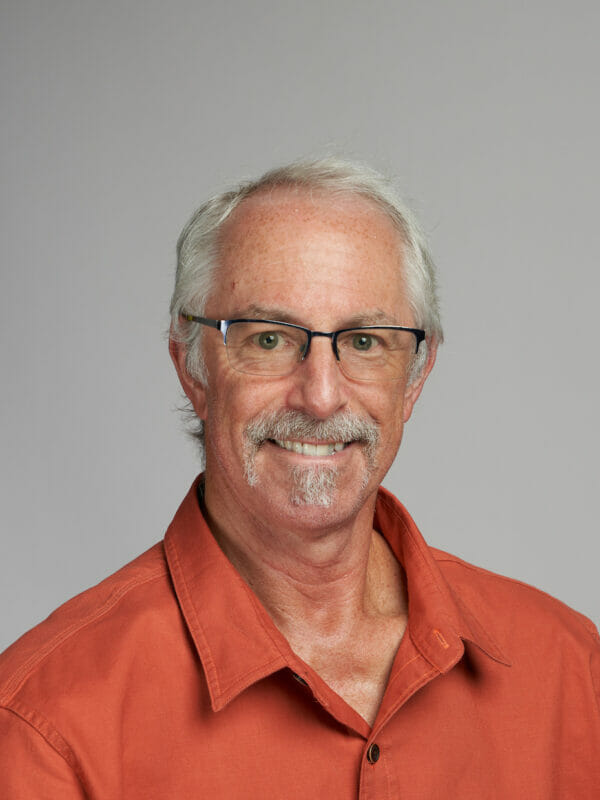
Achim KramerView profile
Professor
Achim Kramer serves as Professor of Chronobiology (W2, tenured) at Charité - Universitätsmedizin Berlin, where he chairs the independent Research Unit for Chronobiology within the Institute of Medical Immunology. His academic career spans molecular chronobiology research and teaching since 2002, with significant contributions to understanding circadian clock mechanisms in mammals. His educational background includes a Biochemistry degree from Freie Universität Berlin (1988-1993), a Ph.D. in Biochemistry (summa cum laude, 1996) from Humboldt Universität zu Berlin, and piano training at Berlin's Hochschule der Künste (1990-1994). Postdoctoral work included research at Harvard Medical School (1999-2001) under Charles Weitz and positions at IRBM Rome and Charité. Dr. Kramer's research centers on molecular mechanisms of circadian clocks, with expertise in protein interactions (CRY1-PER2), post-translational modifications, peripheral tissue clocks (macrophages, skin), and translational applications like circadian blood biomarkers. His work bridges structural biology, immunology, and sleep medicine to address how biological timing affects health and disease. Analysis of his publications reveals consistent focus on circadian molecular machinery across diverse biological contexts, with increasing translational emphasis in recent years on diagnostic applications and tissue-specific clock functions. His structural work on cryptochromes and phosphorylation mechanisms underpins fundamental understanding of clock regulation. Key honors include the Heinz-Maier-Leibnitz Award (DFG, 2002), Brooks Fellowship (Harvard, 2001), multiple Teaching Awards for Medical Neurosciences (2010-2015), and a Young Researcher's Award from Charité (1998). He leads the Chronobiology Research Unit within Charité's Institute of Medical Immunology, participating in the SFB/TRR186 consortium on molecular switches. His service includes chairing the 2015 Gordon Research Conference on Chronobiology, editorial roles at PLoS Genetics and Journal of Biological Rhythms, and leadership positions in the Society for Research on Biological Rhythms and European Biological Rhythms Society.