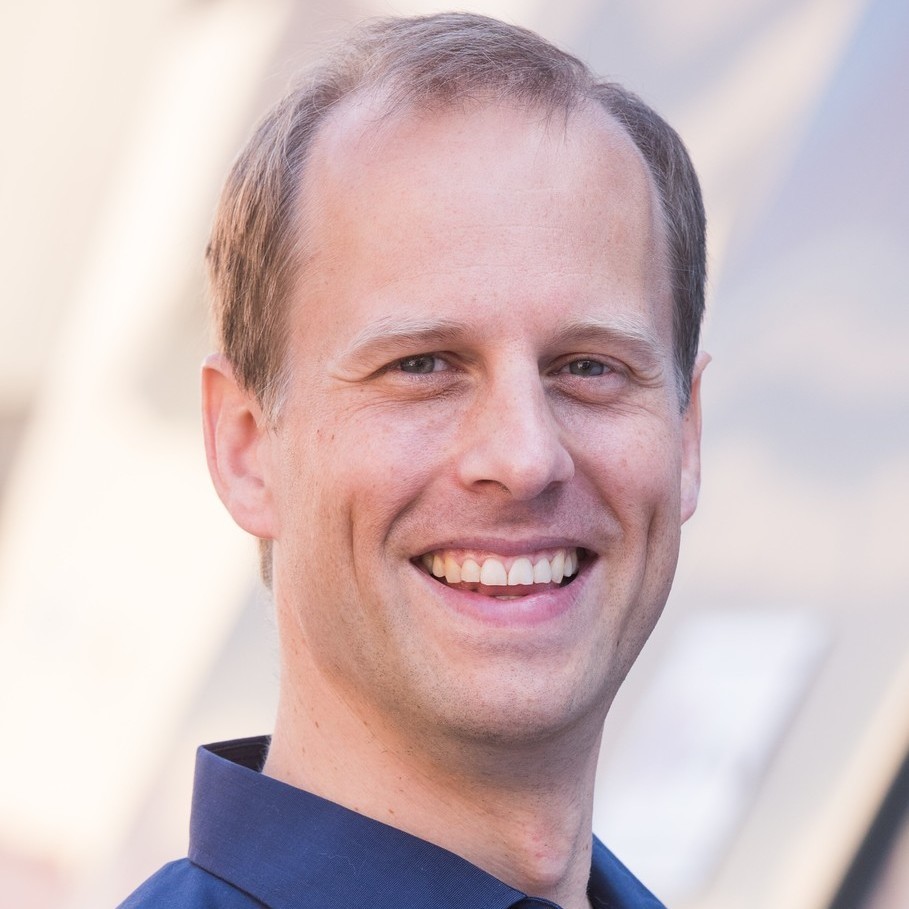
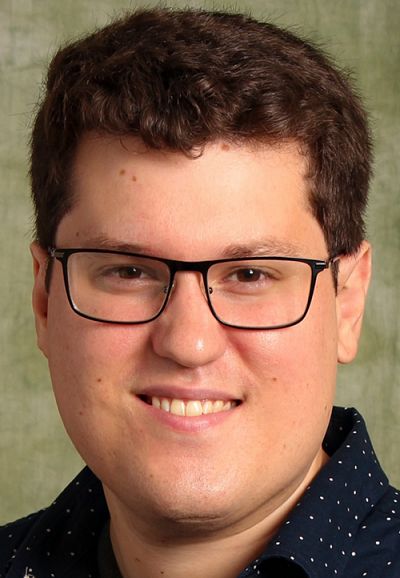
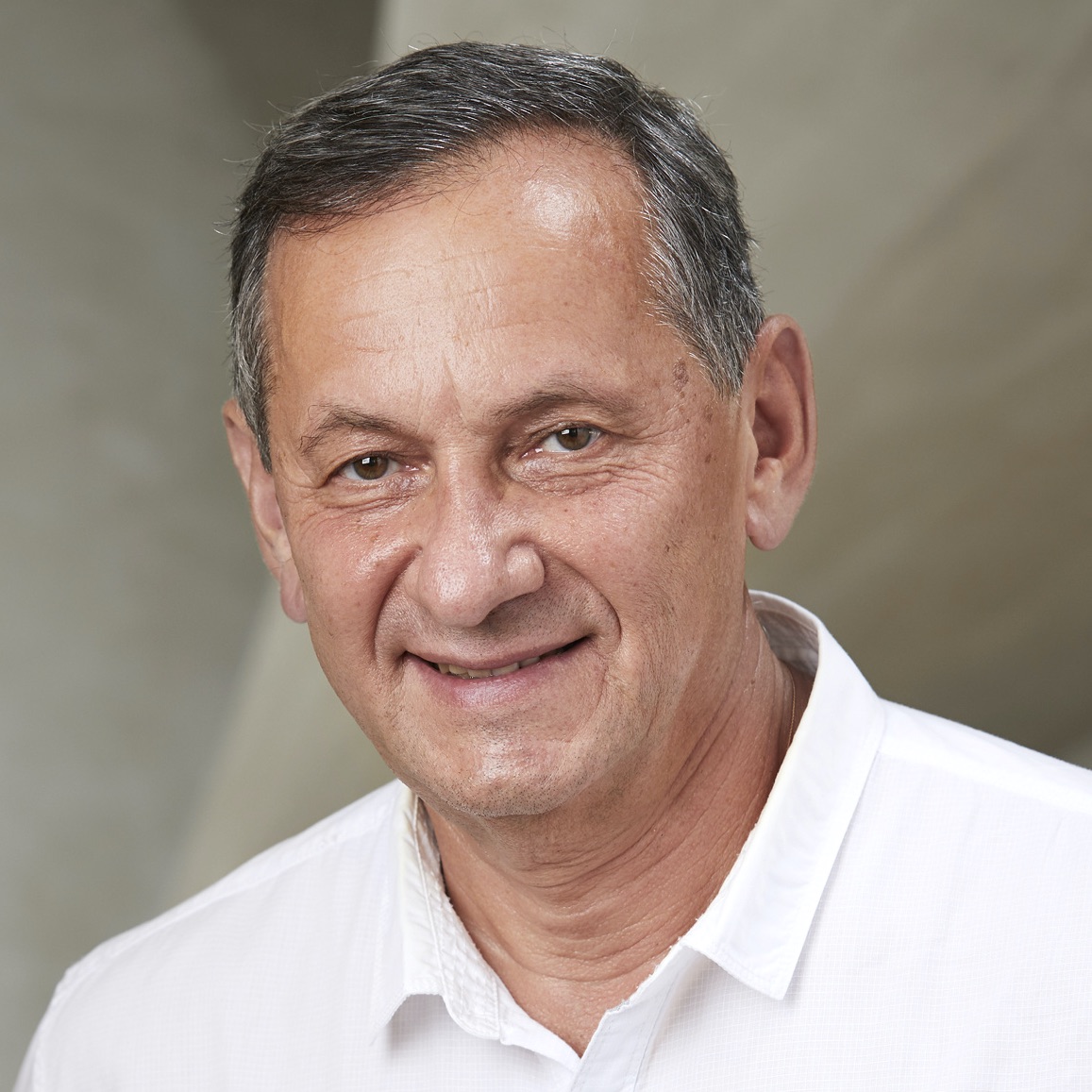
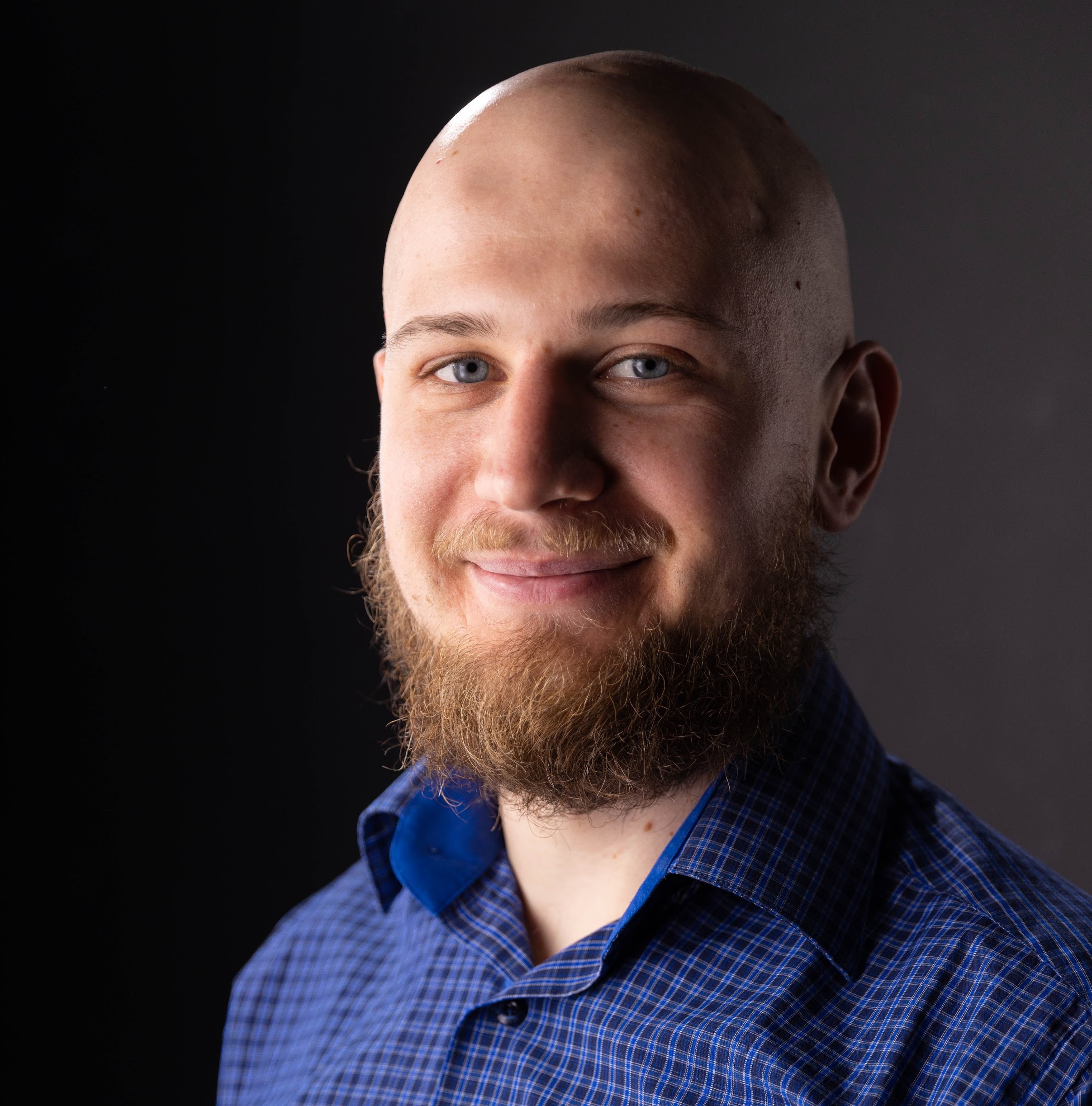
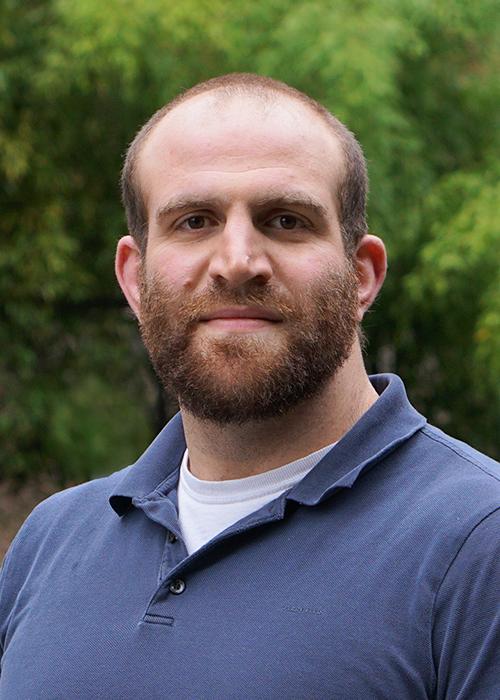
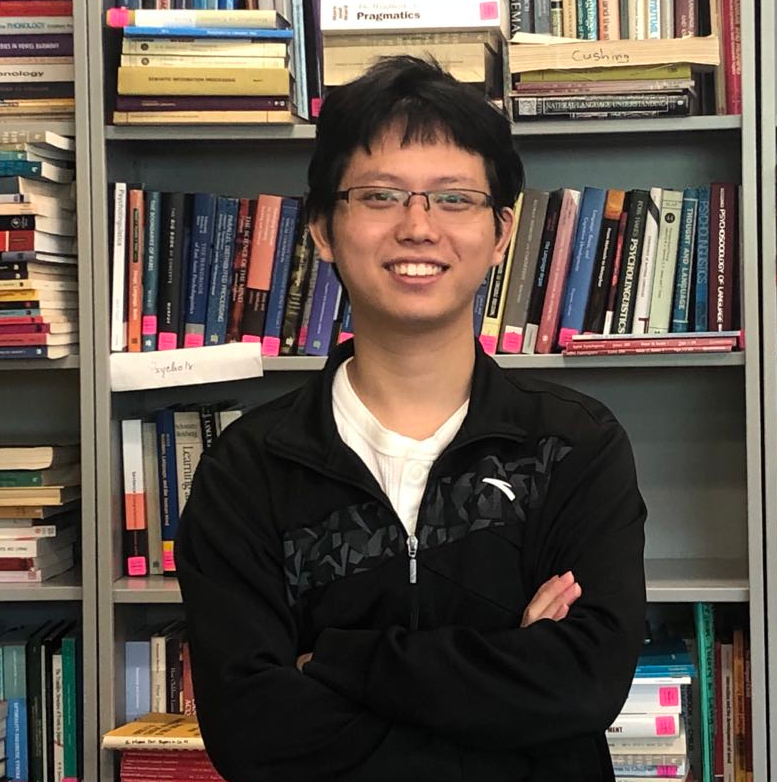
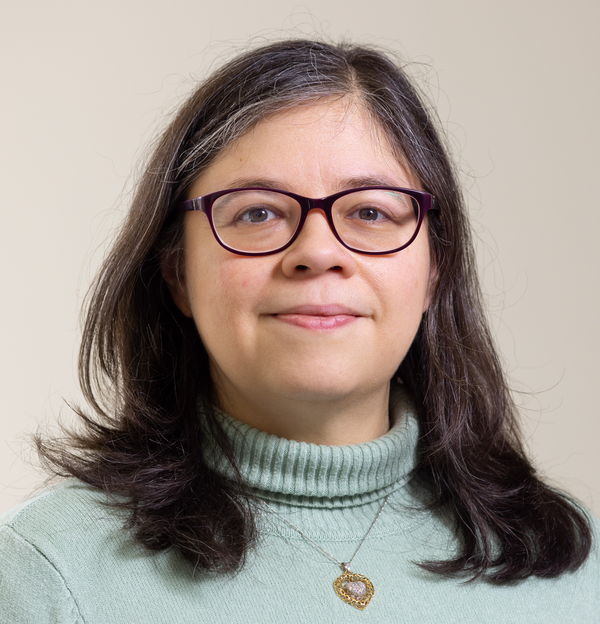
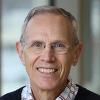
Frank Hutter is a Full Professor for Machine Learning at the University of Freiburg since 2016 and an Emmy Noether Research Group Lead since 2013. His research focuses on Automated Machine Learning (AutoML), including neural architecture search, hyperparameter optimization, and meta-learning. He pioneered tools like Auto-WEKA, Auto-sklearn, and Auto-PyTorch, and co-authored the first book on AutoML. Received 2010 CAIAC award for best AI thesis in Canada Won multiple best paper awards and international ML competition prizes Director of ELLIS Unit Freiburg Recipient of 3 European Research Council (ERC) grants His recent work explores the intersection of foundation models and AutoML, including TabPFN (the first foundation model for tabular data) and improved pretraining/fine-tuning frameworks. He co-organized 15 AutoML workshops at top ML conferences and founded the AutoML Conference in 2022.
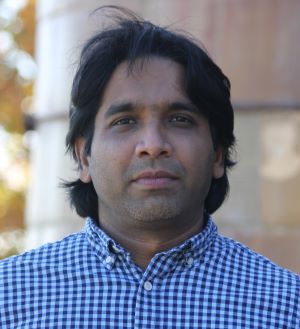
Jayson Boubin is an Assistant Professor of Computer Science at Binghamton University's School of Computing. He joined in 2022 and focuses on autonomous systems, particularly UAVs, edge computing, and machine learning applications in agriculture and infrastructure. His work emphasizes solving real-world challenges through innovative engineering and software solutions. Education: PhD in Computer Science (Ohio State University), BA (Miami University) Research Interests: Autonomous systems, UAVs, edge computing, robotics, and machine learning. Projects include SoftwarePilot (an open-source UAV testing platform), Fleet Computer (Kubernetes-based edge architecture), and PROWESS (a testbed for constrained edge workloads). Key Achievements: NSF Graduate Research Fellowship Developed open-source tools like SoftwarePilot and PROWESS Focus on UAV applications in precision agriculture, search-and-rescue, and infrastructure inspection Labs/Teams: Active in edge computing and UAV research groups, contributing to both academic and open-source communities.
Samsung Lim serves as an Associate Professor of geographic information systems (GIS) in the School of Civil and Environmental Engineering at the University of New South Wales (UNSW) Sydney. With expertise spanning data science, artificial intelligence, and machine learning, Lim applies geospatial technologies to critical real-world challenges in natural disaster management and public health research. Lim's interdisciplinary work bridges engineering, computer science, and public health domains to develop practical decision-making tools for emergency response and disease surveillance. Ph.D. in Aerospace Engineering and Engineering Mechanics, University of Texas, Austin, TX, USA M.A. in Mathematics, Seoul National University, Seoul, South Korea B.A. in Mathematics, Seoul National University, Seoul, South Korea Lim's research focuses on applying GIS to natural disaster management and public health challenges. Key areas include machine learning methods for bushfire susceptibility mapping, spatial clustering for landslide susceptibility analysis, city-scale evacuation management in flood scenarios, and social media-based natural disaster assessment. In public health, Lim investigates geo-correlations between environmental factors and asthma occurrence, computational approaches to avian influenza outbreaks, emerging hot spot analysis of COVID-19, and early detection systems for emerging infectious diseases. This work combines advanced spatial analytics with machine learning to address complex environmental and health challenges. The recent publication record demonstrates a clear interdisciplinary trajectory where geospatial science intersects with public health emergency response and natural hazard management. Lim's work consistently applies machine learning techniques to geospatial data, with particular emphasis on disaster susceptibility mapping, disease outbreak detection, and infrastructure monitoring. The research spans multiple continents and addresses both immediate emergency response needs and long-term environmental health challenges, reflecting a commitment to practical applications of geospatial science. Associate Editor of Geospatial Information Science National Delegate of Commission 3 of International Federation of Surveyors (FIG) National Representative of the International Cartographic Association (ICA) Commission on Sensor-driven Mapping Senior Member of Institute of Electrical and Electronics Engineers (IEEE) Lim actively contributes to the development of early warning systems for emerging infectious diseases through collaborations with public health researchers. The work on EPIWATCH demonstrates how AI can enhance surveillance capabilities for outbreak detection. Lim's research on cruise ship transmission of diseases and the spread of avian influenza through bird migration patterns and poultry trade networks shows strong engagement with real-world public health challenges. These projects often involve multidisciplinary teams spanning engineering, computer science, epidemiology, and veterinary medicine. Lim's work integrates multiple geospatial data sources and analytical techniques to address complex environmental and public health challenges. This includes developing frameworks for performance analysis of OpenStreetMap data, creating specialized road datasets for pedestrian navigation, and applying Persistent Scatterer Interferometry for land motion monitoring. The research combines traditional geospatial methods with cutting-edge machine learning approaches to extract meaningful insights from complex spatial datasets.
Qianqian Tong is an Assistant Professor in the Computer Science department at the University of North Carolina at Greensboro. Her research focuses on stochastic optimizations, sparse learning, federated learning, and privacy-preserving machine learning algorithms. She has developed novel methods for efficient optimization in deep learning and federated learning frameworks, including communication-efficient distributed algorithms and decentralized systems. Education: Ph.D. Computer Science and Engineering, University of Connecticut M.S. Computational Mathematics, Zhengzhou University B.S. Mathematics, Zhengzhou University Research interests include designing algorithms for sparse learning, federated learning with privacy guarantees, and applying deep graph learning to drug discovery. Recent projects involve tensor-based models for multidimensional data analysis and improving convergence in ADAM optimization. Her publications span optimization theory, federated learning systems, and molecular modeling applications. Though no awards are listed, her work demonstrates significant contributions to efficient machine learning methodologies. Teaching includes advanced courses on data science and computer science foundations. No lab affiliations or grant details are explicitly mentioned in the provided text.
Dr. Vladimir Vlassov is a full Professor in Computer Systems at the Division of Software and Computer Systems (SCS) , Department of Computer Science (CS) , School of Electrical Engineering and Computer Science (EECS) , KTH Royal Institute of Technology , Stockholm, Sweden. He leads the AVA project in ALEC2, an AI-powered system for mental health care. He is a member of the Distributed Computing research group (DC@KTH) . Education & Roles: Holds a PhD and is a member of ACM and IEEE. Previously visited MIT (1998) and UMass Amherst (2004). Teaches courses on Data Mining , Distributed Systems , and Concurrent Programming . Research Interests: Focus on scalable AI, Cloud computing, distributed systems, and NLP for mental health. Projects include ExtremeEarth (Copernicus data analytics) and EMJD-DC (distributed computing PhD program). Grants & Projects: Principal Investigator in ALEC2 (adaptive mental health care) and ExtremeEarth (EU H2020). Led EU projects like ENCORE (manycore systems) and PaPP (embedded systems). Labs & Teams: Directs the Distributed Computing group, contributing to Hopsworks (machine learning feature store) and Maggy (hyperparameter optimization).
Igor Molybog is an Assistant Professor at the University of Hawai'i at Manoa, holding joint appointments in the Departments of Electrical and Computer Engineering and Information and Computer Sciences. His research focuses on advancing artificial intelligence, particularly through large language models (LLMs), multimodal modeling, and core machine learning optimization. He leads the HawAII research group, exploring applications like LLM alignment, efficient inference systems, and scaling properties of foundation models. Education: Ph.D. in Engineering from UC Berkeley (2022), specializing in optimization algorithms for complex systems. Previously worked at Meta AI on LLaMa model development. Research Interests: Efficient LLM development and evaluation frameworks Multimodal AI integration (video/audio + text) Scalable optimization for large models Computational efficiency in training/ inference Recent Work: Presented REAL alignment method (2024), developed long-context scaling techniques (2023), contributed to Llama 2 chat models (2023). Collaborates with organizations like Epoch AI on scaling challenges. Teaching: Offers courses in AI, machine learning, and optimization across ECE and ICS departments. Labs/Teams: Leads HawAII Initiative fostering AI collaboration at UH Manoa, organizes paper reading seminars, and hosts technical talks with industry experts.
Dr. Saptarshi Sengupta is an Assistant Professor in the Department of Computer Science at San José State University (SJSU), leading the Machine Intelligence and Complex Systems (MICoSys) Lab. He advises the ACM student club at SJSU and holds a 'Alien of Extraordinary Ability' visa (Einstein Visa) from USCIS. His work focuses on resilient cyber-physical systems, risk analysis, and deep learning applications in healthcare and industrial systems. Education: Ph.D. in Electrical Engineering, Vanderbilt University M.S. in Electrical Engineering, Vanderbilt University B.Tech. in Electronics & Communication Engineering, West Bengal University of Technology Research Interests: Cyber-Physical Systems Security Healthcare AI for Cancer and Chronic Disease Prediction Battery Prognostics and Energy Systems Machine Learning for Complex Systems Analysis Key Achievements: Dr. T.M.A. Pai Gold Medal Award for Healthcare AI contributions Recipient of multiple best paper awards at international conferences Author of over 30 peer-reviewed publications Labs & Teams: Leads the MICoSys Lab, developing AI solutions for healthcare diagnostics, industrial prognostics, and smart infrastructure systems. Collaborations include interdisciplinary projects with biomedical and engineering domains.
Noah Simon is an Associate Professor in the Department of Biostatistics at the University of Washington School of Public Health. His research focuses on high-dimensional statistical methods, machine learning, and their applications in biomedicine. He develops computational tools for genomic and clinical data analysis, including penalized regression techniques and adaptive clinical trial designs. Education: B.A. Mathematics, Pomona College (2008) Ph.D. Statistics, Stanford University (2013), advised by Robert Tibshirani Research Interests: Dr. Simon specializes in high-dimensional estimation, algorithm optimization, and clinical trial methodology. His work addresses challenges in biomarker discovery, imaging-based diagnostics, and genomic data analysis. Key areas include sparse-group lasso regularization, adaptive enrichment designs for personalized medicine, and scalable computational methods for big data. Grants & Funding: NIH Director's Early Independence Award ($250k/year, 2014–2019) Amazon and Google Cloud Computing Grants for biomarker research Awards: Forbes 30 Under 30 in Science (2015) NSF Graduate Research Fellowship Honorable Mention (2010) Weiland Fellowship (2011–2013) Advising: He mentors PhD and MS students in biostatistical methodology and data science, with current advisees including Jean Feng, Brayan Ortiz, and Jeremy Roth. Notable collaborations include work on neural activity detection via calcium imaging (SCALPEL) and nonparametric variable importance assessment using neural networks. Lab & Affiliations: Based at the Hans Rosling Center for Population Health, his group develops open-source software (e.g., sgl , standGL ) and contributes to biomedical data science initiatives at UW.
Hangfeng He is an Assistant Professor of Computer Science and Data Science at the University of Rochester , affiliated with the Hajim School of Engineering & Applied Sciences. He holds a PhD from the University of Pennsylvania and focuses on machine learning and natural language processing. His research emphasizes incidental supervision for natural language understanding, interpretability of deep neural networks, and reasoning in natural language. Education : PhD in Computer Science from University of Pennsylvania Research Interests : Machine Learning (especially deep learning theory, generalization, and optimization) Natural Language Processing (incidental supervision, language understanding, and multimodal reasoning) Reasoning (inductive biases, temporal data analysis, and model interpretability) Research Trends : His work spans foundational AI research and applied NLP, with recent focus on large language models, multimodal systems, and constraint-aware methods. He explores how models generalize from limited supervision and mitigate biases in real-world data. Key themes include improving model robustness, understanding inductive mechanisms, and applying AI to financial and social text analysis. Labs/Teams : While specific lab affiliations aren’t listed, his work aligns with the Department of Computer Science’s research clusters in AI, machine learning, and data science.
Dr. Sandra Diaz Pier is a Scientific Lead at the Jülich Supercomputing Centre (JSC) within the Jülich Research Centre , Germany. Specializing in computational neuroscience , high performance computing (HPC) , and machine learning , she bridges neuroscience and advanced computational methods through her research. Education: B.Sc. in Electronic Systems Engineering, Mexico M.Sc. in Computer Science (focus: machine learning, quantum computing), Mexico Second M.Sc. in Electrical Engineering, Ontario, Canada Ph.D. in Computer Science, Germany (2021) Her research focuses on modeling and simulating brain dynamics and plasticity at multiple scales, leveraging HPC to accelerate large-scale neural network simulations. She actively contributes to EU projects like the Human Brain Project (HBP) , Virtual Brain Cloud , and EBRAINS 2.0 , emphasizing infrastructure development and educational training. Her work includes open-source tools such as the NEST simulator , The Virtual Brain , and L2L , enabling efficient parameter exploration and multiscale co-simulation frameworks. The 15 most recent publications highlight her interdisciplinary approach, spanning topics from quantum computing in biomolecular simulations to neural plasticity algorithms and cloud-based brain modeling . These articles reflect her expertise in integrating machine learning , multi-scale simulation , and HPC infrastructure for neuroscience challenges, including seizure propagation, Parkinson’s disease progression, and swarm intelligence in spiking networks. She leads technical coordination in projects like EBRAINS and serves as a task leader in the HBP infrastructure work package , while also organizing workshops and hackathons for open-source tools. Her role involves supporting domain scientists through methodological research and workflow optimization for brain simulations.
Jon Heiselman is a Research Assistant Professor in the Department of Biomedical Engineering at Vanderbilt University School of Engineering. He serves as Associate Director of the Master of Engineering in Surgery and Intervention Program and leads research in image-guided surgical technologies. His work focuses on soft tissue deformation modeling, augmented reality applications, and computational frameworks for precision surgery. Education: PhD in Biomedical Engineering (Vanderbilt University, 2020) Advisor: Michael Miga, Harvie Branscomb Professor Research interests span image-guided surgical navigation, deformable registration algorithms, and digital twin modeling for therapeutic forecasting. Articles highlight advancements in soft tissue deformation correction, augmented reality integration, and machine learning approaches for real-time surgical guidance. Current affiliations include Vanderbilt's Biomedical Modeling Laboratory (BML) and the VISE Steering Committee. He contributes to NIH-funded training programs and has received recognition for his work in surgical data science and computational oncology.
Dr. Vincenzo De Maio is a PostDoc Researcher at the Department of Computational Sustainability, Faculty of Informatics, Technische Universität Wien. His research spans quantum computing, edge computing, distributed systems, and sustainable computing, with a focus on hybrid quantum-classical systems and edge AI applications. Current projects: HPQC (2023–2025), ThEMIS FWF (2024–2027), TRITON FWF (2023–2027) Previous projects: RUCON (2016–2023), SWAIN (2021–2024) His research explores the integration of quantum computing with classical systems, particularly in software engineering, workflow decomposition, and hyperparameter optimization. He also works on edge computing for smart cities, environmental monitoring, and traffic safety applications. Recent publications analyze quantum compilation bottlenecks, hybrid quantum-classical workflow orchestration, and quantum neural network optimization. He supervises master's theses on topics like quantum edge benchmarking and hyperparameter tuning. Key collaborations with Prof. Ivona Brandic and others Active in IEEE/ACM conferences and Springer publications
Donald E. Brown is the W.S. Calcott Professor in the Systems and Information Engineering Department at the University of Virginia, serving as Founding Director of the Data Science Institute and Co-Director of the Translational Health Institute of Virginia. He holds a B.S. from the United States Military Academy (1973), M.S. and M.E. from UC Berkeley (1979), and a Ph.D. from the University of Michigan (1985). His research focuses on data fusion, knowledge discovery, and predictive modeling with applications in healthcare, security, and safety. Dr. Brown leads over 90 federal/state/private research projects, publishes extensively (120+ papers, 2 books), and is a Fellow of the IEEE. He has received prestigious awards including the Norbert Wiener Award and IEEE Millennium Medal. His work bridges academia and industry through Commonwealth Computer Research, Inc., providing data analysis services. He advises on national committees including the National Research Council and the NRC Committee on Transportation Security. His teaching excellence was recognized by students three times as 'best undergraduate teacher' (2001–2003). Research Interests: Data Fusion, Knowledge Discovery, Simulation Optimization, Machine Learning, Predictive Analytics Publications: Focus on healthcare analytics (e.g., Long COVID, tuberculosis, histopathology), AI-driven medical imaging (capsule endoscopy, eosinophil segmentation), and cybersecurity applications. Awards: IEEE Joseph Wohl Career Achievement Award (2017), Governor's Technology Award (1999), Norbert Wiener Award (2002). Grants/Projects: Over 90 funded projects on data science, healthcare tech, and security systems. He leads interdisciplinary initiatives like the iTHRIV Commons for health data sharing and develops AI tools for medical diagnostics at UVA. Current work includes AI in cardiovascular disease prediction, perioperative data digitization for LMICs, and real-time anomaly detection in healthcare systems.
Dr. Chandi Witharana is an Assistant Professor in the Department of Natural Resources and the Environment at the University of Connecticut's College of Agriculture, Health, and Natural Resources. Previously, they served as Assistant Professor in Residence (2020-2023), Assistant Research Professor (2018-2020), and Visiting Assistant Professor (2016-2018) at UConn. Their academic journey includes a Postdoctoral Research Fellowship at SUNY Stony Brook (2014-2016) and graduate work at UConn where they earned their PhD in Remote Sensing in 2014. Dr. Witharana teaches courses in high-resolution remote sensing, geospatial analysis, and introductory geomatics. Dr. Witharana's educational background includes: PhD in Remote Sensing, University of Connecticut (2014) MS in GIScience, University of Connecticut (2009) BS in Geology, University of Peradeniya, Sri Lanka (2005) Dr. Witharana's research focuses on methodological developments for analyzing large volumes of multi-modal remote sensing data for environmental, industrial, and agricultural applications, with special emphasis on Arctic Permafrost remote sensing. They harness sub-meter resolution satellite imagery, AI, and high-performance computing resources to map permafrost landforms, monitor thaw disturbances, and assess risks to human-built infrastructure in the Arctic. Their work extends beyond research to include innovative applications of remote sensing in K-12 STEM education through imagery-enabled lesson plans. Dr. Witharana aims to use cutting-edge geospatial technologies as transformative learning instruments to help students understand complex human-environment interactions. The recent publications of Dr. Witharana demonstrate a strong focus on applying advanced AI and remote sensing techniques to Arctic permafrost monitoring and infrastructure risk assessment. Their work increasingly incorporates vision transformers and deep learning models for more accurate detection of permafrost features and unhealthy tree crowns. There's a clear trend toward developing scalable geospatial datasets with standardized approaches, particularly for retrogressive thaw slumps. Many publications address practical applications including power outage risk modeling, forest management for storm resistance, and infrastructure monitoring in changing Arctic landscapes. The research shows growing interdisciplinary collaboration across environmental science, computer science, and engineering domains. Dr. Witharana has secured significant research funding as PI or Co-PI on numerous grants totaling over $14 million, including: NSF's Permafrost Discovery Gateway project ($3,000,000) Google-funded research on tracking Arctic permafrost thaw ($5,000,000) NSF's role of capillaries in the Arctic hydrologic system ($2,000,000) USDA projects on drone imaging for nutrient deficiency detection ($200,000) Eversource Energy projects on tree risk modeling ($275,000) As an educator, Dr. Witharana mentors students through research projects funded by these grants and teaches specialized courses in remote sensing and geospatial analysis. They serve as Director of the Remote Sensing & Geospatial Data Analytics Graduate Program and as a Steering Committee Member for UConn's Data Science Masters Program. Dr. Witharana is also an Editorial Advisory Board Member for the ISPRS Journal of Photogrammetry and Remote Sensing and regularly reviews proposals for NSF and other agencies. Their research group leverages high-performance computing resources including Frontera/NSF and XSEDE allocations for large-scale geospatial analysis. Dr. Witharana leads research teams focused on Arctic permafrost monitoring and geospatial AI applications, collaborating with institutions including University of Alaska-Fairbanks, Woodwell Climate Research Center, and UC Santa Barbara. Their work involves developing advanced workflows for processing satellite imagery and implementing machine learning models for environmental monitoring. The research group actively engages in developing educational applications of remote sensing technology, particularly for K-12 STEM education.
Sumon Biswas is a tenure-track Assistant Professor in the Department of Computer and Data Sciences at Case School of Engineering, Case Western Reserve University. Previously, he was a Postdoctoral Researcher at the Institute for Software Research (ISR) at Carnegie Mellon University, working with Dr. Eunsuk Kang. He received his Ph.D. in Computer Science from Iowa State University under the supervision of Dr. Hridesh Rajan. His research focuses on the intersection of Software Engineering and Artificial Intelligence with particular emphasis on responsible AI engineering. His work spans several key areas: Formal verification and reasoning of fairness in AI systems Designing fair and safe AI systems AI engineering and analysis of machine learning software Long-term risks in machine learning systems Analysis of technical debt in AI/ML systems Dr. Biswas has made significant contributions to understanding and addressing fairness in machine learning pipelines, verification of neural networks, causal reasoning in ML pipelines, and safety assurance of predictive systems. His recent work increasingly focuses on foundation models and large language models (LLMs), with an emphasis on safety and responsible deployment of AI agents. His lab operates the state-of-the-art AISC2 cluster with five HGX H200 servers featuring 40 NVIDIA H200 GPUs. His publications show a consistent trend toward addressing both theoretical and practical challenges in responsible AI, with increasing focus on long-term system behavior, LLMs, and practical deployment challenges. The research spans formal methods, empirical studies, and practical tool development. Dr. Biswas has received several awards including the Research Excellence Award from Iowa State University and has been invited to serve on the Board of Distinguished Reviewers for ACM Transactions on Software Engineering and Methodology (TOSEM). He serves on the program committees of major software engineering conferences including ICSE, ASE, and ESEC/FSE, and has reviewed for prestigious journals such as IEEE Transactions on Software Engineering. As an educator, he teaches courses on Responsible AI Engineering and Software Engineering, focusing on building high-quality software systems that meet responsible AI principles including fairness, robustness, explainability, and safety.