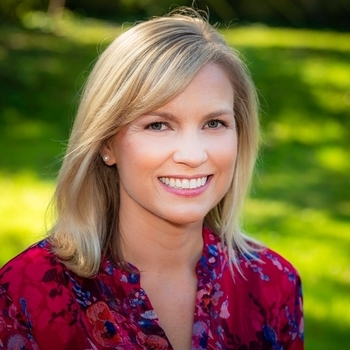
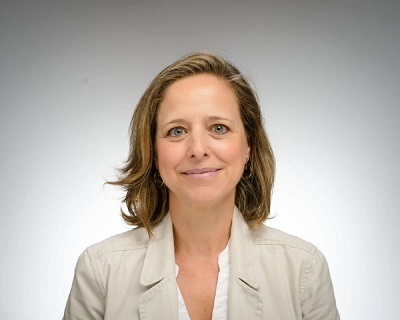
Kelly Arnold is an Associate Professor in the Department of Biomedical Engineering at the University of Michigan. Her research integrates systems engineering principles with immunology to investigate variability in immune responses across infection, vaccination, and injury, with a focus on computational modeling and clinical translation. Research Focus Systems-level immune response modeling Vaccination and antibody functionality Vaginal microbiome-host interactions Chronic lung disease progression Computational serology and proteomics Recent Work Her 2025 studies examine SARS-CoV-2 vaccination responses in cancer patients and computational frameworks for vaginal probiotics. Earlier works (2024-2007) span COPD progression, lupus fibrosis, HIV susceptibility, and tissue engineering for fertility preservation. Methodologies include proteomic profiling, network modeling, and microfluidic systems.
Santiago F. González is a Group Leader at the Institute for Research in Biomedicine (IRB) in Bellinzona, Switzerland, and an extraordinary professor at the University of Italian Switzerland (USI). He earned dual PhDs in microbiology (University of Santiago de Compostela, Spain) and immunology (University of Copenhagen, Denmark), followed by postdoctoral work (2007–2011) at Harvard Medical School's Immune Disease Institute under Michael Carroll. PhD in Microbiology, University of Santiago de Compostela PhD in Immunology, University of Copenhagen His research focuses on immune system dynamics during respiratory viral infections, vaccination, and cancer metastasis. Key areas include influenza recognition , lymph node inflammation , and immune cell behavior in vivo. He pioneered studies on C-type lectin receptors (e.g., SIGN-R1) in viral immunity and epigenetic modulators for inflammation. Recent publications highlight his work in epigenetic drug development , nanovaccines , and computational tools for immune cell tracking. His group uses two-photon intravital microscopy and spatial-temporal modeling to dissect immune responses. Scientific awards include three EU Marie Curie Fellowships (2004–2013), enabling his transition to independent research. His collaborations span Harvard, USI, and European institutions, with grants from the EU and Swiss research bodies. His lab at IRB, established via the 2013 Marie Curie Career Integration Grant , develops novel imaging approaches and therapeutic strategies for infectious and immune-mediated diseases.
Gabriela Minigo serves as an Honorary Fellow in Global and Tropical Health and Associate Dean - Learning and Teaching within the Faculty of Health. Her academic profile demonstrates active engagement in malaria immunology research with a recent expansion into circadian rhythm and metabolic health investigations. Dr. Minigo completed her PhD at the University of Melbourne (awarded March 31, 2007) and earned a Master of Clinical Epidemiology from the University of Newcastle (awarded December 8, 2017). Her educational background provides a strong foundation in both basic science and clinical epidemiology. Her primary research focuses on immunological responses to malaria, with particular expertise in T follicular helper cells, dendritic cell function, and regulatory T cells in Plasmodium falciparum and Plasmodium vivax infections. Analysis of her research fingerprint reveals significant contributions to Plasmodium falciparum Immunology and Microbiology (100%), Dendritic Cell Immunology and Microbiology (45%), Regulatory T Cell Immunology and Microbiology (38%), and other related fields. In recent years, she has expanded her research to investigate the relationship between photoperiod, circadian rhythm, and metabolic health, as evidenced by her 2024 publications on these topics. Dr. Minigo's scholarly output shows an evolving research trajectory from fundamental malaria immunology toward interdisciplinary investigations connecting circadian biology with metabolic health. Her recent publications (2022-2024) demonstrate continued strong contributions to malaria immunology while incorporating new dimensions related to light exposure, sleep patterns, and glucose control. She has secured research funding for multiple projects including 'Rainmaker start up- Does exposure to artificial light alter circadian rhythm and glucose control in Australian adults? A pilot study' (2023-2026) where she serves as Co-Investigator, and 'Effect of Extended Photoperiod Exposure on Circadian Rhythm and Glucose Control' (2024-present) where she is Principal Investigator. Previously, she contributed as Chief Investigator C to 'Manipulating T follicular helper cells to improve human malaria vaccines' (2020-2023). As Associate Dean for Learning and Teaching, Dr. Minigo holds significant educational leadership responsibilities within the Faculty of Health. She is registered to supervise postgraduate research, indicating her active role in mentoring graduate students in immunology and tropical medicine research.
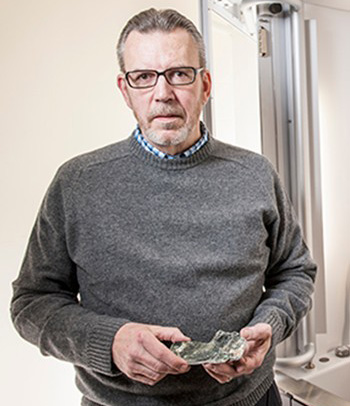
Stephen A. Boyd is a University Distinguished Professor in the Department of Plant, Soil and Microbial Sciences within Michigan State University's College of Agriculture and Natural Resources. His research spans environmental chemistry and microbiology with a focus on soil systems. His educational background includes a B.S. in Chemistry from Central Michigan University (1975), and M.S. and Ph.D. in Soil Chemistry from Purdue University (1978, 1980). Dr. Boyd's research investigates organic contaminant movement in soil, microbial/catalytic degradation mechanisms, and remediation technologies for contaminated soils/sediments. His work features innovative approaches including chemically modified clays for contaminant sorption and degradation, mechanistic studies of toxicant interactions with natural/modified clays, and development of in-situ soil modification technologies. He extensively examines biodegradation of xenobiotics (particularly PCB reductive dechlorination) and bioavailability of soil-bound contaminants to degrading bacteria. His 15 most recent publications reveal strong trends in clay-based contaminant immobilization, pharmaceutical/water pollutant interactions, dioxin chemistry, and nanomaterial applications for environmental remediation, with dominant fields being environmental chemistry, soil science, and contaminant toxicology. University Distinguished Professor (MSU, 2005) Jackson Award in Soil Science (SSSA, 2004) Highly Cited Researcher (Institute for Scientific Information, 2002) Distinguished Faculty Award (MSU, 2001) Soil Science Research Award (SSSA, 1999) Dr. Boyd has secured significant research funding including a recent $750K USDA grant (2022) for PFAS mitigation research. His laboratory focuses on clay chemistry applications for environmental remediation, with notable breakthroughs in soil cleansing technologies and biochar applications. Current work emphasizes advanced contaminant degradation pathways and practical field applications of his soil modification technologies.
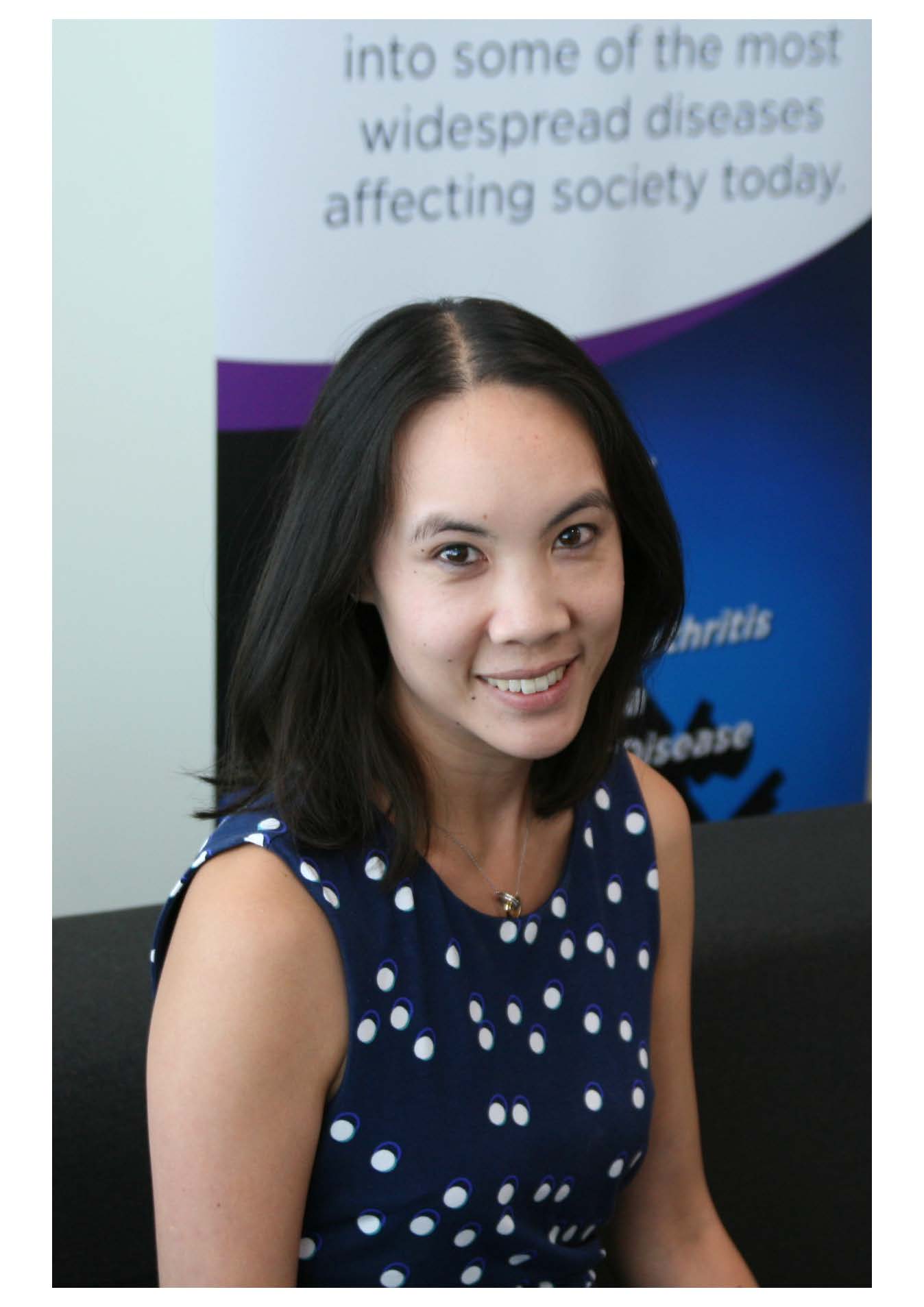
Professor Cindy Ma is a leading researcher at the Garvan Institute of Medical Research , specializing in Medicine & Health . Her work focuses on Primary Immunodeficiencies , Cellular Immunology , and related fields such as Allergy and Autoimmunity . She supervises PhD , Honours , and Medicine Honours students, particularly in areas including Humoral Immunity and CD4+ T cells . With 148 journal articles to her name, her research has significantly advanced understanding of immune system disorders. Contact via email at c.ma@garvan.org.au or learn more through her ORCID profile: https://orcid.org/0000-0001-5387-8413 .
Anja Liekfeld serves as Adjunct Professor of Ophthalmic Optics/Optical Device Technology at Brandenburg University of Technology since 2018 while concurrently holding the position of Chief Physician at Klinikum Ernst von Bergmann's Department of Ophthalmology in Potsdam since 2009. Her dual roles bridge academic research in optical engineering with clinical ophthalmology practice, focusing on technological advancements for eye care delivery. Her educational foundation includes medical studies at Essen and Berlin Universities (1986-1992), state examination (1992), ophthalmology residency at Charité (1994-1997), specialist certification (1997), doctoral degree magna cum laude (1997), and habilitation on capsular bag models for cataract research (2007). Liekfeld's research centers on optical properties of intraocular lenses, clinical applications of medical devices in ophthalmology, refractive surgery techniques (laser and IOLs), cataract surgery technologies, glaucoma diagnostics/therapy, and gerontological ophthalmology. Her work emphasizes translating engineering principles into clinical solutions for complex vision correction challenges. Over 25 years of publications reveal evolving expertise from molecular glaucoma research to advanced IOL development. Recent work focuses on multifocal/toric lenses, dysphotopsia analysis, and visual outcomes measurement, demonstrating consistent innovation at the optics-clinical interface with practical applications for patient care. Her accolades include: DOG/SFO Travel Grant (2000) DGII Best Presentation Award (2008) DOC Gold Medal (2011) Focus Magazine Top Doctor (2013-2021) Stern Magazine Top Doctor (2022) As an educator, she trains surgical assistants, diet technicians, and operating room staff while teaching ophthalmology to visually impaired pedagogy students at Humboldt University. She conducts international wet labs for surgeons and optometrists, serves on editorial boards for Concept and Karger Kompass Ophthalmologie, and reviews for major ophthalmology journals. Active in professional societies including DGII, ESCRS, DOG, BBAG, and BDOC, she chairs Brandenburg's Ophthalmology Examination Board since 2021 and serves on the board of Die Augenchirurginnen e.V. Her research utilizes human capsular bag models for cataract studies and maintains focus on improving optical device performance in clinical settings.
Caitlin Mullarkey is an Associate Professor in the Department of Biochemistry and Biomedical Sciences at McMaster University's Faculty of Health Sciences. She teaches across multiple undergraduate programs including Biochemistry, Biomedicine, and Health Sciences, with courses ranging from Cellular and Molecular Biology to Immunological Principles in Practice and Principles of Virology. Dr. Mullarkey's research focuses on immunology and virology with particular emphasis on influenza virus immunity, antibody-mediated responses, and vaccine development. Her work explores intricate mechanisms of antibody function including Fc-mediated effector functions, neutrophil responses to viral infection, and the role of broadly neutralizing antibodies. She also investigates innovative approaches to biomedical education through virtual laboratory simulations and online course development. Analysis of her publication record reveals a strong focus on influenza immunology, with particular expertise in antibody structure-function relationships, hemagglutinin stalk-specific antibodies, and Fc-mediated immune responses. Her work bridges basic immunological mechanisms with practical vaccine development approaches, demonstrating consistent contributions to understanding host-pathogen interactions and immune protection mechanisms. Scientific Awards: Equality of Opportunity Award from the Government of Ontario (2024) for developing and leading McMaster's Biochemistry and Biomedical Sciences Summer Scholars Program Dr. Mullarkey actively supervises undergraduate research through Senior Research Thesis and Senior Thesis courses, providing mentorship to students across multiple academic years. Her teaching portfolio demonstrates significant commitment to both foundational and advanced topics in biochemistry and immunology. Beyond formal teaching, she leads the Summer Scholars Program which provides full research scholarships to students who identify as Black, Indigenous, and/or 2SLGBTQIA+, addressing barriers to participation in STEM research through comprehensive support for training, mentorship, and living expenses. As Chair of the Biochemistry and Biomedical Sciences Summer Scholars Program, Dr. Mullarkey has graduated 17 diverse scholars in just two years, with many continuing research at McMaster and receiving competitive awards. The program, supported by McMaster's Global Nexus and Michael G. DeGroote Institute for Infectious Disease Research, exemplifies her commitment to creating inclusive research opportunities in biomedical sciences.
Marshall J. Glesby is a Professor at Weill Cornell Medical College, affiliated with both the Department of Medicine and Population Health Sciences. His career spans over three decades, focusing on HIV pathogenesis, aging-related complications, and co-infections. He holds a Ph.D. from Johns Hopkins University School of Hygiene and Public Health (1997), an M.D. from Johns Hopkins University School of Medicine (1989), and a B.Sc. from McGill University (1985). Research Interests: His work integrates HIV, immunology, and public health, emphasizing co-infections, metabolic disorders, and cardiovascular complications. Recent studies explore geriatric syndromes, epigenetic aging, and biomarkers like extracellular vesicles in Long COVID and Alzheimer's disease. He leads clinical trials on Mpox severity scoring and HIV-kidney transplantation. Grants and Collaborations: Dr. Glesby is a key investigator for NIH-funded projects, including PORTENT (NIAID) and STRIVE (NIAID). He contributes to global HIV research networks like INSIGHT and ACTG, with subawards from the National Institute of Child Health & Human Development and NHLBI. External Relationships: He serves as a consultant for UpToDate, Inc., and collaborates with organizations such as the Northeast/Caribbean AIDS Education and Training Centers.
Pilar Pérez Romero is an Associate Professor in the Department of Biological Sciences at the University of Notre Dame, where she leads research on human cytomegalovirus (CMV) and host immune interactions. She has previously held academic positions at the National Centre for Microbiology in Madrid and the Biomedical Institute of Seville, Spain. Her research interests include: Virology and molecular mechanisms of CMV infection Virus-host interactions and immune evasion CMV-specific T-cell and neutralizing antibody responses Immunotherapy and vaccine design for CMV Applications in solid organ transplant recipients and congenital infection Her recent publications show a strong focus on CMV immunopathogenesis, with increasing emphasis on translational applications such as monoclonal antibody therapies, adoptive T-cell transfer, and vaccine development. She frequently employs transcriptomic and proteomic methods and collaborates on clinical studies involving transplant patients. Her scientific contributions include: Characterization of CMV antigens inducing protective immunity Identification of novel viral gene products involved in immune regulation Development of methods for CMV gene deletion and functional studies Contributions to clinical guidelines for CMV management in transplantation Dr. Pérez Romero advises research students and collaborates with multidisciplinary teams, including immunologists, virologists, and clinicians. Her work is supported by institutional and collaborative research funding, with potential applications in antiviral therapies and vaccinology. She leads a research laboratory focused on viral immunology and pathogenesis at Notre Dame.
Professor Udo Oppermann serves as Professor of Molecular Biology and Director of Laboratory Sciences at the Institute of Musculoskeletal Sciences, Botnar Research Centre, University of Oxford. He is also Deputy Director of the Oxford Centre of Translational Myeloma Research and a fellow at St Catherine's College. His educational background includes a Diploma in Human Biology (1990) and PhD in Pharmacology and Toxicology (1994), both earned with distinctions from Philipps University Marburg. Prior academic appointments include Associate Professor at Karolinska Institutet (until 2004) and sabbatical work at Yale University. Research focuses on epigenetic mechanisms in disease through drug and target discovery using systems biology and single-cell approaches . Key disease targets include metabolic disorders, inflammatory conditions, and malignant diseases—particularly multiple myeloma and secondary bone cancers. His group pioneers chemical biology applications in primary tumor microenvironments. Current funding sources include Cancer Research UK, Innovate UK, EPSRC, Royal Society-Newton Fund, Bristol Myers Squibb, Bayer Healthcare, GlaxoSmithKline, Blood Cancer UK, and Leducq Foundation. Notable research trends show increasing emphasis on epigenetic regulation in immune cells (2020-2024), single-cell technologies for myeloma (2022-2024), and translational applications of chromatin modifiers (2016-2019). Recent work integrates metabolomics with epigenetic mechanisms in gynecological and hematological disorders. He supervises doctoral research including Singh K.'s 2024 thesis on sonodynamic therapy mechanisms. Leadership roles encompass directing Oxford's Molecular Laboratory Sciences division and co-leading translational myeloma research initiatives.
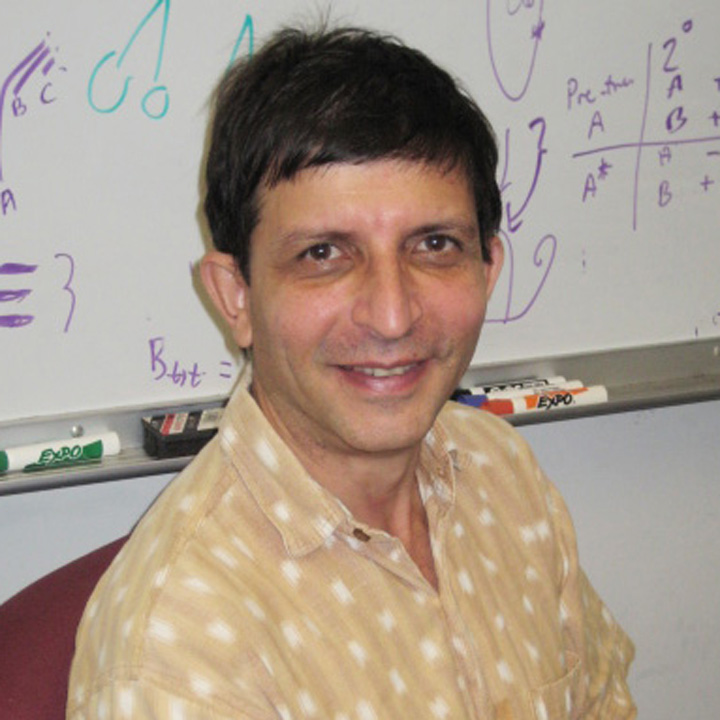
Rustom Antia is the Samuel C. Dobbs Professor in the Department of Biology at Emory University, affiliated with the Emory College of Arts and Sciences. His research focuses on the quantitative analysis of pathogen dynamics, immune responses, and evolutionary biology using mathematical models and experimental collaborations. He leads the Antia Lab (located in Rollins 1164), working closely with experimental immunologists like Dr. Rafi Ahmed at Emory. Education: Ph.D., University of Massachusetts (1990); MSc, Indian Institute of Technology (1983). His research interests include population biology, computational biology, and the evolutionary interactions between pathogens and hosts. He explores how immune memory shapes viral evolution and transmission, with recent emphasis on SARS-CoV-2, influenza, and dengue viruses. Key research themes include modeling immune responses to vaccines, understanding antibody waning and viral escape, and developing transmissible vaccines for disease control. His work integrates experimental data with theoretical frameworks to predict outbreak dynamics and inform public health strategies. Notable collaborations include studies on CD8+ T cell-mediated immunity in respiratory infections, the role of menstrual cycles in immune surveillance, and immune dysfunction in autoimmune diseases like SLE. His lab’s contributions span from basic immunology to translational applications in vaccine design and cancer therapy.
Professor Anita Chong is a distinguished immunologist at the University of Chicago's Pritzker School of Medicine, Department of Surgery-Transplant, where she leads groundbreaking research in transplantation immunology and tolerance mechanisms. Her laboratory has established herself as a leading authority in understanding the complex interplay between the immune system and organ transplantation. Dr. Chong's educational background includes a BS (Hons) from the University of Malaya, Malaysia, a PhD from Australian National University, Australia, and postdoctoral training at Tufts University, Boston, MA, followed by research associate work at the University of Arizona, Tucson, AZ. Her research program focuses on immunological tolerance and humoral immunity following allogeneic transplantation, with particular emphasis on understanding how infections prevent the induction of transplantation tolerance or destabilize established tolerance. Dr. Chong has developed innovative approaches to track defined populations of endogenous allospecific T cells (including CD4+ effectors, CD4+ Tregs, and CD8 effectors) and B cells, examining their behavior under conditions of rejection, memory/sensitization, and tolerance. She actively investigates memory alloreactive B cells in transplantation settings and has expanded her research into vaccination strategies to prevent infections as a means of stabilizing tolerance. Analysis of Dr. Chong's recent publications reveals a strong focus on cellular mechanisms of transplant tolerance and rejection, with particular emphasis on B cell biology, T regulatory cells, and the impact of infections on transplant outcomes. Her work increasingly incorporates multi-omics approaches and examines sex and gender differences in transplant outcomes, reflecting evolving trends in precision medicine within transplantation. Dr. Chong serves as Principal Investigator on multiple significant NIH-funded research projects, including R01AI182097 (Mechanistic studies on pregnancy-induced humoral sensitization in organ transplantation), R01AI148705 (Intrarenal B cells in acute kidney allograft rejection), and R01AI142747 (Deconstructing B cell transplantation tolerance). She has also served as Co-Principal Investigator on numerous collaborative grants. Her laboratory maintains extensive collaborations with Dr. Marisa Alegre studying infections and transplantation tolerance, Dr. Roger Sciammas at UC Davis, clinical transplant faculty at the University of Chicago and Ohio State University, Dr. Chris Montgomery on vaccination research, and Dr. Joel Collier at Duke University developing nanoparticulate adjuvant-free vaccines. These collaborative efforts have positioned her laboratory at the forefront of translational transplantation research with significant implications for clinical practice.
Alexander Clarke is an Associate Professor at the University of Oxford's Kennedy Institute of Rheumatology within the Nuffield Department of Orthopaedics, Rheumatology and Musculoskeletal Sciences, and serves as an Honorary Consultant Rheumatologist at the Nuffield Orthopaedic Centre. His educational background includes medical qualification from UCL in 2001, rheumatology training in London, and a PhD on autophagy in lupus completed in 2013 under Tim Vyse at King's College London. He joined Oxford in 2014 as a postdoctoral fellow with Katja Simon at the Weatherall Institute of Molecular Medicine before establishing his independent research group in 2018. Clarke's research focuses on the intersection of immunology and metabolism, particularly investigating how metabolic pathways regulate immune cell function in autoimmune diseases. His work primarily examines B cell metabolism, autophagy mechanisms, and their roles in conditions like systemic lupus erythematosus. He leads the Clarke Group dedicated to 'Metabolism and Immunity' research. Analysis of his recent publications (2022-2025) reveals a consistent research trajectory centered on immunometabolism, with particular emphasis on germinal center B cells, mitochondrial regulation in lymphocytes, and connections between metabolic pathways and autoimmune pathogenesis. His work bridges fundamental cellular mechanisms with clinical applications in rheumatology. His major scientific recognitions include: Wellcome Trust Clinical Research Training Fellowship Wellcome Trust Clinical Research Career Development Fellowship (2018) Clarke's research program is supported by prestigious Wellcome Trust funding, enabling his group to investigate critical questions at the interface of immunology and metabolism. His work has significant implications for understanding autoimmune disease mechanisms and developing novel therapeutic approaches targeting metabolic pathways in immune cells. The Clarke Group maintains active research programs investigating how metabolic regulation influences immune cell function, with particular focus on B cells in germinal center reactions and their dysregulation in autoimmune conditions.
Lars Frelin is an Associate Professor in Virology at Karolinska Institutet, where he also serves as Programme Director for the Study Programme in Biomedical Laboratory Science and the Master Programme in Diagnostic Cytology. He is the Facility Manager for ANA Futura and a member of the VIVAC (Vaccines and Immunotherapies against Viruses And Cancer) research group led by Matti Sällberg at the Department of Laboratory Medicine, Division of Clinical Microbiology. Dr. Frelin's academic background includes: PhD from Karolinska Institutet (2004) Docent (Associate Professor) in Virology, Karolinska Institutet (2013) His research focuses on vaccine development against infectious diseases, particularly hepatitis viruses. Working with the VIVAC research group, he investigates novel immunotherapeutic approaches to combat viral hepatitis B, C, and D. His work spans from basic virology to translational research, with an emphasis on understanding viral immune evasion strategies and developing therapeutic vaccines that can overcome immune tolerance in chronic infections. Dr. Frelin's scientific contributions span over two decades, with recent work focusing on universal coronavirus vaccines, novel prime-boost strategies for hepatitis viruses, and understanding the immune response to viral infections. His research demonstrates a consistent trajectory toward developing immunotherapies that target viral entry mechanisms and enhance host immune responses against persistent viral infections. Dr. Frelin has secured multiple research grants from the Swedish Research Council, including: "Pathogenesis and immune evasion strategies of hepatitis viruses: New transgenic mouse models and new therapies" (2020-2022) "Pathogenesis and immune evasion strategies of hepatitis viruses: New transgenic mouse models and new therapies" (2017-2019) "Understanding the hepatitis C virus nonstructural 5A protein: A new target for antiviral therapies" (2012-2014) As Programme Director, he oversees academic programs in Biomedical Laboratory Science and Diagnostic Cytology, shaping the education of future laboratory medicine professionals. His leadership extends to serving on the Infrastructure Committee at Karolinska Institutet (2016-2019, 2019-2022) and managing the ANA Futura facility since 2020. Dr. Frelin is an active member of the VIVAC research group, which focuses on developing vaccines and immunotherapies against viruses and cancer. The group employs various approaches including DNA vaccine technology, viral vector systems, and novel delivery methods to enhance immune responses against challenging viral targets.
Alejandro Benjamin Balazs is an Assistant Professor of Medicine at the Ragon Institute of MGH, MIT, and Harvard. His laboratory specializes in synthetic immunology, gene transfer technologies, and immune system engineering to combat HIV and emerging viral threats like SARS-CoV-2. Current research focuses include: Understanding sterilizing immunity mechanisms against HIV. Studying pathogen escape from immunological pressure. Optimizing AAV vector delivery for broadly neutralizing antibodies. Investigating innate immune responses in viral neutralization. His lab has published extensively on: Antibody-mediated prophylaxis against HIV and SARS-CoV-2. Viral evolution and immune escape dynamics. AAV-based gene delivery systems. Humoral immunity in vulnerable populations. Immune signatures in humanized mouse models. Scientific accolades include: NIDA Avenir New Innovator (DP2) Grant (2015) Gilead Sciences Research Scholars Award (2016) MGH Transformative Research Scholars Award (2016) Doctoral students mentored in his lab include: Jackie Brady (Harvard BBS Program, 2015-2020) Allen Lin (Harvard Systems Biology, 2015-2020) Meredith Phelps (Harvard Virology, 2018-2022)