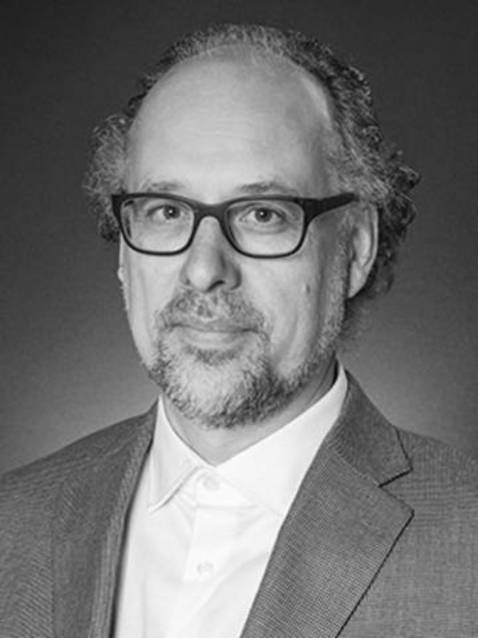
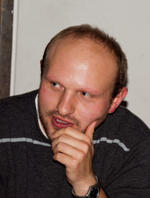
D. Korkmaz Imanov is a Professor and Head of the Fuzzy Economics Department at the Control Systems Institute, National Academy of Sciences of Azerbaijan. His work focuses on fuzzy modeling of socio-economic systems, uncertainty analysis, and sustainable development. He has been actively involved in international collaborations, including the Royal Academy of Economic and Financial Sciences (RACEF) in Spain, and has contributed to interdisciplinary research at the intersection of economics, mathematics, and environmental policy. Key Research Areas: Fuzzy Economics, Socio-Economic Modeling, Sustainable Development, Financial Stability, Oil & Gas Economics. Scientific Awards: Azerbaijan State Prize (1984), N. Fedorenko International Foundation Award (2015). International Recognition: Foreign Member of the Spanish Royal Academy of Sciences; Honorary Member of the European Superior Council of Doctors. His publications reveal expertise in applying fuzzy logic to economic forecasting, environmental budgeting, and post-Soviet economic transitions. He has authored 200+ articles and books, with recent work emphasizing financial stability and resource sustainability.
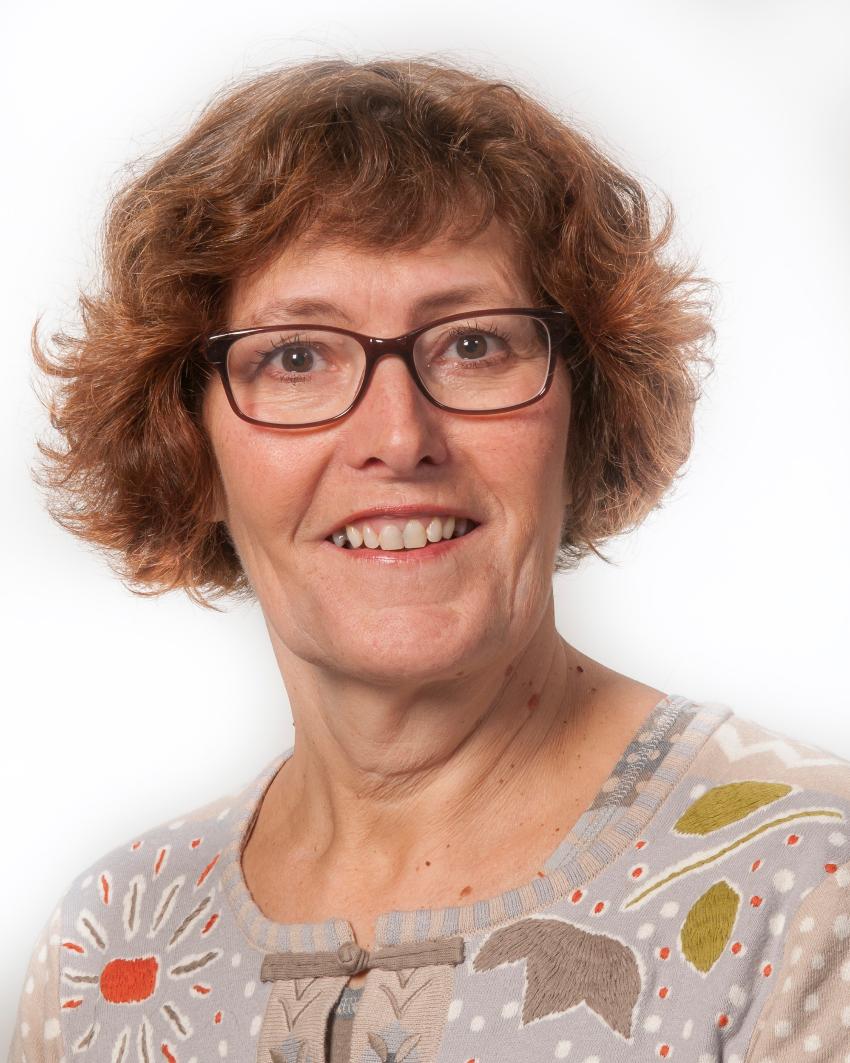
Queralt Prat Pubill is a Researcher at ESADE Business School, part of Ramon Llull University, actively contributing to the Institute for Data-Driven Decisions (D3) and the Corporate Social Responsibility Research Group (GRRSE). Her work bridges business theory and societal impact through empirical investigations into ethical organizational frameworks. Her research centers on corporate social responsibility and business ethics, examining how value systems shape sustainable business practices and organizational resilience. She employs qualitative reasoning and narrative analysis to decode complex socio-economic dynamics, particularly in management education reform and environmental sustainability. Recent work investigates generational environmental attitudes through food waste studies, demonstrating methodological versatility. Publication patterns since 2011 reveal progressive deepening of sustainability themes: from foundational work on value systems (2011) to management education narratives (2016), business school ranking critiques (2020), and contemporary environmental behavior studies (2025). This trajectory shows consistent commitment to redefining business-society relationships through evidence-based scholarship. She secures competitive research funding through AGAUR-supported initiatives, notably the ESADE D3 Institute (2022-2025) exploring data-driven societal solutions and the GRRSE project (2009-2013) establishing CSR frameworks. These grants enable cross-disciplinary collaboration with international scholars on systemic business challenges. As core faculty in ESADE's Institute for Data-Driven Decisions, she co-develops research methodologies integrating computational analysis with humanistic perspectives. Her GRRSE group leadership fosters industry-academia knowledge exchange on ethical business transformation, maintaining Barcelona's position in global CSR discourse.
Kathleen Richardson is Professor of Ethics and Culture of Robots and AI at De Montfort University, affiliated with the School of Computer Science and Informatics and the Centre for Computing and Social Responsibility (CCSR). She is also involved in the Europe-wide DREAM project focused on robot-enhanced therapy for children with autism. Her academic background spans social anthropology, digital culture, and critical technology studies. Educational Background: PhD in Social Anthropology, University of Cambridge (2008) MPhil in Social Anthropology, University of Cambridge (2001) MSc in Development, Planning and Administration, University College London (1999) BA (Hons) in Anthropology and Linguistics, University College London (1998) Her research is grounded in humanistic anthropology and centers on the ontological distinction between persons and machines. She challenges perspectives that decenter human subjectivity (e.g., ANT, cyborg theory) and instead emphasizes power structures, relationality, and ethics. Her work critically examines therapeutic robots for autism and the rise of sex robots, linking them to broader societal issues of objectification, gender inequality, and abolitionist feminism. She founded the Campaign Against Sex Robots in 2015 to advocate for non-coercive, freedom-based technologies. The recent scholarly articles reflect a consistent focus on human-robot boundaries, sociality, and ethical implications across diverse contexts—from autism therapy to digital identity. Themes include the critique of machine personhood, the ethics of robotic intermediaries, and the anthropological study of technological fantasies and design practices. Scientific and Public Engagement: Member, Advisory Board, AI and Society Journal (2015–) Member, Scientific Committee, Machine Ethics and Machine Law (2016) Keynote speaker at Robophilosophy 2016, Trieste Next, and TEDxULB Featured expert on BBC Newsnight, Sky News, CBC, and BBC World Service Contributor to The Independent , Times Higher Education , New Scientist , and The Guardian Richardson has supervised various academic and public seminars and is deeply involved in advising on ethical frameworks for AI and robotics. She has participated in numerous international conferences and public debates on robot ethics, autonomy, and the future of human intimacy. Her work is supported by affiliations with interdisciplinary research groups like CCSR and the DREAM project, where she contributes to shaping ethical guidelines for robotic applications in sensitive domains. She leads initiatives that bridge academic research with public policy and ethical campaigning, particularly through her leadership in the Campaign Against Sex Robots. Her vision promotes a compassionate, non-violent technological future rooted in human dignity and relational ethics.
Dr. Andreas van Cranenburgh is an Assistant Professor of Digital Humanities and Information Sciences at the University of Groningen, Faculty of Arts. His work focuses on computational linguistics, statistical parsing, and computational literary studies, with expertise in information science, language & linguistics, and artificial intelligence. He leads projects on historical text normalization, authorship attribution, and narrative analysis frameworks like the GOLEM Triple Store. His research integrates NLP techniques with literary analysis, addressing topics such as gender bias in literary prizes, coreference resolution in Dutch literature, and psycholinguistic applications in speech disorder detection. He collaborates on corpora like OpenBoek and Dutch Novels 1800-2000, advancing digital humanities infrastructure. Notable contributions include developing Dutchcoref systems for literary text processing, exploring machine learning approaches to literary quality, and advancing graph-based narrative representations. His work bridges computational methods with humanistic inquiry, impacting both academic research and cultural heritage preservation.
Dr. Mark Coté is a Reader in Data and Society at King's College London, affiliated with the Department of Digital Humanities within the Faculty of Arts & Humanities. He specializes in the societal implications of data, AI, and computation, with a focus on ethics, privacy, and cross-disciplinary collaboration. His research leadership includes roles as PI of the UK's national REPHRAIN centre for online harm mitigation and the European SoBigData infrastructure for social data analytics. Coté has secured over £10 million in grants from EPSRC, H2020, and AHRC. He teaches the MA in Big Data Culture and Society, emphasizing critical analysis of AI, machine learning, and data-driven technologies. His work bridges technical and humanistic perspectives, addressing issues like voice assistant ethics, surveillance capitalism, and AI bias. Collaborations include the Open Data Institute, British Library, and institutions in Europe. Coté’s grants and projects reflect a commitment to participatory data governance and societal impact. Research Interests: Sociotechnical systems, AI ethics, data privacy, online harm reduction, computational humanities, and cross-disciplinary methodologies. Projects: REPHRAIN: UK National Research Centre on Privacy & Online Harm SoBigData++: Pan-European Big Data Analytics Infrastructure Secure AI Assistants (SAIS): Understanding AI Ecosystem Risks Publications highlight systematic reviews on voice assistant ethics, critical analyses of mobile SDK monopolies, and frameworks for meaningful consent. His work often critiques surveillance practices and advocates for equitable data governance. Coté is a sought-after speaker, addressing venues like the British Academy and European Parliament on issues of digital ethics and policy.
Prof. Dr. Thomas Hodel is a faculty member at the University of Applied Sciences of the Grisons (FHGR), where he serves as a lecturer at the Institute for Multimedia Production (IMP) within the Department of Applied Future Technologies. He has played a pivotal role in shaping academic programs, notably as one of the initiators of the Multimedia Production program at Bern in collaboration with BFH, and as a member of the MMP steering committee. His academic leadership extended to serving as head of the WGS (Business, Health, Social Sciences) department at BFH. Institution: University of Applied Sciences of the Grisons School: Department of Applied Future Technologies Department: Institute for Multimedia Production (IMP) Academic Rank: Professor Location: Ringstrasse 34, 7000 Chur, Switzerland Contact: Phone: +41 81 286 37 95 Thomas Hodel holds a doctorate in computer science (Dr.rer.inf.) and a licentiate in theology. His educational background combines technical and humanistic disciplines, reflecting a multidisciplinary approach to his work. His research and expertise lie in the domain of multimedia systems and AR/VR/MR in the context of AI , with a specific focus on content visualization and media production technologies. His work bridges applied computer science with creative media applications, contributing to the advancement of digital communication and immersive technologies in educational and industrial contexts. With extensive experience in both academia and industry—having held positions at ETH Zurich, University of Zurich, Free University of Bozen-Bolzano, and BFH—Prof. Hodel possesses deep insight into the higher education landscape. He previously worked in the IT industry in leadership roles such as head of application architecture and head of research and development, bringing practical expertise into his academic contributions. While no scientific awards or publications are listed in the provided text, his influence is evident through program development, academic governance, and cross-institutional collaboration. He has been instrumental in establishing joint bachelor’s programs and advancing media-related curricula. Prof. Hodel has advised and led academic initiatives, particularly in the development of the MMP joint bachelor's program, though no named students are mentioned. He has not received any grants or led specific research projects detailed in this document. He is associated with the Institute for Multimedia Production, which operates within the broader ecosystem of applied future technologies at FHGR, including labs focused on digital media, usability, and innovation in media production.
Helen Egestad is a Lecturer in the Radiography BSc program at UiT The Arctic University of Norway. Her work focuses on radiography practices, patient experiences, and ethical considerations in medical imaging and radiation therapy. Research Interests: Helen’s research spans Patient communication in radiography Quality of life in head and neck cancer patients undergoing radiotherapy Historical evolution of the radiography profession Time management in CT scanning Interdisciplinary education in radiography Ethical and emotional dimensions of radiographer-patient relationships Scientific Awards: Hold Pusten Article Prize for 2023
Emilio Russo is a Professor at the Department of Modern Literature and Culture within the Faculty of Arts and Philosophy at Sapienza University of Rome . He is a leading scholar in Italian literature, with a focus on Renaissance and Baroque studies, textual criticism, and digital humanities initiatives. Email: emilio.russo@uniroma1.it Office Hours: Thursdays 12-2 PM (Studio A, 4th floor) and previously 11-13 AM (Studio A, 3rd floor) Russo's research spans: Italian literary history from origins to late 19th century Digital preservation of autograph manuscripts Torquato Tasso studies and intertextuality Epistolary traditions and critical methodologies Baroque aesthetics in Marino's works Philological approaches to unfinished texts His recent publications (2021-2025) explore digital Renaissance environments, manuscript analysis, and intersections between philosophy and literature. Russo leads the Manuscripts and Author Libraries Online: Torquato Tasso research project, emphasizing digital critical editions and cultural network mapping.
V.V. Vasiliev is a Doctor of Philosophy and Professor at Moscow State University named after M.V. Lomonosov. He participated in the scientific seminar 'Artificial Intelligence in the World of People: Humanistic, Ethical and Legal Aspects of the Development of Digital Technologies' hosted by the HSE Center for Artificial Intelligence and affiliated with the Faculty of Humanities and School of Philosophy and Cultural Studies at the National Research University Higher School of Economics (HSE). His expertise spans artificial intelligence, ethics, and philosophy of technology. In his 2021 report 'Should We Be Afraid of Artificial Intelligence?', he critiqued exaggerated fears of AI, arguing that current systems lack true independence and that human misuse of AI, rather than AI itself, poses the greatest threat. He introduced the concept of the 'Turing metatest'—a phrase-translation challenge to assess AI's linguistic understanding—and emphasized historical parallels, such as Baron von Kempelen's mechanical Turk, to highlight recurring patterns of overestimating AI capabilities. Philosophy of Artificial Intelligence Ethical Implications of AI History of Technological Misconceptions Computational Linguistics Challenges
Caroline Nelson, MD, is an Assistant Professor of Dermatology at Yale School of Medicine. She serves as Director of Inpatient Dermatology and Director of Grand Rounds in the Department of Dermatology. Dr. Nelson treats patients at Yale New Haven Hospital and Yale Medicine Dermatology clinics in New Haven and Branford. MD from Perelman School of Medicine at University of Pennsylvania (2014) Dermatology residency at University of Pennsylvania (2018) Fellowship in complex medical dermatology at Brigham and Women’s Hospital/Dana Farber Cancer Institute (2019) Her clinical and research focus includes severe cutaneous adverse reactions like DRESS syndrome and Stevens-Johnson syndrome, neutrophilic skin disorders (e.g., Sweet syndrome), and paraneoplastic syndromes . She has pioneered molecularly-guided treatments using biologics like dupilumab and developed diagnostic criteria for granulomatous disorders. Recent research trends span genomic analysis of inflammatory skin conditions psychosocial impact of severe dermatoses AI integration in dermatology education health equity in skin disease representation Scientific honors include Castle Connolly Top Doctor (2025) Carla Sparkler Research Scholarship (2024) American Academy of Dermatology Presidential Citation (2023) Oscar Colegio Teaching Award (2022) As an educator, she created a board review book for dermatology residents and serves as a longitudinal coach for Yale medical students. Her work emphasizes preserving humanistic care while adopting technologies like AI.
Martina Venuti is an Associate Professor in the Department of Humanities at Ca' Foscari University of Venice, specializing in Latin Language and Literature (SSD: LATI-01/A). She serves as Department Delegate for Quality Assurance and co-directs the journal "LEXIS - Poetics, Rhetoric and Communication in the Classical Tradition." Education: PhD in Latin Philology (University of Parma, 2009), Laurea in Latin Literature (University of Milan, 2005) Her research focuses on Latin literature, classical philology, and digital humanities, particularly Late Latin lexicography, transmission of classical texts, and intertextuality in Latin poetry from antiquity to humanism. She leads the PRIN 2022 project "LaLaLexiT" (Late Latin Lexicon in Transition) and manages the digital archive "Musisque Deoque" (MQDQ Galaxy). Recent publications highlight her work on Vergilian paratexts, pseudo-Ovidian traditions, etymological interpretations in Late Latin authors, and digital tools for philological analysis. She collaborates with institutions like CNRS (Paris), CNR (Italy), Warburg Institute (London), and Institut de Recherche et d'Histoire des textes (Paris). Editorial roles: Co-editor of "LEXIS," member of "AOQU" editorial board She has contributed to teaching at the University of Milan, Catholic University of the Sacred Heart, and Ca' Foscari, offering courses in Latin Philology, Text Analysis, and Metrics/Translation. Her work bridges traditional philology with computational methods for analyzing Latin texts.
Dr. M. Birna van Riemsdijk is an Associate Professor in Intimate Computing at the Human-Media Interaction group of the University of Twente's Faculty of Electrical Engineering, Mathematics and Computer Science since 2019. Her research focuses on developing intimate technologies that account for human vulnerability in daily life support systems. Education: PhD in Cognitive Agent Programming from Utrecht University (2006); Postdoctoral research at Ludwig Maximilian University of Munich (2006-2008); Assistant Professor at TU Delft (2008). Her work bridges the gap between computing and humanistic values, emphasizing normative considerations in supportive technology design. She has contributed to the fields of autonomous agents, multiagent systems, and digital society research. Scientific Awards: Vidi personal grant Dutch Prize for Research in ICT 2014 Dr. van Riemsdijk has held significant service roles, including membership on the editorial board of the Journal of Autonomous Agents and Multiagent Systems (JAAMAS), as an elected member of the International Foundation for Autonomous Agents and Multiagent Systems (IFAAMAS) board (2012-2018), and on the board of 4TU.NIRICT (2015-2021), which coordinates ICT research across the Netherlands' four technical universities.
Hannah B. Higgins is Professor of Intermedia and Avant-Garde Art and Culture at the University of Illinois Chicago, where she also serves as Founding Director of the IDEAS BA program in the School of Art and Art History. Her scholarly work bridges historical avant-garde movements with contemporary digital art, emphasizing the humanistic value of multi-sensory experiences. Ph.D. in Art History, University of Chicago (1994) M.A. in Art History, University of Chicago (1989) B.A. in Art History, Oberlin College (1988) Research Interests cover a broad spectrum of 20th-century avant-garde art, including Dadaism, Surrealism, Fluxus, Happenings, performance art, food art, and early computer art. Her work explores how intermedial practices and multi-modal sensory experiences challenge traditional art historical frameworks. Article Trends reveal a consistent focus on the intersections between artistic experimentation and technological evolution, tracing the lineage from Fluxus' conceptual works to contemporary digital art practices. Her publications examine how grid structures, computational experiments, and transnational artistic networks have shaped modern visual culture. Scientific Awards & Fellowships UIC University Scholar Award DAAD Fellowship Getty Research Institute Fellowship Philips Collection Fellowship Emily Harvey Foundation Fellowship Professional Contributions include co-editing Mainframe Experimentalism with Douglas Kahn (2012), authoring monographs on Fluxus and grid structures, and serving as a key voice in debates about curatorial practice, sensory culture, and intermedia theory. She maintains strong connections with Fluxus through her role as co-executor of the Estate of Dick Higgins and Something Else Press.
Dr. Bernd Posselt serves as Lecturer at Ludwig Maximilian University of Munich and Research Associate at Monumenta Germaniae Historica since November 2014. His academic work bridges Medieval Latin Philology with digital editorial practices through affiliations including the Munich Centre for Editorial Studies (MüZe) and TextGrid Networked Research Environment. Doctorate (Dr. phil.) from LMU Munich, 2013 State examination for teaching (Latin/German), 2007 Studies at LMU Munich and Venice International University, 2001-2007 International Doctoral College Fellow (Textuality in Pre-Modernism), 2010-2012 His research centers on manual transmission dynamics and digital editorial theory , with primary focus on Martianus Capella gloss traditions and Hartmann Schedel's World Chronicle. Posselt examines how medieval textual appropriation practices inform contemporary digital scholarship, particularly through gloss compilation methodologies and paratext analysis. His work integrates codicology, reception history, and computational approaches to textual criticism. Analysis of his publication record reveals consistent focus on manuscript-print transition phenomena, with increasing emphasis on digital editorial infrastructure since 2014. His research demonstrates evolving methodology from traditional philological analysis (2010 gloss edition) toward integrated digital-humanities frameworks (2016 transmission history studies), reflecting broader disciplinary shifts in textual scholarship. Dr. Posselt actively participates in major research initiatives including the DFG-funded 'Discourse and Community' project (sub-project: Sermons of Bernhard von Waging) and LMUexcellent 'Glossenedition/Editing Glosses'. His grant-supported work focuses on developing networked editorial environments for medieval textual scholarship through the TextGrid platform and Munich Centre for Editorial Studies. He leads the online Martianus Capella gloss resource (http://www.martianus.mueze.lmu.de/) and contributes to exhibition curation at institutions including Bavarian State Library and Freising Cathedral Library. His collaborative work with Monumenta Germaniae Historica establishes him within Germany's premier medieval studies research environment.
Romualdas JUZEFOVIČIUS serves as Associate Professor and Senior Researcher at the Lithuanian Culture Research Institute (LKTI) in Vilnius, where he has worked continuously since 1979 following the reorganization of the Institute of Philosophy and Sociology. He earned his doctorate in humanities from Vilnius University in 1990 with a dissertation on Lithuanian scientific history. His research specializes in 20th-century Lithuanian academic history, with concentrated focus on the socio-cultural dimensions of scholarly life during the interwar period (1918-1940). Key investigations examine institutional frameworks of humanities organizations, profiles of academic elites, and the interplay between national identity formation and intellectual development within Lithuania's university system. Dr. JUZEFOVIČIUS maintains an extensive publication record spanning four decades, including monographs like Lithuanian Academic Elite in 1922-1940 (2019) and Humanities Organizations In Lithuania 1918-1940 (2007). His recent editorial work on Sovijus: Interdisciplinary Studies of Culture demonstrates continued scholarly productivity through thematic volumes exploring cultural theory and historical methodology. He actively contributes to academic communities as editorial board member of Sovijus , member of the Lithuanian Community of Historians and Philosophers of Science, and participant in the Association of the History and Philosophy of Sciences of the Baltic states. His institutional commitment spans LKTI's entire organizational history, reflecting deep integration within Lithuania's cultural research infrastructure.