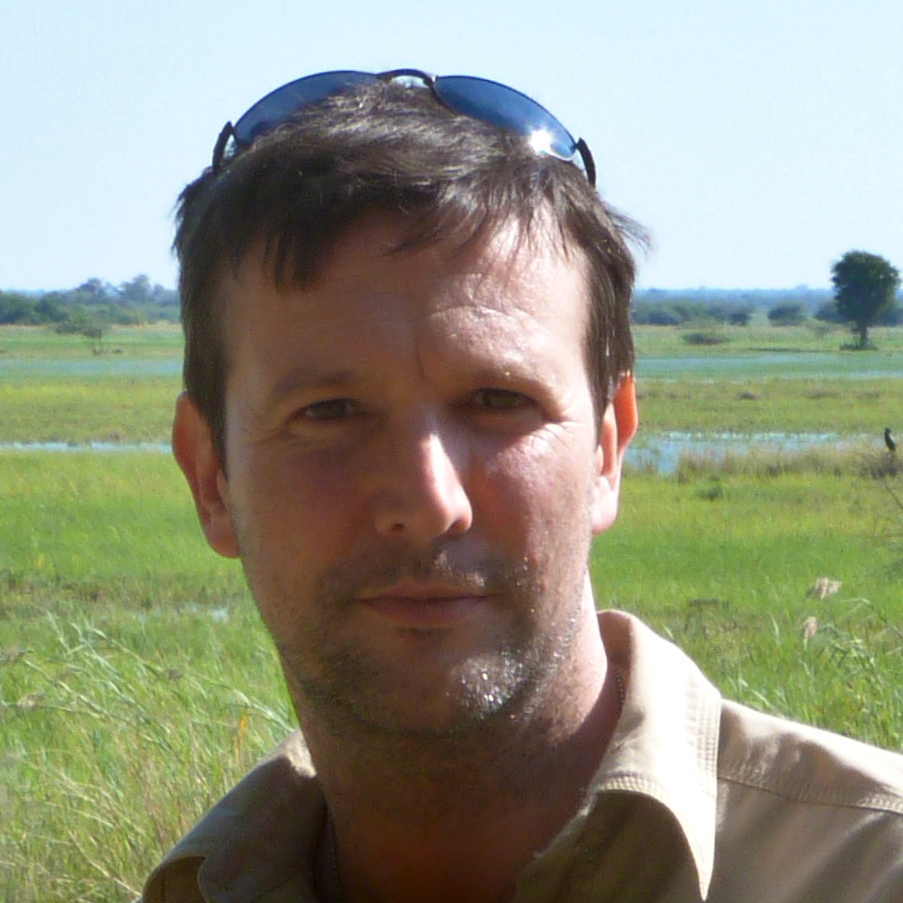
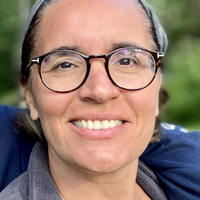
Simon Underdown is a Professor of Biological Anthropology at Oxford Brookes University, affiliated with the School of Social Sciences and the Centre for Environment and Society (CES). He leads the Human Origins and Palaeo-Environments (HOPE) Research Group. His research focuses on human-disease co-evolution, ancient DNA, and hominin evolution, with fieldwork in South America, the Middle East, and southern Africa. He holds multiple fellowships, including from the Royal Society of Biology and Royal Geographical Society. Research interests include Paleopathology, microbiome studies, and Neanderthal adaptation. Notable grants include £45,000 from the Anglo-Omani Society for DNA and Ancient Flora research in Oman (2021–2023) and £14,907 from the Society of Antiquaries for environmental studies (2019–2024). He has supervised six PhD students exploring topics like medieval skeletal health and human migration. Awards include Chartered Science Teacher status and Senior Fellow of the Higher Education Academy. His work appears in journals like Annals of Human Biology and Proceedings of the National Academy of Sciences .
Carmen Azcárraga Monzonís is a distinguished Professor in the Department of International Law "Adolfo Miaja de la Muela" at the University of Valencia, specializing in Private International Law. With a publication record spanning from 2004 to 2025, she has established herself as a leading expert in international family law, immigration law, and gender-related legal issues within the European context. Her research focuses on critical areas including international child abduction, surrogacy regulations, international adoption procedures, gender-based violence against foreign women, nationality law, and the legal challenges of cross-border family relations. Her work demonstrates a strong commitment to examining how Spanish law interacts with international and European Union frameworks, particularly in protecting vulnerable populations such as immigrant women and children. A significant portion of her recent scholarship addresses contemporary challenges including Ukraine refugee protection mechanisms, EU Directive 2024/1385 on violence against women, and evolving immigration policies. Her publications reveal a consistent pattern of analyzing Spanish jurisprudence through the lens of international conventions and EU regulations, particularly the Hague Conventions on child abduction and international adoption. Professor Azcárraga Monzonís has directed two doctoral theses and contributed extensively to collective works, including coordination of significant publications on nationality and immigration law. Her scholarly impact is reflected in 135 citations and an H-index of 6, demonstrating substantial influence in her field of expertise. Her academic leadership extends to collaborative projects examining EU family law regulations, with particular emphasis on practical implementation challenges within the Spanish legal system and its autonomous communities. Her work bridges theoretical legal frameworks with practical judicial applications, making significant contributions to both academic discourse and legal practice.
Dr. Patrick Reis Santos is a Grant-Funded Researcher (B) in the School of Biological Sciences at the University of Adelaide. His research focuses on marine ecology, fisheries conservation, and the impacts of contaminants like microplastics and pharmaceuticals on marine ecosystems. He employs techniques such as otolith chemistry, stable isotopes, and natural tags to study fish population connectivity, seafood provenance, and environmental changes. Dr. Santos collaborates with industry and government agencies to advance sustainable seafood practices and mitigate plastic pollution. His work also addresses emerging contaminants, including their effects on fish biology and human health through seafood consumption. Recent research trends include analyzing microplastic contamination in fish tissues, developing methods to trace seafood origins, and assessing climate-driven shifts in fish populations. His publications highlight interdisciplinary approaches to marine conservation, combining ecology, chemistry, and policy. Dr. Santos is actively engaged in field manuals for microplastic sampling and advocating for standardized monitoring practices to address global marine challenges. He supervises students in Masters and PhD programs, focusing on fisheries management, environmental toxicology, and marine policy. His work contributes to broader initiatives like Australia’s marine conservation strategies and international efforts to combat plastic pollution.
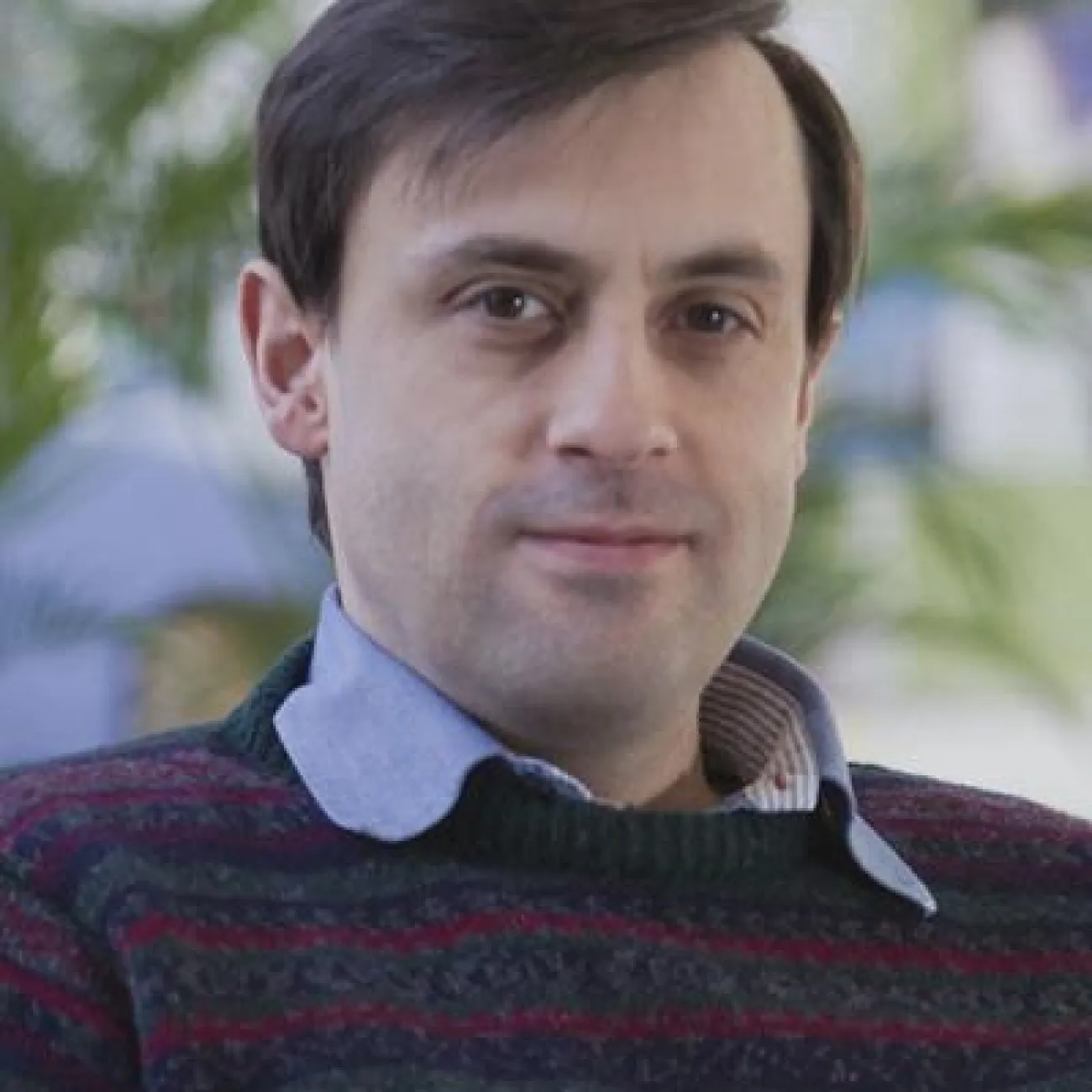
Alan Fernihough is a Senior Lecturer in Economics at Queen's University Belfast's Queen's Business School. He specializes in economic history, particularly Irish economic history, demography, international trade, and applied econometrics. He holds a PhD from University College Dublin. Currently, he serves as Programme Director for the BSc Business Economics and BSc Economics and Accounting programs. His research explores topics such as the impact of railways in post-Famine Ireland, the retreat of the Irish language frontier, and the lessons from historical trade collapses. He has contributed to significant publications on Irish economic history and quantitative methods, including work on the Great Irish Famine and Protestantism's influence on human capital formation. His academic contributions bridge historical data analysis with contemporary policy implications.
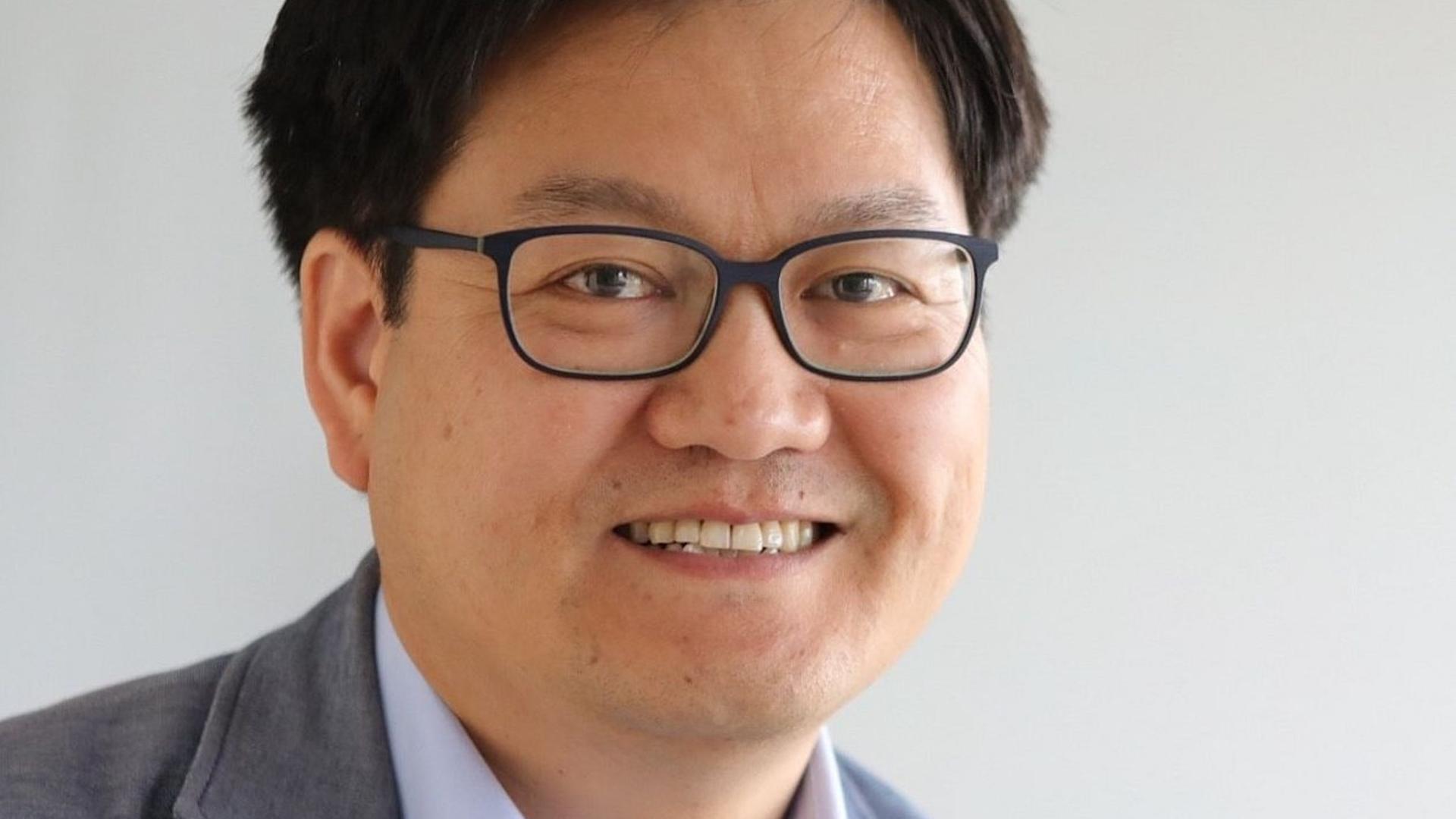
Professor You Jae Lee is a full Professor of Korean Studies at the Eberhard Karls University of Tübingen, where he holds a W3-professorial chair. He is affiliated with the Faculty of Humanities, Institute of Asian and Oriental Studies, Department of Korean Studies. He serves as Managing Director of the Department, Director of the Center for Korean Studies, and Director of the King Sejong Institute Tübingen. His academic leadership and institutional roles underscore his central position in advancing Korean studies in Europe. Dr. phil. in History, University of Erfurt Master of Arts, Freie Universität Berlin Undergraduate studies in History, Korean Studies, Philosophy, and Political Science at Freie Universität Berlin, Humboldt-Universität Berlin, and Seoul National University Professor Lee's research lies at the intersection of modern and contemporary Korean history, postcolonial theory, Cold War dynamics, and transnational migration. His work emphasizes everyday life, diaspora formation, and the cultural history of religion and missions. He has pioneered studies on Korean labor migration to Germany, particularly focusing on miners and nurses, and explores how colonial legacies, religious movements, and Cold War geopolitics have shaped Korean society and its global diaspora. The 15 most recent publications reflect a strong thematic focus on migration, memory, and transnational encounters. His scholarly output spans Korean diaspora in Germany, Cold War solidarity, missionary history, and conceptual history. These articles demonstrate a consistent engagement with oral history, material culture, and identity formation, often bridging Korean and German historical experiences. His work is published in both Korean and German, reflecting his bilingual and binational scholarly perspective. While no formal scientific awards are listed in the provided text, Professor Lee's editorial and research leadership roles—such as directing the AKS Strategic Research Institute and curating major exhibitions—highlight his recognition in the academic community. Professor Lee has supervised numerous research initiatives, edited significant volumes, and led externally funded projects such as the AKS Tübingen Global Korea Project and the TUDOKU-Netzwerk. He has advised collaborative teams and doctoral researchers, though specific student names are not listed. His public engagement includes media appearances, podcasts, and opinion columns, extending the impact of his academic work into public discourse. He leads the AKS Strategic Research Institute and has directed the King Sejong Institute Tübingen since 2012. His team has produced exhibitions like 'Shared. Divided. United. Deutschland-Korea' and research networks such as TUDOKU-Netzwerk, focusing on everyday history in Korean studies. These initiatives reflect a collaborative, interdisciplinary approach to Korean-German historical research.
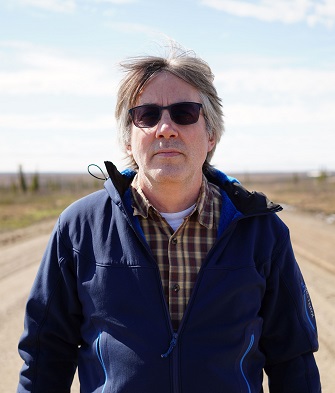
Professor T. Max Friesen is a leading Arctic archaeologist at the University of Toronto's Department of Anthropology , specializing in prehistoric hunter-gatherer societies, zooarchaeology, and climate change impacts on cultural heritage. His research spans 5,000 years of Arctic history, focusing on the Canadian Arctic regions of Nunavut and the Northwest Territories through collaborations with northern communities. Education: PhD in Archaeology from McGill University (1995) Research Interests include: Prehistoric Arctic migrations (Paleo-Inuit, Thule) and their technological adaptations Zooarchaeological analysis of animal bones from sites like Bell and Pembroke Climate change effects on archaeological preservation in permafrost regions Thule-Inuit cultural evolution and subsistence economies Community-based archaeology and heritage conservation His 15 most recent publications (2000-2018) demonstrate expertise in Arctic colonization dynamics, 3D documentation of endangered sites, and interdisciplinary studies of host-pathogen relationships through HBV subgenotype B5 research. Key projects include the Arctic CHAR initiative for climate change mitigation and comparative studies of Dorset vs. Thule hunting technologies. Scientific Contributions: Coined terminology standardization for Arctic archaeological traditions Developed frameworks for understanding Inuvialuit interregional interaction Advanced 3D recording methods for rapidly deteriorating Arctic sites Reconstructed millennial-scale caribou drive system evolution Advising: Actively mentors graduate students in Arctic archaeology with fieldwork opportunities in Nunavut and the Mackenzie Delta. Collaborates with Kitikmeot Heritage Society and international researchers on heritage preservation.
Dr. Serena Hussain is a Senior Research Fellow at the Centre for Trust, Peace and Social Relations, Coventry University. She is a sociologist and human geographer with extensive research experience in multiculturalism, migration, and Muslim communities in Britain and Australia. Her previous roles include Post-Doctoral Research Fellow at the University of Oxford and Principal Scientist at Charles Darwin University. PhD in Sociology and Social Policy, University of Bristol Bachelor's degree, University of Manchester Her research centers on ethnic and internal migration, religious minorities, social cohesion, and census representation of Muslim populations. She investigates how religious and ethnic identities shape integration and societal inclusion, particularly focusing on British Muslims and diasporic communities such as the Pahari-speaking population. Her interdisciplinary work bridges sociology, human geography, and public policy. The recent publications reflect a consistent focus on migration patterns, religious education, and the statistical representation of minority groups. Her work combines quantitative data analysis with sociological theory to explore integration, identity formation, and policy implications for multicultural societies. Dr. Hussain has not received any explicitly mentioned scientific awards in the provided text. She has contributed to significant research projects on multiculturalism and migration but no information is available about student supervision or grant funding. She remains actively engaged in scholarly research through her current position. No specific laboratory or research team is mentioned in the text, though she is affiliated with the Centre for Trust, Peace and Social Relations, which likely hosts collaborative research initiatives on social cohesion and intergroup relations.
Marc-Antoine Berthod is a Professor and Co-dean at the School of Social Work and Health at HES-SO, leading the LaReSS research laboratory. His work focuses on death studies, palliative care, and funeral practices, with a particular interest in anthropology and qualitative research. He has spearheaded projects like Necropolis (2021-2025), exploring contemporary funeral transitions and mourning in old age, and Appreciating Death (2017-2020), an ethnographic study of assisted suicide in Switzerland. Key research interests include: Funeral rituals and ecological cemetery design Psychosocial impacts of death in workplaces Legal and ethical frameworks of assisted suicide Mourning practices during pandemics Cultural dimensions of mortality Grants & Projects: Swiss National Science Foundation (CHF 324,000) for assisted suicide research HES-SO grants for ecological cemetery studies (CHF 67,450) Collaborations with CNRS France, WHO-affiliated institutions, and Swiss palliative care networks Labs/Teams: Director of LaReSS, collaborating with anthropologists, sociologists, and healthcare professionals.
Prof. Oytun MEÇİK is a Professor of Economics at Eskişehir Osmangazi University (ESOGÜ), holding roles in the Department of Economics within the Faculty of Economics and Administrative Sciences. His academic journey includes a PhD from Anadolu University (2014), and he transitioned from Uşak University to ESOGÜ in 2015, becoming a Professor in 2023 after serving as an Associate Professor (2017–2023). His research focuses on labor markets, innovation economics, and social/economic networks, with particular interest in social capital dynamics, education-job mismatches, and digital transformation impacts. He has authored over 160 publications and supervised multiple theses. Academic leadership roles include serving as Deputy Rector, editor of ESOGÜ's journals, and member of the Turkish Economic Association. His recent projects address labor market integration, firm competitiveness, and regional economic development. Education: Bachelor's in Economics, Eskişehir Osmangazi University (2008) Master's in Economics, Uşak University (2010) PhD in Economics, Anadolu University (2014) Research Interests: Labor Market Dynamics Innovation and Technology Economics Social Capital and Network Effects Regional Economic Development Globalization and Trade Integration Macroeconomic Policy Analysis Grants & Projects: Lead researcher on TÜBİTAK 1003 project on firm competitiveness (2017–2019) Global Value Chain Integration study funded by Economic Research Forum (2017–2018) ESOGÜ project enhancing graduate employability through social/human capital (2016–2017) Awards & Recognition: Social Mediator Title (2024) Member of the Turkish Economic Association (2017–present) Administrative Roles: Rector's Advisor (2019–present) Director of Corporate Communication Center (2018–present) Dean of Mahmudiye Atçılık Vocational School (2019–present)
Christos Kasimeris is a Professor of International Relations at the Department of Social and Behavioral Sciences, European University of Cyprus. He has been employed there since 2005, following his PhD in International Relations from the University of Reading (2002). His academic career includes prior appointments at the University of Reading (2002–2005). His research focuses on the intersection of politics, culture, and identity, particularly through the lens of football. He has authored/co-authored influential works on racism in sports, national identity, and European geopolitics. Education: PhD in International Relations (2002), MA International Security (1997), BA Sociology (1996) – all from the University of Reading, UK. Research interests include the socio-political dimensions of football, cultural diplomacy, and the politics of identity. His recent work examines the Belt and Road Initiative's geopolitical implications and the role of football in shaping national narratives. He has participated in major research projects like EC-funded CITERIA (2021–2024) and DARIAH (2008–2010). Editorial roles include serving on the boards of Soccer & Society and European Journal of Futures Research . Grants include leading roles in EU-funded initiatives and Erasmus+ programs. His work bridges academia and public policy, addressing issues like anti-racism in sports and European integration challenges.
William Davies is a Professor of Palaeoanthropology at the University of Southampton and currently serves as Director of Programmes for Archaeology. His research focuses on Neanderthal and early Homo sapiens behavior, mobility patterns, and ecological adaptations. He investigates how climatic frameworks influenced Paleolithic hunter-gatherer societies, particularly regarding resource inequality and technological innovation. Education Background: Career trajectory shows progression from research fellow (2001) to Lecturer (2006), Senior Lecturer (2013), and full Professor (2020). Key Projects: Led the DEPICT project (2013–2016) on Paleolithic ceramic technology and contributed to the RESET consortium (2008–2013) analyzing volcanic ash chronology. Research interests include modeling creativity and innovation in early humans, assessing Paleolithic resource acquisition inequalities, and exploring synthetic materials use. He actively supervises PhD students in archaeology, emphasizing interdisciplinary approaches combining anthropology, ecology, and experimentation. Publications highlight studies on Upper Paleolithic transitions, climatic impacts on human dispersal, and Paleolithic ceramic technology. He received a Public Engagement Prize in 2017 for outreach efforts. Grants & Awards: Leverhulme Trust (DEPICT), British Academy (PALAEOARTEAST Project). Labs/Teams: Centre for the Archaeology of Human Origins (CAHO), collaborating with institutions globally.
Ayelet Shachar is the R.F. Harney Professor and Director of the Ethnic, Immigration and Pluralism Studies Program at the University of Toronto's Munk School of Global Affairs and Public Policy. She holds professorships in Law, Political Science, and Global Affairs. Previously, she was a Scientific Member of the Max Planck Society and Director at their Institute for Religious and Ethnic Diversity. Her research focuses on citizenship, migration, multiculturalism, and global inequality, with notable works like Multicultural Jurisdictions (2001) and The Birthright Lottery (2009), which earned prestigious awards including the APSA Career Achievement Award (2024) and the Leibniz Prize (2019). She also leads The Oxford Handbook of Citizenship (2017) and explores legal frameworks to address migration control and global justice. Education: J.S.D. (Yale, 1997), LL.M. (Yale, 1995), LL.B. & B.A. (Tel Aviv University, 1993). Affiliations: Harvard, Stanford, Princeton, and NYU visiting professorships; Fellow of the Royal Society of Canada; Advisory roles at CIFAR and Max Planck-Cambridge Centre. Her research interests include rethinking borders, migration policies, and gender equality within multicultural frameworks. Recent work The Shifting Border (2020) analyzes modern migration control strategies. Awards include the APSA’s top career honor and Germany’s Leibniz Prize. She advises global institutions like the World Bank and EU research services. Awards & Grants: Gottfried Wilhelm Leibniz Prize (2019), APSA Migration Career Achievement (2024), multiple fellowships (e.g., IAS Princeton, Fulbright). Labs/Teams: Leads the “Transformations of Citizenship” group at Goethe University Frankfurt’s Normative Orders Research Centre. Collaborates internationally via transnational workshops like Lawless Zones, Rightless Subjects (2025).
Rana Özbal is an Associate Professor of Archaeology and History of Art at Koç University. She is affiliated with the Faculty of Archaeology and History of Art and specializes in the archaeology of Anatolia and the Near East, focusing on Neolithization processes, microarchaeology, and cultural interaction. Her research integrates interdisciplinary methods including geochemical analysis, ancient DNA studies, and ceramic technology. Özbal holds a PhD from Northwestern University and a Bachelor’s degree from Bates College. Her research interests center on understanding early complex societies, particularly Neolithic Anatolia’s social, economic, and technological developments. She has led excavations at critical sites like Barcın Höyük and Aşıklı Höyük, advancing knowledge of settlement patterns, domestic architecture, and subsistence strategies. Her work bridges micro-scale analyses (e.g., floor sediments, footprints) with macro-scale perspectives on regional interaction and migration. Key projects include studies on ancient kinship structures through genomic data, the Neolithization of Northwest Anatolia, and the analysis of Ubaid-related settlements. Özbal collaborates internationally, contributing to journals like Current Biology , Scientific Reports , and Journal of Archaeological Science . Her recent publications explore topics such as Neolithic sheep domestication, Y-chromosome studies, and the social implications of prehistoric architectural choices. While no scientific awards are explicitly mentioned, her extensive publications and leadership in major excavations (e.g., Barcın Höyük since 2012) highlight her scholarly impact. She advises students on archaeological fieldwork and lab-based analyses, though specific student names are not listed in the provided texts.
Prof. Alexander Nikolov serves as Professor and Head of the Department of Ancient History, Thracian Studies and Medieval History at Sofia University 'St. Kliment Ohridski's Faculty of History in Bulgaria. His office (room 39) hosts Thursday office hours from 11:00-13:00, with contact via phone (+359) 2 9308 321 or email aleksandur@uni-sofia.bg. His academic credentials include: National College for Ancient Languages and Cultures (1982) MA in History, University of Sofia (1989) MA in Medieval Studies, Central European University, Budapest (1996) PhD in History, University of Sofia (2004) MPhil in Medieval Studies, Central European University, Budapest (2008) Specializing in Vatican Secret Archive research (1990-1991) and Modern Greek/Byzantine Studies (Vienna, 1998), his scholarly work centers on Medieval History with emphasis on Crusades historiography, migration patterns in frontier societies, and proto-national identity formation. His publications critically examine how medieval Balkan ethnic interactions—particularly involving Cumans, Uzes, and Bulgarians—shaped regional integration and cultural memory. Recent publications (2010-2013) reveal three dominant trajectories: reinterpretation of Bulgar ethnogenesis amid post-communist 'parahistory' phenomena, analysis of Crusader-era Christian-Muslim relations through texts like William of Tripoli's treatise, and investigations into how medieval migration patterns influenced Balkan frontier societies. His work consistently bridges Byzantine, Bulgarian, and Western European historical spheres while interrogating modern nationalist appropriations of medieval history. Professional affiliations include: Association of Byzantinologists and Medievalists in Bulgaria Bulgarian Historical Association Mediaevalia: Association for Medieval European and Mediterranean Research His research includes the 'Inter-Cultural Dialogue Bulgaria-Turkey' project (2008-2009). As an educator, he contributes significantly to Bulgarian secondary history curricula through textbooks covering Slavic-Bulgarian history and European civilization, though specific advisee relationships aren't documented. His departmental leadership focuses on integrating Thracian studies with broader medieval Balkan research frameworks.
Maren Möhring is Professor of Comparative Cultural and Social History of Modern Europe (18th-21st century) at the Institute of Cultural Studies, Faculty of Humanities, University of Leipzig, a position she has held since March 2014. Her academic career includes leadership of the 'Wandel des Politischen' research department at the Center for Contemporary Historical Research (ZZF) in Potsdam (2012-2014), a substitute professorship in Modern and Contemporary History at the University of Cologne (2011-2012), and a fellowship at the Freiburg Institute for Advanced Studies (2010-2011). Dr. Möhring studied history, German studies, and pedagogy at Hamburg University and Trinity College Dublin (1990-1998). She completed her doctoral studies at Ludwig Maximilian University of Munich, earning her PhD in 2002 with the dissertation 'Der natürliche Körper in der deutschen Nacktkultur (1890-1930)' under Professor Martin H. Geyer. She received her venia legendi in modern history from the University of Cologne in 2011, with the habilitation thesis 'Fremdes Essen: Die Geschichte der ausländischen Gastronomie in der Bundesrepublik Deutschland'. Professor Möhring's research focuses on the social and cultural history of modern Europe, examining migration history, body and gender history, mass culture history, and the historical role of nutrition and health in modern societies. Her work explores how concepts of belonging, identity, and community have evolved in European contexts through interdisciplinary lenses that integrate cultural studies, gender studies, and postcolonial perspectives. She has developed particular expertise in food studies as a window into broader societal transformations, examining topics from colonial encounters to contemporary migrant gastro-economies. Dr. Möhring serves on numerous prestigious advisory boards including the Scientific Advisory Board of the Department of History at the University of Basel, the Council for Migration, and the Scientific Advisory Board of the Gisela-Eisenreich Research Center. She is a member of the directorate of the Research Centre Global Dynamics (ReCentGlobe) at Leipzig University and serves on the boards of the Leipzig Lab and the Graduate School for Global and Area Studies. Her current research projects include 'Pandemic Space: Quarantine and Responsibilization in Times of Corona' (2022-2025), 'Einheit herstellen: Das Integrationsdispositiv und seine Begriffe in der deutsch-deutschen, britischen und französischen Gesellschaft im langen 20. Jahrhundert' (2020-2024), and the international graduate college 'Belongings: Jewish Material Culture in Twentieth-Century Europe and Beyond' (2024-2029). Her teaching encompasses courses on scarcity and abundance, global health history, migration in modern Europe, and the cultural history of the body, reflecting her commitment to interdisciplinary approaches and contemporary relevance in historical scholarship.