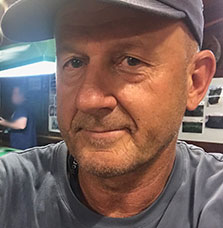
Adjunct Associate Professor Nick Reid is an emeritus academic at the University of New England (UNE), specializing in Australian Aboriginal linguistics and language revitalization. He retired in 2019 but continues research on Daly River languages (NT), including Ngan'gikurunggurr and Ngan'giwumirri. His work bridges descriptive linguistics, ethnomusicology, and environmental science, notably linking Indigenous oral traditions to sea-level chronologies. A pioneer of online education, he co-developed UNE's Master of Applied Linguistics and created multimedia resources like the Phonetics: An Interactive Introduction CD-ROM. Reid holds a BA (Hons) and PhD from ANU, with research interests spanning morphosyntax, nominal classification systems, and Indigenous language maintenance. He collaborates with institutions like the Northern Institute (CDU) and the University of Melbourne on projects blending linguistics with environmental science. Awards include the Carrick Citation (2006) for student learning innovations and UNE's Vice-Chancellor's Award (2000) for teaching excellence. His publications emphasize language documentation, including grammars and curriculum resources for Aboriginal communities. Recent work focuses on collaborative projects with the Ngan’gi Schools Network and coastal inundation studies with Patrick Nunn. He has supervised numerous higher-degree students and remains active in eResearch initiatives, such as digitizing the Ngan’gi language collection.
Dr. Robert G. Brookshire is Professor Emeritus in the Department of Integrated Information Technology at the University of South Carolina's Molinaroli College of Engineering and Computing. He directs the Master of Health Information Technology program and conducts research at the intersection of information systems, statistical modeling, and health technology. Brookshire's research examines applications of neural networks, mobile security, and health informatics. His current work investigates trust frameworks for mobile payment systems and digital patient education tools. Earlier publications explored statistical computing methods and information systems pedagogy. His scholarship has received multiple recognitions including the David and Elaine Spitz Prize (2009) for Political Constitutionalism , Organizational Systems Research Association Best Paper (2006), and Southern Association of Information Systems Best Paper (2005). Brookshire serves as past president of the Organizational Systems Research Association and previously edited the Information Technology, Learning, and Performance Journal (2001-2011). Teaching responsibilities include courses on Database Systems, Mainframe Systems, and Linux Programming. His professional affiliations include the Association for Information Systems and Health Information Management Systems Society.
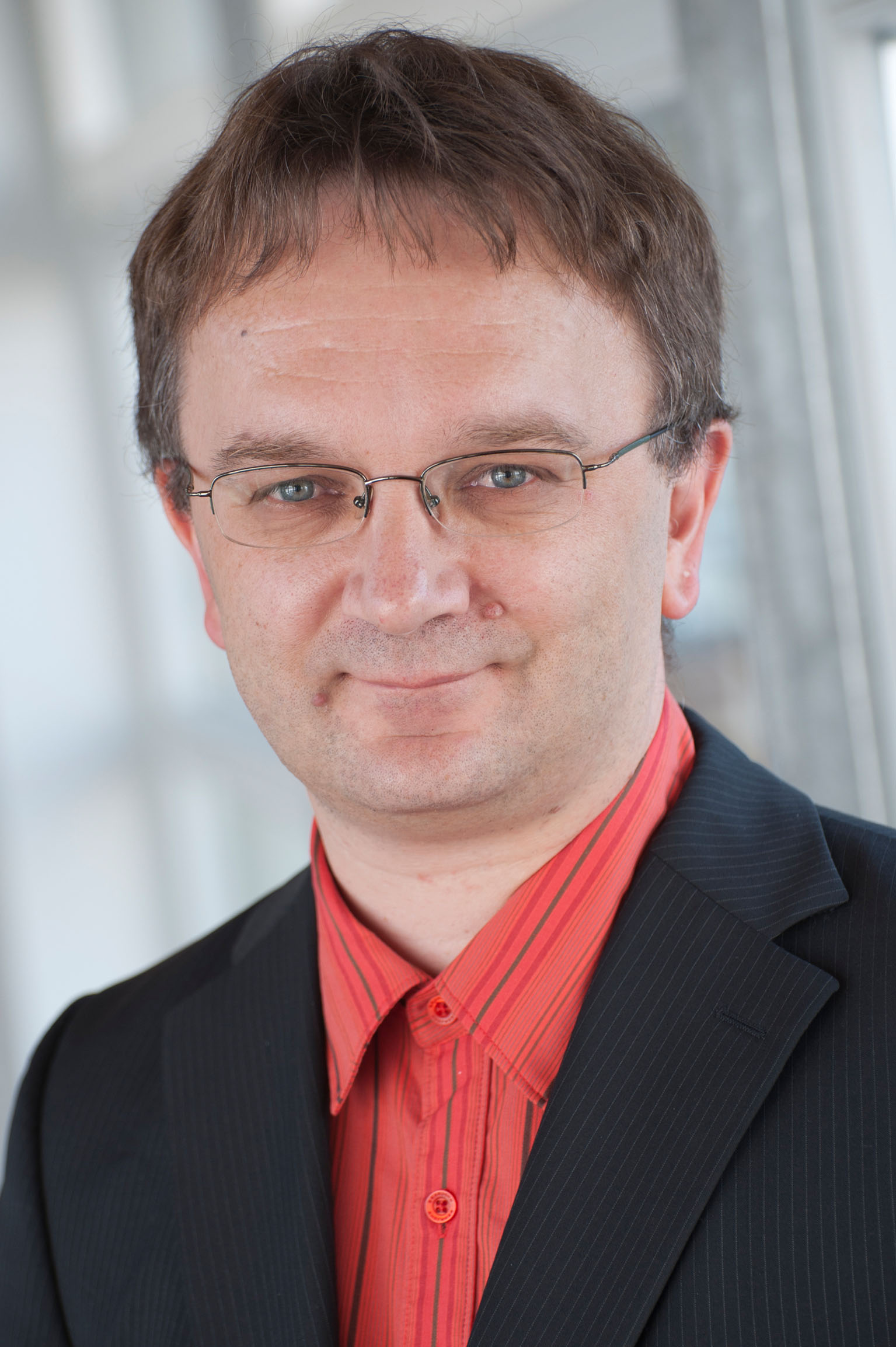
Prof. Manfred Reichert is a full professor at the University of Ulm, serving as Director of the Institute of Databases and Information Systems and Dean of Studies at the Faculty of Engineering and Computer Science. He holds dual expertise in Computer Science and Mathematics, with academic leadership roles including chairing examination boards and strategic research initiatives. His interdisciplinary affiliations include co-opted membership in the Faculty of Mathematics and Economic Sciences. Reichert's research focuses on Business Process Management (BPM), IoT-driven processes, service-oriented architectures, and e-health applications. Notable contributions include co-developing the ADEPT process management system and pioneering object-centric process modeling. He has led over 20 international research projects (EU FP7, DFG, Industry) and authored >200 peer-reviewed papers, earning an h-index of 60+ and prestigious awards like the Merckle Forschungspreis. Education: PhD in Computer Science & Mathematics Diploma Leadership: Former associate professor at University of Twente, former director of CTIT research center Service: Conference chair for BPM, CoopIS, EDOC; steering committee member for GI SIG Databases Recent work explores IoT integration in BPM, generative AI for process models, and neuroscience-informed usability studies. His research bridges technical innovation with human-centric design, addressing challenges in process lifecycle management, federated learning, and mobile health interventions. Awards: IFIP TC2 Manfred Paul Award, doIT Software Award Key Projects: BPMN extensions for IoT, data-driven healthcare solutions
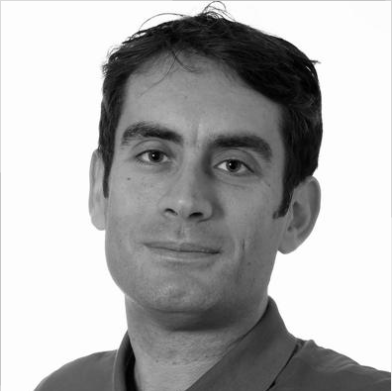
Levi Waldron is a Professor and Department Chairperson in the Department of Epidemiology and Biostatistics at the CUNY Graduate School of Public Health & Health Policy. His research focuses on data science, R/Bioconductor software development, bioinformatics, cancer genomics, and human microbiome analysis. He holds a PhD in Wood Science from the University of Toronto and completed postdoctoral training at the Ontario Cancer Institute, Dana-Farber Cancer Institute, and Harvard School of Public Health. Education: PhD in Wood Science, University of Toronto MSc in Physics, University of Waterloo BSc in Physics, University of British Columbia Research Interests: Dr. Waldron’s work integrates computational methods with biomedical data to address challenges in public health. Key areas include microbiome analysis for disease biomarkers (e.g., colorectal cancer, autism spectrum disorders), development of open-source bioinformatics tools (e.g., CellMapper, AnVILWorkflow), and improving data-sharing infrastructure for genomic research. His recent studies explore longitudinal microbiome changes in cancer immunotherapy and ethical implications of metagenomic data privacy. Grants & Collaborations: As a leader in bioinformatics, he collaborates on projects like the CHASING COVID Cohort study and contributes to initiatives like the NHGRI Genomic Data Science Analysis Lab-space. His lab develops tools for multi-omics integration and cloud-based genomic analysis.
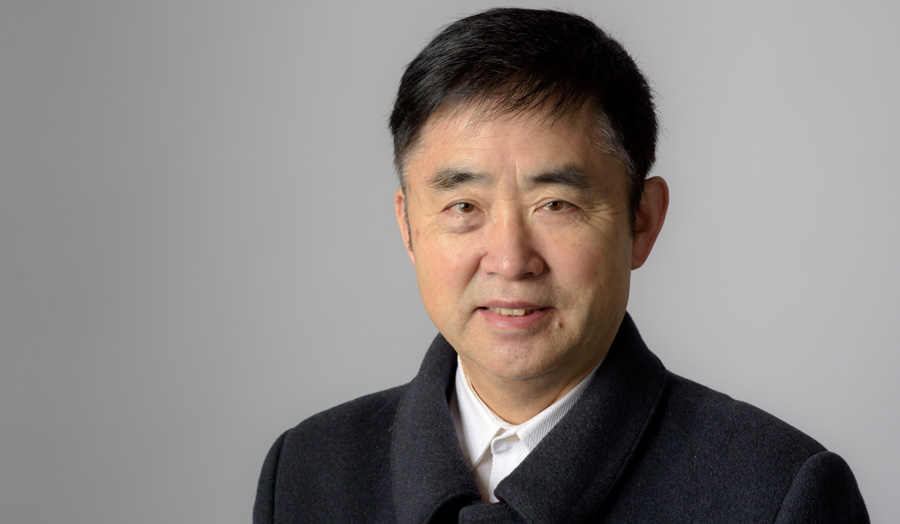
Dr. Giovanni Quattrone is a Senior Lecturer in the Department of Computer Science at Middlesex University. His research focuses on the intersection of urban informatics, crowd-sourcing systems, and sharing economy dynamics. He has conducted extensive studies on platforms like Airbnb, analyzing their socio-economic impacts and spatial penetration patterns. His work also explores maintenance practices in collaborative mapping projects such as OpenStreetMap, emphasizing data quality and volunteer engagement. Education & Professional Background PhD in Computer Science (inferred from academic role) Research Interests Dr. Quattrone investigates urban data analytics, including: Crowd-sourcing methodologies for urban planning Social and economic implications of the sharing economy Machine learning applications for environmental forecasting Data maintenance in collaborative geospatial systems Publications Trends His recent work (2024-2015) demonstrates a sustained focus on: Sharing Economy Analysis : Evaluating Airbnb's impact on urban gentrification and socio-spatial equity Crowd-Mapping Systems : Improving data quality and volunteer retention in humanitarian mapping Deep Learning Applications : Hybrid models for rainfall prediction and urban pattern analysis Collaborations & Grants He collaborates with researchers on interdisciplinary projects involving: E-Government service optimization using multi-agent systems GIS-based urban well-being indices Crime hotspot modeling using mobile phone data Labs/Teams Associated with Middlesex University's Computer Science research groups focusing on: Urban informatics AI-driven spatial analytics
Dr. Peiyuan Pan is a Senior Lecturer in Computer Science at London Metropolitan University, affiliated with the School of Computing and Digital Media. He holds a PhD in Computer-aided Manufacturing Engineering, a postgraduate certificate in Teaching and Learning in Higher Education, and a BSc (Hons) in Computer Science. He specializes in teaching OO programming, web systems development, and e-commerce applications. His research focuses on software system development, AI technologies, embedded systems, e-manufacturing, and supply chain management. Dr. Pan has led several research projects, including a Virtual Surgery system for Java programming education (2010–2011) and an Internet-based supply chain improvement system (1999–2002). He received the Vice Chancellor's Teaching Fellowship Award in 2010–2011. His publications span e-learning methodologies, robotics, and manufacturing automation. He contributes to interdisciplinary work in AI-driven design systems, fuzzy logic protocols, and web-based expert systems. His teaching responsibilities include leading the Computing and Business Information Technology FdSc program. Professional affiliations include the ACM and active participation in international conferences on computing and manufacturing systems.
Prof. Ursula Eicker is the Canada Excellence Research Chair in Smart, Sustainable and Resilient Cities and Communities at Concordia University , leading cutting-edge research in urban energy systems. Her work integrates 3D city modeling, renewable energy systems, and sustainable transport to develop zero-carbon city strategies. PhD in Solid State Physics (Heriot-Watt University) Habilitation in Renewable Energy Systems (Technische Universitat Berlin) Research Interests focus on urban simulation platforms, district energy networks, and climate-resilient infrastructure. The INSEL4Cities platform enables holistic urban modeling for building demands, transportation, and greenery. Her Residential Densification studies demonstrate 65% energy reduction through retrofits and solar integration. Recent publications explore urban solar shading , transactive energy systems , green infrastructure equity , and decentralized hydrogen production . Awards include the German-African Innovation Incentive and recognition for photovoltaic research in Egypt. Over 50 graduate students in her lab examine zero-carbon pathways. Teaches ENCS 691 on urban energy systems. Secured 10M CAD for the CERC chair and multiple grants. Co-Director of Concordia's Next Generation Cities Institute .
Marguerite Koole is an Associate Professor in Educational Technology & Design at the University of Saskatchewan’s College of Education. Her work focuses on mobile learning, makerspaces, and decolonizing educational technology. She holds a PhD in E-Research and Technology-Enhanced Learning from Lancaster University (2013) and an M.Ed. in Distance Education from Athabasca University (2006). Her research emphasizes Indigenous language revitalization, socio-materialism, and post-humanist philosophy. Education: Ph.D., E-Research and Technology-Enhanced Learning, Lancaster University (2013) M.Ed., Distance Education, Athabasca University (2006) Diploma, Multimedia Production, Lethbridge Community College (1999) B.A., Modern Languages, University of Lethbridge (1990) Research Interests: Koole’s work bridges language education, technology design, and equity. Key areas include mobile-assisted language learning (MALL), Indigenous language preservation through digital tools, and critical analysis of EdTech’s colonial underpinnings. She co-leads projects like the nisotak mobile app for Indigenous language learning. Grants & Community Contributions: Lead on CIRA-funded NISOTAK project for Indigenous language apps ($100k+) Mitacs-supported Indigenous language resource database Founder of the Educational Technology Critique (ETC) Studio for pre-service teachers Teaching: Courses include ECUR 990 (Curriculum Research), ETAD 803 (Multimedia Design), and graduate seminars on instructional design. She has supervised over 20 PhD and master’s students focusing on topics like language revitalization, AI ethics, and equity in EdTech.
Steven Demurjian is a Professor at the University of Connecticut with expertise spanning software engineering, cybersecurity, cryptography, privacy, and distributed systems. His research primarily focuses on the intersection of healthcare information systems and security, with particular emphasis on the Fast Healthcare Interoperability Resources (FHIR) standard and various access control models. Dr. Demurjian's research interests include: Healthcare Information Systems and Interoperability Access Control Models (RBAC, MAC, LBAC) Security Engineering for Healthcare Applications Ontology Design and Development Software Engineering Approaches for Secure Systems Mobile Health (mHealth) Applications His recent scholarly work demonstrates a strong focus on applying security frameworks to healthcare data exchange, particularly through the FHIR standard. Dr. Demurjian has published extensively on extending FHIR with security features, developing access control mechanisms for healthcare data, and designing user-centered medication reconciliation applications. His research shows a consistent trajectory of addressing critical security and interoperability challenges in healthcare information systems, with an increasing emphasis on practical implementation frameworks that can be adopted by healthcare organizations. Dr. Demurjian has mentored numerous students and researchers in the fields of software engineering and cybersecurity, though specific names are not provided in the available information. His work has been supported by various research grants focused on healthcare information security and interoperability, though specific grant details are not mentioned in the provided materials.
Professor Valerie O'Donnell is a distinguished academic at Cardiff University's School of Medicine, where she serves as Professor of Biochemistry and Co-Director of the Systems Immunity Research Institute (SIURI), established in 2016 with £4.5M funding. She leads the internationally recognized LIPID MAPS project (www.lipidmaps.org) and Cardiff Lipidomic Facility, positioning her at the forefront of lipidomics research. With over two decades of academic leadership, she previously served as Director of the Division of Infection and Immunity (2017-2020) and Dean of Research for the School of Medicine (2012-2014). Professor O'Donnell earned her Ph.D. in Biochemistry from the University of Bristol (1990-1993) working with Prof. OTG Jones and Dr. PJ England of SmithKline Beecham Pharmaceuticals, following her B.Sc. in Human Nutrition & Dietetics (Hons. 2.1) from University of Dublin, Trinity College, Ireland (1985-1989). Her academic journey includes prestigious fellowships at the University of Alabama at Birmingham and University of Bern, Switzerland, before establishing her career at Cardiff University. Her research focuses on using mass spectrometry to discover and characterize bioactive lipids made by circulating vascular cells that regulate immune defense and blood clotting. Over the past 20 years, her lab discovered large families of enzymatically-oxidized phospholipids (eoxPL) and has worked extensively on their structures, signaling actions in thrombosis and innate immunity. Current research examines the role of bioactive lipids in vascular inflammation including abdominal aortic aneurysm, cardiovascular disease, dementia and wound healing. Analysis of her recent publications reveals a strong emphasis on lipidomics methodology development, clinical applications of lipid research, and the role of specific lipids in disease mechanisms. Her work spans analytical chemistry, cardiovascular biology, immunology, and clinical translation, with particular focus on procoagulant lipids, oxylipins, and specialized pro-resolving mediators. The research demonstrates increasing interdisciplinary collaboration and methodological standardization efforts in the lipidomics field. Professor O'Donnell's scientific achievements have been recognized with numerous prestigious awards: 2023: Honorary Officer of the Order of the British Empire (OBE) for services to biochemical research 2020: Fellow of the Academy of Medical Sciences 2019: Journal of Lipid Research Lectureship Award 2016: Wolfson Research Merit Award, Royal Society 2015: Fellow of the Learned Society of Wales 2013: Fellow of the Royal Society of Biology She currently serves as Principal Investigator for British Heart Foundation and Wellcome Trust funding, while also participating as co-Investigator for Medical Research Council (MRC), EU (Marie Curie ITN), and Welsh Government projects. Her panel memberships include Population Systems Medicine Board (MRC) and Biomedical Resources Committee (Wellcome Trust). With a Google Scholar H-index of 52, she has been included in UK national research assessments RAE2002, RAE2008, and REF2014. Professor O'Donnell leads the Systems Immunity Research Institute, a strategic research institute at Cardiff University, and directs the Cardiff Lipidomic Facility as part of the LIPID MAPS consortium. Her laboratory continues to make significant contributions to understanding how bioactive lipids regulate vascular inflammation and coagulation, with recent work focusing on the role of specific phospholipids in conditions ranging from cardiovascular disease to SARS-CoV-2 infection. In 2024, LIPID MAPS became an ELIXIR Core Data Resource and a member of the Global Biodata Coalition, with an MRC Partnership Grant commencing funding.
Dr. Balakrishnan Prabhakaran is a Professor of Computer Science at the Erik Jonsson School of Engineering and Computer Science, University of Texas at Dallas. He specializes in multimedia systems, focusing on areas like video and healthcare data analytics, 3D video streaming, wireless network QoS, and collaborative virtual environments. His work integrates technical innovation with healthcare applications, including telemedicine and rehabilitation systems. Education: PhD (Computer Science & Engineering) from Indian Institute of Technology, Chennai (1995); MSc (CSE) from IIT Chennai (1990); BEng (Electronics & Communication) from Madurai-Kamaraj University (1986). Research Interests: Current projects include intelligent medical imaging platforms (e.g., IntelliCardiac), mixed reality systems for pain management (MR.MAPP), and robotic grasp synthesis. Past work involved multimedia databases, web-based presentation servers, and QoS in ad-hoc networks. Notable Achievements: Recipient of NSF CAREER Award (2003), 2007 School of Engineering Service Award, and recognition as an ACM Distinguished Scientist. He chairs the PhD Studies program at UT Dallas and has led numerous academic initiatives including graduate admissions committees. Teaching: Courses span multimedia systems, advanced operating systems, and animation programming. He has taught at institutions including National University of Singapore and University of Maryland. Labs/Teams: Active in developing immersive healthcare technologies through projects like H-TIME (haptic tele-examination) and VirTePeX (virtual tele-physical exam systems). Collaborates on cloud-based body sensor networks (BSNCloud) and mixed reality frameworks (ScanToVR).
Dr. Alexandros Labrinidis is a Professor at the University of Pittsburgh's Department of Computer Science and co-director of the Advanced Data Management Technologies Laboratory (ADMT Lab). He holds an adjunct professorship at Carnegie Mellon University. His research focuses on user-centric data management, scalable systems, and data-intensive computing with over 70 peer-reviewed publications. He has led NSF-funded projects like PittSmartLiving and contributed to big data challenges through initiatives like the TDI Framework. Education: Ph.D. in Computer Science (University of Maryland, 2002), BSc/MSc from University of Crete Research interests include big data, scientific data management, and quality of service optimization. Notable awards include the NSF CAREER Award (2008) and IEEE Distinguished Contributor (2022). Awards: NSF CAREER (2008), IEEE CS Distinguished Contributor (2022) Advising and grants highlight his leadership in data management systems, including roles as PI on NSF projects and editorial board memberships at VLDB and P&DDB journals. The ADMT Lab focuses on urban informatics and smart city technologies, with recent work on public transit systems and resource allocation during crises. Labs/Teams: Co-director of ADMT Lab at Pitt, collaborating on projects like PittSmartLiving to optimize transportation behavior through data-driven insights.
Professor Dominique Vaufreydaz holds a position in Computer Science at Grenoble Alpes University and leads the Multimodal Perception and Sociable Interaction (M-PSI) team at the LIG laboratory. His academic career includes roles as Associate Professor (2005–2023) and Head of the M-PSI team. He specializes in multimodal perception, affective computing, and sociable human-robot interaction, with projects like ARAS dataset and TokenCut object discovery. Education details are not explicitly provided, but his research spans robotics, autonomous systems, and healthcare technologies. He has published extensively in top-tier conferences (CVPR, ICMI) and journals (ACM Transactions, IEEE TPAMI). Over 30 PhD students have been supervised, with current advisees exploring activity recognition, head motion generation, and emotion analysis. Teaching roles include 300+ hours annually across computer science courses (C++, databases, mobile programming) and numerical literacy for non-specialists. He co-leads the MOSIG Master's GVR specialty and manages transversal courses at the Grenoble Faculty of Economics. His labs, notably M-PSI, focus on smart spaces, ambient assisted living, and ethical teaching analytics. Notable collaborations include EU projects (FAME, CHIL) and industry partnerships like Orange Labs. His work bridges cognitive science and machine learning, with applications in healthcare and urban autonomous systems.
Darlene Barker serves as Assistant Professor and Coordinator of Computer Science Programs in the Department of Computer Science at Rivier University. Her research bridges virtual reality, computer science, and emotion recognition to develop systems enhancing human communication across physical distances, with significant applications in video game development and human-computer interaction. Her academic credentials include: Ph.D. in Computer Science from University of Massachusetts Lowell (Dissertation: "Creation of Thelxinoë: Emotions and Touch in Virtual Reality") M.S. in Computer Science from University of Massachusetts Lowell (Thesis: "An Eulerian Path Approach to Next-Generation DNA Sequencing with Pre-Sorted Reads") B.S. in Computer Science from Rivier University Dr. Barker's research spans Emotion Recognition, Machine Learning, Deep Learning, Speech and Natural Language Processing, Virtual Reality, Entrepreneurship, Computer Graphics, and Video Game Design. She pioneers frameworks like Thelxinoë for multimodal emotion detection using pupillometry, facial analysis, and touch processing within immersive environments. Her work uniquely integrates physiological sensing with machine learning to address real-world communication challenges. Analysis of her 2021-2025 publications reveals a clear trajectory: evolving from foundational VR emotion studies (2021) toward sophisticated multimodal frameworks combining gradient boosting, CNN-LSTM networks, and ethical considerations (2025). Her research consistently bridges academic theory with industry applications, particularly in gaming, while addressing emerging challenges in biometric privacy and model interpretability. Her scientific recognition includes: Second Best Paper Certificate at IEEE International Conference on Advanced Systems and Emergent Technologies (ICASET), 2023 Dr. Barker teaches core computer science courses including Algorithms, Database Management Systems, Deep Learning, Data Mining, and Computer Networks. She actively disseminates research through tutorials at premier conferences (IEEE VR, ISMAR) and leads developing frameworks such as Thelxinoë and Harmonia, which form the foundation of her lab's work on affective computing in virtual environments.
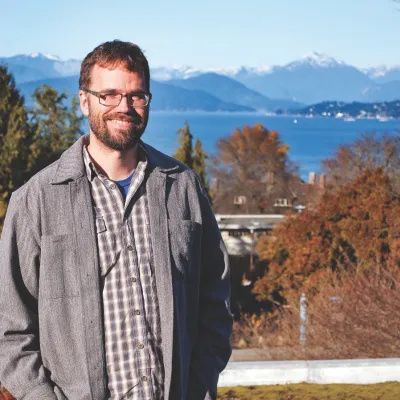
Dr. Chris Harley is a Professor in the Department of Zoology at the University of British Columbia's Faculty of Science. His research focuses on climate change impacts on rocky intertidal ecosystems, particularly how climatic factors (temperature, CO₂, pH) and biological interactions (predation, facilitation) shape ecological patterns. He leads studies on species distribution limits, ocean acidification effects, and the consequences of extreme thermal events like the 2021 Pacific Northwest heatwave. Harley's work integrates field experiments, oceanographic data, and community ecology principles. He collaborates with the Biodiversity Research Centre and emphasizes interdisciplinary approaches to address environmental change challenges. Though no formal awards are listed, his contributions to marine climate change research are widely recognized in ecological circles. Recent studies highlight his focus on temperature-driven shifts in species interactions, the role of salinity in structuring intertidal communities, and the cascading effects of environmental stressors on ecosystem resilience. His publications often bridge ecological theory with applied conservation science, informing marine management strategies.