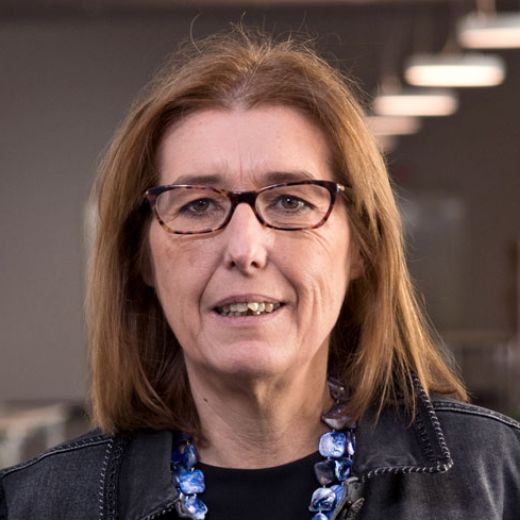
Antonella De Angeli is a full professor of Human-Computer Interaction at the Free University of Bozen-Bolzano's Faculty of Engineering. She holds a PhD in Experimental Psychology from the University of Trieste, followed by post-doctoral research and industrial experience at NCR Ltd. Her academic career includes roles at the University of Manchester, University of Trento (as Associate Professor), and the University of Lincoln (as Professor). She leads research in Human-Computer Interaction with a focus on participatory design, social innovation, and technology's role in civic engagement. Her research emphasizes human-centric design principles rooted in Renaissance educational ideals, advocating for technology as a tool for democratic activism. Notable projects include the H2020-funded PieNews and Acanto initiatives, as well as collaborations with cultural institutions like Teatro Stabile Bolzano. She teaches courses in HCI, user research, and scientific communication at undergraduate and graduate levels. Dr. De Angeli's work spans interdisciplinary areas including AI ethics, aging technologies, and creative collaborations with generative AI. She actively bridges academic research with societal impact through projects addressing stereotypes, digital literacy, and participatory urban design. Her recent publications explore robot abuse, emotion-aware interfaces, and algorithmic critique through a steampunk lens.
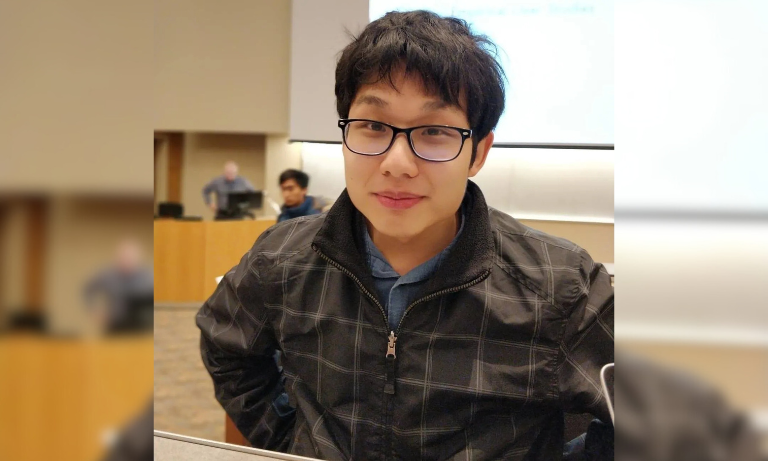
Mert Albaba is a joint PhD student at ETH Zurich and the Max Planck Institute for Intelligent Systems (Tübingen), advised by Prof. Andreas Krause, Prof. Otmar Hilliges, and Prof. Michael Black. His research focuses on deep reinforcement learning, computer vision, and language models to model human behavior through generative approaches. He explores integrating vision-language models into imitation learning pipelines to enhance their generative capabilities. Affiliations: Max Planck Institute for Intelligent Systems (Primary), ETH Zurich Advisors: Andreas Krause, Otmar Hilliges, Michael Black Research Interests: Reinforcement learning and game theory for human behavior modeling Generative models for behavior representation Imitation learning with vision-language integration Key Projects: Development of frameworks like GT-DQN (RL + game theory) and SyNet (object detection for UAVs). Active contributor in repositories related to reinforcement learning, vision, and generative models on GitHub.
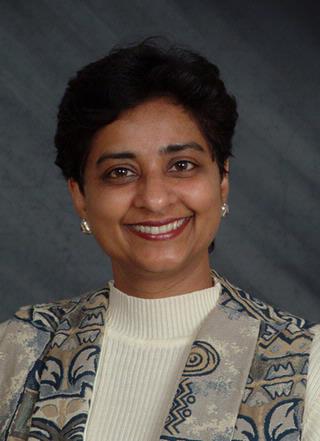
Aqueasha Martin-Hammond is an Associate Professor in the Human-Centered Computing Department at Indiana University-Indianapolis (IUI), part of the School of Informatics and Computing. Her research focuses on designing intelligent user interfaces to support older adults' health and wellness, emphasizing persuasive technology, health informatics, and technology adoption barriers. She holds a Ph.D. in Computer Science (HCI focus) from Clemson University, with prior degrees from Tougaloo College and the University of Alabama, Birmingham. Her work is funded by NSF, NIH, and Google, including a 2022 NSF CAREER Award and a 2020 Google Inclusion Award. Notable research contributions include studies on voice assistant privacy perceptions, health persuasive tools, and participatory design of health technologies. She advises multiple students, including undergraduate researchers and lab members like Pegah Karimi and Karen Bonilla, and collaborates with industry partners on senior-focused health interventions. Education: Ph.D. in Computer Science (HCI), Clemson University (2014) M.S. in Computer Science, University of Alabama, Birmingham B.S. in Computer Science (Mathematics emphasis), Tougaloo College Key Awards: NSF CAREER Award (2022) Google Award for Inclusion (2020) Best Poster Award at ACM GROUP 2020 Her research bridges aging, health, and technology, with recent work addressing privacy concerns in voice assistants and designing hybrid games (e.g., Team Bingo) to improve senior social interaction and physical activity. She leads interdisciplinary teams and mentors students through programs like IN-LSAMP, fostering diversity in computing.
Ignacio Avellino is a tenured Research Fellow (Chargé de Recherche) at CNRS, working in the Institute of Intelligent Systems and Robotics (ISIR) at Sorbonne-Université. His research focuses on Human-Computer Interaction (HCI) in healthcare, particularly surgical telementoring, remote collaboration (CSCW), and robotics. He holds a PhD from Paris-Saclay University (2017) under Michel Beaudouin-Lafon and conducted postdoctoral research at ISIR and UMBC. Education: PhD in HCI, Paris-Saclay University (2017) Postdoctoral Fellowships: ISIR (France) and UMBC (USA) Research Interests: His work bridges HCI with medical applications, emphasizing interaction design in surgical settings. Key areas include telementoring systems, telepresence tools for collaborative work, and robotic surgery interfaces. He explores challenges like gaze interpretation in hub-satellite collaboration and surgical video summarization for postoperative debriefing. Grants & Recognition: ISI Grant from IUIS (2020) Best Paper Honorable Mention at ACM CHI 2023 CHI Steering Committee member (Early Career Researcher) Advising & Grants: Supervises PhD/MSc students (e.g., Anastasiya Zakreuskaya, Nour Karoui) and manages grants like the IUIS-funded telementoring project. Collaborates on surgical cockpit systems to keep surgeons physically present during operations. Labs & Teams: Leads ISIR's healthcare systems group, focusing on surgical robotics and AR/VR applications. Active in collaborative projects like the Surgical Cockpit and Comanipulation for robotic tools.
Silas Hsu is an Assistant Professor in the Department of Computer Science at California Polytechnic State University (Cal Poly), affiliated with The Noyce School of Applied Computing. His research focuses on human-computer interaction, particularly improving user control over social media algorithms and advocating for equitable design practices. He emphasizes ethical considerations in technology, ensuring interfaces are accessible to diverse populations, including the visually impaired and culturally varied users. Professor Hsu’s work bridges theoretical and applied research, developing tools like the WashU Epigenome Browser and CNAViz for genomic data visualization. He teaches courses that encourage students to engage with non-student populations to foster inclusive design. His academic contributions span both HCI and bioinformatics, reflecting a commitment to impactful interdisciplinary solutions. In advising and pedagogy, he emphasizes hands-on learning and problem-solving through collaboration. He supports Cal Poly’s DEI initiatives by integrating inclusive design principles into his teaching and research. Despite no explicit mention of grants, his projects suggest active engagement in funded research. His hobbies include classical piano, rock climbing, and video games, reflecting a balanced approach to work and personal interests.
Lisa Anthony is a Professor affiliated with the University of Florida, specializing in Human-Computer Interaction (HCI) with a strong focus on gesture recognition, touchscreen interfaces, and child-computer interaction. Her research emphasizes the design of user-centered technologies for diverse populations, including children, older adults, and individuals with disabilities. Key contributions include studies on children's touchscreen interaction patterns, multimodal authentication systems, and mHealth applications for behavior change. Her work spans over two decades, with publications in top-tier venues such as CHI, ICMI, and IEEE Transactions. Notable projects include the MTAGIC initiative exploring child motion characteristics, the design of MyTrack+ for weight management, and studies on spherical interfaces. She collaborates extensively with researchers in computer science, education, and healthcare to address real-world challenges in technology accessibility and usability. Lisa's research has implications for improving educational tools, healthcare apps, and collaborative learning environments. While no grants or awards are explicitly listed, her prolific publication record underscores her sustained contributions to HCI and related fields.
Michael Koch is a Professor of Human-Computer Interaction (HCI) at the University of Bundeswehr Munich in Germany. He holds a doctorate (PhD) and Habilitation in Informatics from TU München. His research focuses on collaboration technologies, socio-technical systems design, and integrating user interface innovations for team and community support. He leads the Cooperation Systems Center Munich (CSCM) and chairs the HCI Special Interest Group in the German Computing Society (GI). He has held industry roles at Xerox Research Centre Europe and academic positions at TU München, University of Dortmund, and University of Bremen. Education: PhD in Informatics, TU München (1997) Habilitation in Informatics, TU München (2003) Research Interests: Designing usable systems for work and leisure contexts Computer-Supported Cooperative Work (CSCW) Socio-technical system integration for team collaboration Human-Computer Interaction innovations Professional Roles: Fellow of the German Computing Society (GI) Member of ACM SIGCHI Chapter and EUSSET boards Editorial roles in i-com Journal and Lecture Notes in Informatics Advising & Collaboration: Guided over 10 PhD/Master’s students Active in European cyber defense research through Forschungszentrum Cyper Operations His research bridges technical innovations with human-centric design principles, emphasizing real-world applicability in enterprise and community settings.
Associate Professor George Caridakis holds a faculty position at the Department of Cultural Technology and Communication, University of the Aegean, where he founded the Intelligent Interaction Research Group (ii.aegean.gr). He also serves as an Adjunct Professor at Athena Research Center (Athena RC) and a Senior Researcher at the National Technical University of Athens' Intelligent Systems, Content and Interaction Laboratory. His research spans Cultural Informatics, AI-driven Interaction, IoT, Mixed Reality, and Semantic Web technologies, with over 75 publications and an h-index of 20. Caridakis has led or contributed to over 20 European/National projects, focusing on cultural heritage preservation, digital twin technologies, and AI applications in education and tourism. He actively supervises graduate theses and teaches at both undergraduate and postgraduate levels. His work emphasizes participatory methods, context-aware systems, and cross-disciplinary collaboration in cultural spaces. Education details are not explicitly provided in the text, but his academic trajectory is evident through his roles and projects. Research interests include affective computing, embodied interaction, and heritage digitization. His methodologies often integrate semantic technologies and IoT to solve challenges in cultural preservation and visitor experience optimization. Recent work explores large language models (LLMs) for museum recommendations and robotics in education. Publications reflect a strong focus on cultural heritage management (e.g., digital twins, crowdsourcing, AR), user-centric design (recommender systems, sentiment analysis), and smart systems (IoT in heritage spaces). His projects like CAnTi and CHEKG demonstrate innovation in collaborative methodologies and modular knowledge graphs. Caridakis has served as a journal/conference reviewer and evaluator for funding bodies, contributing to the advancement of interdisciplinary research standards. He leads the OpenLab for Cultural Heritage Conservation, integrating VR/AR for site preservation. Collaborations span academia and industry, emphasizing applied research with practical societal impact. Current initiatives include advancing accessibility through regional digital infrastructures and enhancing citizen engagement via participatory frameworks.
Samuel Dieter Zühlke is a researcher affiliated with the Digital Media Lab at Hagenberg University of Applied Sciences. His work focuses on AI-based systems, textile engineering, and interactive technologies, particularly in sustainable fashion and sensor layout optimization. Key Collaborations: Projects involve partnerships with institutions in Austria, Germany, and beyond. Research Themes: Includes self-repairing web scraping architectures, textile-integrated sensors, and digital traceability frameworks for sustainable fashion. Methodologies: Leverages Large Language Models (LLMs), sensor design, and data pipeline maintenance techniques.
Jérémie Garcia is an Assistant Professor in the Interactive Informatics Team at the French Civil Aviation University (ENAC) in Toulouse, France. His academic career spans research positions at Goldsmiths University, Paris-Sud University, and IRCAM, with a consistent focus on Human-Computer Interaction applied to specialized domains including music technology and aviation systems. Garcia completed his Ph.D. at the in|situ| team at LRI and in the Music Representation group at IRCAM, followed by postdoctoral positions at Goldsmiths University and IRCAM. His educational background bridges computer science and music technology, providing a unique interdisciplinary foundation for his research. Dr. Garcia's research focuses on developing innovative interaction techniques that enable users to express, develop, and evaluate ideas effectively and creatively. He employs participatory design methodologies and explores the potential of augmented reality, visual programming, auditory feedback, and interactive paper technologies. His work has evolved from music composition interfaces to drone control systems and aviation safety applications, demonstrating a consistent thread of applying HCI principles to domain-specific challenges. Garcia has made significant contributions to accessible drone interfaces through projects like CandyFly and HandiFly, which address the needs of pilots with visual impairments. His recent publications reveal a strong focus on aviation safety, particularly in drone operations and pilot assistance systems. Garcia has pioneered work in augmented reality displays for drone inspections (SafeSpect), tactile feedback systems for pilots (Tactilient), and tools for improving mission planning safety. His research increasingly addresses accessibility challenges, with several publications focusing on making drone technology usable for people with disabilities. The interdisciplinary nature of his work bridges computer science, human factors engineering, and aviation safety, with a clear trajectory from music technology applications to practical aviation solutions. Dr. Garcia teaches Human-Computer Interaction, design techniques, and programming courses for undergraduate and graduate students at ENAC since 2016, including Interactive Web Programming, Creativity Bootcamp, JAVA-FX, Interaction Design, and Python programming. Previously, he taught at Goldsmiths University (2015-2016) and Paris-Sud University (2011, 2015), covering subjects from introductory programming to advanced HCI design. He actively develops research software tools including Dronible (operating drones with tangible objects), Trajectoires (mobile/web app for sound spatialization control), and MetaOSC (Bluetooth to OSC bridge). Garcia participates in numerous research projects related to drone interaction and aviation interfaces, with recent work focusing on safety-critical applications such as SafeSpect and FOCUS. His GitHub profile shows ongoing collaboration with students and colleagues on interactive systems development, demonstrating his commitment to translating research into practical tools.
Dr. Regis Kopper is an Assistant Professor of Computer Science at Iowa State University, leading the Interactive Realities Laboratory (IRLab). He holds a PhD from Virginia Tech and prior faculty positions at UNC Greensboro and Duke University. His research focuses on Extended Reality (XR) interfaces, user experience (UX), and immersive systems for healthcare, public safety, and training. Notable contributions include modular AR interfaces for first responders, VR surgery guidance tools, and studies on visual search patterns in medical diagnostics. Education: PhD in Computer Science (Virginia Tech, 2011); MS & BA in Computer Science (Pontifical University of Rio Grande do Sul, Brazil, 2006 & 2004). Research Interests: Design of 3D UIs, VR/AR applications in healthcare, and reducing VR discomfort. Key achievements include Best Paper Awards at IEEE 3DUI and the IEEE VR Grand Prize. Current projects aim to democratize healthcare access via immersive tech. Grants: NSF, NIH, NIST, DoD, FLAD-Portugal, FAPESP Awards: IEEE 3DUI Best Paper, FLAD Fellowship Labs: Interactive Realities Lab (IRLab), Duke immersive Virtual Environment (DiVE) Recent work explores equitable healthcare solutions through XR, including virtual colonoscopy viewers and nutrition education programs.
Ravi Chugh is an Associate Professor of Computer Science at the University of Chicago, serving as Director of Undergraduate Studies since July 2023. He holds a Ph.D. from the University of California, San Diego (2013). His research focuses on programming languages and human-computer interaction, with a particular emphasis on direct manipulation programming systems, structured editors, and functional programming. Chugh has received the NSF CAREER Award (2017) and the Neubauer Faculty Fellowship (2015) for his contributions to undergraduate education and innovative research. Research Interests: Ravi’s work bridges programming language theory and interactive systems design. He develops tools like Deuce and Sketch-n-Sketch to create more user-friendly IDEs and GUI-driven programming environments. His research spans program synthesis, type systems, bidirectional evaluation, and live coding interfaces. Awards: - 2017 NSF CAREER Award - 2015 Neubauer Faculty Fellowship Advising & Grants: Chugh has advised numerous students (listed in detail below) and contributed to grants focused on HCI and programming language tooling. He is actively involved in organizing conferences like POPL, PLDI, and CHI, holding roles such as PC member and program chair. Labs & Groups: He leads the Programming Languages Group at UChicago, emphasizing practical applications of language design and theoretical foundations. His team explores topics like declarative UIs, live bidirectional systems, and creative coding education.
Dr. Aletta Smits is a Professor in Human Centered Technologies at the University of Groningen's Marian van Os Centre of Expertise Entrepreneurship. She concurrently holds an assistant professorship in HCI at Utrecht University (since 2024). Her work bridges design education, artificial intelligence ethics, and algorithmic systems, with a focus on responsible AI and user-centered interface design. Research Interests: Aletta specializes in the intersection of design curricula, algorithmic affordances, and intelligent systems. Her research emphasizes ethical AI integration, recommender system interfaces, and privacy challenges in game development. She advocates for designer responsibility in shaping sociotechnical systems through practice-led methodologies. Recent Projects: Algorithmic Affordances (2024–2026) datagedreven Hartrevalidatie (2023–2026) Clinical Decision Support (2025–2026) Recognition: Awarded the Brian Shackle Award (2023) for contributions to HCI and responsible AI. Advising & Grants: Actively supervises PhD candidates and oversees research funded by NWO and industry partnerships. She chairs panels for ICT-open initiatives and advises the Dutch government on digital innovation policies. Collaborations: Engages in international networks addressing AI ethics, healthcare UX, and design education. Recent activities include invited talks at the World Physiotherapy Congress and expert panels on AI in healthcare.
Dr. Sangeeta Gajendra is a Clinical Professor of Dentistry at the University of Rochester's Eastman Institute for Oral Health (EIOH), with joint appointments in the Center for Community Health and Prevention and the Department of Public Health Sciences. She is affiliated with the University of Rochester Medical Faculty Group (URMFG) and Accountable Health Partners (AHP). Her clinical role includes serving as Clinical Chief in EIOH's Community Dentistry and Oral Disease Prevention division. Dr. Gajendra holds a D.D.S. from India, an M.P.H. from the University of Illinois at Chicago, and an M.S. from the University of Rochester. Her research focuses on smoking cessation, oral cancer prevention, and maternal oral health, with notable contributions to understanding e-cigarette toxicology and fluoride varnish efficacy. She actively engages in public health initiatives, such as the Smilemobile Program (Centennial Award recipient, 2017) and smoke-free campus policies. Dr. Gajendra has been recognized for her academic excellence, including the Basil G. Bibby Award (2003) and multiple honors for cultural contributions and academic achievement. Her 16+ publications span dental public health, periodontal disease mechanisms, and interdisciplinary care during pregnancy. Dr. Gajendra is a sought-after presenter at national conferences and advocates for culturally competent oral healthcare practices. She also explores innovative interfaces like 'Bitey'—a hands-free user control system using tooth clicks. Beyond academia, she enjoys art projects and Rochester's winter scenery. Educations: DDS (1996, India), MPH (2001, UIC), MS (2012, UR) Residencies/Fellowships: General Dentistry (EIOH, 2002–2003), Public Health (SUNY Albany, 2001–2002) Awards: 9+ honors including Centennial Award, Basil G. Bibby Award, and academic excellence rankings
Dr. Tiziana C. Callari is a Senior Research Fellow in Work and Organisational Psychology and Human Factors at the Leeds University Business School, University of Leeds. Her career includes roles at Trinity College Dublin, Deakin University, and Coventry University, strengthening her international research collaborations. Previously, she worked as an International Management Consultant for ten years, focusing on process improvement and training in various industries. Education: PhD in Applied Psychology and Ergonomics (University of Turin, Italy) BSc in Work and Organisational Psychology (University of Turin, Italy) MSc in Slavic Languages (University of Turin, Italy) Research Interests: Organisational ergonomics, cognitive ergonomics, and qualitative research methods. Her work spans healthcare, aviation, manufacturing, and technology sectors, emphasizing human-centered design, safety analysis, and participatory methodologies. Key areas include human-robot collaboration ethics, VR applications in safety training, and technology integration in work environments. Collaborations: Works interdisciplinary with engineers, UX experts, and industry partners. Active in research groups like the Workplace Behaviour Research Centre and Socio-Technical Centre. Grants & Projects: Involved in initiatives like MATUROLIFE (smart footwear for aging) and ethical frameworks for robotics in manufacturing. Her projects often prioritize stakeholder engagement and user acceptance. Labs & Teams: Part of the Institute of Design, Robotics and Optimisation (School of Mechanical Engineering) and collaborates with the CADET Virtual Reality Laboratory.