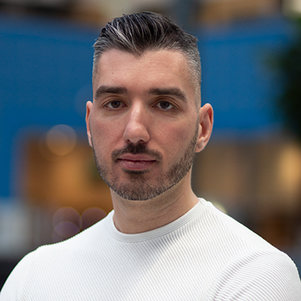
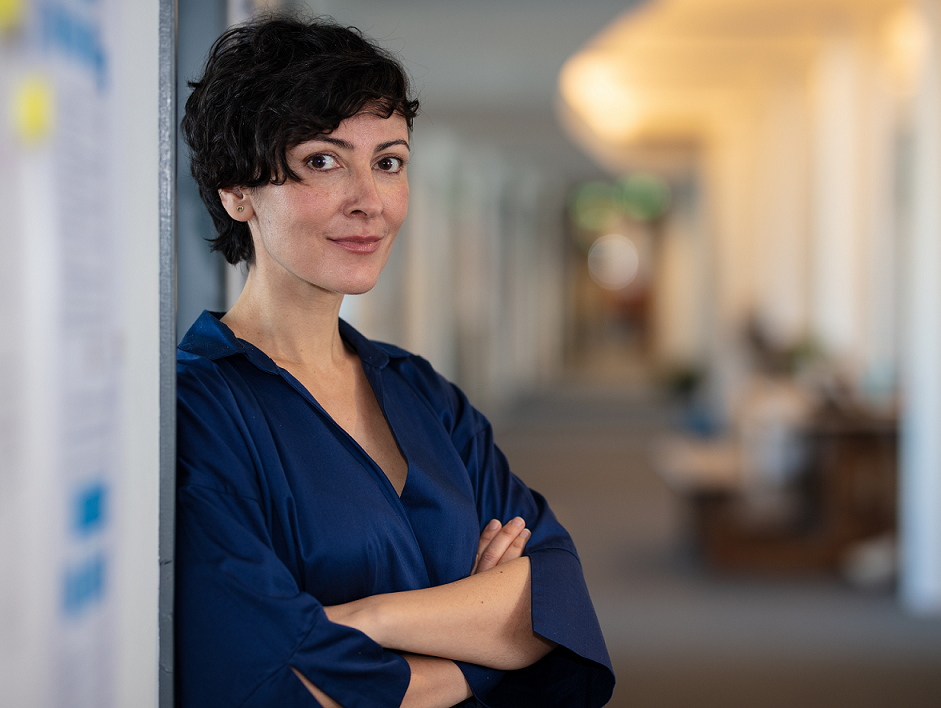
Pieter Desmet serves as Professor of Design for Experience at Delft University of Technology's Faculty of Industrial Design Engineering, specifically within the Department of Human-Centered Design. He directs the Delft Institute of Positive Design, focusing on advancing knowledge for designing human flourishing. His research centers on emotional design mechanisms, particularly how product design evokes emotions and contributes to individual and community well-being. Key interests include Positive Design frameworks, mood-regulation interventions, AI-emotion alignment, and multisensory experiences in packaging and museum contexts. Recent work explores liminal spaces in exhibits, autoethnography ethics, and group mood dynamics in workplaces. Analysis of his 275+ publications reveals consistent focus on emotional design theory with expanding applications in AI, healthcare, and sustainability. His work bridges academic research with practical design tools for emotional well-being. No scientific awards are documented in the provided materials. Desmet actively supervises doctoral candidates (evidenced by PhD thesis datasets) and secures research grants through institutional collaborations. His leadership in organizing major conferences like IASDR 2023 and Design & Emotion events demonstrates significant academic influence. He leads the Delft Institute of Positive Design research group, which investigates user experience aspects through interdisciplinary projects integrating psychology, design, and technology.
Oscar Tomico Plasencia is an Associate Professor at the Department of Industrial Design at Eindhoven University of Technology (TU/e), specializing in Design Research Methodologies for Posthuman Sustainability. His research challenges anthropocentric design paradigms by positioning designers within complex ecological systems and exploring collaborations with non-human actors like plants. Education: MSc in Industrial Engineering and PhD cum laude from Polytechnic University of Catalonia (Spain). Prior Roles: Assistant Professor at TU/e (2007–2023), Head of Industrial Design Bachelor’s program at ELISAVA (Spain), Co-director of Design for Emerging Futures Master Program, and Co-editor-in-chief of Temes de Disseny Journal . His research focuses on decentering human agency in design through First-person methodologies for ecological engagement Design practices for multi-species cohabitation Regenerative socio-ecological-technical systems Critical fabulation with non-human stakeholders Temporal analysis of design events Recent publications analyze plant studios as dynamic constituencies (2025), backyard practices for urban sustainability (2025), and nature-entangled methodological repositories (2024). His work emphasizes transparency in experimental design processes and ecological accountability. Scientific Awards & Funding: NSERC Discovery Grant #RGPIN-2023-04600 SSHRC Insight Grant #435-2024-0783 Collaborative projects involve institutions across Spain, Japan, Sweden, and New Zealand. He leads the Making With… research group at TU/e and contributes to the EAISI (Eindhoven Artificial Intelligence Systems Institute).
Theo Arentze is a Full Professor at Eindhoven University of Technology (TU/e) in the Department of the Built Environment, leading the Real Estate Management and Development group. He is affiliated with EAISI Health and EAISI Mobility research institutes. Education: MSc in Psychology (Cognitive Psychology & AI) from Groningen University, PhD from TU/e Urban Planning Research: Spatial choice behavior, decision support systems, activity-based modeling, agent-based simulation His research integrates bounded rationality into spatial choice models to enhance behavioral realism, with applications in real-estate management , neighborhood development , healthy cities , and hybrid work environments . Recent work includes child-friendly urban planning and energy-efficient housing impacts . Prominent article themes include: Hybrid work location decisions Urban public space affective experiences Child friendliness in residential choices Sustainable energy preferences Spatial decision support systems Social network modeling Scientific recognition includes: Best Poster Award (2025) - Computational Urban Planning Conference Long Paper of Distinction (2021) - Healthy Buildings Europe EuroFM Best Paper Award (2017) Pyke Johnson Award (2016) As an educator, he teaches courses in Urban Planning , Housing Economics , and Quantitative Research Methods . His multidisciplinary team combines expertise from psychology, sociology, and urban economics to create high-quality built environments through behavioral research.
Gamze Z. Dane is a tenured Assistant Professor at the Department of Built Environment of Eindhoven University of Technology (TU/e), affiliated with EAISI Mobility and EAISI Health. She leads the Digital City Program (2020-2024) and specializes in decision-support systems, GIS, urban informatics, and data analytics for sustainable urban development. Her research integrates citizens into urban decision-making using digital tools like VR twins and data-driven approaches. Education: PhD in Urban Planning, MSc in Geographical Information Systems (GIS) and Decision Making. Research Interests: Focuses on human-environment interaction, transdisciplinary urban projects, and the impact of digitalization on cities. She develops tools for public participation and uses big data to analyze citizen behavior and urban experiences. Projects: Principal Investigator for EU/national projects involving cities like Eindhoven, Bologna, and Lisbon. Notable projects include UBeX Urban Behavior eXtended reality lab (2024-2026) and ROCK (2017-2020). Awards: Cuperusprijs 2020 (2nd place for student thesis) Drivers of Change Exhibition 2021 ISPRS International Journal Cover Story (2020) Teaching & Innovation: Coordinates courses like Smart Cities and Urban Redevelopment. Developed online teaching materials using VR, drones, and mobile apps. Guest lectures at Istanbul Technical University and visiting scholar at National University of Singapore. Labs & Networks: Leads the UBeX lab exploring immersive technologies for urban analysis. Active in academic networks including Urban Planning journals and international conferences.
Mykola Pechenizkiy is a Full Professor at the Department of Mathematics and Computer Science at Eindhoven University of Technology (TU/e), holding the Data Mining Chair. He also serves as an Adjunct Professor in Data Mining for Industrial Applications at the University of Jyväskylä. His research focuses on predictive analytics, data mining, and responsible AI, addressing real-world challenges in industry, healthcare, and education. He leads the Customer Journey research program at the Data Science Center Eindhoven, emphasizing ethical and transparent analytics. Academically, he holds a PhD from the University of Jyväskylä (2005) and has held visiting researcher positions at institutions like Columbia University and NYU. He has co-authored over 300 peer-reviewed publications and serves on editorial boards and committees for leading conferences (e.g., AAAI, IJCAI). He is the President of the International Educational Data Mining Society (IEDMS). His research interests include concept drift adaptation, sparsity techniques in neural networks, and fairness-aware AI. He has led projects such as the TKI PPS KPN Smart Two initiative and collaborates with industries like ASML, Philips, and Rabobank. His work contributes to UN SDGs, particularly in sustainable development through AI-driven solutions. Awards: Best Demo Paper Award (IEEE ICDE 2023), Best Paper Awards (ALA 2022, LoG 2022), and SensorKDD 2009 recognition. Grants/Projects: Active projects include TKI PPS KPN Smart Two (2019–2025) and Smart One W&I TKI KPN Flagship (2018–2022). Labs/Teams: Affiliated with EAISI Health, SIKS Scientific Board, and the University of Waikato’s AI Institute.
Nazli Cila is a researcher at the Faculty of Industrial Design Engineering (IDE) at Delft University of Technology, specializing in Human-Centered Design and Human-Technology Relations. Her work lies at the intersection of design, artificial intelligence, and robotics, with a strong emphasis on ethical and human-centered approaches. Her research focuses on Human-AI collaboration , Responsible AI , and More-than-human design , exploring how intelligent systems can be designed to align with human values and lived experiences. She investigates design methods for AI and robotics, particularly in contexts such as mental health, smart homes, and agricultural automation. Nazli Cila’s recent publications reveal a strong trend toward integrating ethical considerations and aesthetic experience into AI systems, especially in diagnostic tools and human-robot ecologies. Her work often employs speculative and participatory methods to uncover value conflicts and envision alternative futures for technology. Involved in research projects: AI DeMoS Lab, DCODE Network Teaches course: Research to/for/through… She actively contributes to the academic community through publications and interdisciplinary collaborations, advancing the field of human-centered design in the age of AI.
Barbara J. Grosz serves as Higgins Research Professor of Natural Sciences in Harvard University's School of Engineering and Applied Sciences, renowned for foundational contributions to Artificial Intelligence through pioneering work in dialogue processing and multi-agent collaboration theories applied to human-computer interaction, healthcare coordination, and science education. Her research spans Artificial Intelligence, Natural Language Processing, Multi-agent Systems, and Computational Ethics, with recent focus on improving computer system design for healthcare and education. She co-founded Harvard's Embedded Ethics program, which integrates ethical reasoning into core computer science curricula, reflecting her commitment to responsible AI development. Professor Grosz has earned exceptional recognition including: ACM/AAAI Allen Newell Award (2009) IJCAI Award for Research Excellence (2015) ACL Lifetime Achievement Award (2017) Election to the National Academy of Engineering Membership in the American Philosophical Society Her leadership extends to establishing interdisciplinary research institutions and advancing women in science, demonstrating sustained impact across academia and societal applications of AI.
Achilleas Psyllidis is an Assistant Professor of Urban Mobility and Director of the Urban Analytics Lab at TU Delft. He also leads the Social Urban Data Lab at Amsterdam Institute for Advanced Metropolitan Solutions and is affiliated with the LDE Centre for BOLD Cities. His roles include membership in TU Delft's Transport & Mobility Institute, the Mobility Futures Vision Team, and serving on the Executive Board of CUPUM. Education: PhD in Spatial Data Science (TU Delft, Faculty of Architecture and the Built Environment) Master of Science in Spatial Planning (National Technical University of Athens) Engineering Diploma in Architectural Engineering (National Technical University of Athens) Research Interests: Focuses on accessibility, walkability, land-use dynamics, and travel behavior. Develops computational methods for analyzing access equity, spatial segregation, and human mobility. Leads projects on sustainable urban mobility, environmental exposures, and the 15-minute city concept. Awards: CTwalk Map: Best Demo Award (ICT.Open 2024) ROUTE Ontology of Urban Transportation Entities (2015) Grants & Projects: Involved in initiatives like PERISCOPE (Social Resilience Design), Horizon2020 'Equal-Life' (Environmental Health), and SocialGlass (Urban Analytics Dashboard). Active in research collaborations across Europe and Asia. Labs & Teams: Directs Urban Analytics Lab and Social Urban Data Lab, focusing on data-driven urban solutions. Engages in interdisciplinary teams addressing mobility futures, urban health, and sustainable design.
Paul Boersma is a Professor of Phonetic Sciences at the University of Amsterdam within the Faculty of Humanities. His research explores how phonetic, phonological, and morphological phenomena emerge through computational modeling using artificial neural networks and Optimality Theory, with a focus on multi-level constraint interactions and distributional learning. University of Amsterdam Faculty of Humanities Phonetic Sciences Key research areas include: Computational Modeling : Simulations of phonological category emergence from phonetic data Optimality Theory : Gradual Learning Algorithm applications BiPhon Framework : Parallel bidirectional phonology/phonetics models Statistical Learning : Cross-situational and distributional learning mechanisms Recent publications emphasize: 2025: Inclusive speech recognition systems using Whisper model 2025: F0 ratio analysis for creaky voice diagnostics 2024: Prosodic clitics in child speech and checked tones in Shanghai Chinese 2023: Distributional learning in developmental language disorder contexts 2022: Substance-free phonological features and ghost segment phenomena He has also contributed extensively to the Praat software for phonetic analysis, with continuous updates since 1993.
Panos Markopoulos is a Professor of Design for Behavior Change at Eindhoven University of Technology (TU/e), affiliated with the Industrial Design department. He also serves as an Adjunct Professor at the University of Technology Sydney (UTS) and a Visiting Scientist at Kemphenhaeghe Expertise Center for Epileptology, Sleep Medicine, and Neurocognition. Academic Background: Electrical Engineering (NTUA), Computer Science (Queen Mary, University of London), and Human-Computer Interaction (PhD, Queen Mary) Research Focus: Ambient Intelligence, Behavior Change Support Systems, Wearable Technology, and Child-Computer Interaction Editorial Roles: Founding Editor of Elsevier’s Journal on Child Computer Interaction, Chief Editor of Taylor & Francis’ Behavior and Information Technology His research explores adaptive persuasive systems, family-aware technologies, and user-centered design methodologies. Key publications include work on persuasion profiling, collaborative design, and evaluation frameworks for children’s interactive products. He has contributed extensively to academic literature, with notable works spanning from 2004 to 2016, emphasizing personalized user experiences, ambient intelligence, and rehabilitation technologies. His expertise bridges interaction design, behavioral science, and technological innovation for societal impact. Professional Activities: European Commission evaluator, editorial leadership in HCI Teaching: Design for Behavioral Change, Final Master Project guidance
Elvin Karana is a Professor of Materials Innovation and Design at Delft University of Technology's Faculty of Industrial Design Engineering. His work bridges the gap between material science, design, and human-computer interaction with a focus on emerging materials and their experiential qualities. He leads the Materials Experience Lab, which investigates how materials communicate ideas and beliefs while enhancing functionality and user experience. Dr. Karana's research interests center on Materials Design, Emerging Materials, Material Driven Design, Bio-based Materials, and Materials Experience. His work explores how living materials can be incorporated into design practices, particularly focusing on microbial interactions, textile interfaces, and regenerative material ecologies. He investigates how materials can be designed to create serene experiences, facilitate multispecies interactions, and support sustainable practices in human-computer interaction. His recent publications demonstrate a strong trend toward biodesign and living materials, with significant focus on microbial systems like cyanobacteria and flavobacteria. His work explores the design space of direct interactions with living organisms, examining how materials can be designed for performativity and how livingness can be understood as a material quality. The research spans textile interfaces, material ecologies, and regenerative design approaches that integrate living systems into everyday artefacts. Best Paper Honourable Mention (2023) Dr. Karana serves as a member of the Supervisory Board/Advisory Board at Avans University of Applied Sciences (CARADT) from May 2024 to December 2025. His research has been featured in various media outlets including TU Delft, Delta, Strawberry Earths, and architectmagazine, highlighting the societal impact of his work on living materials. His projects often involve interdisciplinary collaborations across design, biology, and engineering disciplines. He leads the Materials Experience Lab, which approaches materials as a medium that communicates ideas, beliefs, and approaches while compelling users to think, feel, and act in certain ways. The lab's work emphasizes the dual role of materials as both technical and experiential components in design, exploring how material qualities can be harnessed to create meaningful interactions and sustainable solutions.
Professor Roland J. Pieters is a distinguished academic at Utrecht University's Faculty of Science, where he serves as a full Professor in the Department of Chemical Biology and Drug Discovery. With over two decades of experience at the institution, he has progressed from Assistant Professor (1998) to Associate Professor (2005) and ultimately to Full Professor (2010-present). His research group is internationally recognized for groundbreaking work at the intersection of carbohydrate chemistry, chemical biology, and drug discovery, with particular emphasis on developing novel therapeutic approaches against bacterial infections and pathogenic mechanisms. Full Professor, Utrecht University (2010-present) Associate Professor, Utrecht University (2005-2010) Assistant Professor, Utrecht University (1998-2005) NWO Talent Post-doctoral Fellow, ETH-Zürich (1995-1996) Postdoctoral Researcher, University of Groningen (1996-1998) Professor Pieters earned his M.Sc. in Organic Chemistry from the University of Groningen in 1990, where he worked with Professor Ben Feringa, and completed his Ph.D. at MIT in 1995 under the supervision of Professor Julius Rebek Jr. His doctoral research focused on molecular recognition and template effects in bisubstrate systems, establishing the foundation for his lifelong interest in molecular interactions. Professor Pieters' research primarily centers on glycodrugs and the strategic interference with protein-carbohydrate interactions using multivalent systems of varying architectures. His laboratory has made significant contributions to understanding how rigid spacers in multivalent ligands can dramatically enhance binding affinity to target proteins, with applications against viral and bacterial adhesion proteins, toxins, galectins, and glycosidases. A particular focus has been on developing inhibitors for Pseudomonas aeruginosa lectin LecA, cholera toxin, influenza virus hemagglutinin, and more recently, SARS-CoV-2 spike protein interactions with host cell receptors. His group also pioneered the use of glyco- and peptide-microarrays for high-throughput screening of carbohydrate-protein interactions and drug discovery, particularly in the area of O-GlcNAcylation research. The publication record of Professor Pieters demonstrates consistent innovation in the field of multivalent carbohydrate-based therapeutics. His recent work (2020-2024) shows a strategic expansion into viral pathogenesis (particularly influenza and SARS-CoV-2), immune modulation through glycan recognition, and novel approaches to vaccine development. A notable trend is the increasing sophistication of multivalent architectures, moving from simple divalent systems to tetra- and hexavalent ligands with precisely engineered spatial arrangements. His research bridges fundamental chemical principles with practical therapeutic applications, maintaining strong connections to pharmaceutical development while advancing basic science understanding of carbohydrate-mediated biological processes. Professor Pieters' scientific achievements have been recognized with prestigious awards including a Fellowship from the Royal Netherlands Academy of Arts and Sciences (KNAW) in 1999 and a VICI personal grant from the Netherlands Organisation for Scientific Research (NWO) in 2008. These competitive awards reflect the significance and innovation of his research program. He has also served on editorial advisory boards, notably as Section Editor-in-Chief for Chemical Biology in the journal Molecules (2018-2022), contributing to the scholarly community through peer review and academic leadership. Fellowship of Royal Netherlands Academy of Sciences (KNAW), 1999 VICI, personal grant, NWO, 2008 Section Editor-in-Chief Chemical Biology for Molecules (2018-2022) Throughout his career, Professor Pieters has coordinated significant research projects including the EU project POLYCARB and secured competitive funding that has sustained his innovative research program. His laboratory has fostered numerous collaborations across Europe and internationally, creating a vibrant research environment that has trained many scientists now working in academia and industry. His research on multivalent carbohydrate systems represents a sustained intellectual contribution to chemical biology with direct relevance to developing new anti-infective strategies and therapeutic approaches. Professor Pieters leads an active research group within Utrecht University's Department of Chemical Biology and Drug Discovery, situated in the David de Wied Building. His laboratory maintains strong connections with other research groups both within Utrecht University and internationally, particularly in the fields of glycobiology, infectious diseases, and drug discovery. The research environment he has cultivated emphasizes interdisciplinary approaches, combining synthetic chemistry, biophysical analysis, and biological testing to address fundamental questions in carbohydrate-mediated biological processes with therapeutic applications.
Geke Dina Simone Ludden serves as Full Professor of Interaction Design at the University of Twente's TechMed Centre within the Faculty of Electrical Engineering, Mathematics and Computer Science. Her interdisciplinary work bridges human-computer interaction, health technology, and behavioral design. Her research focuses on behavior change through digital interventions , particularly in health contexts. Key areas include cognitive health for aging populations , wearable stress management technologies , and human-building-technology interactions in healthcare environments. She employs co-design methodologies and user-centered approaches to develop tools supporting wellbeing and aging-in-place solutions. Recent publications reveal strong trends in applied health informatics (62% of 2023-2025 output), with significant emphasis on Dutch aging populations and cross-cultural healthcare comparisons . Her work consistently integrates mediation theory and socio-technical frameworks to analyze technology adoption barriers. Ludden actively supervises academic work, having examined 6 doctoral theses since 2020 on topics ranging from hand rehabilitation devices to biodiversity UX implementations. She directs the TechMed Centre's research initiatives focused on translating interaction design principles into clinical applications, particularly through the MattPod sensory dining project and cognitive health toolkits.
Prof. Massimo Poesio holds dual appointments as a full Professor of Natural Language Understanding at Utrecht University and Professor of Computational Linguistics at Queen Mary University of London (QMUL). He leads the Natural Language Processing Group at Utrecht and is part of QMUL's Cognitive Science and Games & AI research groups. His research focuses on computational linguistics, anaphora resolution, and Games-with-a-Purpose platforms like Phrase Detectives and Lingotowns. Current projects include the NWO-funded 'Dealing with Meaning Variation in NLP' and the EPSRC-funded ARCIDUCA project. Research areas span dialogue semantics, deception detection, and Arabic NLP. He supervises PhD programs at IGGI (Intelligent Games & Game Intelligence) and the Wellcome Trust's Health Data in Practice initiative. Ancillary roles include Turing Institute Fellowship and collaborations with institutions like the University of Trento and the Human Rights, Big Data and Technology Project.
Dr. Rong-Hao Liang is an Assistant Professor at Eindhoven University of Technology (TU/e), affiliated with both the Future Everyday Group (Department of Industrial Design) and the Signal Processing Systems Group (Department of Electrical Engineering). His research bridges intelligent sensing systems and user interface technology for ubiquitous computing and embodied human-computer interaction . He co-organized international ACM conferences (CHI, UIST, DIS) and has over 70 peer-reviewed publications and 10 patents. PhD in Computer Science (2014) and MSc in Electrical Engineering (2010) from National Taiwan University Founded GaussToys Inc. in 2015, focusing on magnetic-field sensors Cross-appointed to Electrical Engineering in 2021 His research explores intelligent sensing systems , tangible user interfaces , and physiological sensors for real-world challenges. Key trends in his work include ubiquitous health monitoring (e.g., preterm infants), wearable technology , and innovative interaction design . Articles like GaussBits and NFCStack demonstrate his focus on magnetic and RFID-based tangible systems . Scientific awards include the ACM CHI 2013 Best Paper Award , 2014 Honorable Mentions , and the ACM SIGGRAPH Asia 2012 Emerging Technologies Prize . He mentors passion-driven projects in user interface design and embedded systems , emphasizing technical rigor and creativity. His STRAP project (2020–2025) addresses heart disease prevention via big data and AI . Labs and teams include the Future Everyday Group and Signal Processing Systems Group , with collaborations across healthcare , education , and technology startups . His work aligns with UN Sustainable Development Goals , particularly good health and well-being .