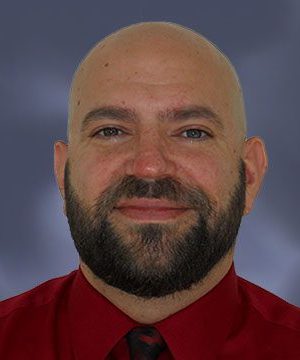
Joseph Dippong is an Associate Professor and Director of Graduate Studies in the Department of Sociology at the University of North Carolina at Charlotte. His research specializes in Social Psychology, Group Processes, and Status and Power dynamics. His work investigates how status hierarchies emerge in group interactions, examining vocal accommodation patterns, performance expectations, and biosocial foundations of behavior. Research employs experimental methods to analyze how factors like gender, communication style, and media technology influence status dynamics and decision-making. Analysis of publications demonstrates expertise in experimental sociology, with recent focus on: vocal dynamics as status markers, remote work penalties, evolutionary sociology foundations, and methodological innovations in measuring status. Work frequently bridges social psychology, linguistics, and organizational studies.
Dr Sheryl Chang is a Research Associate in the Modelling and Simulation Research Group at the School of Computer Science, University of Sydney. She holds a PhD in computational epidemiology (2021) and specializes in modeling infectious disease transmission and intervention strategies, integrating social and behavioral factors. Her work has been validated in multiple epidemic scenarios and recognized by global health organizations like the WHO and Lancet COVID-19 Commission. Teaching: She instructs courses such as System Dynamics Modelling for Project Management (PMGT5886) and Social Network Analysis Principles (OLET2346) . Her research focuses on pandemic dynamics, pathogen evolution, and the impact of human behavior on disease spread. Awards: Recipient of the prestigious Lord Robert May Prize (2019-2020) for best paper in Journal of Biological Dynamics , and 2023 Dean’s commendation for teaching excellence in the Faculty of Engineering. Research Grants: Lead investigator on the 2022 Sydney Institute for Infectious Diseases grant Modelling the impact of opinion dynamics on the COVID-19 pandemic in Australia . Labs/Teams: Active member of the Modelling and Simulation Research Group, collaborating on agent-based models for public health policy design and genomic epidemiology of pathogens like Salmonella and SARS-CoV-2.
Raymond T. Albert, Ph.D., is a Professor of Practice in Mathematics and Computer Science and Director of Cybersecurity at Assumption College. He specializes in cybersecurity education, curriculum development, and interdisciplinary security initiatives. His work emphasizes practical applications of cybersecurity through collaborative learning environments and competitive training programs. Serves as Director of Cybersecurity, overseeing academic and operational security initiatives Leads research in SCADA systems security, virtual laboratory development, and K-12 cybersecurity education Active in multi-university collaborations to establish cybersecurity programs Dr. Albert has presented widely on topics including cyber defense competitions, blended learning strategies, and service-learning integration in STEM education. His publications focus on improving cybersecurity education frameworks and practical training methods.
William Hurley is a Senior Lecturer at Nottingham School of Art & Design, Nottingham Trent University, specializing in Fashion, Knitwear and Textile Design. With over 18 years of experience in education and research, he focuses on industrial knit technology and its creative applications in novel textile development. His primary research interest lies at the intersection of technology innovation and creative design processes, particularly in fashion weft knitting. He explores novel applications through seamless knitting, 3D knitted structures, and electro-active textiles for medical and communication purposes. His work bridges traditional fashion design with cutting-edge technological advancements, emphasizing how technological innovation drives creative exploration in textile development. Recent publications (2025-2013) reveal consistent focus on textile-based sensors, antenna materials, and moisture management in knitted textiles. Key themes include optical and electrical sensing for health monitoring, space antenna applications, compression garments, and environmental effects on textile performance. This output demonstrates deep expertise in smart textiles and industrial knitting, with strong emphasis on practical applications in healthcare, aerospace, and wearable technology. No major scientific awards are documented in the available records. He has secured significant funding from Innovate UK, Horizon 2020, and the European Space Agency for projects including patient-customized compression sleeves for lymphoedema treatment, active simulator cockpit enhancement, and space antenna surface materials. While specific PhD students aren't listed, his role as Senior Lecturer involves supervising undergraduate students in knitwear design and research projects within the BA (Hons) Fashion Knitwear Design program. He is an active member of the Advanced Textiles Research Group (ATRG), which develops innovative textile applications across medical, communication, and aerospace domains. His work includes commercialized outcomes like Nike's Flyknit technology and SmartLife Technology Ltd's knitted transducers.
Prof. Dr.-Ing. André Jakob is a faculty member at Berlin University of Technology , affiliated with the Department VII - Electrical Engineering - Mechatronics - Optometry. His academic role spans teaching and research in digital signal processing, audio technology, and acoustics. Digital Signal Processing Audio Technology Acoustics Active Noise Control His research focuses on active noise control , simulation of moving sound sources , and audio signal processing , with applications in robotics, building acoustics, and medical devices. Publications include advancements in anti-noise window systems , sound source localization , and acoustic measurement techniques . His recent work explores real-time auralization for educational robotics and nonlinear acoustic modeling with neural networks. The 15 most recent articles demonstrate a consistent focus on acoustic simulation , active control systems , and sound propagation modeling , with conference contributions at DAGA, NAG-DAGA, and international acoustics events. Topics range from dental drill noise reduction to active sound design in musical instruments , reflecting interdisciplinary applications. He supervises numerous Master's and Bachelor's theses in areas like real-time signal processing, deep learning for sound recognition, and virtual acoustics. His lab at TU Berlin explores multi-loudspeaker systems , acoustic beamforming , and active noise cancellation for both industrial and consumer applications.
Overview ASSILA Ahlem is a Researcher-Lecturer at CESI, specializing in Human-Machine Interaction (HMI), Augmented Reality (AR), and Virtual Reality (VR). She holds a PhD in Computer Science from Université de Valenciennes (2016) and a postdoctoral position at Institut Image ARTS ET METIERS PARISTECH (2017). Her research focuses on usability evaluation, digital twin technology, and BIM-integrated XR systems. She has supervised multiple engineering and master’s projects, including AR application development for network management. Research Contributions Developed frameworks for integrating subjective/objective usability metrics using ISO standards Proposed maturity models for BIM-based AR/VR systems Explored digital twin applications in manufacturing and construction industries Education & Responsibilities Teaches computer science at all engineering levels (L1-M2) at CESI Reims, including algorithmics, HMI design, and project-based learning. Served as pilot for engineering program cycles (2017–2020). Active in organizing international conferences (e.g., HCI 2020, Flexible Automation 2018) and peer review for journals like IJISE and IEEE VR. Awards & Recognition No specific awards listed, but recognized for contributions to HCI and industry-relevant research. Advising & Grants Supervised over 10 student projects including PFEs and internships. Actively participates in jury panels for engineering thesis defenses and academic promotions across multiple institutions. Labs & Collaborations Member of the CESI Chair for Industry and Services of Tomorrow, focusing on technology integration in construction and manufacturing sectors.
Dr Adelaide Marzano is a Lecturer at the School of Computing Engineering and the Built Environment, Edinburgh Napier University, and a Visiting Professor at Pentecost University, Ghana. Her research focuses on manufacturing systems, CAD integration, tolerance analysis, and educational technology. She actively contributes to the Centre for Engineering and Mathematical Modelling, examining topics such as digital twin simulations for industrial ergonomics and e-learning efficacy. She serves as a PhD External Examiner and is a member of the Institution of Mechanical Engineers. Affiliations: Edinburgh Napier University (Primary), Pentecost University (Visiting) Key Roles: PhD Examiner, Research Group Member (Centre for Engineering and Mathematical Modelling) Her research spans manufacturing processes, including tolerance-aware product development and virtual reality applications in aerospace training. Recent work includes optimizing distillery operations via digital twin frameworks and investigating student preferences for e-learning tools across UK and Portuguese institutions. She also collaborates with industries like COMAU on ergonomic work cell design. Her current PhD project supervision involves machining optimization of additively manufactured medical components, emphasizing interdisciplinary approaches to advance manufacturing precision and efficiency.
Peter Behrensdorff Poulsen serves as Solar Photovoltaic Systems Group Leader at the Department of Electrical and Photonics Engineering, Technical University of Denmark (DTU). His work spans photovoltaic research, solar-powered lighting systems, and drone-based inspection technologies within DTU's College of Engineering. His research focuses on Solar Cell Engineering , Photovoltaic Modules , and Drone Applications for renewable energy systems. Key areas include bifacial photovoltaics, electroluminescence imaging diagnostics, building-integrated photovoltaics, and ultra-efficient solar-powered lighting solutions. His work significantly contributes to UN Sustainable Development Goals related to affordable clean energy and sustainable cities. Recent publications reveal strong trends in AI-driven PV diagnostics , bifacial module performance in northern climates, and dark-sky compatible lighting systems . His research bridges fundamental photovoltaic science with practical applications in urban infrastructure and environmental sustainability. Best Poster Award at 44th IEEE Photovoltaic Specialists Conference Best Poster Award at 48th IEEE Photovoltaic Specialists Conference Characterizing the Performance of Daylight Filters for Electroluminescence Imaging Poster Award at 35th European Photovoltaic Solar Energy Conference Poster Prize at Sustain 2017 Poulsen leads multiple research grants including the Ultra-efficient Dark Sky-compatible Solar-powered Outdoor Lighting project (2024-2026) and previously managed the DronEL project (2017-2019) for drone-based PV inspection. His work connects photovoltaic engineering with practical lighting applications through the Lighting Color and Radiation Laboratory. He actively collaborates with industry partners on building-integrated photovoltaics and solar-powered infrastructure solutions, with notable projects including the Plateau Sun Hub public charging stations and Black Si BIPV panel development.
Laura M Westhoff is a Professor of History and Education at the University of Missouri–St. Louis (UMSL), holding a joint appointment in the College of Education and the Department of History. She specializes in Gilded Age/Progressive Era history, democratic education, and the Scholarship of Teaching and Learning (SoTL). Her work bridges historical scholarship with pedagogical innovation, emphasizing how historical knowledge shapes democratic practices and education systems. Westhoff earned her Ph.D. in U.S. History from Washington University in St. Louis. Her research focuses on social movements, education reform, and the intersection of expertise and democracy. Notable works include her book *A Fatal Drifting Apart: Democratic Social Knowledge and Chicago Reform* (2007) and her current project on mid-20th century democratic practices. Research Interests: Post-Civil War American women’s history Curriculum design for history education Social justice and political culture Teaching American History methodologies Westhoff has led five major grants, including projects funded by the U.S. Department of Education and the National Endowment for the Humanities. Her work emphasizes teacher training, social studies certification, and innovative programs like the Student Teaching in China initiative. She regularly presents at national workshops and co-authored several Teaching American History grants. Key Projects: Historical Perspectives on American Democracy (2005–2008) St. Louis In-Gear for Success (2005–2011) Virtual City Project (2001–2004) Her research output spans articles in journals like *The Journal of American History* and books exploring historical pedagogy. Westhoff is a vocal advocate for integrating historical thinking into K-12 education and advancing democratic citizenship through curriculum innovation.
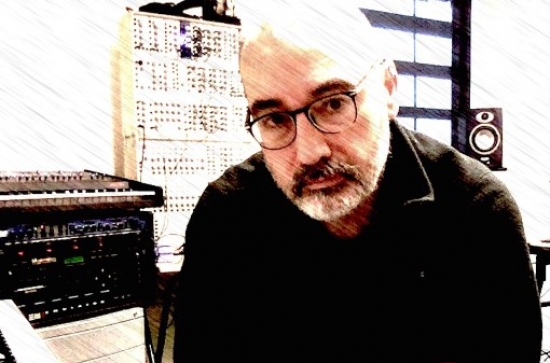
Victor Lazzarini is a Professor of Music at Maynooth University, Ireland, specializing in computer music and audio signal processing. He holds a BMus from Universidade Estadual de Campinas (UNICAMP), Brazil, and an AMusD from the University of Nottingham, UK. His research spans electroacoustic music, digital signal processing, and music technology. He leads the Csound project, a widely used sound and music computing system, and authored libraries like Aulib and Aurora. Education: Bachelor of Music (BMus), UNICAMP, Brazil Advanced Music Degree (AMusD), University of Nottingham, UK His research interests include sound synthesis, computer music languages, and the intersection of music with technology. He has authored over 150 peer-reviewed publications and books such as Spectral Music Design: A Computational Approach (Oxford UP, 2021) and co-edited volumes like Ubiquitous Music Ecologies (Routledge, 2020). His work bridges academic and industrial sectors through projects like the Enterprise-Ireland-funded commercialization initiative. Prof. Lazzarini’s contributions to music technology include pioneering tools like Csound, which enable real-time audio synthesis and processing. His articles span topics from digital filter design to historical computer music archaeology, reflecting his expertise in both theoretical and applied domains. Awards: AIC/IMRO International Composition Prize (2006) He advises on interdisciplinary projects such as the BeatHealth initiative, integrating ubiquitous computing and music. His creative output includes electroacoustic compositions performed globally and released on labels like FarPoint Recordings. Lazzarini actively collaborates with international teams, contributing to conferences like DAFx and ICMC, and leads initiatives like the Ubimus (Ubiquitous Music) research network.
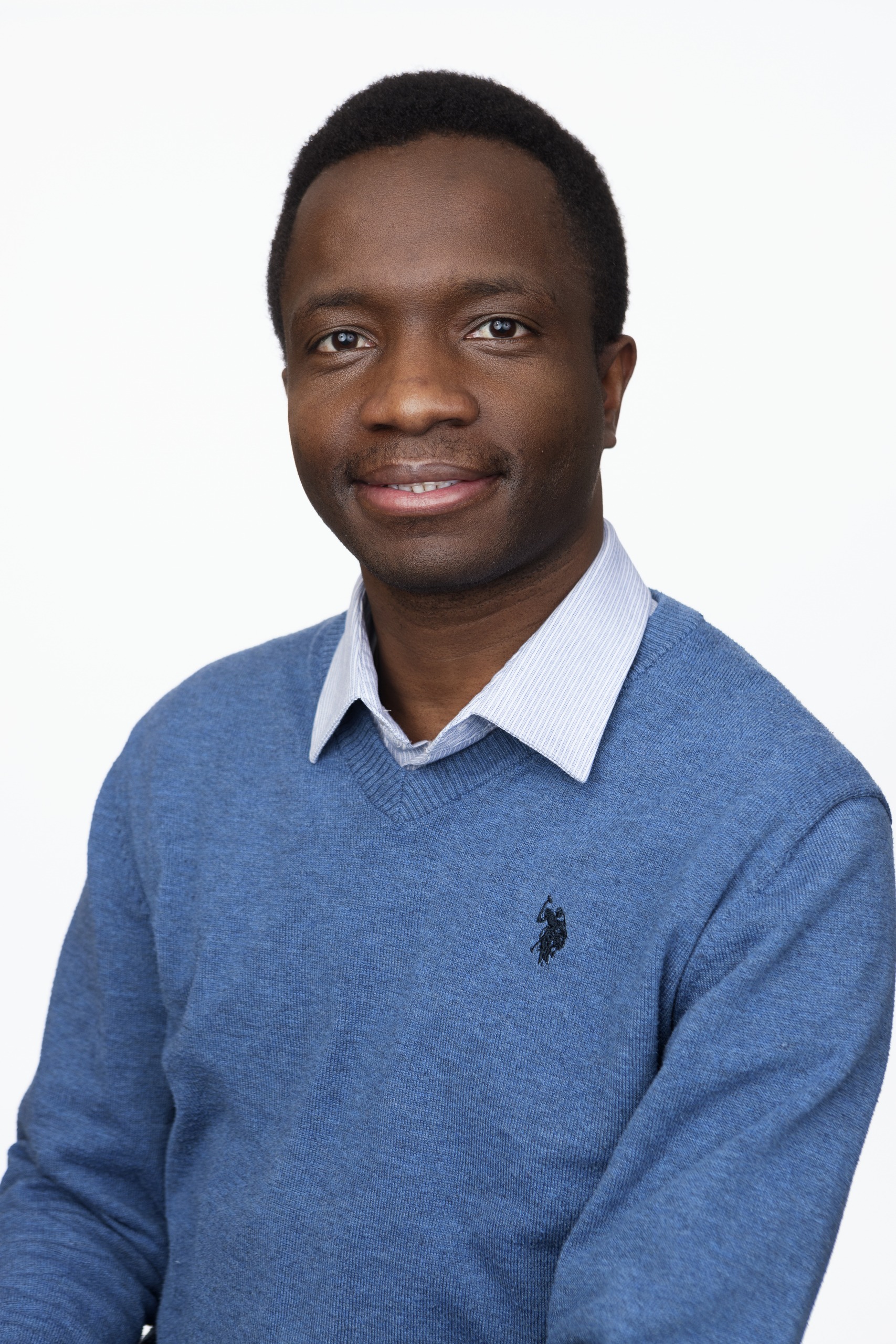
Dr. Jacob Joshua Shila serves as an Assistant Professor in the School of Aviation at Bowling Green State University (BGSU), Ohio, focusing on sustainable aviation solutions through research in environmental impact mitigation, sustainable fuels, and techno-economic modeling for aircraft and airport operations. His work bridges engineering, economics, and policy to develop financially viable green aviation technologies. Education: Ph.D. in Aviation Technology, Purdue University (2017) M.S. in Aviation and Aerospace Management, Purdue University (2014) B.S. in Aerospace Engineering, Missouri University of Science and Technology (2012) Dr. Shila's research centers on sustainable aviation fuels, Advanced Air Mobility (AAM) infrastructure and workforce development, and aviation sustainability education. He investigates techno-economic optimization of emerging technologies, emphasizing real-world applicability for reducing environmental footprints while maintaining industry profitability. His industry background at Volkswagen of North America in emissions modeling informs his applied research approach. Recent publications reveal strong interdisciplinary trends, particularly in AAM integration into airport systems, biofuel economics (e.g., camelina and pennycress-derived jet fuels with by-product valorization), and educational adaptations for sustainable aviation. Studies frequently employ case-based methodologies and computational modeling to address regulatory compliance, infrastructure readiness, and skill gaps in emerging aviation sectors. Scientific Awards: No scientific awards mentioned in the provided text. Dr. Shila actively mentors students as faculty advisor for the BGSU chapter of the American Association of Airport Executives (AAAE), emphasizing practical application of concepts and career development. His teaching philosophy prioritizes clear communication of objectives and real-world relevance, extending mentorship beyond the classroom. While specific grant funding details are absent, his prior industry experience in emissions simulations provides critical context for his research on sustainable aviation transitions.
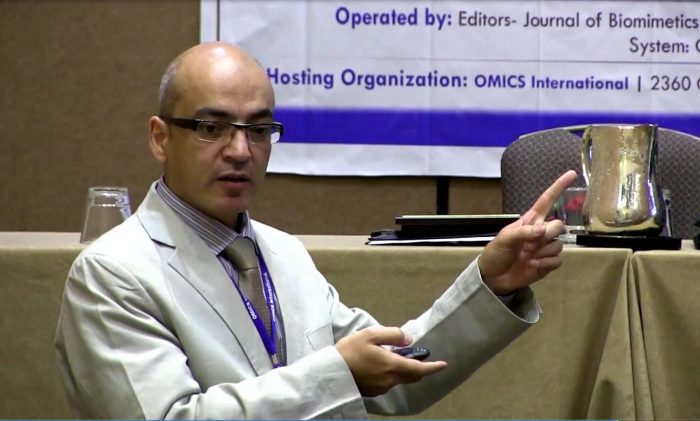
Mohamed H. Doweidar is a Full Professor in the Mechanical Engineering Department at the University of Zaragoza, Spain. He is affiliated with the School of Engineering and Architecture (EINA), the Bioengineering Division of the Aragón Institute of Engineering Research (I3A), and the CIBER-BBN (Bioengineering, Biomaterials, and Nanomedicine). His academic career spans over three decades, with teaching roles since 1994 and significant contributions to computational biomechanics and biomedical engineering. Education: Ph.D. in Computational Fluid Mechanics (2004), University of Zaragoza M.Sc. in Engineering Mathematics (2001), Ain Shams University Bachelor's in Statistics & Computer Science (1997), Mansoura University Industrial Engineering Degree (1993), Benha Higher Institute of Technology Research Interests: Focus on Computational Biomechanics , Cell Simulation , Hyperelastic Materials , Finite Element Method , and Error Estimation . His work integrates computational models to study cellular behavior, tissue regeneration, and biomedical applications. Key Contributions: Authored/co-authored books on biomechanics and computational modeling, including "Digital Human Modeling and Medicine: The Digital Twin" (2022). Supervised numerous doctoral students, some of whom received university awards. Active in editorial boards, project evaluations (ANEP), and international conferences. Labs & Groups: Member of the Applied Mechanics and Bioengineering Group (AMB), CIBER-BBN, and I3A. Research spans cell migration , biomaterials , and computational oncology .
Xiaomei Yang is a Lecturer/Researcher at the Soil Physics and Land Management Group of Wageningen University & Research, focusing on soil contaminants including pesticides and microplastics. Her work examines contaminant interactions with soil processes, their environmental fate, and impacts on soil-water-plant systems. She actively contributes to the International Land and Water Management Program (BSc/MSc), mentoring students in thesis research and internships. Key Projects: MINAGRIS: Investigating microplastic sources, fate, and ecosystem impacts in agricultural soils. ISQAPER: Developing interactive soil quality assessments for Europe and China. Soils4Africa: Creating an open-access soil information system for African agricultural resilience. Research Themes: Soil management, ecotoxicology, environmental monitoring, and agroecosystem sustainability. Specific interests include pesticide transport dynamics, microplastic behavior, and ecological risk assessment in agricultural systems. Achievements: Clarivate Highly Cited Scientist (2023) Top 2% Global Scientists (Elsevier/Stanford, 2024) Lead researcher on EU-China collaborative projects (e.g., ISQAPER) Teaching: Oversees MSc thesis supervision, internships, and courses like Sustainable Soil Management: Soil4Life and Land Degradation and Remediation .
Dr. Olfa Lopez-D’Angelo is a researcher at the Department of Multiscale Simulation of Particulate Systems at Friedrich-Alexander-Universität Erlangen-Nürnberg. Her research focuses on granular rheology, additive manufacturing for space applications, and the behavior of materials under microgravity conditions. She leads the Rheologie granularer Materialien unter Weltraumbedingungen project (2023–2026), funded by the German Ministry for Economic Affairs and Climate Action (BMWK). Her work bridges theoretical physics, experimental engineering, and space technology. Key research interests include granular fluid dynamics, powder-based manufacturing processes in low-gravity environments, and the structural analysis of metamaterials. She has contributed to pioneering studies on acoustically propelled macroparticles and granular piston-probing in microgravity. Her interdisciplinary approach is evident in collaborations with institutions like ESA and DLR, as well as her involvement in projects such as the VIP-DROP2 module for droplet dynamics experiments. Awards: Granular Matter Gordon Research Conference Poster Prize (2022) ELGRA Research Prize (2021) Fly Your Thesis! 2019 (2018) ESA Networking/Partnering Initiative Fellowship (2017) Dr. Lopez-D’Angelo actively disseminates her work through international conferences (e.g., DPG, IAC) and public engagement initiatives, including the podcast Talk That Science . Her research emphasizes practical applications in space exploration, such as in-situ resource utilization and advanced manufacturing systems for extraterrestrial environments.
Zeina ELRAWASHDEH is a Researcher Lecturer at the Institut Catholique d'Arts et Métiers (ICAM), based at the Grand Paris Sud campus. Her research focuses on Measurements and Controls, with a particular emphasis on fiber-optic sensors, multi-agent systems, and IoT integration for smart infrastructure. She collaborates with prestigious research laboratories globally to develop innovative solutions in energy optimization, smart cities, and precision engineering. Her expertise spans applied research in fiber-optic displacement sensors, algorithm optimization for sensor performance, and user-centric building automation systems. Zeina’s work bridges theoretical advancements with practical applications in manufacturing, energy, and urban systems. She actively contributes to international academic discourse through peer-reviewed publications and participates in ICAM’s strong industry partnerships for applied research outcomes. Zeina’s research portfolio demonstrates a trajectory toward integrating AI and IoT with traditional engineering challenges, addressing technical gaps in sensor networks, multi-agent coordination, and precision machining. Her recent work highlights advancements in smart city infrastructure and energy-efficient building systems. While no awards are explicitly mentioned, her involvement in ICAM’s research initiatives underscores her commitment to impactful, industry-relevant science. Collaborations with global companies and academic institutions position her at the forefront of applied engineering research.