Farooq Azam is a Distinguished Professor of Microbial Oceanography at the Scripps Institution of Oceanography, University of California San Diego. He has held this position since 1996, following roles as Professor-in-Residence and Research Biologist at the same institution. His research focuses on marine microbial ecology, coral reef microbiology, microbial biogeochemistry, and the ocean carbon cycle. Azam earned his Ph.D. in microbiology from the Czechoslovak Academy of Science, Prague, and completed a postdoctoral fellowship at Stony Brook University. Affiliations: Scripps Institution of Oceanography, UCSD Key Roles: Long-term leadership in microbial oceanography research Research Interests: His work explores how marine microbes influence biogeochemical cycles, coral health, and organic matter dynamics. He has pioneered studies on microbial regulation of the ocean carbon cycle and the ecological roles of marine phages. Awards: Includes election to the American Academy of Arts and Sciences (2015), Tiedje Award (2004), and recognition as an ISI Highly Cited Researcher (2002). He holds an honorary doctorate from Linnaeus University (2004).
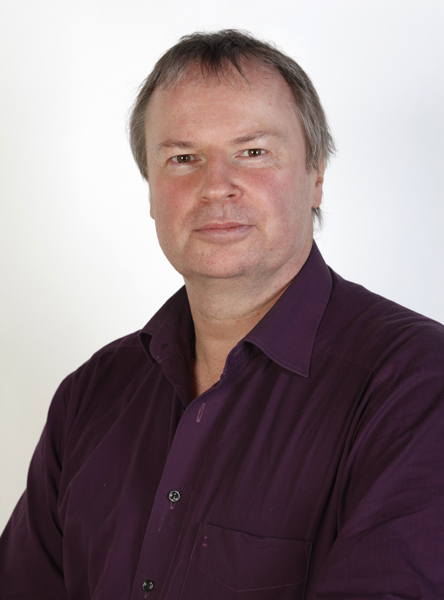
Shaul Pollak is an Assistant Professor at the Division of Microbial Ecology within the Centre for Microbiology and Environmental Systems Science at the University of Vienna. His research focuses on bacterial interactions in ecosystems, particularly their roles in plant pathogen protection and carbon cycling across soil and marine environments. He leads a research group investigating how microbial processes scale from genetic mechanisms to planetary biogeochemical cycles. His primary research interests include microbial community assembly, bacterial metabolism of complex biopolymers, and evolutionary genomics of marine cyanobacteria. Current projects leverage genomic dark matter to predict soil carbon fluxes, examine plant-bacteria interactions under environmental change, and explore the diversity of Prochlorococcus marinus. His interdisciplinary approach integrates genomics, high-throughput experiments, and machine learning to bridge ecological and evolutionary theory. Analysis of his 2022-2025 publications reveals consistent themes in microbial community dynamics, with emphasis on polysaccharide degradation mechanisms, phage-bacteria interactions, and genomic predictors of bacterial metabolic functions. His work demonstrates how bacterial trade-offs and cross-feeding structures shape ecosystem processes from ocean biogeochemistry to human gut microbiome organization. Dr. Pollak actively recruits PhD students and postdoctoral researchers through university stipend programs, with current group members including Thomas Gaehtgens, Gerhard Gruber, Jyothsna Pujar, Qi Qi, Lior Shachar, Marco Sing, and Joana Valèrio. His laboratory maintains active collaborations across soil and marine microbial ecology projects, with research infrastructure supported by University of Vienna resources and external funding.
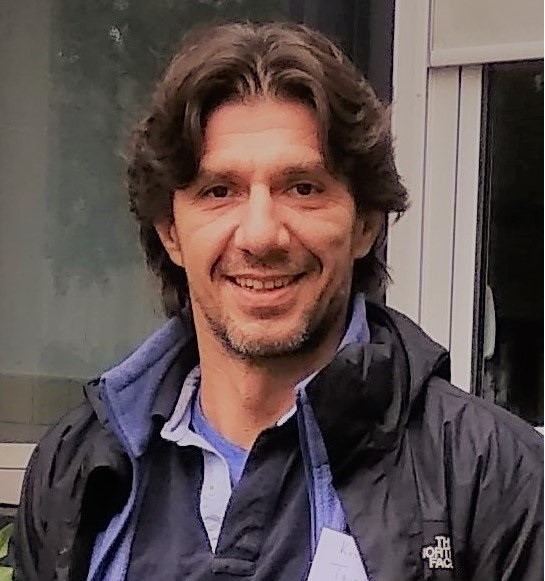
Professor Ray Dixon Ray Dixon is a Research Professor and Project Leader at the Department of Molecular Microbiology, John Innes Centre, and co-Director of the CAS-JIC Centre for Excellence in Plant and Microbial Sciences in Beijing/Shanghai. He has been an Honorary Professor at the University of East Anglia's School of Biological Sciences since 1998. His career spans over four decades in bacterial nitrogen fixation research. Education: B.Sc. (Microbiology, University of Reading, 1969), D.Phil. (Microbial Genetics, University of Sussex, 1973). Research Focus: Regulation of biological nitrogen fixation by environmental signals (oxygen/nitrogen/metal availability). His lab pioneers synthetic biology approaches to engineer nitrogen fixation into plants, aiming to enhance sustainable agriculture. Achievements: Elected Fellow of the Royal Society (1999), EMBO Member (1987), recipient of the Adam Kondorosi Award (2019) and Fleming Award (1983). Over 30 years of leadership in international scientific committees and funding panels. Key Contributions: Pioneered understanding of nif gene regulation, discovered novel nitrogenase systems, and developed polyprotein strategies for synthetic biology applications. Collaborates globally through initiatives like CEPAMS and UBNFC.
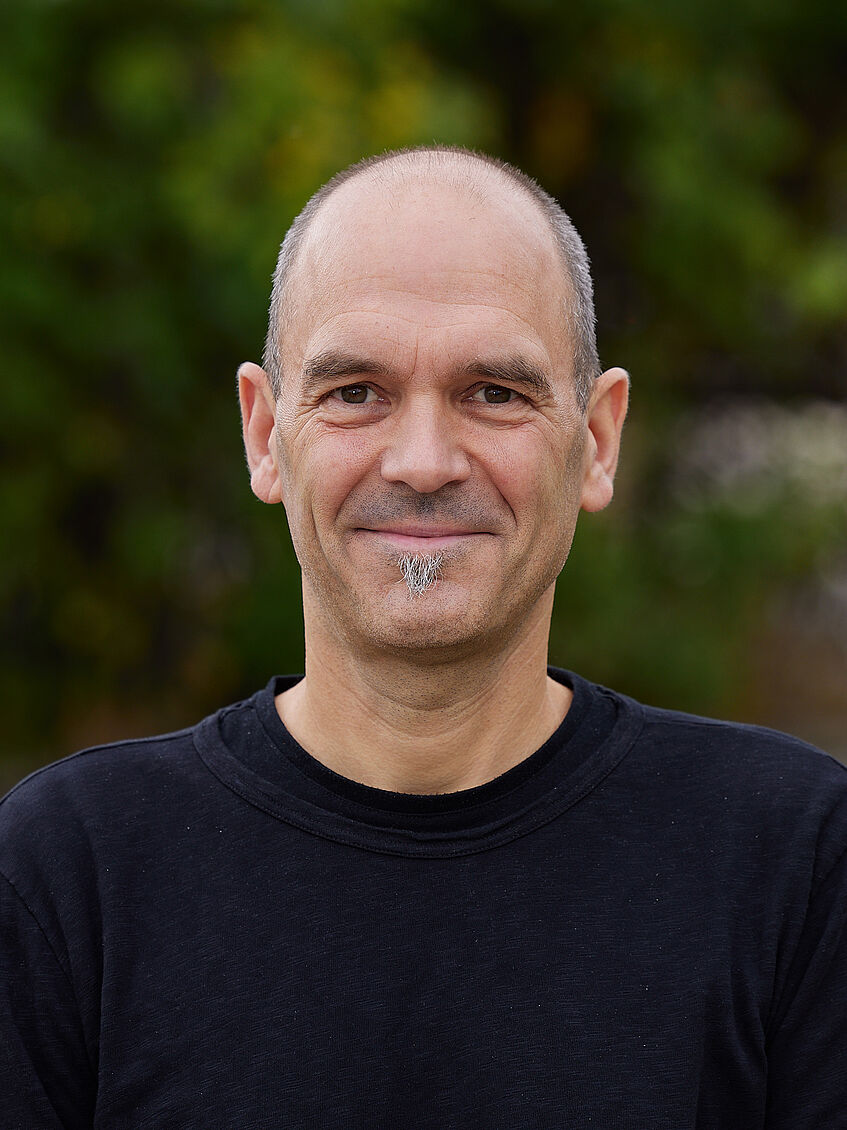
Peer Bork is a Professor at the European Molecular Biology Laboratory (EMBL) in Heidelberg, where he serves as Strategic Head of Bioinformatics and co-head of the Structural and Computational Biology Unit. He also holds honorary professorships at the University of Würzburg (Germany) and Fudan University (China). Educational background: PhD in Biochemistry (1990) Habilitation in Theoretical Biophysics (1995) Research interests span bioinformatics , systems biology , and microbiome analysis , focusing on functional prediction, comparative genomics, and data integration. His work explores global patterns in microbial communities, including enterotypes, drug-microbiome interactions, and planetary-scale gene fluxes. Scientific impact includes over 550 publications (70+ in Nature , Science , and Cell ) and groundbreaking discoveries like the human gut enterotypes and microbiome-based cancer biomarkers . Key projects include the SPIRE microbiome resource and the TARA Oceans expedition . Honors and leadership: EMBO member (2000) Nature Creative Mentoring Award (2008) ERC Advanced Investigator Grants (2011, 2015) Leopoldina member (2014) Honorary doctorate (University of Utrecht, 2017) Co-founder of 5 biotech companies Collaborative networks include partnerships with institutions in Berlin (Max-Delbrück-Center), Würzburg (Germany), and Shanghai (China), as well as global initiatives like the TREC expedition for environmental microbiome analysis.
University of Natural Resources and Life Sciences ViennaAustria
Lea Atanasova is a Senior Researcher and Principal Investigator at the Institute of Food Technology, Department of Biotechnology and Food Science, University of Natural Resources and Life Sciences Vienna (BOKU). She holds a PhD (Dr. rer. nat.) and a Master’s degree (Mag. rer. nat.) and has extensive postdoctoral experience in fungal molecular biology and genomics. Her research is centered on mycoparasitic fungi such as Trichoderma and Clonostachys , with a focus on carbohydrate-active enzymes, signal transduction, gene expression, and ecological genomics. Her research interests span molecular biology, genetics, genomics, microbiology, mycology, and enzyme technology. She investigates the functional roles of genes and proteins in fungal biocontrol, nutrient acquisition, and host interactions. Her work integrates comparative genomics, transcriptomics, and functional proteomics to understand fungal evolution and ecological niches. The most recent publications highlight a strong trend in understanding fungal signaling pathways (e.g., TOR and MAPK), enzyme diversification (e.g., CDHs, pectate lyases), and the molecular mechanisms of mycoparasitism. Her work also extends to fungal secondary metabolites, host-microbe interactions, and advanced imaging techniques for protein localization. Scientific Awards: Carl Trygger scholarship for research at SLU (Uppsala, Sweden) GSA fungal meeting award, Genetics Society of America (Asilomar, CA, United States) FEMS Young Scientist Meeting Grant, Federation of European Microbiological Societies (Sant Feliu de Guíxols, Spain) Price Award for best Master-/Diploma research, Ecological Society of Germany, Austria and Switzerland (GFÖ) (Bayreuth, Germany) Austria National Park Research Award, Austrian Federal Ministry of Agriculture, Forestry, Environment and Water Management (Vienna, Austria) Ad Futura Special Achievements Fellowship for studies abroad, Slovene human resources development and scholarship fund (Ljubljana, Slovenia) Lea Atanasova has supervised several Master’s and Diploma theses on topics related to fungal biotechnology and enzymology. She leads an Austrian Science Fund (FWF)-funded project on GMC oxidoreductases in Clonostachys rosea . She is actively engaged in the scientific community, serving on editorial boards and as a guest editor. She has organized and chaired sessions at major conferences, including ECFG, and frequently presents her research internationally. She is a key member of the research community at BOKU, contributing to knowledge transfer through student supervision, editorial roles, and conference participation. Her work bridges fundamental fungal biology with applications in agriculture and biotechnology.
University of Natural Resources and Life Sciences ViennaAustria
Rainer Schuhmacher is a Full Professor for Plant and Microbe Metabolomics at the University of Natural Resources and Life Sciences, Vienna (BOKU), affiliated with the Department of Agricultural Sciences and the Institute of Bioanalytics and Agro-Metabolomics in Tulln an der Donau. His research focuses on metabolomics, analytical chemistry, and plant-microbe interactions, with emphasis on fungal secondary metabolites, mycotoxin resistance, and environmental stress responses in crops. He leads projects funded by the Austrian Science Fund (FWF), European Commission, and national agencies. Research interests span: Metabolomic profiling of plant-pathogen interactions (e.g., Fusarium -wheat systems) Stable isotope-assisted techniques for metabolic pathway analysis Cold stress mitigation in plants using Antarctic bacteria Development of computational tools for untargeted metabolomics data processing His work integrates analytical chemistry, bioinformatics, and molecular biology to study metabolic crosstalk in agricultural systems. Awards include the Fritz-Feigl-Preis (2012) and Dr.-Wolfgang-Houska-Preis (2005). He has supervised multiple PhD projects and leads the Plant-Microbe Metabolomics group, managing core metabolomics platforms and international collaborations. Key projects: Chemical crosstalk in mycoparasitic interactions (FWF) Metabolomics of cold stress tolerance mediated by psychrotolerant bacteria Extension of metabolomics platforms for plant-pathogen studies
Stefanie Wienkoop is a University Professor at the University of Vienna's Department of Functional and Evolutionary Ecology within the Life Sciences faculty. She serves as Vice-Director of Studies for Ecology and Evolution and is part of the Directorate of Doctoral Studies. Her research focuses on plant-microbe interactions using advanced proteomic and metabolomic approaches. Her primary research interests center on molecular plant-microsymbiont interactions, particularly examining how legumes interact with nitrogen-fixing bacteria under environmental stress conditions. She investigates drought stress responses, symbiotic nitrogen fixation mechanisms, and the molecular systems biology of plant-microbe relationships using mass spectrometry and other omics technologies. Her work bridges fundamental plant biology with practical applications for improving crop resilience in changing climate conditions. Analysis of her recent publications reveals a strong focus on plant stress responses, particularly drought tolerance mechanisms in various plant species including legumes, maize, and barley. Her research integrates proteomics, metabolomics, and systems biology approaches to understand how plants adapt to environmental challenges at the molecular level. A recurring theme is the investigation of symbiotic relationships between plants and microbes as a strategy for enhancing stress tolerance while maintaining growth performance. Professor Wienkoop leads the SYMPROFERR project (P 33930), funded by the Austrian Science Fund (FWF), which investigates the role of ferritin in nodule formation, symbiosis functioning, and priming of drought tolerance. This project runs from March 2021 to February 2024 and represents a significant research investment in understanding plant-microbe interactions under climate stress. She actively supervises multiple PhD and Master's students, including Carlos Perez-Rizquez, Sebastian Schneider, and others who have made notable contributions to the field. Her teaching portfolio includes courses on molecular ecology of plants, proteomics in systems biology, and biodiversity research. She is also involved in organizing major international conferences in plant proteomics and nitrogen fixation research, demonstrating her leadership in the international scientific community.
Kostas Triantis is an Associate Professor of Biodiversity of Ecosystems at the Department of Ecology and Taxonomy, Faculty of Biology, National and Kapodistrian University of Athens. He holds a PhD from the University of Crete and has held post-doctoral positions at institutions including Oxford University and the University of Azores. His research focuses on island biogeography, macroecology, conservation biology, and the biogeography of Aegean invertebrates. He has served as a Visiting Professor at the University of Bayreuth and held roles in Greece’s Ministry of Environment. Triantis is a leading expert in land snail biodiversity and has contributed to over 70 peer-reviewed articles. Awards include Marie Curie Fellowship and editorial roles in journals like Journal of Biogeography . His work addresses species-area relationships, island ecosystems, and conservation strategies for endangered species. Current projects include understanding biodiversity patterns in the Aegean under the Anthropocene and global avian extinction dynamics. Education: PhD and MSc in Biology, University of Crete Post-doctoral fellowships at Oxford, Azores, and Patras Research Interests: Island biogeography, conservation biology, macroecology, ecological modeling, Aegean biodiversity His articles explore topics like ant biodiversity on Aegean islands, global avian functional diversity loss, and extinction debt on oceanic islands. Triantis collaborates internationally on projects such as the European Red List of terrestrial molluscs and biodiversity databases like MEDIS. He actively contributes to conservation policy through IUCN Red Listing assessments for over 200 Greek land snail species. Grants & Projects: Principal Investigator: 'Understanding the Anthropocene: the case of the Aegean Islands' (Hellenic Foundation for Research and Innovation, 2020–2023) Co-PI: 'Biodiversity on Oceanic Islands' (Portugal’s FCT, 2012–2015) Triantis leads the University of Athens’ Ecology and Taxonomy Department’s research on island ecosystems, emphasizing the interplay between ecological theory and conservation practice. His lab focuses on integrating spatial data and evolutionary dynamics to address biodiversity challenges.
Bettina Glasl is a Senior Scientist at the University of Vienna within the Centre for Microbiology and Environmental Systems Science (Division of Microbial Ecology). Her research focuses on symbiotic interactions between marine reef invertebrates (e.g., corals, sponges) and microbial communities, emphasizing their role in ecosystem health and resilience. Academic Rank: Researcher Email: bettina.glasl@univie.ac.at Her work combines field experiments, aquarium-based studies, and advanced techniques like meta'omics, chemical imaging, and microscopy to investigate adaptations of ammonia-oxidizing archaea in sponge symbiosis. Articles highlight microbial indicators for reef health, nitrifying symbionts, and environmental stress responses. Recent publications (2024–2017) analyze microbial dynamics in coral mucus, seasonal microbiome variation, and rehabilitation strategies for coral reefs. Keywords include Microbial Ecology , Coral Reef Resilience , and Marine Symbiosis , with subfields like Taurine Metabolism and Vertical Transmission of Symbionts .
Matthias Horn is a University Professor at the Centre for Microbiology and Environmental Systems Science of the University of Vienna, specializing in microbial symbioses and intracellular bacteria. He leads the Division of Microbial Ecology and investigates symbionts of amoebae, arthropods, and marine organisms, with a focus on genome evolution and host-pathogen interactions. Research Interests: Microbial symbioses (protozoa, insects) Evolution of intracellular bacteria Microbial genome evolution Host-eukaryote interactions Recent Publications explore chlamydiae adaptation, giant virus-host codon mismatches, and symbionts in corals and dinoflagellates. His work is supported by the Austrian Science Fund Cluster of Excellence Microbiomes Drive Planetary Health and previously by the ERC and FWF. Awards: FWF START Award (2005) ERC Starting Grant (2011) Teaching includes courses on molecular microbial ecology, symbiosis, and advanced techniques like FISH. His team comprises postdocs, PhD candidates, and technicians studying microbial interactions.
Silvia Bulgheresi is an Associate Professor at the University of Vienna , leading the Environmental Cell Biology Group within the Department of Functional and Evolutionary Ecology. Her research focuses on the cell biology and physiology of animal-attached bacteria , particularly marine nematode-bacterium symbioses and oral cavity symbionts, with an emphasis on host immune responses and bacterial division mechanisms. Fields of Interest: Symbiosis, Microbial Ecology, Bacterial Cell Biology, Host-Microbe Interactions, Chemosynthetic Symbionts, Chromosome Biology Scientific Contributions: Her recent publications highlight innovations in bacterial division patterns, chromosome stability, and environmental adaptation. Current projects explore the role of the SMC complex in symbiont chromosome folding and the Genome Instability PhD program. She has supervised numerous PhD and Master students, including Niels Heindl and Nikolaus Leisch. Key Awards: EMBO Member (2014) European Molecular Biology Organization (EMBO) Member (2024) Labs & Collaborations: As part of the Archaea Biology and Ecogenomics Unit, her work intersects with research groups such as the Schleper Lab and Rittmann Lab, addressing microbial nitrogen cycling, marine symbioses, and bacterial genome plasticity.
Monika Bright is a Universitäts-Professor (Professor) in Functional and Evolutionary Ecology at the University of Vienna’s Faculty of Life Sciences. Her research focuses on microbial symbioses in extreme environments, particularly in deep-sea hydrothermal vents and cold seeps. She leads projects like 'Microbial symbioses in dynamic environments' and 'Environmental impact on giant ciliate mutualism', funded from 2019–2024. Her work contributes to UN Sustainable Development Goals related to life below water. Key research areas include symbiont ecology (Candidatus species), ciliate-microbial interactions, and vent ecosystem dynamics. She has published over 77 articles, with recent work on subseafloor animal communities (Nature Communications, 2024) and novel symbiotic species descriptions. Media coverage highlights her discovery of life beneath ocean floors near vents. Monika Bright collaborates internationally, organizing events like WoBio conferences to address gender equity in academia. Her research spans genomics, microscopy techniques (NanoSIMS), and ecological modeling of chemosynthetic communities.
Stephen Mojzsis is an Emeritus Professor at the University of Colorado Boulder and currently holds visiting or honorary professorships at several leading European institutions, including the University of Oslo (2024–2025), Eötvös Loránd University (ELTE) Budapest, and the University of Jena. He is a 2024 Member of Academia Europaea and a Humboldt Research Professor, recognized for seminal work in planetary geochemistry, cosmochemistry and the origins of life. Education: Ph.D. Geochemistry & Solid-State Physics, Scripps Institution of Oceanography, UC San Diego, 1997 M.A. Geology & Mineralogy, Boston University, 1992 B.A. Geology & Paleobiology, Boston University, 1988 Research Interests: Stephen Mojzsis integrates geochemistry, cosmochemistry and planetary science to understand the origin and early evolution of planets and life. His work spans the chemistry of the earliest Earth and Moon, sulfur-isotope tracers of Archean subduction, the composition of late-accreted material, and the mineralogical diversity of rocky exoplanets. He also explores prebiotic chemistry on Hadean Earth and early Mars, investigating how silicate glasses and hydrothermal systems could have facilitated RNA polymerization and the emergence of life. More broadly, he pursues Geoastronomy —linking stellar abundances in the solar neighborhood to the bulk compositions and long-term geodynamic evolution of terrestrial exoplanets, thereby constraining habitable environments across the Galaxy. Scientific Awards & Distinctions: Member, Academia Europaea (2024) Humboldt Research Prize, Alexander von Humboldt Foundation (2021–2024) Ida Pfeiffer Professorship, University of Vienna (2021) Fellow, Royal Society of Chemistry (2021) Fellow, Royal Astronomical Society (2021) Fellow, Geological Society of London (2021) Honorary Professor, ELTE Budapest (2022) External Member, Hungarian Academy of Sciences (2016) Fulbright Faculty Scholar (2007) ASSETT Outstanding Teacher Award, CU Boulder (2014) Advising & Funding: Between 2001 and 2023 Mojzsis supervised 8 PhD students, 6 post-doctoral researchers, 6 MSc and 5 BSc students. He has served on numerous grant panels including ERC Synergy and Advanced Grants, DFG Schwerpunkt Programme, NASA Exobiology, and NSF Graduate Research Fellowships. His research has been supported by the U.S. National Science Foundation, NASA, the European Research Council, the Humboldt Foundation, and other international agencies. Service & Leadership: From 2020–2023 he served as President of the Division of Planetary and Solar System Sciences of the European Geosciences Union. He is (or has been) an editorial board member for Geobiology , Astrobiology , Earth and Planetary Science Letters , Annales Geophysicae , and several other journals, and reviews for Nature and Science among more than 20 journals.
Jane Parker is an Associate Professor at the Institute for Genetics, University of Cologne. She has held prestigious positions including Max-Planck Fellow (2004-2009) and Senior Group Leader at the Max-Planck Institute for Plant Breeding Research. Her career spans institutions like the Sainsbury Laboratory and John Innes Centre, focusing on plant-microbe interactions. Education: BSc in Applied Biology (1st class hons, 1983) from University of Bradford, PhD in Botany/Microbiology (1987) from University of Wales, Swansea. Her research centers on plant innate immunity, NLR receptor signaling, and biotic stress networks. She investigates how plants reprogram transcription during pathogen attacks and studies natural variation in defense mechanisms using Arabidopsis. Jane has received significant recognition, including election to EMBO and the Leopoldina Academy. She serves on editorial boards for Science , Current Opinion in Plant Biology , and Trends in Plant Science . Her leadership roles include co-coordinating the CEPLAS Cluster of Excellence (2013-2018) and reviewing grants for major international funding bodies.
Sigrid Neuhauser is a Full Professor (Univ.-Prof. Mag. Dr.) at the Institute of Microbiology , University of Innsbruck , where she also serves as Deputy Head of the Institute. She is a START-Fellow of the Austrian Science Fund (FWF) and leads a vibrant research group focused on Phytomyxea , phytopathology, and marine and soil microbiology. Education & Career: Current: Professor and Deputy Head, Institute of Microbiology, University of Innsbruck START-Fellow, Austrian Science Fund (FWF) Research Interests: Prof. Neuhauser’s work spans taxonomy and systematics of Phytomyxea , host-parasite interactions , phytopathology , and marine and soil microbiology . Her group uses cutting-edge molecular tools, including transcriptomics and single-cell RNA visualization (FISH), to unravel how biotrophic parasites interact with their hosts at the cellular level. She has pioneered studies on Plasmodiophora brassicae (clubroot) and Maullinia parasites of brown algae, and she leads the EU Marie Curie ITN ALFF – Algal friends and foes . Scientific Awards: START-Fellowship, Austrian Science Fund (FWF) Leadership & Grants: Principal Investigator, HiPhy – Understanding Phytomyxid-Host-Interactions (START-Grant, FWF) Partner, ALFF – Algal friends and foes (EU Marie Curie ITN) Coordinator, YETIS: Yeast Endophytes of VitIS sp. (applied research) Labs & Teams: She heads the Phytomyxea Research Group at the Institute of Microbiology, comprising post-docs, PhD students, and technical staff. The group operates state-of-the-art microscopy, molecular biology, and bioinformatics facilities.