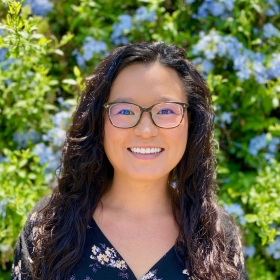
Stephanie S.L. Birnbaum is a Visiting Assistant Professor in the Department of Biology at Occidental College. With a B.S. from Emory University and a Ph.D. from Vanderbilt University, she has been appointed since 2021. Her research focuses on insect adaptations to environmental stressors like plant toxins and pesticides, utilizing transcriptomic approaches to understand ecological and evolutionary trade-offs. Dr. Birnbaum's publications reveal key expertise in Insect immunology Transcriptional plasticity Host-pathogen interactions Pesticide resistance evolution . She has established experimental systems for studying non-model insect species, particularly Aphis nerii, while exploring specificity patterns in fungal parasites like Escovopsis across ant symbioses. Her work integrates molecular biology with ecological dynamics to address adaptive mechanisms in specialized herbivores. In her laboratory, she maintains biological cultures of Aphis nerii to investigate plant-insect interactions and environmental adaptation. Her research bridges ecological immunology with evolutionary genetics, focusing on how organisms navigate toxic environments and pathogenic challenges.
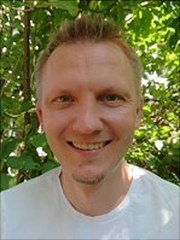
Dr. Martin Kemler serves as a Postdoctoral researcher at the University of Hamburg within the Faculty of Mathematics, Computer Science and Natural Sciences, Department of Biology, specifically in the Institute of Plant Sciences and Microbiology's Organismic Botany and Mycology group. His research activities are centered at Ohnhorststrasse 18, 22609 Hamburg, Room CvL 3.509, where he conducts specialized work on fungal systematics and ecology. Dr. Kemler's research program focuses on the evolution and ecology of smut fungi and plant-associated fungal communities , with particular expertise in fungal taxonomy, host specificity, and microbial community dynamics. His work bridges molecular phylogenetics with ecological field studies, examining how fungal pathogens interact with their host plants across different environments. He has made significant contributions to understanding the systematics of smut fungi genera including Anthracoidea and Microbotryum , while also investigating endophytic fungal communities in olive trees and across ecological gradients in African ecosystems. His research methodology integrates DNA sequencing, morphological analysis, and ecological modeling to address fundamental questions in fungal evolution and plant-microbe interactions. Analysis of Dr. Kemler's recent publication record (2023-2024) reveals three major research thrusts: (1) fungal systematics and taxonomy, demonstrated through his participation in the Global Consortium for Fungal Classification and Fungal Planet description sheets; (2) evolutionary biology of smut fungi, particularly examining convergent evolution patterns between distantly related lineages; and (3) microbial ecology of plant-associated fungi, with emphasis on how land use change and host domestication affect fungal community structure. His collaborative approach is evident through extensive co-authorship networks spanning multiple continents, reflecting the international nature of modern mycological research. Dr. Kemler actively contributes to the broader scientific community through his methodological innovations in studying fungal evolution and ecology. His work on endophytic communities in olive trees has provided important insights into how agricultural practices affect microbial biodiversity, while his taxonomic work has helped clarify classification systems for challenging fungal groups. His research demonstrates consistent methodological rigor and addresses questions of both theoretical significance and practical application in fungal biodiversity conservation.
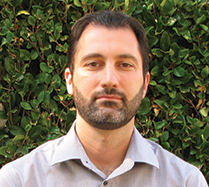
Dr. Andrej Fabrizius is a Postdoctoral Researcher at the Institute of Animal Cell and Systems Biology within the Department of Biology , University of Hamburg . As a Participating Researcher in the DFG-funded project "Generation of zebrafish Knock-Outs via Crispr/Cas-System" , he specializes in molecular physiology and globin protein research across aquatic and terrestrial vertebrates. Research Focus : Respiratory proteins (neuroglobin, cytoglobin, androglobin) Key Techniques : CRISPR/Cas9 gene editing, RNA-Seq, qRT-PCR, Western Blot Primary Affiliation : University of Hamburg (Faculty of Mathematics, Computer Science and Natural Sciences) His research combines molecular genetics with environmental physiology , creating novel insights through two major projects: (1) Functional analysis of neuroglobin in mammalian CNS using conditional knockouts, and (2) Generation of zebrafish globin KO models to study in vivo functions under stress regimes. This work has produced 21 publications in high-impact journals. Scientific contributions span marine mammal physiology (whale brain aerobic capacity, seal brain neuroprotection), estuarine ecosystem dynamics (Elbe/Odra estuary fish populations), and fundamental globin biology . Recent work demonstrates how environmental stressors (hypoxia, turbidity, parasitic load) alter physiological systems at molecular and ecosystem levels. As a translational researcher , Dr. Fabrizius connects molecular mechanisms (gene expression, oxidative stress response) with ecological implications (fish stock health, estuarine monitoring programs). His evolutionary perspective extends from studying Neoceratodus forsteri (Australian lungfish) genome to mammalian diving adaptations.
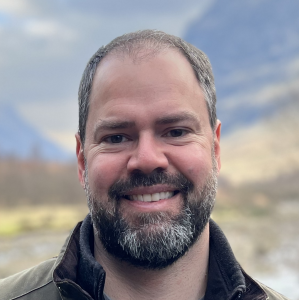
Dr. Ahmed Abdelfattah is a Research Professor and group leader at the Microbiome Biotechnology department of the Leibniz Institute for Agricultural Engineering and Bioeconomy (ATB) . He holds a PhD in Ecological and Phytosanitary Management from the University of Palermo, Italy, and has held postdoctoral fellowships at Stockholm University and the Mediterranean University of Reggio Calabria . Education PhD (2016) - University of Palermo, Italy MSc (2012) - Mediterranean Agronomic Institute of Bari, Italy BSc (2008) - Ain Shams University, Egypt His research focuses on plant-microbe interactions and microbiome engineering for agricultural sustainability. Key projects include: POUNDER - Urban pond pollution and ecosystem resilience LL-SYSTAIN - Biodiversity-climate-agriculture linkages CropBiomes - Synthetic communities for crop fitness Recent publications analyze microbial dynamics in Cannabis seeds , apple carposphere microbiomes , and antimicrobial resistomes in plant microbiomes . His work with the Microbiome & Health MOOC demonstrates commitment to public education. Grants and Awards: Marie Skłodowska-Curie Fellowship (2019) Bolin Centre grant (2019) TU Graz initial funding program (2020) He leads the Microbiome Management Group and holds a patent for a Microcosm device for plant microbiome research. His collaborations span institutions in Sweden, Italy, Austria, and France.
Paul Mitaari Magwene is a Professor of Biology at Duke University's Trinity College of Arts & Sciences, with a secondary appointment in Molecular Genetics and Microbiology. His research focuses on fungal pathogens, genomics, and computational biology, particularly in Cryptococcus neoformans and Saccharomyces cerevisiae . He has developed innovative approaches to studying genotype-phenotype relationships and evolutionary mechanisms in microbial systems. Ph.D., The University of Chicago (1999) Magwene's research examines genomic adaptation in fungal pathogens, including transposon activity, RNA interference loss, and virulence evolution. His work bridges computational genomics with experimental approaches to understand complex traits in yeast and their implications for human health. Current NIH-funded projects include Tri-Institutional Molecular Mycology Training Program (2024-2029) and Genetic Basis of Virulence in Cryptococcus (2017-2028) Recent publications in Nature Microbiology and PNAS highlight his contributions to understanding mutation rate evolution and pathogen adaptation Scientific Awards Ford Foundation Fellowship (1998) Magwene actively contributes to academic service through NIH study section memberships, NSF reviews, and editorial roles. He teaches advanced courses in genomics and data science for biologists.
Hagop Atamian is an Assistant Professor at the Schmid College of Science and Technology , Chapman University, with a focus on plant-environment interactions and antiviral drug discovery. Education B.S., M.S. - American University of Beirut Ph.D. - University of California, Riverside Postdoctoral Fellow - UC Davis Research Areas Molecular mechanisms of plant responses to biotic (insects, pathogens) and abiotic (drought, temperature) stresses Transcriptomic and genomic analyses of plant-microbe interactions Circadian clock regulation of plant physiology Computational screening of natural products for SARS-CoV-2 protease inhibition Article Trends 58% focus on plant stress biology (2010-2023) 42% recent shift toward pharmacology and computational methods (2020-2024) Key subfields: transcriptome analysis, circadian gene regulation, microbiome engineering, protease inhibitors Awards & Grants Kay Family Foundation COVID-19 Rapid Research Award (2023)
Matthew Barber is an Associate Professor in the Department of Biology at the University of Oregon, focusing on molecular evolution of host-microbe interactions and bacterial pathogenesis. His research explores evolutionary arms races between hosts and pathogens, particularly mechanisms of bacterial virulence and host adaptation. Research Focus: Ecology & Evolution of microbial interactions Molecular Biology & Genetics of bacterial pathogens Evolutionary conflict in host-pathogen systems Recent Publications: Highlight trends in Staphylococcus aureus adaptation, skin microbiome interactions, and molecular mechanisms of immune evasion. His work spans antimicrobial discovery, receptor evolution, and host-pathogen coevolutionary dynamics.
Mircea Podar is a Distinguished Staff Scientist at Oak Ridge National Laboratory's Biological and Environmental Systems Science Directorate within the Biosciences Division. His primary appointment is in the Biodesign and Systems Biology Section and Integrative Microbiomics Group. As a Fellow of both the American Academy of Microbiology and the American Association for the Advancement of Science (AAAS), he maintains significant recognition in his field. Dr. Podar's research focuses on three major interconnected areas: the study of hyperthermophilic Archaea (particularly Nanoarchaeota) from extreme environments like hot springs and deep-sea vents; microbial adaptation and interspecies interactions in communities associated with plants, animals, and humans; and microbial transformation of mercury in contaminated environments. His work centers on developing novel genomic approaches to isolate and study uncultured microbial 'dark matter' through single-cell genomics and metagenomics combined with cultivation techniques. Current research emphasizes oral microbiome interactions in health and disease (including cancer), building on his foundational contributions to the NIH Human Microbiome Project. Analysis of his recent publications reveals strong trends in environmental microbiome characterization, particularly in extreme environments and host-associated systems. His work spans microbial ecology, genomics, and biogeochemistry with increasing emphasis on human health applications. The publications demonstrate consistent focus on microbial dark matter, mercury cycling, and host-microbe interactions across diverse environments. Fellow of the American Academy of Microbiology Fellow of the American Association for the Advancement of Science (AAAS) Dr. Podar's research has received sustained funding from major federal agencies including the Department of Energy, National Science Foundation, NASA, and National Institutes of Health. His work bridges fundamental microbial ecology with applied environmental and human health questions. While specific advisees aren't listed in the source material, his leadership in the Integrative Microbiomics Group suggests active mentorship of junior researchers. His laboratory develops cutting-edge genomic methodologies for studying uncultured microorganisms across diverse environments from deep-sea vents to the human oral cavity.
Archana Singh is a Research Fellow at the Department of Plant Sciences , University of Cambridge. Her work bridges plant biology, molecular pathology, and interdisciplinary research, including cancer biology. Affiliated with the Gene Expression research group, she investigates plant-microbe interactions, RNA processing, and genomic mechanisms. Research highlights include Plant immunity modulation by aphid and phytoplasma effectors RNA biology in viral resistance and gene silencing Metastasis mechanisms in paediatric bone cancers Comparative genomics of plant pests (e.g., woolly apple aphid) Non-coding RNA dynamics in development and disease Her publications span plant virology, molecular oncology, and computational biology, reflecting a cross-disciplinary approach. Contact: as3130@cam.ac.uk .
Dr Charlotte Houldcroft is a Lecturer in the Department of Genetics at the University of Cambridge, where she leads the Virus Genomics group. Her research bridges virology, genomics, and evolutionary biology, focusing on the interplay between human genetic/immunological variation and viral diversity. Education: Human Sciences (BSc, University of Oxford), Molecular Biology (PhD, Wellcome Sanger Institute) Research Interests: Charlotte studies double-stranded DNA viruses and their role in diseases ranging from respiratory infections to cancer, using whole-genome sequencing to analyze viral spread, drug resistance, and ancient human-pathogen coevolution. Her work emphasizes host-pathogen interactions, immune evasion, and the impact of viral evolution on human genetics. Affiliations: She is affiliated with Cambridge Infectious Diseases and collaborates with researchers such as Dr Mat Beale, Dr Aminu Jahun, and Professor Ian Goodfellow. Her group is part of the Department of Genetics, located at Downing Street, Cambridge. Contact: Email: ch504@cam.ac.uk | Department of Genetics Page
Dr. Alan Wanke is a Research Fellow at the Sainsbury Laboratory, University of Cambridge, where he investigates plant-fungal interactions within Dr. Sebastian Schornack's research group. His work focuses on understanding the molecular mechanisms that govern symbiotic relationships between plants and fungi, particularly examining how fungal cell wall components influence plant immune responses and mutualistic colonization. Dr. Wanke completed his undergraduate studies in Biological Sciences at the University of Münster (Germany) in 2016, followed by a PhD at the International Max Planck Research School under Prof. Alga Zuccaro at the University of Cologne. His doctoral research explored the role of fungal cell wall β-glucans in plant-fungal communication. Since January 2021, he has continued this research at the Sainsbury Laboratory in Cambridge. His research interests center on plant-fungal molecular dialogue, with particular emphasis on β-glucan recognition systems and how plants distinguish between pathogenic and mutualistic fungi. Through innovative approaches including citizen science outreach projects, Dr. Wanke has documented diverse fungal interactions across plant species, from crop plants to ancient lineages like liverworts. His work has important implications for understanding plant immunity, symbiosis evolution, and developing sustainable agricultural practices. Dr. Wanke's publication record reveals a consistent progression in understanding plant-fungal molecular communication, with recent work focusing on β-glucan-binding proteins, immune recognition systems, and the evolutionary aspects of plant-microbe interactions. His research demonstrates how plants have evolved sophisticated mechanisms to perceive fungal signals and how fungi have developed strategies to manipulate these systems for successful colonization. As a member of the Schornack Group at the Sainsbury Laboratory, Dr. Wanke utilizes state-of-the-art facilities including advanced microscopy and plant growth resources. His collaborative work spans multiple institutions and contributes to the broader scientific understanding of plant-microbe interactions that underpin ecosystem dynamics and agricultural productivity.
Scientia Professor Anthony D Kelleher is a distinguished clinician scientist and Director of the Kirby Institute at UNSW Sydney, a leading research institution focused on infectious diseases and public health. He holds multiple leadership positions including Head of the Kirby Institute's Immunovirology and Pathogenesis Program (2005-2025), Principal of the Infection Immunology and Inflammation Theme at UNSW Medicine (2015-2024), and current Clinical Theme Lead of the RNA Institute at UNSW. As a staff specialist at St Vincent's Hospital Sydney, he provides clinical care for patients with HIV infection and autoimmune diseases while overseeing the NSW State HIV Reference Laboratory. Professor Kelleher graduated with his MBBS from UNSW in 1986 and completed his medical training in internal medicine and pathology at St Vincent's Hospital during the height of the HIV epidemic. He qualified as a Clinical Immunologist and Immunopathologist in 1995 and earned his PhD in 1997 with research on HIV immune modulation. His post-doctoral fellowship at Oxford's Weatherall Institute of Molecular Medicine focused on HIV and immune response coevolution. His research spans HIV/AIDS immunology, virology, and innovative therapeutic approaches including siRNA-based "block and lock" strategies for HIV reservoir control. His laboratory investigates virus-immune system interactions to define protective immune responses for rational treatment and vaccine design. His work has pioneered novel assays for CD4+ T cell responses, lymph node fine needle biopsies for HIV reservoir studies, and gene therapy approaches. During the COVID-19 pandemic, he led Kirby Institute's response including developing neutralization antibody and T cell assays, conducting clinical trials, and researching pan-coronavirus siRNAs. Professor Kelleher's recent publications demonstrate his leadership in both HIV and emerging viral threats like SARS-CoV-2, with research spanning molecular virology, immunology, clinical trials, and public health interventions. His work bridges fundamental science with clinical application, focusing on viral pathogenesis, immune responses, and novel therapeutic strategies for viral infections. His leadership extends to multiple phase 1-4 clinical trials and cohort studies exploring HIV treatment and prevention. He has established patented assays that have been developed commercially and pioneered novel methodologies including Class II MHC tetramers production. His current research includes exploring transcriptional gene silencing of HIV-1 by siRNAs and developing new methodologies for describing regulatory T cells and antigen-specific cells. As a clinician scientist, Professor Kelleher maintains active clinical responsibilities alongside his research leadership, ensuring his work remains grounded in real-world patient needs. His contributions to understanding HIV immunopathogenesis and developing novel therapeutic approaches have significantly advanced the field of viral immunology.
Stephen Bentivenga, Ph.D. is a Professor and Department Head at the Department of Biological & Biomedical Sciences, College of Science & Mathematics, Rowan University. His research focuses on mycology and plant-fungus interactions, particularly arbuscular mycorrhizal fungi (AMF) in ecological contexts. Education Post-Doctoral Associate, West Virginia University Ph.D., Plant Pathology, Kansas State University M.S., Biological Sciences (Botany), Illinois State University B.A., Biology, Illinois Wesleyan University Research Interests : Stephen investigates the ecological roles of arbuscular mycorrhizal fungi (AMF), including their interactions with plants, soil microbiology, and implications for ecosystem restoration. His work spans fungal taxonomy, community dynamics, and responses to environmental stressors like heavy metals and nutrient fertilization. Publication Trends : Recent articles highlight Stephen's expertise in AMF community analysis, biogeography, and ecological restoration. Key themes include fungal taxonomy, soil nutrient impacts, and the role of AMF in prairie and mine site rehabilitation. Professional Memberships International Mycorrhizal Society Soil Ecology Society Mycological Society of America
Kadri Kiran is a Professor in the Department of Biology at Trakya University's Faculty of Science, where they have built a distinguished career in myrmecology and entomology. Having earned all their academic degrees (Bachelor's in 1995, Master's in 1998, and PhD in 2004) from Trakya University, they progressed through academic ranks from Research Assistant (1998) to Research Assistant Doctor (2004), Associate Professor (2013), and finally Professor (2019). Kiran's research focuses primarily on the taxonomy, systematics, and biodiversity of ants (Formicidae), with special emphasis on Turkish ant fauna. Their work spans multiple dimensions of myrmecology including species identification, ecological relationships, invasive species studies, and faunal surveys across different regions of Turkey. They have made significant contributions to documenting the ant biodiversity of Anatolia, Thrace, and other regions through comprehensive taxonomic studies. As Editor of the Journal of Natural Sciences since February 2016 (previously serving as Assistant Editor from August 2014 to February 2016), Kiran has played an important role in academic publishing. Their publication record shows consistent productivity with numerous articles in high-impact journals, often in collaboration with researchers like C. Karaman and international colleagues across Europe. Dr. Kiran has led multiple research projects funded by TÜBİTAK, TÜBAP, and other institutions, including investigations of ant faunas in Eastern Black Sea Region, Central Anatolia, and Western Taurus Mountains. Their work combines field collection with morphological analysis to document both common and rare ant species, with special attention to parasitic and invasive species.
Karsten Hueffer is Professor of Virology in the Department of Veterinary Medicine at the University of Alaska Fairbanks (UAF) , where he also serves as Dean of the College of Natural Sciences and Mathematics . Since 2006 he has held faculty appointments at UAF’s Institute of Arctic Biology and Department of Biology and Wildlife , and since 2013 he has been Associate Director of the Undergraduate Research and Scholarly Activities Office (URSA) . His work integrates infectious-disease research with undergraduate education and Arctic community engagement. Education Doctor of Veterinary Medicine equivalent, School of Veterinary Medicine, Hannover (1993–1999, 3rd of 238) Ph.D. in Comparative Biomedical Science, Cornell University (1999–2003) Research Interests Hueffer’s laboratory investigates viral and bacterial zoonoses —especially rabies and tularemia —in Arctic wildlife and human communities. Projects include molecular evolution of rabies virus in Alaskan Arctic foxes , climate-driven changes in disease dynamics , Francisella tularensis host–pathogen interactions , and parvovirus host-range evolution . His group employs field surveillance, laboratory infection models, next-generation sequencing, and ecological modeling to understand how environmental change reshapes infectious-disease landscapes. Scientific Awards & Fellowships H. Wilhelm Schaumann Foundation Prize for best academic results (1996) Graduate Research Assistantship, Cornell University (1999–2001) Stockler Fellowship, Cornell Graduate School (2001–2002) Award for Scholarship in Basic Science, Phi Zeta Honor Society (2003) Damon Runyon Cancer Research Foundation Fellow (2004–2006) National Academies Education Fellow in the Life Sciences (2008–2009) Outstanding Teacher, Department of Biology & Wildlife, UAF (2010) Advising, Grants & Institutional Service Hueffer chairs the Curriculum Committee of the Department of Veterinary Medicine, directs multiple faculty search committees, and sits on the Internal Biosafety Committee (IBC) at UAF. He has served as President of the International Conference on Diseases in Nature Communicable to Man and President of the Alaska Branch of the American Society for Microbiology . His funding sources include NSF, NIH INBRE, and state wildlife agencies, and he mentors numerous undergraduate and graduate researchers through URSA. Laboratory & Field Teams Work is carried out in the Hueffer Virology Laboratory within UAF’s BSL-2/ABSL-2 facilities and at field sites across rural Alaska. Collaborations span the Institute of Arctic Biology , Alaska State Public Health Laboratory , and the Arctic Fox Monitoring Program .