Kathleen Sluka, PT, PhD, FAPTA, is a Professor of Physical Therapy and Rehabilitation Science at the University of Iowa. She holds secondary appointments in Neuroscience and Pharmacology, and is affiliated with the Medical Scientist Training Program, Neuroscience Translational Biomedicine Center, Cardiovascular Research Center, and Iowa Neuroscience Institute. Dr. Sluka leads the Neurobiology of Pain Laboratory and contributes to the Pain Research Program. Research Focus: Dr. Sluka investigates the transition from acute to chronic musculoskeletal pain and develops non-pharmacological treatments. Her work spans basic neurobiological techniques, animal models of muscle pain, and human clinical trials, emphasizing TENS and exercise therapy. Recent projects explore fatigue metabolites in chronic pain and their interactions with nociceptors. Sex differences in pain mechanisms Neuroimmunology of chronic pain Implementation of non-drug therapies Biomarker development for pain Scientific Awards: Recognized as a Fellow of the American Physical Therapy Association (FAPTA).
Professor Adam Butterworth from the University of Cambridge 's Department of Public Health and Primary Care leads a collaborative international research group focusing on genomics , multi-omics , and cardiometabolic diseases . Affiliated with the Cardiovascular Epidemiology Unit, his work emphasizes Large-scale population datasets Reproducible research methodologies Open science initiatives Research interests span genetic risk prediction , molecular epidemiology , and biomarker development for conditions like coronary artery disease, diabetes, and neurovascular disorders. His group specializes in Mendelian randomization techniques Polygenic score optimization Proteogenomic analysis Metabolic pathway modeling Scientific contributions include Developing flashfmZoom for GWAS fine-mapping Advancing multi-ancestry polygenic risk scores Exploring gene-environment interactions in cardiometabolic health Characterizing inflammatory protein pathways in immune-mediated diseases Contact: asb38@cam.ac.uk | Google Scholar: Profile
Dr. Lecturer Kezban YILDIZ DALGINLI is a full-time academician at Kafkas University, Kars Vocational School, Department of Chemistry and Chemical Processing Technologies. She holds a PhD in Chemistry (2017) and Master's/BSc in Biology from Kafkas and Kırıkkale Universities. PhD: Chemistry, Kafkas University (2017) Master's: Biology, Kafkas University (2010) BSc: Biology, Kırıkkale University (2007) Her research focuses on Biochemistry with emphasis on Enzymology , Oxidative Stress , and Toxicology . She investigates enzyme immobilization techniques, antioxidant systems in heavy metal toxicity, and molecular mechanisms of drug-induced organ damage. Her work spans lipase/peroxidase engineering , trace element toxicology , and oxidative/nitrosative stress parameters . Recent publications demonstrate expertise in enzyme stability optimization (calcium alginate-gelatin hybrid beads), omega-3 fatty acid effects on metal toxicity, and biochemical analysis of conditions like cisplatin-induced lung toxicity and streptozotocin-induced diabetes. Collaborative projects with 55 researchers include 12 funded studies on topics ranging from Shilajit properties to lipase inhibitors . Scientific recognition includes: TUBITAK Publication Encouragement Award (2018) Best Oral Presentation at International Veterinary Biochemistry Congress (2018) 2nd Place at VI R&D Project Market (2016) She has contributed to 49 publications with 102 citations (h-index: 4), and participated in 29 international/national conferences. Her work combines biochemical engineering with health impact studies , particularly in antioxidant systems and enzyme applications .
Dave Mumby is a Professor in the Department of Psychology at Concordia University. His research focuses on the ethology of the laboratory rat , particularly object-recognition memory, spatial learning, and hippocampal function. With a PhD in Biopsychology from the University of British Columbia (1992), he has taught senior-level courses including PSYC 457 (Animal Behavior), PSYC 467 (Evolutionary Perspectives on Learning), and PSYC 451 (Neurobiology of Learning). Email: David.Mumby@concordia.ca Research Trends : His publications (1990–2018) examine memory mechanisms in rats, emphasizing hippocampal and perirhinal cortex roles, hormonal influences (e.g., estradiol, oxytocin), and stress effects on behavior. Studies include novel object recognition, circadian rhythms, and neurodegenerative models. Scientific Awards : Fellow of Concordia University's Science College Teaching Activities : Dr. Mumby's courses bridge animal behavior, evolutionary theory, and neurobiology, reflecting his interdisciplinary research focus.
Dr. Vivian Goerlich is an Assistant Professor in Animal Behaviour at the Department of Population Health Sciences, Faculty of Veterinary Medicine, Utrecht University. She works within the Division of Animals in Science & Society (AISS), where she focuses on the connection between animal behavior, physiology, and welfare. Her work spans multiple species from pigeons and chickens to cows, dogs, and giraffes, with particular emphasis on how early life experiences shape animal development and welfare. Dr. Goerlich's research explores how animals adapt to environmental challenges, with special interest in prenatal and early postnatal effects on development. Her work examines how maternal hormones in eggs affect chick development, how external factors during incubation influence developing embryos, and how these early experiences create long-lasting changes in physiology and behavior that can even be transmitted across generations through epigenetic mechanisms. Her research integrates laboratory and field approaches, including endocrinology, behavioral observations, and physiological measurements. Analysis of her recent publications reveals a strong focus on poultry welfare, particularly examining how light exposure during incubation affects behavioral and physiological development in chickens. She also investigates broader animal welfare concepts, developing frameworks for welfare assessment across species with different phylogenetic distances from humans. Her work demonstrates consistent integration of behavioral, physiological, and endocrine approaches to understand animal welfare comprehensively. Dr. Goerlich plays significant educational roles as Coordinator of the Master track 'Animal Welfare Management' & Risk Assessment and the FELASA Laboratory Animal Course module for 'Poultry and other birds.' She teaches physiology, animal behavior and welfare, animal communication, and systematic reviews within the Veterinary Medicine Master's program. She serves on the Master Education Research Committee (DGK) and is a board member of the Dutch Society for Behavioural Biology. Her laboratory work spans multiple environments including controlled laboratory settings for endocrine analysis, field studies with various animal species, and citizen science projects like 'Pigeons in the City' that engage school children in life sciences research. She collaborates internationally with researchers across Europe and has previously worked at institutions including Duke University, University of Bielefeld, and University of Linköping.
Melissa Abraham, Ph.D., is a Part-time Assistant Professor of Psychology in the Department of Psychiatry at Harvard Medical School, with affiliations to Massachusetts General Hospital (MGH) as a Psychologist and Non-MD Clinician Investigator. Her career spans epidemiology, clinical psychology, and research ethics. Education: Ph.D. in Clinical Psychology (Northwestern University, 2002), Master's in Epidemiology (HSPH, 1997) Institutional Roles: Partners Human Research Committee member, IRB Chairperson for minimal-risk research Her research focuses on Behavioral Medicine, Clinical Ethics , and Public Health , with particular emphasis on participant protections in observational and experimental clinical research. Recent publications highlight expertise in Neuromodulation , Spinal Cord Injury , and Neurosurgical Technique applications. Scientific achievements include the HMS Fellowship in Medical Ethics , with publications across multiple neuroscientific domains. Current work involves analyzing 2025 clinical trials for stroke neuromodulation and 2024 spinal repair studies.
Giorgia Perniola MD, PhD is Associate Professor of Gynaecology and Obstetrics at the University of Rome “La Sapienza”, Department of Maternal-Infant and Urological Sciences, and serves as a staff physician and consultant gynaecologic oncologist at the affiliated Policlinico Umberto I. She qualified as full professor (ASN Professore I fascia) in December 2020 and has held continuous university appointments since 2015. Education & Training MD – University of Rome “La Sapienza”, 1999 (110/110 cum laude) Board Certification – Obstetrics & Gynaecology, 2004 (70/70 cum laude) PhD – Maternal-Infant Sciences & Gynaecologic Oncology, 2008 Research Fellowship – University of Sydney (pelvic-floor ultrasound), 2007 Clinical Observer – Memorial Sloan-Kettering Cancer Center, NY, 2012 Research Interests Her scientific activity centres on gynaecologic oncology , gynaecological ultrasonography , endometriosis , urogynaecology and minimally invasive surgery . She has led multicentre studies on endometrial and ovarian cancer imaging, the role of ultrasound in predicting neoadjuvant chemotherapy response in cervical cancer, and the evaluation of sexual function and quality of life after radical surgery. Scientific Output at a Glance 122 peer-reviewed articles (114 international, 8 national) h-index 20, >1,300 citations (Scopus/PubMed) Principal investigator or co-investigator on 5 University “Sapienza” grants (2015-2020) Invited speaker at >55 national/international congresses Member of AIUG, IOTA, MITO, SIGO, ISUOG Teaching & Mentoring Since 2015 she coordinates and lectures in the gynaecology courses for medical students at five different Sapienza campuses and supervises undergraduate and postgraduate theses (18 as co-supervisor). She also sits on the Board of the Specialisation School of Gynaecology & Obstetrics of the university.
Professor Julian Walters serves as Professor of Gastroenterology within the Department of Metabolism, Digestion and Reproduction at Imperial College London's Faculty of Medicine. He maintains active clinical and research roles at Hammersmith Hospital (Room 368, Hammersmith House) with current contact details, and is affiliated with the Centre for Translational Nutrition and Food Research. His academic credentials include a Doctor of Science (DSc) awarded by Imperial College London, reflecting decades of scholarly contribution to gastrointestinal science. Walters' research program centers on molecular mechanisms of small intestinal function, particularly epithelial cell differentiation and nutrient transport in inflammatory conditions like coeliac disease and Crohn's disease. His seminal contribution redefined chronic Bile Acid Diarrhoea (BAD) pathophysiology: demonstrating that FGF19 hormone deficiency—not malabsorption—drives excessive bile acid synthesis. This paradigm shift underpins current investigations into FXR agonists (e.g., obeticholic acid) as targeted therapies that stimulate FGF19 production. His work extends to diagnostic innovation, establishing that approximately 33% of IBS-D patients actually suffer from BAD (representing ~1% of adults), and developing blood-based C4 testing as alternatives to SeHCAT scans. Analysis of his 15 most recent publications (2023-2025) reveals obsessive focus on BAD mechanisms and management. Key trends include: (1) microbiome-bile acid interactions (identifying Ruminococcus gnavus and biofilms as diagnostic markers), (2) FGF19/INSL5 hormone dynamics in symptom generation, (3) clinical validation of non-invasive diagnostics (blood C4, fecal profiling), and (4) therapeutic trials of FXR agonists and dietary interventions (8x5 Diet). His work consistently bridges molecular discovery with clinical implementation. No specific scientific awards are documented in available sources. Walters actively directs research grants through the Centre for Translational Nutrition and Food Research, though specific funding amounts and student names remain unreported. His leadership in developing European and Canadian clinical guidelines (UEG/ESNM 2022, CAG 2020) demonstrates significant influence on BAD management standards. Current projects emphasize refining diagnostic criteria and developing better-tolerated FXR-targeted therapies. The Centre for Translational Nutrition and Food Research provides Walters' primary research ecosystem, integrating laboratory science with clinical practice through interdisciplinary collaboration across Imperial College's medical and nutritional sciences divisions.
Professor Rachel Skinner is a distinguished clinical academic and Adolescent Physician at the Children's Hospital at Westmead, holding a professorship in Child and Adolescent Health within the Sydney Medical School at the University of Sydney. She serves as Deputy Director of Wellbeing, Health and Youth at the NHMRC Centre for Research Excellence in Adolescent Health and acts as Senior Clinical Advisor in Youth Health and Wellbeing for the NSW Ministry of Health. Her career spans clinical practice, research leadership, and policy development across multiple institutional affiliations. Sydney Medical School, University of Sydney - Professor in Child and Adolescent Health Children's Hospital at Westmead - Adolescent Physician NHMRC Centre for Research Excellence in Adolescent Health - Deputy Director of Wellbeing, Health and Youth NSW Ministry of Health - Senior Clinical Advisor in Youth Health and Wellbeing Royal Australasian College of Physicians - Member Australian Association for Adolescent Health - Member Professor Skinner's research spans public health, bio-psychosocial and ethical dimensions of adolescent health, with particular expertise in human papillomavirus (HPV) vaccine efficacy, sexual behavior, contraception, and early pregnancy in adolescents. Her methodological approach integrates prospective cohort studies, population-based cross-sectional research, complex intervention evaluation, qualitative inquiry, and clinical trials across diverse settings including schools, health services, and digital platforms. She has developed innovative multi-faceted interventions for youth health promotion and validated outcome measures, with strong emphasis on involving young people throughout the research process. Her publication record demonstrates significant contributions to adolescent health literature, particularly in HPV vaccination programs, gender and sexuality diversity, and digital health technologies. Recent work focuses on mental health interventions, vaccination strategies for vulnerable populations, and the impact of social media on sexual development. Vice Chancellor's award for excellence in postgraduate research supervision, University of Sydney (2017) As an educator, Professor Skinner contributes to medical student teaching in pediatrics, coordinates the Adolescent Module in Sydney Medical School's Master of Medicine in Paediatrics, and serves as deputy postgraduate coordinator for the Discipline of Child and Adolescent Health overseeing more than 100 research students. Her leadership extends to multiple research collaborations including the NHMRC Centre for Research Excellence in Adolescent Health across five universities. Current projects address social media's impact on sexual agency, HPV vaccination gaps, adolescent mental health interventions, and innovative vaccine delivery systems.
Dr. David Meredith is a Senior Lecturer in Biochemistry/Biomedical Science at Oxford Brookes University's School of Biological and Medical Sciences, Faculty of Health & Life Sciences. He serves as Subject Coordinator for BSc Biological Sciences and Knowledge Exchange Lead for the Faculty, with research focused on membrane transporter proteins and drug delivery systems. Education: MA, DPhil Research Interests: The Membrane Transport Group led by Dr. Meredith investigates structure-function relationships in membrane transport proteins like PepT1, PAT family amino acid transporters, MCTs, and OATPs. Their work combines expression studies, cell culture, medicinal chemistry collaborations, and molecular modeling to develop novel drug delivery systems that exploit natural intestinal transport mechanisms. Publication Trends: His research spans biochemical characterization of transporters, computational modeling of drug-substrate interactions, and translational applications in oral drug delivery. Key themes include PepT1 substrate specificity, transporter inhibition mechanisms, and evolutionary implications of nutrient transport systems. Scientific Awards: Fellow of the Higher Education Academy (HEA) Professional Affiliations: Member of The Physiological Society and European Intestinal Transport Group, with collaborations at London South Bank University, University of Cardiff, and University of Oxford. His teaching portfolio includes Biomedical Science modules and evidence-based medicine instruction.
Dr. Liz Alvey is a Senior Lecturer at the School of Biosciences, University of Sheffield, UK. With a focus on molecular biosciences, she teaches undergraduate and postgraduate students while advocating for innovative, real-world-aligned teaching methods and promoting equality, diversity, and inclusion (EDI) in academia. Qualifications: PhD in Plant Science (University of Cambridge, 2007) Previous Roles: Research Associate at University of Cambridge (2009–2012), John Innes Centre (2007–2008), and academic tutor at Murray Edwards College. Her research spans plant genetics, molecular biology, and meiosis, particularly in Arabidopsis thaliana. She also contributes to science communication and bioscience education through publications and practical module design. Recent publications highlight her work in plant growth regulation, thermosensory responses, and science outreach initiatives. She coordinates modules such as MBB360 Project and MBB265 Practical Molecular Bioscience 2, emphasizing hands-on learning. Scientific Awards: Senior Fellowship of the Higher Education Academy (2016) Dr. Alvey is actively involved in EDI committees at the School of Biosciences and Faculty of Science levels, acting as chair for the former. She also supports widening participation and global student exchanges.
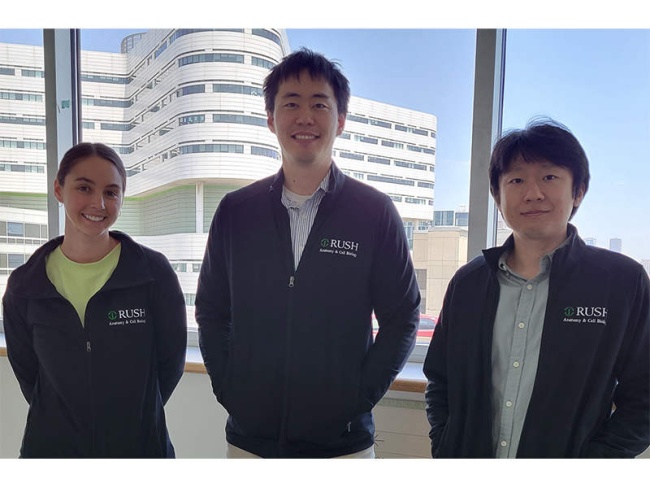
Frank C. Ko, PhD is an Assistant Professor in the Department of Anatomy & Cell Biology at Rush Medical College, Rush University , with secondary appointments in the Department of Orthopaedic Surgery. His research focuses on molecular mechanisms of intramembranous bone regeneration and musculoskeletal homeostasis , particularly examining periostin-expressing cells and circadian rhythm interactions with bone metabolism. PhD in Musculoskeletal Biomechanics from Cornell University Postdoctoral training at Massachusetts General Hospital and Beth Israel Deaconess Medical Center Research spans bone regeneration , implant fixation , and disease models (osteoporosis, osteoarthritis, sarcopenia). Key projects include: Periostin cell lineage tracing in marrow ablation recovery Wnt/β-catenin activation for accelerated healing Phosphate-mTORC1-BMAT interactions Gut-bone axis through colonic circadian disruption Translational preterm pig skeletal modeling Current funding includes NIH R01 and R21 grants. Scientific accolades feature the Searle Innovator Award . His lab collaborates with orthopedic surgeons and computational biomechanists to develop novel therapeutic strategies for musculoskeletal repair and implant integration.
Raksha Jain, M.D., M.S.C.I., is a Professor in the Department of Internal Medicine at UT Southwestern Medical Center and a member of its Division of Pulmonary and Critical Care Medicine. A Dedman Family Scholar in Clinical Care, she serves as Medical Director of the Adult Cystic Fibrosis Program. B.S. in Molecular Biology, MIT M.D., University of Texas Houston Health Science Center Internal Medicine Residency, UT Southwestern Medical Center Fellowship in Pulmonary and Critical Care, Washington University School of Medicine Her research focuses on novel cystic fibrosis (CF) treatments and gender disparities in airway diseases. She leads multicenter CF clinical trials and explores hormonal influences on lung disease. Recent work includes evaluating CFTR modulators' impact on maternal/fetal outcomes and metabolic syndrome development. Dr. Jain has received awards from the National Institutes of Health, Children’s Medical Center of Dallas, and the Cystic Fibrosis Foundation. She chairs the Sexual Health, Reproduction, and Gender (SHARING) Research Working Group under the Cystic Fibrosis Foundation Therapeutics Development Network. American Thoracic Society American College of Chest Physicians Texas Medical Association Society of Women's Health Research Southern Society for Clinical Investigation European Cystic Fibrosis Society
Jozef Vanden Broeck is a full professor at the Faculty of Sciences , KU Leuven , affiliated with the Department of Biology and Animal Physiology and Neurobiology division. His research spans molecular developmental physiology, signal transduction, and RNA pathways in insects, particularly locusts. Research Topics: Molecular physiology of insect development, neuropeptide signaling, transcriptomics, RNA interference, and pest control strategies Projects: Eclosion hormone receptor studies in desert locusts, microRNA loading in extracellular vesicles, genotype-dependent digestion plasticity in black soldier flies, and neuropeptide roles in molting and reproduction Recent publications highlight his work on AKH receptors , resilin biomechanics , and CRF-DH receptor signaling . His lab explores insect hormones, extracellular RNA communication, and novel pest management approaches using biostable neuropeptide analogs. Despite extensive collaboration and supervision roles in grants, no awards are explicitly mentioned in the provided texts.
Suzanne D. Conzen is a Professor in the Department of Internal Medicine and Chief of the Division of Hematology and Oncology at UT Southwestern Medical Center. A physician-scientist with dual expertise in clinical oncology and molecular biology, she focuses on glucocorticoid receptor (GR) signaling in breast, prostate, and ovarian cancers. Education : Yale School of Medicine (MD), Brown University (BA in Political Science, magna cum laude), London School of Hygiene & Tropical Medicine (MSc) Clinical Training : Internal Medicine Residency (Cornell Medical Center), Clinical Fellowship in Hematology/Oncology (Dartmouth-Hitchcock), Research Fellowship in Molecular Oncology (Dartmouth Medical School) Her research program investigates how GR activation influences cancer progression and therapy resistance, particularly in hormone-driven cancers. She employs advanced imaging techniques like MRI radiomics and magnetic resonance spectroscopy to study tumor biology and microenvironment interactions. Dr. Conzen's recent work explores targeted therapies using selective GR modulators (SGRMs) to improve treatment efficacy in castration-resistant prostate cancer and ER-negative breast cancer. Her lab also examines how dietary factors (e.g., high-fat diets) impact mammary tumorigenesis. Scientific Awards : Elected to American Society for Clinical Investigation (2006) Elected to Association of American Physicians (2020) Leadership roles: Senior Editor of Cancer Research , Chair of NIH Cancer Etiology Study Section She holds multiple National Cancer Institute grants and receives funding from the Breast Cancer Research Foundation.