Emilie Carretier is a Professor at Aix-Marseille University (AMU) , affiliated with the Procédés Membranaires research team. Her work focuses on membrane separation technologies, particularly for industrial applications in pharmaceuticals, water treatment, and nuclear waste management. Research Interests : Membrane processes (pervaporation, reverse osmosis), solvent regeneration, radioactive effluent treatment, catalyst recovery, and industrial sustainability. Publications highlight advancements in ceramic membranes, VOC removal, and membrane aging studies, with applications in pharmaceuticals, microelectronics, and nuclear industries. Laboratory : Active within the M2P2 research center, specializing in membrane process innovation for complex industrial matrices.
Mathieu Sauthier is a Professor at the University of Lille, affiliated with the National School of Chemistry of Lille and the Unit of Catalysis and Solid State Chemistry (UCCS). His research focuses on homogeneous catalysis for organic synthesis, emphasizing atom efficiency, greener chemistry, and polyol valorization. He specializes in carbon monoxide and 1,3-butadiene chemistry, including carbonylative Suzuki couplings, hydroformylation, alkoxycarbonylation, and domino reactions under one-pot conditions. His work targets catalyst improvements for activity (TOF), selectivity, and lifetime (TON) while minimizing synthetic steps. 2011–Present: Professor, University of Lille 2002–2011: Assistant Professor, University of Lille 2001–2002: Postdoctoral Researcher, University of Amsterdam 1998–2001: Ph.D. in Homogeneous Catalysis, University of Rennes 1997–1998: Master’s in Porphyrin Synthesis, University of Burgundy His research portfolio includes innovative approaches to domino carbonylative reactions for constructing complex molecules, selective 1,3-butadiene etherification, and nickel-catalyzed hydroalkoxylation for agro-based polyol valorization. He has contributed to nonconventional reaction media in catalysis, such as biphasic aqueous systems and ionic liquids, and has co-authored book chapters on carbohydrate chemistry and C-1 building blocks in organic synthesis. The trends in his publications highlight sustainable methodologies using nickel and palladium catalysts for bioresource conversion (e.g., lignin, sorbitol, glycerol), with a strong emphasis on atom economy and clean reaction conditions. His work spans catalyst design, mechanistic studies, and industrial applications. Professor Sauthier is based at the National School of Chemistry of Lille, Scientific City, Building C7, France. He is part of the UCCS unit, a collaborative research environment associated with CNRS (UMR 8181) and partners like Universiteit van Amsterdam. His laboratory, CASECO (Catalysis and Eco-Compatible Synthesis), drives innovations in greener chemistry.
Dr. Ramaraj Ayyappan is an Assistant Professor in the Department of Chemistry at the Indian Institute of Science Education and Research (IISER), Thiruvananthapuram, appointed in August 2022. His research focuses on organometallic chemistry, specifically designing catalysts using first-row transition metals for sustainable applications including CO 2 hydrogenation and bond activation. His academic background includes: B.Sc Chemistry from Gandhigram Rural University, Chinnalapatti, Tamil Nadu Integrated Ph.D. from Indian Institute of Science (IISc), Bangalore (Thesis advisor: Prof Balaji R. Jagirdar) Postdoctoral research at LCC-CNRS, Toulouse, France Postdoctoral research at University of South Wales, Pontypridd, UK Dr. Ayyappan's research centers on developing phosphine and carbene-based multifunctional ligands to tailor transition-metal complexes (Mn, Fe, Co, Ni, Cu, Ru, Ir, Rh) for catalytic applications. His group emphasizes earth-abundant first-row 3d metals for sustainable chemistry, overcoming challenges like labile metal-ligand bonds to achieve CO 2 activation, hydrogenation, and coupling reactions. Current projects focus on CO 2 and P 4 activation using tailored metal complexes. Analysis of his 11 publications (2014-2024) reveals consistent innovation in organometallic catalysis, with recent work (2022-2024) increasingly addressing sustainable CO 2 functionalization and dinitrogen activation. His research demonstrates strategic ligand design to enable challenging transformations with abundant metals, reflecting a strong commitment to green chemistry solutions. Dr. Ayyappan actively mentors students, currently supervising JRF Deepthy Devassy (SERB-SRG project), BS-MS students Aswin Das (SERB project JRF), Shwetha Jayarajan, and Fiza Fathima S, alongside interns from CHRIST University and other institutions. His group secured SERB funding and hosted the Inspire Fellow Anjali Suku. In early 2025, his students Deepthy, Fiza, and Shwetha won the best poster award at FSCHEM 25 symposium for their hydrogenation catalyst research. The research laboratory features Schlenk lines, glove boxes, medium-pressure reaction systems (5-10 bar), Fischer-Porter and Parr hydrogenation apparatus, and comprehensive analytical capabilities (NMR, IR, X-ray, HRMS, GC-MS). Strict safety protocols govern handling of hazardous chemicals and gases (H 2 , CO 2 , NH 3 ), with mandatory training in waste disposal, emergency procedures, and instrument maintenance.
Christophe Darcel is a Full Professor at the University of Rennes 1, specializing in homogeneous catalysis with a particular focus on iron-based catalysts. His research spans multiple areas of sustainable chemistry, utilizing earth abundant transition metals for various catalytic transformations. Dr. Darcel earned his PhD in 1995 from the University of Rennes 1 under the supervision of C. Bruneau and P. H. Dixneuf, focusing on ruthenium and palladium catalyzed transformations of functional alkynes. He completed postdoctoral research in Geneva with W. Oppolzer on asymmetric synthesis of natural products using sultam auxiliary, followed by a Humboldt fellowship with P. Knochel in Marburg developing chiral zinc derivatives. He served as an associate professor at the University of Cergy-Pontoise and the University of Burgundy before his 2007 appointment as full professor at University of Rennes 1. His research program centers on homogeneous catalysis with earth abundant transition metals, particularly iron. Key research areas include catalyzed hydroelementation reactions (hydrosilylation of carbonyl and carboxylic derivatives, hydroboration of alkenes and alkynes), iron-catalyzed borylation and methylation reactions, novel hydrogenation and hydrogen borrowing processes, ruthenium-catalyzed C-H bond activation, and asymmetric catalysis using P-chirogenic organophosphorus ligands. His work emphasizes sustainable chemistry approaches using non-noble metals and benign oxidants. Analysis of his recent publications reveals a strong focus on iron catalysis for sustainable synthesis, with significant contributions to hydrosilylation chemistry, reductive amination processes, and C-H functionalization. His research demonstrates a consistent trend toward developing practical, environmentally friendly catalytic methods that utilize abundant metals instead of precious metals, with applications in pharmaceutical and fine chemical synthesis. Dr. Darcel teaches at both Licence and Master levels, with courses in Homogeneous Catalysis, Organometallic Chemistry, Organic Synthesis, and Green Chemistry. He leads research within the Labcom GreenCARE (Demeta-UR1-CNRS joint lab), which focuses on sustainable chemical processes including lignin upgrading. His work has resulted in multiple patents filed between 2018-2019 related to sustainable chemical processes.
Christophe Bour is a Professor at Université Paris-Saclay, leading the Molecular Catalysis team at the Institute of Molecular Chemistry and Materials of Orsay (ICMMO). His research focuses on homogeneous catalysis, particularly π-catalysis using main-group metals and transition metals to develop sustainable synthetic methodologies. He has contributed to advancing catalytic processes involving gallium, calcium, and gold, emphasizing the replacement of noble metals. His work integrates experimental and computational approaches, including DFT studies, to understand reaction mechanisms. Education and Career: Bour earned his PhD in Organic Chemistry from the University of Strasbourg (2006) and completed postdoctoral fellowships in Spain and Switzerland. He obtained his Habilitation (2015) and was promoted to Professor, attaining the Hors-Classe rank. He leads a research team and has supervised over a dozen theses, notably through the Doctoral Supervision Bonus program. Research Interests: Key areas include π-acid catalysts, main-group metal catalysis (gallium, calcium), enantioselective reactions, and the design of sustainable synthetic protocols. His studies on Lewis acids and transition metal surrogates aim to enhance catalytic efficiency while reducing environmental impact. Teaching: Bour teaches across undergraduate and graduate programs, including organic chemistry, catalysis, and inorganic chemistry. He coordinates courses at the L2 and L3 levels, developed a novel experimental laboratory module, and contributed to digital educational resources via Moodle. His teaching spans 200+ hours annually, emphasizing pedagogical innovation. Awards and Leadership: Recognitions include the ANR PRC (2021), INC@Emergence CNRS (2019), and multiple fellowships. He serves as Secretary of the SCF Île-de-France section, organizing conferences like GECO 63, and chairs thesis juries nationally and internationally. He is part of the French Fluor Network, leveraging expertise in fluorinated reagents. Labs and Collaborations: As team leader at ICMMO, he collaborates globally, hosting visiting researchers and organizing seminars. His lab focuses on catalyst design, mechanism elucidation, and applications in drug discovery and material synthesis.
Renata Bunoiu is an Associate Professor (Maîtresse de conférences HDR) at Université de Lorraine, affiliated with the Faculty of Mathematics, Computer Science, and Mechanics (UFR MIM) and the Department of Partial Differential Equations within the Institute Élie Cartan de Lorraine (IECL). Her primary research focuses on homogenization theory and asymptotic analysis in thin domains, particularly examining nonlinear flows and composite materials with interfacial phenomena. Her research interests encompass Homogenization Theory , Asymptotic Analysis in Thin Domains , Nonlinear Flow Dynamics , and Composite Material Modeling . She specializes in periodic homogenization, sign-changing coefficient problems, and flux jump phenomena in high-contrast media. Her work bridges theoretical mathematics with applications in fluid mechanics, porous media, and material science. Dr. Bunoiu's publication record demonstrates consistent contributions to mathematical analysis, with 15+ recent articles (2018-2024) in journals like Journal of Mathematical Fluid Mechanics , Applicable Analysis , and Communications in Mathematical Sciences . Her research shows a clear trajectory toward increasingly complex transmission problems involving sign-changing coefficients, thin periodic structures, and non-Newtonian fluid behavior. She actively participates in institutional responsibilities including serving on the UFR MIM council, leading the AMEF mobility commission, and coordinating the national PPPE teacher preparation program. Her current research projects include the interdisciplinary LUE-MAT-PULSE initiative on nanomaterials and the international GDRI ECO-Math collaboration focused on asymptotic analysis in perforated domains.
Christine Saluzzo is a Professor at the University of Maine 's Faculty of Sciences , affiliated with the Institute of Molecules and Materials of Le Mans (UMR CNRS 6283). Her expertise spans asymmetric catalysis, polymer-supported catalysis, and organic synthesis methodology. PhD in Organic Chemistry (1989), Lyon I University Postdoctoral work (1990) at Texas A&M University Lecturer at Lyon I University (1990-2002) University Professor at University of Maine since 2002 Her research focuses on asymmetric heterogeneous catalysis , particularly with polymer-anchored nitrogenous ligands , enabling enantioselective hydrogenations, hydrogen transfer reductions, and cross-coupling reactions. She has developed chiral catalysts derived from isosorbide and BINAP for pharmaceutical and materials applications. Recent publications highlight enantioselective Friedel-Crafts alkylations , fluorinated immunostimulatory agents , and chiral polyamino alcohol ligands . Her work emphasizes sustainable catalytic systems and biologically relevant compound synthesis. She has co-authored multiple patents on chiral polymers and ligands, and contributed chapters to books on polymer-supported catalysis and asymmetric synthesis. Collaborations with Marc Lemaire and Stéphane Guillarme underpin her catalysis research.
Professor Jean-François Paul is a University Professor at the University of Lille, France, where he works in the Solid State Catalysis and Chemistry Unit (UCCS - UMR CNRS 8181). He is part of the Heterogeneous Catalysis Department, specifically the MODSPEC (Modeling and Spectroscopy) team. His office is located at the Scientific City campus, Building C3, in Villeneuve d'Ascq. Professor Paul's research focuses on the atomic-level study of catalytic mechanisms using quantum chemistry tools. His work involves determining reaction intermediates, calculating activation energies, and modeling active sites in both homogeneous and heterogeneous catalysis. He integrates experimental spectroscopic data with theoretical modeling to interpret reaction mechanisms. His primary research areas include: Ab-initio study of mechanisms in heterogeneous and homogeneous catalysis Ad-initio modeling of spectroscopic data Operando spectroscopies Catalysis by molybdenum oxides and sulfides supported on oxide phases (Al 2 O 3 , TiO 2 ) Modeling of polymerization and metathesis mechanisms Analysis of Professor Paul's recent publications reveals a strong focus on computational chemistry approaches to catalysis, particularly Density Functional Theory (DFT) studies. His work spans fundamental catalytic mechanisms, environmental applications, and nuclear safety concerns. A significant portion of his research involves modeling catalyst surfaces and interpreting spectroscopic data to understand reaction pathways at the atomic level. Professor Paul is actively involved in teaching, preparing students for public teaching competitions (Capes Agrégation), and teaching Master's level courses in ACS (quantum chemistry), Kinetics and Catalysis (Modeling applied to catalysis), and Materials Science (group theory). His research involves collaborations with numerous scientists across France and internationally, particularly in the areas of catalysis, materials science, and nuclear chemistry.
Lorraine Christ is a Lecturer at Claude Bernard University Lyon 1, affiliated with the Institut de Recherches sur la Catalyse et l'Environnement de Lyon (IRCELYON), where she has conducted research since 1996. Her academic journey includes chemistry studies at UNAM Mexico (1984-1988), a Bachelor Thesis at Instituto de Quimica UNAM (1989-1990), DEA Macromolecules at UPS Toulouse (1990-1991), and a PhD at UPS Toulouse-LCC on Ru complexes (1991-1994), culminating in a 2009 Habilitation on chiral nitrogen complexes for CO 2 valorization. 1984-1988: Chemistry studies, UNAM Mexico 1989-1990: Bachelor Thesis, Instituto de Quimica UNAM 1990-1991: DEA Macromolecules, UPS Toulouse + LCC internship 1991-1994: PhD in Ru Complexes, UPS Toulouse-LCC 2009: Habilitation to Direct Research, UCBL - IRCELYON Her research centers on homogeneous catalysis for sustainable chemistry, specializing in chiral nitrogen complexes (Ru, Ni, Co, Cu, Cr, Zn, Mn, Fe) for asymmetric hydrogenation of bio-sourced substrates and catalytic CO 2 conversion. Key projects include cyclic carbonate synthesis via CO 2 /epoxide cycloaddition, supercritical CO 2 as a green solvent for fatty alcohol extraction, and biomass valorization from sugar cane byproducts. Her work integrates experimental synthesis with DFT modeling to optimize catalyst design and reaction mechanisms. Analysis of her 2016-2024 publications reveals a dominant focus on zinc-based catalytic systems for CO 2 cycloaddition, with increasing emphasis on metal-free alternatives and computational validation. Articles consistently address sustainable chemistry challenges through solvent-free reactions, biomass utilization, and waste minimization, reflecting alignment with energy transition goals. She actively contributes to the scientific community as a member of IRCELYON's laboratory council, organizer of GECOM-CONCOORD 2015 and JIREC 2016, and former Secretary of the French Chemistry Society's Coordination Chemistry Division (2012-2015). Teaching responsibilities include Master's-level CO 2 Chemistry/Biocatalysis and undergraduate courses in General Chemistry, Solution Equilibria, and veterinary preparation chemistry.
Juliane Floury is a Lecturer in Food Process Engineering at the Institut Agro Rennes-Angers, affiliated with the Department of Animal Production, Agrifood, Nutrition (P3AN). She has been with the institute since November 2002 and is actively involved in both teaching and research activities within the Food Science and Industrial Processes teaching unit and the UMR STLO (Science & Technology of Milk & Eggs) research unit. Dr. Floury's educational background includes an engineering degree from the National Institute of Applied Sciences of Toulouse (INSA), a graduate degree from ISAA (Higher Institute of Agro-Food), and a PhD in Process Engineering from the University of Nantes. Following her doctoral work on very high pressure homogenization of food emulsions at the Process Engineering - Environment - Agri-Food laboratory, she completed a post-doctoral year at the University of New South Wales (UNSW) in Australia in 2005-2006. Her research focuses on two primary areas: innovative food debacterization processes , particularly microbial decontamination of milk by pulsed electric fields and alternative heat stabilization processes that preserve nutritional and sensory qualities; and solute dynamics in dairy matrices , studying water and solute transfers during cheese production and consumption stages. Her work addresses important industry challenges including food safety, product quality preservation, and development of reduced-salt cheese products. Dr. Floury's publications demonstrate consistent contributions to understanding diffusion phenomena in dairy matrices, particularly using Fluorescence Recovery After Photobleaching (FRAP) techniques. Her research spans fundamental studies of protein structure and solute transport to applied food safety and quality issues. Recent work has expanded into areas such as environmental impact assessment of infant formula production and delivery systems for digestive enzymes targeting elderly nutrition. Microbial decontamination of food products Dairy matrix structure and functionality Solute transport in complex food systems Alternative food preservation technologies Food structure-digestion relationships Environmental sustainability in food processing Dr. Floury teaches process engineering and sizing of unit operations in the food industry, covering topics such as freezing, membrane filtration, decantation, agitation-mixing processes, emulsification, and enzymatic and microbial bioreactors. She also supervises practical work in dairy technology and engineering projects.
Fanny BONNET is a CNRS Research Director at the Materials and Transformations Unit (UMET, CNRS UMR 8207) of the University of Lille, France, based in the Chevreul Building in Villeneuve d'Ascq. She leads research in polymerization catalysis, reactive extrusion, and thermoplastic resin transfer molding (TP-RTM) within the Polymer Systems Engineering team, focusing on sustainable biopolymer composites derived from renewable resources. Her research spans Materials Science and Polymer Engineering with specific expertise in polylactide (PLA) modification, fire retardancy mechanisms, and catalytic synthesis using non-toxic metals. Key areas include one-step composite manufacturing via in situ polymerization, structure-property relationships in biosourced polymers, and dynamic covalent chemistry for recyclable matrices. She frequently collaborates with GEMTEX and UCCS laboratories on flax-reinforced composites and starch-based thermoplastics. Analysis of her 15 most recent publications (2018-2025) reveals consistent innovation in PLA biocomposites, with 60% centered on fire retardancy and reactive extrusion. Her work bridges industrial processing (TP-RTM, extrusion) and molecular design (chain shuttling, catalyst development), targeting applications in eco-friendly materials with enhanced mechanical and thermal properties. Notable journals include Polymer Degradation and Stability, Chemical Engineering Journal, and European Polymer Journal. Bonnet has supervised eight PhD students to completion and currently co-supervises two doctoral candidates: Former Students Xavier MOSCA (2024): Aluminum catalysts for cyclic ester shuttle copolymerization Marie Odile AUGé (2024): Reactive extrusion for PLA fire retardancy Bernard MIRANDA CAMPOS (2023): Polylactide with enhanced thermomechanical properties Thomas NAZé (2022): Additive manufacturing and fire reaction Elodie LOUISY (2019): Biosourced composites via RTM process Julie Meimoun (2017): Starch-based thermoplastic resins Sami FADLALLAH (2017): Organometallic catalysts from non-toxic metals Jean-Michel Berthé (2013): Eco-compatible PVC synthesis Current Students Jordan BEAUVOIS (2023): PLLA composites by TP-RTM Baptiste DUTAILLY (2023): Custom reinforcements for biopolymer composites She actively utilizes UMET's FireResist Platform and Chevreul Institute High Pressure Platform for experimental validation of polymer flammability and processing conditions. Her ORCID ID is 0000-0002-3776-6638.
Jean-François Carpentier is a Full Professor of Chemistry at the University of Rennes , where he has been a faculty member since 2001. He holds a prominent leadership role as Vice-President in charge of Research at Université de Rennes 1 since 2016. His academic home is in the Department of Chemistry within the College of Science. Full Professor, University of Rennes (2001–present; 2nd class → 1st class → exceptional class) Vice-President for Research, Université de Rennes 1 (2016–present) Former Vice-President for Research and Doctoral Studies, Université Européenne de Bretagne (2013–2016) Director, Organometallics: Materials and Catalysis Department (2011–2015) Director, Doctoral School of Physics, Chemistry and Geology (2010–2016) He earned his Chemical Engineering degree (1989) and Ph.D. in Organic and Macromolecular Chemistry (1992) from the University of Lille, followed by a D.Sc. (Habilitation) in Physics in 1996. His research is centered on the organometallic chemistry of oxophilic elements —particularly alkaline earth and rare earth metals—and their application in catalysis for polymer materials and fine chemicals. Key research themes include: Design of single-site stereoselective polymerization catalysts (metallocenes, post-metallocenes, Ziegler-Natta) Polymerization and oligomerization catalysis for polyolefins, polydienes, polyesters, and functional polymers Homogeneous catalysis: hydrogenation, hydroelementation, carbonylations Green chemistry, biorenewables, and biodegradable polymer materials Prof. Carpentier has co-authored over 350 peer-reviewed publications with more than 16,600 citations (Google Scholar, 2021) and an h-index of 67. His work is highly influential in both academic and industrial chemistry. He has supervised 36 PhD students and delivered over 100 invited lectures internationally. His scientific excellence has been recognized with numerous awards, including the CNRS Silver Medal (2014) and membership in the Institut Universitaire de France (2005). Silver Medal of CNRS (2014) Germaine et André Lequeux Award (2014) Jean-François Carpentier was elected to the Société Philomathique de Paris (2015) Officer of the Ordre des Palmes Académiques (2020) Royal Society of Chemistry - Dalton Transactions Lectureship (2012) He has played a significant role in scientific service, serving on editorial boards of leading journals such as Chemistry – A European Journal , Organometallics , Polymers , and European Journal of Inorganic Chemistry . He was Editor of Catalysis Communications from 2012 to 2022. He has also served as a scientific expert for the European Commission, ANR, and other national and international agencies, and as a consultant for industrial partners such as Total SA and Arkema.
Laurent Djakovitch is a senior researcher at IRCELYON (University of Lyon 1), specializing in palladium catalysis, biomass upgrading, and lignin valorisation. His work bridges homogeneous/heterogeneous catalysis with applications in fine chemical synthesis and sustainable chemistry. University of Lyon 1: HDR in Heterogeneous Catalysis (2005) University of Bordeaux I: PhD in Organic and Organometallic Chemistry (1995) University of Bordeaux I: Diploma of Advanced Studies in Organic Chemistry (1990) His research focuses on lignin valorisation to produce high-value aromatic molecules (e.g., vanillin), heterogeneous/homogeneous catalyst development for cross-coupling reactions, and green chemical processes using trickle-bed and microreactors. He explores one-pot synthesis of bioactive compounds and modifies biopolymers like chitosan via palladium-telomerization to create hydrophobic-hydrophilic materials. Recent publications emphasize alkaline aerobic lignin depolymerization and continuous flow reactor systems for biomass upgrading. His catalytic work spans batch reactor studies (up to 200 bar) and high-pressure microreactors (up to 100 bar) for lignin and black liquor conversion. Scientific Awards: Rhône-Poulenc Foundation Fellowship (1990) Alexander von Humboldt Fellowship (1995) Marie-Curie Fellowship (1997) Laurent Djakovitch has supervised numerous PhD students, post-doctoral researchers, and trainees (DUT/MASTER). He leads projects like ANR-funded CATHECLOSM and coordinates international collaborations, including the GDRI action on green lignin synthesis with Russia. His lab, C'Durable at IRCELYON, integrates catalyst characterization (X-ray diffraction, NMR, Raman) and reactor engineering for biomass-to-chemicals processes.
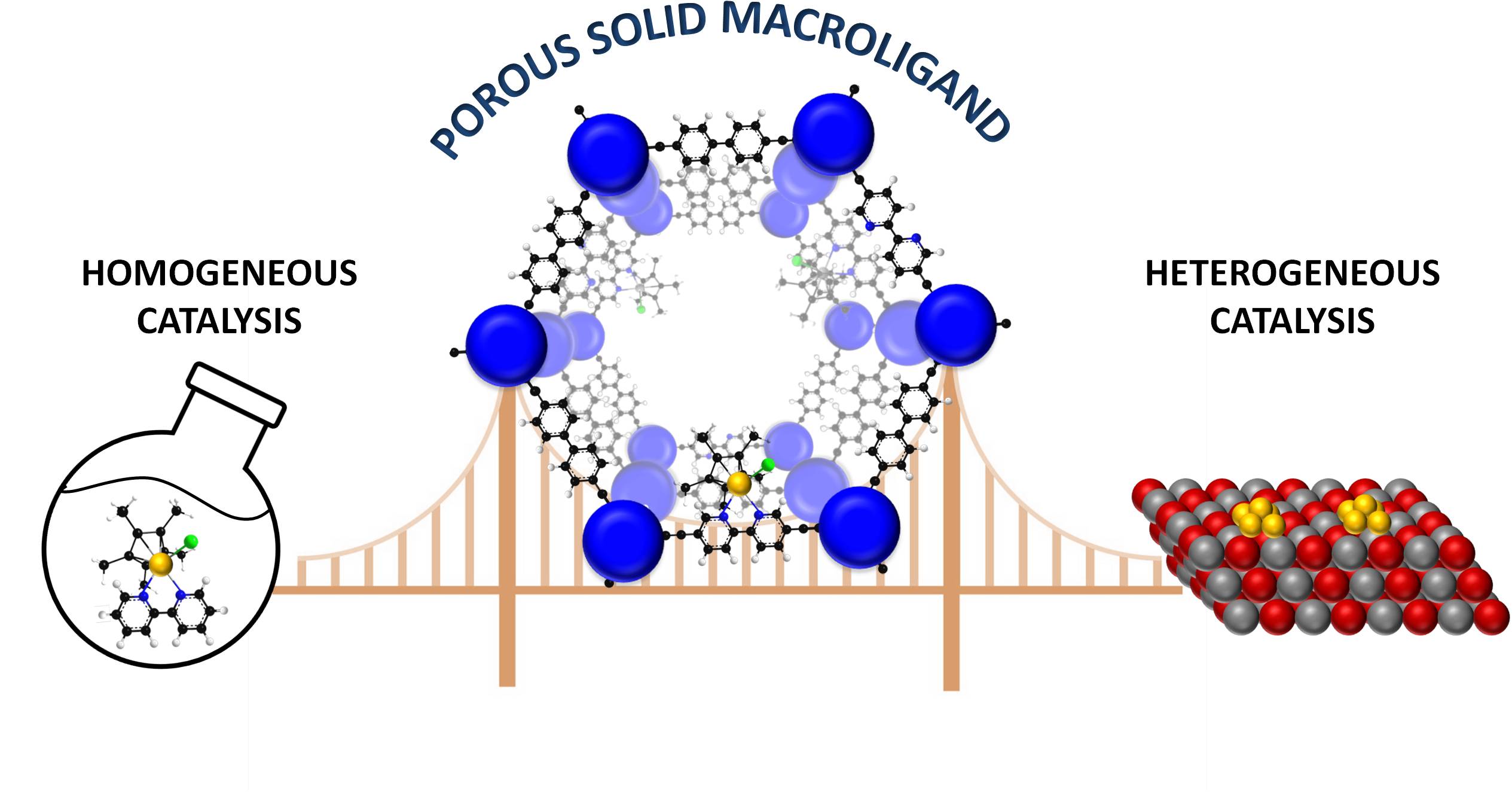
Jerome Canivet is a CNRS Research Director at IRCELYON, France, since 2024, with a career focused on bridging homogeneous and heterogeneous catalysis through molecular hybrid materials. His research team develops innovative catalytic systems for fine chemicals synthesis and clean energy production, emphasizing porous macroligands like Metal-Organic Frameworks (MOF) and Covalent Organic Frameworks (COF). He established the concept of using porous structures to confine molecular catalysts, enhancing their activity and selectivity for applications in CO2 photoreduction and CH arylation. Education: Professorial Thesis (Habilitation), University of Lyon (2017) Ph.D., Organometallic Synthesis and Molecular Catalysis, University of Neuchâtel (2007) MS, Organic and Macromolecular Chemistry, University of Lille (2003) BS, Physical and Chemical Sciences, University of Lille (2001) Research Interests: His work addresses environmentally friendly processes by leveraging microporous materials as macroligands. Key areas include photocatalysis, asymmetric catalysis, and CO2 conversion, with a focus on the Hammett parameter as a descriptor for catalytic performance. He explores the synergy between molecular catalysts and porous solids to reduce gaps in homogeneous-heterogeneous catalysis. Scientific Impact: With over 68 publications (H-index 32, 4900+ citations), his projects span ANR and H2020 funding, including coordination of PoMAC and H-CCAT initiatives. Recent articles highlight advancements in visible-light-driven CO2 reduction, Ni-catalyzed CH arylation, and mechanistic studies of heterogenized systems. Awards: 2020 Green Chemistry Emerging Investigator (RSC) 2019 CNRS Research Award 2018 Young Investigator Award (French Chemical Society) 2007 SNF and JSPS Postdoctoral Fellowships Leadership & Collaboration: He leads a team of 7 PhD students and postdocs, collaborating with CNRS researchers in Lyon, Lille, and Paris, as well as international partners. His projects span TRL3 to TRL6, aiming at industrial applications in energy and pharmaceuticals.
Coralie Duchemin is a CNRS Researcher Fellow at the UMR 6226 research unit, part of the Institut des Sciences Chimiques de Rennes (University of Rennes). Her research focuses on developing homogenous catalysts based on abundant metals for dual metal/photoredox catalysis, targeting selective catalytic transformations. She holds a PhD in Chemistry from École Polytechnique Fédérale de Lausanne (EPFL, Switzerland) and a Master's in Organic Chemistry from École Nationale Supérieure de Chimie de Clermont-Ferrand (France). Her work emphasizes rational design of catalytic processes through organometallic synthesis and mechanism studies. Key research areas include iron- and rhodium-catalyzed reactions, enantioselective methodologies, and catalyst development for feedstock chemicals. Publications highlight advancements in catalytic selectivity, such as [2+2] cycloadditions, hydrovinylation, and C-H activation strategies. Prior roles include postdoctoral research at Princeton University (Chirik group) and the University of Lyon (Amgoune group), as well as teaching assistantships at EPFL. Industry experience includes research at Spirochem AG and Bayer CropSciences.