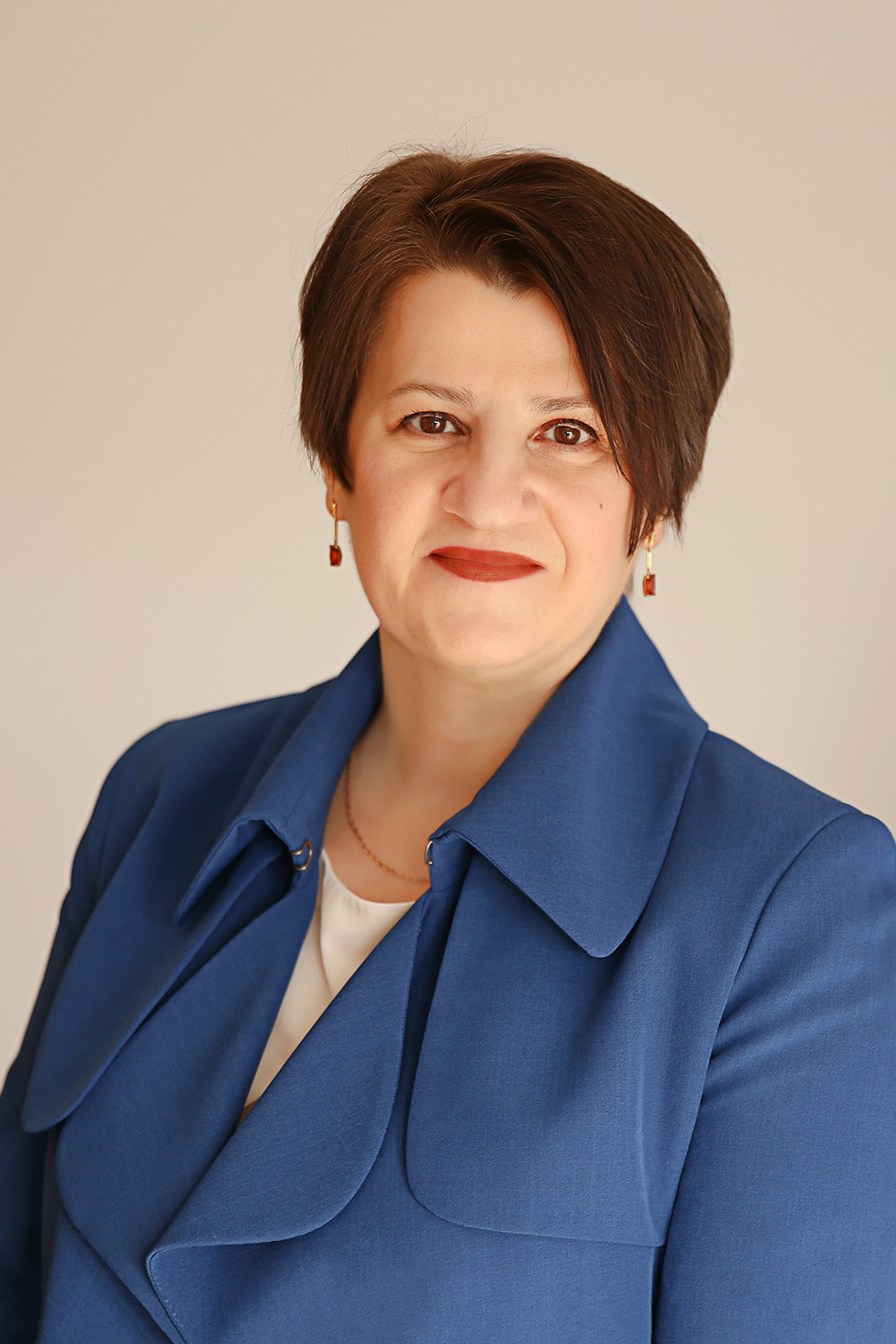
Stefan Rohdewald is a Professor of East and Southeast European History at the University of Leipzig since 2020. His research focuses on the historical entanglements between Eastern Europe and the Middle East, emphasizing transconfessionalism, urban history, and memory discourses. Education: Studied and completed his doctorate at the University of Zurich (2004), habilitation at Passau (2005–2012). Affiliations: Past professor at Giessen (2013–2020), research associate in Passau (2003–2012), and Max Planck scholarship for doctoral research. Research interests span Transottoman studies, examining mobility dynamics between Eastern Europe, the Ottoman Empire, and Persia. He leads the DFG priority program Transottomanica (2017–2023) and contributes to decolonial and transimperial frameworks in Ukrainian history. Recent publications include analyses of geopolitical imaginaries, edited handbooks on the Black Sea region, and studies on Ottoman-Europe knowledge exchange. His work critiques national historiographies and explores multiculturality in Habsburg Bosnia-Herzegovina.
Prof. Dr. Ger Duijzings holds the Chair of Social Anthropology (with a focus on Southeastern and Eastern Europe) at the University of Regensburg. He is also affiliated with the College of Europe in Natolin, Poland. His academic roles include Spokesperson of the Europaeum and Principal Investigator of the seeFField project. Previously, he served at UCL (2005-2014) in roles including Reader in Anthropology of Eastern Europe and Director of the Centre for South-East European Studies. Education: PhD in Social Anthropology (1999), University of Amsterdam MSc in Social and Cultural Anthropology (1989), Radboud University Nijmegen Research Interests: Focuses on urban transformation in post-socialist cities like Bucharest, war and memory studies centered on Srebrenica, and the intersection of religion/identity politics in Southeastern Europe. His work combines ethnographic methods with interdisciplinary approaches to contemporary art and environmental issues. Grants & Leadership: Editor of Comparative Southeast European Studies since 2014 Supervised over 20 PhD students on topics ranging from Balkan trauma to environmental justice Led international research projects including Social Sorting (2014-2019) Labs & Teams: Active in the Graduate School for East and Southeast European Studies and Leibniz Science Campus initiatives. Collaborates with global networks including Strelka Institute in Moscow and UNARTE in Bucharest.
Wiebke Kirleis is Professor for Environmental Archaeology and Archaeobotany at the Institute for Pre- and Protohistory, Faculty of Arts and Humanities, Christian-Albrechts-Universität zu Kiel (CAU). She has held this position since May 2014 and was previously a junior professor at the same university from 2008 to 2014. She is actively involved in major interdisciplinary research projects, including the Cluster of Excellence ROOTS and the Collaborative Research Centre 1266 'Scales of Transformation', where she serves as co-speaker and technical platform speaker. PhD in Natural Sciences, University of Göttingen (2002) Diploma in Biology, University of Göttingen (1998) Studies in Botany, Anthropology, and Environmental History, University of Göttingen (1990–1998) Wiebke Kirleis' research centers on the interaction between humans and plants during the late Pleistocene and Holocene, with a focus on plant economy, domestication, agricultural development, and landscape transformation. Her work explores how wild and cultivated plants were used for nutrition, ritual, and technical purposes, and how agricultural innovations such as ploughing and manuring impacted Central European landscapes. She has a strong geographical focus on Northern and Central Germany, Southeastern Europe, the Near and Middle East, and Southeast and East Asia, particularly Indonesia. Her methodological expertise includes archaeobotany (analysis of charred and waterlogged plant remains), palynology (pollen and spore analysis from sediment cores), and anthracology (study of charcoal remains). Her recent research includes studies on broomcorn millet diffusion, early farming in Scandinavia and Russia, and plant use in Bronze Age settlements across Europe and Turkey. She leads and collaborates on numerous interdisciplinary projects, emphasizing the integration of botanical data into broader archaeological narratives. Her publications reflect a consistent trend in environmental archaeology, focusing on plant domestication, agricultural transitions, and human-induced landscape change. Keywords across her recent work include archaeobotany, palynology, Neolithic and Bronze Age subsistence, and environmental reconstruction. Her research spans subfields such as food security, cultural transmission of plant use, early monumentality, and socio-economic aspects of prehistoric agriculture. Board member, Cluster of Excellence ROOTS Co-speaker, CRC 1266 'Scales of Transformation' Speaker, ROOTS Technical Platform Board member, Johanna-Mestorf-Akademie Chair, Scientific Advisory Board, Dithmarschen Stone Age Park (since 2023) Full member, German Archaeological Institute (DAI) Elected member, Commission for Archaeology of Non-European Cultures (KAAK) Wiebke Kirleis has supervised numerous research projects funded by the DFG and other agencies, including the Graduate School 'Human Development in Landscapes'. She has advised students and collaborated internationally with institutions in Italy, Norway, Indonesia, and Australia. Her leadership roles in academic self-administration include serving on planning, budget, and equality committees at CAU Kiel. She is committed to science communication, having launched the digital exhibition 'Alles bleibt anders' and produced educational films on archaeobotany. She is also involved in mentoring female postdocs through the via:mento program. She leads the archaeobotanical component in the 'Superfood' module of the SFB 1266 digital exhibition and is actively involved in the ROOTS Cluster’s Subcluster 'Dietary ROOTS'. Her lab and research team operate within the Institute for Pre- and Protohistory, contributing to the university’s strong focus on interdisciplinary landscape archaeology.
Professor Tanja Zimmermann holds the Professorship for Art History with a focus on Eastern, Central and Southeastern European art and its intercultural relations at Leipzig University. Her office is located at Wünschmannnshof, Dittrichring 18-20, Room 5/07, Leipzig. She currently leads two major research projects: the International Research Training Group 'Belongings: Jewish Material Culture in Twentieth-Century Europe and Beyond' (funded by DFG since October 2024) and 'On the Reassessment of Naive Art' (funded by the Fritz Thyssen Foundation, 2022-2025/2026). Her research interests span the art history of Eastern, Central and Southeastern Europe with particular focus on naive art, Balkan studies, Jewish material culture, Russian/Soviet art history, Yugoslav cultural history, and visual orality as a media system. Her work examines the political-aesthetic negotiation processes between abstract and figurative-objective art movements during periods of upheaval, particularly through the lens of naive art exhibitions in interwar and postwar periods. Zimmermann's publication record demonstrates remarkable consistency from 1993 to 2025, with her most recent work exploring topics such as the kinetic perception of Saint Petersburg, Ulrike Ottinger's multimedia works, the transformation of Catherine the Great as a German-Russian icon, and the political dimensions of naive art. Her research shows a clear trajectory from early work on Slovenian wall painting to increasingly complex analyses of cultural intersections in Eastern European contexts. She actively participates in academic discourse through numerous lectures and conference presentations, with recent engagements at the University of Salzburg, Central European University Budapest, and the University of Helsinki. Her scholarly activities demonstrate sustained engagement with the complex cultural histories of Eastern Europe, particularly examining how art functions within political transitions and identity formation.
Markus Krumm is a historian specializing in Medieval Historiography , with particular expertise in the history of Southern Italy , papal institutions , and heretical movements . Affiliated with the Department of Medieval History at Ludwig-Maximilians-Universität München (LMU) , he has been a member of the Academic Council since 2020. His career includes significant roles as a research assistant in DFG projects like Turning Points of Power and Historiography and coordination of LMU's Medieval and Renaissance Studies doctoral program. Education: Magister Artium in Medieval History, History of Eastern/Southeastern Europe, and German Medieval Literature from LMU Munich (2009); Doctorate (Dr.) from LMU (2017) under Knut Görich. Research Focus spans medieval historiography, with a specific emphasis on texts like Alexander of Telese and Falco of Benevento as crisis management tools. He contributes extensively to Human-Animal Studies , analyzing how medieval animal representations intersect with political symbolism , cultural agency , and epistemological frameworks . His work also examines urban conflicts in Southern Italy and the role of material culture in Staufer-period governance. Publications include a 2021 monograph on Turning Power and Historiography , co-edited volumes on Italian 12th-century historiography (2024), and analyses of medieval animal studies (2023). He engages critically with texts like Galbert of Bruges' De multro through digital network analysis (2019) and explores the animal turn in medieval scholarship (2023). Collaborations feature partnerships with scholars like Alberto Cotza , Jan Glück , and Kerstin Majewski , often through interdisciplinary projects bridging history, philology, and cultural studies. His recent 2024 article on Pope Eugen III’s ceremonial missteps and 2025 chapter on Frederick II’s Capua Bridge Gate exemplify his engagement with material culture and political performance.
Annett Junginger is a researcher at the University of Tübingen's Department of Geosciences, leading the Micropaleontology research group and contributing to the Senckenberg Center for Human Evolution and Paleoenvironment (HEP Tübingen). With a career spanning over two decades, she specializes in paleoclimatology, micropaleontology, and environmental-geochemical analysis of rift lakes. Education: Dr.rer.nat. in Paleoclimatology (2011) and Diploma in Geosciences (2006) from University of Potsdam/FU Berlin Key Projects: Hominin Sites and Paleolakes Drilling Project (HSPDP), Chew Bahir Basin studies, Suguta Valley hydrology Her research focuses on paleoclimate dynamics in East Africa, using lake sediments , isotope geochemistry , and micropaleontological proxies to understand climate variability across Quaternary periods. She investigates how hydroclimate fluctuations impacted hominin evolution and dispersal routes, particularly during the African Humid Period (15–5 ka BP) and MIS 12 glacial stage. Recent publications (2024) examine Lake Albert biodiversity via environmental DNA, Lake Naivasha metal sources , and Chew Bahir strontium isotopes . Earlier work includes volcano-tectonic fragmentation of Turkana-Suguta Megalake (2023), paleo-hydrology of Greece (2021), and Angolan diatom studies (2020). She employs multi-sensor remote sensing and phytolith analysis for climate modeling. Teaching responsibilities include BSc/MSc courses in Micropaleontology, Paleontology, and field practicals in Austria. She organizes African fieldtrips (Kenya, Tanzania, Ethiopia, etc.) for paleoenvironmental data collection.
Prof. Dr. Klaus Buchenau is a Professor of Southeast and Eastern European History at the University of Regensburg. His research focuses on religious history of Southeastern Europe, Yugoslavian history, anti-Westernism in Orthodox cultures, and the history of Russian emigration. He holds a doctorate from the Free University of Berlin (2003) and habilitation from the same institution (2010). His academic career includes roles at the Leibniz Science Campus and Graduate School for East and Southeast European Studies. Buchenau is a prolific reviewer, engaging with works on Balkan history, corruption in imperial contexts, and media's role in identity formation. His work often bridges historical analysis with contemporary geopolitical questions, emphasizing regional comparisons between Southeastern Europe and other regions like Latin America. Education Highlights: Studied history/Slavic studies in Berlin, Moscow, Warsaw (1991–1997); Humboldt Foundation fellow in Russia (2006–2008). Current position: Substitute professor at Regensburg since 2013.
Leibniz-Institute for East and Southeast European StudiesGermany
Hans Bauer is a researcher at the Institute for East and Southeast European Studies (Regensburg), specializing in digital humanities , historical cartography , and library science . He has worked on projects like GeoPortOst and OstDok , focusing on open access, georeferencing, and digital collection management. His career spans roles in corporate history, education, and library sectors since the early 2000s. MA in Slavic studies and history of Eastern/Southeastern Europe (LMU Munich, 2003) Current role: Research associate at IOS, managing digital collections and Polonica library Pioneering work on map metadata, open science, and spatial information retrieval Bauer’s research bridges library innovation and historical scholarship , particularly through georeferenced maps and open access initiatives. His work transforms archival materials into accessible digital resources, emphasizing interdisciplinary collaboration and metadata-driven discovery. Recent publications and lectures address trends in digital humanities , cartographic digitization , and research data management . He co-edits the open-access journal e-Perimetron , focusing on cartography and digital technologies. Projects like GeoPortOst highlight his expertise in linking historical maps with modern spatial analysis tools. Bauer actively contributes to library education through workshops on Zotero, KI-tools, and open science practices. He advocates for libraries as dynamic hubs for research support, emphasizing transparency, digital preservation, and user-centric services.
George Vlahakis is an Associate Professor of History of Science and Philosophy at the School of Humanities, Hellenic Open University. He serves as Director of the M.Sc. Program "Science Communication" and investigates the interplay between science and politics in Greece from the 18th century to post-WWII, with a focus on left-wing scientists and the military junta era. He leads the Commission for Science and Literature (DHST/IUHPST), is Secretary of the European Physical Society's History of Physics Group, and a correspondent member of the International Academy of the History of Sciences. Research Interests : History of Science in Greece, Science-Politics intersections, Science and Religion, Science in the Public Sphere, Science and Literature. Key Contributions : Extensive work on physicist Achilles Papapetrou, the Queen Frederica-Werner Heisenberg relationship, and edited volumes like "Imperialism and Science" (2006). His publications span topics from scientific family networks to Cold War-era Greek physics, with recent work on Ottoman-era Greek educational institutions (2019). He has participated in international conferences and collaborations, emphasizing cross-cultural and interdisciplinary perspectives.
Dr. Franziska Davies is a research fellow at the History Department of Ludwig Maximilian University of Munich , specializing in the History of Eastern and Southeastern Europe . Her work bridges Russian Empire, Soviet Union, and modern Ukraine studies. Habilitation project: Comparative labor struggles between Poland, UK, and Soviet Ukraine Doctoral research: Islamic military integration in Tsarist Russia Research keywords include Imperial history , transnational labor movements , ethnic/religious diversity , and contemporary Ukraine analysis . Her 2024 monograph Muslims in the Russian Army will appear in Routledge's "Imperial Transformations" series. Recent publications show thematic clusters in: Labor movements (Poland's Solidarity, UK miners, Soviet Ukraine strikes) Memory politics (Babi Yar, WWI legacies, Soviet remembrance) Contemporary Ukraine (post-Soviet identity, Russian narratives, war analysis) Scientific awards include: 2022 Bavarian Book Prize for Open Wounds of Eastern Europe 2018 ZEIT Foundation Translation Prize 2021-2022 Alexander von Humboldt Feodor Lynen Fellowship Active in public discourse, she contributes to media outlets like Süddeutsche Zeitung , Deutschlandfunk , and podcasts including "Salonkolumnisten" and "Historia Universalis".
Jan Arend is a researcher at the Department of History, Faculty of Humanities, University of Tübingen , specializing in Eastern European history. He currently holds a Lehrstuhlvertretung (Chair Substitution) for the History of Eastern and Southeastern Europe (W3) at LMU Munich (Wintersemester 2024/2025), following a similar role in Wintersemester 2023/2024. His habilitation (2023) explores stress and therapeutic discourses in socialist/post-socialist Czechoslovakia/Czech Republic (1960–2010). He leads a DFG-funded project on similar themes. Education: Magister Artium (2010) from LMU Munich; studies in history, Osteuropastudien, Slavistics, and political science (Basel, Munich, Regensburg, 2004–2010) His research focuses on Transfer- und Verflechtungsgeschichte (entanglement history), Wissens- und Wissenschaftsgeschichte (history of knowledge), Imperial- and Emotionsgeschichte , and memory cultures. He has published monographs on Soviet soil science and Jewish life narratives in the USSR. Recent publications (2017–2025) span topics like East-West scientific collaboration, postsocialist productivity practices, emotional discourses, and therapeutic governance. His editorial work includes special issues on emotion histories and science policy. Scientific Awards Dissertations-Abschlussstipendium der Graduiertenschule für Ost- und Südosteuropastudien (LMU München/Regensburg, 2015) Studienstiftung des Deutschen Volkes (2009–2010) DAAD-Stipendium (2009–2010) Arend has taught courses on Jewish history in the Russian Empire, Czech multiethnicity, post-socialist transformations, and emotion theories at LMU and Tübingen. His DFG project examines stress discourses under socialism and in post-Soviet contexts.
Dietmar Müller is a research fellow at the Leibniz Institute for the History and Culture of Eastern Europe (GWZO) and guest researcher at the Leibniz Institute of Agricultural Development in Transition Economies Halle. He habilitated at the University of Leipzig in 2019, where he also serves as a guest lecturer with the Venia Legendi for Comparative Cultural and Social History. Doctorate from Free University of Berlin (2004) Research areas include rural economic history, land ownership, memory culture, governance, and Eastern European constitutional history Editor of the handbook “Managing the Rural” Board member of the European Network in Universal and Global History (ENIUGH) His work bridges historical analysis of Eastern Central and Southeastern Europe with interdisciplinary themes in social sciences and philosophy. Scientific awards include: Dissertation prize of the Southeast Europe Association
Maria Kovalchuk is a Researcher at the Ludwig Maximilian University of Munich , affiliated with the Faculty of History and the Arts and the Department of History of Eastern and Southeastern Europe . She serves as the Coordinator of the German-Ukrainian Historical Commission and contributes to the Mykola Haievoi Center for Modern History (Centre of Excellence Ukraine). Research Focus: European History, Eastern European Studies, Historical Sociology, Nationalism Studies, Political History, Cultural History Contact: Room K 433, Historicum, Schellingstraße 12, Munich; Phone: +49 (0) 89 / 2180-5480; Email: Mariia.Kovalchuk@lmu.de Scientific Awards: Marianne Plehn Program Fellowship
Dr. Pavla Šimková is a part-time researcher at the Chair of East and Southeast European History at Ludwig Maximilian University of Munich (LMU) since Summer Semester 2025, with a focus on environmental history, nature conservation, and urban history. She also leads the editorial team for the Biographical Dictionary of the History of the Czech Lands at the Collegium Carolinum since 2023, and previously worked on the DFG-AHRC project 'Corridor Talk: Conservation Humanities and the Future of Europe's National Parks' (2020–2023) at LMU's Rachel Carson Center. Her work bridges transnational perspectives on East Central Europe and North America, emphasizing border regions, ecological corridors, and historical dimensions of conservation. She earned her Dr. phil. in American Cultural History and Eastern European History from LMU in 2019, following studies in American Cultural History, Political Science, English Literature, and International Relations (2006–2012) at LMU and Masaryk University in Brno. Her research integrates historical analysis with contemporary environmental policy, particularly in cross-border conservation initiatives like the Bavarian Forest and Šumava National Parks. Šimková's publications include the monograph Urban Archipelago (2021) and co-edited volumes on island studies and conservation humanities, reflecting her interdisciplinary approach. Recent publications (2020–2024) explore themes such as Cold War-era border landscapes, transnational beer brewing networks, urban islands, and the role of humanities in modern conservation. Her work has been recognized with the 2022 Historic New England Book Prize for her monograph. Šimková contributes to collaborative projects, including the European Green Belt initiative and the Rachel Carson Center's research on biodiversity strategies, while also engaging in public history through the German-Ukrainian Historical Commission and the Mykola Haievoi Center for Modern History.
Leibniz-Institute for East and Southeast European StudiesGermany
Svetlana Suveica is an Associate Professor in Eastern and Southeastern European History at the University of Regensburg and a Research Associate at the IOS Regensburg. Her work spans post-imperial transitions, Holocaust studies, and borderland identity negotiations, with a focus on Bessarabia, Moldova, and Ukraine. Her research explores Post-World War I imperial continuities World War II occupation dynamics Transnational networks in Eastern Europe Cultural plunder during the Romanian Holocaust Recent publications include (Post-)imperial Encounters (2022) and contributions to special issues on nation-building. She leads the DFG-funded project Navigating Survival on Transnistria (1941-1944) and has taught at Göttingen and Regensburg since 2016. Scientific contributions include fellowships with Humboldt Foundation Fritz Thyssen Foundation DFG grants