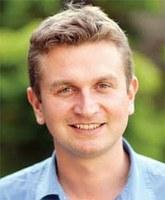
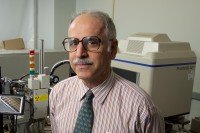
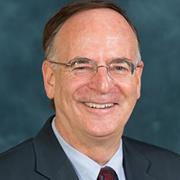
Dr. Li Zhang is a Professor and Head of the Department of Biological Sciences at the University of Texas at Dallas (UT Dallas), holding the Cecil H. and Ida Green Distinguished Chair in Systems Biology. He has held academic positions at Columbia University, New York University, and MIT. His research focuses on heme signaling, lung cancer, Alzheimer’s disease, and molecular mechanisms of cellular metabolism. He has secured funding from CPRIT and NIH, including a CPRIT grant for optimizing therapeutic strategies against lung cancer. Education: Postdoc (MIT, 1995), Ph.D. in Biochemistry (UCLA, 1990), B.S. in Chemistry (Zhongshan University, China, 1984). Research interests include heme’s role in cancer progression, Alzheimer’s pathogenesis, and oxygen signaling. His lab has published extensively on heme regulation in tumors and neuronal systems, with key findings on heme sequestration as a therapeutic strategy. Notable publications in Cancer Research and Alzheimer's & Dementia highlight his contributions. Awards include the Cecil H. and Ida Green Chair, Monique Weill-Caulier Scholarship, and recognition as a top-cited author in molecular biology. He has co-founded a company to commercialize IP from his research on heme-based therapies.
Kristen Conn is an Assistant Professor in the Department of Veterinary Microbiology at the University of Saskatchewan. Her research focuses on understanding how chromatin regulatory proteins mediate cellular antiviral defenses against herpesviruses. She earned a B.Sc. (Hon) in Biochemistry from the University of Saskatchewan and a Ph.D. in Biochemistry from the University of Alberta. During her postdoctoral training at the MRC-University of Glasgow Centre for Virus Research, she investigated SUMO proteins' roles in antiviral immunity. Dr. Conn's lab studies the interplay between viral transcription and host chromatin dynamics, particularly how cellular factors like histones and SUMOylation pathways restrict viral replication. Her work uses herpesviruses as models to explore how viruses counteract transcriptional silencing mechanisms. Key research areas include PML nuclear bodies, histone variant mobilization, and epigenetic regulation during viral infection. Her publications highlight contributions to understanding HSV-1's manipulation of chromatin, Epstein-Barr virus latency mechanisms, and the role of PIAS proteins in antiviral immunity. While no specific awards are listed, her work demonstrates sustained contributions to virology since 2008. Students interested in graduate studies are encouraged to contact her directly.
Patrick Gunning is a Professor at the University of Toronto (Mississauga campus), specializing in Biological Chemistry and Organic Chemistry. His research focuses on developing small molecule architectures to manipulate protein complexation events, particularly targeting aberrant protein interactions in diseases like cancer. Key areas include STAT3/STAT5 inhibition, histone deacetylase (HDAC) modulation, and molecular design strategies for cancer therapies. Research interests emphasize understanding protein-protein interaction 'hot spots' and designing drugs to suppress or enhance specific gene expressions. His work explores both organic and inorganic drug-like scaffolds to regulate cellular signaling pathways. Recent studies highlight novel treatments for leukemia, lymphoma, and brain metastases through targeted protein degradation and metabolic pathway manipulation. Over 50 publications demonstrate expertise in oncology, epigenetics, and drug discovery. Notable contributions include HDAC6-selective inhibitors, PROTAC-based degraders, and fluorine NMR methodologies for protein analysis. His interdisciplinary approach bridges organic chemistry, biochemistry, and clinical applications in precision medicine. Current projects investigate molecular mechanisms underlying cancer growth, with a focus on STAT signaling pathways and metabolic vulnerabilities. The lab also pioneers innovative drug delivery strategies using advanced spectroscopic techniques and chemical synthesis platforms.
Jef D. Boeke is the Sol and Judith Bergstein Director of the Institute of Systems Genetics and a Professor in the Department of Biochemistry and Molecular Pharmacology at NYU Grossman School of Medicine. He holds a PhD from Rockefeller University and has pioneered research in synthetic biology, retrotransposition mechanisms, and yeast genetics. His work includes leading the international Sc2.0 project to synthesize the first eukaryotic genome and the 'Dark Matter Project' exploring non-coding DNA functions. Research interests focus on genome engineering, synthetic genomics, epigenetics, and applications to cancer biology. His lab develops CRISPR tools and synthetic regulatory systems, with notable contributions to understanding LINE-1 retrotransposons and chromatin structure. Over 489 publications highlight his work in Nature Communications, Molecular Cell, and Science. Awards: While specific prizes aren't listed, his leadership in groundbreaking projects like Sc2.0 and contributions to synthetic biology underscore his influential career. Grants and funding details are implied through active research programs. Advising: Supervises a multidisciplinary team of postdocs and graduate students working on projects ranging from antibiotic engineering to de-extinction approaches. Lab collaborations include international partnerships and industry-driven biotech applications. Labs/Teams: Directs the Boeke Lab, a hub for synthetic genome engineering and systems genetics. The lab’s interdisciplinary team bridges molecular biology, computational biology, and engineering to solve complex biological problems.
Prof. Dr. Felix Jonas is an Assistant Professor of Biochemistry at the School of Science, Constructor University Bremen, Germany. He leads research on the biochemistry of gene regulation , focusing on molecular mechanisms governing transcription factor function and chromatin dynamics in Saccharomyces cerevisiae . His work integrates CRISPR-Cas9, Next-Generation Sequencing, and computational data analysis. Education: B.Sc. in Molecular Life Sciences (University of Luebeck), M.Sc. in Biology: Cell Biology (ETH Zurich), Ph.D. in Bioengineering (Imperial College London) Work Experience: Postdoc/Senior Postdoc at Weizmann Institute of Science (2017-22), Visiting Student at Weizmann Institute (2015-16), International Program Associate at RIKEN (2011) Teaching: General Biochemistry (CH-100-B), Introduction to Bioinformatics (JTMS-10), Current Topics in Life Sciences (CA-BCCB-801), Advanced Biochemistry II - Molecular Genetics (CO-403-A) His research explores transcription factor target search , histone dynamics , and chromatin structure-function relationships . Recent publications highlight discoveries in nucleosome replacement, protein disorder grammar, and histone acetylation impacts on replication. Articles emphasize interdisciplinary approaches to eukaryotic gene regulation and systems biology. Visit his lab’s PhD recruitment page or watch his Fragile Nucleosome Talk for deeper insights into his work.
Guo-Cheng Yuan is a Senior Faculty member in the Department of Genetics and Genomic Sciences at the Icahn School of Medicine at Mount Sinai. His research focuses on genomics, epigenetics, and computational biology , with particular emphasis on single-cell analysis, chromatin regulation, and cancer immunology. Institution: Icahn School of Medicine at Mount Sinai School: Graduate School of Biomedical Sciences Department: Genetics and Genomic Sciences Research Interests Dr. Yuan's work spans multiple domains including: Single-cell RNA sequencing applications in brain development and cancer Chromatin structure analysis in differentiation processes Spatial transcriptomics for tissue microenvironment characterization Computational methods for multiomic data integration Enhancer-promoter interaction dynamics Development of robust bioinformatics pipelines Scientific Trends Analysis His recent publications (2021-2025) demonstrate a focus on single-cell and spatial omics methodologies applied to diverse biological contexts ranging from cancer immunology to neurodevelopment . Notable trends include: Development of trajectory analysis algorithms Multiomic integration for regulatory network mapping Epigenetic mechanisms in cell differentiation Computational approaches for data robustness Three-dimensional genome organization studies Applications in both developmental biology and oncology
Siu Sylvia Lee is a Professor in the Department of Molecular Biology and Genetics at Cornell University, within the College of Agriculture and Life Sciences. She holds a B.A. in Biochemistry from Rice University (1995) and a Ph.D. from Baylor College of Medicine (1999). Her postdoctoral training at Massachusetts General Hospital and Harvard Medical School included a Damon Runyon Cancer Foundation Fellowship. She joined Cornell in 2003 and became a tenured Associate Professor in 2010, later promoted to full Professor. Her research focuses on epigenetic regulation, aging mechanisms, and longevity in Caenorhabditis elegans , supported by grants from the National Institute of Aging and the Ellison Medical Foundation. Her work integrates chromatin profiling, histone modifications, and mitochondrial signaling to understand aging-related processes. Key areas include sex-specific metabolomics, histone methylation dynamics, and transcription factor networks influencing longevity. Lee teaches advanced courses on cellular/molecular biology and cell proliferation regulation. Education: B.A. Biochemistry, Rice University, 1995 Ph.D., Baylor College of Medicine, 1999 Postdoctoral Fellowship, Massachusetts General Hospital & Harvard Medical School Scientific awards include the Damon Runyon Cancer Foundation Postdoctoral Fellowship. Her research bridges genetics, epigenetics, and developmental biology, with a focus on conserved mechanisms across species. She collaborates on studies involving lipid homeostasis and stress responses in aging. Grants and funding support her exploration of mitochondrial-nuclear communication and chromatin changes in longevity. She advises on molecular genetics graduate programs and contributes to labs investigating aging-related epigenetic changes in C. elegans .
Professor Ian Henderson is a leading academic in the Department of Plant Sciences at the University of Cambridge, affiliated with the School of Biological Sciences. He holds the title of Professor of Genetics and Epigenetics and has been a Royal Society University Research Fellow and Gatsby Resident Fellow since 2008. Education: BA in Biological Sciences (University of Oxford, 1997-2000); PhD in Plant Genetics (John Innes Centre, 2000-2004) under Prof. Caroline Dean His research focuses on genetic and epigenetic control of meiotic recombination in plant genomes, with an emphasis on crossover frequency, chromatin interactions, and centromere evolution. His group uses model organisms like Arabidopsis thaliana , wheat, potato, and oak trees. Key trends in his recent publications include centromere genomics , epigenetic regulation of recombination , and application of long-read sequencing to resolve complex genomic regions. Collaborations with agro-biotech companies (Bayer Biosciences, Solynta) aim to translate findings into crop breeding technologies. Scientific Awards EMBO Member (2022) Society for Experimental Biology President's Medal (2013) Royal Society University Research Fellow (2008-2016) Gatsby Research Fellow (2008-2016) EMBO Long Term Fellowship (2004-2008) Professor Henderson's work bridges fundamental research on plant genome evolution with applied strategies to control recombination for climate-resilient crops. His lab employs advanced techniques including nanopore sequencing , ChIP , and high-performance computing for genome analysis.
Dr. Aydan Bulut-Karslıoğlu is a Research Group Leader at the Max Planck Institute for Molecular Genetics in Berlin, where she leads the Bulut-Karslıoğlu Lab focused on gene-environment interactions in stem cells and development. Her work has significantly advanced our understanding of embryonic diapause and stem cell state transitions. Dr. Bulut-Karslıoğlu's educational background includes: B.Sc. in Chemical Engineering (major) and Biology (minor) from Middle East Technical University, Ankara, Turkey (2006) M.Sc. in Molecular Biology and Genetics from Bilkent University, Ankara, Turkey (2008) Ph.D. from Max Planck Institute of Immunobiology and Epigenetics, Freiburg, Germany (2013) Her research focuses on mechanisms regulating stem cell state transitions and fate commitment, particularly how cells communicate signals from their surroundings to the gene expression machinery. She has pioneered work on mammalian embryonic diapause - a reversible dormant state that gives embryos extra time to develop. Her lab uses a combination of functional perturbation methods in stem cells and early mouse embryos with omics, imaging, and biochemistry to reveal how genetic networks adjust to the status of the embryo. Analysis of her recent publications reveals a strong focus on the epigenetic and metabolic regulation of embryonic diapause, with particular emphasis on mTOR signaling, lipid metabolism, and DNA methylation dynamics. Her work bridges developmental biology, stem cell research, and metabolism, demonstrating how environmental cues like oxygen levels and nutrient availability influence developmental timing and cell fate decisions. Her notable scientific achievements include: Sofja Kovalevskaja Award (2018) ERC Starting Grant (2023) ERC Proof of Concept Grant (2025) GSCN Young Investigator Award (2025) Dr. Bulut-Karslıoğlu actively mentors the next generation of scientists, currently supervising multiple PhD students including Persia Akbari-Omgba, Anastasios Balaskas, Heleen Mallie, and Gunwant Patil. Her lab has received substantial funding through prestigious grants, including the Sofja Kovalevskaja Award, ERC Starting Grant, and ERC Proof of Concept Grant, enabling her team to pursue innovative research at the intersection of developmental biology and metabolism. The Bulut-Karslıoğlu Lab maintains a vibrant research environment with both computational and experimental scientists working together to unravel the mysteries of embryonic diapause and stem cell regulation. The lab actively participates in the International Max Planck Research School for Biology And Computation (IMPRS-BAC), contributing to the training of doctoral candidates at the interface of molecular life sciences and computational sciences.
Natalia Tretyakova is a Distinguished McKnight University Professor in the Department of Medicinal Chemistry at the University of Minnesota College of Pharmacy. With a PhD from the University of North Carolina at Chapel Hill (1997) and prior degrees from Moscow State University (Master's 1990, Bachelor's 1985), she has established herself as a leading researcher in chemical toxicology and DNA adduct research. Her research focuses on the chemical and biological aspects of DNA damage caused by environmental carcinogens, with particular expertise in mass spectrometry analysis of DNA and protein adducts. Dr. Tretyakova's work bridges chemistry, toxicology, and molecular biology to understand how environmental exposures lead to genetic damage and potentially cancer. She leads the Tretyakova Research Group which is actively involved in cutting-edge research on epigenetic modifications, DNA repair mechanisms, and biomarker development for environmental exposures. Dr. Tretyakova's publication record demonstrates consistent productivity and impact, with over 150 publications spanning from 1994 to the present. Her research shows a clear trajectory from fundamental chemical characterization of DNA adducts to increasingly complex biological questions about how these modifications affect cellular function and contribute to disease. Distinguished McKnight University Professor Preceptor, Medical Scientist Training Program (Combined MD/PhD Training Program) Faculty, PhD Program in Biochemistry, Molecular Biology and Biophysics Her work has significant implications for understanding cancer etiology, developing better risk assessment strategies for environmental chemicals, and potentially identifying molecular targets for cancer prevention.
Dinshaw Patel is a Professor at the Structural Biology Program of Memorial Sloan Kettering Cancer Center (MSKCC), holding the Abby Rockefeller Mauzé Chair in Experimental Therapeutics. He has affiliations with Columbia University, The Rockefeller University, and Weill Cornell Medicine through collaborative research projects. PhD in Photochemistry, New York University Postdoctoral training in Biochemistry and Biophysics 17 years at AT&T Bell Laboratories Professor at Columbia University-Health Sciences His research focuses on structural biology of macromolecular recognition systems, particularly CRISPR-Cas surveillance complexes, cGAS-STING pathways, Structure Maintenance of Chromosomes (Smc5/6, MRX) complexes, and epigenetic regulation via histone/DNA modifications. His work spans RNA-mediated processes (siRNA/piRNA pathways), molecular chaperones, and riboswitches/ribozymes. Recent projects include structural characterization of bacterial antiphage defense systems (Lamassu, Kiwa), small molecule inhibitors targeting SARS-CoV-2 RNA capping machinery, and complexes involved in leukemias/lymphomas. Publications highlight structural elucidation of CRISPR-Cas systems using cryo-EM and x-ray crystallography, DNA repair mechanisms, and RNA-protein interaction dynamics. Key collaborations include Luciano Marraffini (Rockefeller), Xiaolan Zhao (MSKCC), and Thomas Tuschl (Rockefeller). National Academy of Sciences member AAAS member AT&T Bell Labs Distinguished Technical Staff Award New York University Distinguished Alumnus Award FEZANA Excellence in Profession Award Lifetime Achievement, American Association of Indian Scientists in Cancer Research Students and trainees benefit from his expertise in structural biology techniques (NMR, crystallography, cryo-EM), biochemical assays, and biophysical approaches. His lab participates in the Tri-Institutional PhD Program in Chemical Biology and maintains affiliations with multiple institutions including Beijing Advanced Innovation Center for Structural Biology and ETH Zürich.
Steven L. Kunkel, Ph.D., is Executive Vice Dean for Research in the University of Michigan Medical School and Chief Scientific Officer for Michigan Medicine. He holds the Peter A. Ward Distinguished University Professor title in the Department of Pathology and has served the faculty as an Endowed Professor of Pathology Research. Executive Vice Dean for Research, University of Michigan Medical School Chief Scientific Officer, Michigan Medicine Peter A. Ward Distinguished University Professor Endowed Professor of Pathology Research Research Interests: Kunkel’s work focuses on molecular mechanisms of lung inflammation, cytokine/chemokine biology, and their roles in acute/chronic disease progression. His group investigates epigenetic regulation in diabetic wound healing and T cell differentiation via Notch signaling. Scientific Awards: NIH MERIT Award Leadership & Grants: He has maintained continuous NIH funding for decades, served on NIH study sections, and led program projects on lung inflammation. As an administrator, he held roles like interim Vice Provost for Academic Affairs and co-directed Departmental Research in Pathology.
Professor Richard J. Payne (FAA, FRSC, FRSN, FRACI) is the NHMRC Investigator Leadership Fellow and Deputy Director of the ARC Centre of Excellence for Innovations in Peptide and Protein Science at The University of Sydney. He earned a BSc (1st class honours) from the University of Canterbury (2002) and a PhD from the University of Cambridge under the late Professor Chris Abell (2003-2007). After postdoctoral work at The Scripps Research Institute with Professor Chi-Huey Wong (2007-2008), he joined The University of Sydney as a Lecturer in Organic Chemistry. His research focuses on chemical synthesis of biomolecules to address biological and medical challenges, particularly in anti-infectives , vaccine development , and glycopeptide engineering . His lab pioneered diselenide-selenoester ligation and selenocysteine-based modification techniques for constructing complex peptides and proteins. Current projects target pathogens like Mycobacterium tuberculosis , Plasmodium falciparum , and SARS-CoV-2 through inhibitor design , anticoagulant discovery , and LYTAC development . His 15 most recent publications span 2025-2021 and reflect multidisciplinary work at the chemistry-biology interface , including antiviral peptides , glycoprotein assembly , and supramolecular anticoagulants . Notably, 2025 articles address C-terminal bromodomain inhibitors and on-demand reversible anticoagulants , while 2024 studies focus on PROTAC-based proteostasis disruption and mycobacterial chaperone targeting . Awards & Honors 2016 Malcolm McIntosh Prime Minister's Prize 2023 Australian Academy of Science Fellowship 2014 Le Fèvre Memorial Prize & Edgeworth David Medal 2018 A.J. Birch Medal He supervises 8 active research students and leads collaborations with The Payne Research Group , Charles Perkins Centre , and Sydney Nano Institute . His work aligns with the University of Sydney's research strengths in Molecules to Materials and Next Generation Therapeutics .
Eduardo Eyras is a Professor at the Australian National University (ANU) and EMBL Australia Group Leader, leading research in computational RNA biology and cancer genomics. He directs the Centre for Computational Biomedical Sciences and is part of the Shine-Dalgarno Centre for RNA Innovation. His work focuses on transcriptome and epitranscriptome analysis using long-read sequencing, machine learning, and computational methods to study cancer mechanisms. Eyras holds a PhD in Mathematics from the University of Groningen (1999) and previously led research at the Sanger Institute and Pompeu Fabra University. Affiliations: Director, Centre for Computational Biomedical Sciences Researcher, Shine-Dalgarno Centre for RNA Innovation Member, Division of Genome Sciences and Cancer Leader, The Eyras Group - Computational RNA Biology Research Interests: Development of algorithms for long-read sequencing Machine learning applications in RNA biology Epitranscriptomic modifications and cancer Therapeutic mRNA platform steering Key Projects: Novel algorithms for transcriptome variation analysis Predictive models of RNA modifications in disease Ribosomal DNA variation analysis Advisees & Grants: Supervises PhD students (e.g., Favour Oyelami, Stefan Prodic) and leads ARC-funded projects on mRNA diagnostics and epitranscriptomic therapies. Collaborates with global teams on forensic genomics, cancer drug resistance, and AI-driven translational research. Labs/Teams: Leads the Eyras Group, collaborating with the Hannan Group (Cancer Therapeutics) and Shirokikh Group (Protein Biosynthesis).
Fulai Jin, PhD, is an Associate Professor in the Department of Genetics and Genome Sciences at Case Western Reserve University School of Medicine, with joint appointments in the Department of Population and Quantitative Health Sciences and the Department of Computer and Data Sciences. He is also Co-Leader of the Cancer Genomics and Epigenomics Program at the Case Comprehensive Cancer Center. Dr. Jin holds a PhD in Molecular and Medical Pharmacology from UCLA and bachelor’s degrees in Biology and Computer Science from USTC. His postdoctoral training at the Ludwig Institute for Cancer Research focused on genomics and epigenetics. His research focuses on 3D genome architecture, computational tools for genomic data integration, and single-cell technologies applied to health and disease. Key areas include cancer, diabetes, and neurological disorders, with a focus on chromatin structure, enhancer function, and ancestry-related disease mechanisms. His lab develops low-input 3D genome mapping methods and employs CRISPR tools, scRNA-seq, and multi-omic integration. Research is funded by NIH grants. Dr. Jin seeks motivated students/postdocs with experimental or computational expertise. The lab’s work is detailed on their website, and publications are listed on PubMed.