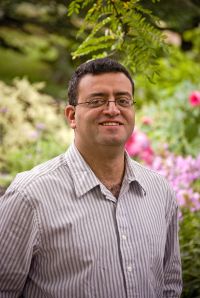
Mohamed F. Mokbel is a Distinguished McKnight University Professor in the Department of Computer Science and Engineering at the University of Minnesota - Twin Cities , where he also serves as the Director of Graduate Studies. He is recognized as an IEEE Fellow and ACM Distinguished Member for his contributions to spatially- and privacy-aware systems. His research focuses on database systems , spatial data management , and GIS (Geographic Information Systems) , with significant work in spatiotemporal data, location-based services, and machine learning for spatial applications. His most recent publications address scalable BERT-based trajectory imputation , spatial logistic regression frameworks , and spatiotemporal big data decay techniques . Key Awards: Distinguished McKnight University Professor (2023) ACM SIGSPATIAL 10-Year Impact Award (2022) IEEE Fellow (2020) ACM Distinguished Member (2017) NSF CAREER Award (2010) Selected Conference Papers: Recathon (2015, IEEE MDM Best Paper) ST-Hadoop (2017, SSTD Best Paper) KAMEL (2023, ACM SIGMOD Demo) Academic Service: Editor-in-Chief, ACM Transactions on Spatial Algorithms and Systems (2024–) General Co-Chair, ACM SIGSPATIAL 2025 Past Chair, ACM SIGSPATIAL (2014–2017)
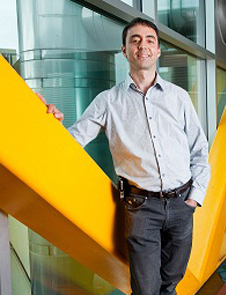
Robert Laganière is a Professor at the School of Electrical Engineering and Computer Science at the University of Ottawa, where he has been actively contributing to the fields of computer vision and image analysis. He is a member of the VIVA research laboratory and holds a Ph.D. and M.Sc. from INRS-Telecommunications in Montreal, as well as a bachelor's degree in Electrical Engineering from École Polytechnique de Montréal. Bachelor's in Electrical Engineering: École Polytechnique de Montréal (1987) Master's Degree: INRS-Telecommunications (1990) Doctorate: INRS-Telecommunications (1996) Professor Laganière's research focuses on computer vision, with particular expertise in image and video analysis, visual surveillance, embedded vision systems, and deep learning applications. His work spans fundamental research in feature detection and matching to practical applications in autonomous driving, human recognition, and real-time object tracking. He has made significant contributions to the development of algorithms for pedestrian detection, age and gender recognition, and 3D object localization. His publication trends reveal a consistent focus on practical computer vision applications with a strong emphasis on real-time performance and embedded implementation. Over the past decade, his research has evolved from foundational work in feature matching and homography estimation toward more complex applications in action recognition, human-computer interaction, and intelligent surveillance systems. His work consistently bridges theoretical computer vision with practical engineering constraints, particularly for mobile and embedded platforms. Best Paper Award, IEEE International Conference on Computer and Robot Vision (CRV 2014) Best Paper Award, CVPR Embedded Vision Workshop, Providence, RI, June 2012 Best Real-time Tracker, IEEE International Conference on Computer Vision (ICCV) Workshop on Visual Object Tracking (VOT2015) Professor Laganière has supervised numerous graduate students through the years, with a particular focus on practical applications of computer vision in surveillance, human recognition, and embedded systems. His research has been supported through industry partnerships with companies including CogniVue Corp, NXP, iWatchLife.com, Solink Corp, CBSA Canada, Ross Video, Thales, Habitat Seven, and YouI Labs. He has successfully translated his research into commercial applications through his founding of Visual Cortek (acquired by iWatchLife in 2009) and Tempo Analytics (founded in 2016). As a member of the VIVA research laboratory, Professor Laganière collaborates with colleagues on advanced computer vision projects, particularly those involving intelligent video analytics for security and commerce applications. His work on NAVIRE (Virtual Navigation in Remote Environments) demonstrates his commitment to developing practical solutions for real-world navigation challenges using image-based representations of real environments.
Professor Alison Dunning serves as Professor of Cancer Genetic & Applied Epidemiology at the University of Cambridge's Centre For Cancer Genetic Epidemiology (CCGE), where she leads wet-lab operations and contributes to major international consortia including BCAC and CIMBA. Appointed to her professorship in 2022 after becoming Reader in 2016, she concurrently acts as University Disability and Wellbeing Champion and Co-Chair of the Disabled Staff Network. Her research focuses on cancer genetic epidemiology , particularly fine-scale mapping of breast cancer risk loci, genetic modifiers of BRCA-related cancer risks, and radiotherapy toxicity mechanisms. She directs high-throughput genotyping for consortia studying polygenic risk scores across diverse populations, mammographic density genetics, and radiation-induced normal tissue complications. Her work bridges wet-lab sample management with statistical genetics to translate findings into clinical risk prediction. Analysis of her 2023-2025 publications reveals dominant themes in cross-ancestry polygenic risk score development and genetic determinants of radiotherapy toxicity , with significant contributions to prostate cancer dose-response modeling and BRCA variant classification. These studies frequently employ large-scale GWAS and international cohort collaborations to address clinical implementation challenges. As Director of Graduate Studies for the Oncology Department (2019-2024) and current formal supervisor for CRUK Cambridge Cancer Centre MRes students, she mentors early-career researchers while teaching on the University's Certificate in Genetics program until 2022. Her advocacy focuses on disability inclusion and combating workplace bullying through epidemiological frameworks that promote belonging in academia. Dunning manages the CCGE's wet-lab team responsible for biological sample curation and genotyping across consortia including Confluence, BRIDGES, and EMBED. Her leadership extends to patient engagement in the Early Detection program, where she supports patient representatives while overseeing sample collection for ctDNA analysis and related studies.
Dr. Michael Shekelyan is a Lecturer (Assistant Professor) in Computer Science at Queen Mary University of London (QMUL), part of the School of Electronic Engineering and Computer Science. He holds a PhD in Computer Science from the Libera Università di Bolzano (2018) and a Diploma in Media Informatics from the University of Munich (2014). His research focuses on developing algorithms and data structures for managing large and sensitive datasets, with a particular emphasis on privacy-preserving techniques like differential privacy and federated learning. He has held postdoctoral roles at the University of Warwick and King's College London before joining QMUL in 2023. Research Interests: Privacy-preserving algorithms, differential privacy, federated learning, data management systems, randomized algorithms, and efficient query processing. His work bridges theoretical foundations with practical applications, aiming to enable secure data sharing while preserving individual privacy. Teaching: Leads undergraduate modules in Database Systems and Operating Systems at QMUL. His teaching emphasizes foundational concepts in computer science through rigorous coursework and practical projects. Grants and Funding: Currently supervises a PhD studentship titled 'Privacy-Preserving Algorithms: Unlocking Data Sharing for Medical Sciences & Machine Learning', funded by QMUL and open to UK home students. The role involves exploring privacy-preserving frameworks for collaborative data analysis. Professional Contributions: Serves as a reviewer for top-tier conferences (NeurIPS, ICML, SIGMOD, ICDE) and journals (IEEE TKDE, Data & Knowledge Engineering). Actively involved in conference organization, including NeurIPS Area Chair (2024) and ICDT Proceedings Chair (2024). Labs and Collaborations: Affiliated with the Centre for Fundamental Computer Science at QMUL, fostering interdisciplinary research in theoretical and applied computing. Engages with industry partners on privacy-enhancing technologies and data management solutions.
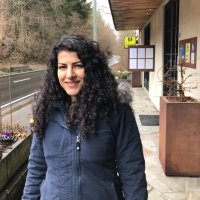
Mitra Baratchi is an Associate Professor at the Leiden Institute of Advanced Computer Science (LIACS) , Leiden University. She leads the Spatio-temporal data Analysis and Reasoning (STAR) research group, co-leads the Automated Design of Algorithms (ADA) group, and founded the Special Interest Group on Spatio-Temporal Data Mining (SIG-SDTM) . PhD from University of Twente (Mobility Data) Master’s/Bachelor’s in Computer Engineering, Iran Research Interests focus on automated pattern extraction from spatio-temporal data across urban, environmental, and industrial domains. Key applications include: Automated Machine Learning (AutoML) for Earth Observations Time-Series Forecasting for public health (e.g., pandemic modeling) Urban Mobility Optimization with ESA, Honda, and municipalities Reliable Vehicular Communication Systems Smart Garments for Health Risk Detection Geocast Protocols for Internet-wide Communication Grant Highlights include €120K NWO-Aspasia, €2.9M Marie Skłodowska-Curie, €350K NWO-KLEIN, and €135K Center for BOLD Cities funding. She has supervised 12 PhD students and 4 current Master’s students since 2011, with notable best paper award at WWIC'16. Teaching includes Machine Learning (2020-present) and Urban Computing (2018-present) at Leiden, plus past courses in Data Visualization, Software Engineering, and Research Methods.
Brian Ross is a Professor at the Department of Computer Science, Brock University. He holds a BSc (Hon) from the University of Manitoba, MSc from the University of British Columbia, and PhD in Artificial Intelligence from the University of Edinburgh. His research focuses on evolutionary computation , particularly genetic programming , with applications in computational biology , evolutionary design , and computational aesthetics . Education: BSc Computer Science (Hon), University of Manitoba MSc Computer Science, University of British Columbia PhD Artificial Intelligence, University of Edinburgh Research Interests: Computational Intelligence: genetic programming, evolutionary algorithms, multi-objective optimization Evolutionary Design: computational aesthetics, 2D/3D modeling, energy-efficient architecture Applications: computational biology, stochastic process algebra, GPU-based image analysis Article Trends: His recent work combines deep learning with evolutionary algorithms to enhance diversity in agent behavior and design optimization. Earlier studies focused on stochastic modeling of biological networks and procedural texture generation . Collaborations span computational aesthetics, passive solar architecture, and non-photorealistic rendering techniques. Students & Collaborations: He has supervised diverse projects including evolved intelligent agents , passive solar building design , and evolutionary art systems . Notable students include Marshall Joseph (2023), Tyler Cowan (2021), and Sheikh Faishal Basher (2021).
Zhangming Zhu is a Professor at Xidian University in the School of Microelectronics . He specializes in Microelectronics and Circuit Design , with a focus on Analog-to-Digital Converters (ADCs) , CMOS Technology , and Low-Power Electronics . His work addresses challenges in high-speed, high-precision, and energy-efficient circuit design. Research Interests: His publications highlight expertise in ADCs, PLLs, energy harvesting, biomedical sensors, and RF systems. Recent Publications: 2025 papers include a 12-bit 1.5-GS/s ADC , a 5-18-GHz Quadrature Receiver , and 20-bit SAR ADC with thermal error suppression. Collaborations: Frequently co-authors with Shubin Liu, Yi Shen, Ruixue Ding, and others. Applications: Work spans consumer electronics, IoT, biomedical devices, and energy-efficient systems.
Mustafa Özuysal is an Assistant Professor in the Department of Computer Engineering at the College of Engineering, Izmir Institute of Technology (İYTE), where he leads the Visual Intelligence Research Group. His research focuses on computer vision, including object detection, tracking-by-detection, and real-time scene text recognition, with applications on mobile devices. Research Interests: Large-scale object detection Object detection and tracking on mobile platforms Real-time scene text recognition Feature learning from image and video sequences Augmented reality and camera egomotion estimation His scholarly work includes influential publications in IEEE TPAMI, IET Computer Vision, and top-tier conferences such as CVPR and ECCV, particularly in local feature descriptors like BRIEF and keypoint recognition using random ferns. His research emphasizes efficient, real-time algorithms suitable for embedded and mobile systems. Scientific Contributions: Co-developer of the BRIEF descriptor, widely used in computer vision for fast binary feature matching. Contributor to tracking-by-detection frameworks and homography estimation methods robust to occlusions and viewpoint changes. Dr. Özuysal has taught a range of undergraduate and graduate courses, including Introduction to Image Understanding, Vision-Based Tracking and Modeling, Data Structures, and Mobile Application Development. He advises the Visual Intelligence Research Group and continues to advance research in scalable and efficient vision systems.
Tony F. Chan is currently President and Professor of Mathematics and Computer Science and Engineering at the Hong Kong University of Science and Technology (HKUST). He holds the title of Professor Emeritus in the Department of Mathematics at the University of California, Los Angeles (UCLA), where he previously served as Professor with joint appointments in Computer Science and Bioengineering. He was Dean of the Division of Physical Sciences at UCLA (2001–2006) and Assistant Director at the National Science Foundation (NSF) for Mathematics and Physical Sciences (2006–2009). President, HKUST Professor, Mathematics & Computer Science and Engineering, HKUST Professor Emeritus, Mathematics, UCLA Assistant Director, NSF (2006–2009) Dean, Division of Physical Sciences, UCLA (2001–2006) His research interests are centered around mathematical image processing, computer vision, computational brain mapping, and numerical algorithms. He has made seminal contributions to variational methods, total variation regularization, level set methods, and multiscale computational techniques. His work bridges pure mathematics with applications in biomedical imaging, VLSI design, and scientific computing. His recent publications focus on image segmentation, inpainting, brain surface mapping, and nonlocal filtering. These works demonstrate a strong trend toward geometric and variational models for image analysis, with increasing emphasis on medical and biological applications such as neuron tracking and cortical mapping. One of the most cited mathematicians (ISI Highly Cited) Chan has mentored over 25 PhD students and 15 postdoctoral fellows, contributing significantly to the training of next-generation researchers in applied mathematics and computational science. He has led major research initiatives including the Institute for Pure & Applied Mathematics (IPAM) and has been involved in numerous professional services at national and international levels. His work has been supported by major funding agencies including the NSF. He leads the Image Processing Group at UCLA and has been instrumental in advancing interdisciplinary research at the intersection of mathematics, engineering, and neuroscience.
Syed Muhammad Anwar serves as an Associate Professor in Software Engineering at the University of Engineering and Technology (UET) Taxila, Pakistan. He maintains a significant dual affiliation with the Sheikh Zayed Institute at Children's National Hospital in Washington, DC, USA. Additionally, he holds leadership roles as Co-founder and CTO of Sense Digital PVT. Ltd. and Director of both the Virtual Reality and Machine Learning Lab and the Signal Image Multimedia Processing and Learning (SIMPLE) Group at UET Taxila. Dr. Anwar's research spans multiple cutting-edge domains at the intersection of signal processing, machine learning, and medical applications. His primary research interests include: Multimedia Communication and Signal Processing Image and Video Coding and Quality Assessment Biomedical Signal Processing and Brain-Computer Interfaces Medical Imaging including Segmentation, Detection, and Diagnosis Deep Learning applications in healthcare diagnostics Emotion Classification and Human Behavior Modeling His recent scholarly output demonstrates a strong emphasis on applying deep learning techniques to medical image analysis challenges, particularly in brain tumor segmentation, liver tumor detection, and Alzheimer's disease classification. There's also significant work in EEG-based applications including emotion recognition, stress quantification, and game expertise classification. His research effectively bridges theoretical machine learning advances with practical healthcare applications, showing particular strength in adapting deep learning architectures to medical imaging challenges across multiple organ systems. Dr. Anwar actively mentors the next generation of researchers through his leadership of the SIMPLE research group. His current advisees include: PhD Students: Sanay Muhammad Umar Saeed (Quantification of human stress), Romana Farhan (Security in body area networks), Nosheen Sohail (Medical Image Analysis), Amin Ullah (Knowledge extraction), and Saqib Mehboob (Structural health monitoring) MS Students: Haseeb Iftikhar (Doctor recommender system), Faizah Malik (Sentiment analysis), Samreena Aslam (Fashion image retrieval), Huma Shabbir (Fashion image tagging), Khola Rafiq (Ischemic stroke detection), and Saba Naseem (Blood vessel segmentation) As Director of the Virtual Reality and Machine Learning Lab and the SIMPLE research group, Dr. Anwar oversees a dynamic research environment focused on advancing signal processing, multimedia analysis, and machine learning applications, particularly in healthcare contexts. His lab maintains strong collaborations between UET Taxila and international institutions, including Children's National Hospital in Washington DC, facilitating technology transfer between academic research and clinical practice.
Ioannis Kotidis is an Associate Professor in the Department of Informatics at the Athens University of Economics and Business (AUEB), School of Information Sciences and Technology. He holds a Diploma in Electrical and Mechanical Engineering from the National Technical University of Athens (1995), and Master's and Ph.D. degrees from the University of Maryland (1997, 2000). Prior to joining AUEB, he worked as a Senior Technical Specialist at AT&T Labs-Research in Florham Park, New Jersey until January 2006. His research spans multiple areas of database systems with particular focus on On-Line Analytical Processing (OLAP) and data warehousing, data mining, sensor/P2P networks, mobile data management, data fusion & dissemination, data streams, RFID data management, approximate query answering, and database preservation . His work bridges theoretical foundations with practical implementations, as evidenced by numerous publications in top-tier database conferences and journals. Professor Kotidis leads several significant research projects including RECOST (REal time management of COmplex STreams), DBSENSE (Information Management in Wireless Sensor Networks), INFORE (Interactive Extreme-Scale Analytics and Forecasting), and DeLorean (Storage, Indexing and Analysis Techniques for Time-Series Management). His recent work focuses on blockchain applications for decentralized OLAP processing, complex event processing frameworks, and advanced techniques for managing complex data streams. Among his notable achievements is the best paper award at the ACM SIGMOD International Conference on Management of Data for his work on DynaMat: A Dynamic View Management System for Data Warehouses. His publications consistently address challenging problems in database systems with innovative approaches that have influenced both academic research and practical implementations. He has supervised numerous undergraduate theses on topics including blockchain-based OLAP view management, complex event processing using FlinkCEP, and graph similarity learning. His research has attracted significant funding through various research programs at AUEB, including Basic Research Funding Programs 1 & 2.
Professor Rajendran Parthiban is a Professor and Deputy Dean (Education) in the Department of Electrical and Computer Systems Engineering at Monash University. He holds a PhD and Bachelor of Engineering from the University of Melbourne (Australia). His academic leadership roles include Deputy Head of School (Education) and leadership in photonics and communications research groups. He has extensive teaching experience, achieving top evaluations in five undergraduate and one postgraduate subjects. Education: PhD in Electrical and Electronic Engineering, University of Melbourne (2004) Bachelor of Engineering (First Class Honours), University of Melbourne (1997) Research Interests: Focuses on optical networks, visible light communications (VLC), vehicular communication, and educational technologies like VR/AR integration. His work addresses challenges such as energy-efficient optical architectures, high-speed VLC systems, and technology-enhanced learning frameworks. Recent projects include developing traffic management frameworks and green vehicle routing strategies. Grants & Funding: Secured over RM2 million in external grants, including projects on Li-Fi systems, AR/VR in engineering education, and green vehicular networks. Notable grants include collaborations with the Australian Digital & Telecom Pty Ltd and Monash-Warwick Alliance. Awards: Pro-Vice Chancellor’s Award for Excellence in Research (2011, 2012) Pro-Vice Chancellor’s Award for Excellence in Teaching (2007–2010) Australian Learning and Teaching Council Citation (2008) Supervision: Guided eight PhD and one Master’s students, with ongoing supervision in areas like credit risk forecasting, vehicular networks, and seamless learning frameworks. Professional Activities: Senior member of IEEE, with affiliations to IEEE Communications Society, Photonics Society, and multiple engineering organizations. Active in research groups and international collaborations.
Jesus Rojo Santiago is a Researcher in the Radiotherapy department at Erasmus MC, Erasmus University Rotterdam, specializing in advanced radiation oncology techniques with a focus on proton therapy applications for head and neck cancer treatment. Research Interests: His primary investigations include: Proton Therapy Optimization : Developing robust intensity modulated proton therapy (IMPT) protocols to minimize therapeutic errors under realistic uncertainties Critical Structure Preservation : Innovating neurovascular bundle sparing techniques in hypofractionated regimens for reduced side effects Clinical Protocol Validation : Evaluating Dutch national robustness standards through multi-institutional probabilistic analyses Treatment Uncertainty Modeling : Quantifying dosimetric impacts of anatomical variations in head and neck cancer radiotherapy Publication Trends: Analysis of his 2023-2025 publications reveals concentrated expertise in computational radiotherapy optimization, with 83% of works addressing head and neck cancer protocols. His research consistently bridges medical physics (67% of publications), clinical oncology (100% coverage), and probabilistic modeling (50% focus), demonstrating strong alignment with Dutch national proton therapy implementation frameworks. Scientific Awards: No awards, fellowships, or medals were documented in the source material. Advising and Grants: While no formal student advisees are listed, his collaborative publication pattern (average 7.2 co-authors per paper) indicates active research team participation. Grant funding specifics are absent, though multi-institutional authorship across 4 Dutch medical centers suggests involvement in nationally coordinated research initiatives. Labs and Teams: Dr. Rojo Santiago operates within Erasmus MC's Radiation Oncology research ecosystem, contributing to the Dutch Proton Therapy Working Group. His work integrates with clinical implementation teams at the Erasmus MC Radiotherapy department, focusing on translating robustness protocols into practice through collaborative studies with national proton therapy centers.
Boris Beranger is a Senior Lecturer in Statistics and Data Science at the School of Mathematics and Statistics, UNSW Sydney . He is also a member of the UNSW Data Science Hub (uDASH) and previously served as an Associate Investigator at the ARC Centre of Excellence for Mathematical and Statistical Frontiers (ACEMS) . His research spans theoretical and applied statistics, focusing on Extreme Value Theory (environmental, financial, and insurance applications) and Symbolic Data Analysis (complex/non-standard data structures). Education: PhD in Statistics (Université Pierre and Marie Curie & UNSW, 2016), MSc in Mathematics (Université Pierre and Marie Curie, 2011) Research Trends are evident in: High-dimensional extremal dependence modeling (ExtremalDep package) Spatial extremes and max-stable processes Symbolic/histogram/interval-valued data analysis Composite likelihood and aggregated data methods Tail density estimation via kernel methods Scientific Awards & Grants include: J.B. Douglas Award for Postgraduate Excellence (2014) Multiple ARC ACEMS Research Support Schemes Discovery Project DP220103269 ($405,000) for modeling real-world extremes Supervision covers PhD, Masters, and Honours students in areas like Symbolic Data Analysis, Spatial Extremes, and Statistical Computing. He also co-organized workshops and served as Vice-President (2025-26) of the Statistical Society of Australia's NSW Branch.
Dr. Susanne Wenzel is a postdoctoral researcher and teaching assistant at the Photogrammetry group (IGG - Institute of Geodesy and Geoinformation) at the University of Bonn, and a scientific coordinator at Forschungszentrum Jülich since February 2018. Her academic journey began with studies in Geodesy at the Technical University of Berlin and University of Bonn, following professional training as a surveying technician at the Berlin Senate of Urban Development. Her research focuses on pattern recognition and image interpretation, particularly applying machine learning and deep learning techniques to photogrammetry and remote sensing problems. Wenzel's work prominently features Markov Marked Point Processes and the analysis of symmetries and repeated structures in images, with applications ranging from facade interpretation to oceanographic analysis. Her interdisciplinary approach bridges computer vision, geospatial analysis, and machine learning. The analysis of her 15 most recent publications reveals a strong trend toward applying advanced machine learning techniques, particularly deep learning and self-taught learning approaches, to photogrammetric and remote sensing problems. Her research spans multiple domains including urban modeling (facade interpretation), environmental monitoring (ocean eddies, sea level anomalies), and forensic applications (latent trace detection), demonstrating remarkable versatility while maintaining a core focus on image interpretation methodologies. Faculty Teaching Award 2014 Faculty Award for the best student in 2007 in Geodesy and Geoinformation Turbo-Preis 2007 of Society for Geodesy, Geoinformation and Land Management (DVW) Dr. Wenzel has supervised numerous Master's and Bachelor's students on diverse topics including neural network applications for ocean eddy tracking, hyperspectral imaging for latent trace detection, and deep learning for remote sensing image classification. Her teaching portfolio includes Photogrammetrie I and II courses since 2009, and she managed the development of the Geodetic Engineering Master's program at IGG from 2015-2018. Her research has been supported through positions at both the University of Bonn and Forschungszentrum Jülich, where she contributes to interdisciplinary projects bridging geospatial analysis and machine learning.