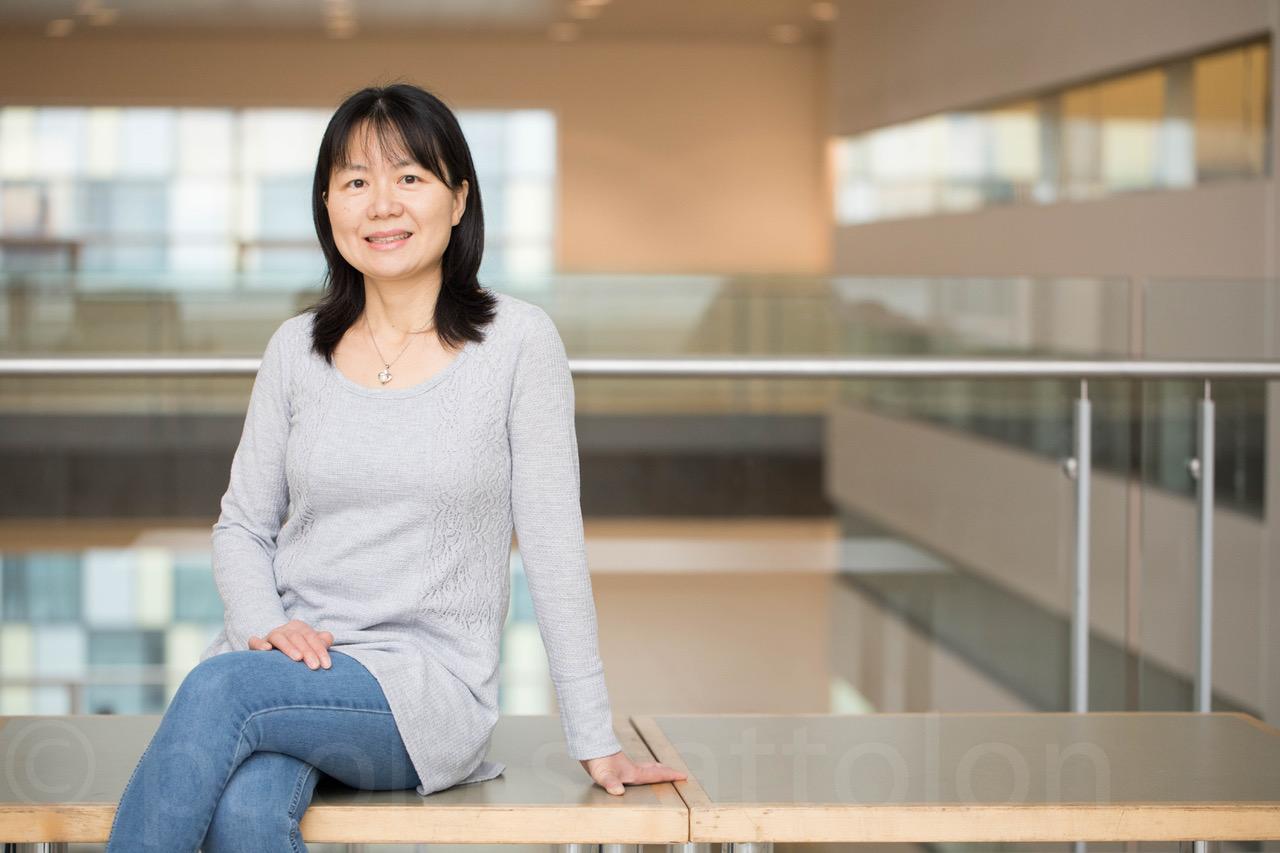
Martin T. Wells is the Charles A. Alexander Professor of Statistical Sciences at Cornell University, with joint appointments in the Department of Statistical Science, Department of Biological Statistics and Computational Biology, Department of Social Statistics, and as Professor of Clinical Epidemiology and Health Services Research at Weill Medical School. He serves as Editor-in-Chief of the ASA-SIAM Book Series and Co-Editor of the Journal of Empirical Legal Studies. Cornell University, Ithaca, NY Weill Cornell Medical College Research Interests span applied and theoretical statistics, Bayesian methods, biostatistics, clinical epidemiology, and computational biology. His work bridges disciplines like finance, legal studies, and health services research. Article Trends highlight advancements in Bayesian modeling, quantum cognition machine learning, tensor analysis, and misclassification correction, with applications in genomics, finance, and public health. Fellow of the American Statistical Association Fellow of the Royal Statistical Society Contributions include developing statistical software (e.g., rTensor), methodological innovations in clinical trials, and empirical legal studies on civil rights and the death penalty.
University of North Carolina at Chapel HillUnited States
Tanya P. Garcia, PhD is an Associate Professor of Biostatistics at the Gillings School of Public Health and Research Faculty in the UNC Neurology Huntington Disease Program at the University of North Carolina at Chapel Hill . She leads the Methods for INcomplete Data (MIND) Lab , focusing on statistical methods for handling censored, missing, or incomplete data in neurodegenerative disease progression studies. Education: PhD in Statistics, Texas A&M University MS in Statistics, University of Western Ohio MS in Industrial Engineering and Operations Research, UC Berkeley Research Interests: Specializing in High-Dimensional Variable Selection , Longitudinal Data Analysis , and Neurodegenerative Disease Modeling , her work develops reproducible statistical methods for Huntington's disease progression, improving clinical trial design and biomarker identification. Scientific Awards: American Statistical Association Fellow (2024) Landis Award for Outstanding Mentorship (2024) Roy R. Kuebler Award (2024) Gertrude M. Cox Award (2024) Leadership & Mentorship: Director of the MIND Lab, Chair-Elect of the Biometrics Section of ASA, and Tyson Academic Leadership Fellow (2023–2024). Her lab alumni have secured prestigious positions at institutions like Wake Forest University and Baylor University.
Harri Lähdesmäki is an Associate Professor (tenured) at the Department of Computer Science, Aalto University, where he leads the Computational Systems Biology research group. His work focuses on probabilistic machine learning and deep generative models with applications in biomedicine and molecular biology. Key Research Interests: Probabilistic machine learning, deep generative models, computational biology, bioinformatics, longitudinal data modeling Contact: harri.lahdesmaki@aalto.fi | Konemiehentie 2, 02150 Espoo, Finland His recent publications highlight advancements in: Gaussian process priors for scalable deep generative models Single-cell analysis of immune repertoires in leukemia and diabetes Probabilistic deconvolution methods for RNA-seq data Epigenetic analysis using hidden Markov and mixed models Transformer-based survival prediction and missing data handling Harri’s work integrates mechanistic modeling with Bayesian inference, particularly applied to immunology, cancer biology, and early disease prediction.
Prof. Mathias Drton holds the Chair of Mathematical Statistics at the Technical University of Munich (TUM), within the Department of Mathematics and School of Computation, Information and Technology. His research focuses on graphical models, algebraic statistics, causal inference, and multivariate data analysis. He has authored numerous publications in top-tier journals and conferences, including work on conditional independence, sparse factor analysis, and causal discovery in linear models. Drton has supervised a large number of theses, mentoring students in areas like high-dimensional statistics, graphical models, and causal inference. He is actively involved in teaching advanced courses such as 'Graphical Models in Statistics' and 'Fundamentals of Mathematical Statistics.' His academic contributions span theoretical developments in statistical methodology and computational tools, including R packages like SEMID and symRC . Drton collaborates internationally, contributing to projects like the TUM-ICL Mathematical Sciences Hub and Exzellenzcluster MCQST. His work bridges algebraic methods with statistical challenges, addressing identifiability in latent variable models and robust graphical modeling under non-Gaussian assumptions. Recent research emphasizes causal structure learning under partial homoscedasticity, distribution-free independence tests, and multi-domain causal representation learning. Drton’s lab actively explores applications in genomics, epidemiology, and machine learning, leveraging both theoretical rigor and practical computational methods.
Akihiko Nishimura is an Assistant Professor in the Department of Biostatistics at the Johns Hopkins Bloomberg School of Public Health. He holds a PhD from Duke University (2017) and MS and BS degrees from Stanford University (2011 and 2010). His research focuses on Bayesian methods, statistical computing, and public health data science, with applications in precision medicine and observational health data analytics. PhD, Duke University, 2017 MS, Stanford University, 2011 BS, Stanford University, 2010 Nishimura's research centers on developing advanced statistical and computational methodologies for real-world health data. His work emphasizes Bayesian inference, large-scale computing, and software development for reproducible research. He is particularly interested in using observational health data to improve clinical decision-making and advance precision medicine. He co-leads the Bayesian Learning and Spatio-Temporal modeling group (BLAST Group) and the inHealth/OHDSI Lab , collaborating with clinicians and data scientists across institutions. His recent publications reflect a strong trend in methodological innovation in Monte Carlo methods (e.g., Hamiltonian and Zigzag samplers), scalable Bayesian inference, and applications in pharmacovigilance, diabetes management, and infectious disease modeling. The articles span disciplines including biostatistics, computational statistics, public health, and bioinformatics, demonstrating a consistent focus on high-impact, computationally intensive problems in health data science. Nishimura actively contributes to the scientific community through methodological development and open science. He develops statistical software and shares teaching materials on GitHub, emphasizing reproducibility and performant computing. His involvement in the OHDSI community enables large-scale, multi-institutional studies that would not be feasible with single-source data. His work has been recognized through publications in top-tier journals such as the Journal of the American Statistical Association , Biometrika , and JAMA Ophthalmology , and has been picked up by numerous news outlets and social media platforms, indicating broad scientific and public impact. Nishimura teaches courses on performant statistical computing and advanced Monte Carlo methods, training the next generation of data scientists in efficient algorithm and software design. He mentors students and collaborators in statistical methodology and software development, fostering a culture of rigorous, reproducible, and impactful research.
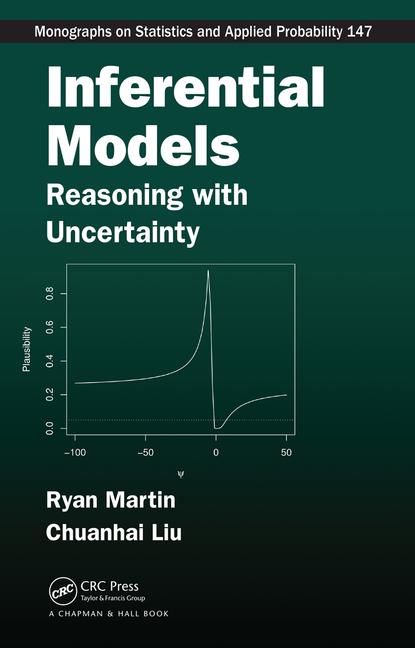
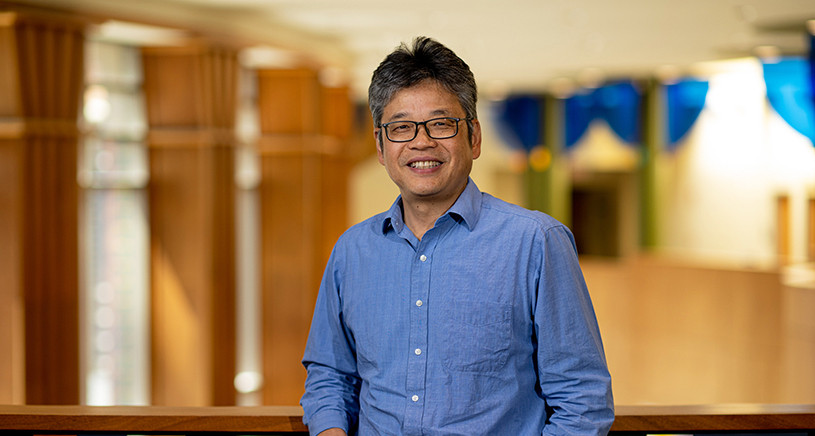
Chuanhai Liu is an Associate Head and Professor of Statistics at Purdue University’s Department of Statistics. He specializes in computational methods for statistical inference, Bayesian analysis, and big data computing systems. His research emphasizes robust algorithms, inferential models, and probabilistic methods. Education: M.S., Wuhan University, Probability and Statistics (1987) M.A., Harvard University, Statistics (1990) Ph.D., Harvard University, Statistics (1994) Research Interests: Computational methods (EM algorithms, MCMC), statistical software systems for big data, theoretical foundations of inference, and prior-free probabilistic modeling. His work bridges computational efficiency and statistical validity, with applications in network analysis, environmental data, and machine learning. Awards: Fellow of the American Statistical Association (2007) Elected Member of the International Statistical Institute (2006) Frank Wilcoxon Prize (2000) Advising & Grants: Supervised 9 Ph.D. students, including interdisciplinary collaborations. His grants focus on distributed statistical computing and inferential frameworks. Active in software development for large-scale data analysis. Labs/Teams: Leads statistical computing initiatives at Purdue, contributing to scalable algorithms and probabilistic inference systems.
Peter X. K. Song is a Professor in the Department of Biostatistics at the University of Michigan School of Public Health. With expertise spanning statistical methodology development and interdisciplinary applications, Dr. Song maintains active collaborations across Nutritional Sciences, Environmental Health Sciences, Chronic Disease research, and Nephrology. His work bridges theoretical statistics with practical healthcare solutions, focusing on innovative approaches to complex data challenges in public health and medicine. Based at the M4140 SPH II building in Ann Arbor, he leads the Song Lab and contributes significantly to the academic community through teaching, research mentorship, and scholarly publications. PhD, University of British Columbia, Vancouver, 1996 BS, Jilin University, Changchun, 1985 Dr. Song's research focuses on the statistical foundation of big data analytics, with particular emphasis on data integration, distributed inference, high-dimensional data analysis, longitudinal data analysis, mediation analysis, and spatiotemporal modeling. His methodological innovations address critical challenges in smart health applications, including organ exchange programs, children's health, chronic disease management, environmental health assessment, and nutritional sciences. His approach combines statistical theory, integer optimization, and algorithm development to create practical tools that help researchers understand complex relationships between environmental exposures and health outcomes. Dr. Song's publication record demonstrates a consistent trajectory of methodological innovation applied to pressing health challenges. His recent work shows increasing focus on sleep classification using AI techniques, personalized treatment effect analysis, distributed statistical methods for high-dimensional data, and epigenetic applications in adolescent health. The interdisciplinary nature of his research is evident in publications spanning biostatistics journals, computer science venues, and domain-specific medical publications. His work increasingly addresses the challenges of integrating diverse data sources while maintaining statistical rigor in the era of big data. IMS Fellow ASA Fellow Elected Member of the International Statistical Institute 2017 ENAR John Van Ryzin Award Dr. Song has mentored an impressive 22 PhD students and 6 postdoctoral trainees throughout his career, with many now holding faculty positions at prestigious institutions or working as data scientists in leading technology companies. His lab, the Song Lab, currently supports two postdoctoral research fellows and eight doctoral students working on cutting-edge statistical methodology development. His collaborative research extends across numerous grants that support interdisciplinary projects in kidney paired donation programs, environmental health studies, nutritional sciences, and chronic disease research, demonstrating his commitment to translating statistical innovation into practical health solutions. The Song Lab serves as a hub for interdisciplinary statistical research at the University of Michigan, bringing together experts from statistics, operations research, and machine learning to address complex challenges in medical and public health sciences. Current lab members include eight doctoral students and three postdoctoral fellows working on projects related to optimal organ matching strategies, causal mediation pathways of omics biomarkers, and statistical methods for big data integration. The lab maintains strong connections with clinical researchers across nephrology, pediatrics, environmental health sciences, and nutritional sciences, ensuring that methodological developments remain grounded in real-world applications.
Lionel Truquet is a Lecturer-Researcher in Statistics at ENSAI (École Nationale de la Statistique et de l'Administration Économique), where he focuses on Statistics for dependent data and Time series analysis . He serves as a Director of Research and has contributed significantly to fields like Markov chains and nonlinear dynamics . Research Interests: Time series models for ecological and economic data Statistical inference for categorical and discrete-valued processes Ergodic properties of Markov chains in random environments Mixing conditions for nonstationary processes Perturbation techniques in stochastic modeling Recent Publications: His work spans nearest neighbor sampling , multivariate autoregressive models , and mixing properties of count processes , with applications in ecology and econometrics. Key trends include nonparametric methods for high-dimensional data and stationarity analysis in time-varying systems. Scientific Awards: TJALLING C. KOOPMANS ECONOMETRIC THEORY PRIZE (2021–2023) for groundbreaking work on multivariate count autoregressions.
Dr. Michael Gallaugher is an Assistant Professor of Statistical Science at Baylor University. He holds a Ph.D., M.S., and B.S. in Statistics from McMaster University. His research focuses on clustering and classification methodologies, particularly in matrix/tensor variate data, mixed-type data, clickstream analysis, and outlier detection. He has been recognized with prestigious awards including the Vanier Canada Graduate Scholarship and the Banting Postdoctoral Fellowship. Education: Ph.D., Statistics, McMaster University (2020) M.S., Statistics, McMaster University (2017) B.S., Statistics, McMaster University (2015) Research Interests: Dr. Gallaugher's work emphasizes advanced clustering techniques for complex data structures, including high-dimensional datasets, clickstream behavior analysis, and skewed distribution modeling. His contributions span statistical methodology development and applications in fields like bioinformatics and sports science. His recent work explores hidden Markov models for time series and robust co-clustering algorithms. Publications Trends: His publications reflect a strong focus on matrix-variate distributions, skewed data modeling, and algorithmic innovation in clustering. Recent work (2022-2025) highlights advancements in contaminated normal mixtures, co-clustering for high-dimensional data, and spatial regression models. Awards: Vanier Canada Graduate Scholarship Banting Postdoctoral Fellowship Advising & Grants: While no advisees are listed, his research has been supported by grants from the Natural Sciences and Engineering Research Council of Canada. He contributes to statistical consulting services at Baylor and collaborates internationally on methodological projects. Labs & Teams: He is affiliated with Baylor's Department of Statistical Science and collaborates with research groups focused on machine learning and statistical computing.
Matthew Jenssen is a Reader in Probability at King's College London and a UKRI Future Leaders Fellow. He holds a BA and MMath from the University of Cambridge (2012–2013) and a PhD from the London School of Economics (supervised by Jozef Skokan and Julia Boettcher). His research focuses on the intersection of combinatorics, statistical physics, and theoretical computer science, particularly on large-scale structure formation in systems with local interactions. Notable contributions include advancements in sphere packing, Ramsey numbers, and random matrix theory. Jenssen has held postdoctoral positions at the University of Oxford and the University of Birmingham before joining King’s in 2023. His research group at King’s explores discrete probability, extremal combinatorics, and algorithms, with applications to statistical physics and high-dimensional geometry. Key achievements include a groundbreaking improvement on sphere packing lower bounds and resolving extremal questions in graph theory. Jenssen’s work often bridges combinatorial theory with computational methods, yielding impactful results in probabilistic combinatorics. Scientific awards include the UKRI Future Leaders Fellowship (2020). His grants include a 2023–2026 project on statistical physics methods in combinatorics and geometry. Jenssen collaborates widely, with notable co-authors including Will Perkins, Jozef Skokan, and Felix Joos. He is actively involved in the Probability Group at King’s and contributes to international conferences and arXiv publications.
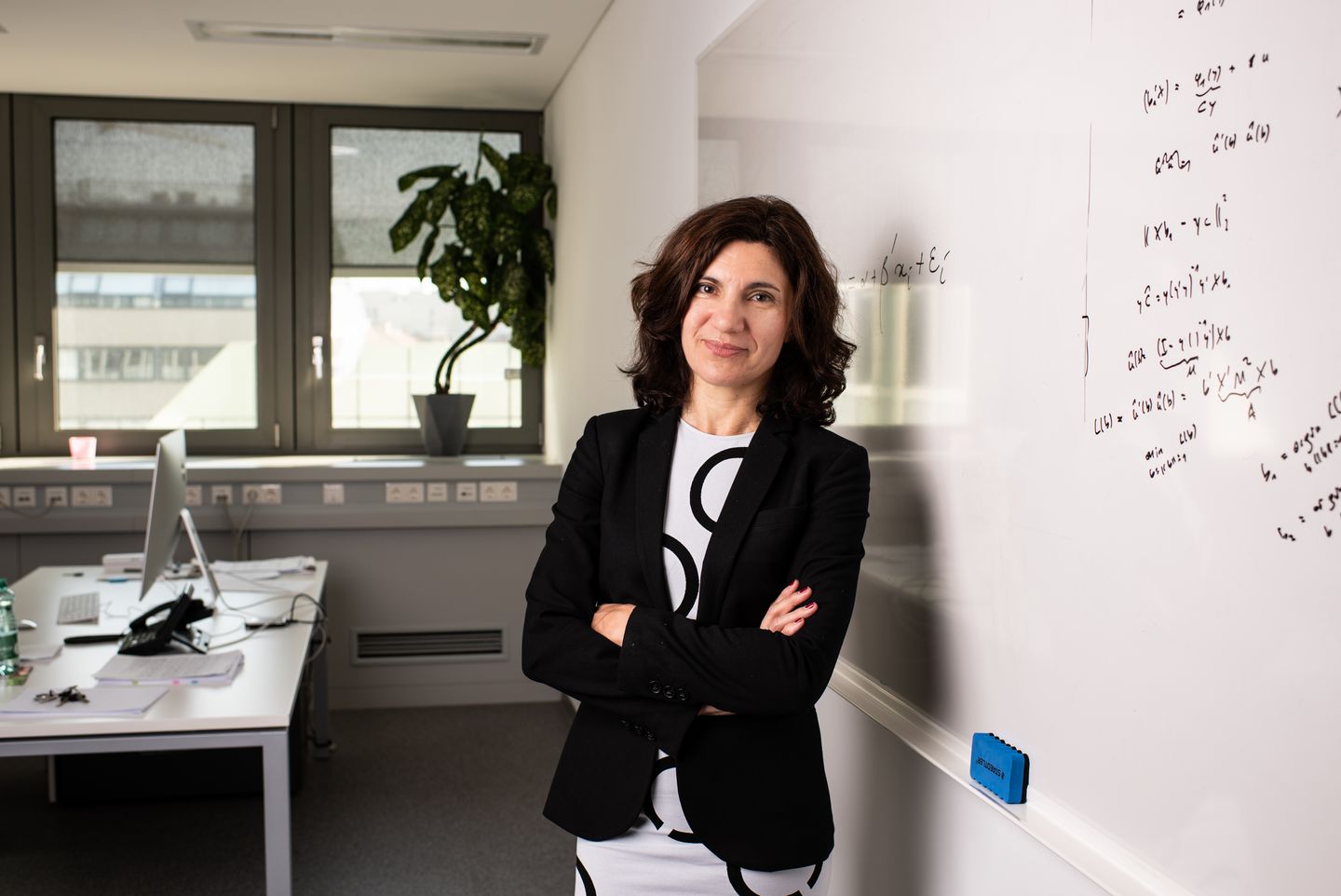
Efstathia Bura is a Professor heading the Applied Statistics Research Unit (ASTAT) within the Institute of Statistics and Mathematical Methods in Economics at TU Wien's Faculty of Mathematics and Geoinformation. Her research focuses on dimension reduction techniques in regression and classification, high-dimensional statistics, and their applications in biostatistics, econometrics, and legal statistics. She leads projects like ProbInG (WWTF-funded) and the SecInt Doctoral College on statistical verification of cyber-physical systems. Her work integrates advanced statistical methodologies with interdisciplinary applications, emphasizing practical solutions for complex data challenges. Current projects explore probabilistic program analysis, security properties in cyber-physical systems, and dynamic econometric modeling. She collaborates internationally, with notable contributions to statistical theory and applications in law, healthcare, and telecommunications. Key research themes include time-varying regression models, sufficient dimension reduction for mixed predictors, and fusion of statistical methods with machine learning. Her publications bridge theoretical advancements and real-world problem-solving, reflecting her role as a leading academic in modern applied statistics. Her team includes postdocs and assistants working on WWTF and SecInt grants, focusing on probabilistic systems and statistical verification. While no formal student advisees are listed, her collaborative projects engage junior researchers in cutting-edge statistical research.
Lionel Truquet is a Lecturer-Researcher in Statistics and Director of Research at ENSAI (École Nationale de la Statistique et de l'Analyse de l'Information). His research focuses on advanced statistical methodologies, including time series analysis, Markov chains, and ecological data modeling. He has contributed to multivariate autoregressive binary models, compact space time series models, and nonstationary count processes. Research Interests: His work emphasizes statistical theory applied to dependent data, with a strong focus on ecological applications. Key areas include ergodic properties of Markov chains, mixing properties of time series, and modeling presence-absence data. His methods address challenges in high-dimensional and nonstationary environments. Publications: Recent work includes influential contributions such as the TJALLING C. KOOPMANS ECONOMETRIC THEORY PRIZE-winning paper on iterations of dependent random maps. His publications span top journals like Bernoulli, the Annals of Applied Probability, and the Journal of Time Series Analysis, reflecting his expertise in both theoretical and applied statistics. Teaching: He teaches advanced courses such as Asymptotic Statistics and Dependence at the M2 level, reflecting his commitment to training future statisticians in cutting-edge methodologies.
Dr. Carlo Cavicchia is an Assistant Professor of Statistics at the Econometric Institute, Erasmus School of Economics, Erasmus University Rotterdam. He holds a PhD in Methodological Statistics from La Sapienza University of Rome and has held roles such as Research Fellow at UnitelmaSapienza University and Consultant for NGOs in Zanzibar. His research focuses on latent variable models, composite indicators, and unsupervised classification, with applications in environmental policy, sports analytics, and teacher job satisfaction. Cavicchia teaches statistics and data science courses at undergraduate and graduate levels and actively contributes to academic communities through journal reviewing, conference organizing, and editorial roles. Education: PhD in Methodological Statistics (La Sapienza University of Rome, 2020) MSc in Statistics and Decision Sciences (La Sapienza University of Rome, 2016) BSc in Statistics (La Sapienza University of Rome, 2013) Dutch University Teaching Qualification (BKO, 2022) Research Interests: Cavicchia’s work emphasizes hierarchical models, non-parametric statistics, and data science applications. He develops methodologies for composite indicators, including ultrametric Gaussian mixture models and disjoint principal component analysis. His research bridges theoretical advancements with real-world problems, such as waste management in Italian municipalities and ranking European football teams using composite metrics. Grants & Awards: 2024: IFCS Chikio Hayashi Award 2023: ESE Starter Grant (€300,000) 2017: Research Grant for Junior Researchers (€1,270) 2016: PhD Scholarship, La Sapienza University Academic Engagement: Cavicchia serves as IASC Data Analysis Competition Officer (2023–2025), co-edits the ISI Magazine , and organizes conferences like DSSV 2020 and DSSV-ECDA 2021. He is an elected member of the International Statistical Institute and contributes to SVQS’s Sustainability initiatives. Labs & Teams: He co-organizes the Econometrics internal seminars at Erasmus University and collaborates with researchers at University of Naples Federico II on hierarchical models and convex clustering.
London School of Economics and Political Science (LSE)United Kingdom
Dr. Yunxiao Chen is an Associate Professor in the Department of Statistics at the London School of Economics and Political Science (LSE), where he co-leads a psychometric lab with Professor Irini Moustaki. Previously, he was an Assistant Professor at Emory University (2016–2018) and earned his PhD in Statistics from Columbia University (2016). His research focuses on developing statistical and computational methods for social data science, addressing challenges in high-dimensional data analysis, latent variable models, and educational assessment. Education: PhD in Statistics, Columbia University, 2016 Research Interests: High-dimensional factor models (matrices, tensors, counting processes) Dynamic behavioral data analysis Sequential decision theory in personalized learning Statistical inference for large-scale item response data Applications in education, psychology, and marketing Publications: Recent work includes advancements in factor analysis, change-point detection, and DIF statistical inference Key journals: Journal of the American Statistical Association , Psychometrika , Journal of Machine Learning Research Awards: 2024 Psychometrics Society Best Reviewer Award 2022 Early Career Award 2018 NCME Loyd Dissertation Award Advising & Grants: Accepts PhD students in statistical methodology Funded by National Academy of Education/Spencer Fellowship (2018–2020) and IEA R&D grants (2022–2023) Labs & Teams: Runs LSE’s psychometric lab focused on educational measurement Collaborates with interdisciplinary teams on machine learning applications
Xin Gao is a Professor in the Department of Mathematics and Statistics at York University, Toronto. His research focuses on Artificial Intelligence , Machine Learning , and Statistical Genetics , with applications in biomedical data analysis and planetary science. He leads the Artificial Intelligence and Machine Learning Lab , which has developed impactful tools like an online Type 2 Diabetes risk predictor using logistic regression and Mars rock composition analyzers for NASA. His methodological work includes penalized composite likelihood and multi-task feature learning , implemented in R packages FusionLearn and lassoGEE . Scientific Awards NSERC Discovery Acceleration Award ($120,000, 2018-2020) Key Software Contributions FusionLearn : Correlated multi-task feature learning lassoGEE : High-dimensional clustered/longitudinal data analysis Notable Collaborations Vector Institute (AI scholarship mentoring) Fields Institute (committee roles) International genomic data integration projects