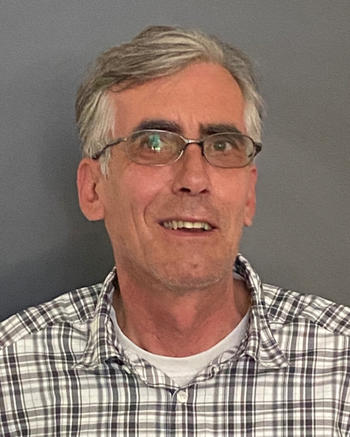
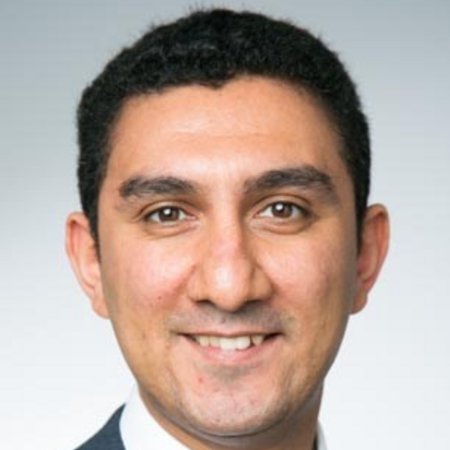
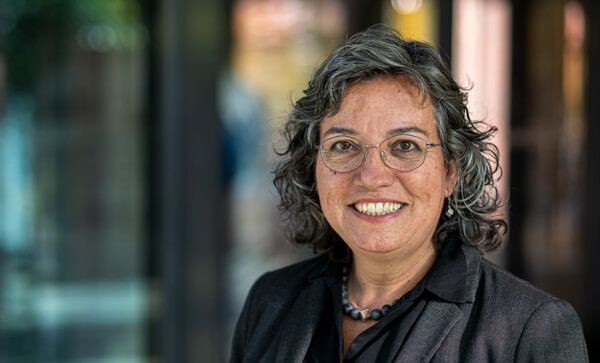
Prof. Dr. Peter Strasser is a faculty member at the Technische Universität Berlin , affiliated with the Institute of Chemistry and leading the Electrochemical Catalysis, Energy and Materials Sciences Group within the Faculty II - Mathematics and Natural Sciences . His research spans electrocatalysis , fuel cell technology , and high-throughput materials testing , with a focus on nanostructured catalysts for clean energy systems. Research Interests : High Throughput Testing Fuel Cells Electrocatalysis Electrochemical Materials Water Splitting CO2 Conversion Scientific Contributions highlight trends in oxygen evolution reactions , dealloyed catalysts , and non-noble metal electrocatalysts . His work bridges materials science and energy storage , particularly for hydrogen fuel cells and magnesium batteries . Awards : Otto Roelen Medal 2016 Advising notable researchers like former PhD student Mehtap Özaslan , who established a junior research group at the University of Oldenburg and won the Umicore Scientific Award. Prof. Strasser's team collaborates with UniSysCat and has secured funding from the Federal Ministry of Research for catalyst innovation.
Prof. Dr.-Ing. Selin Kara is a Professor at the Institute of Technical Chemistry, Faculty of Natural Sciences, Leibniz University Hannover. She leads research in biocatalysis and bioprocessing, with a focus on sustainable and innovative enzyme-based technologies. Her leadership roles include Spokesperson of the Curriculum and Teaching Committee for Life Science and Chairperson of the Admissions Board for MSc Life Science. Full Name: Selin Kara Institution: Leibniz University Hannover Faculty: Faculty of Natural Sciences Department: Institute of Technical Chemistry Academic Rank: Professor Email: selin.kara@iftc.uni-hannover.de Her research interests center on biocatalysis and bioprocessing , particularly in redox biocatalysis , enzyme immobilization , non-conventional media such as deep eutectic solvents, biocatalytic cascades , and flow biocatalysis . She explores enzyme kinetics and process engineering to enhance efficiency and sustainability in chemical synthesis. Her group develops novel reactor systems and materials, including hydrogels and 3D-printed microfluidics, for advanced biocatalytic applications. She emphasizes green chemistry principles, aiming to replace traditional chemical processes with eco-friendly enzymatic alternatives. The most recent publications (2024–2025) demonstrate a strong trend in deep eutectic solvents , fusion enzymes , immobilization techniques , and sustainable synthesis of bio-based chemicals . Her work integrates experimental and computational methods to understand enzyme behavior and optimize reaction systems. Key themes include process intensification, solvent engineering, and industrial scalability, with applications in pharmaceuticals, fragrances, and sustainable materials. She holds leadership positions in academic governance, including: Spokesperson, Curriculum and Teaching Committee, Life Science (BSc/MSc) Chairperson, Admissions Board for MSc Life Science Executive Board Member, Institute of Technical Chemistry Deputy Representative for Professors in Faculty Council and Examination Boards Her research is highly collaborative, involving interdisciplinary teams and international partners, and is consistently published in high-impact journals such as Green Chemistry , ACS Catalysis , and ChemSusChem . While specific scientific awards and student advisees are not listed in the provided text, her extensive publication record and leadership roles reflect significant academic contributions.
Prof. Dr. Roland Zengerle serves as Full Professor for Application Development at the Institute of Microsystems Technology within the Faculty of Engineering at Albert Ludwigs University of Freiburg, concurrently holding the position of Director at Hahn-Schickard Institute for Microanalysis Systems in Freiburg. His academic leadership spans microsystems engineering with a focus on translational research bridging fundamental science and clinical applications. Zengerle's research expertise centers on Microfluidics, Lab-on-a-Chip systems, Bio-MEMS, Electrochemical Energy Systems, and Tomographic Reconstruction of Mesoporous Materials. He pioneers hybrid manufacturing techniques integrating molten metal printing with polymer processing to develop point-of-care diagnostic platforms and advanced energy systems. Current projects include UTI-Diag for urinary tract infection diagnosis and PhotonMed, a 32-million-euro medical technology initiative where his MEMS Applications Laboratory develops centrifugal microfluidic solutions. Analysis of his recent publications reveals a dominant trend toward multi-technology integration: centrifugal microfluidics combined with 3D bioprinting for organoid-based drug testing, molten metal printing for flexible electronics, and bead-based immunoassays for infectious disease detection. The work demonstrates strong clinical translation focus, particularly in cancer diagnostics (circulating tumor cell isolation), infectious disease testing (TB diagnostics), and regenerative medicine (spheroid/organoid handling). His laboratory has secured significant funding for high-impact projects including: UTI-Diag: Molecular diagnostics for urinary tract infections PhotonMed: Medical technology innovation consortium livMatS: Living, Adaptive and Energy-autonomous Materials Systems Zengerle actively mentors researchers through Freiburg's Master Lab program and Writer's Studio initiative while promoting young talent via Bootcamp training. His group maintains strategic alliances with Hahn-Schickard spin-offs and industry partners, leveraging university cleanroom facilities and specialized service centers for microfabrication. The MEMS Applications Laboratory operates as a hub for interdisciplinary innovation, combining microfabrication expertise with clinical insights to develop commercializable diagnostic solutions. Current infrastructure supports centrifugal microfluidic cartridge development, 3D-bioprinting of tissue models, and electrochemical sensor integration, with ongoing work focused on automating complex biological workflows for point-of-care applications.
Zhidan Zheng is a researcher at the Technical University of Munich (TUM), working within the Chair of Electronic Design Automation led by Prof. Ulf Schlichtmann. His office is located in room 0509.05.911 at Arcisstr. 21, 80333 Munich, with direct contact available via email zhidan.zheng@tum.de and phone +49 (89) 289 - 23692. Zheng holds a Master of Science degree as indicated by his academic title M.Sc. and has been actively contributing to the field of optical interconnects and network-on-chip design. Zheng's research focuses on wavelength-routed optical networks-on-chip, with particular expertise in network topology optimization, fault tolerance mechanisms, waveguide routing algorithms, and bandwidth allocation strategies. His work addresses critical challenges in photonic integrated circuit design, including thermal variation effects, crosstalk mitigation, and lifetime extension for communication-intensive systems. Zheng has developed several innovative methodologies including ToPro+ for topology projection, LightR for fault-tolerant architectures, and WROXIM for network-level simulation. Analysis of Zheng's publication trends from 2021-2025 reveals a consistent focus on practical implementation challenges of optical networks-on-chip. His research has evolved from foundational topology design (Light, 2021) to increasingly sophisticated solutions addressing reliability (LightR, 2023) and comprehensive system integration (ToPro+, 2025). The work demonstrates strong collaboration with researchers including Mengchu Li, Tsun-Ming Tseng, and Ulf Schlichtmann across multiple high-impact venues including DAC, DATE, ICCAD, and ASP-DAC. Zheng actively contributes to the Electronic Design Automation research group at TUM, participating in projects related to analog EDA, emerging technologies, and optical networks. His research is situated within TUM's broader initiatives in photonic integration and high-performance computing architectures, working closely with Prof. Schlichtmann's team on funded projects in the optical NoC domain.
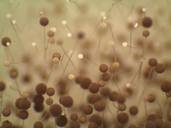
Prof. Vera Meyer is a Professor in the Department of Applied and Molecular Microbiology at Technische Universität Berlin’s Faculty III - Process Sciences. Her research focuses on optimizing fungal production systems for bioactive compounds, antifungal agents, and secondary metabolites. She leads projects such as the MY-CO SPACE exhibition, exploring fungal-based materials in architecture and sustainability. Notable contributions include work on Aspergillus niger morphology, pyomelanin synthesis for radiation shielding, and co-authoring over 150 publications. Meyer holds patents on fungal biosynthetic processes and collaborates internationally on interdisciplinary bioeconomy initiatives. Contact: vera.meyer@tu-berlin.de . Education details are not explicitly listed, but her career includes leadership roles in TU Berlin’s biotechnology programs and UniCat collaborations. Research emphasizes systems biology approaches to microbial engineering, combining microbiology, mathematics, and engineering for predictive models of cellular processes. Recent projects include the MY-CO SPACE exhibition at Bundeskunsthalle Bonn (2025-2026), showcasing fungal-based construction materials.
Christopher J. Stein is an Associate Professor of Theoretical Chemistry at the Technical University of Munich (TUM), part of the TUM School of Natural Sciences. His research focuses on theoretical (electro-)catalysis, developing electronic-structure models and solvation/embedding methods to understand and optimize catalytic processes. He leads the Stein Group, which integrates computational chemistry with high-throughput simulations to advance energy materials and battery technologies. His work emphasizes realistic modeling of catalyst behavior under operational conditions and has contributed to advancements in quantum embedding and automated reaction mechanism exploration. Education and Career: Earned his PhD in Theoretical Chemistry, with postdoctoral research at Caltech (2017-2020). Became an Associate Professor at TU Munich in 2023. He previously held roles at Karlsruhe Institute of Technology and contributed to projects like the BIG-MAP Materials Acceleration Platform. Research Interests: Theoretical chemistry, electrochemical interfaces, battery materials, high-throughput computational methods, and machine learning integration. His group explores topics like solid electrolyte interphases, charge transfer mechanisms, and automated workflows for materials discovery. Awards: While no explicit awards are listed, his contributions to materials acceleration platforms and theoretical catalysis have been widely recognized in the field. His work has been featured in journals like Journal of Chemical Physics , Chemical Science , and Angewandte Chemie . Labs/Teams: Leads the Stein Group at TUM, collaborating with institutions like the Munich Data Science Institute and MIRMI. His lab focuses on computational tools for accelerating energy material development, including quantum embedding and cloud-based simulations.
Prof. Dr. Oliver Hayden holds the Heinz-Nixdorf-Chair for Biomedical Electronics at the TUM School of Computation, Information and Technology, Technical University of Munich. His research develops innovative in-vitro diagnostic techniques using interdisciplinary approaches spanning electronics, optics, microfluidics, and materials science. Current investigations focus on magnetic/optical diagnostics for blood cell analysis. Education includes a biochemistry degree and doctorate (1999) from the University of Vienna, postdoctoral work at Harvard University, and a teaching qualification in Analytical Chemistry. Professional experience encompasses positions at IBM Research Zurich and Siemens Healthcare, where he pioneered organic electronic techniques for medical diagnostics prior to joining TUM in 2017. Research explores biomedical electronics, microfluidic systems, and materials science for diagnostic applications. Recent publications demonstrate strong focus on quantitative imaging and magnetic cytometry for blood analysis, particularly in point-of-care diagnostics, COVID-19 severity assessment, and leukemia detection. Scientific Awards: European Inventor Award (2017) AMA Innovation Award (2016) Siemens NTF Award for Medical Imaging Patents (2013) Young Investigator Award, Society of Austrian Chemists (2002)
Helmholtz Centre for Environmental ResearchGermany
Prof. Dr. Jörg Hackermüller is a computational biologist with expertise in Omics data integration Toxicology Environmental risk assessment Non-coding RNA biology . He serves as Head of the Department of Computational Biology and Chemistry at the Helmholtz Centre for Environmental Research (UFZ) since 2024 and holds a Professorship at the Faculty of Mathematics and Computer Science at Leipzig University since 2021. His research focuses on Developing AI methods for chemical toxicity prediction Multi-omics integration for mechanistic toxicology Data standardization in environmental monitoring Non-coding RNAs as biomarkers in disease and toxicity and has produced 15+ recent publications spanning tools like multiGSEA and deepFPlearn+ . He collaborates with teams across UFZ Leipzig University Novartis Fraunhofer Institute and leads projects like InCeTo and SafePol , integrating exposome research with systems biology.
Insa Feinkohl is a Professor at the Chair of Medical Biometry and Epidemiology within the Faculty of Health at the University of Witten/Herdecke . Her research focuses on risk factors for cognitive dysfunction and mental health in older adults, particularly post-surgery, with emphasis on metabolic and cognitive risk factors. Bachelor of Science (BSc) in Psychology (1 st class honors) – University of Dundee (2006-2009) Master of Science (MSc) in Psychology of Individual Differences (with distinction) – University of Edinburgh (2009-2010) PhD in Community Health Sciences – University of Edinburgh (2010-2014) Post Doc in Knowledge Construction Group – Leibniz Institute for Knowledge Media, Tübingen (2014-2015) Postdoc in Molecular Epidemiology Group – Max Delbrück Center, Berlin (2015-2022) Habilitation in Molecular Epidemiology – Charité Universitätsmedizin Berlin (2021) Her research integrates medical biometry and epidemiology to study postoperative cognitive dysfunction (POCD), delirium, and aging-related cognitive decline. Key areas include biomarker validation (e.g., leptin, interleukins), brain connectivity (dopaminergic networks, thalamus), and metabolic risk factors (diabetes, obesity). She contributed to the BioCog project , an EU-funded initiative for personalized risk prediction of postoperative cognitive impairment. Her recent publications highlight trends in perioperative neuroscience, including brain mineralization, cytokine associations with neurocognitive disorders, and structural/functional imaging in delirium. Articles also explore metabolic syndrome, cognitive reserve, and delirium prediction models using machine learning. Insa Feinkohl is affiliated with major academic societies, including the German Society for Epidemiology , German Society for Medical Informatics, Biometry and Epidemiology , and the German University Association .
PD Dr. Michael Veit is an Associate Professor (Privatdozent) at the Institute of Virology, School of Veterinary Medicine, Freie Universität Berlin , where he heads the independent Research Group Veit – Cell Biology of Viral Infections . He is a faculty member of the Center for Infection Medicine and participates in the Berlin Equine Virus Lab (BEVL). Education & Training Doctorate (Dr. rer. nat.) in Virology/Biochemistry – exact institution not stated in text. Post-doctoral qualification (Privatdozent) awarded by Freie Universität Berlin. Research Focus Veit’s laboratory investigates the molecular and cellular biology of enveloped RNA viruses , with emphasis on virus–host membrane interactions and post-translational lipid modifications (S-acylation/palmitoylation). His group combines reverse genetics, live-cell imaging, mass spectrometry and structural approaches to dissect how viral glycoproteins are modified, trafficked and assembled into infectious particles. Model pathogens include influenza A, B, C and D viruses, coronaviruses (SARS-CoV-2, MERS-like CoVs, PHEV, PDCoV), arteriviruses (PRRSV, EAV), alphaviruses (Getah, CHIKV-like), and other emerging zoonotic agents. Publication Trends From 2020 to 2025 Veit has published >30 high-impact articles that cluster around four major themes: (i) coronavirus surveillance and zoonotic risk assessment , (ii) mechanistic dissection of protein acylation in influenza and arteriviruses , (iii) structure-function analysis of viral entry receptors (ACE2, LDLR), and (iv) development of reverse-genetic tools and reporter viruses for antiviral screening. Grants & Collaborative Networks Ongoing third-party funded projects coordinated by Veit are not explicitly listed in the text, but the continuous publication output and mention of “Current Collaborations” imply active grant support. He collaborates closely with other FU Berlin groups (Osterrieder, Kaufer, Azab) and international partners on coronavirus and influenza consortia. Laboratory & Teams The Research Group Veit comprises post-docs, PhD students and technicians working in BSL-2 and BSL-3 facilities at the Institute of Virology. Core platforms include confocal & FLIM microscopy, quantitative proteomics, and reverse-genetics suites for segmented RNA viruses.
Professor Amr Rizk is the Director of the Networks and Communication Systems (NCS) Lab at the University of Duisburg-Essen, where he has been serving as Professor since April 2021. Previously, he was Assistant Professor at Ulm University (2019-2021) and completed his habilitation at TU Darmstadt in 2019. His academic journey includes research positions at prestigious institutions including University of Massachusetts Amherst, University of Warwick, and TU Darmstadt where he was an Athene Young Investigator. Professor Rizk's research spans multiple aspects of networking and communication systems with a particular focus on network performance analysis, stochastic modeling, and practical implementations. His work bridges theoretical foundations with real-world applications, especially in content delivery, video streaming, and network protocols. He has made significant contributions to network calculus, quality of experience optimization, and novel approaches to congestion control and caching mechanisms. His publication record demonstrates consistent high-impact contributions across top networking conferences and journals. Recent work shows a growing emphasis on programmable data planes, AI/ML applications in networking, and advanced techniques for network measurement and performance prediction. His research group at Duisburg-Essen maintains strong connections with both academic and industrial partners in the networking ecosystem. Best Paper Award at ACM MMSys Conference (2023) Distinguished TPC Member for IEEE INFOCOM (2020, 2022) Best Paper Award at ACM/USENIX Middleware Conference (2017) Athene Young Investigator Award, TU Darmstadt (2017) Professor Rizk serves as Associate Editor for Elsevier Computer Communications and has extensive experience with research funding bodies as a reviewer. His leadership extends to conference organization, including roles as PC Co-Chair for IEEE MIPR (2023) and Steering Committee member for Workshop on Network Calculus (2022). He maintains active participation in numerous top networking conferences as Technical Program Committee member, reflecting his standing within the international networking research community.
Prof. Helge Stein is a Professor in the Department of Chemistry at the Technical University of Munich (TUM), leading the Professorship for Digital Catalysis. He holds a doctorate in mechanical engineering from Ruhr University Bochum (summa cum laude) and conducted postdoctoral research at Caltech before joining TUM in 2023. His research focuses on accelerating materials discovery and optimization through digital tools like machine learning, robotics, and data management, with applications in catalysis and battery systems. Stein has pioneered the development of Materials Acceleration Platforms (MAPs) to streamline experimental and computational workflows globally. Education: Bachelor/Master in Physics, Georg August University of Göttingen (2008–2013) Doctorate in Mechanical Engineering, Ruhr University Bochum (2017, summa cum laude) Postdoc, California Institute of Technology (2017–2020) Tenure-track Professor, Karlsruhe Institute of Technology (2020–2023) Research Interests: Integration of robotics and AI in materials research High-throughput experimentation for battery and catalysis systems Data-driven approaches to nonlinear material-behavior analysis Development of decentralized Materials Acceleration Platforms (MAPs) Key Awards: ACS Engineering Au Rising Star (2023) Kit Innovation Award (2023) Masao Horiba Award (2021) Eickhoff Prize (2018) Teaching: Leads courses on high-throughput methods, data management in chemistry, and digital catalysis seminars. Collaborates with interdisciplinary teams across TUM's School of Natural Sciences and the Munich Institute of Robotics and Machine Intelligence. Labs/Teams: Directs research groups focused on automated electrochemistry, materials robotics, and AI-driven battery design, with partnerships spanning academia and industry for global MAP implementations.
Helmholtz Centre for Environmental ResearchGermany
Prof. Dr. Beate Escher is Head of the Department of Cell Toxicology at the Helmholtz Centre for Environmental Research (UFZ) in Leipzig, Germany. She holds professorial positions at Eberhard Karls University of Tübingen , is a Privatdozent at ETH Zurich , and is affiliated with the University of Queensland and Griffith University in Australia. Her research program focuses on advancing in vitro bioassays and New Approach Methods (NAMs) for environmental and human health risk assessment of micropollutants. Her research interests lie at the intersection of environmental toxicology , molecular toxicology , and exposure science . She develops and applies bioanalytical tools for water quality assessment, with a focus on pharmaceuticals, pesticides, and transformation products. Her work includes mechanism-based toxicity assessment , toxicokinetic-toxicodynamic (TKTD) modeling , and the development of the CITEPro robotic bioassay platform for high-throughput screening. She integrates omics data , computational modeling , and machine learning to improve chemical hazard characterization. Recent publications highlight trends in chemical mixture toxicity , safe-by-design chemicals , ionic compound assessment , and machine learning applications in toxicology. Her work increasingly leverages data-driven approaches to prioritize contaminants and predict biological effects across species. Scientific Awards: Highly Cited Researcher (Web of Science/Clarivate, Top 0.1%, 2020) Outstanding Achievements in Environmental Science and Technology (ES&T & ACS ENVR, 2023) Advising and Grants: She supervises multiple doctoral students and leads major collaborative projects such as InCeTo, MibiTox, nanoINHALE, and SafePol. She received an Australian Research Council grant (2011–2014) and leads Swiss National Science Foundation-funded initiatives. She was a member of the German Science Council (2017–2024) and serves on the Board of Reviewing Editors of SCIENCE . Labs and Teams: She leads the Cell Toxicology team at UFZ, which includes researchers such as Dr. Luise Henneberger, Dr. Julia Huchthausen, and Dr. Haotian Wang. The team operates the CITEPro platform and contributes to international consortia focused on exposome research and chemical safety.
Dr. Thomas Brandstetter is a researcher and group leader at the University of Freiburg's Department of Microsystems Engineering (IMTEK), leading the Bioanalytical Surfaces group since 2007. He holds a Ph.D. in Biology from the University of Freiburg (2000) and has extensive postdoctoral experience in biochip technologies and clinical applications. His research focuses on developing innovative bioanalytical platforms for DNA/RNA detection, protein analysis, and biomedical applications such as tumor cell capture and biofilm prevention. He has pioneered surface-attached polymer networks and hydrogel coatings to enhance biochip sensitivity and reusability. Key research areas include biochip technology, microfluidics, surface chemistry, and materials science. His work integrates interdisciplinary approaches to address challenges in diagnostics, such as point-of-care testing and in vivo diagnostics. Notable projects include hydrogel-based sensor surfaces, PCR-compatible metallic coatings, and functionalized medical wires for capturing rare cells in blood. He oversees a team of PhD students and postdocs, contributing to advancements in analytical chemistry and biomedical engineering. Dr. Brandstetter has published extensively on topics like DNA microarray platforms, NASBA amplification, and antibacterial coatings. His lab collaborates with industry partners like Genescan Europe AG and contributes to translational research through patents on biochip fabrication and medical devices. He is actively involved in teaching and mentoring, fostering the next generation of researchers in bioanalytical technologies.
David M. Langenau is a Professor of Pathology at Harvard Medical School and Director of Research Education at Mass General Brigham Pathology . His work focuses on elucidating molecular mechanisms of relapse in pediatric sarcomas and leukemias using zebrafish models, human cell lines, and patient-derived xenografts. Institutional Affiliations : Harvard Medical School, Mass General Brigham, Krantz Family Center for Cancer Research, Harvard Stem Cell Institute Research Themes : Tumor relapse biology, cancer stem cells, oncogenic pathways, zebrafish avatars, drug discovery Langenau's research has identified novel combination therapies (e.g., Olaparib-Temozolomide for RMS) and uncovered evolutionarily conserved oncogenic drivers in T-ALL. His team's work bridges zebrafish genetics and clinical translation, including the first zebrafish-origin clinical trial for pediatric cancer. Selected Research Trends : Recent publications highlight single-cell transcriptomics in RMS, checkpoint pathways in immunotherapy, and PI3K-AKT-mTOR signaling in T-ALL. These studies integrate bioinformatics, functional assays, and clinical data. Grants and Collaborations : His laboratory receives over $19 million annually in research funding and collaborates with institutions like Dana-Farber Cancer Institute and MGH Pathology Service .