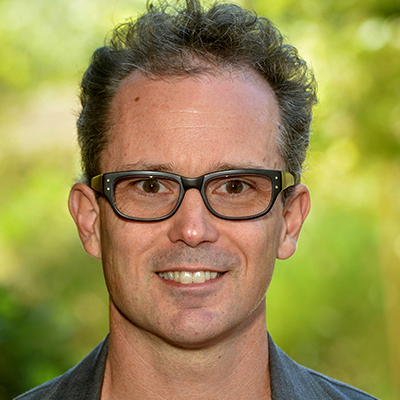
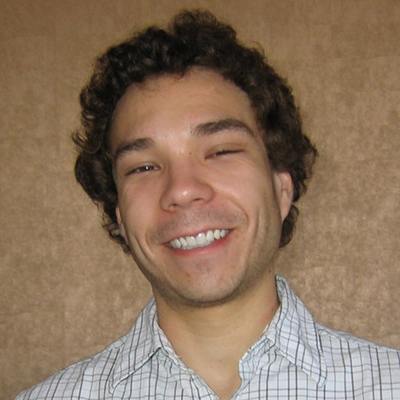
Court Alan Hull is an Associate Professor of Neurobiology at Duke University and a Faculty Network Member of the Duke Institute for Brain Sciences since 2013. He obtained his Ph.D. from Oregon Health and Science University in 2005. His research focuses on neural circuits in the rodent cerebellar cortex, particularly their roles in motor timing, coordination, and learning. He employs high-speed multiphoton imaging, electrophysiology, optogenetics, and behavioral studies to investigate cellular and synaptic mechanisms underlying cerebellar processing. Court's recent work includes analyzing deep learning strategies for cell type identification across species dysregulation of cerebellar circuits in neurodegenerative disorders acetylcholine and serotonin modulation of cerebellar activity reward prediction signals in climbing fibers genetic factors in ASD-like behaviors Court has received grants from the National Institutes of Health and other foundations for research on cerebellar circuits in reward-based learning, synaptic plasticity, and neuromodulation (2016-2025). He was awarded a Sloan Research Fellowship in 2014. As part of the Duke neuroscience community, he advises students and postdoctoral fellows while leading the Cerebellar Circuits and Behavior Lab. His lab investigates how cerebellar networks process information through both in vivo and in vitro approaches.
Spencer Reisbick is a Research Associate in the Condensed Matter Physics and Materials Science Department at Brookhaven National Laboratory. His work focuses on ultrafast electron microscopy (UEM) for studying dynamic structural and electronic processes in materials. University of Minnesota: PhD (2020) and MS (2017) in Chemical Physics Ripon College: BA (2014) in Chemistry and Physics Research interests include ultrafast imaging , structural defects , photoinduced phase transitions , and spin dynamics . His publications highlight advancements in UEM technology, defect-mediated phonon dynamics, and laser-free GHz stroboscopic techniques. Recent work (2025) explores tunability of electrically driven UEM, spin-wave propagation, and acoustic excitation mechanisms in piezoelectric materials. Earlier studies (2023–2024) address artifact elimination, RF-based pulse generation, and magnetic crosstie formation. 2018 Microscopy and Microanalysis Student Scholar Award 2023 Microscopy and Microanalysis Postdoctoral Scholar Award He develops open-source frameworks like UEMtomaton to support UEM lab startups, emphasizing technological accessibility and educational training in advanced microscopy.
Dr. Fengwei An is an Associate Professor at the Shenzhen-Hong Kong Institute of Microelectronics , Southern University of Science and Technology (SUSTech). He earned his Ph.D. in Engineering from Hiroshima University (2013) , following a Master's (2010) and Bachelor's (2006) from Qingdao University of Science and Technology. Current Role : 2025-Present - Associate Dean and Associate Professor, SUSTech Shenzhen-Hong Kong Institute of Microelectronics Prior Academic Roles : 2017-2018 - Associate Professor, Hiroshima University; 2013-2017 - Assistant Professor, Hiroshima University Industry Experience : 2018-2019 - Chief Engineer, Panasonic Semiconductor Co., Ltd., Japan Research Interests focus on low-power edge artificial intelligence chip design for computer vision, including: Ultra-large-scale digital integrated circuit design System-on-Chip (SoC) integration Image processing and recognition Machine learning hardware Autonomous driving applications High-speed motion tracking systems Publications include over 80 top-tier journal/conference papers (e.g., TCAS-I/II, ESSCIRC, APCCAS) on AI accelerators, stereo vision processors, and sensor interfaces, with 15 recent articles highlighting advancements in stereo matching, video denoising, and reconfigurable coprocessors. Scientific Awards : 2023 - SUSTech Outstanding Teaching Award 2022 - APCCAS Best Paper Nomination 2022 - PrimeAsia Bronze Leaf Award 2020 - Wu Wenjun Artificial Intelligence Science and Technology Award (Second Prize) Patents : 9 Chinese and 3 Japanese inventions in AI chip design, stereo matching systems, and sensor interfaces.
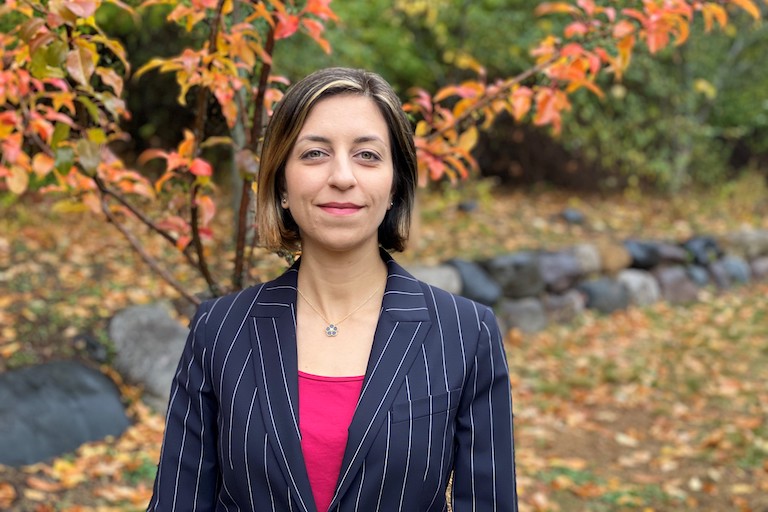
Maryam Naghibolhosseini is an Associate Professor at Michigan State University (MSU) in the Department of Communicative Sciences and Disorders and an affiliated faculty member at the Health and Risk Communication Center. She directs the Analysis of Voice and Hearing Laboratory (AVAH Lab), focusing on voice production, speech acoustics, and auditory sound transmission using advanced computational techniques. PhD, Speech-Language-Hearing Sciences, The Graduate Center, CUNY MPhil, Speech-Language-Hearing Sciences, The Graduate Center, CUNY MSc, Electrical Engineering, University of Tehran BSc, Biomedical Engineering, Amirkabir University of Technology Her research integrates machine learning , image processing , and biomechanical modeling to study voice and auditory systems, with a particular emphasis on disorders like adductor laryngeal dystonia and dysphonia. She develops computational models to link vocal mechanisms with speech perception, aiming to improve clinical assessment tools. Recent publications highlight her work in voice disorder analysis , glottal timing , and auditory system modeling , often applying high-speed imaging and deep learning to connected speech studies. Her lab collaborates across disciplines, including engineering and digital innovation. Sigma Xi Young Investigator Award, 2023 NIH NIDCD R21 Early Career Research Award, 2022 ASHA Early Career Contributions in Research Award, 2020 Sataloff Award for Young Investigators, 2017 Dr. Naghibolhosseini's advisees have received notable recognition, including Best Student Presentation Awards at the Voice Foundation and SANDI Smith Research Fellowships . Her NIH-funded projects exceed $565K, with grant support for DEIA mentorship, voice disorder modeling, and interdisciplinary health research. The AVAH Lab at MSU specializes in data-driven mathematical modeling of voice and auditory systems, utilizing biomechanical simulations and machine learning to bridge vocal fold physiology with perceptual outcomes.
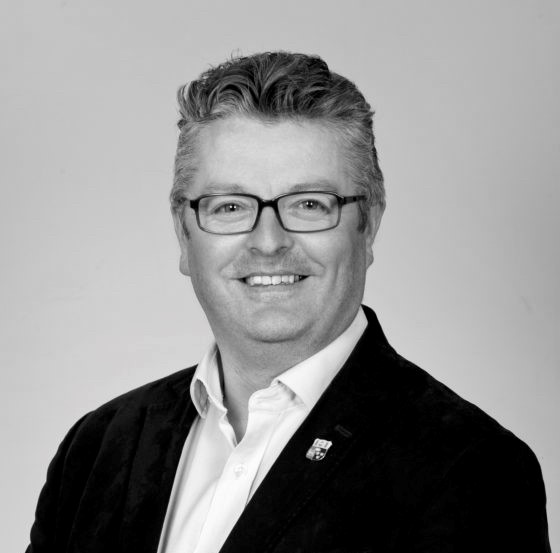
Professor Barry O'Sullivan is a leading academic and industry expert in artificial intelligence at University College Cork , where he serves as a full professor in the School of Computer Science & IT . He directs the Insight Centre for Data Analytics and the SFI Centre for Research Training in AI, and holds influential advisory roles at Europol's GRACE project, Leuven.ai institute, and the Computational Sustainability Network. His €300m+ R&D funding achievements and 15+ recent publications highlight his technical and societal impact. Co-founder and Chief AI Officer, Stimul.ai Member of University College Cork Governing Body Vice Chair, European Commission High-Level Expert Group on AI Former President, European AI Association His research spans AI ethics , machine learning , and computational sustainability , with recent work focusing on explainable AI for medical diagnostics, energy-efficient scheduling in manufacturing, and human-AI collaboration mechanisms. His publications reveal expertise in constraint programming, anomaly detection, and multilingual reasoning systems. Notable awards include fellowships from AAAI, EurAI, and the Royal Irish Academy, alongside leadership roles in AI policy committees for the European Commission and Irish health research ethics. He leads a team of PhD researchers at UCC, including Marco Dalla and Sharmi Dev Gupta, while directing major European AI initiatives like the ALTAI assessment framework.
Alexandre Aubry is a Research Director at CNRS affiliated with the Institut Langevin in Paris. His work focuses on imaging through complex media using wave physics principles, with applications in ultrasonic imaging, optical microscopy, seismic imaging, and radar technology . He leads projects supported by the ERC Consolidator Grant REMINISCENCE and ANR COPPOLA , and has co-founded the biomedical imaging company OWLO . Education: Habilitation à Diriger des Recherches, Université Paris Sciences & Lettres (2022) Post-Doc under John Pendry, Imperial College London (2008-2010) PhD under Arnaud Derode, Université Pierre et Marie Curie (2008) Engineer's Degree, ESPCI ParisTech (2005) Research Highlights: He developed 3D ultrasound matrix imaging to overcome wavefront distortions in biomedical applications, and pioneered passive seismic matrix imaging for volcanic structure mapping. His theoretical contributions include distortion matrix formalism for aberration correction and multiple scattering analysis in heterogeneous media. Scientific Awards: ERC Consolidator Grant REMINISCENCE ANR COPPOLA grant Research Team: Currently supervising 9 active PhD students and 5 postdoctoral researchers , with a track record of mentoring 12 former team members including prominent researchers like François Legrand and Laura Cobus.
Qian Zhang is an Associate Professor at Jinan University, Guangzhou, China, and a current Visiting Fellow (2024-2025) at Yale University. She earned her PhD in Chinese Linguistics and Philology from Sun Yat-sen University in 2014 and is a native Hakka speaker. Her research spans two distinct domains: Linguistics : Focuses on Phonetics and Phonology of Chinese dialects, particularly Hakka. She collaborates with Jason Shaw at the Yale Phonetics Lab on acoustic and articulatory analysis of Hakka vowels, leveraging native-speaker expertise. Seismology : Maintains an active publication record in earthquake simulation and dynamic rupture modeling, with 21 articles from 2014-2025 covering computational methods for seismic hazard assessment. Her research interests include Chinese Linguistics, Phonetics, Phonology, Dialectology, Seismology, Earthquake Simulation, and Computational Geophysics. Analysis of her 15 most recent publications (2019-2025) reveals heavy emphasis on computational techniques: curved grid finite-difference methods, nodal discontinuous Galerkin approaches, and GPU acceleration applied to major earthquakes (e.g., 2023 Kahramanmaraş, 2008 Wenchuan). Key themes include rupture propagation across step-overs, 3D basin effects on ground motion, and Bayesian optimization of fault parameters. Her work bridges high-performance computing with practical seismic hazard challenges. No scientific awards or student advisement details are mentioned in the scraped text. Her primary affiliation is Jinan University, with current research hosted by the Yale Phonetics Lab during her visiting fellowship.
George Souliotis is an Associate Professor at the Department of Electrical and Computer Engineering, University of Peloponnese, where he has been a faculty member since 2019. With over twenty years of professional and research experience in analog integrated circuit design, he has worked for multinational microelectronic companies and continues to serve as a consultant to companies in Greece and abroad. His expertise spans multiple domains of electronic circuit design including high-speed interfaces, RF circuits, and biomedical applications. Dr. Souliotis received his B.Sc. in Physics from the University of Ioannina in 1993, followed by M.Sc. and Ph.D. degrees in Electronics from the University of Patras in 1998 and 2003, respectively. Prior to his current position, he served as a Lecturer at the Department of Electrical Engineering, TEI of Western Greece (2015-2019), and as an Adjunct Lecturer there from 2002 to 2015. He was also a specialized technical and teaching laboratory staff member at the Department of Physics, University of Patras from 2005 to 2015. His research focuses on analog and mixed signal integrated circuit design , with particular expertise in high-speed serial interfaces (USB2, USB3, BLE, M-PHY), RF circuits operating up to 80 GHz, and low-power design. Dr. Souliotis has made significant contributions to circuits for communication protocols, precision analog design, and biomedical instrumentation. He has published over 60 papers in prestigious journals and conferences and holds two patents in the field, demonstrating consistent research productivity through 2024. Analysis of his recent publications reveals three dominant research streams: high-precision comparators and data converters, power-efficient DC-DC solutions, and biomedical interface circuits. His work consistently addresses challenges in speed, accuracy, and power consumption across diverse applications from consumer electronics to medical devices. The integration of traditional analog design with modern communication protocols represents a unifying theme across his research portfolio. Senior Member of IEEE Two patents in analog circuit design Dr. Souliotis serves as a reviewer for more than 10 international journals and conferences, contributing to scholarly discourse in his field. His industry consulting work demonstrates the practical applicability of his research, while his role in the ECSA Laboratory supports both undergraduate and graduate education in hardware design. His collaborations span academic and industrial partners in Greece and internationally. As a core member of the ECSA Laboratory (Electronics Circuits, Systems and Applications) at the University of Peloponnese, Dr. Souliotis contributes to research in FPGA and ASIC design, analog/mixed signal circuits, RF design, and digital systems for security applications. The laboratory provides essential infrastructure for advancing research in integrated circuit design while training students in state-of-the-art techniques across the analog-digital spectrum.
Assoc. Prof. Dr. Ramazan Köprü serves as a full-time Associate Professor in the Department of Electrical and Electronics Engineering at Işık University's Faculty of Engineering and Natural Sciences, Istanbul. His academic career spans over two decades with continuous contributions to microwave engineering, circuit design, and antenna technologies, maintaining an active teaching and research profile through 2025. His educational foundation includes: PhD in Electronics Engineering (1995-2013) from Istanbul Technical University Master's in Electronics and Communication Engineering (1991-1994) from Istanbul Technical University BSc in Electronics and Communication Engineering (1987-1991) from Yıldız University Dr. Köprü's research centers on advanced microwave systems with emphasis on wideband amplifier design, active inductor circuits, and antenna matching networks. His work bridges theoretical circuit synthesis with practical RF implementations, particularly focusing on GaN-based amplifiers, tunable components, and UWB systems. Recent publications demonstrate innovative approaches like the Normalized Gain Function Method and FSRFT techniques for optimizing power transfer and bandwidth in wireless communication systems. Analysis of his 2024 publications reveals a concentrated effort in solving impedance matching challenges for next-generation wireless devices, with significant attention to low-loss active components and precision synthesis methods. These works consistently target applications in high-speed data transmission, mobile communications, and sensor systems, reflecting strong industry relevance. He has supervised two graduate students to completion: Hadi Ghasemzadeh Momen (2016 MSc thesis on tunable active inductors) and Moaamen Magdy Abdelrazeq Mohamed (2025 PhD thesis on time-domain ADC circuits). His research is supported by projects including the ASELSAN HEWS PROGRAM and microwave circuit design packages developed for industrial applications. As an IEEE member since 2016, he contributes to the academic community through conference participation and peer review activities.
Torsten Hopp is a Research Associate at the Institute for Data Processing and Electronics (IPE) at Karlsruhe Institute of Technology (KIT). His work focuses on advanced medical imaging technologies, particularly 3D ultrasound computer tomography (USCT) and its integration with MRI and X-ray modalities for breast cancer diagnosis. Research Interests: Ultrasound tomography system development Image registration algorithms Machine learning applications in medical imaging Biomechanical and computational modeling GPU-accelerated image reconstruction Multimodal imaging for clinical workflows Publication Trends: Torsten Hopp has contributed extensively to the evolution of 3D USCT, with recent work emphasizing deep learning integration , refraction correction , and patient-specific modeling . His research bridges hardware innovation (e.g., PtQube device) with computational methods for clinical translation. Labs & Teams: Affiliated with KIT's Institute for Data Processing and Electronics , he collaborates on projects like the High Data Rate Processing and Analysis Initiative , advancing ultrasound tomography for breast cancer screening.
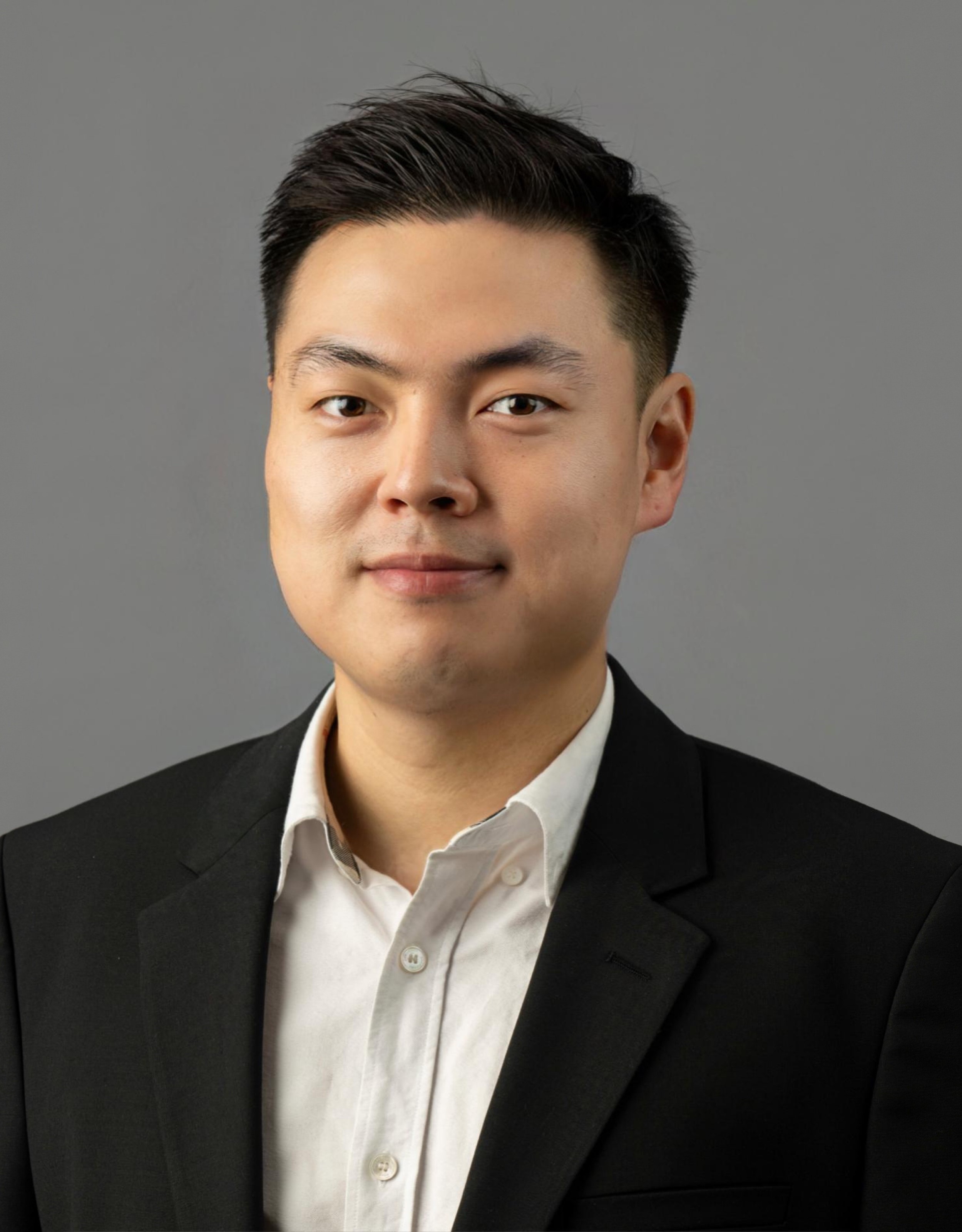
Donghyun Kim serves as an Assistant Professor in the Department of Electrical and Computer Engineering at Missouri University of Science and Technology, where he leads research in electromagnetic compatibility (EMC), signal integrity (SI), and power integrity (PI) for high-speed electronic systems at the Electromagnetic Compatibility Laboratory in Rolla, Missouri. His academic credentials include: Ph.D. in Electrical Engineering, KAIST, Daejeon, Korea (2018) M.S. in Electrical Engineering, KAIST, Daejeon, Korea (2014) B.S. in Electrical Engineering, KAIST, Daejeon, Korea (2012) Dr. Kim's research spans electromagnetic challenges in advanced electronic packaging, with core expertise in 2.5D/3D IC systems, through-silicon via (TSV) technology, and nanometer-scale device design. His work addresses critical signal integrity issues in high-speed digital channels, power distribution network noise, and electromagnetic interference in printed circuit boards (PCBs), while also exploring nanomaterial applications like MXene-graphene hybrids for viral biosensors. Analysis of his 2024 publications reveals dominant themes in high-frequency modeling up to 100 GHz, PCB dielectric characterization techniques, statistical eye diagram methodologies, and surface roughness effects on transmission lines. This body of work demonstrates consistent focus on solving practical EMC and SI challenges in next-generation electronic packaging through rigorous electromagnetic theory and measurement validation. Scientific recognition: No awards listed in available sources Academic mentoring and research funding details are not publicly specified, though his role in the Electromagnetic Compatibility Laboratory indicates active supervision of graduate research. The laboratory provides critical infrastructure for industry-academic collaboration in EMC testing, high-frequency measurements, and signal integrity analysis. The Electromagnetic Compatibility Laboratory at Missouri S&T serves as Dr. Kim's primary research base, featuring state-of-the-art facilities for electromagnetic testing, high-speed channel characterization, and nanomaterial-based sensor development, supporting both fundamental research and industry-driven solutions.
Mark Frye is a full Professor in the Department of Integrative Biology & Physiology at the University of California, Los Angeles and Director of the interdepartmental Molecular, Cellular & Integrative Physiology (MCIP) Ph.D. program. An elected member of the Brain Research Institute, he explores the neural basis of flexible behavior using Drosophila melanogaster as a model. Education M.S., Neuroscience – Union College, 1992 Ph.D., Zoology – University of Washington, 2000 Research Focus Dr. Frye’s laboratory integrates neurogenetics , in vivo calcium imaging , and closed-loop virtual-reality flight arenas to dissect how visual, olfactory, and mechanosensory signals are fused in the fly brain to generate robust navigation. Key questions include how object-detecting neurons compute figure–ground discriminations, how neuromodulators such as serotonin bias sensory-motor transformations, and how species-specific visual ecologies shape tracking strategies. Parallel to his neuroethology work, Frye co-leads large-scale translational studies on bipolar disorder , lithium pharmacogenomics , and ketamine therapeutics , bridging cellular circuits to clinical outcomes. Publication Trends Recent articles (2020–2024) emphasize inhibitory micro-circuits governing motion vision, comparative visual ecology across Drosophila species, and neuromodulatory re-weighting of sensory pathways. Earlier work established fundamental algorithms for elementary motion detection and multisensory flight control . Scientific Honors & Awards NIH K99/R00 Pathway to Independence Award (mentored to trainee Giovanni) MCIP Best Student Talk Award – Lesly (2023) Advising & Funding Dr. Frye mentors ~8–10 Ph.D. students and post-doctoral fellows at any given time. Current and recent trainees include Jean-Michel Mongeau (now tenure-track at Penn State), Mehmet Keleş , and incoming MCIP student Ava Bignell . Research is supported by multiple active NIH R01 and U01 grants, including consortium projects on bipolar genomics and ketamine biomarkers. Laboratory & Affiliations The Frye Laboratory occupies ~2,000 sq ft on the 2nd floor of the Terasaki Life Sciences Building (TLSB 2014). It houses custom-built magnetic-tether and free-flight arenas, two-photon microscopes, and high-speed videography rigs. Core affiliations include the Brain Research Institute , Neuroscience GPB Home Area , and the BD² Precision Medicine Initiative .
Andrew Wikenheiser is an Assistant Professor in the Department of Psychology at the David Geffen School of Medicine, University of California, Los Angeles . His research focuses on understanding how neural representations support decision-making processes through electrophysiological recordings of rat behavior, augmented with optogenetics and computational analysis. Current projects examine hippocampus-orbitofrontal cortex interactions Specializes in cognitive maps, abstract stimulus spaces, and neural ensemble dynamics Employs high-density electrophysiology and behavioral modeling Research Trends : Analysis of recent publications reveals a focus on decision-making mechanisms (78% of articles), neural circuit dynamics (65%), spatial cognition (45%), and behavioral neuroscience across 15 recent studies. Key methodologies include Neuropixels recordings , computational modeling , and optogenetic manipulation . Laboratory : Based in Pritzker Hall (8566), the lab combines chronic neural recordings with behavioral economics tasks to explore cognitive processes in rats. Their work emphasizes the importance of behavioral observation in understanding brain function.
Jung Hwan Kim is a Professor in the Department of Energy Resources and Geosystems Engineering at Sejong University. He holds a Ph.D. in Chemical Physics from the University of Maryland at College Park (2001), M.S. (1992) and B.S. (1990) in Physics from Yonsei University. His academic career includes positions as Assistant Research Scientist (2004-2010) and Research Associate (2001-2004) at the University of Maryland/Laboratory for Physical Sciences before joining Sejong University in 2010. Education: Ph.D., University of Maryland at College Park (Chemical Physics, 2001) M.S., Yonsei University (Physics, 1992) B.S., Yonsei University (Physics, 1990) His research focuses on compound semiconductor photovoltaic cells , energy-efficient photonic devices , and high-speed semiconductor devices . Recent work spans battery recycling (closed-loop cathode resynthesis), electrochemical energy systems (CO2 reduction, fuel cells), and advanced photovoltaic device engineering. Articles show trends in semiconductor heterostructures , electrochemical modeling , and sustainable energy materials . Scientific contributions include: Developing heterojunction photovoltaic cells with quantum well structures in GaP 60 GHz optical gain cutoff frequency and 20dB up-conversion gain in phototransistors Monolithic distributed traveling wave photodetectors integrated with polymer waveguides Leading Li-ion battery recycling technologies Developing prototype fuel cell systems He has received multiple Research Excellence Awards (2011-2024) and the Sejong Merit Award (2015). His Electrochemical Energy Conversion & Storage Lab at Sejong University advances energy system technologies, with significant contributions to UN Sustainable Development Goals 7 (Affordable and Clean Energy) and 13 (Climate Action).
Dr. Jarle André Johansen serves as an Associate Professor in the Department of Automation and Process Technology within the Faculty of Engineering Science and Technology at UiT The Arctic University of Norway. His academic profile demonstrates sustained research activity from 2000 through 2021, with recent publications indicating ongoing scholarly work. His institutional affiliation appears consistently across university platforms, with contact information listing his office at Teknologibygget Tromsø 4.011 and direct communication channels including email and telephone. Professor Johansen's research focuses primarily on semiconductor physics and sensor technology, with particular expertise in low-frequency noise analysis in silicon-germanium heterojunction bipolar transistors (SiGe HBTs). His work spans fundamental device physics, noise characterization methodologies, and more recent applications in maritime navigation systems. The evolution of his research shows progression from pure semiconductor device analysis toward applied sensor systems, including biosignal processing for maritime applications as evidenced by his 2021 publication. His publication record reveals consistent scholarly output with particular concentration between 2003-2004 and 2015, suggesting periods of intensive research activity. The articles collectively demonstrate expertise in both theoretical modeling and experimental characterization of electronic devices, with strong international collaboration patterns evident in the author lists. His work bridges fundamental semiconductor physics with practical engineering applications, particularly in harsh environments as suggested by maritime-focused research. Professor Johansen's teaching responsibilities include Electronics, Control Engineering, Industrial Data Communication, and LabVIEW Programming, indicating a well-rounded engineering education profile that complements his research specialties. His position within the Automation and Process Technology department suggests integration of his semiconductor expertise with broader automation systems engineering.