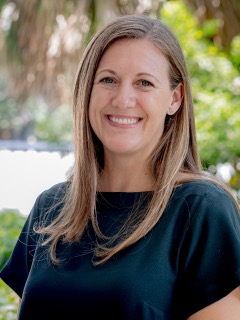
Karen Crawford is a Research Fellow at the School of Health & Wellbeing , University of Glasgow, and Deputy Director of the Centre for Developmental Adversity and Resilience (CeDAR). She manages the THRIVE trial and has previously worked in knowledge exchange and management consultancy. Education: MA (Hons) in Politics and Social Policy (University of Glasgow, 1997); PGDip in Local Economic Development (University of Glasgow). Research interests focus on parenting interventions, study recruitment & retention, mental health in vulnerable pregnant women, and outcomes for maltreated children in foster care. Her work spans clinical trials, economic evaluations, and process assessments. Recent publications (2025-2019) include trials on Infant Parent Support (IPS), BeST? Services, THRIVE, and foster care interventions, with keywords spanning Public Health , Clinical Trials , and Child Welfare . Grants include funding from the Department of Health and Social Care, What Works for Children's Social Care, National Institute for Health Research (NIHR), and Chief Scientist Office for trials on foster care interventions, parenting programs, and psychosocial support.
Lei Chen, MD, MHS is an Associate Professor of Pediatrics (Emergency Medicine) and of Emergency Medicine at Yale School of Medicine, with additional affiliation as Faculty at the Yale Institute for Global Health. Dr. Chen specializes in pediatric emergency medicine, treating children suffering from trauma, seizures, asthma, abdominal pain and other conditions at Yale-New Haven Children's Hospital. Dr. Chen's educational background includes a BS from California Institute of Technology (1992), MD from New York University School of Medicine (1997), residency at Yale-New Haven Children's Hospital (2000), followed by fellowships there in 2001 and 2004, and an MHS from Yale University School of Medicine (2010). Dr. Chen is deeply committed to Health Services Research aimed at improving care for children in acute settings. Their research focuses on applying new technologies to enhance pediatric emergency care, with particular emphasis on increasing efficiency and patient safety. Recent efforts have concentrated on improving healthcare for children in developing countries, especially in Rwanda and China, where they have worked on projects including recognition of pediatric sepsis, epidemiology in pediatric intensive care units, developing low-cost medical devices like high-flow nasal cannula systems, and creating clinical research curricula. Dr. Chen's publications over the past five years reveal a consistent focus on point-of-care ultrasound applications in resource-limited settings, global health implementation, and pediatric emergency care protocols that can be adapted across different healthcare systems. Their work bridges clinical emergency medicine with global health implementation science, focusing on practical solutions for resource-constrained environments. Dr. Chen has been involved in significant projects including Human Resource for Health (2012-2020) and volunteering during a measles epidemic in 2019. They are currently mentoring students to build a low-cost respirator for the developing world, inspired by the work of Dr. Paul Farmer as described in "Mountains Beyond Mountains." Dr. Chen maintains active collaborations with colleagues across Yale, including Allen Hsiao, Antonio Riera, Melissa Langhan, Christopher Moore, Cicero Torres Silva, and Gauthami Soma, focusing on emergency ultrasound, pediatric critical care in resource-limited settings, and global health education. Their laboratory work, often conducted in challenging field settings, focuses on adapting existing technologies for acute pediatric care in developing countries.
Meaghan Venezia Parlade is a Clinical Assistant Professor of Psychology and Pediatrics at the University of Miami, College of Arts and Sciences. She serves as Co-Director of the Autism Spectrum Assessment Clinic (ASAC) and Division Director of Assessment and Intervention Services. Her roles also include being a Trainer for the UM Parent-Child Interaction Therapy Program. Her research focuses on developmental communication patterns in infants at risk for Autism Spectrum Disorder (ASD), multilingualism effects on executive function, and innovative clinical interventions for child behavioral disorders. Her work integrates longitudinal observational studies with experimental designs to understand early markers of ASD and language delays. Notable contributions include studies on gesture-vocalization coordination in infants, telehealth applications of PCIT, and large-scale autism research cohorts. Key Roles: ASAC Co-Director, Assessment Division Director, PCIT Trainer Research Themes: ASD early detection, multilingual cognitive effects, pediatric behavioral interventions Key Skills: Longitudinal developmental research, clinical trial design, interdisciplinary collaboration Publications span high-impact journals like Autism Research and Neuron , with over 8 peer-reviewed articles since 2011. Her work is frequently cited in clinical practice guidelines and has been featured in multidisciplinary research networks.
Shouro Dasgupta is a Lecturer at Università Ca’ Foscari Venezia and a Researcher at Fondazione CMCC . His work focuses on climate change impacts on labour, food security, health, and inequality, with a strong emphasis on socioeconomic vulnerability and climate adaptation policies. PhD in Science and Management of Climate Change from Università Ca’ Foscari Venezia MA in Economics from University of New Hampshire His research combines climate data with socioeconomic indicators to address: Heat stress impacts on UK labour productivity and health Socioeconomic vulnerabilities in Small Island Developing States (SIDS) Climate change effects on child health in Burkina Faso and Egypt Adaptation strategies for Bangladesh’s workforce and agriculture Recent publications include multi-model assessments of climate-equality dynamics, Lancet Countdown reports on health-climate linkages, and frameworks for climate-resilient vaccine allocation and infectious disease monitoring. Co-author of Lancet Countdown reports (2022–2024) Leads ISIMIP Labour Impacts sector Coordinates PROCLIAS COST Action adaptation taskgroup He collaborates with institutions like the Grantham Research Institute and participates in EU and global climate policy dialogues.
Emily Callander is a Professor of Women’s Health Economics at the Monash Centre for Health Research and Implementation, Monash University, and Head of Discipline in Health Services Management at the University of Technology Sydney (UTS). She leads the Women’s Economics and Value Based Care research program and holds leadership roles in national health policy, including as Vice President of Women's Healthcare Australasia and member of the Pharmaceutical Benefits Advisory Committee Economics Subcommittee. BA in Economics and Policy, Griffith University PhD in Health Economics, University of Sydney Postdoctoral training at NHMRC Clinical Trials Centre and Charles Perkins Centre, University of Sydney Her research focuses on maternal and women's health, utilizing linked administrative data, economic evaluation, and modelled analysis to influence health policy and delivery. Her work spans efficient staffing models, rural health access, national maternity initiatives (e.g., Safer Baby Bundle, Normal Birth Strategy), and cost analyses for global maternal health programs supported by the Gates Foundation. Her recent publications reflect a strong trend in health economic evaluations of maternity care models, medication use in pregnancy, digital health implementation, and preterm birth prevention. These works emphasize real-world applicability, equity, and cost-effectiveness, aligning with her mission to embed economic evidence into health systems. She has been supported by prestigious NHMRC awards, including a Doctoral Scholarship, Early Career Fellowship, and Career Development Fellowship. Her scientific contributions are recognized through active research projects and expert media commentary on maternity care policy. NHMRC Doctoral Scholarship NHMRC Early Career Fellowship NHMRC Career Development Fellowship Emily Callander advises on multiple national and international research projects, often as Chief or Associate Investigator, and collaborates with institutions such as Coventry University. She is actively accepting PhD students and contributes to policy through advisory roles in government and non-profit organizations. Her research is supported by grants from NHMRC, government departments, and international foundations. She leads the Women’s Economics and Value Based Care program at Monash and is a key member of the Transforming Maternity Care Collaborative. Her work is embedded in real-world health systems, partnering with consumers, providers, and policymakers to improve women’s health outcomes globally.
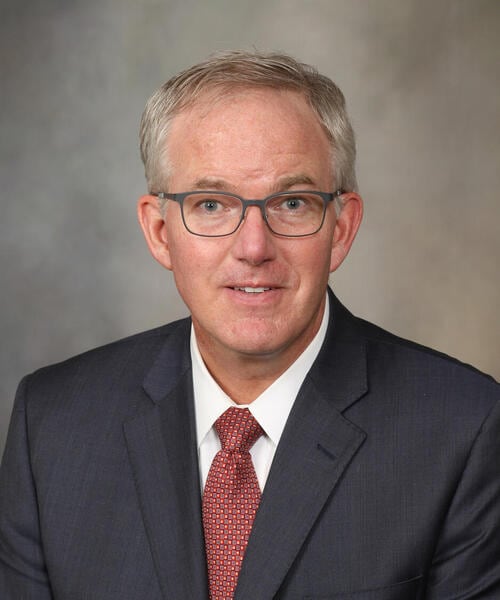
Christopher E. Colby, MD, is a physician scientist at Mayo Clinic's Department of Pediatrics and Critical Care in Rochester, Minnesota. With a medical degree from Medical College of Wisconsin and specialized training in neonatal-perinatal medicine at Stanford's Lucile Salter Packard Children's Hospital, he has dedicated his career to advancing neonatal care through clinical practice, education, and research. 2003: Fellow in Neonatal and Developmental Medicine 2013-2016: Director of Neonatal-Perinatal Medicine Fellowship 2018: Inpatient Medical Director, Mayo Clinic Children's Center His research focuses on neonatal resuscitation , teleneonatology , and quality improvement in NICUs . Key contributions include: Development of 3D-printed CPAP masks Telemedicine applications for newborn resuscitation Regionalized perinatal care optimization Scientific Awards: Multiple 'Teacher of the Year' awards 2020 Minnesota Monthly Top Neonatologist 2013 DPAM Education Leadership Award
Marja Lamoree is a Full Professor at Vrije Universiteit Amsterdam, affiliated with the Faculty of Science's Department of Chemistry for Environment & Health and AIMMS. Her expertise spans environmental chemistry, toxicology, and advanced analytical techniques like high-resolution mass spectrometry (HRMS). She focuses on understanding pollutants such as endocrine disruptors, microplastics, and their impacts on ecosystems and human health. Her research interests include effect-directed analysis, environmental monitoring, and exposome studies. Recent work addresses microplastic exposure via food and water, leveraging machine learning for chemical prioritization in nontarget screening. Received the FLES project grant (2023) to reduce microplastic exposure in infant formula and human milk. Teaches courses on Analytical and Environmental Chemistry, and Human and Environmental Toxicology. Collaborates internationally on projects like the NORMAN Suspect List Exchange, advancing global chemical screening standards. She actively participates in academic activities, including thesis examinations and conferences, and contributes expert commentary on plastic pollution risks.
Valerie O’Dell is a Professor of Nursing at Youngstown State University (YSU). She holds a Doctor of Nursing Practice (DNP) from Case Western Reserve University (2009), a Master of Science in Nursing (MSN) from Kent State University (1993), and a Bachelor of Science in Nursing (BSN) from YSU (1985). With over 25 years of teaching experience, she currently directs YSU’s MSN program and serves on the YSU/Community Nurse Advisory Council and Sigma Theta Tau International Honor Society. Her research focuses on maternal-newborn care, nursing education, and evidence-based practice. Dr. O’Dell has received prestigious awards including the BCHHS Research Award (2019) and Excellence in Leadership (2017). She has also participated in the Nurses’ Health Study II for 30 years. Her teaching emphasizes critical thinking in nursing care, evidence-based practice, and addressing nursing workforce challenges. She has secured grants totaling over $170,000 from the Health Resources and Services Administration (HRSA) for nurse anesthetist traineeships. Her career highlights include 10 years as a Clinical Nurse at St. Joseph Health Center, leadership in nursing education programs, and contributions to nursing textbooks. She advocates for nursing leadership, workforce retention, and respect for nursing’s role in healthcare.
Dr. Laura Oakley is an Associate Professor and Co-Programme Director for the Distance Learning Epidemiology programme at the London School of Hygiene and Tropical Medicine (LSHTM), within the Department of Non-communicable Disease Epidemiology in the Faculty of Epidemiology and Population Health. She also holds an affiliated researcher position at the Centre for Fertility and Health (CeFH) at the Norwegian Institute of Public Health in Oslo, Norway, facilitating international collaborations on perinatal epidemiology using Scandinavian registry data. Dr. Oakley's educational background includes: Undergraduate degree in Sociology from the London School of Economics MSc in Epidemiology from LSHTM PhD from LSHTM focusing on determinants of infertility in women Prior research experience at the Centre for Research in Primary Community Care, University of Hertfordshire Research position at the National Perinatal Epidemiology Unit, University of Oxford (2009-2014) As an epidemiologist specializing in maternal, reproductive, and child health, Dr. Oakley's research spans the epidemiology of infertility, pregnancy complications, perinatal outcomes, effects of in-utero exposures, and infant feeding practices. Her work emphasizes health inequalities and socioeconomic determinants of breastfeeding across diverse global settings. Methodologically, she combines interventional and observational approaches, leveraging large-scale registry data from high-income countries while conducting research in low- and middle-income contexts. Her affiliation with CeFH provides access to exceptional Scandinavian registry linkages that support her perinatal epidemiology research. Dr. Oakley's publication record reveals a strong focus on the intersection of infectious disease (particularly COVID-19) with pregnancy outcomes, reflected in her leadership of the Nordforsk-funded SCOPE projects. She also maintains significant contributions to reproductive health through the British National Surveys of Sexual Attitudes and Lifestyles (Natsal), and leads epidemiological research on sickle cell disease in pregnancy. Her work on breastfeeding patterns across sub-Saharan Africa demonstrates her commitment to understanding long-term health and educational outcomes. Dr. Oakley serves as Co-Programme Director for the Epidemiology by Distance Learning programme at LSHTM, teaching multiple modules including Fundamentals of Epidemiology, Basic Epidemiology, Foundations of Reproductive Health, and Research, Design and Analysis. She provides academic guidance as a personal tutor for MSc Reproductive and Sexual Health Research and MSc Epidemiology students, while supervising research projects. Her grant portfolio includes the Research Council of Norway-funded program on assisted conception and cancer risk, the NIHR-funded TAPS2 feasibility trial on sickle cell disease in pregnancy, and the MRC-funded GUIDES trial on gestational diabetes in Uganda and India. Through her international collaborations with institutions across Norway, Sweden, Denmark, Canada, Uganda, and India, Dr. Oakley maintains a global research perspective that bridges academic epidemiology with practical applications for improving maternal and child health worldwide. Her work on the socioeconomic determinants of breastfeeding and pregnancy outcomes in women with sickle cell disease addresses critical health disparities in maternal care.
Professor Bill Watson is a Full Professor of Cancer Biology at the University College Dublin, School of Medicine , where he serves as Head of Pathology and Director of the Biomedical Health and Life Science BSc program. With a PhD in Biochemistry (University College Cork, 1995) and post-doctoral training at the University of Toronto, he has led translational research in prostate cancer since returning to UCD in 1997. His work focuses on biomarker discovery, therapy resistance mechanisms, and clinical decision tools through the Prostate Cancer Research Consortium and iPROSPECT collaborations. Education: BSc (University College Dublin), PhD (Royal College of Surgeons in Ireland), Post-Doctoral Research Fellow (Toronto General Hospital) His research integrates genomic, epigenetic, and proteomic biomarkers to improve prostate cancer stratification and treatment selection, as demonstrated in the Movember Global Action Plan and ToPCaP initiatives. Recent studies include validating a six-gene MCRS signature for biopsy-based prognostics (2025) and developing beta mixture models for DNA methylation analysis (2024). Scientific Awards include the Alton Prize (2000), Presidents Awards for Teaching (2000, 1998), and Young Investigator Award (1995). He has received grants such as the UCD Equip Scheme (2021) and Molecular Therapeutics for Cancer (2009-2015) . Professional Leadership: Irish Association for Cancer Research (President 2014-2017), Cancer Trials Ireland (Chair of Translational DSSG 2014-present), and Royal Academy of Medicine in Ireland (Fellow since 2006)
Dr. Lecturer Yusuf TOPAL is a full-time academic at Ahi Evran University, School of Physical Therapy and Rehabilitation , Department of Physical Therapy and Rehabilitation. He holds a PhD in Physical Therapy and Rehabilitation from Hacettepe University (2018–2023) and a Master’s in the same field (2016–2018). Education: PhD: Physical Therapy and Rehabilitation, Hacettepe University (2018–2023) MSc: Physical Therapy and Rehabilitation, Hacettepe University (2016–2018) BSc: Physiotherapy and Rehabilitation, Dumlupınar University (2003–2007) His research focuses on pediatric physical therapy , particularly developmental outcomes in preterm infants and those born to mothers with gestational diabetes or pre-eclampsia . He investigates spatiotemporal gait characteristics , dynamic balance , and lower extremity muscle strength in both pediatric and orthopedic populations. Recent publications highlight collaborations on knee osteoarthritis rehabilitation , hip arthroplasty recovery , and geriatric rehabilitation challenges. His work has been cited in SCI/SSCI/ESCI journals and international conferences like the European Academy of Childhood Disability (2020). He collaborates extensively with researchers such as Gizem İrem Kınıklı (Karabük University), Akmer Mutlu (Hacettepe University), and Bilge Nur Yardımcı Lokmanoğlu (Hacettepe University), reflecting interdisciplinary efforts in pediatric and orthopedic rehabilitation .
Matthias Bertsch is a faculty member with expertise spanning musical acoustics, medical acoustics, and ethnomusicology. His work bridges musicology, biomedical engineering, and clinical applications. Academic leadership in structured doctoral programs Research on brass instrument mechanics and NICU sound environments Interdisciplinary focus on music-physiology and psychoacoustics Research Interests: Specializing in the acoustic properties of musical instruments, therapeutic sound applications for premature infants, and physiological analysis of brass players. His work combines empirical measurement with clinical and cultural implications. Article Trends: Publications emphasize brass instrument biomechanics , incubator sound optimization , and music's physiological effects , with recurring themes in virtual acoustics and interdisciplinary methodologies.
Greg Adamson is a Clinical Assistant Professor in the Department of Pediatrics - Cardiology at Stanford University School of Medicine and a member of the Maternal & Child Health Research Institute (MCHRI) . He specializes in Interventional Cardiology and Lymphatic Diseases , with clinical expertise in managing conditions like chylothorax and pulmonary arterial hypertension. Medical Education : St. Louis University School of Medicine (2014) Residency : University of California San Francisco (2017) Fellowship : Stanford University Pediatric Cardiology Fellowship (2020) Board Certifications : Pediatrics (2017) and Pediatric Cardiology (2024) Dr. Adamson's research focuses on pediatric pulmonary hypertension , cardiac catheterization protocols , and postoperative chylothorax management . His work includes developing prediction models for early chylothorax detection and evaluating vasopressin's hemodynamic effects in Fontan circulation patients. He has contributed to clinical practice guidelines for progressive pulmonary hypertension in children. His recent publications emphasize procedural efficiency in outpatient cardiac catheterization, valve repair durability in congenital heart disease, and standardized chylothorax algorithms . He utilizes multicenter collaborative frameworks and retrospective cohort analyses , with methodological approaches including logistic regression , Cox proportional hazards modeling , and consensus-building surveys . Key technical areas include lymphatic interventions , hemodynamic monitoring , and predictive analytics in pediatric cardiology. In clinical operations, he investigates same-day discharge criteria for pulmonary hypertension patients and optimal timing for advanced therapies . His work addresses practice variations in chylothorax treatment through quality improvement initiatives , including multidisciplinary algorithm development and ex vivo simulation testing for clinical implementation.
Dr. Jeanie Sheffield is an Honorary Associate Professor at the School of Psychology, University of Queensland. She maintains an active research profile with numerous publications spanning clinical psychology, child development, and mental health interventions. Her work primarily focuses on supporting children with neurodevelopmental conditions and their families through evidence-based interventions. Dr. Sheffield's research interests span several key areas in clinical psychology and child development. She has made significant contributions to understanding and addressing the needs of children with autism spectrum disorder, cerebral palsy, and other neurodevelopmental conditions. Her work particularly emphasizes parenting interventions, with a strong focus on Acceptance and Commitment Therapy (ACT) approaches delivered through both traditional and innovative online formats. She has also conducted important research on depression prevention in adolescents, eating disorders, and the development of quality of life measures for children with chronic health conditions. Analysis of Dr. Sheffield's recent publications reveals a consistent focus on evidence-based interventions for children with neurodevelopmental conditions and their families. Her work demonstrates a progression from foundational research on depression prevention and eating disorders toward more specialized interventions for children with autism spectrum disorder and cerebral palsy. A notable trend is her increasing use of digital and online platforms to deliver psychological interventions, making evidence-based care more accessible to families. Her research often employs rigorous methodologies including randomized controlled trials and systematic reviews. Dr. Sheffield has been involved in significant collaborative research projects, particularly those focused on: Parenting interventions for children with cerebral palsy using Acceptance and Commitment Therapy Mental health support for Indigenous populations through digital platforms Development and validation of quality of life measures for children with chronic health conditions Interventions for children with autism spectrum disorder and related conditions
Sarah Peters is a Professor in Psychology within the Division of Psychology & Mental Health at the University of Manchester's Faculty of Biology, Medicine & Health. She currently serves as Co-Director of the Equity, Diversity and Inclusivity Research Unit (EDI-RU) GMH (2021 to date) and was previously Director of the Manchester Centre for Health Psychology (2021 to 2025). She also leads the Greater Manchester qualitative and health psychology stream of the NorthWest NIHR Research Design Service. Her research focuses on healthcare communication, particularly within challenging contexts such as medically unexplained symptoms, unhealthy behaviours and suicide. The goal of her work is to improve patient care through equipping health professionals to communicate more effectively with patients, relatives and colleagues. She specializes in integrating qualitative methods within randomised controlled trials to examine mechanisms of action, acceptability, feasibility and implementation of psychological and educational interventions. Her recent publications demonstrate strong trends in qualitative methodologies applied to healthcare communication challenges across diverse populations including older adults in primary care, postpartum women with eating disorders, culturally diverse patient groups, and individuals with chronic conditions. Her work consistently emphasizes patient-centered communication and the development of practical interventions to improve clinical interactions. Professor Peters serves on editorial boards for prestigious journals including the British Journal of Psychiatry, Social Science and Medicine, British Journal of Health Psychology, and Psychology & Psychotherapy: Theory, Research and Practice. She previously served as External Examiner for the MSc Health Psychology program at St Andrews. She has supervised 38 doctoral students to completion and currently mentors 8 doctoral candidates working on diverse topics including laryngeal hypersensitivity, pain communication in children, ethnic diversity in health research, therapeutic alliance in online therapy, cultural differences in primary care, language of 'Teachable Moments' in midwifery, postnatal behavior change conversations, and suicide research guidelines. Professor Peters leads research within the Manchester Centre for Health Psychology and is actively involved in multiple research projects including the STAR study focusing on chronic musculoskeletal pain in children, NIHR Research Support Service, and BART II investigating cognitive behavioral therapy for young adults at high risk of developing bipolar disorder.