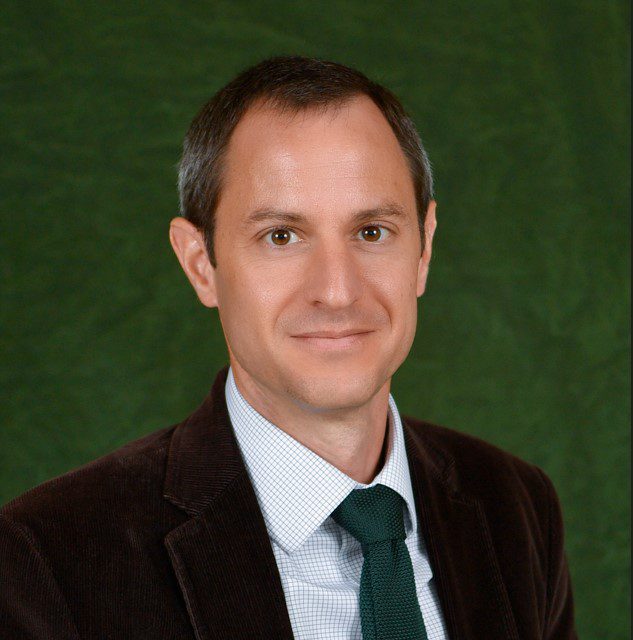
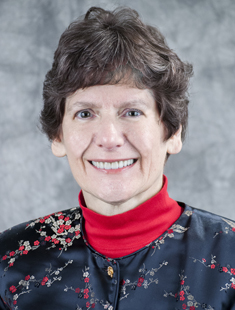
Dr. Troy V. Mumford is an Associate Professor in the Department of Management at Colorado State University's College of Business. He holds a Ph.D. in Organizational Behavior and Human Resource Management from Purdue University's Krannert Graduate School of Management. His research focuses on leadership across organizational levels, team roles, and quality culture development, with over a decade of publications in top-tier journals. Ph.D. from Purdue University Teaches Organizational Behavior, HRM, and Compensation Consulted biomedical, financial, and government sectors Editorial board member for Academy of Management Review His work spans high-performance work practices, team dynamics, and leadership mechanisms, including foundational team role research and situational judgment testing. Recent studies examine HRV training applications, cross-country organizational systems, and ethical workplace dynamics. Scientific contributions include methodological advancements in organizational research, leadership strataplex modeling, and team effectiveness frameworks. He has served as reviewer for Harvard Business School Publishing and Personnel Psychology.
Oliver G. Ernst is a Professor of Numerical Analysis at Technische Universität Chemnitz . His research focuses on Numerical Analysis , Uncertainty Quantification , and Inverse Problems , with applications in Thermo-Hydro-Mechanical (THM) processes , Electromagnetics , and Stochastic Partial Differential Equations . He is associated with the Numerical Analysis group at TU Chemnitz. Key Research Areas : Efficient numerical methods for PDEs Krylov subspace techniques Stochastic finite element methods Multi-physics modeling Geoscientific applications Recent Publications (2025-2010): THM simulations under uncertainty Neural network PDE solvers Bayesian inversion frameworks Rational Krylov algorithms Deflated restarting strategies Collaborations : TU Bergakademie Freiberg University of Manchester Technical University of Munich University of Maryland University of Geneva Software Development : Contributor to OpenGeoSys platform Developer of FEMALY MATLAB library Academic Recognition : h-index 32, i10-index 66, with over 4423 citations since 2020.
Hassan Fouayzi, PhD, MS, MEng is an Assistant Professor in the Division of Biostatistics and Health Services Research, Department of Population and Quantitative Health Sciences, and a Senior Biostatistician in the Division of Health Systems Science, Department of Medicine, at the University of Massachusetts Chan Medical School. His academic appointments span both the Department of Population and Quantitative Health Sciences and the Department of Medicine within the T.H. Chan School of Medicine. Dr. Fouayzi earned his MS in Resource Economics from the University of Massachusetts Amherst and his PhD in Clinical & Population Health from the University of Massachusetts Medical School. His educational background has prepared him for his current role focusing on quantitative health research methodology and application. Dr. Fouayzi possesses extensive expertise in large data management and analysis, statistical computing, advanced statistical methods, risk adjustment/predictive modeling, epidemiology, and econometrics/health economics. His research spans multiple critical areas including health care services, health policy, cancer research, chronic illness management, pharmacoepidemiology, and drug safety. A significant portion of his work focuses on incorporating social determinants of health into global payments to ensure health quality, equity, and efficiency in health care financing and delivery, as part of Dr. Arlene Ash's UMass Chan research team. His publication record demonstrates strong engagement with contemporary health issues, particularly evident in his numerous studies related to the COVID-19 pandemic, vaccine hesitancy, hospital readmissions, nursing home care quality, and cardiovascular disease risk prediction. These works collectively address critical questions in health services research through rigorous methodological approaches and large-scale data analysis. Multiple publications on vaccine hesitancy and acceptance during the pandemic Research on high-frequency hospital users and readmissions Studies examining cancer screening patterns during public health emergencies Work on incorporating social determinants into payment models Dr. Fouayzi serves as a technical liaison in multi-site research collaborations funded by major national organizations including the National Cancer Institute, the Agency for Healthcare Research and Quality, CDC, and FDA. His research has been widely disseminated through numerous peer-reviewed publications and has garnered significant attention in both academic and policy circles, as evidenced by substantial citation metrics and media coverage across multiple platforms. Through his work, Dr. Fouayzi contributes significantly to advancing health services research methodology while addressing practical challenges in healthcare delivery, payment reform, and health equity. His research directly informs efforts to improve healthcare quality, reduce disparities, and develop more effective healthcare financing models.
Alan W. Stacy is a Professor at Claremont Graduate University's School of Community and Global Health. He received his PhD in Social and Personality Psychology (Health Psychology focus) from the University of California, Riverside, with postdoctoral training at the University of Washington and University of Southern California. Stacy has held tenured professorships at UCLA and USC's Keck School of Medicine, and served as Associate Dean/Interim Dean at CGU. Key affiliations: NIH, CDC, FDA-funded research Leadership roles: Interim Dean (2018), Associate Dean (2008-2018) His research applies cognitive neuroscience and implicit cognition to understand health behaviors and addiction in high-risk populations. He pioneered the use of automatic memory processes in addiction studies and co-edited the foundational text on Implicit Cognition and Addiction . Recent work includes digital interventions for hepatitis/HIV risk reduction and epidemiological studies on e-cigarette/opioid use among youth. Dr. Stacy's publications span Behavioral Medicine , Psychological Assessment , and Addiction Biology , with a focus on translational research from lab to field. His NIH-funded career includes 8 R01 grants and a P50 center grant. Current projects investigate mobile health interventions for physical activity and dietary changes.
Anna Gervasoni is a Professor at LIUC University specializing in Management Science with extensive research in private equity, venture capital, and financial strategy. Her work bridges academic theory and industry practice through bibliometric analyses, socio-economic studies, and annual industry reports. Her core research domains include: Private equity impacts on financial distress and corporate governance Patent dynamics in venture capital investments ESG integration in early-stage financing Buy-and-build acquisition strategies Italian private banking sector evolution Post-conflict socio-economic reconstruction Recent publications (2024-2025) reveal a methodological emphasis on bibliometric literature reviews combined with empirical industry surveys. Her work demonstrates consistent focus on Italian market dynamics while addressing global themes like innovation management and sustainable finance. Key collaborations include Francesco Bollazzi and Michele Lertora across multiple reports. She contributes significantly to industry knowledge through flagship publications like the annual PeM Private Equity Monitor and Osservatorio Private Banking Report, providing critical data for investors and policymakers. Her socio-economic analysis of Mykolaiv exemplifies applied research with real-world reconstruction implications.
Martina Carrete is an Associate Professor in the Department of Physical, Chemical and Natural Systems at Universidad Pablo de Olavide, while also maintaining an active research position at CSIC (Spanish National Research Council) in Conservation Biology. Her academic career spans over two decades since earning her doctorate from Universidad de Murcia in 2002 with a thesis focused on eagle conservation in Mediterranean environments. Universidad Pablo de Olavide: Faculty member in Ecology CSIC: Post-Doctoral Researcher in Conservation Biology Research Group: ORGSIS Organismos y Sistemas Former Affiliation: ESTRUCTURA Y FUNCIÓN EN ECOSIS Carrete's research focuses on conservation ecology, particularly avian species with emphasis on scavengers and invasive birds. Her work spans multiple critical areas including vulture conservation, parrot ecology, invasive species management, and human-wildlife conflict resolution. She has made significant contributions to understanding population dynamics, species reintroduction strategies, and the ecological impacts of human activities on bird populations. Her publication record demonstrates consistent research output across high-impact journals, with recent work examining transcontinental migration patterns, pharmaceutical contamination in scavengers, and the hidden dimensions of wildlife poaching. Carrete's research often combines field observations with advanced analytical techniques to address pressing conservation challenges. Conservation Biology: Vulture population management, reintroduction strategies Ornithology: Raptor ecology, parrot behavior, urban adaptation Human Dimensions: Wildlife trade, human-wildlife conflict, policy implications Dr. Carrete has contributed significantly to understanding the ecological services provided by scavengers and the consequences when these are disrupted by human policies. Her work on the greenhouse gas emissions resulting from replacing natural carcass removal by vultures with mechanical processing has provided important evidence for conservation policy.
Dr. Matthew Whelan is an Associate Professor and EPIC Assistant Director of Research for Energy Infrastructure at the University of North Carolina at Charlotte. He is affiliated with the Department of Civil and Environmental Engineering and specializes in structural health monitoring, sensing technologies, and infrastructure resilience under dynamic loads. Current roles: Associate Professor, EPIC Assistant Director of Research for Energy Infrastructure Department: Civil and Environmental Engineering Research Interests: Dr. Whelan focuses on full-scale structural testing, ambient vibration monitoring, and the application of wireless sensor networks for bridge and building diagnostics. His work addresses deterioration modeling, blast and impact load responses, and digital twin integration for infrastructure management. Key Trends: Recent publications highlight advancements in concrete constitutive modeling, blast testing of cold-formed steel systems, and digital twins for construction quality monitoring. His work bridges computational simulations (e.g., LS-DYNA) with experimental validation using high-rate wireless sensors. Professional Background: He obtained all his degrees (B.S., M.S., Ph.D.) in Civil and Environmental Engineering from Clarkson University and has been a faculty member at UNC Charlotte since 2010. Dr. Whelan is a licensed Professional Engineer.
Sinead O'Keeffe is a Research Fellow at the University of Limerick in the Faculty of Science and Engineering , specifically within the Department of Electronic and Computer Engineering . Her research bridges the technical domain of optical fiber sensor development with critical applications in radiation therapy and sports medicine. Primary Research Themes Medical radiation dosimetry using optical fiber sensors Brachytherapy dose monitoring systems Sports injury prevention in Gaelic football and running Mental health literacy in rural farming communities Key Technical Contributions Development of scintillation-based dosimeters Characterization of perfluorinated polymer fibers 3D printed sensor systems for clinical and rehabilitation applications Interdisciplinary Applications Prostate cancer radiotherapy dose measurement Mental health intervention programs for athletes Work-family conflict analysis in Irish farming Email: sinead.okeeffe@ul.ie
Ole Arve Misund serves as a Professor at the Norwegian Fisheries College within UiT The Arctic University of Norway, Tromsø. His research spans polar science, Arctic marine ecology, fisheries management, and international relations in polar regions, with particular focus on Norway-Russia scientific cooperation dynamics following geopolitical shifts in 2022. His research interests center on climate change impacts on Arctic marine ecosystems, acoustic monitoring of marine organisms, and the geopolitical dimensions of polar research. Recent work examines boreal species migration into the Central Arctic Ocean, machine learning applications for backscatter analysis, and management frameworks for the Central Arctic Ocean. Analysis of his recent publications reveals strong interdisciplinary trends, integrating marine ecology with political science through studies of Russian-Norwegian scientific collaboration under sanctions, illegal fishing enforcement, and policy-relevant polar research. His work consistently bridges academic research with practical fisheries management and geopolitical considerations. Misund actively engages in science communication through Norwegian media outlets like Nordlys and Fiskeribladet, addressing topics from climate policy contradictions to Antarctic hydrological changes. His expeditionary work includes North Pole 2022 aboard the "Kronprins Haakon" research vessel. Professional activities demonstrate significant leadership in polar research infrastructure development and international scientific collaboration, particularly through the Norwegian Polar Institute where he contributes to strategic planning and policy advice. His work emphasizes evidence-based approaches to Arctic governance amid evolving geopolitical landscapes.
Tamika D. Gilreath, PhD, serves as Professor in the Department of Health Behavior and Associate Dean for Faculty Affairs at Texas A&M School of Public Health. She concurrently holds the position of Associate Director for the Center for Health Equity and Evaluation Research (CHEER), demonstrating dual leadership in academic administration and health equity initiatives. Her academic foundation includes: PhD in Biobehavioral Health from The Pennsylvania State University; MS in General Psychology from Virginia State University; BS in Interdisciplinary Science from Virginia Commonwealth University; and NIDA NRSA T32 Postdoctoral Fellowship at Yale University School of Medicine. Dr. Gilreath's research program systematically investigates tobacco use epidemiology, substance use patterns, mental health outcomes (particularly suicidality and depression), and health disparities affecting vulnerable populations. Her signature methodological approach employs latent class analysis to identify risk profiles among racial/ethnic minorities, military-connected youth, and sexual minorities. This work has produced over 85 peer-reviewed publications addressing global adolescent behavioral health challenges. Analysis of her recent publications reveals a pronounced shift toward military-connected youth mental health, with 60% of 2021-2025 articles focusing on this population. Her work increasingly integrates intersectionality theory with traditional epidemiological models, while maintaining a strong emphasis on person-centered analytical methods to uncover syndemic patterns in adolescent risk behaviors. Her scientific recognition includes the NIDA NRSA T32 Postdoctoral Fellowship. She has secured over $13 million in research funding with continuous federal support from 2010-2019 through agencies including NICHD, NCI, NIMHD, and DoDEA. Administrative leadership includes oversight of 300+ graduate students as former Graduate Program Chair (2020-2022). She actively contributes to university governance through service on the University Grievance Committee, CAFRT, and Graduate Council. Her CHEER leadership involves directing multi-institutional research consortia focused on health equity measurement and intervention development.
Marcia G. Ory is a Regents & Distinguished Professor in the Department of Environmental and Occupational Health at Texas A&M University, driving transformative research in aging, chronic disease management, and implementation science. Her work bridges public health theory with community-based interventions to improve health outcomes for vulnerable populations, particularly older adults and caregivers. Education: BA in Sociology/Psychology, University of Texas at Austin MA in Sociology/Human Development, Indiana University Bloomington PhD in Family Studies (Sociology)/Human Development, Purdue University MPH in Chronic Disease Epidemiology, Johns Hopkins Bloomberg School of Public Health Research Focus: Dr. Ory pioneers evidence-based approaches to aging and health promotion, with groundbreaking work in dementia caregiving, diabetes self-management, and opioid crisis response. Her signature integration of health technology empowers patients through digital platforms like GamePlan4Care, while her implementation science expertise translates research into real-world community programs. She champions health equity through rural-focused initiatives addressing disparities in chronic disease management and access to care. Publication Trends: Recent work (2023-2025) reveals three dominant trajectories: (1) Digital health innovations for dementia caregivers and diabetes management; (2) Multi-ancestry genomic analyses of Alzheimer’s risk; (3) Policy-focused studies on opioid surveillance and transportation equity. Her research consistently leverages large-scale data (commercial insurance, national surveys) to expose urban-rural disparities while developing scalable interventions for vulnerable aging populations. Awards & Recognition: Fellow of four national academies (Behavioral Medicine Research, Health Behavior, Gerontology, Behavioral Medicine) World’s Top 2% Scientist (Stanford 2021-2023), Top 1000 Social Sciences Researcher (Research.com) APHA Philip G. Weiler Lifetime Achievement Award, Healthcare Leadership Council Redefining American Healthcare Award Distinguished Alumna/Scholar (Purdue), Distinguished Mentor (Gerontological Society) Mentoring & Leadership: As a nationally recognized mentor (TAMU Women’s Faculty Network Award), she cultivates next-generation researchers through doctoral seminars in implementation science. Her federally funded grants consistently emphasize community engagement, translating findings into evidence-based programs like the LIVE WELL Initiative that serve 50,000+ older adults annually. She directs major NIH-supported dementia caregiving studies while advising federal agencies on aging policy. Research Ecosystem: Dr. Ory leads the Center for Community Health and Aging, coordinating interdisciplinary teams across public health, gerontology, and data science. Her collaborations span the Texas A&M System, Johns Hopkins, and international partners in Ukraine and Australia, with recent projects developing virtual reality interventions for depression and autonomous vehicle interfaces for cognitively impaired older adults.
Orsola Rosa Salva is an Assistant Professor (RTDa) at the Interdepartmental Center for Mind/Brain Sciences (CIMEC) at the University of Trento since November 2020. Her research focuses on comparative cognitive neuroscience using domestic chickens as a model system to investigate innate social predispositions, cerebral asymmetry, and cognitive development. She has maintained continuous academic appointments at the University of Trento since 2010, initially as a post-doctoral researcher under Prof. Giorgio Vallortigara. Her primary research interests include: Animal cognition and comparative psychology Neuropsychology and cognitive neuroscience Cerebral asymmetry and lateralization Statistical learning mechanisms Autism spectrum disorder research through comparative models Ethology and neuroethology of social behavior Analysis of her recent publications (2022-2024) reveals a consistent focus on innate social cognition in visually naive domestic chicks. Her work demonstrates chicks' spontaneous preferences for animate motion patterns, non-predictable reciprocal movements, and agent interactions. These studies bridge comparative psychology, developmental neuroscience, and social cognition, establishing chicks as valuable models for understanding the evolutionary foundations of social perception. Her methodological approach integrates behavioral observation with neural correlates analysis. Scientific recognition includes: Best Poster Prize at the 2018 Avian Cognitive Neuroscience Forum Dr. Salva has extensive teaching experience across multiple Italian universities including Padova, Trieste, and Trento. Her instructional contributions span courses in Animal Cognition, Comparative Psychology, Neuroscience, and Psychobiology. While specific grant information isn't detailed in the provided text, her research trajectory demonstrates sustained funding through post-doctoral positions and research contracts since 2006. She actively participates in international conferences on cognitive development, neuroethology, and comparative psychology. Her work is conducted primarily through the Interdepartmental Center for Mind/Brain Sciences (CIMEC) at the University of Trento, where she collaborates with Prof. Giorgio Vallortigara's research group. This center provides the interdisciplinary environment necessary for her comparative cognitive neuroscience research, combining psychological, neurological, and ethological approaches to study fundamental cognitive processes across species.
Seth Pipkin is an Associate Professor in the Department of Urban Planning and Public Policy at the School of Social Ecology, University of California, Irvine. Holding a Ph.D. from the Massachusetts Institute of Technology, he maintains an active research profile with recent publications spanning economic development, border policy, and public health. His office is located in 218E Social Ecology 1, and he can be contacted at spipkin@uci.edu or (949) 824-7695. His educational background includes: Ph.D. from Massachusetts Institute of Technology Dr. Pipkin's research centers on how groups collectively shape economic trajectories in developing regions, with specific focus on Latin America and the U.S.-Mexico border. He investigates group dynamics in local development processes, sources triggering 'high-road' industrial upgrading through institutional capacity-building, and citizens' responses to violence in Mexico. His work bridges economic sociology, political economy, and urban planning to examine practical habits influencing policy implementation and resource allocation. Analysis of his 12 publications (2005-2023) reveals consistent themes in industrial upgrading, border policy, and trade liberalization, with recent expansion into public health security. His interdisciplinary approach spans journals in development studies, political economy, and border research, demonstrating methodological diversity from case studies in Querétaro to epidemiological analyses of homelessness in Southern California. No scientific awards were mentioned in the provided text. Details regarding student advising, grant funding, or research supervision were not specified in available materials. No information about laboratories, research teams, or collaborative infrastructure was provided.
Professor Rhona Flin is a distinguished academic at Robert Gordon University's Aberdeen Business School, where she conducts groundbreaking research on human performance in high-risk work settings. Her expertise spans safety culture, organizational psychology, and non-technical skills development across various high-stakes industries including oil and gas, emergency management, and healthcare. Professor Flin earned her Bachelor's degree in Psychology from the University of Aberdeen in 1977, followed by a PhD in Psychology from the same institution in 1983. Her academic journey has positioned her as a leading expert in understanding how psychological factors influence safety, decision-making, and technology adoption in complex work environments. Professor Flin's research primarily focuses on human performance in high-risk settings, examining safety culture, organizational dynamics, and critical non-technical skills including situation awareness, decision making, teamwork, leadership, and coping with stress and fatigue. Her work bridges psychological theory with practical applications in industries where human error can have catastrophic consequences. A significant portion of her recent research investigates the psychological factors that influence the adoption of new technologies, particularly in the energy sector, where she has conducted innovative benchmarking studies on organizational innovation culture. Analysis of Professor Flin's recent publication record reveals several key trends. Her work increasingly focuses on emergency management decision-making, with multiple 2024 publications examining cognitive challenges in crisis situations and the training methods needed to improve performance. She has also expanded her research into renewable energy sectors, particularly wind power, where she investigates human factors in both onshore and offshore operations. Another significant thread in her recent work involves the development of behavioral marker systems for assessing non-technical skills across various domains, from helicopter operations to surgical settings. Professor Flin has contributed to professional guidelines such as those developed with the Difficult Airway Society and the Association of Anaesthetists on implementing human factors in anesthesia, demonstrating the practical impact of her research. As an academic supervisor, Professor Flin has guided numerous doctoral candidates through their research journeys. Her current and recent supervisees are investigating diverse topics including implementation of ISO 45003 in UK HEIs, sustainable business practices in the oil and gas industry, challenges facing Omani citizens in logistics, and decision-making competence in health supply chains. Her supervision portfolio demonstrates her ability to mentor research across multiple disciplines while maintaining focus on core themes of human performance, safety, and organizational culture. Professor Flin is actively involved in the Energy, Sustainability & Society Research Group at Robert Gordon University. Her collaborative approach is evident in her numerous multi-institutional projects that bring together experts from psychology, business, engineering, and healthcare to address complex human factors challenges in high-risk environments.
Thomas Albright is an Associate Professor and Deputy Nevada State Climatologist at the University of Nevada, Reno (UNR), affiliated with the Department of Geography and the Ecology, Evolution & Conservation Biology Graduate Program. His work integrates landscape ecology, biogeography, and remote sensing to address environmental challenges at global and local scales. He has conducted international research across 15 countries, emphasizing conservation, climate impacts, and sustainability. Educated at the University of Wisconsin-Madison (Ph.D. in Zoology, 2007) and the University of California, Santa Barbara (M.A. in Geography), he has held roles including Postdoctoral Associate at UW-Madison and Senior Scientist at the USGS EROS Center. His teaching focuses on physical geography, remote sensing applications, and climate solutions, emphasizing active learning and mentorship. Research interests include conservation biogeography, ecoclimatology, and urban heat dynamics. Notable projects include studying invasive species in China and the US, avian responses to extreme weather, and Las Vegas urban heat hazards. He collaborates globally, including with Nicaraguan institutions and NASA initiatives. His lab, the Laboratory for Conservation Biogeography, emphasizes environmental justice, community engagement, and policy-relevant science. Key collaborators include USGS, NASA, and international universities. Advised students include D Mutiibwa, G Sadoti, Nicole Shaw, and Lauren Phillips.